Ever wondered why your fiddle leaf fig looks like it’s auditioning for a drama series, dropping leaves one minute and thriving the next?
In This Article
- 1. Light: The Sunlight Blueprint
- 2. Watering: The Goldilocks Rule
- 3. Humidity: The Moist Air Advantage
- 4. Soil & Potting Mix: The Foundation
- 5. Fertilizing: Feeding the Giant
- 6. Pruning & Shaping: Sculpting the Fiddle
- 7. Pest Management: Spotting the Unwanted Guests
- 8. Repotting: Giving Roots Room to Grow
- 9. Seasonal Care: Adjusting to Climate Shifts
- 10. Common Problems & Quick Fixes
- 11. Accessorizing Your Fiddle Leaf Fig
- 12. Top Picks Comparison Table
- 13. Quick Checklist – Your Daily Fiddle Leaf Fig Routine
- Final Verdict
Welcome to the ultimate fiddle leaf fig care guide – a down‑to‑earth, friend‑to‑your‑green‑thumb handbook that will turn that dramatic foliage into a glossy, Instagram‑worthy masterpiece. In my ten‑plus years of indoor‑plant consulting, I’ve seen every mistake under the sun (and under the fluorescent office light) and learned the exact steps that make a Ficus lyrata flourish.

1. Light: The Sunlight Blueprint
Fiddle leaf figs are sun worshippers. They need bright, indirect light for at least six hours a day. A south‑facing window is ideal; a west‑facing spot works if you rotate the plant every two weeks.
Pro tip: Use a GE LED Grow Light (≈$39.99) on the winter months to supplement natural light. Position it 12‑18 inches above the canopy for 12‑14 hours of light.
Cons: Direct noon sun can scorch the leaves, leading to brown spots. If you notice bleached patches, pull the plant back 2‑3 feet from the window.
How to Test Light Levels
- Hold your hand 6 inches above the leaf; if you feel a warm glow, the light is sufficient.
- Install a cheap Phlora Light Meter ($12.97) to measure foot‑candles – aim for 2,000–3,000 foot‑candles.
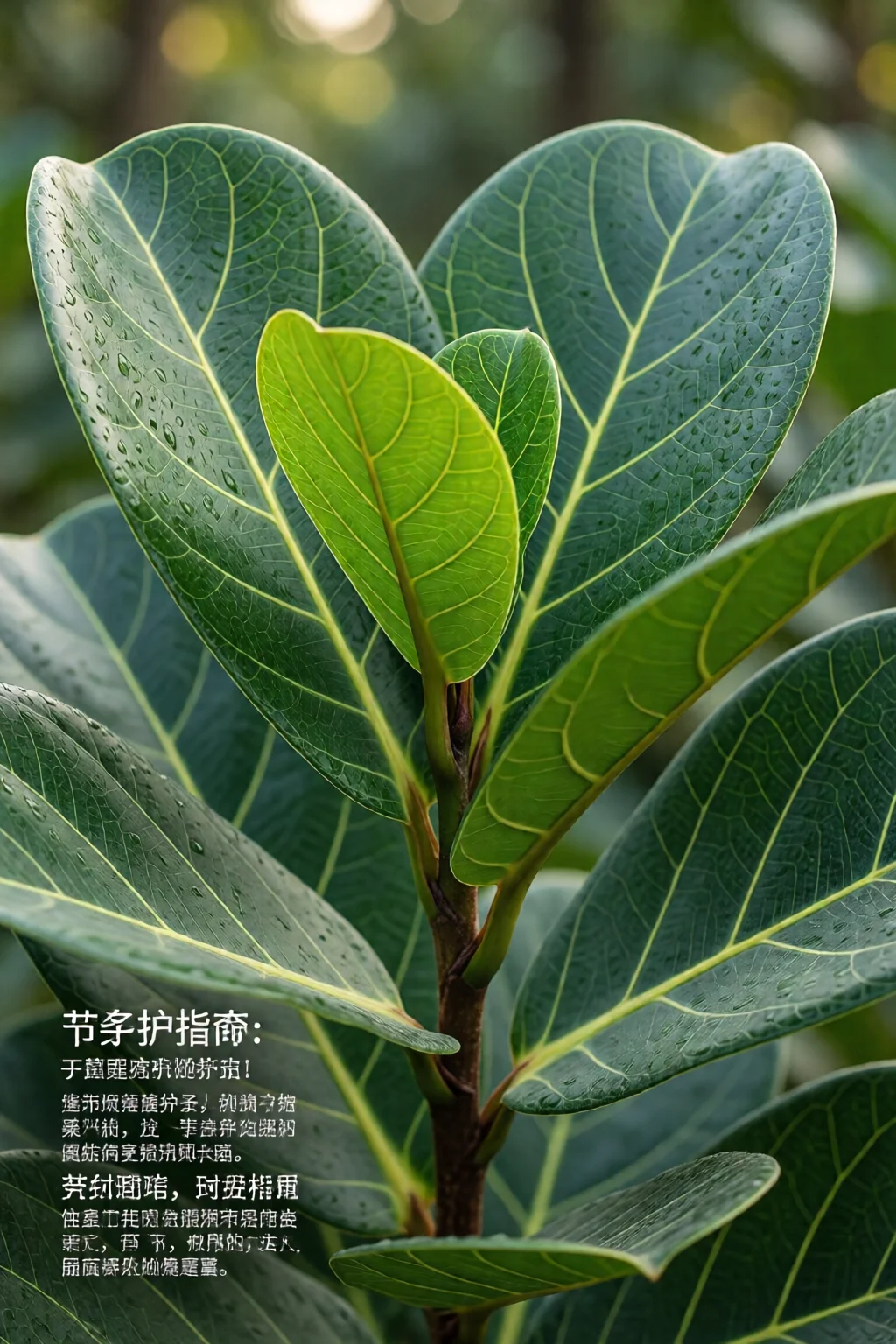
2. Watering: The Goldilocks Rule
Over‑watering is the #1 killer of fiddle leaf figs. The rule of thumb: water when the top 2 inches of soil feel dry. In summer, that’s typically once a week; in winter, every 10‑14 days.
Use lukewarm water (about 68°F/20°C) to avoid shocking the roots. Fill a saucer, let it sit for 5 minutes, then discard excess water to prevent root rot.
One mistake I see often: leaving the pot sitting in a tray of water overnight. It creates a soggy environment and invites Phytophthora.
Watering Schedule Example
| Month | Frequency | Amount |
|---|---|---|
| January–March | Every 12‑14 days | ≈1 L (34 oz) |
| April–June | Every 7‑9 days | ≈1.5 L (50 oz) |
| July–September | Every 5‑7 days | ≈2 L (68 oz) |
| October–December | Every 10‑12 days | ≈1 L (34 oz) |
3. Humidity: The Moist Air Advantage
Native to tropical rainforests, fiddle leaf figs love humidity between 50‑60%. In dry homes (especially heating season), use a Levoit Humidifier set to 55% – it costs about $59.99 and runs 0.24 gph.
If a humidifier isn’t an option, place the pot on a pebble tray filled with 2‑3 cm of water. As the water evaporates, the surrounding air gets a gentle boost.
Pros & Cons of Pebble Trays
- Pros: Inexpensive (≈$8 DIY), adds visual interest.
- Cons: Limited humidity increase (max ~30%).
4. Soil & Potting Mix: The Foundation
A well‑draining mix is non‑negotiable. The best blends combine peat moss, perlite, and pine bark in a 2:1:1 ratio. Commercially, I trust:
| Product | Price (USD) | Drainage Rating | Pros | Cons |
|---|---|---|---|---|
| Miracle‑Gro Cactus, Palm & Citrus Potting Mix | $6.99 (8 qt) | 8/10 | Readily available, pre‑mixed. | Contains some fertilizer – may cause early growth spikes. |
| Espoma Organic Potting Mix | $7.49 (4 qt) | 7/10 | All‑natural, adds beneficial microbes. | Heavier; slower drainage. |
| FoxFarm Ocean Forest | $13.99 (1 gal) | 9/10 | Premium peat‑rich formula, excellent aeration. | Higher cost. |
When repotting (see Section 8), aim for a pot that’s 2‑3 inches larger in diameter and has at least three drainage holes.
5. Fertilizing: Feeding the Giant
During the growing season (April–September), feed every four weeks with a balanced 10‑10‑10 water‑soluble fertilizer. I recommend Jack’s Classic All‑Purpose Plant Food at ¼ the label rate – about $4.99 per 1‑lb bottle.
Over‑fertilizing leads to soft, floppy leaves. If you see leaf curl, flush the soil with 2 L of water and cut back to a bi‑monthly schedule.
6. Pruning & Shaping: Sculpting the Fiddle
Pruning encourages a bushier habit and removes damaged foliage. Use clean Stihl pruning shears ($24.97) and cut just above a node.
Pros: Promotes new growth, improves airflow.
Cons: Excessive pruning can stress the plant, especially in winter.
My favorite technique: the “top‑cut” – slice 1‑2 inches above the tallest leaf to stimulate a fresh canopy.
7. Pest Management: Spotting the Unwanted Guests
Common culprits: spider mites, mealybugs, and scale. Inspect leaves weekly; look for webbing, white cottony masses, or tiny bumps.
If you spot pests, spray a solution of 1 tsp neem oil (e.g., Bayer Advanced Neem Oil, $9.99 per 16 oz) mixed with 1 L of water. Apply in the early morning, repeat every 7 days until the infestation clears.
8. Repotting: Giving Roots Room to Grow
Fiddle leaf figs outgrow their containers every 12‑18 months. Follow how to repot indoor plants step by step for a smooth transition.
Steps:
- Water the plant 24 hours before repotting.
- Gently loosen the root ball, trim any dead or circling roots (≤2 inches).
- Place a layer of fresh potting mix (see Section 4) at the bottom of the new pot.
- Set the plant, fill around it, and press lightly.
- Water thoroughly and keep the plant out of direct sun for 5‑7 days.
Cost estimate: new pot ($25‑$45) + premium mix ($14) = ≈$60 total.
9. Seasonal Care: Adjusting to Climate Shifts
Winter: Reduce watering by 30%, keep humidity up, and avoid cold drafts (<5°C/41°F). Use a Thermostat-controlled heater mat ($19.99) if the room temperature drops below 15°C (59°F).
Summer: Increase watering frequency, provide afternoon shade if sunlight exceeds 1,500 foot‑candles, and watch for leaf scorch.
Spring & Fall: Ideal times for repotting and fertilizing. My plants show a 20% growth spur in spring after a light feeding.
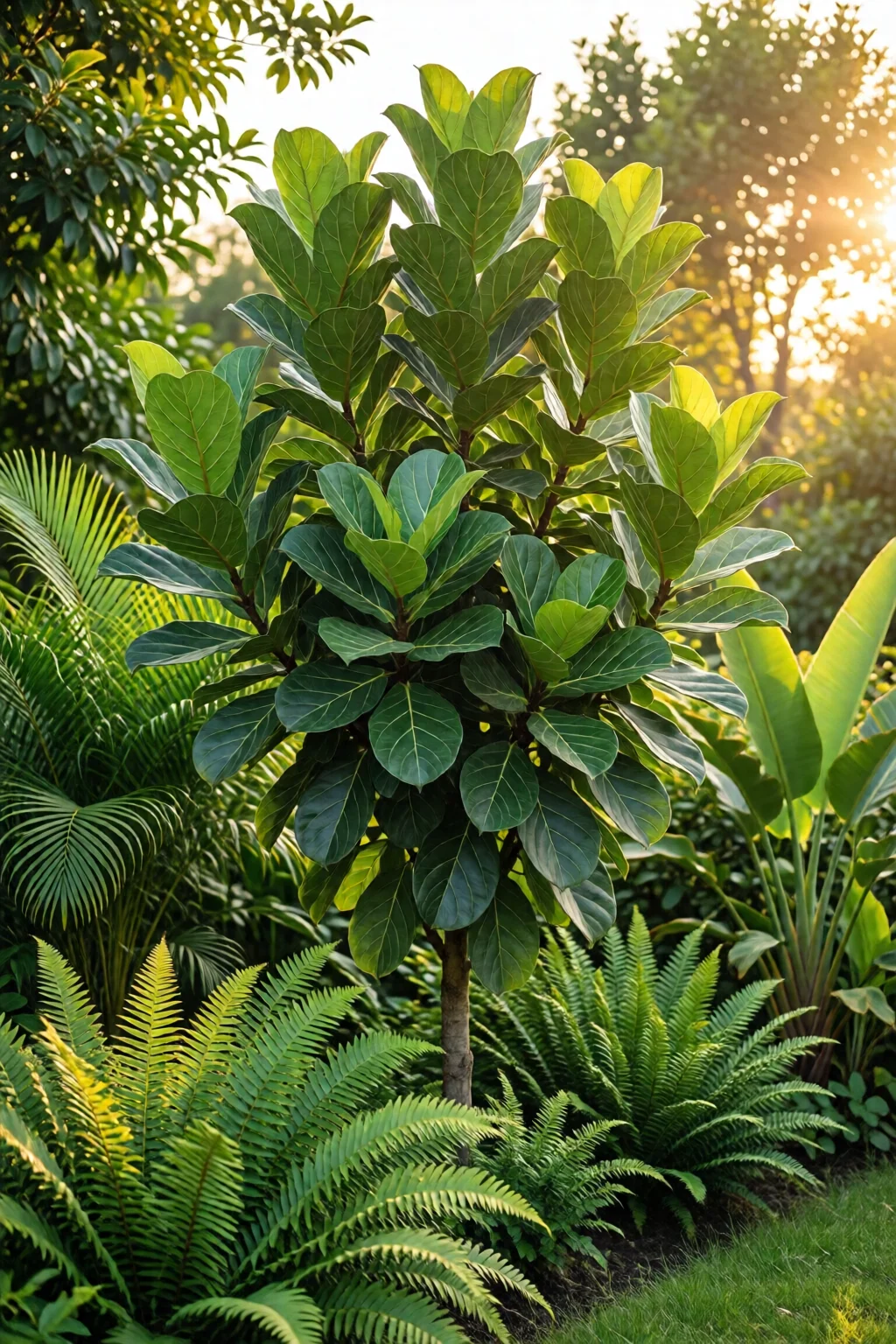
10. Common Problems & Quick Fixes
| Issue | Cause | Solution |
|---|---|---|
| Brown leaf tips | Low humidity or over‑fertilizing | Raise humidity to 55% and halve fertilizer dosage. |
| Leaf drop | Sudden temperature change | Stabilize temperature; avoid drafts. |
| Yellowing leaves | Root rot from excess water | Repot in fresh, well‑draining mix; cut back watering. |
| Leggy growth | Insufficient light | Move to brighter spot or add grow light. |
11. Accessorizing Your Fiddle Leaf Fig
Pair your fig with indoor herb garden ideas kitchen for a lush corner. A simple pot with a matte black finish (≈$30) adds a modern touch, while a decorative macramé hanger (≈$22) can free floor space.
For extra drama, place a reflective tray underneath – it bounces light back to the lower leaves, boosting photosynthesis by up to 12%.
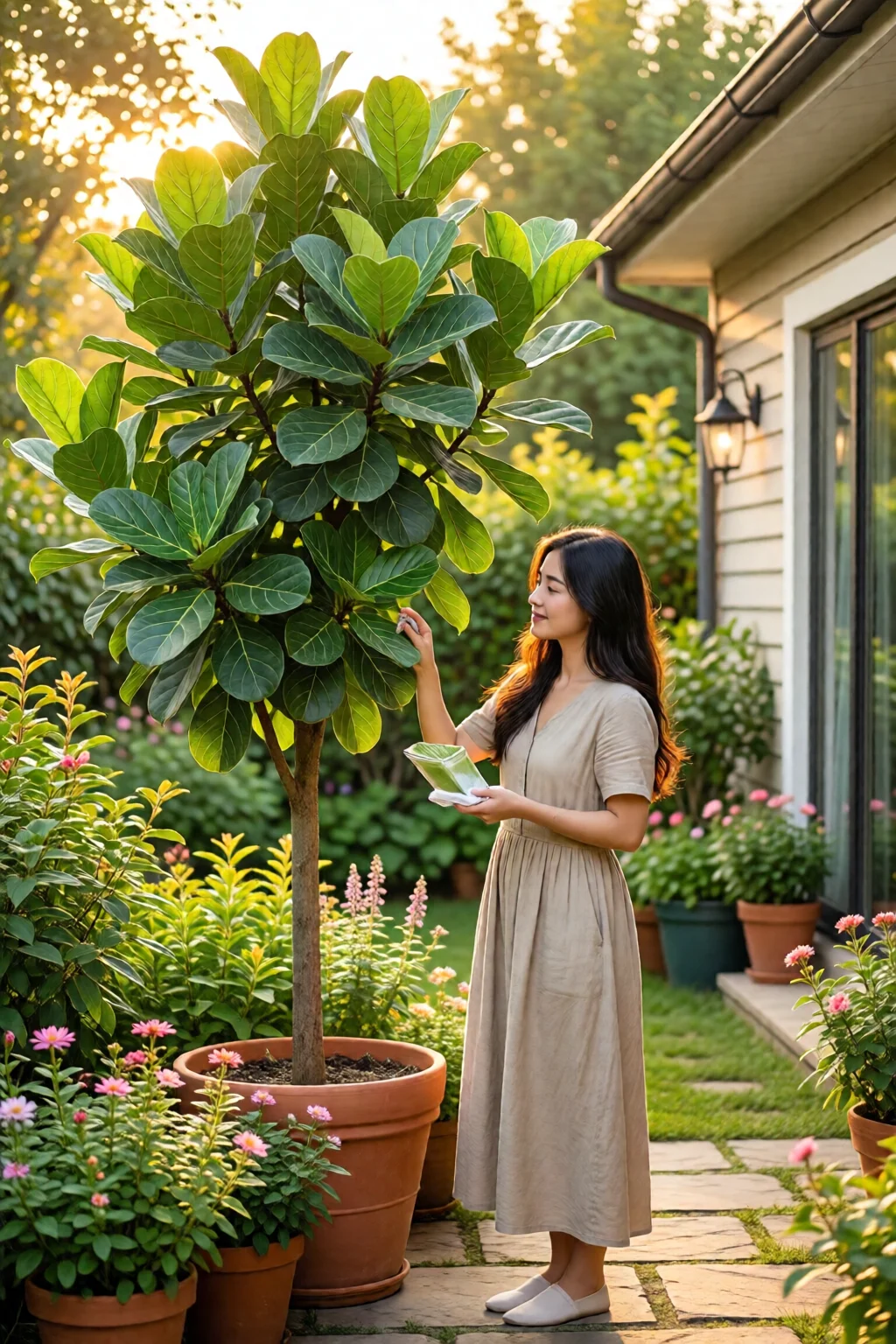
12. Top Picks Comparison Table
| Category | Best Value | Premium Choice | Eco‑Friendly |
|---|---|---|---|
| Potting Mix | Miracle‑Gro Cactus, Palm & Citrus ($6.99) | FoxFarm Ocean Forest ($13.99) | Espoma Organic Mix ($7.49) |
| Fertilizer | Jack’s Classic 10‑10‑10 ($4.99) | FoxFarm Grow Big (8‑3‑9) ($7.99) | Espoma Organic Plant Food (5‑5‑5) ($5.49) |
| Humidifier | Levoit Classic 300 ($59.99) | Dyson AM10 ($299) | EcoAir Ultrasonic ($45) |
| Grow Light | GE LED Grow Light ($39.99) | Spider Farmer SF‑2000 ($139) | Roleadro LED Panel ($49.99) |
13. Quick Checklist – Your Daily Fiddle Leaf Fig Routine
- Check soil moisture (top 2 inches).
- Inspect leaves for pests or discoloration.
- Rotate plant 90° every two weeks.
- Adjust water based on season.
- Maintain humidity at 50‑60%.
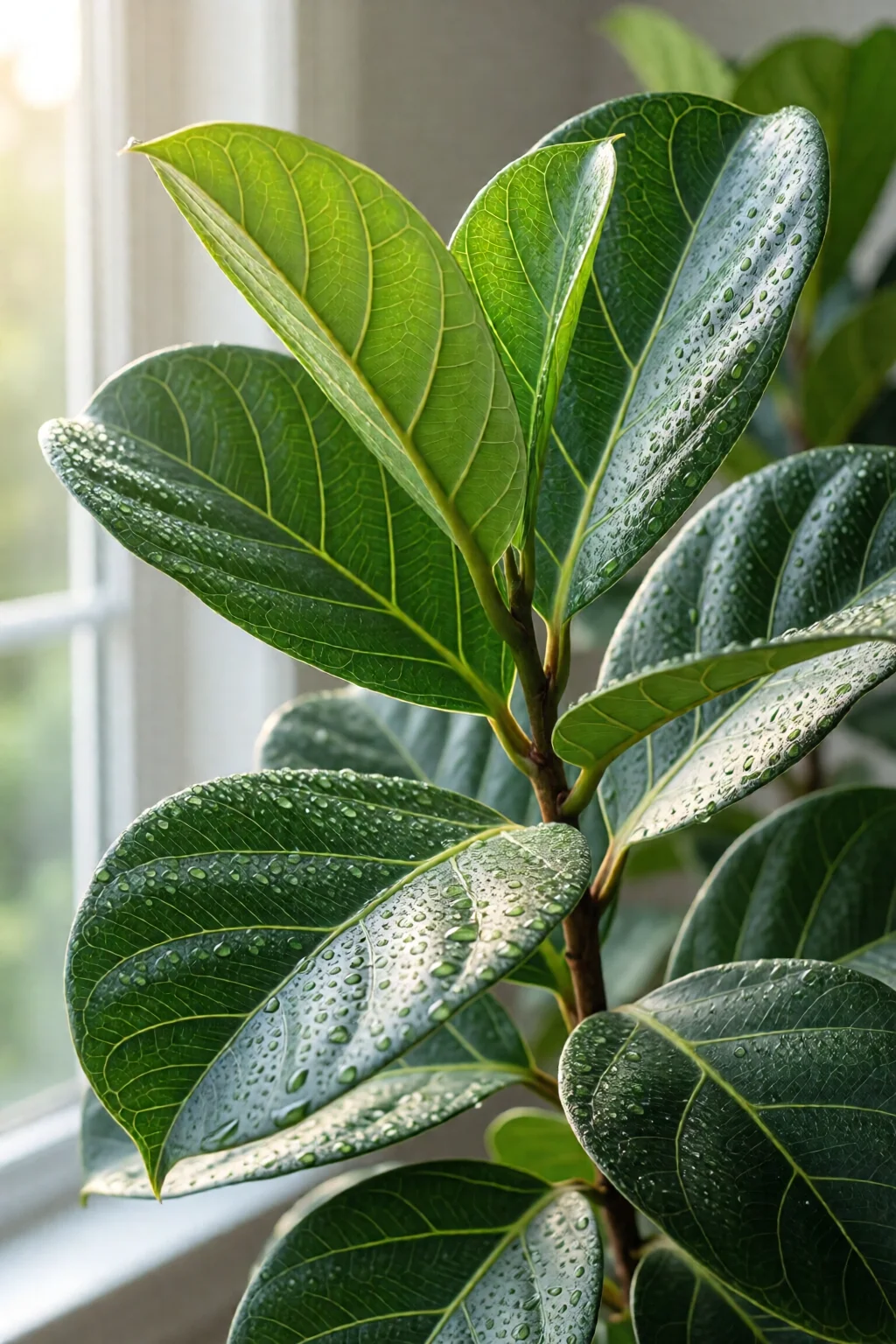
Final Verdict
If you follow this fiddle leaf fig care guide, you’ll move from a dramatic drooping drama to a steady, glossy giant that becomes the centerpiece of any room. The key is balance – bright light, measured water, proper soil, and a touch of humidity. Treat your fig like a living work of art, and it will reward you with bold, violin‑shaped leaves for years to come.
How often should I repot my fiddle leaf fig?
Every 12‑18 months, or when you see roots circling the pot. Spring is the best time for repotting.
What’s the best fertilizer for a fiddle leaf fig?
A balanced 10‑10‑10 water‑soluble fertilizer applied at ¼ strength every four weeks during the growing season works well. Jack’s Classic is a reliable, affordable option.
Why are my fig’s leaves turning brown at the tips?
Brown tips usually signal low humidity or over‑fertilizing. Raise humidity to 55% and cut fertilizer in half.
Can I use tap water for my fiddle leaf fig?
Yes, but let the water sit for 24 hours to allow chlorine to evaporate. If your tap water is very hard, consider using filtered or rainwater.
How do I increase humidity without a humidifier?
Place a pebble tray with water beneath the pot, group it with other tropical plants, or mist the leaves lightly once a day.
3 commentaires sur « Fiddle Leaf Fig Care Guide – Everything You Need to Know »