Keeping a garden thriving and beautiful means not only planting the right varieties and providing proper care, but also staying vigilant against the myriad pests that can sabotage your hard work. Whether you’re growing a vegetable patch, a flower border, or a mixed herb garden, the ability to accurately identify common garden pests and apply effective, environmentally responsible control methods is essential. This guide walks you through the most prevalent garden pests in the United States, how to spot them early, and the practical, expert‑backed strategies you can use to protect your plants while preserving the health of your soil and beneficial insects.
Why Accurate Pest Identification Matters
Before you reach for any pesticide or remedial measure, knowing exactly which pest you’re dealing with is crucial. Misidentifying a harmless insect as a destructive one can lead to unnecessary chemical use, harming pollinators and beneficial predators. Conversely, overlooking a serious infestation can let damage spread unchecked, resulting in reduced yields, unsightly foliage, and even the loss of entire plant sections. Accurate identification also allows you to tailor control methods—cultural, biological, or chemical—to the pest’s life cycle, ensuring you strike at the most vulnerable stage and maximize effectiveness.
Common Garden Pests in the United States
Garden pests fall into several broad categories, each with its own set of symptoms and control challenges. Below is a quick reference to the most frequently encountered pests across U.S. regions.
Insect Pests
- Aphids – Small, soft-bodied insects that cluster on new growth, excreting sticky honeydew and transmitting plant viruses.
- Whiteflies – Tiny, winged insects that congregate on the undersides of leaves, also producing honeydew and causing leaf yellowing.
- Spider Mites – Microscopic arachnids that create fine webbing and cause stippling or a “bronzed” appearance on foliage.
- Caterpillars – The larvae of moths and butterflies, known for chewing holes in leaves, buds, and fruit.
- Japanese Beetles – Metallic green beetles that skeletonize leaves and feed on a wide range of ornamental and edible plants.
Other Arthropods
- Root Knot Nematodes – Microscopic roundworms that invade roots, causing galls, stunted growth, and wilting.
- Thrips – Slender insects that rasp plant tissue, leaving silvery streaks and transmitting viruses.
- Scale Insects – Sap‑sucking pests that appear as tiny bumps on stems and leaves, often protected by a waxy shell.
Vertebrate Pests
- Rabbits – Chew bark, tender shoots, and vegetables, leaving characteristic round bite marks.
- Deer – Browse on foliage and buds, especially in early spring when food is scarce.
- Groundhogs (Woodchucks) – Dig burrows near plant roots and consume leaves, stems, and fruits.
Understanding the specific signs each pest leaves behind—such as leaf discoloration, webbing, or physical damage—will guide you toward the most appropriate control strategy.
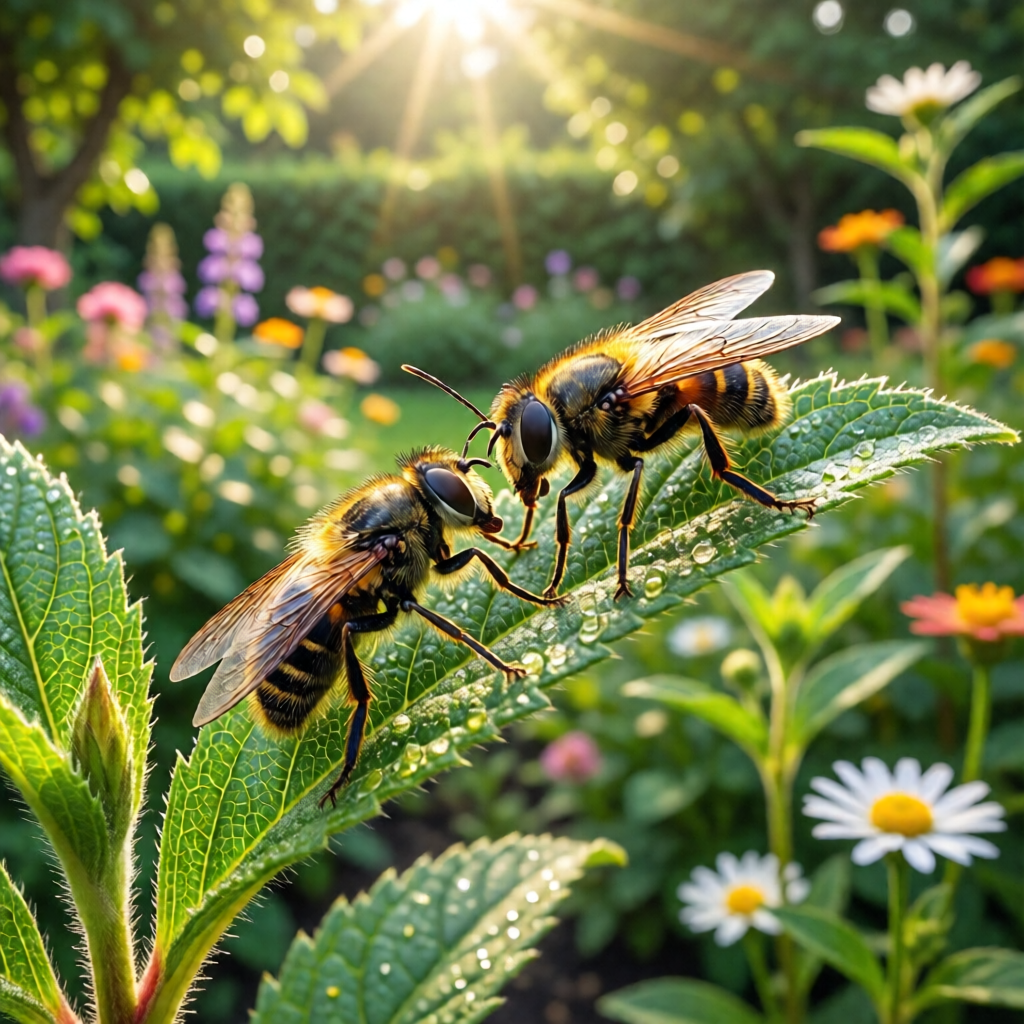
Monitoring and Early Detection Techniques
Early detection is the cornerstone of successful pest management. Regular scouting allows you to intervene before a small problem becomes a full‑blown outbreak. Adopt these simple yet effective monitoring habits:
Weekly Visual Inspections
Walk through each garden bed at least once a week, examining the tops and undersides of leaves, stems, and soil surfaces. Look for signs such as:
- Sticky residue (honeydew) indicating sap‑sucking insects.
- Fine webbing or mottled leaves pointing to spider mites.
- Small holes or skeletonized foliage suggesting beetle activity.
- Galls or swellings on roots that may signal nematodes.
Use of Sticky Traps and Beat Sheets
Place yellow sticky traps near susceptible crops to capture flying insects like whiteflies and thrips. For larger pests, a simple beat sheet—a piece of cardboard held under a branch—can help you dislodge and identify hidden insects when you gently shake the plant.
Leveraging Technology
Smartphone apps now exist that can identify pests from photos using AI. While not a substitute for expert advice, they can provide quick preliminary identification, helping you decide whether immediate action is needed.
Document any findings with notes and photos. Over time, you’ll notice patterns linked to weather, planting dates, and crop choices, which can inform future preventive measures.
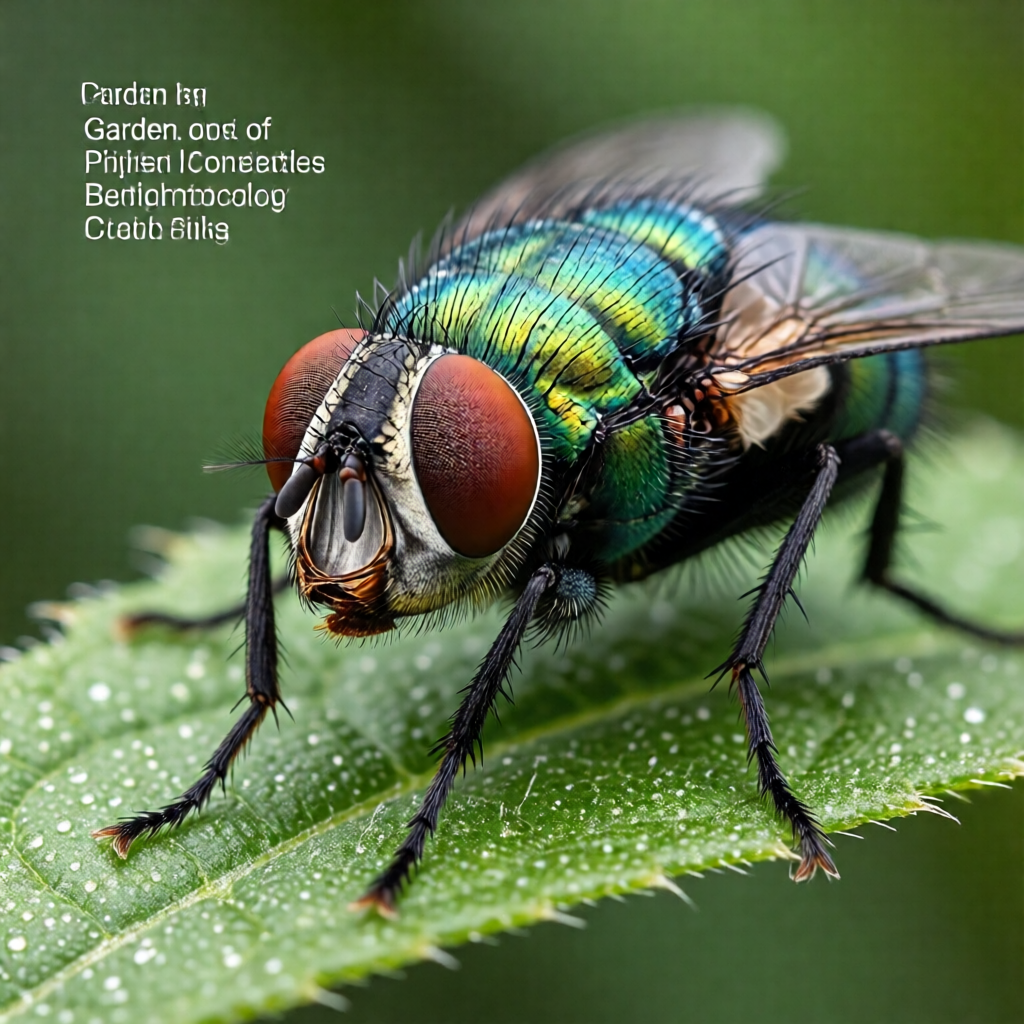
Cultural Controls: Preventing Problems Before They Start
Cultural practices create an environment that is less inviting to pests and more supportive of healthy plant growth. These low‑cost, sustainable techniques should form the first line of defense in any Integrated Pest Management (IPM) plan.
Crop Rotation and Diversity
Rotating crops each season disrupts the life cycles of soil‑borne pests like root knot nematodes and certain fungal pathogens. Planting a diverse mix of species also confuses pests that are host‑specific, reducing the chance of a single pest overwhelming your garden.
Proper Plant Spacing and Pruning
Overcrowded plants create humid microclimates that favor fungal diseases and spider mites. Space plants according to their mature size, and prune to improve air circulation. For example, regular pruning of roses can reduce aphid colonies, and proper spacing of beans can limit bean beetle infestations.
Soil Health and Mulching
Rich, well‑draining soil supports robust root systems that can better tolerate pest pressure. Incorporate organic matter such as compost and use mulch to regulate soil temperature, suppress weeds that harbor pests, and retain moisture. However, keep mulch a few inches away from plant stems to prevent creating a haven for slugs and snails.
Resistant Varieties
When selecting seeds or transplants, choose varieties bred for pest resistance. Many tomatoes now carry the Mi gene for resistance to root knot nematodes, and certain cucumbers are less attractive to cucumber beetles. Check seed catalogs for these traits and read the descriptions carefully.
By integrating these cultural tactics, you reduce the reliance on chemical interventions and set a solid foundation for a resilient garden ecosystem.

Biological Controls: Harnessing Nature’s Allies
Biological control leverages beneficial organisms to keep pest populations in check. These living allies can be introduced or encouraged to thrive in your garden, providing a natural and sustainable pest suppression method.
Predatory Insects and Mites
Lady beetles (ladybugs), lacewings, and predatory mites are voracious consumers of aphids, whiteflies, and spider mites. Planting nectar‑rich flowers such as dill, fennel, and yarrow attracts these predators. You can also purchase commercially reared predators and release them according to the instructions on the package.
Parasitic Wasps
Micro‑wasps like Trichogramma spp. lay their eggs inside the eggs of caterpillars and moths, preventing them from hatching. These tiny wasps are especially effective against cabbage loopers and tomato fruitworms. Look for local suppliers that specialize in beneficial insects for garden use.
Entomopathogenic Nematodes and Fungi
Beneficial nematodes (e.g., Steinernema spp.) and fungi such as Beauveria bassiana infect and kill soil‑dwelling pests like grubs, root weevils, and certain larvae. Apply them as a soil drench, following label directions for moisture and temperature conditions to ensure maximum efficacy.
Birds and Bats
Providing birdhouses, bat boxes, and water sources can encourage avian and bat predators that consume large quantities of insects, including moths and beetles. In addition, these creatures help control mosquito populations, reducing the risk of disease transmission in the garden area.
Integrating biological controls with cultural practices creates a synergistic effect, making it harder for pests to establish dominant populations.
Chemical Controls: When and How to Use Pesticides Responsibly
Even with diligent cultural and biological strategies, occasional chemical interventions may be necessary, especially during severe infestations. When opting for pesticides, follow these best practices to minimize risks to humans, pets, pollinators, and the environment.
Choosing the Right Product
Prefer targeted, low‑toxicity options such as insecticidal soaps, neem oil, or horticultural oils for soft‑bodied insects like aphids and spider mites. For tougher pests like Japanese beetles, consider a pyrethrin‑based spray applied in the early morning or late evening when pollinators are less active.
Application Timing and Weather Considerations
Apply pesticides when pest populations are at their most vulnerable stage—often the early larval or egg stage. Avoid applications during windy conditions to reduce drift, and do not spray when bees are foraging (typically mid‑morning to mid‑afternoon on sunny days).
Proper Dosage and Rotation
Follow label instructions precisely. Over‑application can lead to resistance, harming beneficial insects, and contaminating soil and water. Rotate between different modes of action (MOAs) each season to prevent pests from developing resistance.
Safety Measures
Wear appropriate protective gear—gloves, goggles, and long sleeves—when handling chemicals. Store all pesticides out of reach of children and pets, and keep the original label for reference. After application, wash any tools or equipment thoroughly.
Remember, chemical control should be the last resort, used sparingly and strategically within an overall IPM framework.
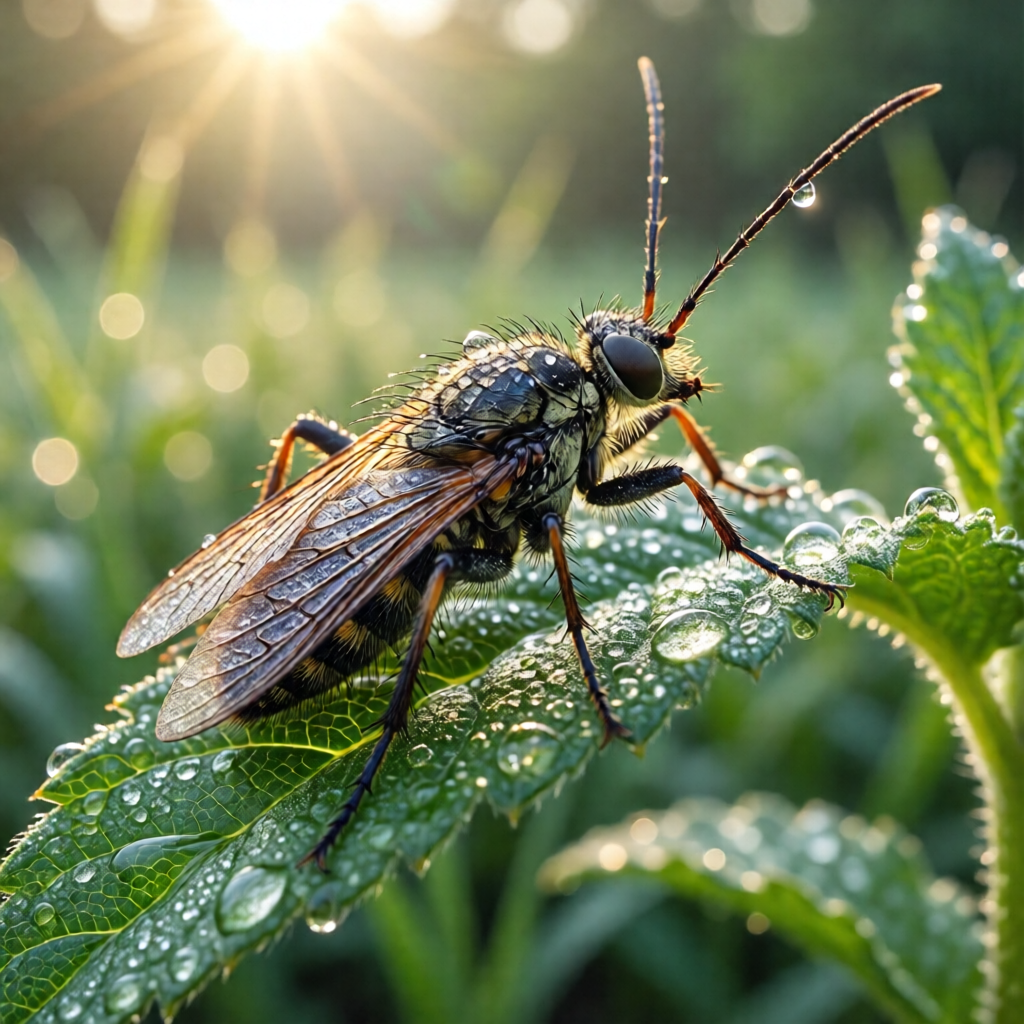
Integrated Pest Management (IPM): A Holistic Approach
Integrated Pest Management combines monitoring, cultural, biological, and chemical tactics into a cohesive plan that emphasizes prevention, minimal pesticide use, and long‑term sustainability. Follow these steps to develop an effective IPM program for your garden:
1. Set Action Thresholds
Determine the level of pest activity that justifies intervention. For example, if aphids cover more than 10% of leaf surfaces on a vegetable crop, it may be time to act. Thresholds vary by crop and pest; consult extension resources for specific guidelines.
2. Conduct Regular Scouting
Implement the monitoring techniques discussed earlier—visual inspections, sticky traps, and beat sheets—to keep tabs on pest populations and identify trends.
3. Apply Cultural Controls First
Use crop rotation, proper spacing, and resistant varieties to reduce pest pressure before considering other measures.
4. Introduce Biological Controls
Encourage or release beneficial organisms that target the identified pests, creating natural suppression.
5. Use Targeted Chemical Controls as Needed
If pest levels exceed action thresholds and non‑chemical methods are insufficient, select the least toxic pesticide appropriate for the pest and apply it responsibly.
6. Evaluate and Adjust
After each growing season, review the effectiveness of your IPM plan. Note which tactics worked, which didn’t, and adjust thresholds or control methods for the next year.
By following an IPM approach, you protect not only your plants but also the broader garden ecosystem, fostering a balanced environment where pests are kept in check without excessive chemical reliance.
Safe Practices for Garden Workers and Home Gardeners
Whether you’re a professional landscaper or a weekend hobbyist, safety should always be a priority. Here are essential guidelines to protect yourself and your family while managing garden pests:
- Read Labels Thoroughly – Understand active ingredients, application rates, and pre‑harvest intervals.
- Wear Protective Gear – Gloves, long sleeves, eye protection, and, when using certain chemicals, a mask or respirator.
- Keep Children and Pets Away – Restrict access to treated areas until the product has dried or the recommended re‑entry interval has passed.
- Store Pesticides Securely – Use locked cabinets and keep chemicals away from food, water sources, and heat.
- Dispose of Containers Properly – Follow local hazardous waste guidelines; do not reuse pesticide containers for other purposes.
Adhering to these practices minimizes health risks and ensures that your pest control efforts are both effective and responsible.
Special Considerations for Popular Garden Plants
Different plants attract specific pests, and knowing these relationships can streamline your identification and control efforts.
Roses
Roses are prone to aphids, Japanese beetles, and spider mites. Regular pruning, using boxwood care and shaping tips for proper cut techniques, and applying neem oil in the early morning can keep these pests at bay.
Clematis
Leaf spots and aphids commonly affect clematis. Refer to how to grow and care for clematis for pruning schedules that improve air flow and reduce disease incidence.
Tomatoes
Tomatoes often face whiteflies, spider mites, and fruitworms. Using reflective mulches can deter whiteflies, while sticky traps capture them early. For fruitworms, consider Bacillus thuringiensis (Bt) applications at the first sign of larvae.
Monstera (Houseplants)
While not an outdoor garden plant, indoor monstera can suffer from spider mites and mealybugs. The how to care for monstera plant guide recommends regular leaf cleaning and occasional insecticidal soap sprays.
Soil pH and Nutrient Balance
Many pests thrive in soils with improper pH. Testing your soil’s acidity using methods described in how to test soil pH at home allows you to amend it appropriately, creating less favorable conditions for pests like nematodes.
Creating a Privacy Hedge That Also Helps With Pest Management
Strategically placed hedges not only provide privacy but also serve as habitat for beneficial insects and birds. For ideas on designing such a hedge, explore privacy hedge ideas for backyard. Choose species like lilac, hawthorn, or native viburnums that bloom at various times, offering continuous nectar sources for pollinators and predators alike.
Conclusion: Empowering Your Garden With Knowledge and Action
Effective garden pest identification and control hinge on keen observation, timely action, and a balanced mix of cultural, biological, and chemical strategies. By implementing the monitoring techniques, preventive cultural practices, and targeted interventions outlined in this guide, you’ll not only protect your plants from damage but also nurture a healthier, more resilient garden ecosystem. Remember, the goal isn’t to eliminate every pest but to keep populations at manageable levels where they coexist with your plants and beneficial organisms. With diligence, patience, and the right tools, you can enjoy a vibrant garden that thrives year after year.
What are the first signs of an aphid infestation?
Aphids often appear as small, soft-bodied insects clustered on new growth, leaving behind a sticky honeydew that can attract sooty mold. Look for curled or yellowed leaf edges and a cotton‑like residue on stems.
How can I naturally control spider mites without chemicals?
Increase humidity around affected plants, spray them with a strong jet of water to dislodge mites, and introduce predatory mites such as Phytoseiulus persimilis. Regularly remove infested leaves and avoid excessive nitrogen fertilization.
When is it appropriate to use chemical pesticides in an IPM program?
Chemical controls should be used only after monitoring shows pest populations exceed established action thresholds and when cultural and biological methods have proven insufficient. Choose targeted, low‑toxicity products and apply them at the pest’s most vulnerable stage.
What is the best way to protect my vegetable garden from root knot nematodes?
Rotate susceptible crops with non‑host plants, use nematode‑resistant varieties (e.g., tomatoes with the Mi gene), incorporate organic amendments that encourage beneficial microbes, and consider applying entomopathogenic nematodes or soil solarization before planting.
How can I attract beneficial insects to my garden?
Plant a diverse range of nectar‑rich flowering herbs and wildflowers such as dill, fennel, yarrow, and alyssum. Provide water sources, avoid broad‑spectrum insecticides, and consider installing insectary plants or purchasing beneficial insects like lady beetles and lacewings.
1 réflexion au sujet de « Garden Pest Identification And Control – Expert Guide and Ideas »