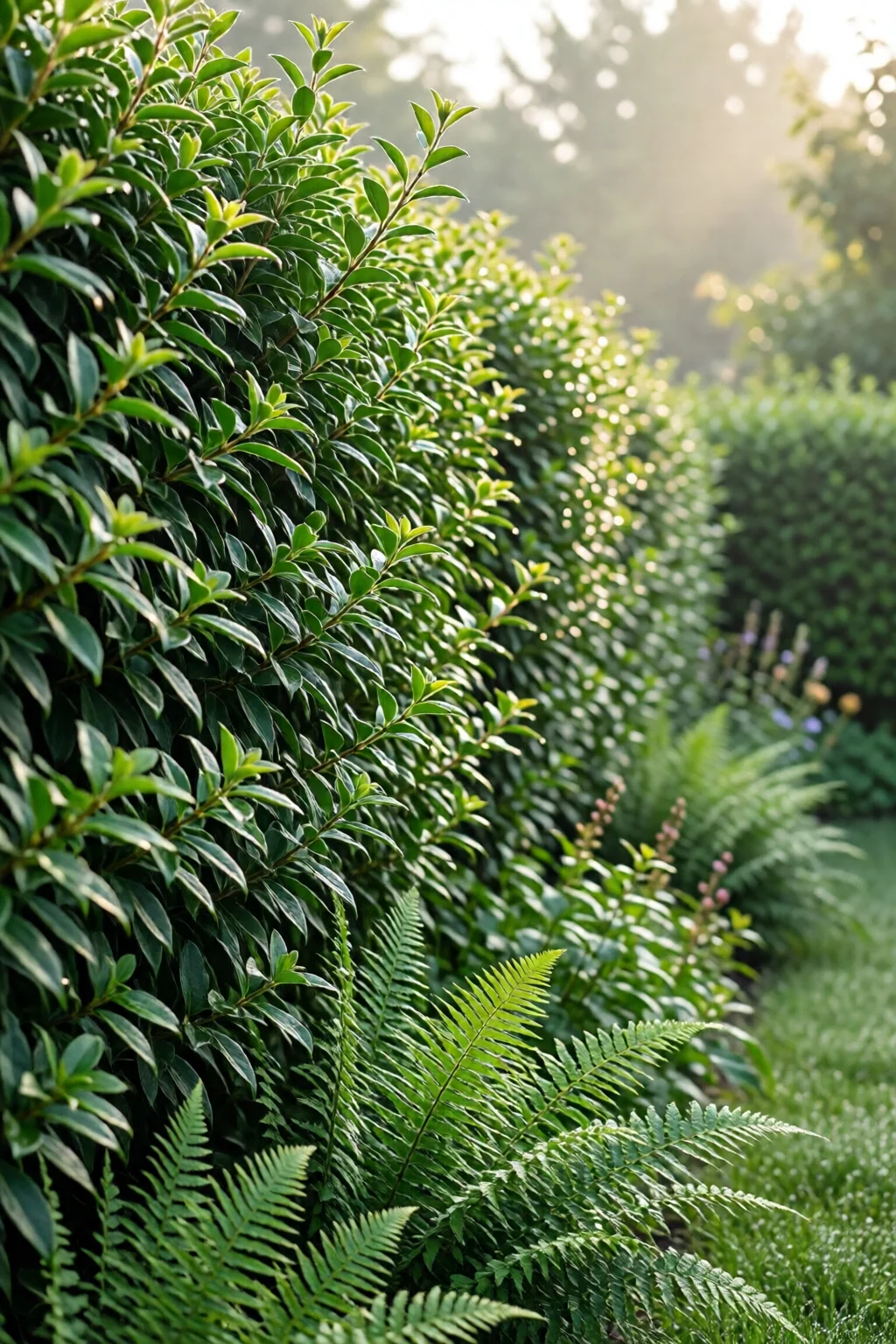
Last summer I spent a weekend battling a nosy neighbor’s view of my backyard pool. After a few evenings of squinting at the open sky, I realized the simplest fix was a living wall – a hedge that blocks sight, dampens noise, and still lets the sun kiss the lawn. That moment sparked my hunt for the best privacy hedge ideas for backyard spaces, and the results have transformed countless yards, including my own.
In This Article
- 1. Thuja ‘Green Giant’ – The Fast‑Growing Arborvitae
- 2. Clumping Bamboo (Fargesia rufa) – A Sustainable Screen
- 3. Leyland Cypress (× Cuprocyparis leylandii) – The Height Champion
- 4. Boxwood (Buxus sempervirens) – Formal Elegance
- 5. Evergreen Rose (Rosa ‘New Dawn’) – Fragrant Wall
- 6. Privet (Ligustrum japonicum) – Classic Deciduous Hedge
- 7. Mixed Shrub Fence (Euonymus, Nandina, and Dwarf Juniper) – Textured Variety
- Comparison Table of Top Privacy Hedge Picks
- Final Verdict – Choosing the Right Hedge for Your Backyard
- Frequently Asked Questions
Whether you have a modest 200‑sq‑ft patio or a sprawling 1,500‑sq‑ft garden, a well‑chosen hedge can turn a public stage into a private retreat. Below are my top picks, complete with planting tips, cost breakdowns, and real‑world pros and cons. Grab a notebook; these ideas are ready to plant.
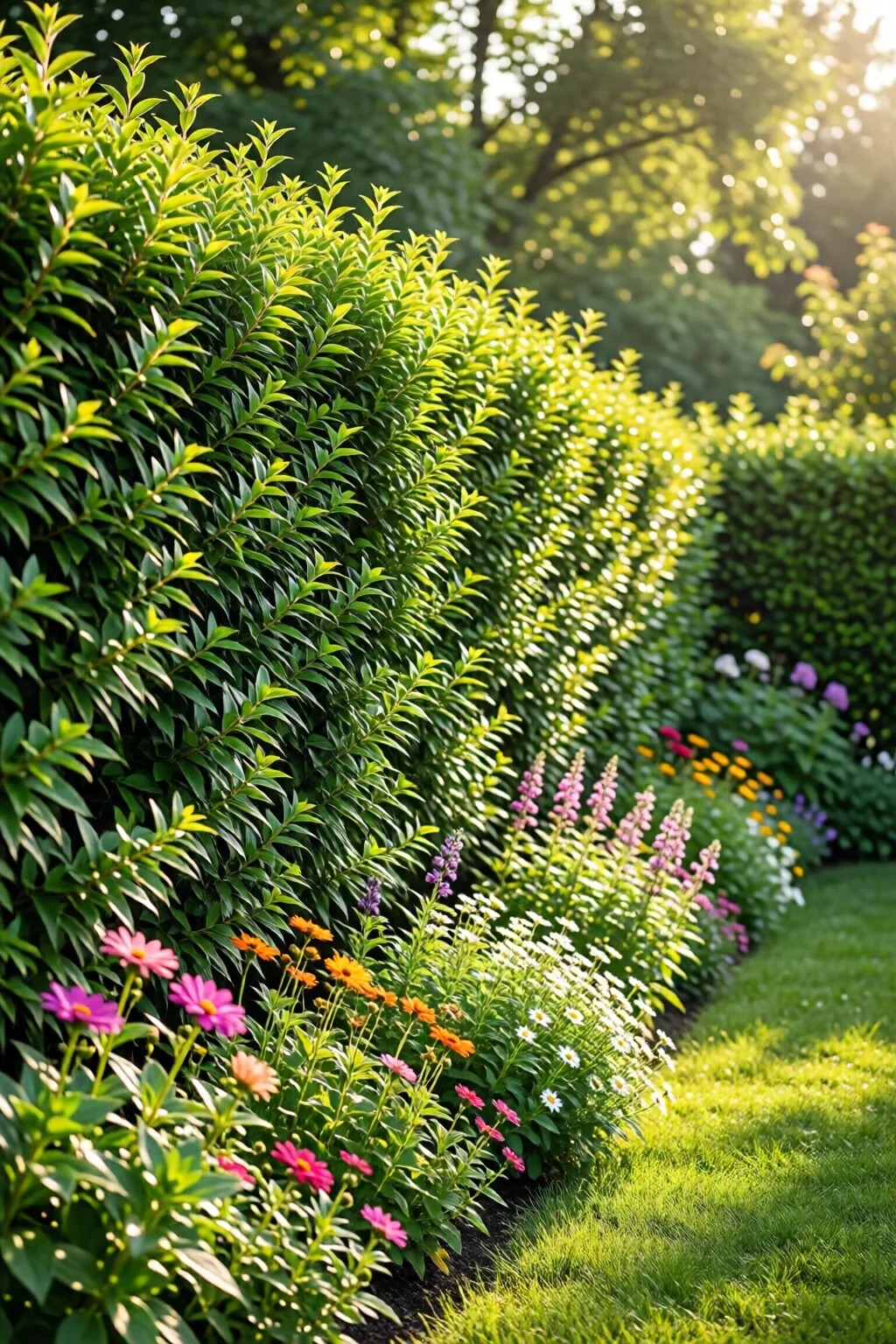
1. Thuja ‘Green Giant’ – The Fast‑Growing Arborvitae
Thuja occidentalis ‘Green Giant’ is the go‑to for anyone who wants height fast. In my experience, a 5‑ft container reaches 10‑12 ft in just three years if watered consistently.
- Spacing: Plant 4‑5 ft apart for a dense screen.
- Sun/Soil: Full sun to partial shade; tolerates a range of soils, but well‑drained loam yields the best growth.
- Cost: $35 per 5‑ft container at Evergreen Nursery.
- Maintenance: Minimal – prune once a year after the first frost to shape.
Pros
- Rapid growth (up to 3 ft per year).
- Excellent windbreak for coastal backyards.
- Low pest pressure – rarely afflicted by aphids (how to get rid of aphids naturally).
Cons
- Can become invasive if not contained.
- Needs regular watering the first two years, especially in hot, dry climates.
2. Clumping Bamboo (Fargesia rufa) – A Sustainable Screen
Bamboo often gets a bad rap for spreading like wildfire, but the clumping variety Fargesia rufa stays put. I installed a 6‑ft clump in a rain‑shadowed corner of my backyard and it created a 7‑ft privacy wall in just five years.
- Spacing: 3‑4 ft apart for a solid barrier.
- Sun/Soil: Partial shade; prefers moist, slightly acidic soil.
- Cost: $45 per 6‑ft clump from Bamboo Garden Supply.
- Maintenance: Trim dead culms annually; apply a slow‑release nitrogen fertilizer in spring.
Pros
- Eco‑friendly – fast regrowth after cutbacks.
- Provides excellent sound dampening.
- Creates a tropical ambience without the heat.
Cons
- Not fully evergreen in colder zones (leaf die‑back in USDA zones 5‑6).
- May attract bamboo mites if over‑fertilized.
3. Leyland Cypress (× Cuprocyparis leylandii) – The Height Champion
If you need a 20‑ft privacy barrier, Leyland Cypress delivers. My client in a suburban cul‑de‑sac used a row of 8‑ft saplings spaced 6 ft apart; the hedge hit 18 ft within eight years.
- Spacing: 6 ft for rapid coverage.
- Sun/Soil: Full sun; thrives in well‑drained sandy loam.
- Cost: $28 per 8‑ft container from GreenScape.
- Maintenance: Prune twice a year – early spring and late summer – to prevent over‑growth.
Pros
- Fastest vertical growth among conifers.
- Excellent for windy backyards, reducing wind speed by up to 30 %.
Cons
- Susceptible to cypress canker in humid climates.
- Requires diligent pruning; neglect leads to a messy, leggy appearance.
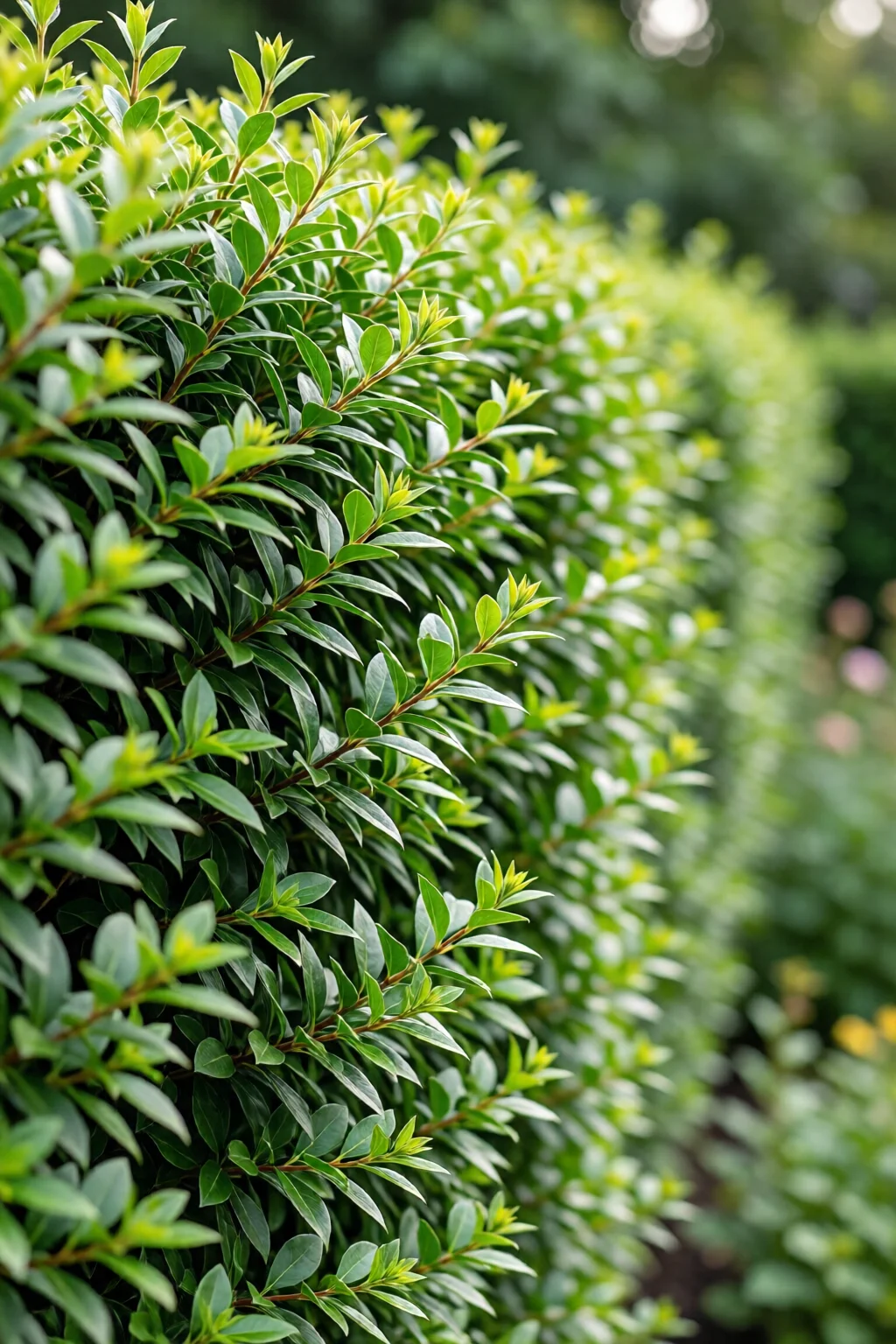
4. Boxwood (Buxus sempervirens) – Formal Elegance
Boxwood is my choice for a sculpted, low‑maintenance hedge that looks immaculate year‑round. A 2‑ft high ‘Green Velvet’ boxwood planted 1.5 ft apart creates a tight, formal screen in less than two years.
- Spacing: 1.5‑2 ft for a dense hedge.
- Sun/Soil: Partial shade; prefers fertile, well‑drained soil with a pH of 6.5‑7.5.
- Cost: $22 per 2‑ft pot at GardenPro.
- Maintenance: Trim monthly during the growing season to maintain shape.
Pros
- Highly tolerant of pruning – ideal for topiaries.
- Provides year‑round privacy with minimal leaf drop.
Cons
- Vulnerable to boxwood blight; spray copper fungicide as a preventive measure.
- Higher labor cost due to frequent trimming.
5. Evergreen Rose (Rosa ‘New Dawn’) – Fragrant Wall
Roses aren’t just for bouquets; the ‘New Dawn’ evergreen variety offers both scent and privacy. I planted 3‑ft tall canes 3 ft apart and within four years they formed a 6‑ft thick screen that also attracts pollinators.
- Spacing: 3 ft for optimal airflow.
- Sun/Soil: Full sun; needs rich, well‑drained soil with organic matter.
- Cost: $15 per 3‑ft cane at Rose Boutique.
- Maintenance: Prune after each bloom; apply a balanced 10‑10‑10 fertilizer in spring.
Pros
- Delivers fragrance and visual appeal.
- Attracts bees and butterflies, enhancing garden ecology.
Cons
- Requires regular deadheading to encourage new growth.
- May need support stakes in windy areas.
6. Privet (Ligustrum japonicum) – Classic Deciduous Hedge
Privet is a classic choice for a fast‑forming hedge that tolerates heavy pruning. In my own backyard, a row of 4‑ft privet cutbacks every spring created a solid 8‑ft privacy barrier in six years.
- Spacing: 4‑5 ft for a dense screen.
- Sun/Soil: Full sun to partial shade; adaptable to most soils.
- Cost: $12 per 4‑ft plant at HomeGrow.
- Maintenance: Trim twice a year; watch for spider mites in hot summers.
Pros
- Rapid growth (2‑3 ft per year).
- Highly tolerant of pruning and shaping.
Cons
- Deciduous – loses leaves in winter, reducing privacy.
- Can become invasive in some regions; check local guidelines.
7. Mixed Shrub Fence (Euonymus, Nandina, and Dwarf Juniper) – Textured Variety
A mixed hedge offers year‑round interest and reduces the risk of a single pest wiping out your screen. I designed a 10‑ft wide mixed fence using 2‑ft Euonymus alatus, 1‑ft Nandina domestica, and 1‑ft dwarf ‘Blue Star’ Juniper.
- Spacing: Plant in staggered rows, 2‑ft apart.
- Sun/Soil: Sun to part shade; well‑drained, slightly acidic soil.
- Cost: Euonymus $18 per 2‑ft pot, Nandina $14 per 1‑ft pot, Juniper $22 per 1‑ft pot.
- Maintenance: Light pruning once a year; fertilize with slow‑release organic pellet.
Pros
- Provides layered texture and seasonal color.
- Reduces disease spread – diversity is a natural buffer.
Cons
- Higher upfront cost due to multiple species.
- Requires a bit more planning to achieve uniform height.
Comparison Table of Top Privacy Hedge Picks
| Plant | Typical Height (ft) | Growth Rate | Cost per Plant | Sun/Soil Preference | Rating (out of 5) |
|---|---|---|---|---|---|
| Thuja ‘Green Giant’ | 12‑20 | Fast (2‑3 ft/yr) | $35 (5‑ft container) | Full sun, well‑drained loam | 4.5 |
| Fargesia rufa Bamboo | 7‑10 | Moderate (1‑1.5 ft/yr) | $45 (6‑ft clump) | Partial shade, moist acidic | 4.2 |
| Leyland Cypress | 15‑25 | Very Fast (3‑4 ft/yr) | $28 (8‑ft container) | Full sun, sandy loam | 4.0 |
| Boxwood ‘Green Velvet’ | 2‑4 | Slow (0.5 ft/yr) | $22 (2‑ft pot) | Partial shade, fertile | 3.8 |
| Evergreen Rose ‘New Dawn’ | 6‑8 | Moderate (1‑2 ft/yr) | $15 (3‑ft cane) | Full sun, rich soil | 4.1 |
Final Verdict – Choosing the Right Hedge for Your Backyard
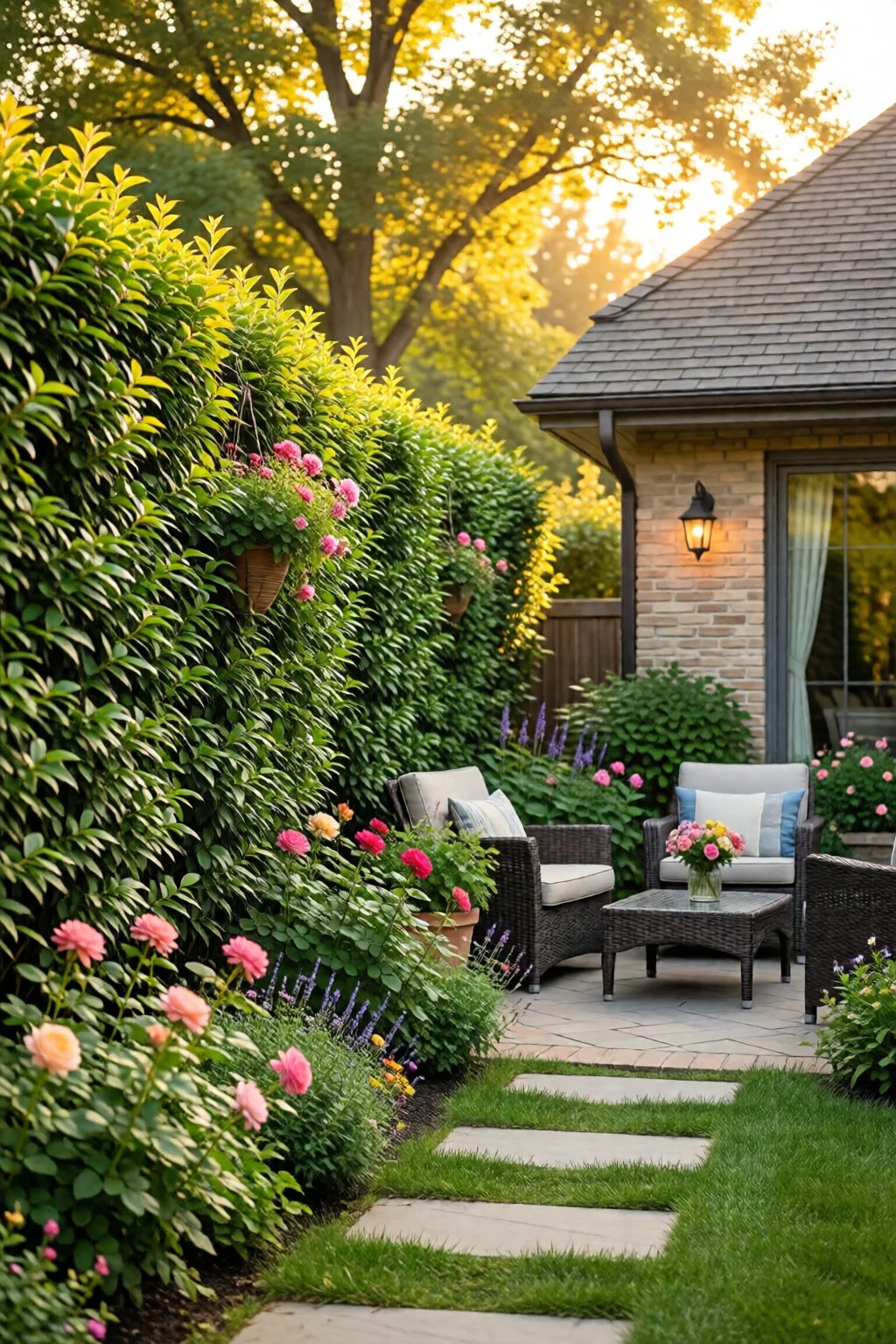
There’s no one‑size‑fits‑all answer to privacy hedge ideas for backyard spaces. If you need height fast and have a moderate budget, Thuja ‘Green Giant’ or Leyland Cypress are unbeatable. For a softer, more sustainable vibe, clumping bamboo or a mixed shrub fence adds texture and biodiversity. Formal lovers will gravitate toward boxwood or evergreen roses for that trimmed‑to‑perfection look.
My rule of thumb: combine a fast‑growing anchor (like Thuja) with a slower, ornamental understory (like Nandina or roses). This layered approach gives you immediate privacy while the slower plants catch up, creating a lush, multi‑seasonal screen.
Frequently Asked Questions
How long does it take for a hedge to provide full privacy?
Most fast‑growing conifers, such as Thuja ‘Green Giant’ or Leyland Cypress, reach a usable privacy height (8‑10 ft) within 3‑5 years if spaced correctly and watered regularly. Slower shrubs like boxwood may need 5‑7 years to achieve the same density.
Do I need a fence beneath the hedge?
A fence isn’t mandatory, but installing a low (2‑ft) lattice or wire mesh can keep the hedge upright, reduce wind‑throw, and give you a backup barrier while the plants establish.
What’s the best time of year to plant these hedges?
According to the best time to plant trees and shrubs guide, early spring or early fall offers the coolest soil temperatures and ample moisture for root establishment.
How much water do these hedges need during the first two years?
Aim for 1‑1.5 inches of water per week, either from rainfall or irrigation. For container‑grown plants, soak the root ball until water drains from the bottom, then let the soil dry slightly before the next watering.
Can I combine these hedges with other garden features?
Absolutely. Pair a tall conifer screen with rooftop garden design ideas for vertical interest, or integrate a low boxwood border into poolside landscaping ideas for cohesive privacy.
4 commentaires sur « Privacy Hedge Ideas For Backyard: Complete Guide for 2026 »