Growing beans in raised beds is one of the most rewarding ways to enjoy a bountiful harvest while keeping your garden tidy, accessible, and productive. Whether you’re a seasoned horticulturist or a backyard beginner, raised beds provide excellent drainage, soil control, and easier maintenance—perfect conditions for beans to flourish. This comprehensive guide walks you through every step, from selecting the right varieties to harvesting and storing your beans, with practical tips, expert advice, and actionable information tailored for the U.S. climate.
Why Choose Raised Beds for Beans?
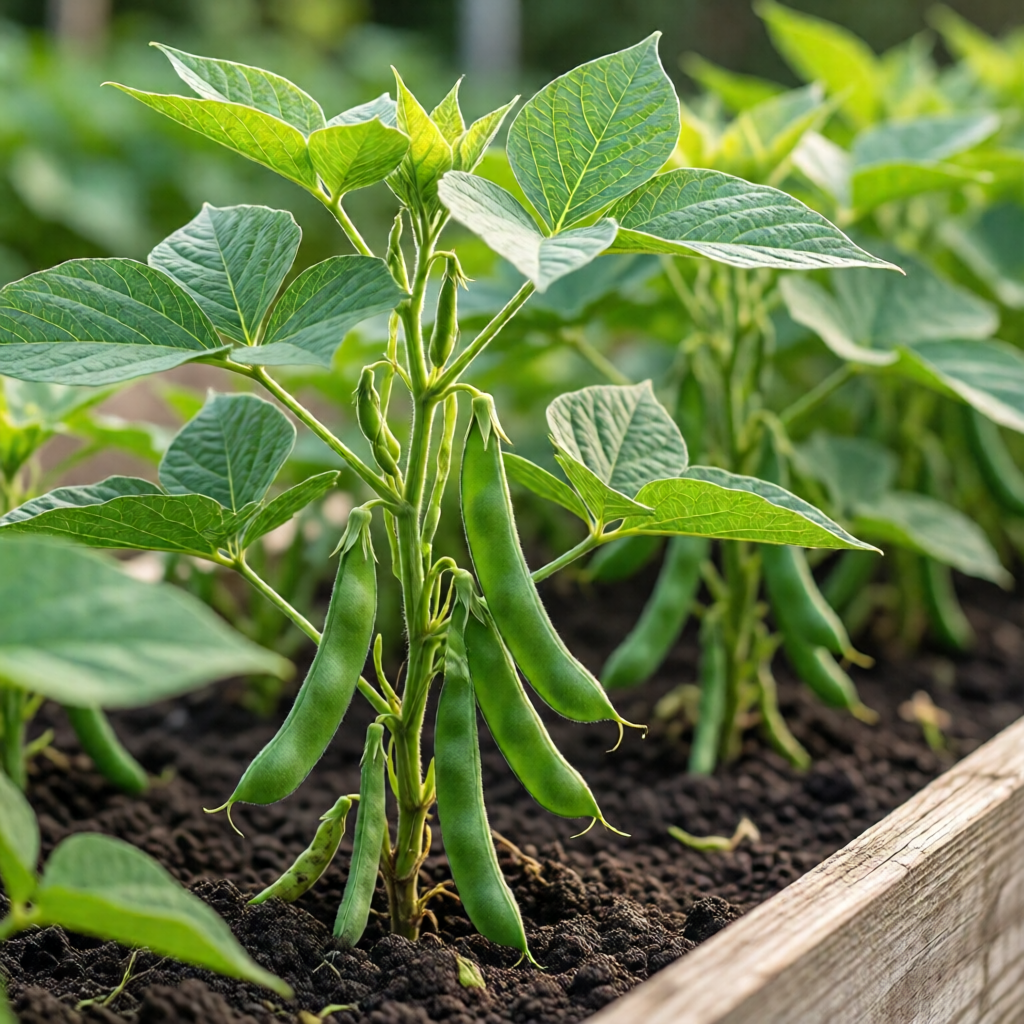
Raised beds offer several distinct advantages that make them ideal for growing beans. First, the soil in a raised bed warms up faster in spring, allowing you to plant earlier than you could in traditional in‑ground rows. Faster soil warming means beans can germinate quickly, leading to a longer growing season and higher yields. Second, raised beds give you total control over soil composition, which is critical for beans that thrive in well‑draining, slightly acidic to neutral soils rich in organic matter.
Third, the elevated height reduces soil compaction, a common issue in flat gardens where foot traffic can squash delicate bean roots. Less compaction translates to better root development, stronger plants, and resistance to diseases like root rot. Finally, raised beds improve accessibility—especially for gardeners with mobility concerns—by bringing the planting zone up to waist level, reducing the need for bending or kneeling.

Choosing the Right Bean Varieties
Beans come in a dazzling array of shapes, colors, and growth habits. Understanding the differences helps you select varieties that match your climate, space, and culinary preferences.
Bush Beans vs. Pole Beans
Bush beans are compact, typically reaching 12‑18 inches in height, and do not require trellising. They’re perfect for smaller raised beds or for gardeners who prefer a low‑maintenance crop. However, they tend to produce a single, concentrated harvest.
Pole beans climb vertical supports and can grow 6‑10 feet tall. They spread their yield over a longer period, providing a steady supply of fresh beans throughout the season. Pole beans are especially suited for raised beds where you can install trellises, netting, or bamboo stakes.
Popular Varieties for U.S. Gardens
- Blue Lake Bush – a reliable, disease‑resistant bush bean with classic green pods.
- Provider – an early‑maturing pole bean that tolerates cooler temperatures, ideal for northern zones.
- Kentucky Wonder – a classic pole bean known for its long, stringless pods and vigorous growth.
- Dragon Tongue – a striking purple‑striped bush bean that adds color to the garden and plate.
- Rattlesnake – a heat‑tolerant pole bean that thrives in southern climates with long, hot summers.
When selecting beans, consider your local growing season length. For short‑season areas, opt for early‑maturing varieties like Provider or Blue Lake Bush. In warmer regions, heat‑tolerant pole beans such as Rattlesnake will perform best.
Preparing Your Raised Bed for Beans
Successful bean cultivation starts with a well‑prepared bed. Follow these steps to create the perfect environment.
Bed Size and Layout
A standard raised bed measures 4 feet wide, ensuring you can reach the center from any side without stepping on the soil. Length can vary, but 8‑12 feet is common for most backyard gardens. For beans, allocate at least 12 inches of width per row (bush) or 6 inches per plant (pole) to ensure adequate airflow.
Soil Mix Composition
Beans prefer a light, well‑draining mix. A good recipe is:
- 40% high‑quality garden loam or topsoil.
- 30% compost or well‑rotted manure for organic nutrients.
- 30% coarse sand or perlite for drainage.
Test the pH; beans thrive between 6.0 and 6.8. If needed, amend with elemental sulfur to lower pH or lime to raise it. Adding a handful of bone meal at planting time supplies phosphorus, encouraging strong root development.
Installing Supports for Pole Beans
Before planting, set up vertical supports. Options include:
- Sturdy wooden trellis or teepee made from 2×4s.
- Metal or bamboo stakes with twine netting.
- String or garden net stretched across the bed.
Place supports at the front edge of the bed to avoid disturbing soil later. Ensure they’re anchored firmly; beans can become heavy as pods develop.
Planting Beans in Raised Beds
Timing, spacing, and sowing depth are crucial for strong germination and uniform growth.
When to Plant
Beans are sensitive to cold soil. In most U.S. zones, wait until soil temperatures consistently reach at least 60°F (15.5°C). Use a soil thermometer to check. For early‑season planting, you can start seeds indoors 2‑3 weeks before the last frost and transplant seedlings into the raised bed after hardening off.
For detailed regional planting calendars, see our guide on when to plant tomatoes in your zone—the same principles apply to beans regarding soil warmth.
Sowing Directly
Plant seeds 1‑2 inches deep, spacing bush beans 3‑4 inches apart in rows spaced 12‑18 inches. For pole beans, space seeds 4‑6 inches apart along a single line, then gently cover with soil. Water gently but thoroughly after planting to settle the soil around the seed.
Transplanting Seedlings
If you started seedlings indoors, transplant them at the same depth they were in the pot, spacing as above. Harden off seedlings for 7‑10 days by gradually exposing them to outdoor conditions before planting.
Watering and Fertilizing Beans
Consistent moisture is key to prevent pod abortion and promote healthy vines.
Irrigation Practices
Water beans at the base of the plant to keep foliage dry and reduce fungal risk. Aim for 1 inch of water per week, delivered in one or two deep soakings rather than frequent light sprinklings. Mulching with straw or shredded leaves helps retain moisture, suppress weeds, and keep soil temperature stable.
Fertilizer Recommendations
Beans are nitrogen‑fixers; they form a symbiotic relationship with rhizobia bacteria that convert atmospheric nitrogen into plant‑available forms. Because of this, excessive nitrogen fertilizer can lead to lush foliage but few pods. Instead, focus on phosphorus and potassium:
- At planting, incorporate 1‑2 tablespoons of bone meal per square foot.
- Mid‑season, side‑dress with a balanced 5‑10‑10 or 10‑10‑10 fertilizer, applying sparingly around the base.
- Consider inoculating seeds with a commercial rhizobia inoculant, especially if you haven’t grown legumes in the bed before.
Pest and Disease Management
Raised beds simplify pest control by providing a clean, well‑drained environment, but vigilance is still essential.
Common Pests
- Bean beetles – Small, shiny beetles that chew foliage. Hand‑pick or use row covers.
- Spider mites – Fine webbing and stippled leaves. Spray with neem oil or insecticidal soap.
- Mexican bean beetles – Bright orange‑red beetles; release ladybugs or apply Bacillus thuringiensis (Bt).
Diseases to Watch For
- Root rot – Caused by overly wet soil. Ensure proper drainage and avoid over‑watering.
- Powdery mildew – White powder on leaves; improve airflow, thin crowded vines, and apply sulfur spray if needed.
- Anthracnose – Dark lesions on pods; rotate crops and remove infected pods promptly.
Integrated Pest Management (IPM)
Adopt IPM strategies: start with cultural controls (crop rotation, proper spacing), then mechanical (hand‑picking, barriers), and finally, if necessary, targeted organic sprays. Avoid broad‑spectrum chemicals that can harm beneficial insects like pollinators and predatory wasps.
Companion Planting with Beans
Beans are excellent companions because of their nitrogen‑fixing ability, which benefits neighboring plants. Pair beans with:
- Carrots – Carrots loosen soil while beans provide nitrogen.
- Marigolds – Their scent deters nematodes and some beetles.
- Spinach – A quick‑growing leafy green that can be harvested before beans shade it.
Conversely, avoid planting beans near fennel or cabbage, which can inhibit growth. For more ideas on creating harmonious garden spaces, explore our shade garden ideas article, which discusses plant pairings for low‑light areas.
Harvesting and Storing Beans
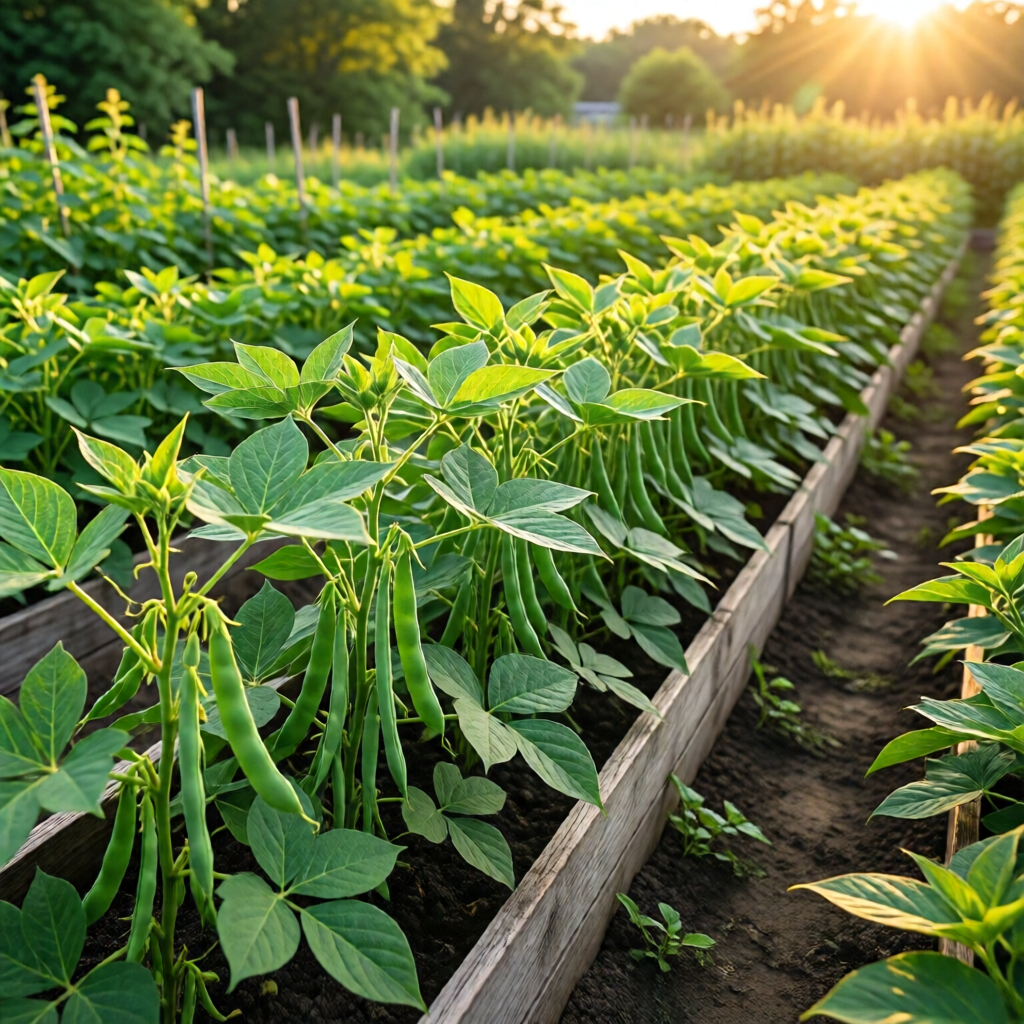
Harvest timing influences flavor, texture, and yield. For bush beans, pick pods when they are 4‑6 inches long, firm, and before seeds bulge. For pole beans, harvest every 2‑3 days to encourage continuous production. Use clean scissors or garden shears to cut pods, leaving a short stem attached.
Regular harvesting prevents beans from becoming tough or woody. If you let pods mature fully, you can dry them for storage as “dry beans” (e.g., kidney, navy). To dry, spread pods in a single layer in a well‑ventilated area for 2‑3 weeks, then shell the seeds and store in airtight containers in a cool, dark place.
Extending the Bean Season
In cooler climates, you can extend the harvest by using row covers, cold frames, or high tunnels over your raised beds. A lightweight fabric cover protects seedlings from late frosts and allows you to start planting earlier. For a second, smaller crop in late summer, sow a quick‑maturing bush variety 6‑8 weeks before the first expected frost.
Alternatively, try planting a “succession” schedule: sow a new row of beans every 2 weeks throughout the planting window. This staggered approach ensures a continuous supply of fresh beans from early summer into early fall.
Troubleshooting Common Problems
If your beans aren’t performing as expected, consider these common issues and solutions.
Problem: Poor Germination
Causes may include cold soil, overly dry conditions, or old seed stock. Ensure soil temperature is above 60°F, keep the seed zone consistently moist, and use fresh, high‑viability seeds. Pre‑soaking seeds for 12‑24 hours can also improve germination rates.
Problem: Sparse Pods
Excessive nitrogen, inadequate pollination, or overcrowding can limit pod formation. Reduce nitrogen fertilizer, thin plants to the recommended spacing, and encourage pollinators by planting flowering herbs nearby.
Problem: Yellowing Leaves
Yellow foliage may indicate nitrogen deficiency (unlikely for beans) or over‑watering leading to root stress. Check drainage, allow the soil to dry slightly between waterings, and confirm that the bed isn’t waterlogged.
Problem: Pests Causing Defoliation
Identify the pest—beetles, aphids, or caterpillars—and apply targeted organic controls. Hand‑pick large insects, use neem oil for soft‑bodied pests, and encourage beneficial insects by providing habitats like insectary plants.
Conclusion: Your Path to a Bountiful Bean Harvest
Growing beans in raised beds combines the simplicity of a low‑maintenance crop with the benefits of soil control, accessibility, and extended growing seasons. By selecting the right varieties, preparing a nutrient‑rich soil mix, providing proper support, and practicing vigilant watering and pest management, you’ll enjoy fresh, delicious beans from early summer through fall. Remember to rotate your beans each year, incorporate companion plants, and use the troubleshooting tips above to keep your garden thriving year after year.
Additional Resources and Inspiration
Looking for more garden ideas? Check out our English garden design ideas article for classic styling tips, or explore growing tomatoes in pots on balcony for container gardening inspiration that pairs well with a raised‑bed bean garden.
When is the best time to plant beans in a raised bed?
Plant beans when soil temperatures consistently reach at least 60°F (15.5°C). In most U.S. zones, this is after the last frost, typically late April to early June depending on your region.
Do I need to fertilize beans if they fix nitrogen?
Beans fix nitrogen, so they require little nitrogen fertilizer. Instead, focus on phosphorus and potassium at planting (bone meal) and a light side‑dress mid‑season with a balanced fertilizer.
How do I support pole beans in a raised bed?
Install sturdy trellises, bamboo stakes with twine netting, or a wooden teepee before planting. Place the support at the front of the bed and anchor it firmly to handle the weight of mature vines.
Can I grow beans in containers if I don’t have a raised bed?
Yes, beans grow well in large containers or pots with a depth of at least 12 inches. Use a well‑draining potting mix, provide a trellis, and water consistently.
What are common pests that affect beans and how can I control them organically?
Common pests include bean beetles, Mexican bean beetles, and spider mites. Control methods include hand‑picking, using row covers, applying neem oil or insecticidal soap, and encouraging beneficial insects like ladybugs.