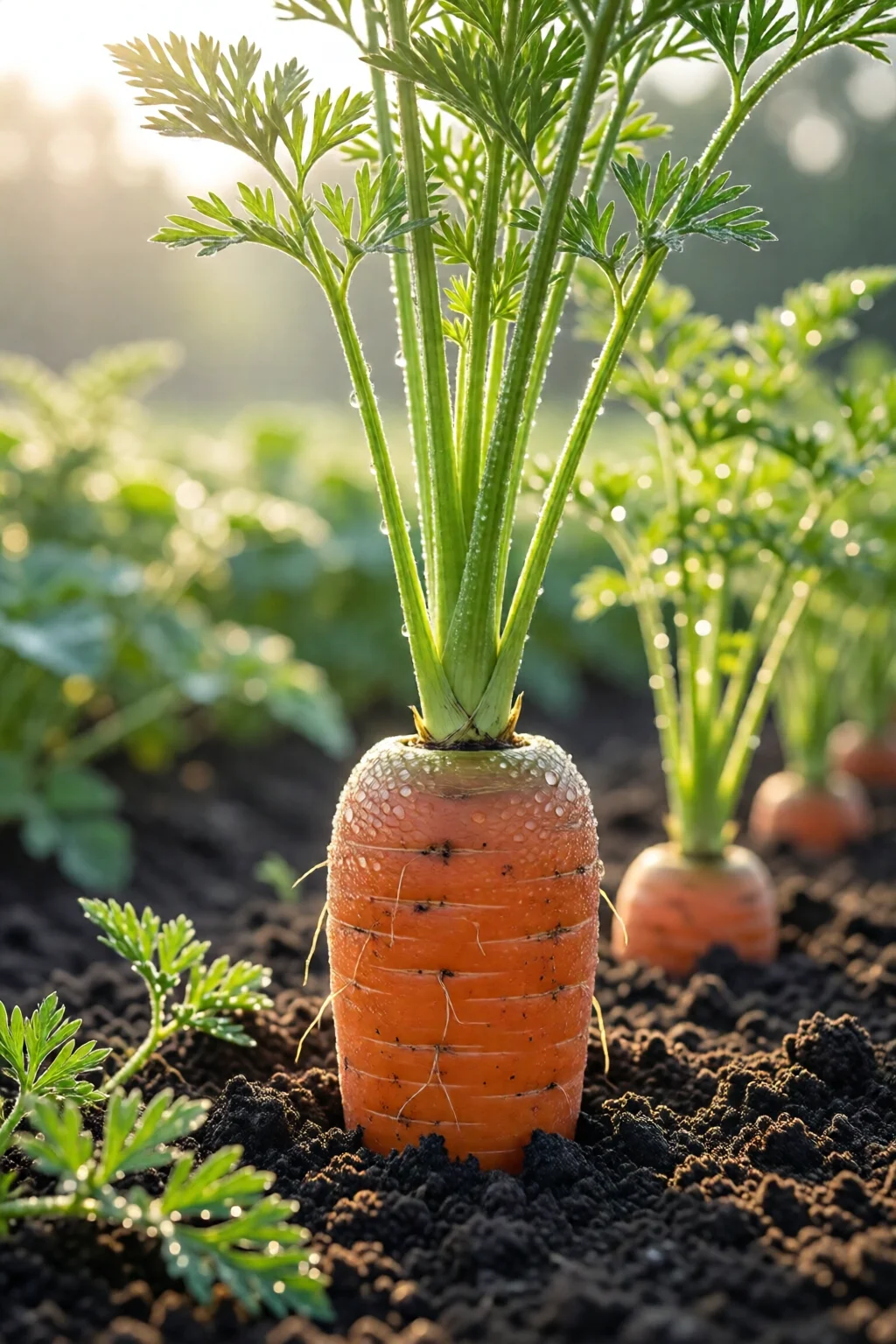
Last spring I planted a modest row of orange roots along the edge of my raised bed, and by early summer I was pulling crisp, sweet carrots that tasted like sunshine in a bite. The secret? Starting from seed, not from the pricey supermarket bunch. If you’ve ever wondered how to grow carrots from seed, you’re in the right spot. Below is the step‑by‑step guide that turned my backyard into a reliable carrot pantry, complete with the mistakes I made so you can avoid them.
In This Article
Carrots are surprisingly forgiving when you give them the basics: loose, well‑drained soil, consistent moisture, and a little patience. Whether you’re gardening in a full‑size plot, a 4‑ft container, or a balcony trough, the principles stay the same. Let’s dig in.
Choosing the Right Variety
Popular carrot cultivars
There are over 100 carrot cultivars, but a few stand out for home growers:
- Nantes – short, cylindrical roots, 6‑8 inches long, sweet flavor; matures in 70 days.
- Danvers – tapered shape, good for deeper soils, 8‑10 inches, 75‑80 days.
- Imperator – the classic supermarket type, 10‑12 inches, 70‑85 days, best in loose, sandy loam.
In my experience, Nantes is my go‑to for container gardening because it doesn’t need a deep bed to reach its full size.
Selecting based on climate and soil
For cooler climates (USDA zones 3‑5) sow early spring or late summer. Warm zones (6‑9) can handle a fall planting. Look for seed packets that list a temperature range of 45‑85 °F (7‑29 °C) for germination. Brands like Burpee Carrot Seeds ($3.99 per 1‑oz packet) clearly label the recommended zones.
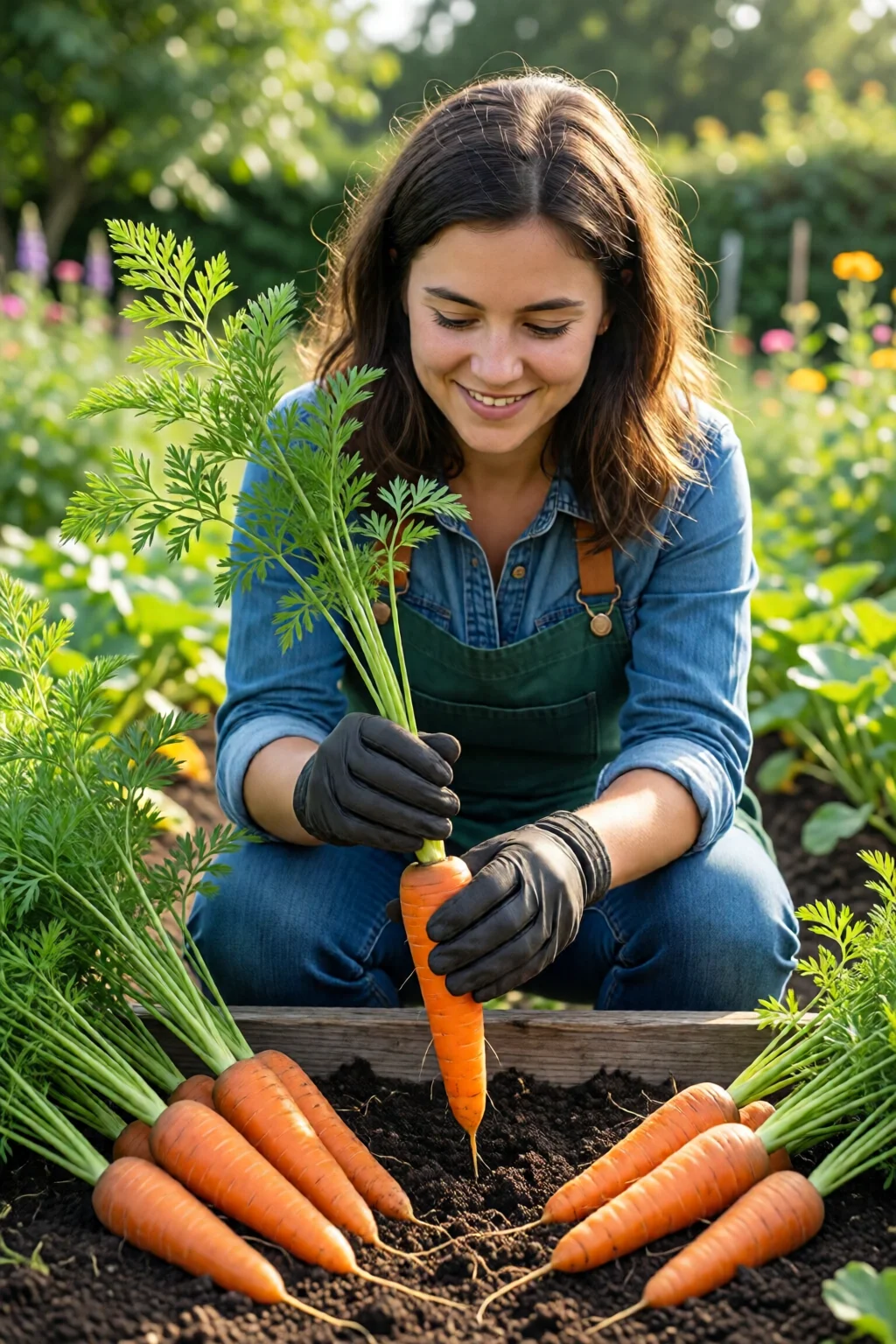
Preparing Soil and Bed
Soil composition and pH
Carrots love a light, crumbly medium. Aim for a pH of 6.0‑6.8. If your garden soil tests at 5.5, add agricultural lime—about 5 lb per 100 sq ft. A simple mix of 2 parts loam, 1 part sand, 1 part compost works wonders. I often blend a 50‑lb bag of Espoma Garden-tone ($6.49) with sand to achieve the right texture.
Bed layout and spacing
Raised beds of 12‑inches deep are ideal. For a 4‑ft × 8‑ft bed, create a shallow trench ¼‑inch deep, then gently firm the soil. Space rows 12‑inches apart to allow for easy weeding. If you’re using a 5‑gal container, fill it to the brim, leaving a 1‑inch margin for watering.
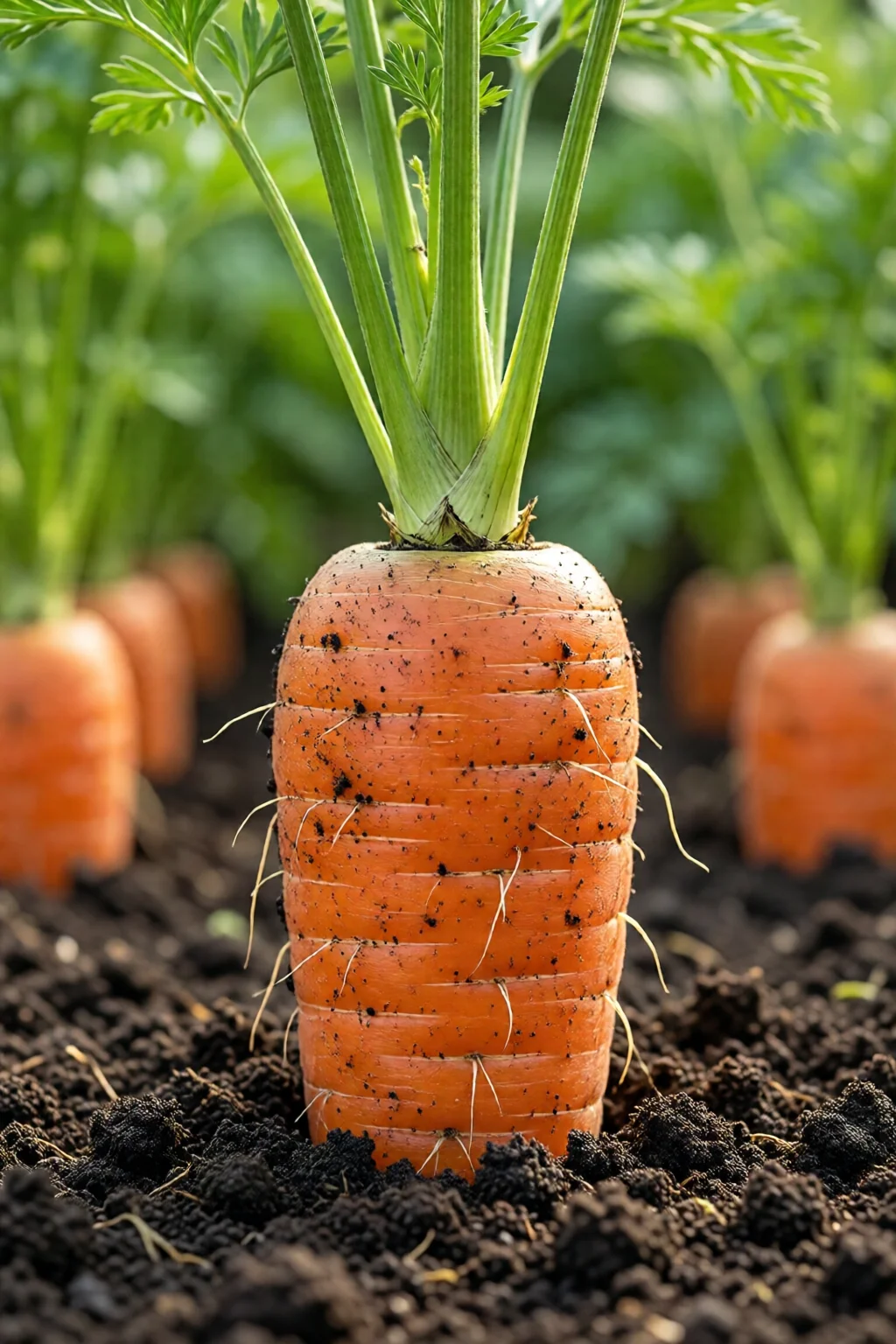
Sowing Seeds Properly
Timing and temperature
Carrot seeds are slow germinators; they need 12‑14 °F (7‑8 °C) above soil temperature. In most regions, sow as soon as the soil can be worked, typically 2‑3 weeks before the last frost. For a fall crop, plant 8‑10 weeks before the first expected frost.
Seed depth and spacing
Scatter seeds thinly—about 1/4‑inch deep, 2‑3 seeds per inch. Lightly cover with a fine layer of vermiculite or sifted sand. Using a Jobe’s Organics Seed Starter ($4.99 for a 1‑qt pack) ensures even moisture retention during germination.
Thinning and succession planting
When seedlings reach 1‑inch tall, thin to 2‑3 inches apart. Use the thinned seedlings in salads or as microgreens—they’re tender and peppery. For a continuous harvest, sow a new row every 2‑3 weeks.
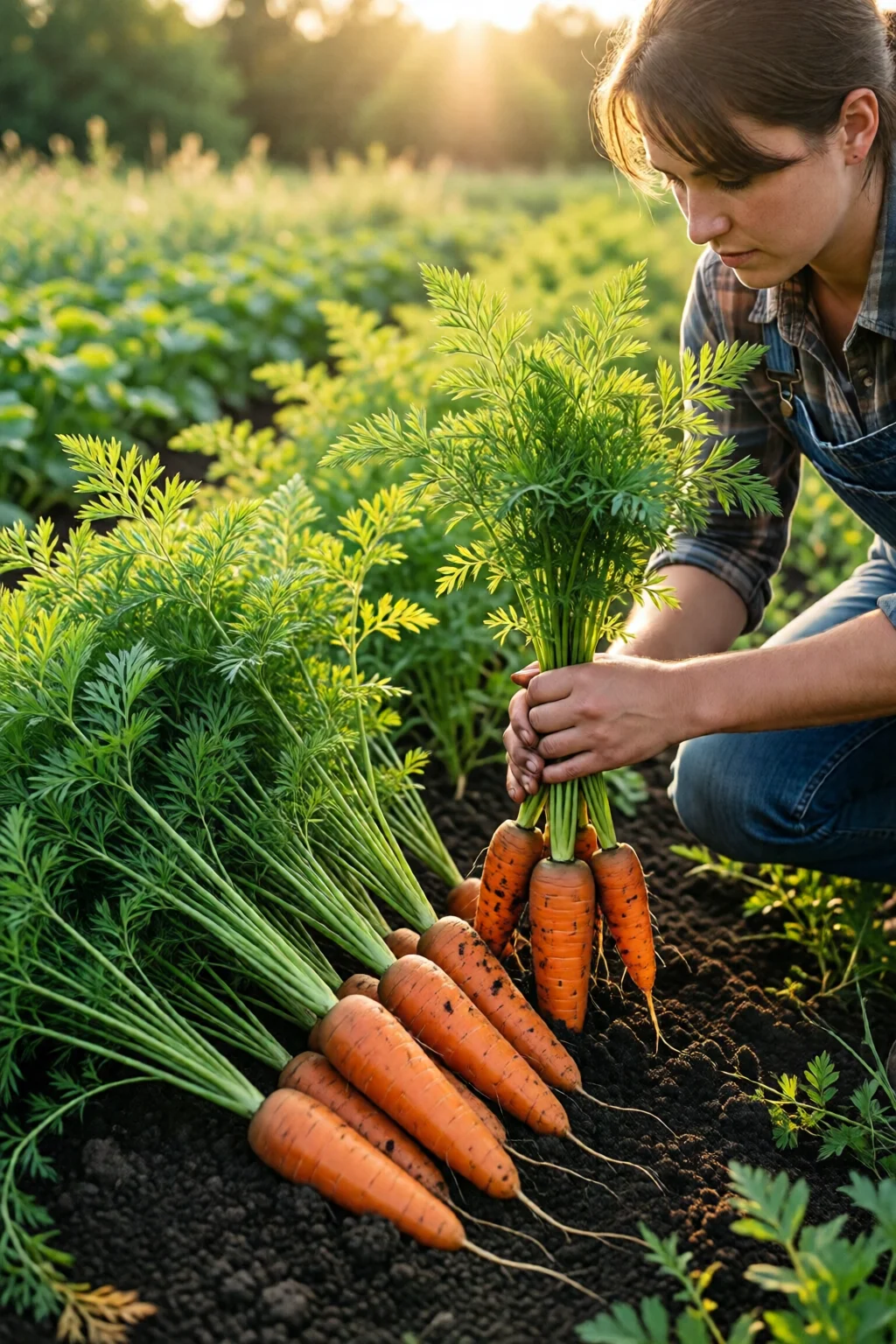
Caring for Growing Carrots
Watering regime
Consistent moisture is key. Aim for 1 inch of water per week, either from rainfall or a gentle drip system. Over‑watering leads to split roots; under‑watering causes bitter, stunted carrots. I set my timer to deliver 0.5 gal per hour for 30 minutes, twice a week.
Fertilization and feeding
Carrots need phosphorus for root development, but too much nitrogen makes them leafy. A balanced 5‑10‑10 fertilizer applied at 1 lb per 100 sq ft once at planting and again at 4‑weeks works well. For organic lovers, Miracle‑Gro Seed Starting Potting Mix already contains trace nutrients, and a side‑dressing of bone meal (2 lb per 200 sq ft) boosts phosphorus.
Weed control and mulching
Weeds compete for water and can disturb delicate carrot roots. Apply a 2‑inch layer of shredded straw or black plastic mulch after thinning. Mulch also keeps soil temperature stable, especially for early spring sowings. In my garden, a straw mulch costs about $0.30 per square foot and lasts the entire season.
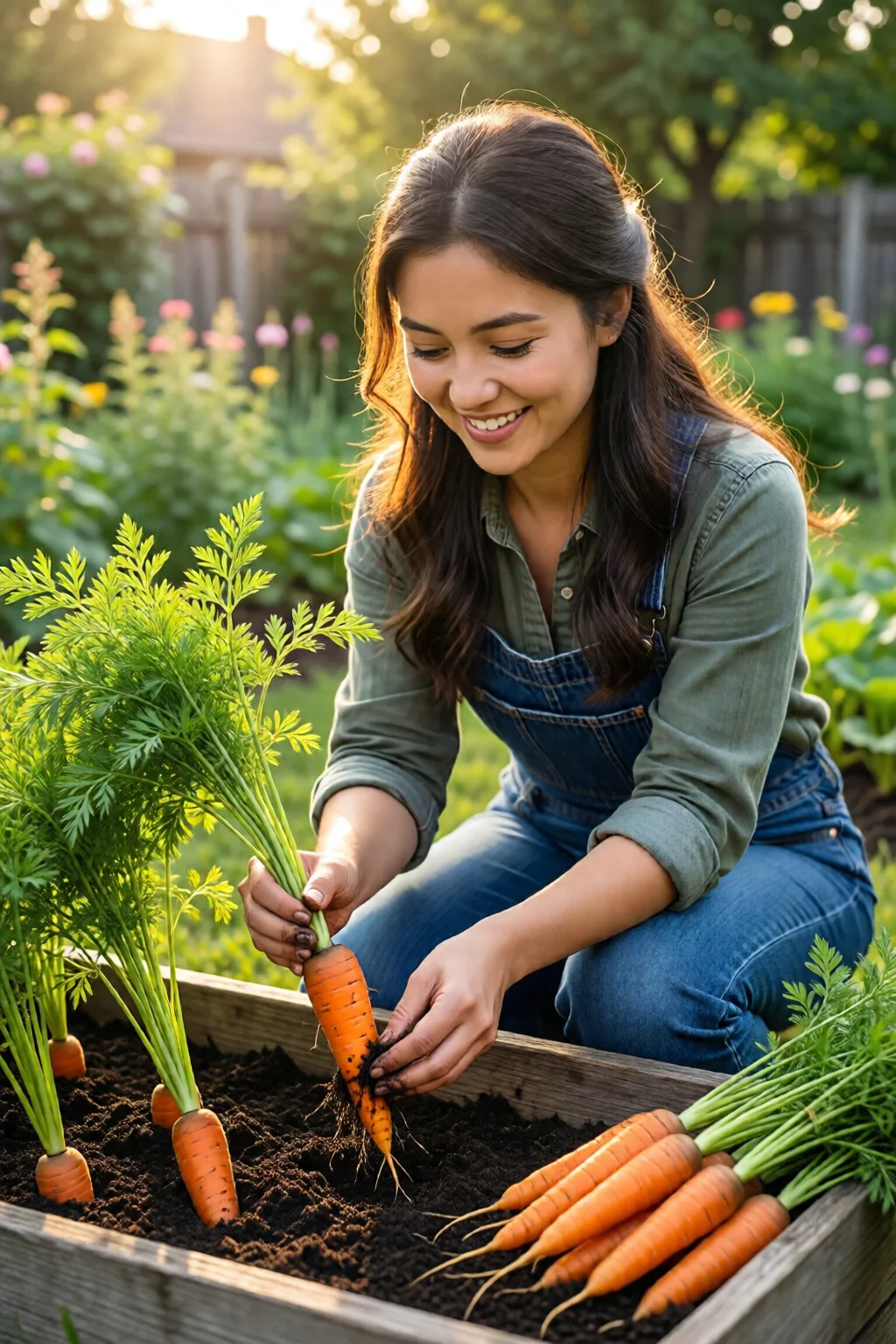
Harvesting and Storing
When to pull
Most varieties are ready 70‑80 days after sowing. Test by gently pulling one root; if it’s at least ½‑inch in diameter and the color is deep orange, it’s harvest‑ready. For baby carrots, pull at 30‑40 days and enjoy raw.
Storage methods
Carrots store best at 32‑40 °F (0‑4 °C) with high humidity (≈95%). Cut off the greens to prevent moisture loss, then place carrots in a perforated plastic bag or a box of damp sand. In a standard refrigerator, they stay crisp for up to 3 months. I’ve kept a batch from my 2023 fall crop fresh for 95 days.
Extending the season
For a winter supply, cover the bed with a row cover or low tunnel after the first frost. The insulation adds 2‑3 weeks of growing time. In zones 6‑7, I’ve harvested carrots from a protected bed well into March.
Pro Tips from Our Experience
- Pre‑soak seeds: Soak carrot seeds in warm water for 12 hours before planting to speed germination by up to 48 %.
- Use a seed‑starting mix for indoor sowing: Jiffy Peat Pellets ($5.99 for a 12‑pack) provide a sterile environment and reduce the need for fungicides.
- Rotate crops: Avoid planting carrots in the same spot more than 3 years consecutively to reduce root‑knot nematode buildup.
- Harvest in the cool of the day to keep sugars high and texture crisp.
- Combine with companion plants like onions or rosemary, which repel carrot flies.
Comparison of Popular Carrot Varieties
| Variety | Days to Maturity | Root Length (inches) | Seed Packet Cost (USD) | Best Soil Type |
|---|---|---|---|---|
| Nantes | 70 | 6‑8 | $3.99 (Burpee, 1 oz) | Loose loam |
| Danvers | 75‑80 | 8‑10 | $4.49 (Johnny’s Selected Seeds, 1 oz) | Sandy loam |
| Imperator | 70‑85 | 10‑12 | $5.29 (Seed Savers, 1 oz) | Deep, well‑drained |
Related Resources
If you’re interested in extending your harvest beyond carrots, check out our guide on growing blueberries in containers. For those new to container gardening, the article on container vegetable gardening for beginners offers a solid foundation. Planning a fall vegetable garden planting guide can help you sync carrot planting with other cool‑season crops. Need low‑maintenance indoor greenery? See low maintenance indoor plants for beginners. And for a tidy garden, learn how to deadhead flowers properly.
When is the best time to sow carrot seeds?
Sow as soon as the soil can be worked—about 2‑3 weeks before the last frost for spring planting, or 8‑10 weeks before the first frost for a fall crop. Carrots germinate best at soil temperatures of 45‑85 °F (7‑29 °C).
How deep should carrot seeds be planted?
Plant seeds ¼‑inch deep, covering lightly with fine sand or vermiculite. This shallow depth keeps the seeds cool and encourages even germination.
What soil amendments improve carrot growth?
A mix of loam, sand, and compost (2 : 1 : 1) creates a loose texture. Adding lime to raise pH to 6.0‑6.8 and incorporating a balanced fertilizer (5‑10‑10) at planting and again at four weeks supports robust root development.
How often should I water carrot seedlings?
Provide about 1 inch of water per week, keeping the soil evenly moist but not soggy. A drip system delivering 0.5 gallon per hour for 30 minutes twice weekly works well for most garden beds.
Can I grow carrots in containers?
Yes. Use a 5‑gal container filled with a mix of potting soil, sand, and compost. Sow seeds ¼‑inch deep, thin to 2‑3 inches apart, and water consistently. Nantes varieties are especially suited for container growth.
Conclusion: Your Actionable Takeaway
To master how to grow carrots from seed, follow these three steps:
- Prepare a loose, slightly acidic soil mix (2 parts loam, 1 part sand, 1 part compost) and amend with lime if needed.
- Sow seeds ¼‑inch deep, 2‑3 per inch, and thin to 2‑3 inches apart once seedlings emerge.
- Maintain steady moisture (1 inch per week) and mulch to keep weeds down until harvest at 70‑80 days.
With these actions, you’ll be pulling sweet, crunchy carrots from your garden in less than three months—no grocery store required. Happy planting!