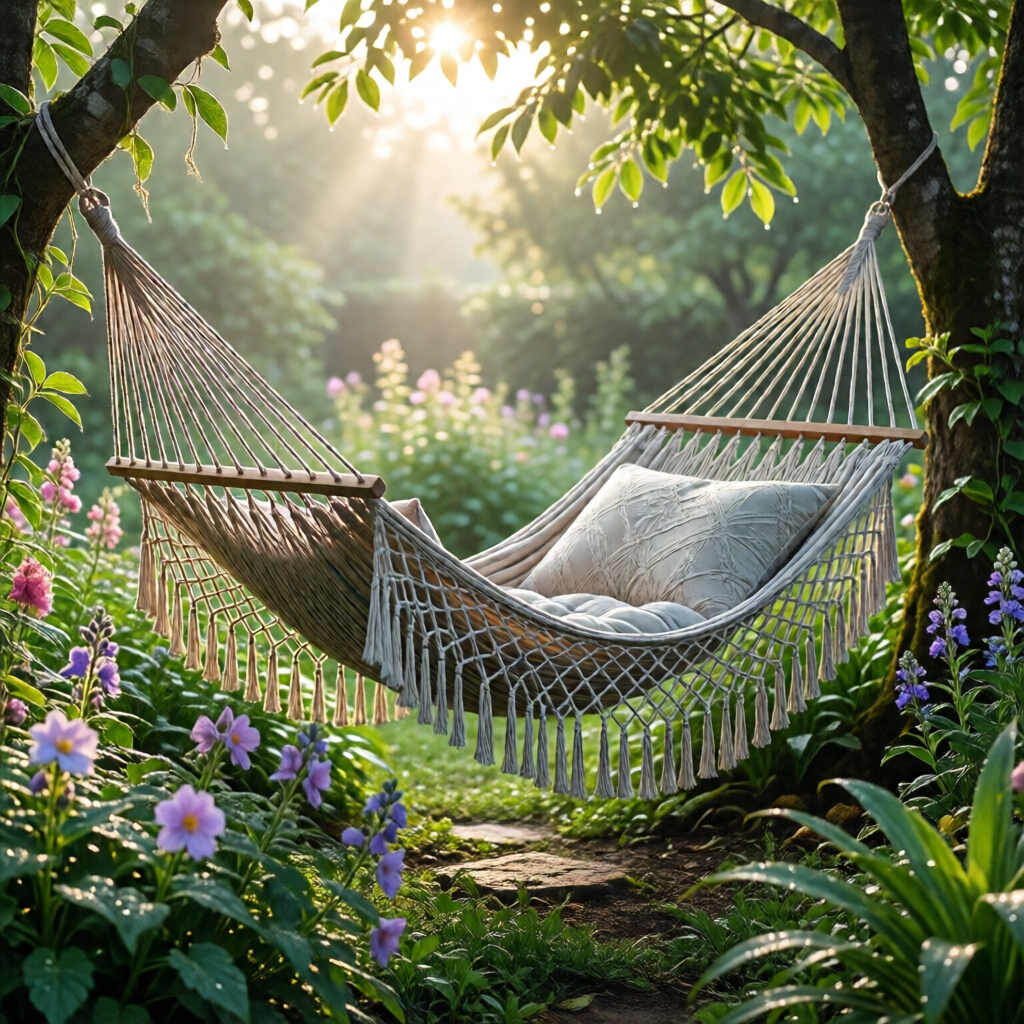
Creating a hammock garden is one of the most rewarding ways to turn a patch of outdoor space into a serene retreat. Whether you have a sprawling backyard, a modest side yard, or a sunny balcony, a well‑planned hammock setup can become the centerpiece of relaxation, reading, or simply enjoying the sounds of nature. This guide walks you through every step—from picking the perfect spot and supporting structure to surrounding your hammock with lush plantings, lighting, and seasonal care—so you can design a hammock garden that feels custom‑crafted for your lifestyle.
1. Choosing the Ideal Location for Your Hammock Garden
The first decision you’ll make is where to hang your hammock. The right location sets the tone for comfort, privacy, and durability. Consider these key factors:
Sun Exposure and Shade
Most people love a sunny spot for a midday nap, but prolonged direct sunlight can degrade the hammock fabric and make the space uncomfortable. Aim for a location that receives morning sun (6 a.m. – 10 a.m.) and afternoon shade, or install a pergola or shade sail to create a balanced micro‑climate.
Ground Surface and Drainage
A well‑draining soil prevents water from pooling under the hammock, which can cause mold or attract insects. If your yard is heavy clay, consider adding a raised deck or a compacted gravel pad beneath the hammock area. For balcony setups, a sturdy wooden or composite deck board works perfectly.
Privacy and Views
Think about the visual backdrop. A hammock positioned near a trellis of flowering vines, a bamboo screen, or tall ornamental grasses can create an intimate oasis while still offering a pleasant view of the garden or skyline.
When you’ve identified a spot that balances sun, shade, drainage, and privacy, you’re ready to choose the perfect hammock style.
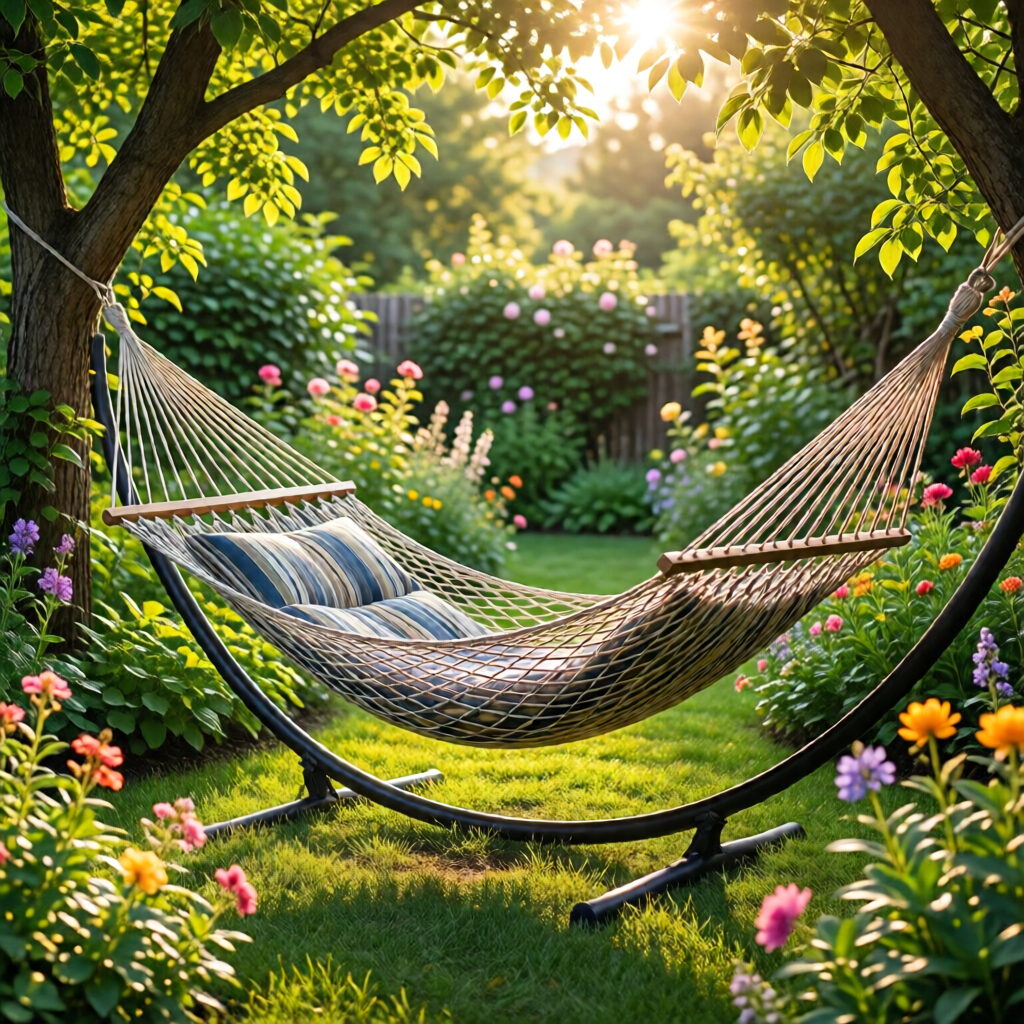
2. Selecting the Perfect Hammock Style and Fabric
Hammocks come in a variety of designs, each suited to different aesthetics and uses. Here’s a quick rundown of the most popular options:
Traditional Rope Hammocks
Made from cotton, polyester, or a blend, rope hammocks are breathable and have a classic look. They’re ideal for hot climates and can be easily folded for storage.
Fabric Hammocks
Soft, flat‑weave fabrics like canvas or linen provide a plush feel and are great for cooler evenings. Look for UV‑resistant finishes to extend longevity.
Canopy Hammocks
These come with an integrated mosquito net or shade canopy, perfect for evenings when bugs are active or when you want added privacy.
Travel Hammocks
Lightweight and portable, travel hammocks are a good choice if you plan to move the setup seasonally or use it in multiple locations.
For a garden setting, a medium‑weight cotton‑polyester blend with a subtle pattern adds visual interest without clashing with surrounding plantings. Ensure the hammock’s weight rating exceeds your body weight plus a safety margin of at least 25 %.
3. Choosing a Supporting Structure: Posts, Trees, or Free‑Standing Frames
The stability of your hammock depends on the support system you choose. Each option has distinct advantages and installation considerations.
Tree‑Based Setups
If you have mature, healthy trees spaced 12–15 feet apart, you can attach hammock straps directly to the trunks. Use a wide, padded strap to protect the bark and a tensioning system to keep the hammock level.
Post‑Mounted Systems
Install cedar or pressure‑treated wooden posts with concrete footings for a permanent solution. A 4 × 4 post set 12 feet apart provides a sturdy anchor point and can be customized with decorative caps.
Free‑Standing Frames
For renters or those without suitable trees, a free‑standing metal or wooden frame offers flexibility. Look for models with cross‑bracing and a weight capacity of at least 500 lb.
Hybrid Solutions
Combine a tree with a post or frame to achieve the perfect height and tension. For example, attach one side to a tree and the opposite side to a decorative post, creating a charming asymmetrical look.
4. Planting Around Your Hammock for Beauty and Function
Plants not only enhance the visual appeal of your hammock garden but also provide shade, fragrance, and a sense of enclosure. Below are planting ideas for different garden sizes and styles.
Flowering Vines
Climbing roses, clematis, or jasmine can be trained along a trellis or pergola above the hammock. Their blooms create a romantic canopy, while jasmine releases a sweet scent in the evenings.
Ornamental Grasses
Varieties like fountain grass (Pennisetum) or feather reed grass (Calamagrostis) add movement and a soft rustling sound when breezes pass, enhancing the relaxation experience.
Shade‑Providing Shrubs
Plant dwarf arborvitae, boxwood, or evergreen lilac on either side of the hammock to create a natural windbreak and privacy screen.
Herb and Edible Borders
Surround the hammock with a low border of herbs such as mint, lavender, or rosemary. These provide aromatic benefits and are handy for kitchen use.
Seasonal Color
Incorporate perennials like coneflowers, black-eyed Susans, or hostas for year‑round color. For a burst of fall foliage, plant Japanese maples or burning bush (Euonymus alatus).
When selecting plants, consider the best soil mix for indoor plants as a reference for proper drainage and nutrient balance, especially if you’re planting in raised beds or containers near the hammock.
5. Adding Lighting and Ambiance to Your Hammock Garden
Evening relaxation is a key benefit of a hammock garden, and thoughtful lighting can transform the space into a magical retreat.
String Lights
Warm white LED string lights draped across a pergola or hung from nearby trees create a soft glow without overwhelming the senses.
Solar Path Lights
Place solar‑powered stake lights along the walkway to the hammock for safety and subtle illumination.
Lanterns and Candle Holders
Metal or glass lanterns on low tables or hanging from chains add a rustic charm. Use citronella candles to deter mosquitoes.
Fire Features
If you enjoy the cozy feel of a fire, consider a small fire pit ideas for backyard DIY positioned a safe distance from the hammock. A fire pit not only adds warmth but also becomes a gathering point for evening conversations.
Accent Spotlights
Highlight a feature plant or a decorative sculpture with a low‑wattage spot LED, creating visual interest after dark.
6. Seasonal Care and Maintenance for a Long‑Lasting Hammock Garden
Proper upkeep ensures your hammock stays comfortable and your garden remains vibrant year after year.
Spring Refresh
Inspect all hardware for rust or wear. Re‑tighten straps and replace any frayed portions of the hammock fabric. Prune back any dead or overgrown plant material and add fresh mulch to retain soil moisture.
Summer Upkeep
Water plants deeply in the early morning to reduce evaporation. Apply a UV‑protectant spray to the hammock fabric to guard against sun damage. Keep the area free of fallen leaves and debris to prevent mold.
Fall Preparation
Harvest herbs and cut back ornamental grasses after they finish blooming. Store the hammock in a breathable cover if you expect heavy rain or snow. Add a layer of compost to the planting beds to enrich the soil for winter.
Winter Protection
If you have a permanent post system, wrap the post bases with burlap or frost‑proof sleeves. For hammocks, use a weather‑proof cover and consider moving the hammock indoors or to a sheltered shed during extreme cold.
Year‑Round Checks
Every few months, test the tension of the hammock and the stability of the support structure. Tighten bolts, replace worn hardware, and re‑apply a protective sealant to wooden posts.
7. DIY Projects to Personalize Your Hammock Garden
Adding a personal touch to your hammock garden can make it truly yours. Here are a few DIY ideas that are both functional and aesthetically pleasing.
Hand‑Painted Pallet Shade Sail
Construct a simple shade sail using reclaimed pallets and a weather‑proof fabric. Paint the pallets in a color that complements your garden palette, then secure the sail above the hammock for extra shade.
Macramé Plant Hangers
Hang trailing plants like pothos or string of pearls from the hammock’s support beams using macramé knots. This adds vertical interest and creates a natural curtain of foliage.
Reclaimed Wood Side Tables
Build low side tables from reclaimed barn wood to hold books, drinks, or a small lantern. Finish with a natural oil to protect against the elements.
Custom Hammock Cover
Sew a fitted cover using breathable canvas or denim. Add decorative stitching or appliqués that reflect your personal style.
Integrating a Deck
If you have a concrete patio, consider installing a deck decorating ideas on a budget such as a floating deck board platform that aligns with the hammock’s height, creating a seamless transition between ground and hanging space.
8. Safety Tips and Best Practices
Safety is paramount when enjoying a hammock garden. Follow these guidelines to ensure a worry‑free experience.
Weight Limits
Never exceed the hammock’s listed weight capacity. For added safety, allow a 25 % margin above your body weight.
Secure Anchors
Use heavy‑duty eye bolts, stainless steel straps, or tree‑friendly hammock hangers. Test the anchors by applying gradual pressure before fully loading the hammock.
Proper Tension
A hammock that’s too loose can cause a “sling” effect, increasing the risk of a sudden drop. Aim for a sag of about 30 degrees from the horizontal line between anchor points.
Clearance
Maintain at least 2 feet of clearance around the hammock to avoid striking nearby objects or plants.
Child Supervision
Never allow children under 12 to use a hammock without adult supervision. Ensure they understand how to get in and out safely.
9. Integrating a Small Balcony or Patio into Your Hammock Garden
If you’re limited to a balcony or small patio, you can still achieve a hammock haven. Choose a compact, lightweight hammock that folds for storage, and pair it with a sturdy balcony‑rated railing hook or a freestanding frame.
For inspiration on maximizing limited outdoor spaces, explore small balcony makeover ideas. Add a few potted herbs from the best indoor plants for low light rooms list to keep the area fresh and functional.
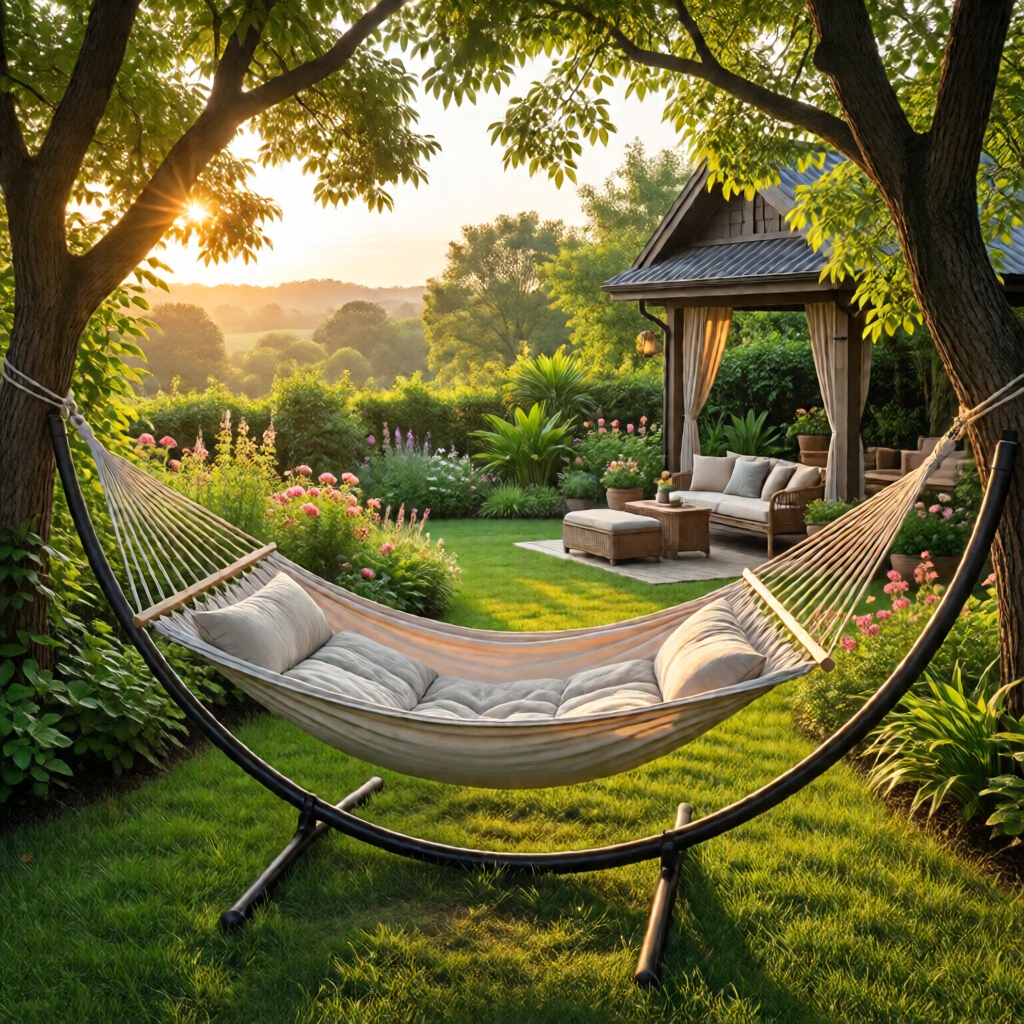
10. Bringing It All Together: Designing Your Dream Hammock Garden
Now that you have the essential components—location, hammock style, support system, plantings, lighting, and safety—it’s time to visualize the final layout.
- Sketch a Rough Plan: Draw a scale diagram of your space, marking anchor points, plant beds, and lighting positions.
- Choose a Color Palette: Coordinate hammock fabrics, plant foliage, and accessories in complementary hues (e.g., teal hammock with lavender and sage green plants).
- Layer Elements: Place taller plants at the back, medium‑height shrubs on the sides, and low‑groundcover or mulch in front to create depth.
- Test the Experience: Before finalizing, set up the hammock temporarily and spend time lounging. Adjust tension, shade, and plant placement as needed.
- Finalize and Enjoy: Install permanent hardware, add final decorative touches, and settle into your new sanctuary.
With thoughtful planning and a touch of creativity, your hammock garden will become a favorite spot for reading, sipping tea, or simply watching the sunrise.
Conclusion
A hammock garden blends comfort, nature, and design into a single, inviting space. By selecting the right location, choosing a durable hammock, installing a secure support system, surrounding it with purposeful plantings, and adding ambient lighting, you create a backyard retreat that enhances both your home’s value and your personal well‑being. Follow the seasonal maintenance tips, prioritize safety, and consider DIY projects to make the space uniquely yours. Now, step outside, unwind, and let the gentle sway of your hammock transport you to a place of calm and serenity.

What type of hammock is best for outdoor use?
For outdoor use, a cotton‑polyester blend rope hammock with UV‑resistant treatment offers durability, breathability, and comfort while standing up to sun and weather exposure.
Can I hang a hammock without trees?
Yes. You can use sturdy posts set in concrete footings, a freestanding metal frame, or a hybrid of a post and a tree. Ensure the support system is rated for the hammock’s weight capacity.
How do I protect my hammock from rain and UV damage?
Apply a weather‑proof spray designed for outdoor fabrics, and use a breathable cover when the hammock is not in use. Position the hammock under a pergola or shade sail to reduce direct exposure.
What plants work best around a hammock for shade?
Fast‑growing vines like clematis, jasmine, or climbing roses, as well as ornamental grasses and dwarf evergreen shrubs, provide natural shade and a sense of enclosure without overwhelming the space.
Is it safe to use a hammock on a balcony?
Yes, as long as the balcony railing can support the load and you use balcony‑rated hooks or a freestanding frame. Check local building codes and the balcony’s weight limit before installation.