Monstera, often called the Swiss cheese plant for its iconic perforated leaves, has become a staple in modern home décor across the United States. Its dramatic foliage adds instant tropical flair, while its relatively forgiving nature makes it a favorite for beginners and seasoned green‑thumbs alike. Yet, to keep your Monstera thriving year after year, you need more than just a sunny windowsill; you need a clear plan that covers light, water, soil, humidity, feeding, pruning, and seasonal adjustments. In this comprehensive guide we’ll walk you through every aspect of Monstera care, share expert tips you won’t find on generic plant blogs, and give you actionable steps you can start using today. Whether you’re growing a single Monstera deliciosa in a bright living‑room corner or a collection of varieties on a balcony, these proven strategies will help you nurture healthy, vigorous plants that become the centerpiece of your indoor jungle.
Understanding Monstera Basics
Species and Varieties
While Monstera deliciosa is the most widely recognized species, the genus includes several other popular varieties such as Monstera adansonii (the “Swiss cheese vine”), Monstera obliqua (known for its extreme leaf perforations), and Monstera dubia (a climbing plant with striking silver‑green leaves). Each variety shares the same basic care requirements, but subtle differences in growth habit and leaf size can influence pot size, support needs, and placement in your home. For instance, Monstera adansonii prefers a bit more vertical space for its vines, whereas Monstera deliciosa often develops a robust, tree‑like trunk that benefits from a sturdy stake.
Natural Habitat
In the wild, Monstera species are native to the tropical rainforests of Central and South America. They grow as hemiepiphytes, anchoring to tree trunks with aerial roots while reaching for filtered sunlight through the canopy. This natural environment informs their care preferences: bright, indirect light; high humidity; well‑draining yet moisture‑retentive soil; and occasional support for climbing. Replicating these conditions indoors creates a comfortable micro‑climate that encourages vigorous growth, larger leaves, and the characteristic fenestrations that make Monstera so beloved.
Light Requirements
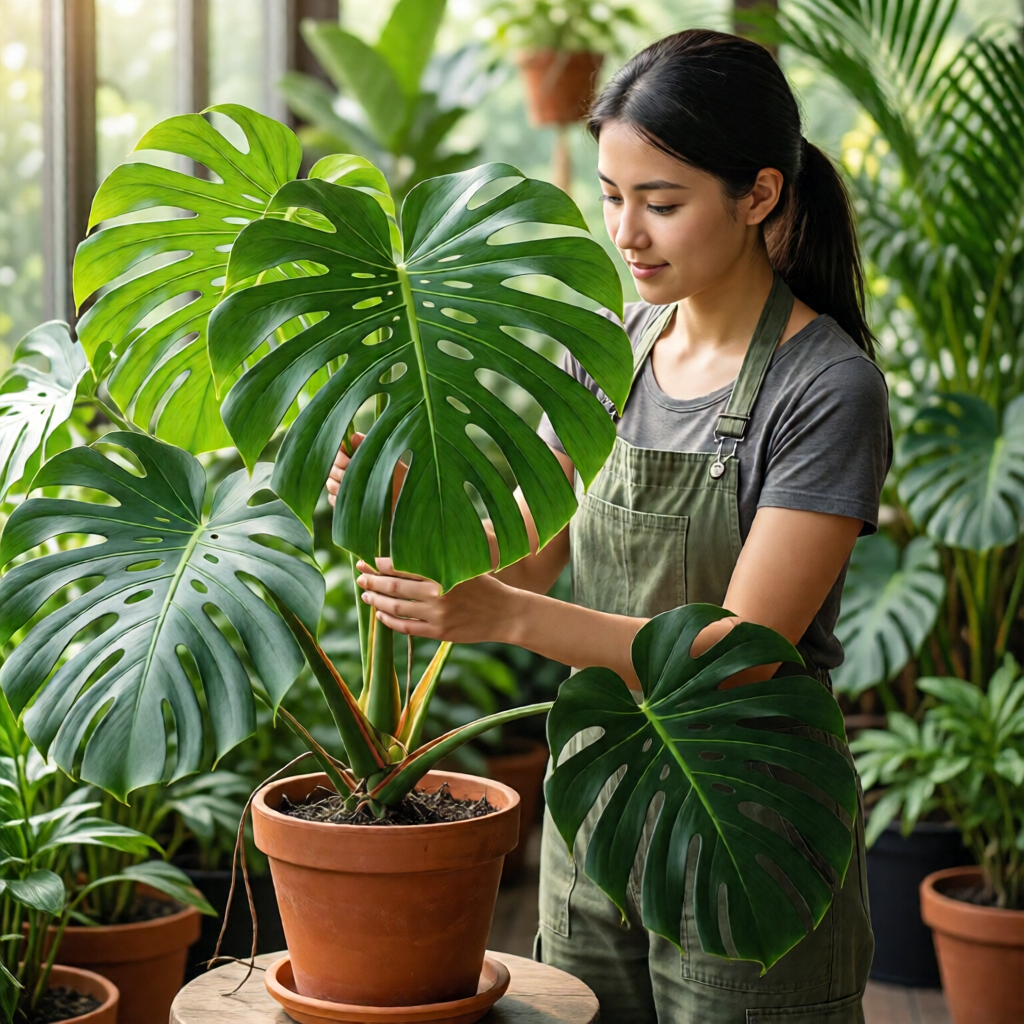
Monstera thrives in bright, indirect light that mimics the dappled sunshine of a rainforest understory. Direct afternoon sun can scorch the leaves, leading to brown edges and faded variegation, while low light slows growth and may cause smaller, less perforated leaves. Position your plant near an east‑ or north‑facing window, or a few feet back from a south‑ or west‑facing window with sheer curtains to diffuse the light. If natural light is limited, a full‑spectrum LED grow light placed 12‑18 inches above the foliage for 10‑12 hours per day can supplement the deficit and keep the plant’s energy levels high.
Watering Best Practices
Watering is often the most common source of error for Monstera owners. The key is to allow the top 2‑3 inches of soil to dry out before the next watering, mimicking the intermittent rain cycles of their native habitat. Stick your finger into the soil; if it feels dry at that depth, water thoroughly until water drains from the bottom of the pot. Avoid letting the plant sit in standing water, as this can lead to root rot. During the winter months, when growth naturally slows, reduce watering frequency by 25‑30 % and always monitor soil moisture levels.
For added confidence, consider a moisture meter or a simple wooden dowel probe to gauge wetness. Over‑watering is a reversible mistake—if you suspect soggy roots, gently remove the plant, shake off excess soil, and repot in fresh, well‑draining mix.
Soil and Potting Mix
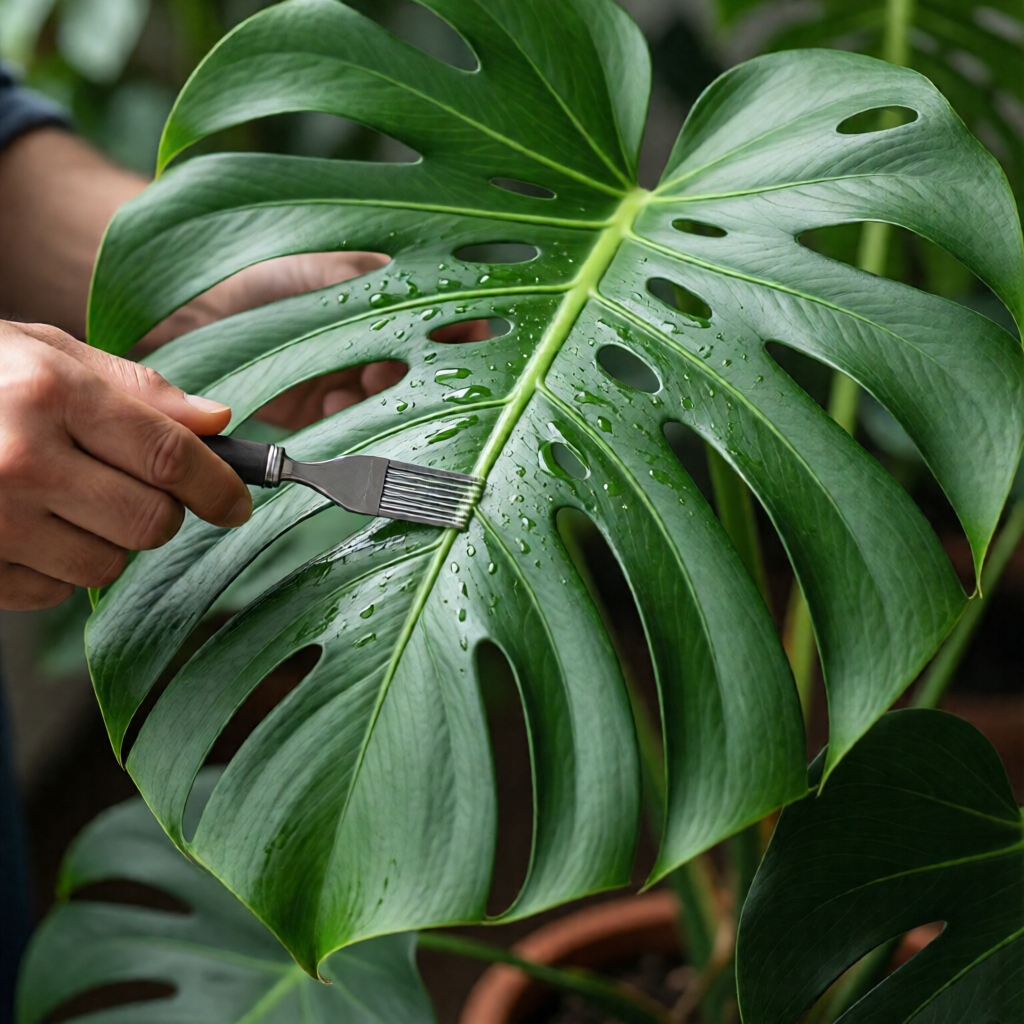
A high‑quality potting mix is essential for Monstera health. Aim for a blend that retains moisture yet drains quickly, such as a mix of 40 % peat moss or coco coir, 30 % pine bark fines, 20 % perlite or pumice, and 10 % orchid bark. This combination replicates the airy, organic substrate found on tree trunks in the wild. Adding a handful of worm castings or a slow‑release organic fertilizer can provide a gentle nutrient boost.
When selecting a pot, choose one with drainage holes and a size that allows for a 2‑inch growth margin above the current root ball. Too large a pot can retain excess water, while a pot that’s too small will restrict root expansion and cause the plant to become root‑bound, leading to stunted growth.
Feeding and Fertilizing
Monstera benefits from regular feeding during the active growing season (spring through early fall). Use a balanced, water‑soluble fertilizer at half the recommended strength, applying every four weeks. For a more tailored approach, refer to our indoor plant fertilizer guide, which outlines the ideal N‑P‑K ratios for foliage plants and offers organic alternatives. In the dormant winter months, reduce feeding to once a month or pause altogether to prevent nutrient buildup that can burn the roots.
Humidity and Air Circulation
Monstera thrives in humidity levels of 60‑80 %, reflecting the moist environment of tropical rainforests. In drier U.S. climates, especially during winter heating, you may need to boost humidity with a tabletop humidifier, a pebble tray filled with water, or by misting the leaves lightly once a day. However, avoid excessive misting that leaves water droplets on the leaf surface for too long, as this can encourage fungal issues.
Good air circulation is equally important. A gentle fan set on low, placed a few feet away, can prevent stagnant air and reduce the risk of spider mites and powdery mildew. Ensure the fan does not blow directly on the plant, which could cause leaf desiccation.
Pruning and Propagation
Regular pruning helps maintain a manageable size, encourages new growth, and improves overall plant health. Use clean, sharp scissors to cut just above a node (the point where a leaf meets the stem) and remove any yellowed or damaged leaves. Pruning also stimulates the development of aerial roots, which can be guided into the soil to provide additional support.
Propagation is straightforward and rewarding. The most reliable method is stem cutting propagation: select a healthy stem with at least two nodes, make a clean cut just below a node, and place the cutting in water or a moist potting mix. In a few weeks, roots will emerge, and you can transplant the new plant into its own pot. For detailed step‑by‑step instructions, see our guide on how to repot indoor plants step by step, which also covers potting up newly propagated Monstera cuttings.
Common Pests and Diseases
Even the hardiest Monstera can fall victim to pests such as spider mites, mealybugs, and scale insects. Inspect the undersides of leaves weekly, looking for tiny webs, cottony masses, or sticky residue. If you spot an infestation, treat the plant with neem oil or an insecticidal soap, applying the solution every 7‑10 days until the pests disappear.
Fungal diseases like root rot and leaf spot typically arise from over‑watering or poor air flow. The best defense is preventive: maintain proper watering intervals, ensure excellent drainage, and keep humidity balanced. If you notice yellowing leaves with a mushy base, gently remove the affected roots, repot in fresh mix, and reduce watering frequency.
Repotting Tips
Monstera generally needs repotting every 1‑2 years, or when you observe roots circling the pot’s interior. Choose a pot that’s 2‑4 inches larger in diameter than the current one. Follow the steps outlined in our how to repot indoor plants step by step guide: gently loosen the root ball, trim any dead or excessively long roots, and position the plant at the same depth it was previously growing. Fill in with fresh potting mix, firm lightly, and water thoroughly to settle the soil.
Seasonal Care Adjustments
As seasons change, Monstera’s needs shift. During summer, increase watering slightly to compensate for higher evaporation rates, and consider adding a supplemental grow light if daylight hours are shorter in your region. In fall, gradually reduce fertilizer applications and begin preparing the plant for winter dormancy by moving it away from drafty windows and lowering the temperature to a comfortable 65‑70 °F (18‑21 °C).
Winter care focuses on preventing dry air and over‑watering. Keep the plant away from heating vents, and if the indoor air is particularly dry, run a humidifier or cluster several plants together to create a micro‑climate with higher ambient moisture.
Decorating with Monstera Indoors
Monstera’s bold foliage makes it an instant statement piece in any room. Pair it with other indoor tropical plants for home such as bird‑of‑paradise, philodendrons, or ZZ plants to create a lush, layered look. Use decorative macramé hangers for younger vines, or opt for a stylish floor pot with a matte finish to complement modern interiors.
Beyond aesthetics, Monstera can be incorporated into functional design. Place a trailing Monstera adansonii on a bookshelf to soften edges, or use its large leaves as a natural backdrop for a home office desk. For those interested in edible landscaping, consider planting companion herbs like basil or mint nearby; while Monstera itself isn’t edible, its presence can enhance the visual appeal of a kitchen garden, linking to ideas from edible landscaping ideas with vegetables.
Monitoring Plant Health
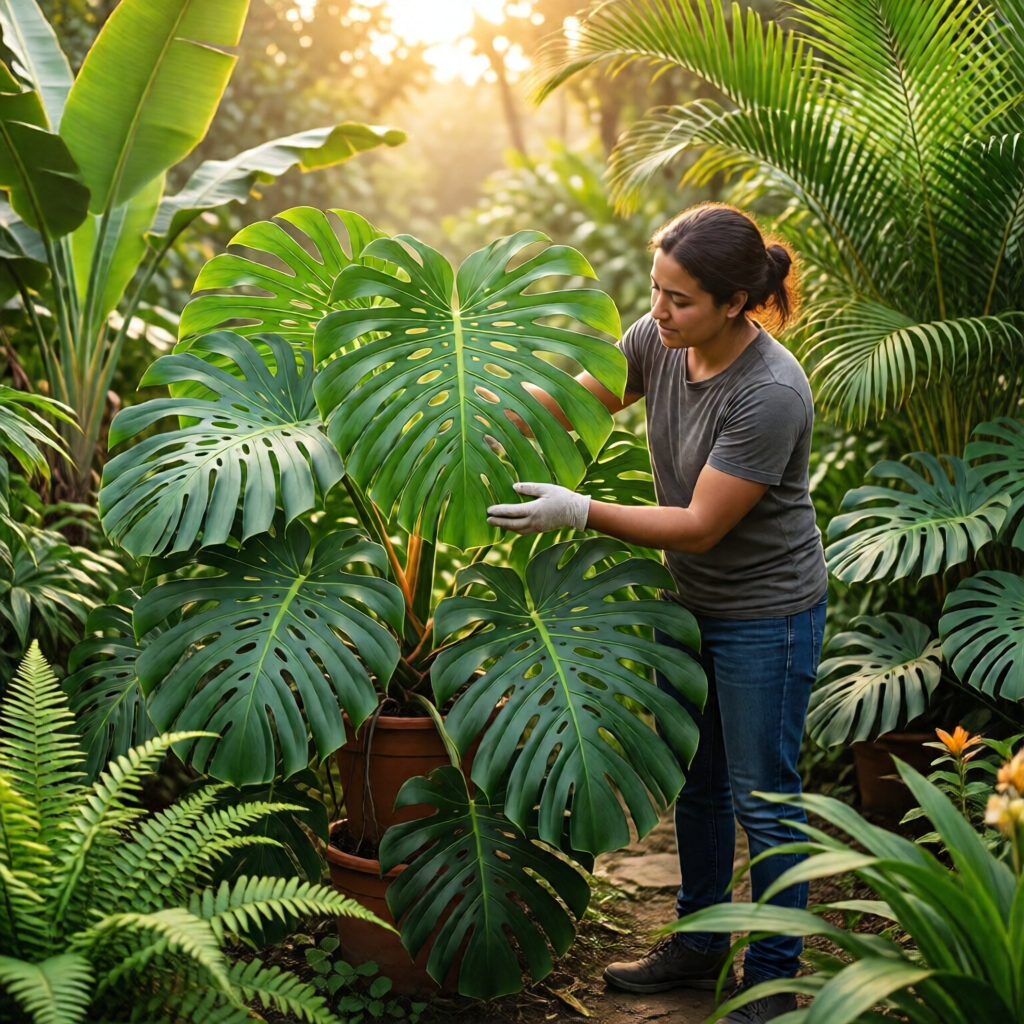
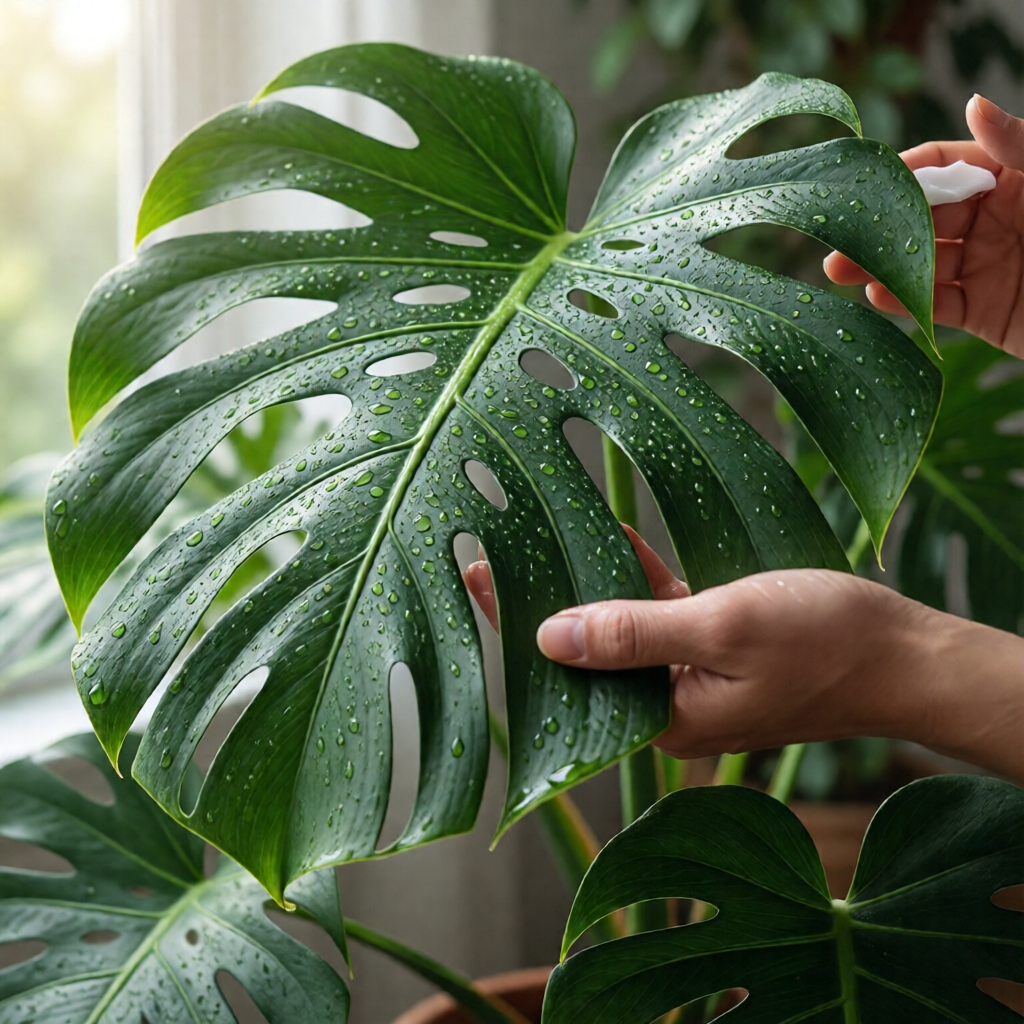
Regular observation is the cornerstone of successful Monstera care. Keep an eye on leaf color, size, and the development of new fenestrations. A healthy Monstera will produce larger, glossy leaves with characteristic holes or splits. Sudden yellowing, leaf drop, or a lack of new growth can signal issues such as insufficient light, improper watering, or nutrient deficiencies.
Maintain a simple care log, noting watering dates, fertilizer applications, and any environmental changes. This record helps you spot patterns and adjust your routine before minor problems become serious setbacks.
Advanced Tips for Enthusiasts
For seasoned growers looking to push their Monstera to new heights, consider training the plant with a moss pole or a sturdy trellis. Secure the stem to the support with soft plant ties, encouraging vertical growth and larger leaf development. Additionally, experiment with low‑dose foliar feeding—spraying a diluted liquid fertilizer on the leaves once a month can boost chlorophyll production and enhance leaf coloration.
If space allows, create a mini‑rainforest corner by grouping several tropical species, adding a pebble tray with water, and installing a humidifier set to 70 % humidity. The synergistic environment benefits all plants, creating a thriving, interconnected ecosystem.
Conclusion
Caring for a Monstera is a rewarding journey that blends science, observation, and a touch of artistic flair. By providing the right light, water, soil, humidity, and nutrients—while staying vigilant for pests and adjusting care seasonally—you’ll enjoy a thriving, dramatic plant that becomes the centerpiece of your indoor garden. Remember, each Monstera is unique, so tailor these guidelines to your home’s specific conditions, keep a close eye on growth patterns, and don’t be afraid to experiment with supports, propagation, and decorative displays. With dedication and a little know‑how, your Monstera will continue to produce those iconic, hole‑punched leaves that capture the imagination of anyone who walks into your space.
How often should I water my Monstera?
Water your Monstera when the top 2‑3 inches of soil feel dry to the touch, typically every 5‑7 days in summer and every 10‑14 days in winter. Always water thoroughly until water drains from the bottom of the pot.
Can I use tap water for my Monstera?
Yes, but let tap water sit for 24 hours to allow chlorine to dissipate, especially if your water is hard. Using filtered or rainwater can help prevent mineral buildup on the soil.
What is the best fertilizer for Monstera?
A balanced, water‑soluble fertilizer with an N‑P‑K ratio of 20‑20‑20 applied at half strength every four weeks during the growing season works well. See our indoor plant fertilizer guide for more options.
How do I propagate a Monstera cutting?
Take a stem cutting with at least two nodes, place it in water or moist potting mix, and keep it in bright, indirect light. Roots should appear in 2‑4 weeks; then transplant to a pot with well‑draining soil.
Why are my Monstera leaves turning yellow?
Yellow leaves can indicate over‑watering, poor drainage, or a lack of nutrients. Check soil moisture, ensure the pot has drainage holes, and consider feeding with a balanced fertilizer during the growing season.
2 réflexions au sujet de “How To Care For Monstera Plant – Expert Guide and Ideas”