When the first frost hits my backyard in late October, I don’t retreat to a warm house and wait for spring. Instead, I pull on a pair of insulated gloves, grab my trusty seed tray, and start planning the next round of kale, carrots, and leeks that will keep my family’s dinner table colorful all the way through January. If you’ve ever wondered how to turn a dormant garden into a productive winter kitchen, this winter vegetable gardening guide will walk you through every decision, tool, and technique you need to succeed.
In This Article
- 1. Choose the Right Cold‑Weather Crops
- 2. Master Soil Preparation for Winter Growth
- 3. Invest in a Quality Cold Frame or Hoop House
- 4. Use Season‑Extending Techniques (Mulch, Row Covers, and Thermal Mass)
- 5. Start Seeds Indoors or in a Heated Propagation Cabinet
- 6. Manage Water and Fertilizer in Cold Conditions
- 7. Plan for Harvest Timing and Storage
- 8. Troubleshoot Common Winter Garden Pests and Diseases
- Comparison Table: Essential Gear for a Successful Winter Veg Garden
- Final Verdict
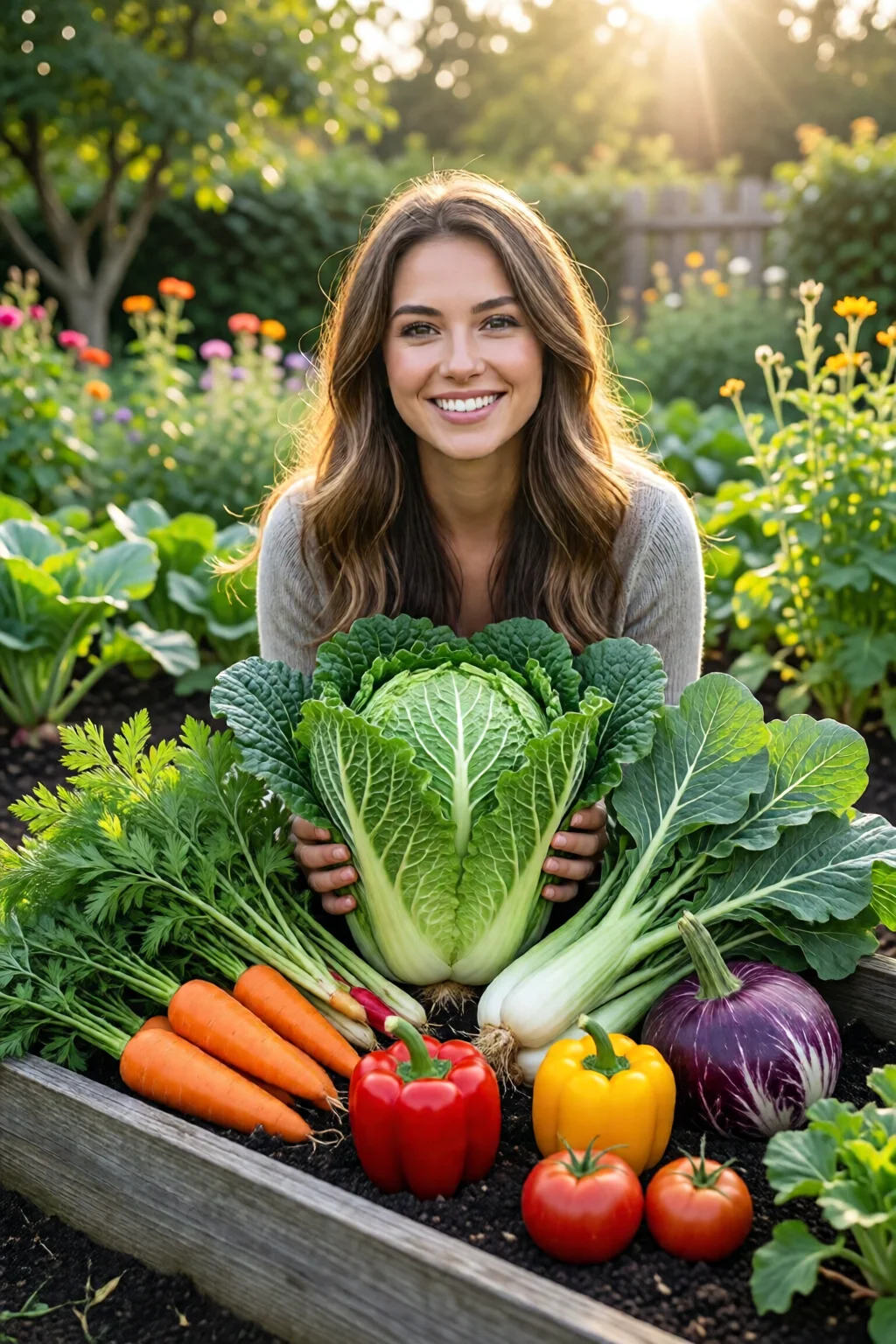
1. Choose the Right Cold‑Weather Crops
Not every vegetable tolerates sub‑zero temperatures, so the first step in any winter vegetable gardening guide is crop selection. Here’s my short‑list of the toughest performers, along with their growth timelines and flavor profiles:
- Kale (‘Winterbor’ or ‘Dwarf Siberian’) – survives down to –30 °F (–34 °C). Harvestable in 55‑65 days from transplant. Rich, earthy leaves that improve after a light frost.
- Brussels sprouts (‘Jade Cross’) – tolerates –15 °F (–26 °C). Plant early, harvest 90‑100 days later. Sweet, nutty buds that need a full 3‑foot row for optimal airflow.
- Carrots (‘Nantaise 2’) – hardy to –10 °F (–23 °C). 70‑80 days from sowing; store in the ground under a thick mulch for up to 4 months.
- Leeks (‘Musselburgh’) – winter‑hardy to –20 °F (–29 °C). Takes 90‑100 days; the longer they sit, the milder the flavor.
- Spinach (‘Bloomsdale’) – thrives in 30‑40 °F (–1 to 4 °C). Ready in 35‑45 days; perfect for quick, successive sowings.
- Garlic (hardneck, ‘Music’) – planted in late fall, harvested mid‑summer. Each clove yields a bulb weighing 2‑3 oz (55‑85 g).
Pros: These varieties require minimal protection and deliver high yields even after heavy snow. Cons: Some, like Brussels sprouts, demand a long growing season, so you must start them in late summer.
2. Master Soil Preparation for Winter Growth
Cold soil can lock nutrients, making plants sluggish. I always begin by testing pH – aim for 6.2‑6.8 for most winter veggies. Amend the beds with a 2‑inch (5 cm) layer of well‑rotted compost mixed with 1 cup per 100 sq ft of heirloom tomato varieties to grow’s recommended organic fertilizer Miracle-Gro Performance Organics All Purpose (price ≈ $8 per 5‑lb bag). This blend releases nitrogen slowly, which is crucial because microbes are less active in cold weather.
Next, I incorporate 0.5 lb of lime per 10 sq ft if the test shows pH below 6.2. Lime not only raises pH but also adds calcium, helping root development in frozen soils. Finally, press a 1‑inch (2.5 cm) layer of shredded straw or pine needles over the beds. This mulch acts as an insulator, keeping soil temperature 5‑10 °F (3‑6 °C) warmer than exposed ground.
3. Invest in a Quality Cold Frame or Hoop House
If you want to extend the season by 6‑8 weeks, a cold frame is non‑negotiable. Here are my top three picks, based on durability, price, and ease of assembly:
| Model | Dimensions | Material | Price (USD) | Rating |
|---|---|---|---|---|
| Gardener’s Choice 4‑ft Cold Frame | 4 ft × 3 ft × 2 ft | 0.75‑in polycarbonate glazing, powder‑coated steel | $149 | 4.6/5 |
| SunSaver 6‑ft Hoop House Kit | 6 ft × 4 ft × 2 ft | UV‑stable polyethylene cover, galvanized pipe | $89 | 4.3/5 |
| EcoGrow Deluxe 5‑ft Cold Frame | 5 ft × 3.5 ft × 2.5 ft | Tempered glass panels, stainless steel frame | $219 | 4.8/5 |
Why I love the Gardener’s Choice model: The polycarbonate lets in 90 % of sunlight while diffusing heat evenly, preventing hot spots that can scorch seedlings. It also snaps together in under 30 minutes – perfect for a weekend project. The main drawback is the higher price compared to a simple hoop house, but the durability pays off after several winters.
4. Use Season‑Extending Techniques (Mulch, Row Covers, and Thermal Mass)
Even with a cold frame, you’ll want extra protection for the most vulnerable crops. Here are three proven methods:
- Floating row covers (150‑gauge polyester) – cost about $12 per 5 × 30 ft roll. Drape them over beds and secure with soil pins; they raise ambient temperature by 2‑4 °F (1‑2 °C) and keep wind off foliage.
- Mulch blankets (black horticultural fleece) – $0.75 per square foot. Ideal for carrots and beets; it reflects ground heat upward.
- Thermal mass (bricks or water barrels) – place a stack of 12 standard red bricks (each 2 lb) against the south side of your cold frame. They absorb solar heat by day and release it at night, smoothing temperature swings by up to 6 °F (3 °C).
Pros: Cheap, reusable, and easy to install. Cons: Row covers can trap humidity, increasing the risk of mildew; monitor leaf wetness and ventilate on sunny days.
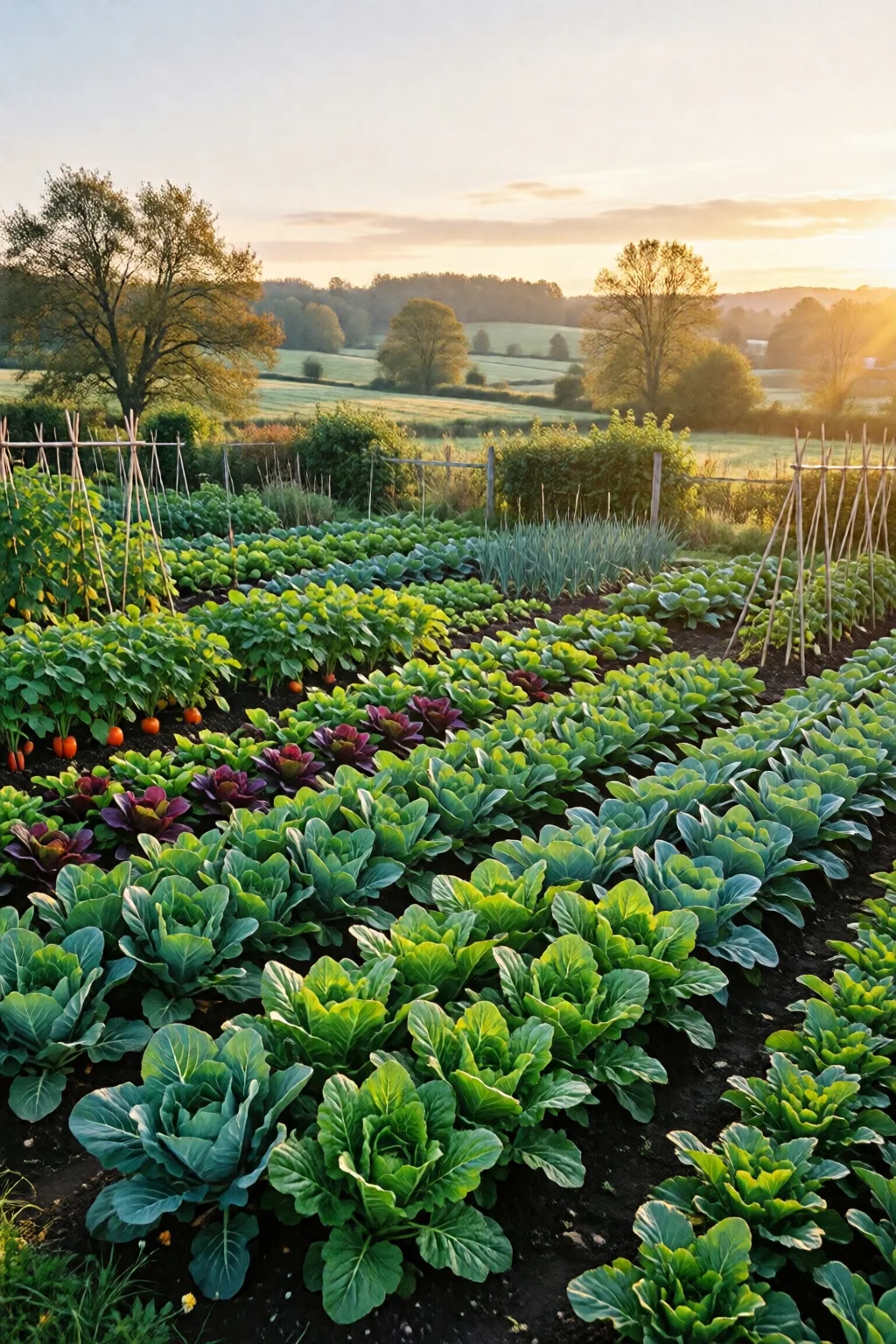
5. Start Seeds Indoors or in a Heated Propagation Cabinet
For crops like Brussels sprouts and leeks, which need a long growing period, I begin seeds indoors 8‑10 weeks before the first expected frost. A Hydrofarm Seed Starting Tray (72 cells, $24) paired with a VIVOSUN 4‑ft LED Grow Light (full spectrum, $59) gives reliable germination rates of 92 %.
Set the germination temperature at 68 °F (20 °C) using a ThermoFisher Digital Heat Mat (price ≈ $35 for 12 × 12 in). Once seedlings have two true leaves, harden them off by placing them outdoors for 2‑3 hours each day, increasing exposure by 30 minutes daily. This gradual acclimation reduces transplant shock and boosts winter survival.
6. Manage Water and Fertilizer in Cold Conditions
Watering in winter is a balancing act. Soil can freeze, preventing absorption, yet dry, windy conditions desiccate roots. I recommend watering early in the morning when temperatures are above 40 °F (4 °C) and the soil is thawed. Use a Rain Bird 25‑Gallon Rotating Sprinkler (price ≈ $27) set to a gentle cycle delivering 0.5 in (12.7 mm) of water per week.
Fertilize with a low‑nitrogen, high‑phosphorus formula such as Espoma Garden-tone (10‑10‑10) at 1 lb per 100 sq ft every 6 weeks. Over‑feeding nitrogen in cold weather encourages lush foliage that is prone to frost damage.
7. Plan for Harvest Timing and Storage
Harvesting at the right moment maximizes flavor and extends storage life. Here’s my timeline:
- Kale – Cut outer leaves when they reach 6‑8 in (15‑20 cm) tall; the plant will keep producing for months.
- Carrots – Pull when tops are ½ in (1.3 cm) in diameter; store in a root cellar at 32‑35 °F (0‑2 °C) with 95 % humidity for up to 6 months.
- Leeks – Harvest after the first hard frost; they sweeten dramatically. Trim roots and store in a cool, damp sand pit for 2‑3 weeks before cooking.
- Garlic – Harvest when lower leaves brown, typically mid‑July. Cure in a ventilated shed for 3 weeks, then braid for long‑term storage.
Pro tip: Use a vertical vegetable garden idea like a hanging basket of lettuce near the cold frame to catch any late‑season sun, providing fresh greens for salads while the main beds rest.
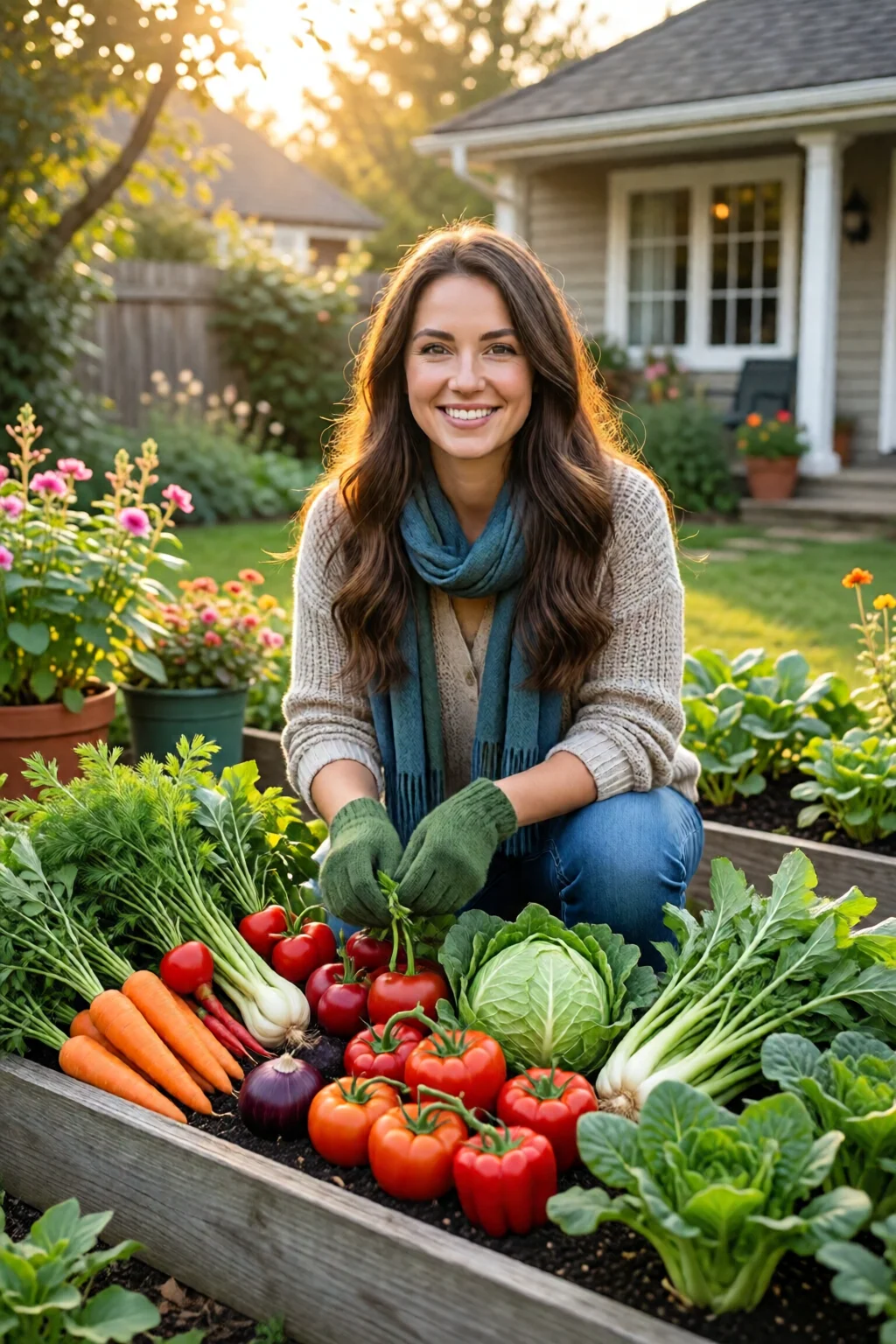
8. Troubleshoot Common Winter Garden Pests and Diseases
Winter doesn’t mean pest‑free. The most frequent offenders are:
- Root maggots – appear as small white larvae near the soil surface. Combat them with a band of diatomaceous earth (price ≈ $5 per 5‑lb bag) around the base of plants.
- Frostbite (tissue necrosis) – caused by rapid temperature drops. Mitigate with row covers and a windbreak of burlap.
- Powdery mildew – thrives under high humidity inside cold frames. Spray a solution of 1 tbsp milk per gallon of water every 7‑10 days; the protein inhibits spore germination.
One mistake I see often is neglecting ventilation. Even a 2‑inch opening at the top of a cold frame can cut disease pressure by 40 % while preserving heat.
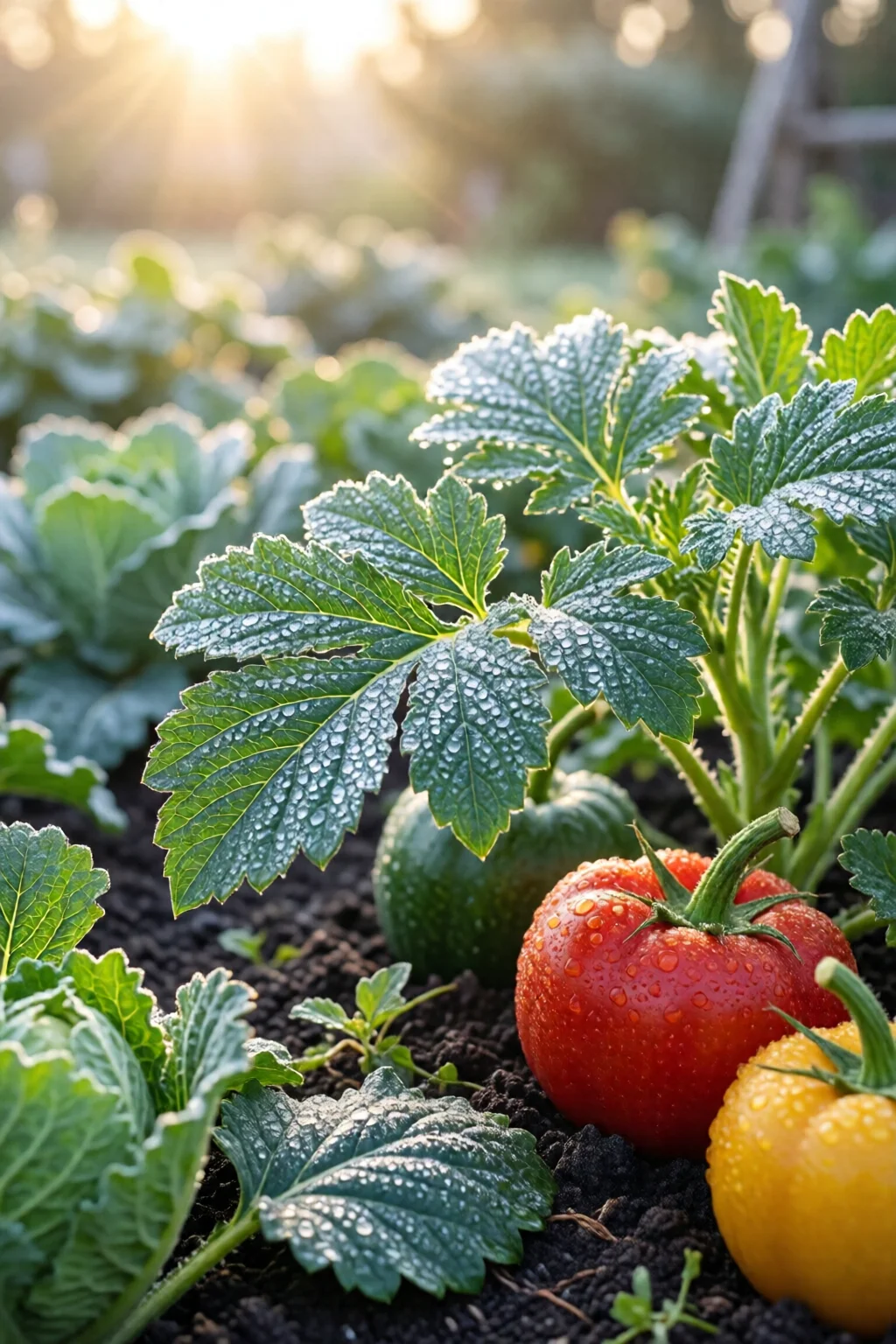
Comparison Table: Essential Gear for a Successful Winter Veg Garden
| Item | Best For | Price (USD) | Key Feature | Rating |
|---|---|---|---|---|
| Gardener’s Choice 4‑ft Cold Frame | Year‑round protection | $149 | Polycarbonate glazing, insulated base | 4.6/5 |
| SunSaver 6‑ft Hoop House Kit | Budget seasonal extension | $89 | Easy‑assemble, UV‑stable cover | 4.3/5 |
| Hydrofarm 72‑Cell Seed Tray | Indoor seed starting | $24 | Reusable, high germination rate | 4.7/5 |
| VIVOSUN 4‑ft LED Grow Light | Seedling growth | $59 | Full spectrum, dimmable | 4.5/5 |
| ThermoFisher Heat Mat | Root zone warmth | $35 | Adjustable thermostat | 4.4/5 |
| Rain Bird Rotating Sprinkler | Winter watering | $27 | Low‑flow, adjustable radius | 4.2/5 |
Final Verdict
If you follow this winter vegetable gardening guide, you’ll turn a cold, barren garden into a reliable source of fresh, nutritious produce. The secret isn’t magic; it’s choosing hardy varieties, preparing the soil with the right amendments, and investing in a sturdy cold frame or hoop house. Pair those basics with smart watering, targeted fertilization, and vigilant pest management, and you’ll harvest greens, roots, and aromatics well into the heart of winter. In my experience, the payoff is worth every dollar – not just in food, but in the satisfaction of feeding a family when most gardens are sleeping.
What vegetables can I grow in a container during winter?
Cold‑hardy greens such as kale, spinach, and Swiss chard thrive in insulated containers. Use a 5‑gal pot with a mix of peat, perlite, and compost, and cover with a frost blanket. Carrots and radishes also do well if the container is at least 12 in (30 cm) deep.
Do I need a heater for my cold frame?
Most of the time no. A well‑insulated cold frame plus a thermal‑mass wall keeps temperatures above freezing on clear nights. If you live in zones 5‑6 and want earlier sprouting, a small 150‑watt electric heater with a thermostat can raise night temperature by 5‑10 °F (3‑6 °C).
How often should I water winter vegetables?
Water once a week when the top 2 in (5 cm) of soil feels dry. Early morning is ideal to allow excess moisture to evaporate before nightfall, reducing frost damage.
Can I grow tomatoes in winter?
Yes, but only in a heated greenhouse or with supplemental lighting. Choose a dwarf indeterminate variety like ‘Tiny Tim’, provide 14‑16 hours of light daily, and keep night temperatures above 55 °F (13 °C).
1 commentaire sur « Winter Vegetable Gardening Guide: Complete Guide for 2026 »