Growing pumpkins in your backyard can be one of the most rewarding projects for any American gardener. Whether you’re dreaming of a glowing orange centerpiece for Halloween, a bountiful supply of sweet pies for Thanksgiving, or just love the satisfaction of watching a vine stretch across the garden, pumpkins are surprisingly easy to cultivate with the right preparation and care. In this guide we’ll walk you through every step—from selecting the perfect variety to harvesting and storing your fruit—so you can enjoy a thriving pumpkin patch right at home. If you’re new to garden planning, you might also want to read our guide on how to start a vegetable garden from scratch to set a solid foundation before you dive into pumpkin growing.
Choosing the Right Pumpkin Varieties
Not all pumpkins are created equal, and the variety you pick will determine the size, flavor, and best use of your harvest. Below are the three main categories to consider when planning your pumpkin patch.
Classic Halloween Pumpkins
These are the iconic, large, orange gourds that most people associate with trick‑or‑treating. Varieties such as ‘Howden’, ‘Connecticut Field’, and ‘Big Max’ can reach 20–30 pounds and have a thick rind perfect for carving. While they’re not the most flavorful for cooking, their size and shape make them ideal for decorative purposes.
Culinary Pumpkins
If your goal is to bake pies, soups, or roasts, look for “pie” or “sugar” pumpkins. ‘Jack‑Be Little’, ‘Sugar Pie’, and ‘New England Pie’ produce smaller, sweeter flesh with a smooth texture that’s perfect for purees and pastries. These pumpkins typically weigh 3–8 pounds, making them easier to handle and store.
Dwarf and Patio Varieties
Limited space? Dwarf varieties like ‘Baby Boo’ and ‘Miniature White Pumpkin’ thrive in containers or small raised beds. They produce miniature fruits that are great for tabletop décor and can be grown on balconies, patios, or even windowsills.
Preparing Your Backyard Garden
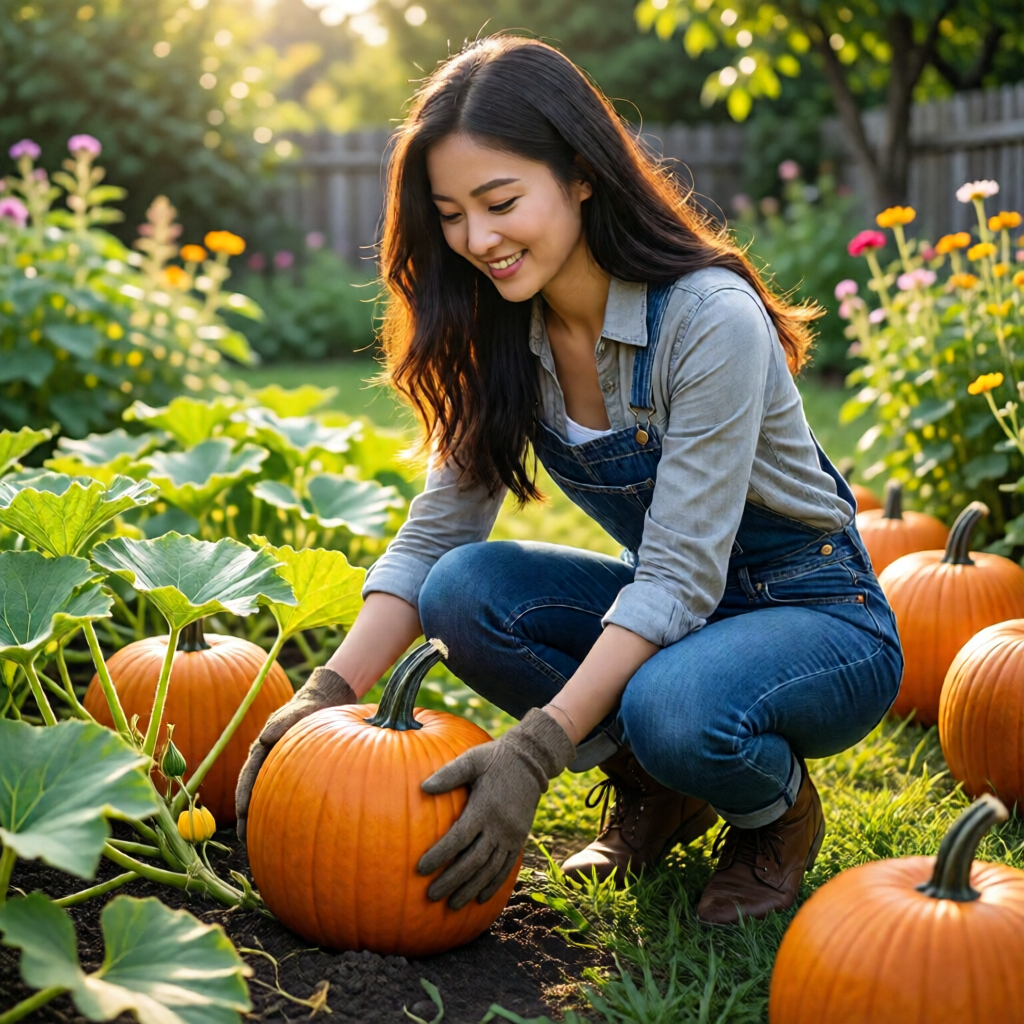
Successful pumpkin growth starts with a well‑prepared site. Pumpkins need plenty of room, sunlight, and nutrient‑rich soil to develop their massive vines and fruit.
Site Selection and Sunlight
Choose a spot that receives full sun for at least 6–8 hours per day. Pumpkins are sun‑loving plants; insufficient light can lead to weak vines and small fruits. Avoid low‑lying areas where water may pool, as this can cause root rot.
Soil Preparation and Amendments
Pumpkins thrive in loamy, well‑draining soil with a pH between 6.0 and 6.8. Before planting, work in plenty of organic matter—compost, aged manure, or leaf mold—to improve soil structure and fertility. A soil test can help you fine‑tune nutrient levels; aim for a balanced N‑P‑K ratio of roughly 10‑10‑10.
Building Mounds or Raised Beds
To improve drainage and warm the root zone early in the season, consider planting pumpkins on small mounds or in raised beds. This technique also makes it easier to manage weeds. For design ideas, see our article on raised garden bed ideas for beginners, which offers practical layouts that work well for large vines.

Planting Pumpkin Seeds
Timing and technique are crucial when sowing pumpkin seeds. Because pumpkins have a long growing season—typically 90 to 120 days—plant at the right moment to avoid frost damage.
Timing and Frost Considerations
In most U.S. regions, wait until the soil temperature consistently reaches 65°F (18°C). This usually falls between late May and early June in the northern states, and as early as mid‑April in the southern zones. Planting too early can stunt growth, while planting too late may shorten the fruit‑development period.
Direct Sow vs. Transplant
Direct sowing is the simplest method: plant seeds straight into the prepared soil. However, if you have a short growing season, start seeds indoors 2–3 weeks before the last frost date. Transplant seedlings carefully, keeping the root ball intact, and space them according to the guidelines below.
Spacing and Trellising
Standard pumpkins need generous spacing—typically 4–6 feet between plants and 8–10 feet between rows. This allows vines to spread without overcrowding. For smaller varieties or limited space, use trellises to train vines upward, which also improves air circulation and reduces disease pressure. Check out our vertical vegetable garden ideas for creative trellis designs.

Caring for Growing Pumpkins
Once your seeds have sprouted, consistent care will ensure healthy vines and abundant fruit. Below are essential maintenance tasks throughout the growing season.
Watering Techniques
Pumpkins need deep, infrequent watering—about 1–2 inches per week—especially during fruit set. Water at the base of the plant to keep foliage dry and reduce fungal risk. In hot, dry spells, increase frequency but avoid waterlogging.
Mulching and Weed Control
Apply a 3‑inch layer of organic mulch—straw, shredded leaves, or wood chips—around each plant. Mulch conserves moisture, suppresses weeds, and adds organic matter as it breaks down. Hand‑weed carefully, being sure not to disturb shallow roots.
Fertilization Schedule
Start with a balanced fertilizer (10‑10‑10) at planting. When vines begin to run and the first fruits appear, switch to a phosphorus‑rich formula (e.g., 5‑10‑10) to promote flower and fruit development. A light side‑dressing of compost around each plant every 4–6 weeks helps maintain nutrient levels.
Managing Pests and Diseases
Common pumpkin pests include cucumber beetles, squash vine borers, and aphids. Hand‑pick beetles, use row covers early in the season, and apply neem oil or insecticidal soap as needed. For disease prevention, practice crop rotation and consider planting companion shrubs that attract beneficial insects. Our guide to best flowering shrubs for full sun highlights species that can serve as natural pest deterrents.
Harvesting and Storing Pumpkins
Knowing when and how to harvest is key to maximizing flavor, shelf life, and decorative appeal.
Signs of Maturity
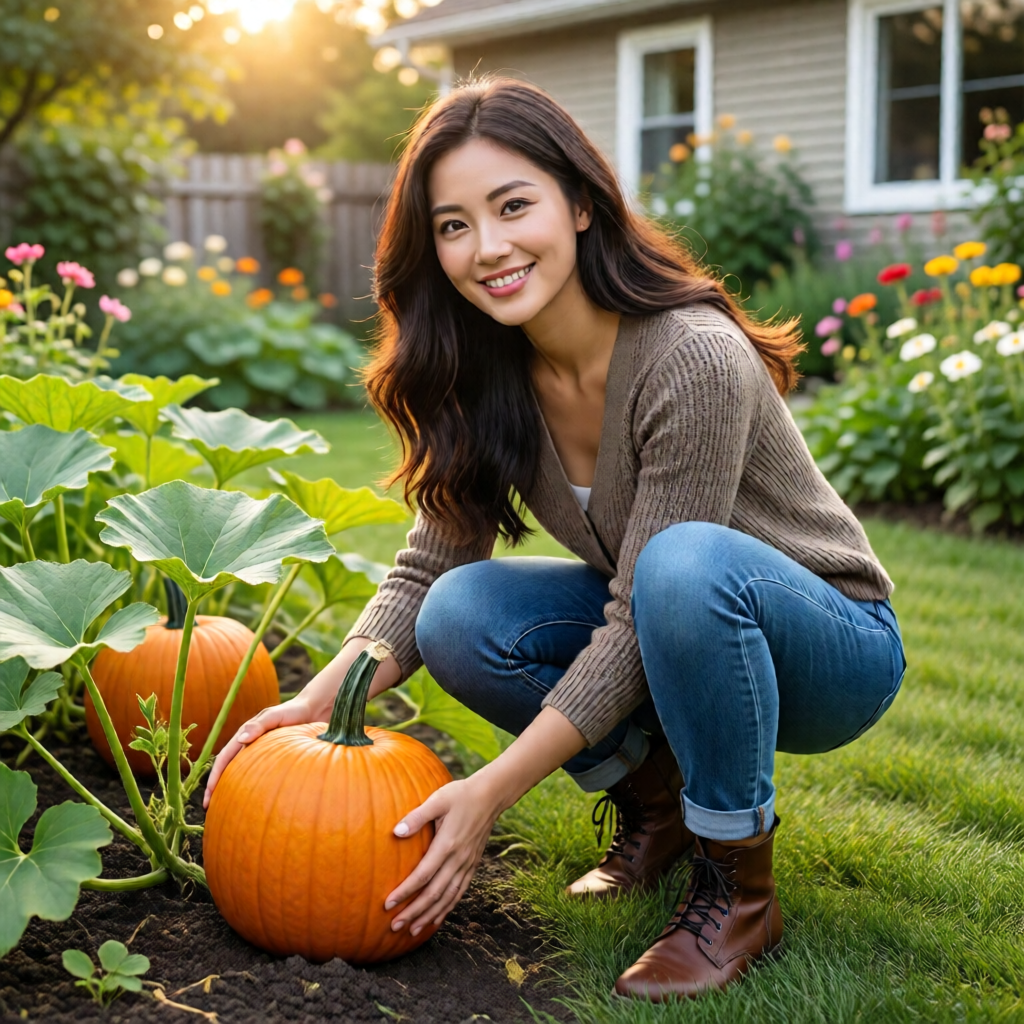
Harvest pumpkins when their skins have hardened to a deep, uniform color and the rind resists puncture from a fingernail. The vines should start to die back, and the stem will turn brown and become dry. For carving pumpkins, wait until the fruit reaches full size but before the first hard frost.
Cutting and Curing
Use a sharp knife or pruners to cut the fruit from the vine, leaving a 3–4 inch stem attached to protect the pumpkin during storage. Allow pumpkins to cure in a warm (80‑85°F), dry location for 10–14 days. This process thickens the rind and improves storage life.
Storage Tips for Winter Use
After curing, store pumpkins in a cool (50‑55°F), well‑ventilated area away from direct sunlight. Good ventilation prevents mold growth. Properly cured pumpkins can last 3–6 months, making them ideal for holiday décor and pantry staples.

Creative Uses for Homegrown Pumpkins
Beyond the garden, pumpkins offer endless opportunities for fun, food, and décor.
Decorating
Carve classic jack‑o‑lanterns, paint intricate designs, or use them as natural centerpieces. For indoor displays, consider placing a small pumpkin on a mantel and pairing it with a low‑light tolerant plant from our best indoor plants for low light rooms list to create a cozy autumn vignette.
Cooking and Baking
Roast pumpkin flesh for soups, mash it for pies, or blend it into smoothies. Sugar pumpkins produce a naturally sweet puree perfect for desserts, while larger carving pumpkins work well for savory stews after the skins are removed.
Seed Roasting and Other Crafts
Don’t discard the seeds! Rinse, dry, and toss them with a little oil and salt, then roast for a crunchy snack. Pumpkin shells can also be turned into lanterns, bird feeders, or even unique planters for succulents.
With the right variety, a well‑prepared bed, and consistent care, growing pumpkins in your backyard can be a delightful and fruitful venture. Follow these steps, experiment with different types, and enjoy the bounty of flavor and festivity that your garden provides.
When is the best time to plant pumpkin seeds in different U.S. regions?
Plant pumpkin seeds after the soil consistently reaches 65°F (18°C). In the northern U.S., this is usually late May to early June; in the Midwest, mid‑May; and in the southern states, planting can begin as early as mid‑April.
How much space should I give each pumpkin plant?
Standard varieties need 4–6 feet between plants and 8–10 feet between rows. Smaller or dwarf varieties can be spaced 2–3 feet apart, especially if grown in raised beds or containers.
What are the best methods for controlling pumpkin vine borers?
Wrap the base of each vine with a fine mesh sleeve, use row covers early in the season, and encourage beneficial insects with companion flowering shrubs. Hand‑removing larvae and applying neem oil can also reduce damage.
How do I know when a pumpkin is ready to harvest?
A mature pumpkin has a hard, uniformly colored rind, a dry brown stem, and the plant’s vines begin to die back. Press a fingernail into the skin; if it resists, the fruit is ready.
Can I grow pumpkins in containers?
Yes, dwarf varieties like ‘Baby Boo’ thrive in large containers (minimum 15‑gallon) with rich compost, consistent watering, and support for vines. Use a trellis or stake to keep vines off the ground.