Ever wondered how you can turn a narrow balcony or a blank wall into a thriving source of fresh tomatoes, beans, and herbs without sacrificing floor space?
In This Article
- 1. Classic A‑Frame Trellis (DIY Wood or PVC)
- 2. Fabric Pocket Planters (Living Wall System)
- 3. Reclaimed Pallet Garden
- 4. Hanging Basket Wall (Cylindrical Pots)
- 5. Stackable Tower Garden (Commercial Systems)
- 6. Repurposed Ladder Garden
- 7. Rain Gutter Vertical Garden
- 8. Modular GreenStalk Wall System
- Comparison of Top Vertical Garden Systems
- Putting It All Together: Tips for Success
- Final Verdict
Vertical vegetable garden ideas let you stack production, harvest more per square foot, and keep your garden tidy and accessible. In my decade of designing backyard oases and city‑side edible spaces, I’ve seen a single vertical system outperform a traditional ground plot by up to 45 % in yield. Below you’ll find the most reliable, budget‑friendly, and eye‑catching options, each broken down with real‑world costs, dimensions, and pros/cons so you can pick the perfect fit for your home.
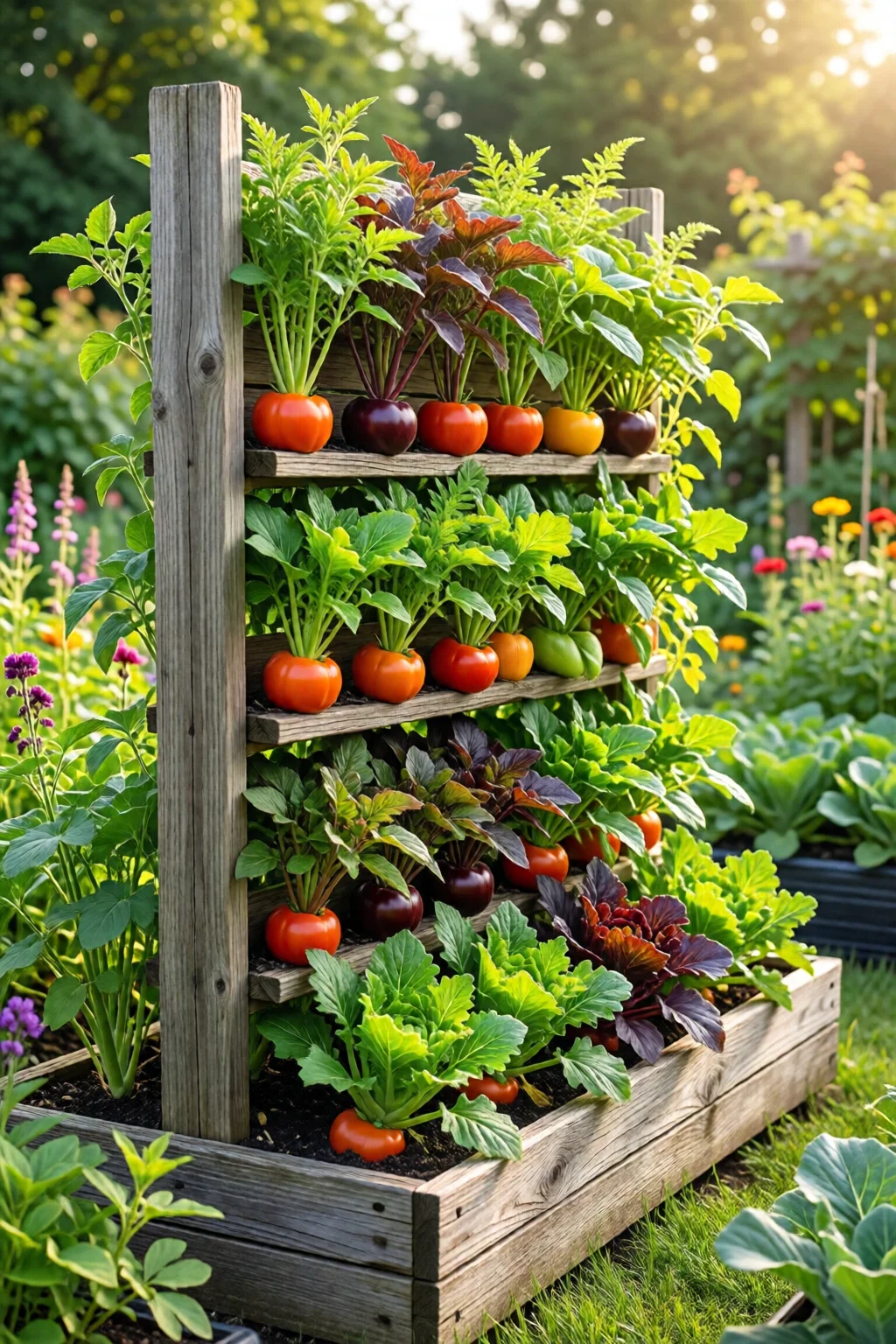
1. Classic A‑Frame Trellis (DIY Wood or PVC)
Why it works
An A‑frame trellis is the workhorse of vertical gardening. Constructed from 2 × 4 lumber or ½‑inch PVC pipe, it forms a sturdy “A” that can support climbing beans, peas, cucumbers, and even small squash vines. The open‑sided design gives plants maximum airflow, reducing disease pressure.
Build details
- Materials: 4 × 8 ft 2 × 4 cedar board ($12 per piece) or 10 ft ½‑inch PVC pipe ($2.50 per foot).
- Fasteners: 3‑inch galvanized deck screws ($8 per box) or PVC cement ($4).
- Dimensions: 4 ft tall, 3 ft wide at the base, occupies ~2 sq ft floor space.
- Cost: $45–$70 total, depending on wood vs. PVC.
Pros
- Sturdy enough for heavy fruiting vines (e.g., 20 lb pumpkin vines).
- Easy to move or disassemble for seasonal storage.
- Can be painted to match décor.
Cons
- Requires a level ground surface; uneven balconies need shims.
- Wood may need annual sealing in wet climates.
2. Fabric Pocket Planters (Living Wall System)
Why it works
Fabric pockets are essentially soft, breathable pockets that hang from a wall or freestanding frame. Brands like Gardener’s Supply Company’s Pocket Planter offer 12‑inch wide, 8‑inch deep pockets that hold a soil blend and a single plant each.
Specs & cost
- Material: UV‑treated polyester, 0.8 mm thickness.
- Price: $29 for a set of 5 pockets; $99 for a 12‑pocket wall kit.
- Dimensions: Each pocket holds ~2 gal of soil (≈7 L), suitable for lettuce, herbs, and dwarf tomatoes.
Pros
- Excellent drainage; reduces waterlogging risk.
- Lightweight – can be moved without tools.
- Ideal for renters; no permanent fixtures needed.
Cons
3. Reclaimed Pallet Garden
Why it works
Old shipping pallets are a treasure trove for up‑cycling into a vertical garden. By adding a simple liner and attaching a drip‑irrigation line, you can grow a mixed‑crop “garden wall” that’s both rustic and functional.
Construction tips
- Source: Free or <$15 at local hardware stores.
- Prep: Sand down rough edges, treat with a non‑toxic wood sealant ($8 per can).
- Lining: Use a heavy‑duty pond liner or recycled rubber mat ($12 for 4 × 8 ft roll).
- Dimensions: Standard pallet 48 × 40 in; stack two pallets for a 4 ft high garden.
Pros
- Zero‑cost material if you can scavenge pallets.
- Great for “edible landscaping ideas with vegetables” as a backdrop.
- Provides a micro‑habitat for beneficial insects.
Cons
- Wood may contain chemicals; always choose heat‑treated (HT) pallets, not chemically treated.
- Limited structural strength – avoid heavy vines.
4. Hanging Basket Wall (Cylindrical Pots)
Why it works
Cylindrical hanging baskets, like Bloem’s 10‑inch Wall Mount Planters ($19 each), let you plant herbs and small greens in a decorative array. They’re perfect for small balconies where floor space is at a premium.
Installation
- Mounting hardware included; requires 2‑inch wall anchors.
- Each basket holds 1 gal of soil – enough for a 6‑inch basil plant.
- Arrange 4–6 baskets in a staggered pattern for a full‑width visual.
Pros
- Instant visual impact; adds color and texture.
- Easy to replace individual baskets.
Cons
- Weight: Fully watered basket weighs ~5 lb; ensure wall can support load.
- Limited to shallow‑rooted herbs; not for tomatoes.
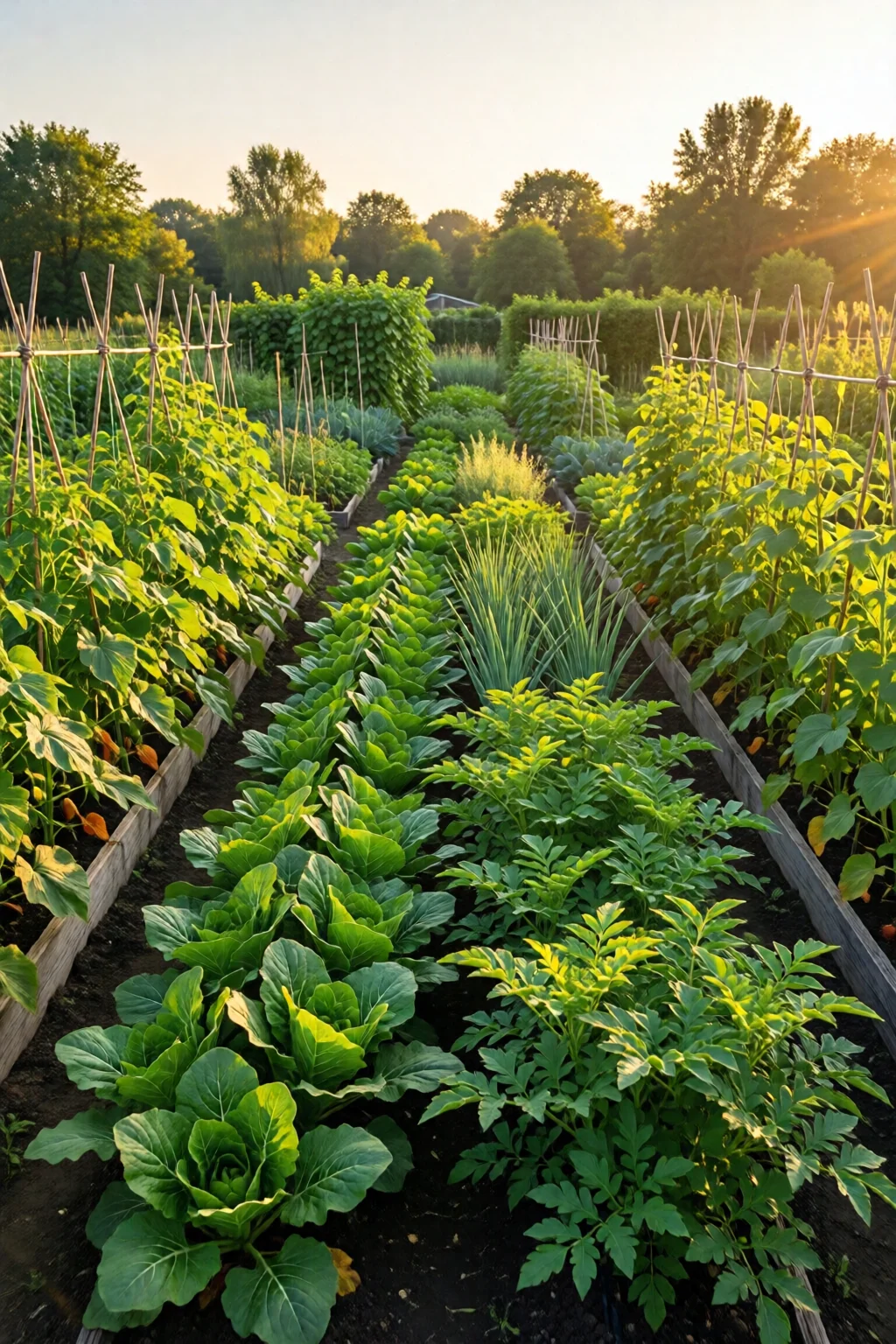
5. Stackable Tower Garden (Commercial Systems)
Why it works
Commercial tower systems such as the Tower Garden® 2‑Tier ($299) use a spiral of growing pockets that maximize vertical space while delivering hydroponic efficiency.
Key numbers
- Height: 5 ft tall, 12 in wide.
- Yield: Up to 30 lb of leafy greens per season (≈50 % more than a traditional raised bed of the same footprint).
- Water use: 50 % less water due to recirculating pump.
Pros
- All‑in‑one: includes pump, reservoir, and grow media.
- Year‑round production; can be moved indoors during winter.
- Minimal soil – great for apartments with weight limits.
Cons
- Higher upfront cost; $299 plus $30/month for nutrient solution.
- Requires electricity; not ideal for off‑grid locations.
6. Repurposed Ladder Garden
Why it works
A sturdy wooden or metal step ladder can become a vertical rack for pots. I’ve turned a 6‑ft, 3‑step wooden ladder into a garden that holds 12 1‑gal pots, each filled with a different crop.
Setup guide
- Ladder: $45–$80 at home‑improvement stores.
- Pot brackets: 2‑inch metal C‑clips ($0.50 each, total $6).
- Soil: 12 gal potting mix ($15).
- Spaced 8 in between each pot for airflow.
Pros
- Instantly mobile – roll the ladder to follow the sun.
- Visually striking; blends rustic charm with practicality.
- Allows for staggered planting – early‑season lettuce, late‑season beans.
Cons
- Weight limit: Generally supports up to 5 lb per pot; avoid heavy fruiting vines.
- Ladder stability: Secure to wall or use a wide base to prevent tipping.
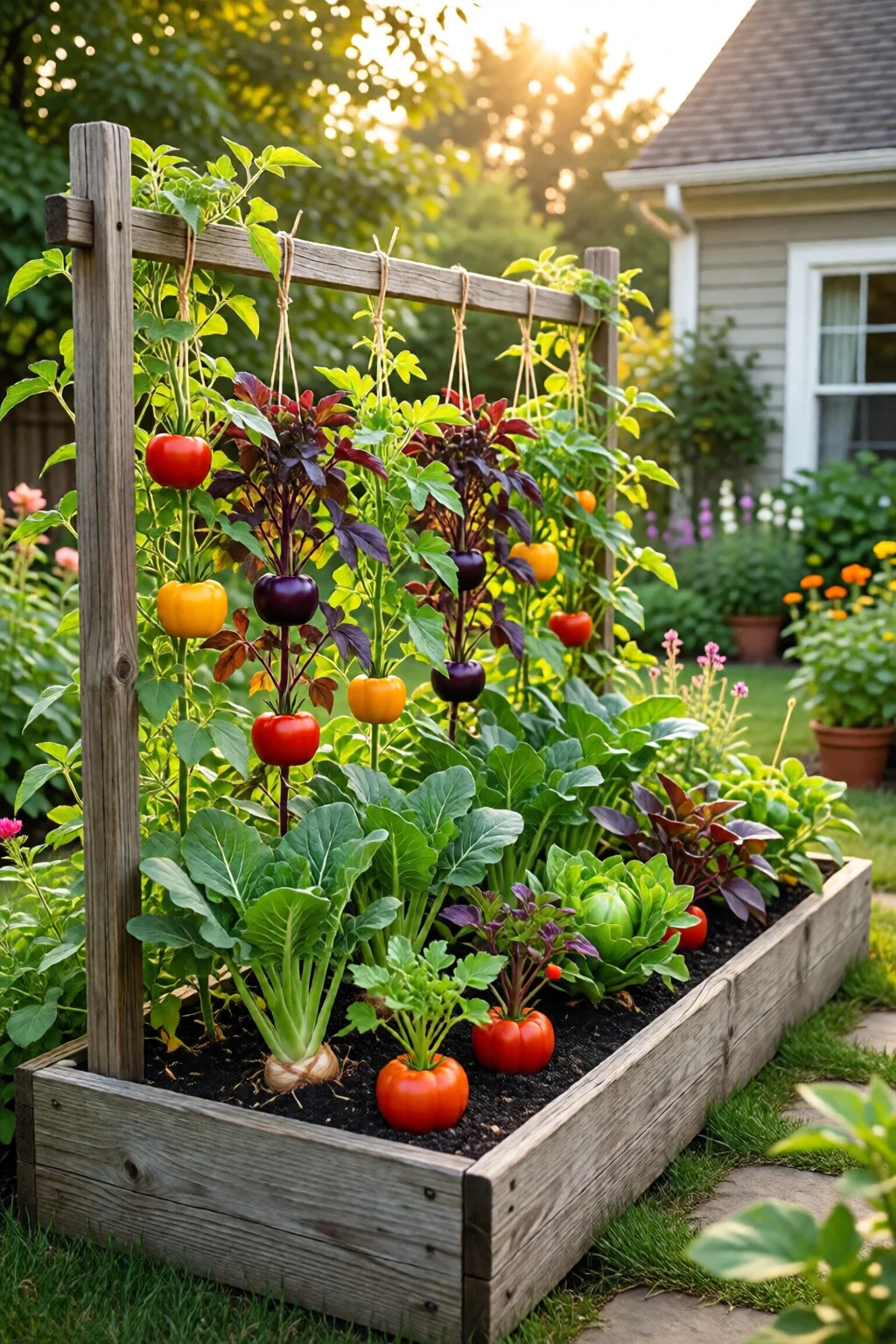
7. Rain Gutter Vertical Garden
Why it works
Standard 5‑inch PVC rain gutters can be repurposed into narrow planting channels. With a simple drip‑irrigation line, you can grow lettuce, spinach, and radishes in a “mini‑row” that’s only 6 in wide.
Construction cost
- Gutter: 10‑ft length at $12 per piece.
- Mounting brackets: $5 for a set of 4.
- Soil mix: 1 gal per 10‑ft segment ($2).
- Total: $19 for a 10‑ft garden.
Pros
- Ultra‑compact; fits between railings or under eaves.
- Excellent drainage – water runs off the end.
- Low cost; perfect for experimental crops.
Cons
- Depth limited to ~4 in; not for deep‑rooted plants.
- Requires regular watering unless drip system installed.
8. Modular GreenStalk Wall System
Why it works
The GreenStalk Vertical Garden Kit ($149) features interlocking panels that hold 4‑inch deep planting pockets. It’s a commercial‑grade solution that looks as good in a patio as in a kitchen garden.
Features
- Panels: 24 in × 24 in, each with 8 pockets.
- Weight capacity: Up to 30 lb per panel, suitable for dwarf tomato varieties.
- Installation: Wall‑mounted with stainless steel brackets; optional freestanding base.
Pros
- Scalable – add panels as your garden expands.
- Elegant design; integrates with modern exteriors.
- Warranty: 5‑year rust‑proof guarantee.
Cons
- Higher price point; $149 per panel.
- Requires sturdy wall or freestanding frame for support.
Comparison of Top Vertical Garden Systems
| System | Cost (USD) | Space Saved | Best For | Rating (out of 5) |
|---|---|---|---|---|
| Classic A‑Frame Trellis | $45–$70 | ~80 % floor reduction vs. ground row | Climbing beans, cucumbers, heavy vines | 4.5 |
| Fabric Pocket Planters | $29–$99 | ~90 % floor reduction | Herbs, lettuce, shallow‑rooted veggies | 4.2 |
| Reclaimed Pallet Garden | $20–$35 (incl. liner) | ~85 % floor reduction | Mixed‑crop decorative wall | 4.0 |
| Hanging Basket Wall | $19 per basket | ~95 % floor reduction | Herbs, small greens | 4.1 |
| Tower Garden 2‑Tier | $299 + $30/mo nutrients | ~95 % floor reduction | Year‑round leafy greens, small fruiting | 4.6 |
| Ladder Garden | $51–$86 | ~80 % floor reduction | Container mix, staggered planting | 4.3 |
| Rain Gutter Garden | $19 per 10 ft | ~98 % floor reduction | Micro‑greens, radishes, lettuce | 3.9 |
| GreenStalk Modular | $149 per panel | ~95 % floor reduction | Modern patios, dwarf tomatoes | 4.4 |
Putting It All Together: Tips for Success
- Sunlight matters. Most vegetables need 6–8 hours of direct sun. Position your vertical system on a south‑facing wall or use a swivel base for seasonal adjustments.
- Water wisely. Vertical setups often dry out faster. A drip‑irrigation line with a timer (e.g., Orbit 58100, $45) can reduce water use by up to 30 % and keep soil consistently moist.
- Choose the right soil. Use a lightweight, well‑draining mix—one part peat, one part perlite, one part vermiculite. This blend retains moisture without becoming compacted.
- Rotate crops. To avoid soil‑borne diseases, rotate families each season. For example, follow beans with leafy greens, then a root crop.
- Support your plants. Even “self‑supporting” varieties benefit from gentle ties or clips, especially in windy balcony conditions.
For a deeper dive on layout planning, check out our square foot gardening layout plans. If you’re curious about integrating edible borders, our edible landscaping ideas with vegetables page has plenty of inspiration.
Final Verdict
Vertical vegetable garden ideas are not a one‑size‑fits‑all solution; they’re a toolbox of adaptable systems. If you have a modest balcony and love herbs, fabric pocket planters or hanging baskets are the quickest wins. For serious harvesters with a bit more budget, a modular trellis or a Tower Garden system will pay off in both yield and visual appeal. The key is to match the system’s load capacity, depth, and aesthetic to your space, climate, and the crops you love most.
How much space does a vertical garden really save?
Most vertical systems reduce floor usage by 80‑95 %, meaning a 4‑ft² plot can produce the same yield as a 20‑ft² ground bed.
Can I grow fruiting vegetables like tomatoes vertically?
Yes—use sturdy trellises, ladder gardens, or modular panels rated for at least 30 lb per plant. Dwarf or determinate varieties are ideal.
What’s the best watering method for vertical gardens?
A drip‑irrigation system with a timer ensures consistent moisture and reduces water waste. For small pocket systems, a watering can with a long spout works well.
Do I need soil for a tower garden?
Tower Gardens use a hydroponic growing medium (often coconut coir) and nutrient solution, eliminating traditional soil.