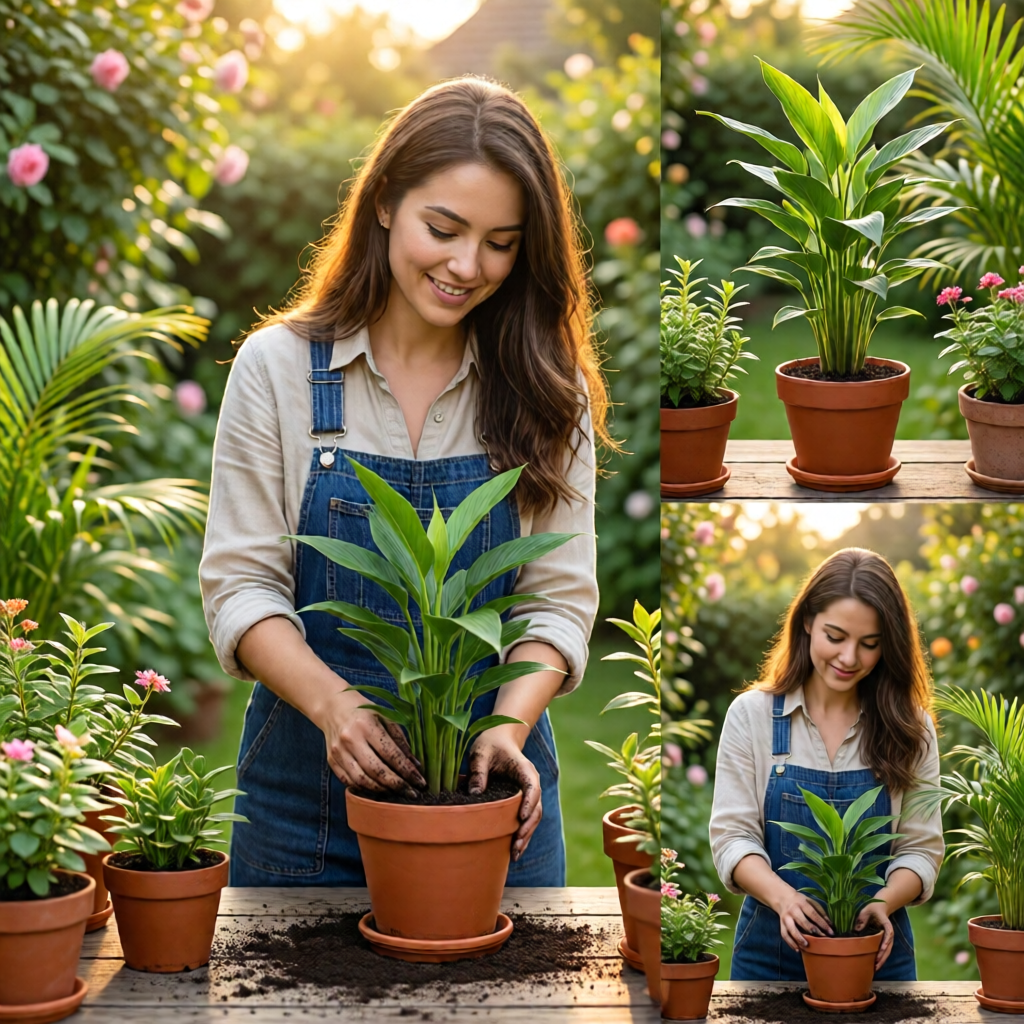
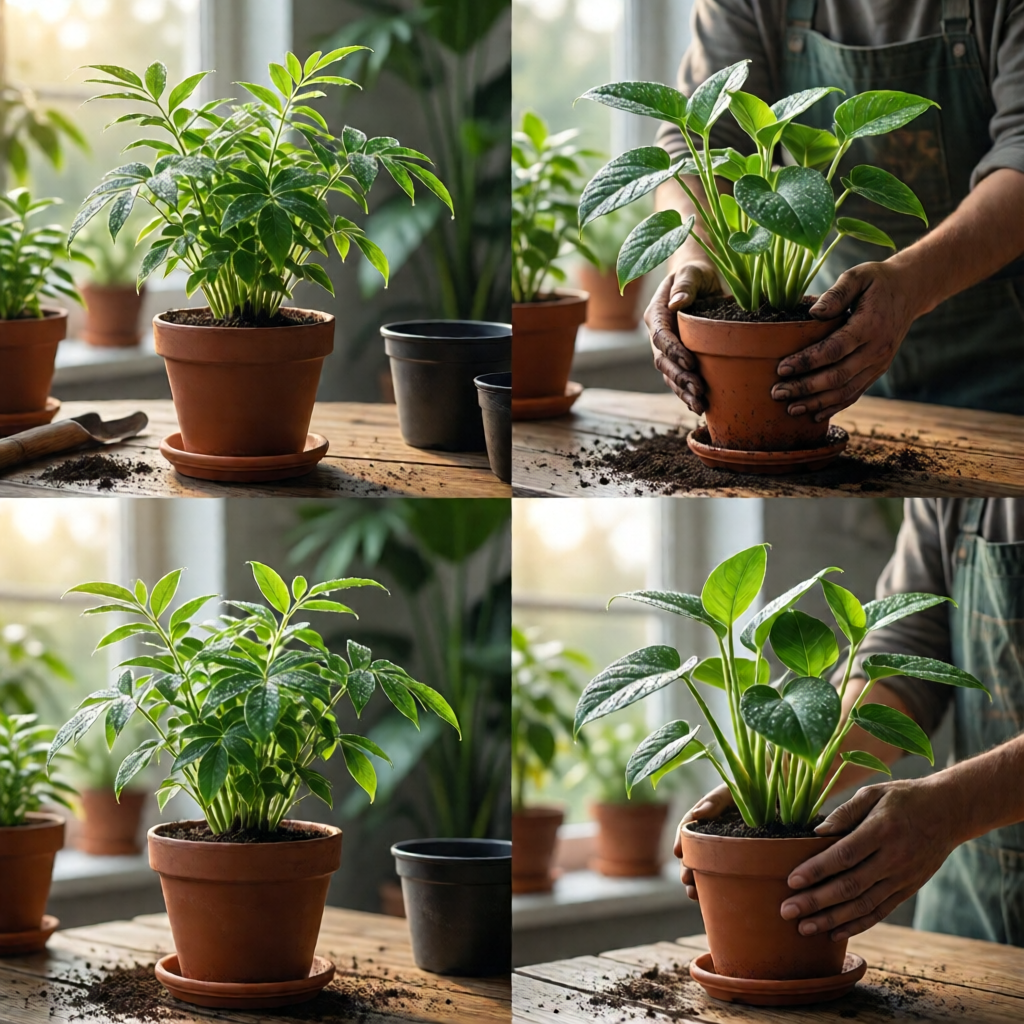
Repotting indoor plants is one of the most rewarding tasks you can do for the health and longevity of your green companions. Whether you’re a seasoned plant parent or just starting to build a jungle in your living room, understanding the step‑by‑step process will help you avoid common pitfalls, encourage vigorous growth, and keep your indoor garden looking its best year after year.
Why Repotting Matters
Plants grow, and as they do, their root systems expand beyond the confines of their original containers. When roots become cramped, they can start to circle the pot, a condition known as “root bound.” This restricts the plant’s ability to absorb water and nutrients, often resulting in stunted growth, yellowing leaves, and a general decline in vigor. Repotting not only provides fresh soil rich in organic matter but also gives the roots more room to explore, improving aeration and drainage—key factors for healthy indoor plants.
Beyond the biological benefits, repotting offers a chance to reassess your plant’s aesthetic placement. A new pot can refresh the décor of a room, complement color schemes, and even improve light exposure by elevating the plant to a better spot. Plus, it’s an excellent opportunity to check the plant for pests, prune dead foliage, and adjust watering routines based on the new soil’s moisture retention.
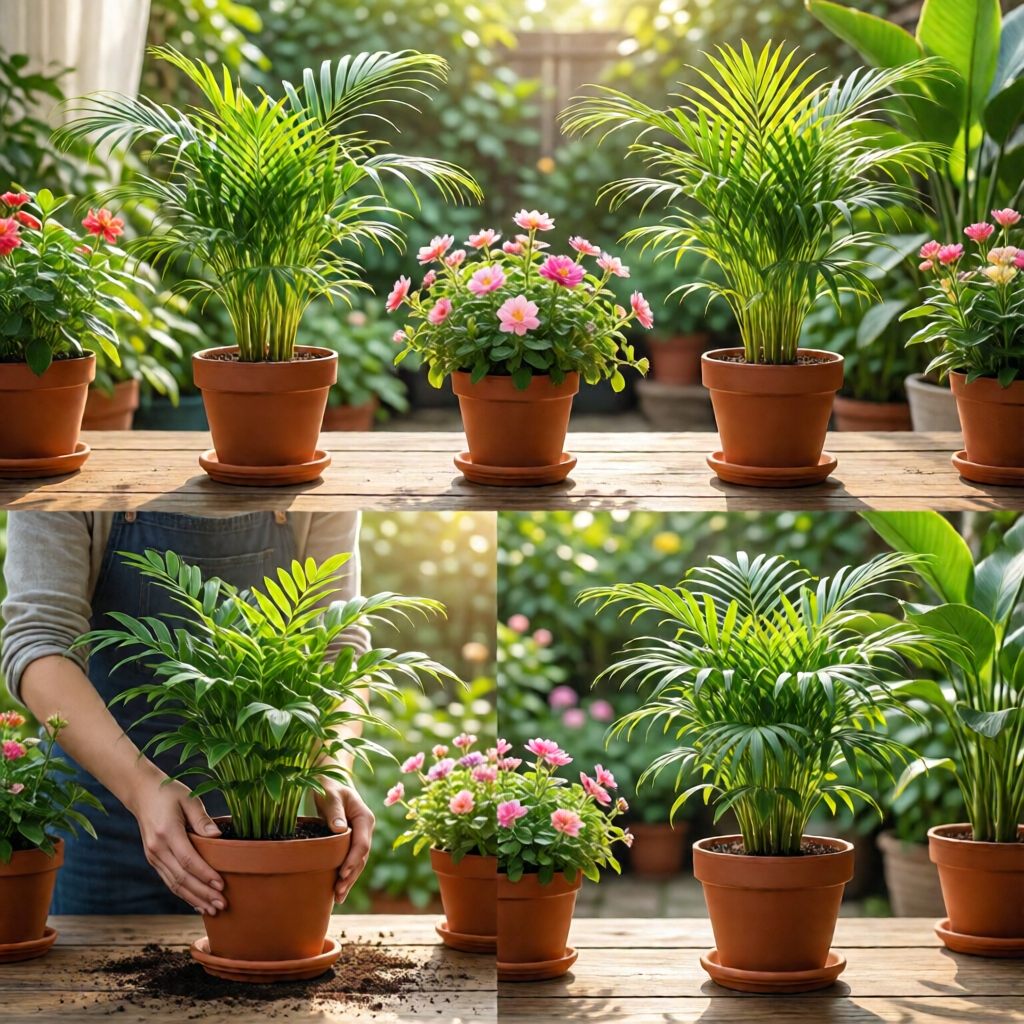
When Is the Right Time to Repot?
Timing is critical. Most indoor plants benefit from repotting every 12‑18 months, but the exact schedule depends on species, growth rate, and environmental conditions. Look for these tell‑tale signs:
Visible Root Growth
If you notice roots emerging from the drainage holes or a dense mat of roots when you gently remove the plant from its pot, it’s time for a larger home.
Soil Degradation
Over time, soil breaks down, losing its structure and becoming compacted. If water sits on the surface for too long or the soil pulls away from the pot’s sides, the medium is no longer providing adequate aeration.
Plant Stagnation
Plants that have stopped producing new leaves or that show a decline in size despite proper care often need fresh soil and space to restart growth.
Seasonal Considerations
Spring and early summer are ideal for repotting most indoor plants because they’re emerging from dormancy and can recover quickly. However, tropical foliage plants may also be repotted during the late winter months when they’re gearing up for a growth spurt.
Gathering Your Supplies
Preparation makes the repotting process smoother and reduces stress on the plant. Assemble the following items before you begin:
- New pot – one size larger (2‑4 inches wider in diameter) with drainage holes.
- High‑quality potting mix – choose a blend suited to your plant type (e.g., cactus mix for succulents, peat‑based for tropical foliage).
- Gardening gloves – protect your hands from thorns and soil.
- Watering can or spray bottle – for moistening the new soil.
- Pruning shears – to trim dead or overly long roots.
- Mesh or coffee filter – to line drainage holes if you’re using a decorative pot without holes.
- Optional: charcoal or perlite – for added drainage and aeration.
Step‑by‑Step Repotting Process
1. Choose the Right Pot
Select a container that balances aesthetics with functionality. Terracotta offers breathability but can dry out quickly, while glazed ceramic retains moisture longer. Ensure the pot has at least one drainage hole to prevent waterlogging. If you love the look of a pot without holes, line the bottom with a mesh screen and add a shallow layer of gravel for drainage.
2. Prepare the Soil Mix
Different plants have distinct soil preferences. For most houseplants, a blend of peat moss, compost, and perlite (1:1:1) works well. Succulents and cacti thrive in a gritty mix of sand, pumice, and coarse peat. If you’re repotting a plant that likes high humidity, such as a peace lily, incorporate coconut coir to retain moisture without becoming soggy.
3. Remove the Plant Carefully
Water the plant lightly a day before repotting to ease removal. Gently tip the pot on its side, supporting the base of the stem with one hand while coaxing the root ball out with the other. If the plant resists, run a dull knife around the inside edge of the pot to loosen the root ball.
4. Loosen and Inspect the Roots
Once out, gently tease apart the outer root mass with your fingers. Trim any dead, mushy, or excessively long roots using clean pruning shears. This encourages new root growth and prevents rot. For plants that are heavily root‑bound, make a few vertical cuts down the root ball to stimulate branching.
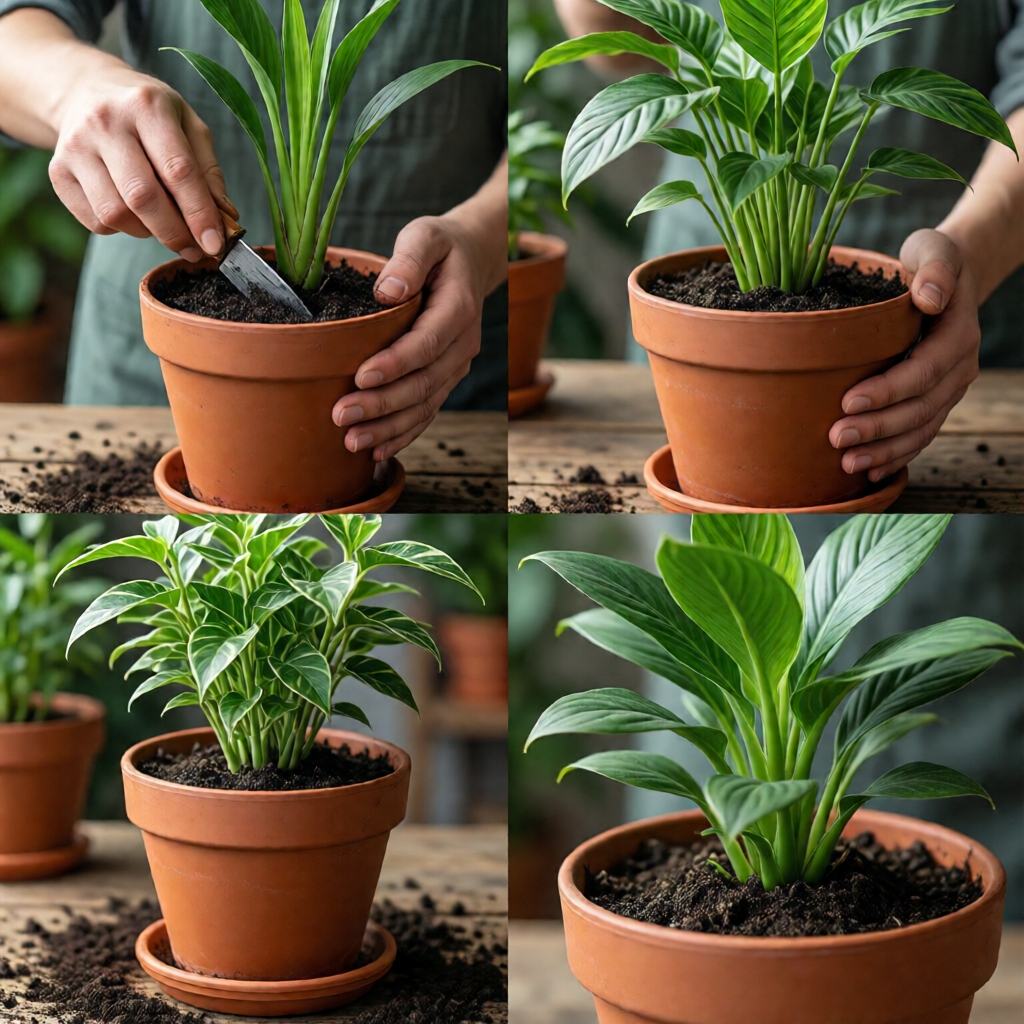
5. Position the Plant in Its New Home
Place a layer of fresh soil at the bottom of the new pot—about one-third of the pot’s height. Center the plant, ensuring the top of the root ball sits roughly 1‑2 inches below the rim. This gap prevents water from spilling over when you water.
6. Fill and Firm the Soil
Gradually add more potting mix around the sides, tapping the pot lightly to settle the soil and eliminate air pockets. Avoid packing the soil too tightly; the goal is a firm yet slightly loose medium that allows roots to expand.
7. Water Properly
Give the plant a thorough watering until water drains from the bottom. This settles the soil around the roots and removes any remaining air pockets. For plants sensitive to overwatering, such as succulents, use a gentle mist rather than a full soak.
8. Aftercare and Acclimation
Place the repotted plant in a location with appropriate light—avoid direct harsh sun for a week to reduce transplant shock. Hold off on fertilizing for at least four weeks, allowing the plant to adjust to its new soil. Monitor moisture levels closely; the new mix may retain water differently than the old one.
Special Tips for Different Plant Types
Succulents and Cacti
These desert dwellers prefer a fast‑draining mix and a pot with ample airflow. After repotting, let the soil dry completely for 5‑7 days before the first watering. Use a shallow dish to catch any runoff, and keep the plant in bright, indirect light.
Tropical Foliage (Monstera, Philodendron, etc.)
Tropical plants love humidity and rich, moisture‑retentive soil. Incorporate orchid bark or coconut husk into the mix for added aeration. After repotting, mist the leaves daily for the first week and consider a pebble tray to boost ambient humidity.
Flowering Indoor Plants (African Violets, Orchids, etc.)
These species often require a specific medium—African violets thrive in a peat‑based mix, while orchids need a bark‑based orchid potting mix. Repot them in the early spring, just before their blooming cycle, to encourage abundant flowers.
Common Mistakes to Avoid
Even seasoned gardeners can slip up. Here are the most frequent errors and how to sidestep them:
- Choosing a pot that’s too large: An oversized pot holds excess soil, which can stay moist longer and cause root rot. Stick to the “one size up” rule.
- Using garden soil: Outdoor soil is often too heavy and may contain pests. Always opt for a light, sterile indoor potting mix.
- Overwatering after repotting: Fresh soil absorbs water differently; give the plant a moderate amount and then let the top inch dry before the next watering.
- Neglecting drainage: A pot without drainage holes can become a death trap. If you must use a decorative pot without holes, add a layer of gravel and a mesh screen.
- Skipping root inspection: Failing to trim dead roots can lead to rot. Take a few minutes to examine the root ball thoroughly.
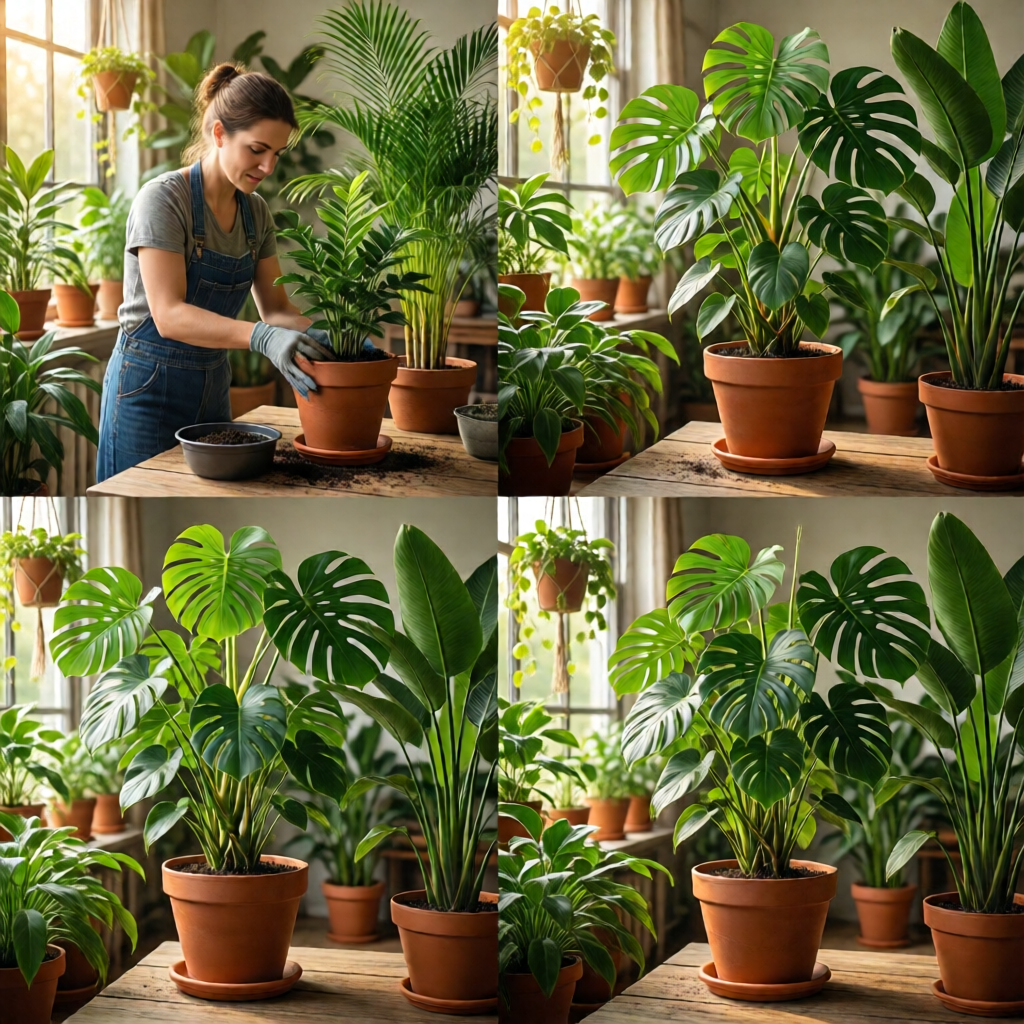
Tools and Materials Checklist
Keep this checklist handy for your next repotting session. Having everything prepared ensures a smooth, stress‑free experience for both you and your plant.
- New pot with drainage holes
- Appropriate potting mix (cactus mix, peat‑based, orchid bark, etc.)
- Gardening gloves
- Pruning shears or scissors
- Watering can or spray bottle
- Mesh screen or coffee filter (for decorative pots)
- Perlite, charcoal, or coarse sand (optional for improved drainage)
- Small trowel or spoon for soil handling
- Paper towels or a clean cloth for wiping excess soil
Integrating Repotting Into Your Garden Routine
Repotting doesn’t have to be a once‑a‑year chore. By observing your plants regularly, you can incorporate minor adjustments—like adding a thin layer of fresh soil or repotting a fast‑growing spider plant every six months—into your ongoing garden care schedule. This proactive approach keeps your indoor garden thriving and reduces the need for emergency repotting.
For those interested in expanding their indoor garden’s functionality, consider pairing repotting projects with other garden ideas. For example, after repotting a fiddle‑leaf fig, you might explore edible landscaping ideas with vegetables to create a mixed indoor‑outdoor space. Or, if you’re turning a bathroom into a plant oasis, check out the best plants for bathroom humidity to ensure the right species thrive in that environment.
Frequently Asked Questions
How often should I repot my indoor houseplants?
Most indoor plants benefit from repotting every 12‑18 months, but the exact timing depends on growth rate, soil condition, and visible signs of being root bound.
Can I use regular garden soil for indoor plants?
No. Garden soil is often too dense and may contain pests. Indoor plants need a lightweight, sterile potting mix tailored to their specific needs.
What size pot should I choose when repotting?
Select a pot that is 2‑4 inches larger in diameter than the current one. This provides enough room for root growth without retaining excess moisture.
Do I need to fertilize immediately after repotting?
It’s best to wait 4‑6 weeks before applying fertilizer. The fresh soil already contains nutrients, and waiting reduces the risk of root burn.
How can I make a decorative pot safe for indoor plants?
Line the bottom of the decorative pot with a mesh screen or coffee filter to keep soil in while still allowing drainage. Add a shallow layer of gravel for extra water flow.