When an indoor plant starts to droop, turn yellow, or develop brown tips, it can feel like a personal crisis—especially if you’ve invested time, money, and love into it. The good news is that most “dying” indoor plants can be rescued with the right knowledge, timely action, and a little patience. In this comprehensive guide we’ll walk you through the science behind plant stress, step‑by‑step rescue techniques, and long‑term strategies to keep your foliage thriving year after year. Whether you’re a seasoned houseplant enthusiast or a beginner who just brought home a pothos, this article will give you the confidence to revive that wilting green friend and prevent future setbacks.
Understanding the Root Causes of Plant Decline
Before you can effectively revive a struggling indoor plant, you need to diagnose why it’s suffering. Plants are remarkably resilient, but they react to a handful of core stressors: water, light, temperature, humidity, soil health, and pests. Often, a single factor is the culprit, but more commonly, multiple issues overlap, creating a cascade of symptoms.
Water: The Double‑Edged Sword
Both over‑watering and under‑watering can cause leaves to yellow, curl, or develop mushy roots. Over‑watering suffocates the root system, leading to root rot, while under‑watering dehydrates cells, causing wilting and leaf scorch. The key is to understand the specific water needs of your plant species and adjust your schedule based on seasonal changes.
Light: Too Much, Too Little, or the Wrong Kind
Indoor plants generally fall into three light categories: low, medium, and high. A plant placed in a window that receives direct afternoon sun may scorch, while a shade‑loving philodendron left in a dark hallway will stretch and lose its vibrant color. Knowing the ideal light level for each plant is essential for a successful revival.
Temperature and Drafts
Most houseplants thrive in temperatures between 65°F and 75°F (18°C‑24°C). Sudden temperature swings, cold drafts from windows, or heating vents can stress plants, causing leaf drop and slowed growth. Consistency is more important than hitting a perfect temperature.
Humidity: The Hidden Factor
Many tropical indoor plants, like monsteras and ferns, require higher humidity (40‑60%). In dry indoor environments, especially during winter heating, low humidity can cause brown leaf edges and tip burn. Simple solutions such as pebble trays, misting, or a humidifier can make a dramatic difference.
Soil and Nutrient Balance
Old, compacted soil can restrict root growth and limit oxygen exchange. Nutrient deficiencies—particularly nitrogen, potassium, or magnesium—manifest as pale leaves, slow growth, or leaf spots. Regular repotting with a fresh, well‑draining mix and occasional feeding can restore soil health.
Pests and Diseases
Spider mites, mealybugs, fungus gnats, and fungal infections are common indoor plant problems. Early detection is crucial; a few tiny insects or a faint powdery coating can quickly become a full‑blown infestation if left unchecked.

Diagnosing Your Plant’s Specific Symptoms
Now that you understand the primary stressors, it’s time to match observed symptoms to likely causes. Below is a quick reference guide you can keep handy while inspecting your plant.
Yellowing Leaves (Chlorosis)
– Lower leaves yellow first: Usually a sign of nitrogen deficiency or over‑watering.
– All leaves turn yellow uniformly: Could indicate a pH imbalance or a root‑rot issue.
– Yellow with brown spots: Often a fungal disease or pest damage.
Wilting and Drooping
– Rapid wilting in the morning, perk up by afternoon: Likely under‑watering.
– Wilting that worsens over days, leaves stay limp: Over‑watering or root rot.
– Wilting accompanied by leaf curl: May be a temperature or humidity problem.
Brown Leaf Tips and Edges
– Dry, crisp tips: Low humidity or fertilizer burn.
– Dark, mushy edges: Over‑watering or fungal infection.
– Irregular brown patches: Pest damage or chemical injury.
Stunted Growth or Leggy Stems
– Thin, elongated stems reaching for light: Insufficient light.
– Little to no new growth despite proper care: Nutrient deficiency or root confinement.
Take notes on each symptom, then cross‑reference with the stressors above to narrow down the likely cause(s). This systematic approach saves time and prevents unnecessary treatments.
Immediate Rescue Steps: The 24‑Hour Rescue Plan
Once you’ve identified the probable issue, act quickly. The first 24 hours are critical for reversing stress and preventing irreversible damage.
Step 1: Assess and Adjust Watering
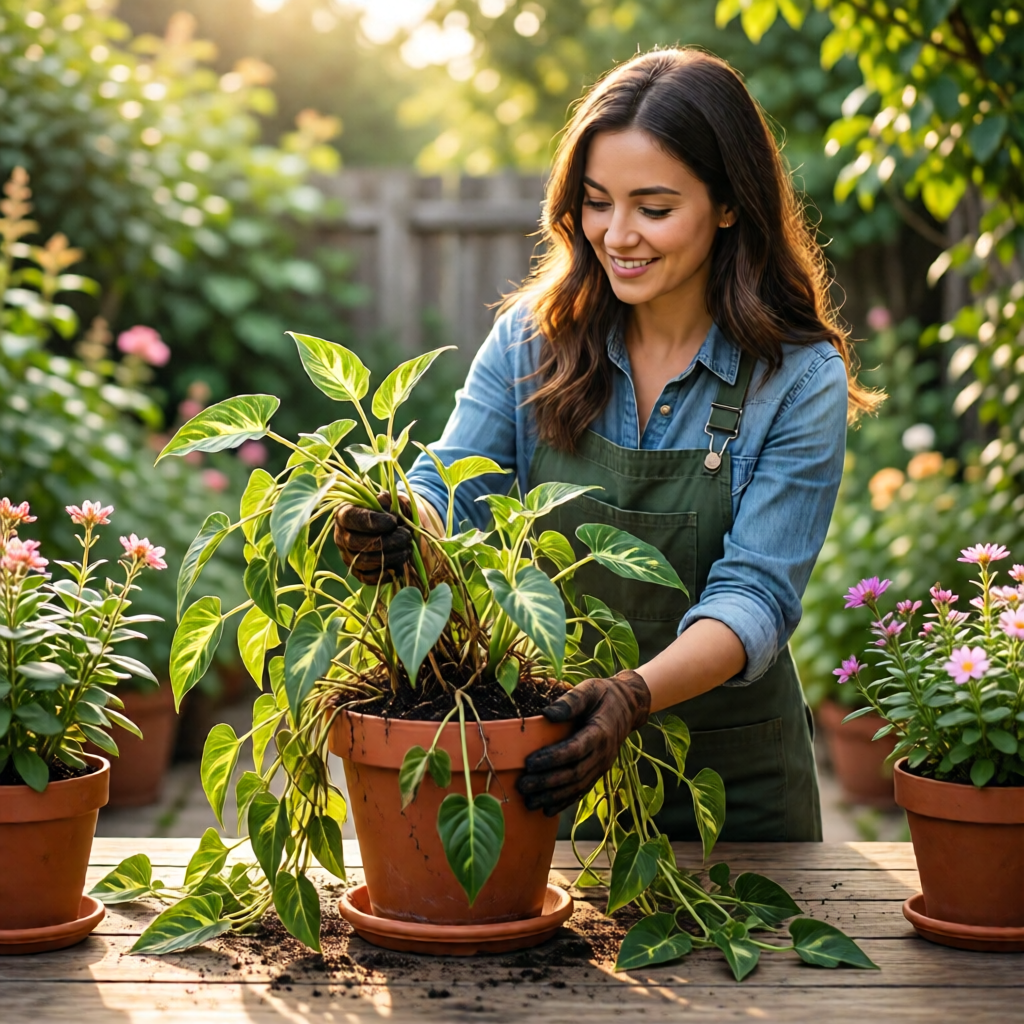
Feel the soil an inch below the surface. If it’s soggy, gently remove the plant from its pot, shake off excess moisture, and inspect the roots. Healthy roots are white or light tan and firm. Trim any black, mushy, or foul‑smelling roots with sterilized scissors. Repot the plant in fresh, well‑draining soil and a pot with drainage holes.
If the soil feels dry, give the plant a thorough watering until water drains from the bottom, then allow the top inch of soil to dry before the next watering. Use a moisture meter for precision, especially for beginners.
Step 2: Optimize Light Conditions
Move the plant to a location that matches its light needs. For low‑light tolerant plants like pothos, a north‑facing window or a few feet from a bright window works well. For high‑light lovers such as succulents, place them in a south‑ or west‑facing window with several hours of direct sun.
Consider using sheer curtains to diffuse harsh midday sun that can scorch leaves. If natural light is insufficient, supplement with full‑spectrum LED grow lights set on a 12‑hour cycle.
Step 3: Regulate Temperature and Humidity
Eliminate drafts by moving the plant away from doors, windows, and HVAC vents. If humidity is low, place a pebble tray filled with water beneath the pot (ensuring the pot sits on the pebbles, not in the water) or use a room humidifier set to 45‑55% relative humidity.
Step 4: Treat Pests Immediately
Inspect leaves, stems, and soil for insects. Use a soft cloth dipped in soapy water to wipe pests off foliage. For heavier infestations, apply an insecticidal soap or neem oil, following the product’s instructions. Isolate the treated plant for at least a week to prevent spreading pests to neighboring flora.
Step 5: Provide a Nutrient Boost
Mix a balanced, water‑soluble fertilizer (e.g., 20‑20‑20) at half the recommended strength and apply to the soil. This gentle feeding supports recovery without overwhelming stressed roots.
After completing these steps, monitor the plant closely over the next few days. Look for signs of improvement such as perkier leaves, new growth, or a return to normal coloration.

Long‑Term Care Strategies to Keep Your Plant Healthy
Reviving a plant is only half the battle; maintaining its health ensures you won’t face the same crisis again. Below are proven, actionable practices that work for most indoor species.
Establish a Consistent Watering Schedule
Use the “finger test” (checking soil moisture 1–2 inches deep) or a moisture meter to determine when to water. Most indoor plants prefer to dry out slightly between waterings. Keep a watering log—especially during seasonal changes—to avoid over‑ or under‑watering.
Rotate Your Plants Regularly
Turn pots a quarter turn every week so all sides receive equal light exposure. This prevents one side from becoming leggy while the other remains compact.
Seasonal Adjustments
During winter, many plants enter a semi‑dormant phase and require less water and fertilizer. Reduce feeding to once a month and allow the soil to dry a bit more between waterings. In summer, increase watering frequency and consider supplemental feeding every two weeks.
Regular Soil Refresh
Every 12‑18 months, repot your plant into fresh potting mix. This prevents soil compaction, replenishes nutrients, and gives the roots space to expand. Choose a mix appropriate for the plant type—cacti and succulents need a gritty, fast‑draining blend, while tropical foliage thrives in a peat‑based, moisture‑retentive mix.
Integrated Pest Management (IPM)
Prevent pests by keeping leaves dust‑free (wipe with a damp cloth), avoiding over‑watering (which creates breeding grounds for fungus gnats), and quarantining new plants for two weeks before introducing them to your collection.
Utilize Complementary Resources
For specific plant types, our detailed guides provide deeper insights: pothos plant varieties and care, succulent care guide for indoors, and how to care for monstera plant. These articles can help you fine‑tune your approach based on species‑specific needs.

Tailored Rescue Techniques for Common Indoor Plants
While the general rescue plan applies to most foliage, certain popular houseplants have unique quirks that require special attention. Below are quick, species‑specific tips to get your favorite greens back on track.
Pothos (Epipremnum aureum)
Pothos are forgiving but can suffer from root rot if left in soggy soil. If you notice yellowing leaves and a soft, mushy base, gently remove the plant, trim affected roots, and repot in a well‑draining mix containing perlite. Increase bright, indirect light and cut back watering to once the top inch of soil dries.
Snake Plant (Sansevieria)
Snake plants tolerate neglect but are prone to over‑watering. If the leaves become mushy or develop brown tips, check that the pot has adequate drainage and allow the soil to dry completely between waterings. A light feeding with a low‑nitrogen fertilizer in spring will support healthy growth.
Fiddle‑Leaf Fig (Ficus lyrata)
These dramatic foliage plants are sensitive to drafts and low humidity. If you see leaf drop or brown edges, move the fig away from windowsills that receive cold drafts and raise humidity with a tabletop humidifier. Ensure the soil is well‑draining and water only when the top 2 inches feel dry.
Spider Plant (Chlorophytum comosum)
Spider plants love bright, indirect light and consistent moisture. Yellow leaf tips often signal low humidity, while brown tips can mean fertilizer burn. Trim brown tips, mist the leaves regularly, and feed with a balanced fertilizer diluted to half strength during the growing season.
Succulents and Cacti
These desert dwellers need bright, direct sunlight and extremely well‑draining soil. If they become soft and translucent, they’re likely over‑watered. Let the soil dry completely, then water sparingly—only when the soil is bone‑dry. In winter, reduce watering to once a month.
Remember, each plant has its own “language.” Learning to read the signs will make future revivals easier and less stressful.
Preventive Measures: Designing a Resilient Indoor Garden
Prevention is always better than cure. By setting up an environment that meets the fundamental needs of your indoor garden, you’ll reduce the likelihood of plant decline.
Choose the Right Containers
Pot size matters. A pot too large holds excess moisture, while a pot too small restricts root growth. Opt for containers with drainage holes and consider using breathable fabric pots for improved aeration.
Use Quality Potting Mixes
Don’t rely on garden soil for indoor plants; it compacts quickly and may harbor pests. Purchase mixes formulated for houseplants, or create your own blends using peat or coconut coir, perlite, and vermiculite in appropriate ratios.
Implement a Light Strategy
Map out the light levels in each room. Use a light meter or a smartphone app to measure foot‑candles. Position high‑light plants near south‑facing windows, medium‑light plants in east or west windows, and low‑light plants in north‑facing areas or a few feet from a bright window.
Maintain Consistent Airflow
Good airflow reduces fungal disease risk. A small oscillating fan set on low can gently circulate air without creating a strong draft.
Plan for Seasonal Changes
During winter, supplement light with grow lights and increase humidity with a humidifier. In summer, ensure plants don’t overheat near windows with intense afternoon sun—use sheer curtains or move them slightly back.
Organize Your Garden Space
For larger collections, consider a garden shed ideas and inspiration to store tools, fertilizers, and pots. A tidy workspace makes regular maintenance easier and encourages consistent care.

By integrating these preventive steps, you’ll create an indoor garden that not only survives but flourishes, reducing the need for emergency revivals.
Final Thoughts: Patience, Observation, and Love
Reviving a dying indoor plant is a rewarding process that blends science with intuition. The key takeaways are:
- Identify the stressor quickly by matching symptoms to common causes.
- Act within the first 24 hours with targeted water, light, humidity, and pest adjustments.
- Follow up with long‑term care routines to sustain health.
- Tailor your approach to each plant’s unique preferences.
- Prevent future issues by designing a well‑balanced indoor environment.
Remember, plants are living organisms that respond to consistent, attentive care. With the strategies outlined above, you’ll not only bring a struggling plant back to life but also build the confidence to tackle future challenges. Happy gardening, and may your indoor oasis thrive for years to come!
Why are my indoor plant leaves turning yellow?
Yellow leaves can indicate over‑watering, nitrogen deficiency, or a pH imbalance. Check soil moisture, consider a light fertilizer, and ensure the pot has proper drainage.
How often should I water my pothos?
Allow the top inch of soil to dry between waterings. In most homes this means watering every 7‑10 days, but adjust based on temperature, light, and humidity.
Can I use tap water for indoor plants?
Tap water is fine for most plants, but if it’s heavily chlorinated or hard, let it sit 24 hours or use filtered water to prevent leaf tip burn.
What’s the best way to increase humidity for tropical plants?
Use a pebble tray with water, mist the foliage daily, or run a humidifier set to 45‑55% relative humidity. Grouping plants together also creates a micro‑climate.
How do I know if my plant has root rot?
Root rot shows as black, mushy roots and a foul smell. Healthy roots are white or light tan and firm. If you suspect rot, gently remove the plant, trim affected roots, and repot in fresh soil.