Ever wondered why one hydrangea bursts in soft pink while the next sibling glows deep blue, and how you can coax the exact hue you crave?
In This Article
- Understanding Hydrangea Color Basics
- Planting the Right Hydrangea for Your Garden
- Watering, Feeding, and Ongoing Care
- Seasonal Adjustments and Winter Protection
- Choosing the Right Hydrangea Variety for Color Control
- Pro Tips from Our Experience
- Frequently Asked Questions
- Conclusion: Your Action Plan for Show‑Stopping Hydrangeas
That magic isn’t a mystery at all—it’s a blend of soil chemistry, pruning timing, and a dash of proper feeding. Below you’ll find the most practical hydrangea care tips and colors that turn a modest shrub into a centerpiece, whether you’re in a rain‑soaked Pacific garden or a dry Midwestern yard.
Grab a notebook, a watering can, and let’s dive into the science and the shortcuts that have kept my own hydrangeas thriving for more than a decade.
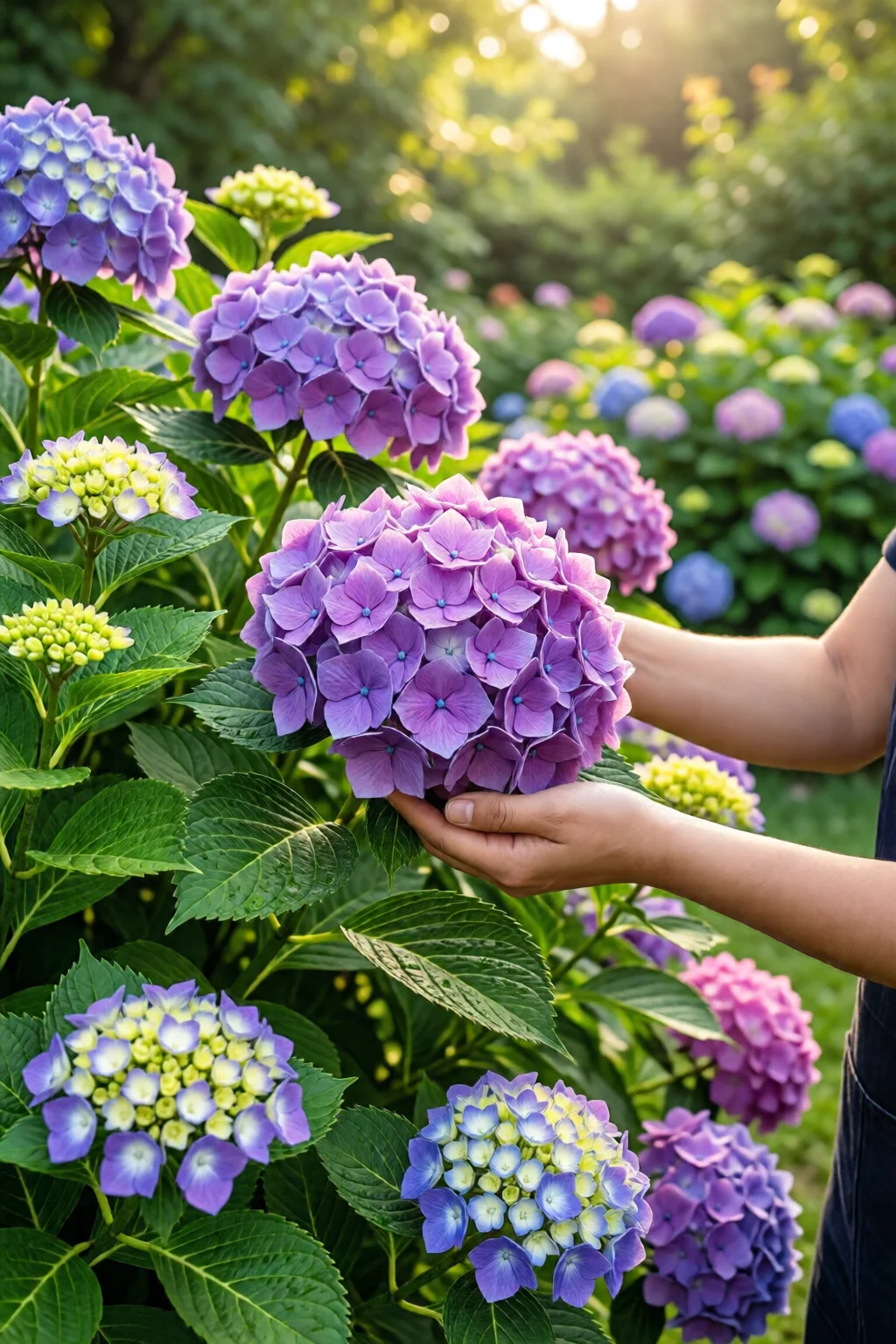
Understanding Hydrangea Color Basics
Soil pH: The Color Switch
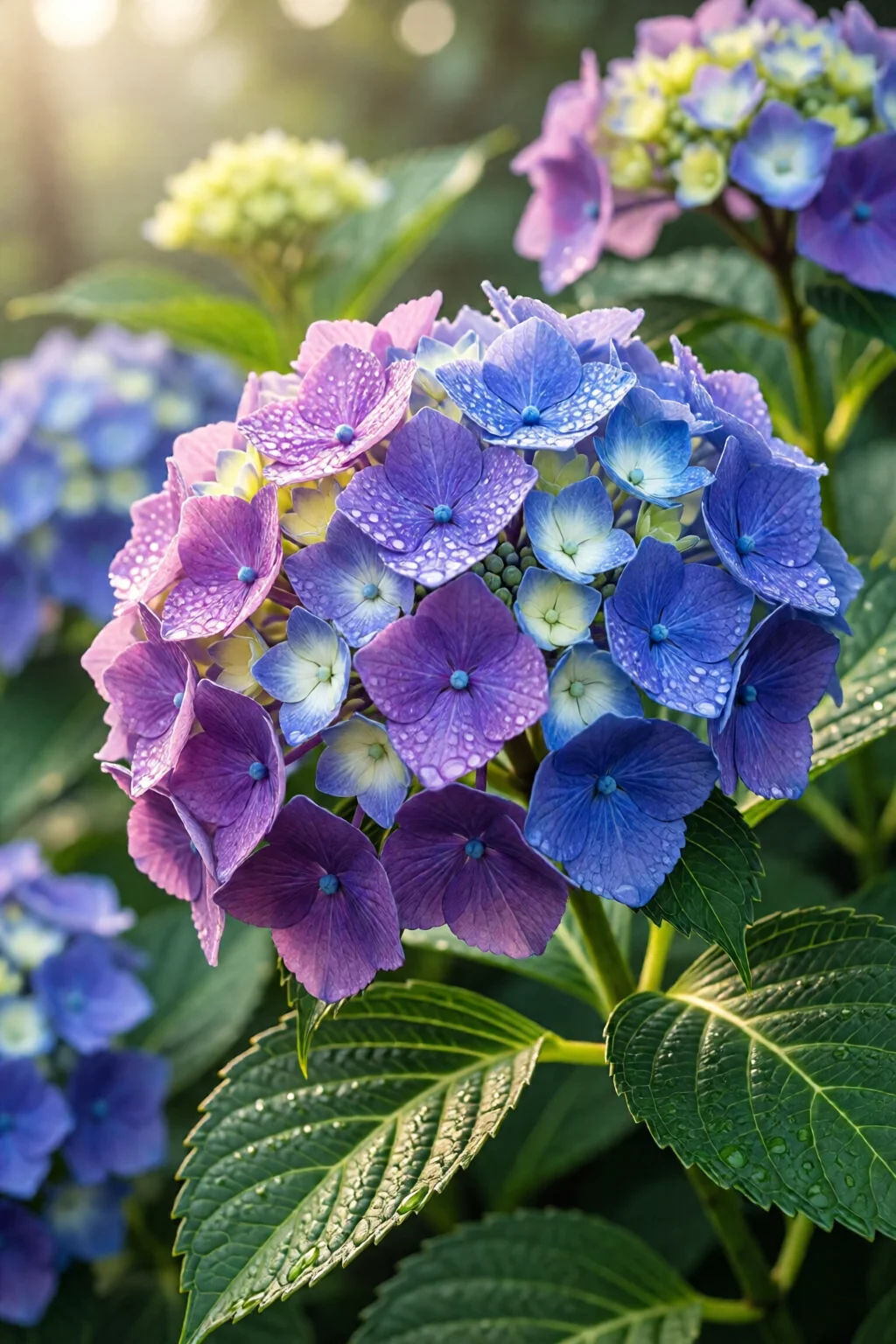
Hydrangeas are famously pH‑sensitive. In acidic soils (pH 5.5 – 6.0), aluminum ions become available, turning blooms blue. In alkaline soils (pH 7.0 – 8.0), those ions bind up, revealing pink or even purple shades. A simple garden‑store kit—like the Classic Soil Test Kit ($9.99)—lets you check your pH within minutes.
One mistake I see often is assuming the garden’s “natural” pH is perfect. Even a half‑point shift can change color dramatically. If you’re aiming for blue, add 1 lb of elemental sulfur per 100 sq ft; for pink, work in 1 lb of garden lime (calcitic) per 100 sq ft. Re‑test after two weeks.
Varietal Influence
Not all hydrangeas respond to pH the same way. Mophead (Hydrangea macrophylla) and bigleaf types are the pH‑responsive champions. Panicle (Hydrangea paniculata) and oakleaf (Hydrangea quercifolia) stay pink‑to‑purple regardless of soil chemistry, but they offer spectacular foliage colors in autumn.
When you choose a cultivar, check the label. For example, ‘Endless Summer’ (a patented macrophylla) stays pink in alkaline soils but turns blue if you lower the pH—perfect for experimenting.
Seasonal Color Shifts
Even with perfect pH, colors can drift as the season progresses. Sun exposure tends to bleach blues toward lavender, while shaded blooms retain richer tones. In my own backyard, a north‑facing hydrangea stays a deep indigo, whereas the south‑facing sibling fades to pastel violet by midsummer.
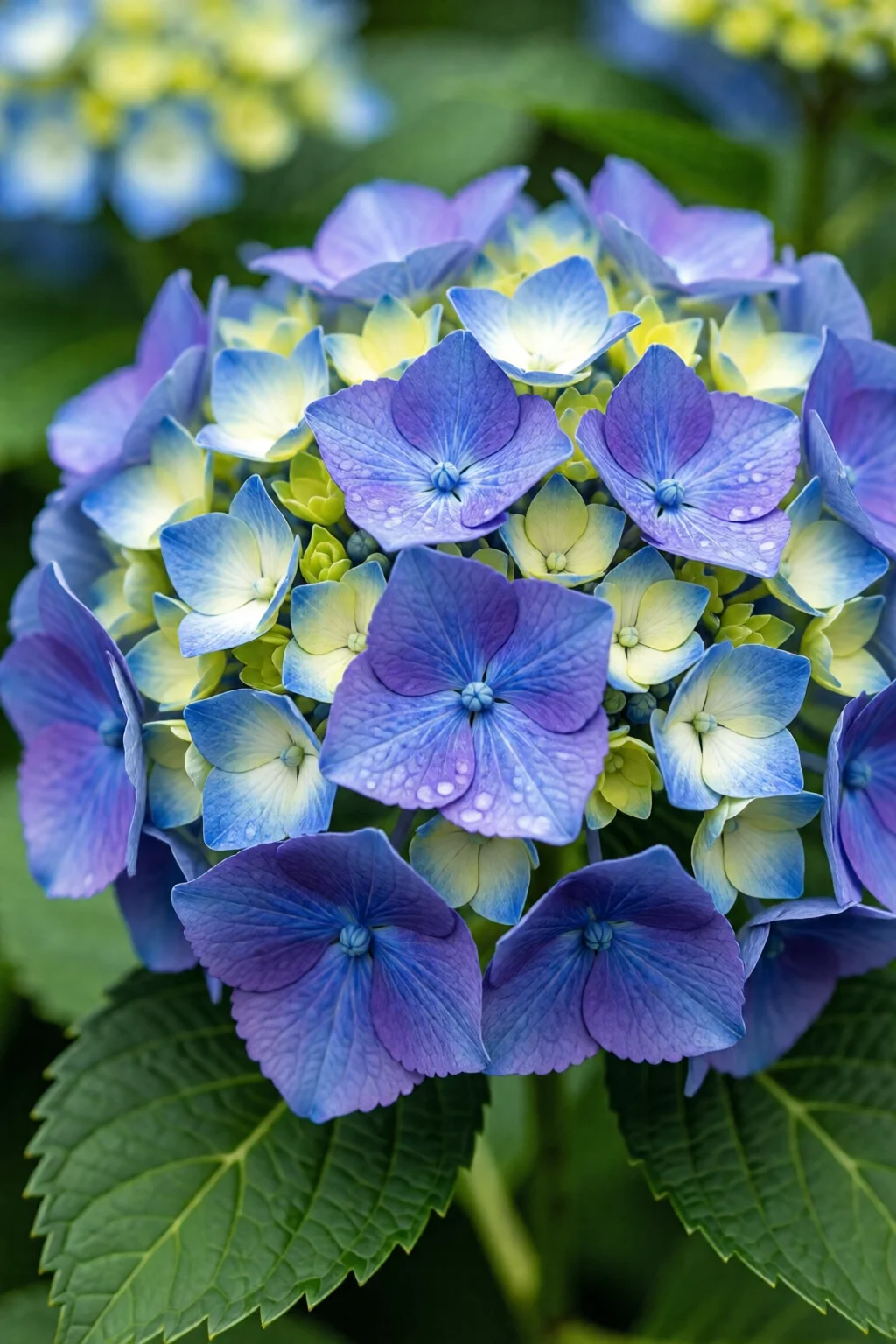
Planting the Right Hydrangea for Your Garden
Site Selection and Light
Most hydrangeas love morning sun and afternoon shade. Aim for 4–6 hours of filtered light. Too much direct afternoon sun wilts foliage and can cause leaf scorch—especially for mopheads. If you have a full‑sun garden, consider the sturdy panicle varieties like ‘Limelight’ (which tolerates 6–8 hours of sun).
Soil Preparation
Start with a well‑draining mix. Combine 1 part compost, 1 part peat moss, and 2 parts loam. For heavy clay, add 2 inches of coarse sand or perlite. I always incorporate 1 cup of Scotts Turf Builder Lawn Food (about $13 per 10‑lb bag) for a slow‑release nitrogen source that feeds for up to 12 weeks.
After the mix, spread a 2‑inch layer of mulch—shredded pine bark works best. Mulch conserves moisture, suppresses weeds, and slowly acidifies the soil as it breaks down, nudging colors toward blue.
Planting Depth and Spacing
Dig a hole twice as wide and as deep as the root ball. Place the plant so the crown sits 1–2 inches below the soil surface; planting too deep encourages rot. Space mopheads 4–5 ft apart; panicles can be spaced 6–8 ft, allowing their airy branches room to spread.
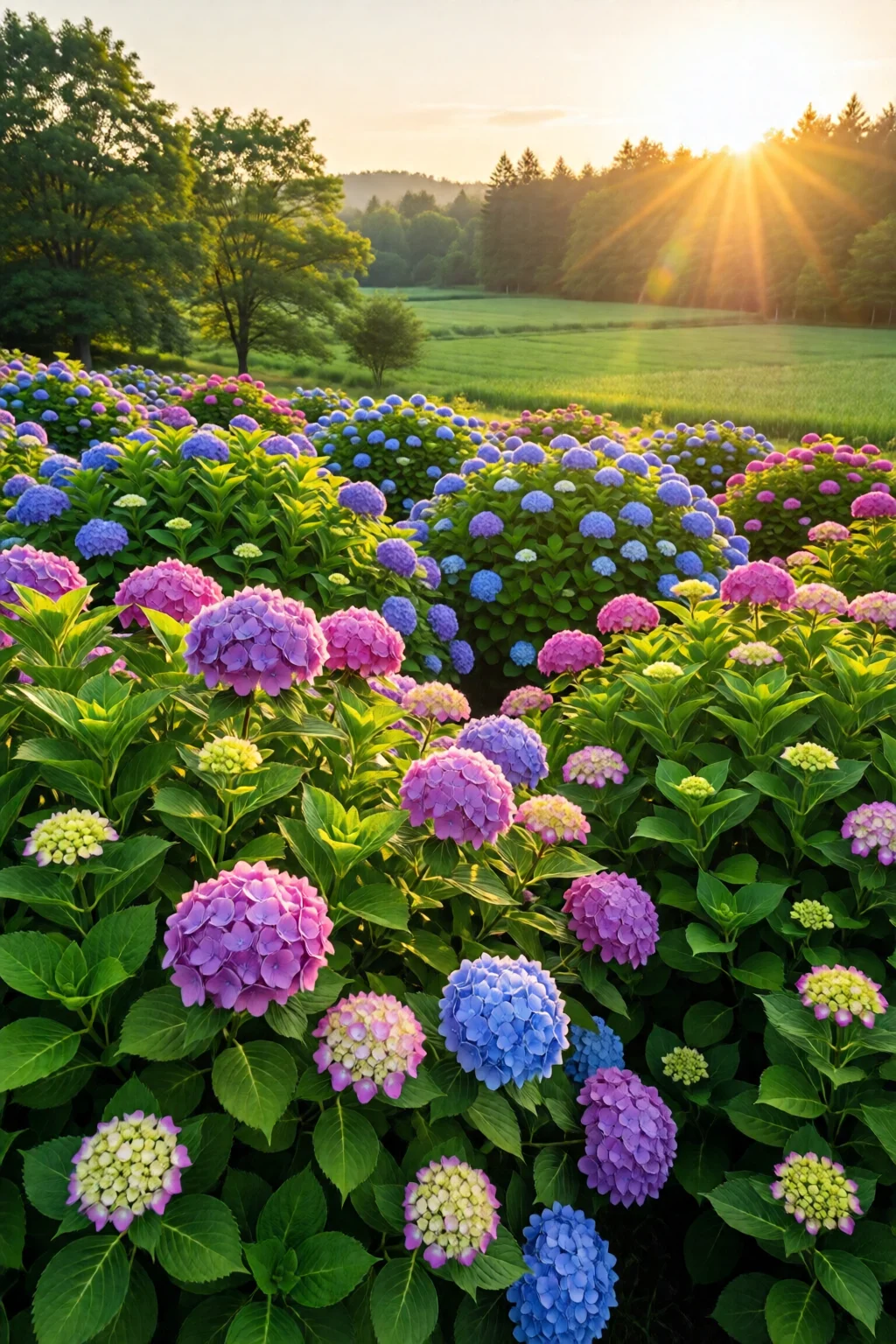
Watering, Feeding, and Ongoing Care
Watering Schedule
Hydrangeas are thirsty. In the first month after planting, water daily—about 1 gal per plant per day. Thereafter, aim for 1 inch of water per week, increasing to 1.5 inches during hot spells (above 85 °F). A drip‑irrigation line with a timer (e.g., Rain Bird 2‑Zone Timer, $45) ensures consistent moisture without over‑watering.
One tip from my experience: place a moisture meter (like the Lusterleaf Soil Moisture Meter, $12) at root depth. When the reading stays above 40 % for three consecutive days, you can skip watering.
Fertilizing for Color and Bloom
Use a balanced, slow‑release fertilizer with a 10‑10‑10 ratio in early spring (March for most zones). I favor Espoma Plant Tone—$7 per 5‑lb bag, feeding a 100‑sq‑ft area for 3 months. For a color boost, add a 1‑lb bag of Blue Star Hydrangea Bloom Enhancer (approximately $15) after the first flush of buds.
Never fertilize after mid‑July; late feeding can produce weak, floppy stems that are prone to breakage.
Pruning Practices
Pruning differs by type:
- Mopheads (macrophylla): Prune right after they finish blooming (late summer). Remove dead wood and shape, cutting back no more than 1/3 of the oldest stems.
- Panicles (paniculata) and Oakleaf: Prune in late winter (January–February) before new growth. Cut back to a healthy bud, typically 1/4 of the previous season’s height.
- Climbing hydrangeas (hortensia): Minimal pruning; just trim wayward vines after they flower.
One mistake I see often: trimming mopheads in early spring. That removes the buds that produce this year’s flowers.
Seasonal Adjustments and Winter Protection
Cold‑Hardiness Zones
Most hydrangeas thrive in USDA zones 5–9. In zones 4–5, protect roots with a 4‑inch layer of straw or evergreen boughs. I wrap my panicles in burlap cages and add a 2‑inch mulch blanket—cost about $3 per plant for the burlap.
Winterizing Techniques
For a detailed plan, see our guide on how to winterize garden for cold weather. In short: after the first hard freeze, mulch heavily (up to 8 inches) and cover the base with a breathable fabric. Remove the cover in early spring once the danger of frost passes.
Overwintering in Containers
If you grow hydrangeas in pots, move them to a sheltered location—like an unheated garage or a cold frame. Keep the soil moist but not soggy. For extra protection, wrap the pot with bubble wrap; a 12‑inch roll costs about $5.
Choosing the Right Hydrangea Variety for Color Control
| Variety | Color Range | pH Sensitivity | Hardiness (USDA) | Best Use |
|---|---|---|---|---|
| ‘Endless Summer’ (macrophylla) | Pink → Blue (pH 5.5–7.5) | High | 5–9 | Mixed sun/shade borders |
| ‘Limelight’ (paniculata) | Peachy‑pink, white | None | 3–8 | Full sun, tall backdrop |
| ‘Blue Billow’ (hydrangea macrophylla) | Blue → Lavender | High | 5–9 | Shade garden, container |
| ‘Oakleaf’ (quercifolia) | Pink, purple | None | 5–9 | Focal point with dramatic foliage |
| ‘Pinky Winky’ (hydrangea macrophylla) | Soft pink, blue in acid | High | 6–9 | Cut flower arrangements |
Pro Tips from Our Experience
1. Use a pH‑adjustment calendar. Mark your garden’s pH test dates on a spreadsheet. In my garden, I test every 6 weeks and adjust with sulfur or lime only when the reading drifts more than 0.3 units.
2. Combine fertilizers. Pair a balanced 10‑10‑10 granule with a liquid iron supplement (e.g., Iron Chelate, $8 per quart) during the first bloom. The iron deepens blue tones by enhancing chlorophyll.
3. Harvest early for cut flowers. Cut buds before they fully open and place them in a bucket of cool water with a teaspoon of sugar. They’ll open overnight into vibrant bouquets.
4. Mulch with pine needles. Unlike bark mulch, pine needles slowly acidify the soil, helping maintain blue hues without the need for frequent sulfur applications.
5. Pair with companion plants. Azaleas, rhododendrons, and ferns love the same acidic conditions. Planting them together creates a cohesive color palette and reduces the need for separate soil amendments.
Frequently Asked Questions
Can I change the color of an established hydrangea?
Yes. Adjust the soil pH gradually—add sulfur for blue or lime for pink—over a period of 4–6 weeks. Re‑test after each application; the color shift becomes visible in the next bloom cycle.
How often should I prune my hydrangea?
Mopheads: prune right after they finish blooming (late summer) and repeat every 2–3 years to remove old wood. Panicles and oakleaf: prune in late winter before new growth, usually once a year.
What’s the best fertilizer for vibrant colors?
A balanced 10‑10‑10 slow‑release granule applied in early spring, combined with a monthly liquid iron chelate during the blooming period, yields the richest hues.
Conclusion: Your Action Plan for Show‑Stopping Hydrangeas
Start by testing your soil pH and adjust it toward the hue you desire. Choose a variety that matches your light conditions and hardiness zone. Plant with a well‑draining, organic‑rich mix, water consistently, and feed with a balanced fertilizer plus iron. Prune at the right time, protect your plants in winter, and keep a simple calendar for pH and fertilization.
Follow these steps, and within a single growing season you’ll watch your hydrangeas transform—whether you crave the cool serenity of blue or the warm blush of pink, the garden will deliver.
1 commentaire sur « Hydrangea Care Tips And Colors – Everything You Need to Know »