Last summer I rescued a struggling English lavender (Lavandula angustifolia ‘Hidcote’) that had been planted in a shady corner of my patio. Within weeks of adjusting its soil, sunlight, and pruning schedule, the plant burst into fragrant spikes that attracted bees and neighbors alike. That turnaround taught me the hard‑won lessons every lavender enthusiast needs, and it’s the foundation of this lavender care and pruning guide.
In This Article
Lavender isn’t just a pretty herb; it’s a low‑maintenance, drought‑tolerant powerhouse—if you give it the right start and a little seasonal TLC. In the pages that follow, I’ll walk you through everything from selecting the perfect variety to mastering the art of pruning, with concrete numbers, product suggestions, and real‑world anecdotes that will keep your lavender thriving year after year.
Understanding Lavender Basics
Soil and Sunlight Requirements
Lavender demands well‑draining soil with a pH between 6.5 and 7.5. A common mix I use is 40% native garden soil, 30% coarse sand, and 30% perlite. Brands like Miracle‑Gro Perlite cost around $12 for a 2‑gal bag and provide the aeration lavender craves. Plant your lavender in a spot that receives at least 6‑8 hours of direct sun daily; even a slight shade in the afternoon can reduce bloom density by up to 30%.
Watering and Fertilizing
During the first month after planting, water lightly—about ½ inch per week—to settle the roots. Thereafter, aim for 1 inch of water per month, preferably from a drip irrigation system (drip irrigation system for garden DIY) that delivers 0.5 gph at the base of each plant. Over‑watering is the number‑one cause of root rot. For feeding, a low‑nitrogen fertilizer such as Espoma Organic Plant Food (2‑0‑6) at 1 lb per 100 sq ft in early spring provides a modest boost without encouraging leafy growth over flowers.
Choosing the Right Variety
Not all lavenders are created equal. English lavender (L. angustifolia) offers the classic scent and cold hardiness (USDA zones 5‑8). French lavender (L. dentata) thrives in warmer zones (7‑10) and produces a softer hue. Spanish lavender (L. stoechas) is a showy, compact variety ideal for container gardens but is less cold‑tolerant. Compare the key traits in the table below before you buy.
Planting Lavender for Long-Term Success
Site Preparation and Soil Amendment
Begin by digging a trench 12 inches wide and 12 inches deep. Mix in 2 cups of garden lime per 10 sq ft if your soil tests below pH 6.5. For a raised bed, fill with the 40‑30‑30 soil‑sand‑perlite blend mentioned earlier. This ensures drainage even after a heavy rain event that drops 2 inches in 24 hours.
Planting Depth and Spacing
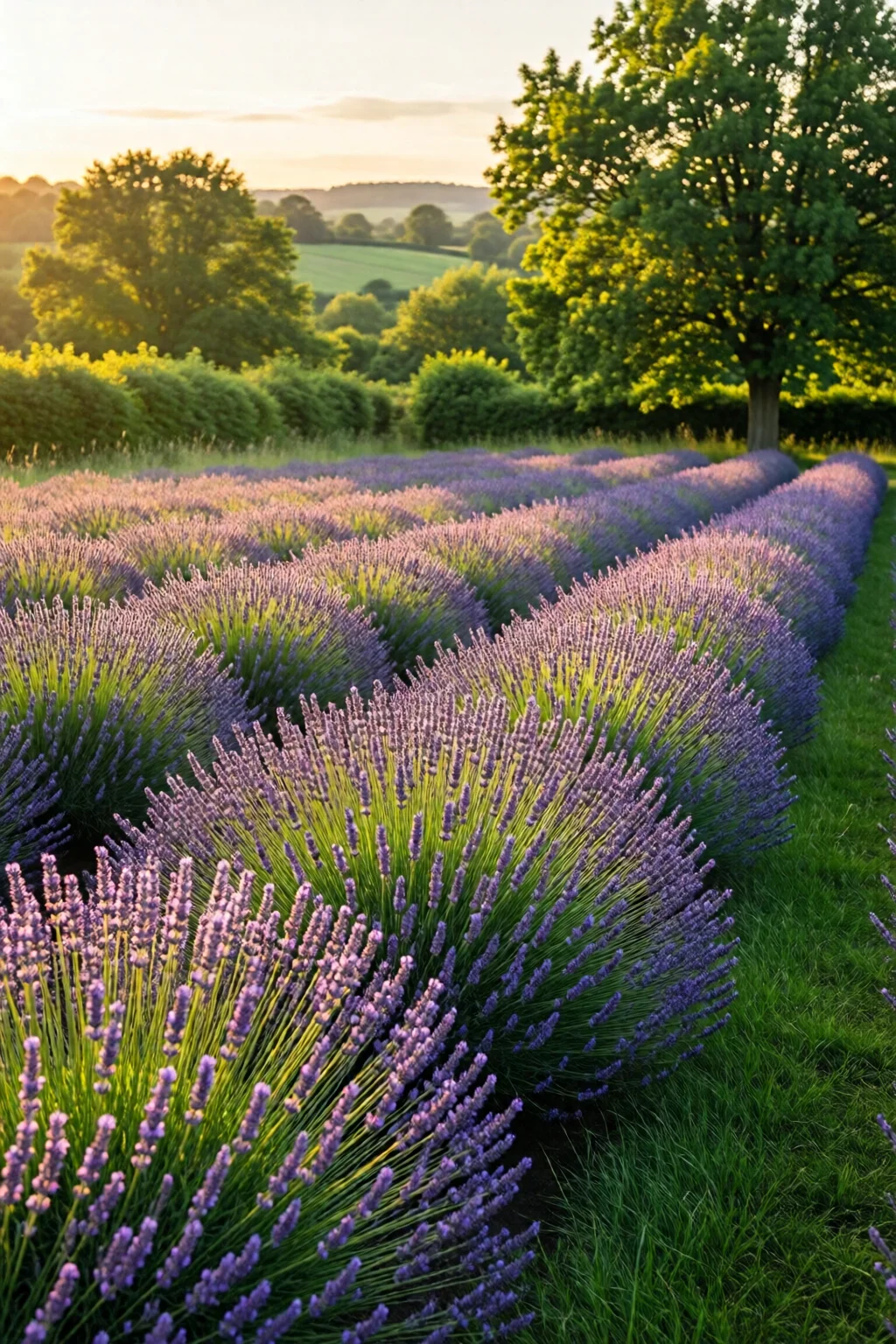
Place each lavender crown at the same depth it occupied in its pot; the root ball should sit just above the surrounding soil line. Space English and French varieties 24–36 inches apart to allow air circulation—a crucial factor in preventing fungal diseases. For container planting, choose a 12‑inch pot with drainage holes and use a cactus mix (e.g., Sunshine Cactus Soil, $9.99 per 4‑qt bag).
Mulching and Weed Control
Apply a 2‑inch layer of coarse gravel or crushed granite around the base of each plant. This mulch reflects heat, reduces evaporation, and deters weeds without retaining moisture. For organic options, a thin (½‑inch) spread of pine bark works well, but remember to keep it off the crown to avoid rot. Learn more about mulch techniques in our mulching tips for flower beds guide.
Lavender Care Throughout the Seasons
Spring: Growth Spurts and Feeding
As temperatures rise above 50 °F, lavender breaks dormancy. This is the ideal time to apply a light dose of balanced fertilizer (½ lb per 100 sq ft) and prune any winter‑damaged stems. A quick rinse with a garden hose removes dust that can impede photosynthesis.
Summer: Managing Heat and Pests
During peak summer, lavender’s water needs are minimal. If a heat wave pushes daytime highs above 95 °F for more than three days, give a brief 5‑minute soak at the plant’s base—no more than 0.2 gal per plant—to prevent leaf scorch. Watch for lavender beetles; a hand‑picked removal or a spray of neem oil (2 ml per liter of water) applied weekly keeps populations under control.
Fall & Winter: Protecting Roots
In zones 5‑6, apply a 3‑inch mulch of straw or shredded leaves after the first frost to insulate roots. In milder zones, a light coat of horticultural fleece (approximately $15 per 10‑sq‑ft roll) suffices. Reduce watering to once a month and stop fertilizing after September to avoid soft growth that is vulnerable to frost damage.
Pruning Lavender: When, Why, and How
Timing the Prune
The best window for pruning is late summer (late August to early September) after the main bloom has faded but before the first hard frost. This timing encourages a tidy shape and a second, smaller flush of flowers in early fall. Avoid pruning in early spring; new growth will be too tender and may be nibbled by pests.
Tools and Technique
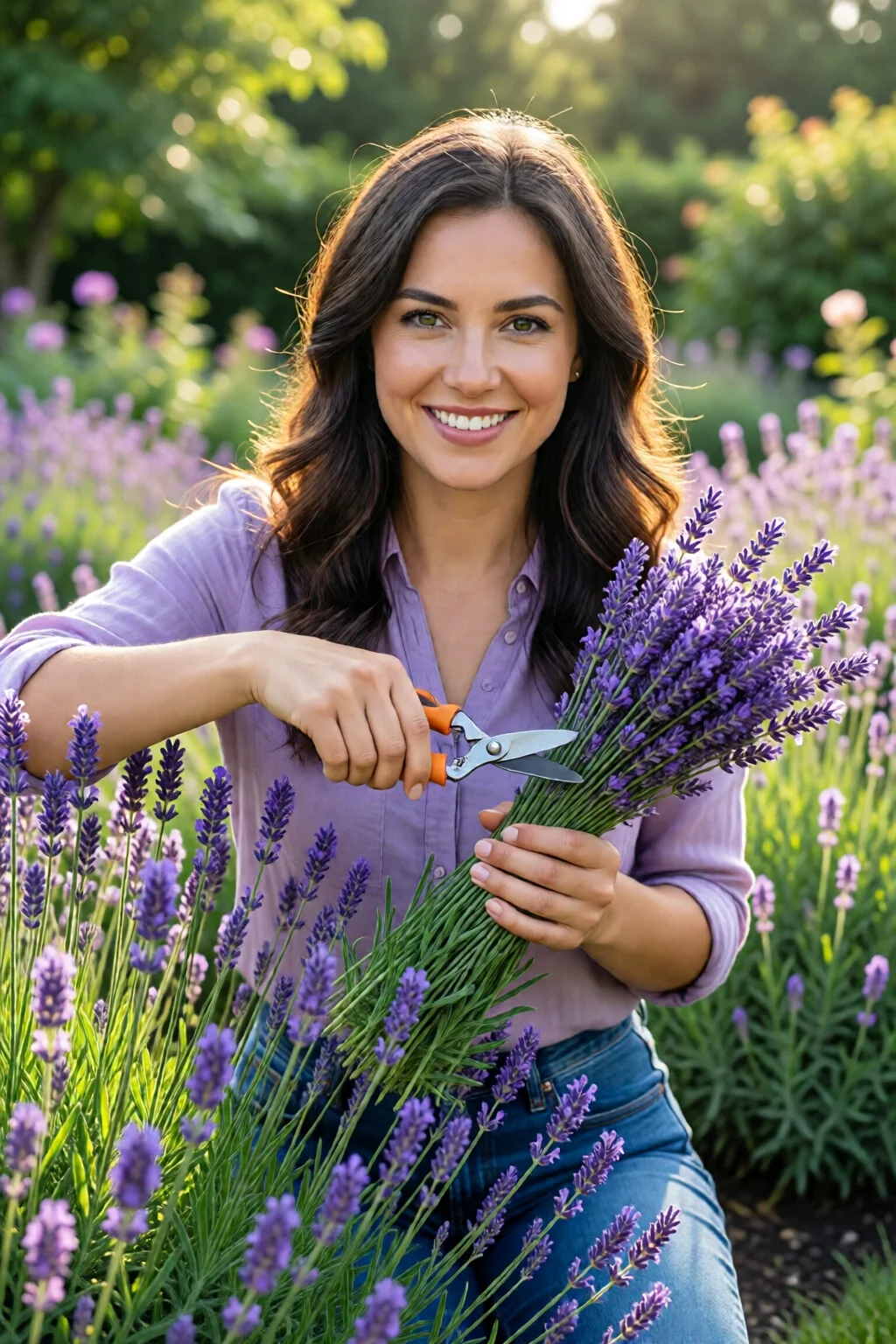
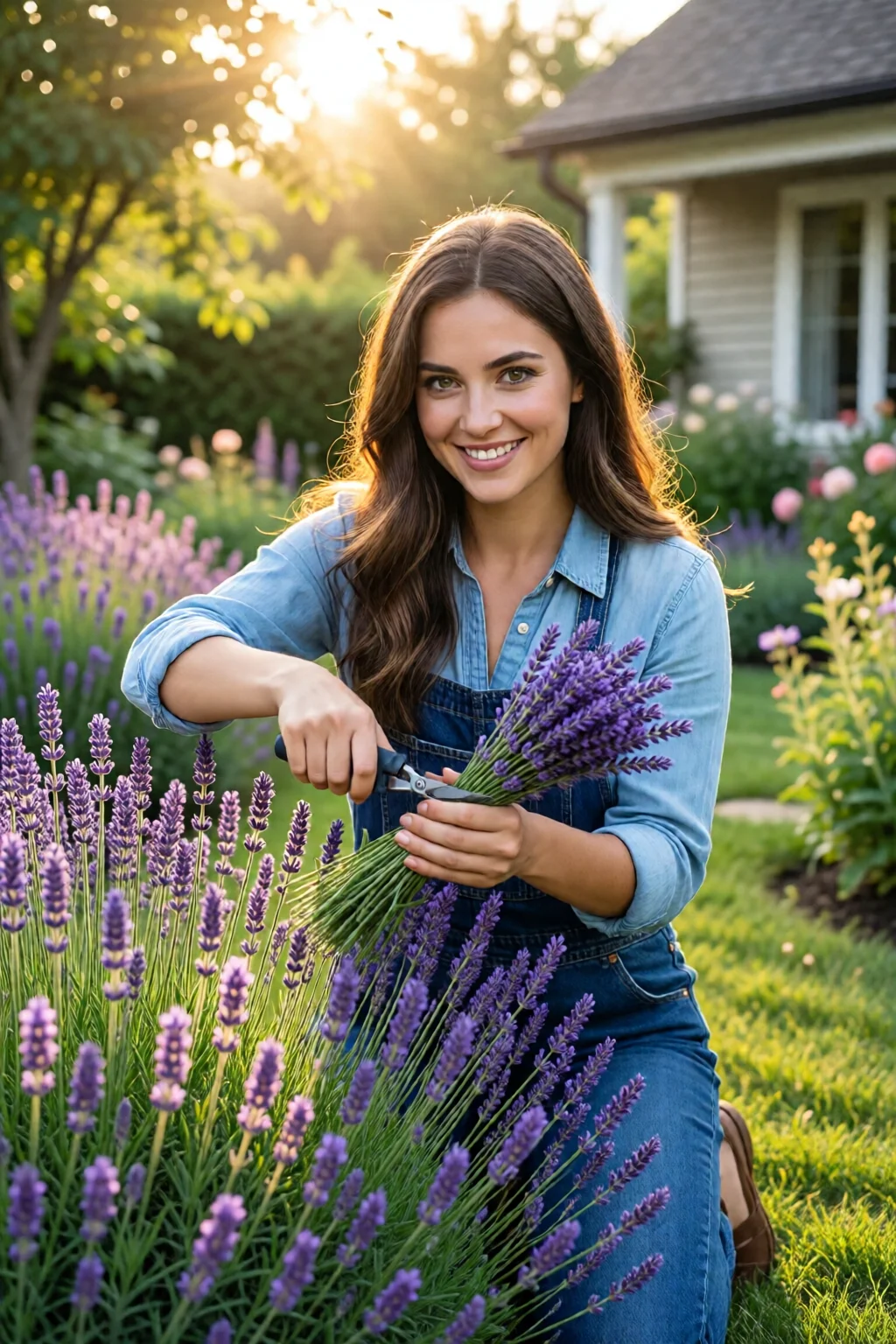
Use sharp, bypass pruners such as Fiskars PowerGear (≈ $24.99) to make clean cuts. Cut back about one‑third of the plant’s height, removing stems to just above the first set of woody growth. Do not cut into the soft, green foliage—lavender does not regrow from that tissue. Aim for a conical shape that widens at the base, which maximizes air flow.
After‑Prune Care
After pruning, give the plant a light watering (¼ gal) to settle the soil. Within two weeks, apply a thin layer of crushed oyster shells (≈ $8 per 5‑lb bag) around the base; the calcium helps prevent blossom‑end rot. If you notice any brown tips, trim them off promptly to keep the plant looking crisp.
Common Problems and Solutions
Root Rot and Overwatering
Symptoms include yellowing leaves and a mushy base. The cure is immediate: improve drainage by aerating the soil with a garden fork (spacing 6‑inch intervals) and cut back watering to the minimum schedule. In severe cases, dig up the plant, trim away rotten roots, and replant in fresh, well‑draining mix.
Fungal Diseases
Powdery mildew appears as a white, floury coating on leaves, especially in humid climates. Increase spacing, prune for better air circulation, and apply a copper‑based fungicide (e.g., Bonide Liquid Copper Fungicide, $9.95 per 16‑oz) at a rate of 2 ml per liter of water every 10 days until the disease recedes.
Pests
Lavender beetles and aphids can be managed organically with insecticidal soap (2 ml per liter) or by introducing beneficial insects like ladybugs. For heavy infestations, a short‑term dip of the plant in a solution of 0.5% pyrethrin (follow label directions) can provide rapid relief.
Variety Comparison
| Variety | Hardiness Zone | Height (in) | Bloom Time | Typical Price (US$) |
|---|---|---|---|---|
| English Lavender (Hidcote) | 5‑8 | 24‑30 | June‑July | 12‑15 per plant |
| French Lavender (Lavandin) | 7‑10 | 36‑48 | July‑August | 10‑14 per plant |
| Spanish Lavender (Stoechas) | 8‑10 | 12‑18 | May‑June | 9‑13 per plant |
Pro Tips from Our Experience
- Start with a soil test. Knowing your pH saves you weeks of trial and error. I use the Rapitest Soil Test Kit ($7.99) and adjust with lime or sulfur as needed.
- Harvest at the right time. Cut stems just before full bloom when the oil content peaks—usually when the buds are 70% open. This yields a stronger fragrance for DIY sachets.
- Use a root barrier. In heavy clay soils, install a 12‑inch deep PVC sheet (½‑inch thick, $3 per foot) around the planting area to prevent water pooling.
- Combine with companion plants. Rosemary, sage, and thyme share similar needs and deter pests. A mixed herb border also creates a visually appealing, low‑maintenance garden.
- Recycle pruning clippings. Dry the cuttings and use them as natural mulch or potpourri. This reduces waste and adds a pleasant scent to walkways.
Frequently Asked Questions
How often should I water newly planted lavender?
Water lightly—about ½ inch per week—for the first four weeks to encourage root establishment. After that, reduce to roughly 1 inch per month, preferably via a drip system.
When is the best time to prune lavender for a second bloom?
Late summer (late August to early September) after the primary bloom fades but before the first hard frost. This timing encourages a modest fall flush of flowers.
Can I grow lavender in a container?
Yes. Use a 12‑inch pot with drainage holes and a cactus‑type soil mix. Provide at least 6 hours of direct sun and water sparingly—once every 2‑3 weeks.
What should I do if my lavender develops powdery mildew?
Increase spacing and prune for airflow. Apply a copper‑based fungicide at 2 ml per liter of water every 10 days until the coating disappears.
Conclusion: Your Actionable Takeaway
By selecting a suitable variety, preparing well‑draining soil, watering judiciously, and mastering a late‑summer pruning routine, you’ll enjoy robust lavender plants that perfume your garden year after year. Start today: test your soil, amend it with sand and perlite, plant your chosen lavender at the recommended spacing, and mark your calendar for a September prune. Follow these steps, and you’ll be harvesting fragrant stems and admiring blooms without the guesswork.
2 commentaires sur « Lavender Care And Pruning Guide – Tips, Ideas and Inspiration »