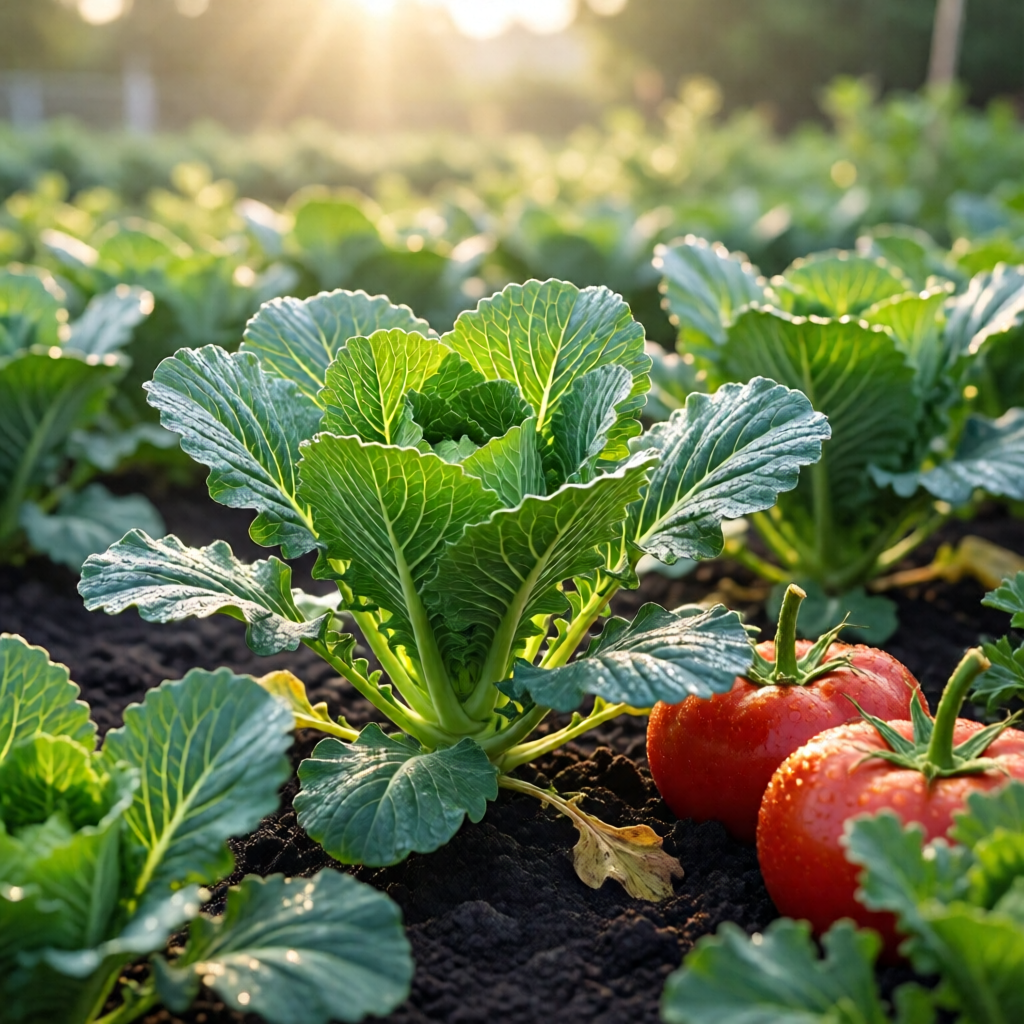
Organic gardening for vegetables isn’t just a trend—it’s a lifestyle choice that delivers healthier food, richer soil, and a more sustainable backyard. By avoiding synthetic chemicals and focusing on natural processes, you create a thriving ecosystem that protects pollinators, reduces runoff, and boosts the nutritional value of every carrot, tomato, and leaf of lettuce you harvest. For U.S. gardeners, the benefits are especially noticeable as we face variable weather patterns and increasing concerns about pesticide residues. This guide walks you through practical, expert‑backed tips you can start using today, from soil preparation to pest control, ensuring your vegetable garden stays productive, vibrant, and completely organic.
Why Choose Organic Gardening for Vegetables?
Choosing organic methods means you’re working with nature rather than against it. Organic soils host billions of beneficial microbes that break down organic matter, release nutrients, and improve water retention. When you feed your plants with compost, worm castings, and cover crops, you’re essentially giving them a balanced diet that supports strong root systems and disease resistance. Moreover, studies show that organically grown vegetables often contain higher levels of antioxidants, vitamins, and minerals—meaning the food on your table is nutritionally superior. For families concerned about pesticide exposure, organic gardening eliminates that worry entirely, providing peace of mind for children and pets alike.
Beyond health, organic gardening aligns with environmentally responsible practices. By reducing chemical runoff, you protect nearby waterways and wildlife. You also contribute to carbon sequestration as healthy soils store more carbon than depleted, chemically treated soils. In short, an organic vegetable garden is a win–win for your health, your wallet, and the planet.
Getting Started: Soil Health and Preparation
Testing and Amending Soil
The foundation of any successful organic garden is soil that is alive, fertile, and well‑balanced. Begin with a simple soil test—many county extension offices offer free kits—to determine pH, nutrient levels, and organic matter content. Most vegetables thrive in a slightly acidic to neutral pH (6.0–7.0). If your soil is too acidic, lime can raise the pH; if it’s too alkaline, elemental sulfur can lower it, both of which are allowed in organic production.
Once you know your baseline, amend the soil with generous amounts of well‑composted material. A good rule of thumb is to work in 2–3 inches of compost per square foot. This not only boosts nutrients but also improves soil structure, allowing roots to penetrate deeper and access moisture more efficiently. For sandy soils, add organic matter to increase water‑holding capacity; for heavy clay, incorporate coarse compost and coarse sand to enhance drainage.
Compost and Organic Matter
Compost is the heart of organic gardening. Whether you use a backyard bin, a tumbling composter, or purchase high‑quality bulk compost, aim for a dark, crumbly product that smells earthy—not sour or ammonia‑like. Incorporate compost in the fall to give it time to integrate before spring planting, or add a thin layer of compost as a “top‑dress” during the growing season for a nutrient boost.
In addition to compost, consider adding green manures like clover or winter rye. These cover crops are sown in the off‑season, then turned under to enrich the soil with nitrogen and organic matter. This practice reduces the need for external fertilizers and helps suppress weeds, making it a cornerstone of organic vegetable production.
Choosing the Right Vegetables for Your Climate
Cool‑Season Crops
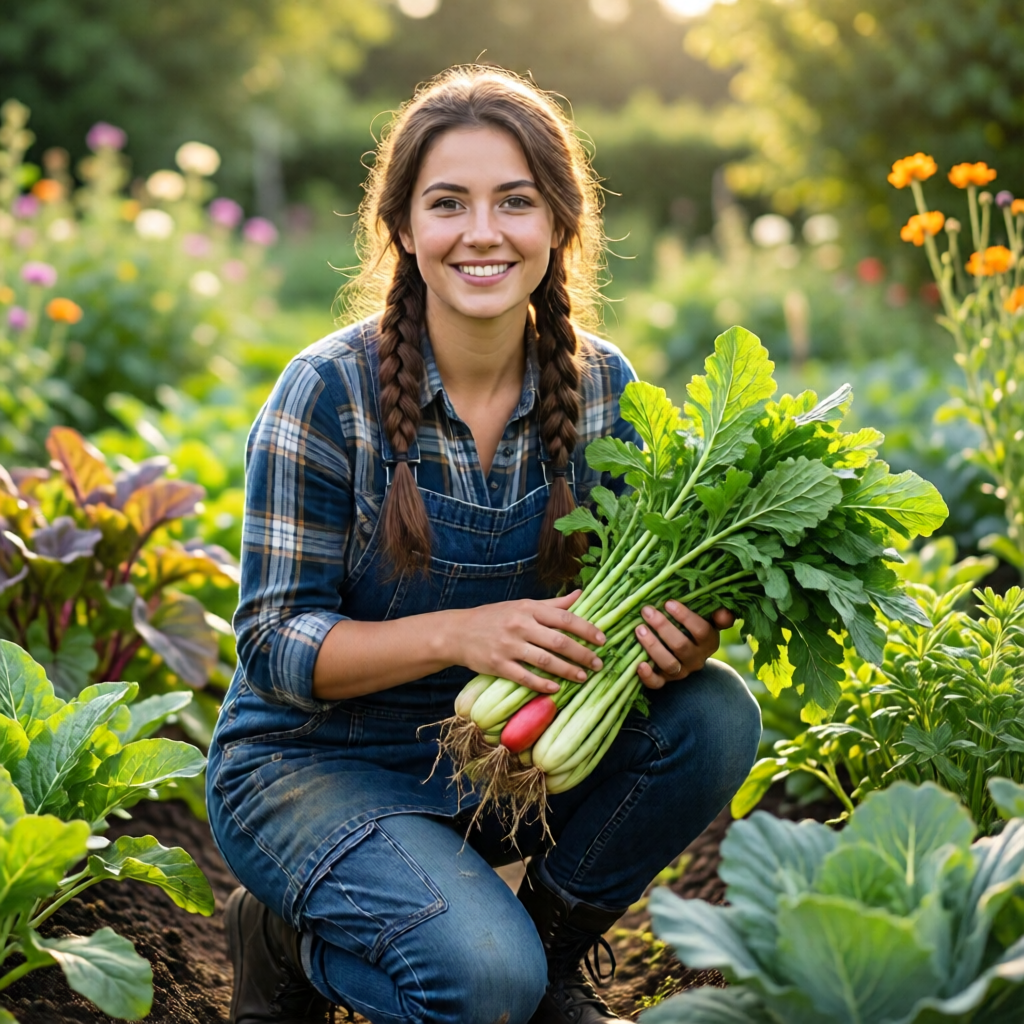
In many U.S. regions, cool‑season vegetables such as lettuce, spinach, kale, peas, and radishes can be planted early spring or in the fall. These crops tolerate lower temperatures and often develop sweeter flavors after a light frost. Start them from seed directly in the garden as soon as the soil can be worked, typically when it reaches 45–50°F (7–10°C). For a head start, you can also begin seeds indoors 4–6 weeks before the last frost and transplant seedlings once the soil warms.
When planting cool‑season crops, space rows to allow good air circulation, which helps prevent fungal diseases common in damp, cool conditions. Adding a thin layer of straw mulch can keep the soil temperature steady, reduce moisture loss, and suppress weeds without interfering with seed germination.
Warm‑Season Crops
Warm‑season vegetables—including tomatoes, peppers, cucumbers, squash, and beans—require soil temperatures of at least 60°F (16°C) for optimal growth. Transplant seedlings after the danger of frost has passed and the soil is warm. In the southern U.S., you can often plant these crops as early as March, while in the northern states, late May may be safer.
To protect warm‑season crops from early‑season chill, consider using row covers or cold frames. These simple tools create a micro‑climate that raises temperature by a few degrees, encouraging faster growth and reducing the risk of blossom drop caused by temperature fluctuations.
Seed Starting and Transplanting the Organic Way
Organic Seed Selection
Choosing certified organic seeds ensures that the seed itself has been produced without synthetic fertilizers or pesticides, aligning with the overall philosophy of your garden. Look for reputable suppliers that label their seeds as “USDA Organic” or “Certified Organic.” When you plant organic seeds, you’re giving your garden the purest start possible.
For those interested in specific crops, the how to grow carrots from seed guide offers detailed steps for root vegetables, while the how to grow avocado from seed article explores a more exotic, albeit indoor, option.
Seed‑Starting Mixes and Containers
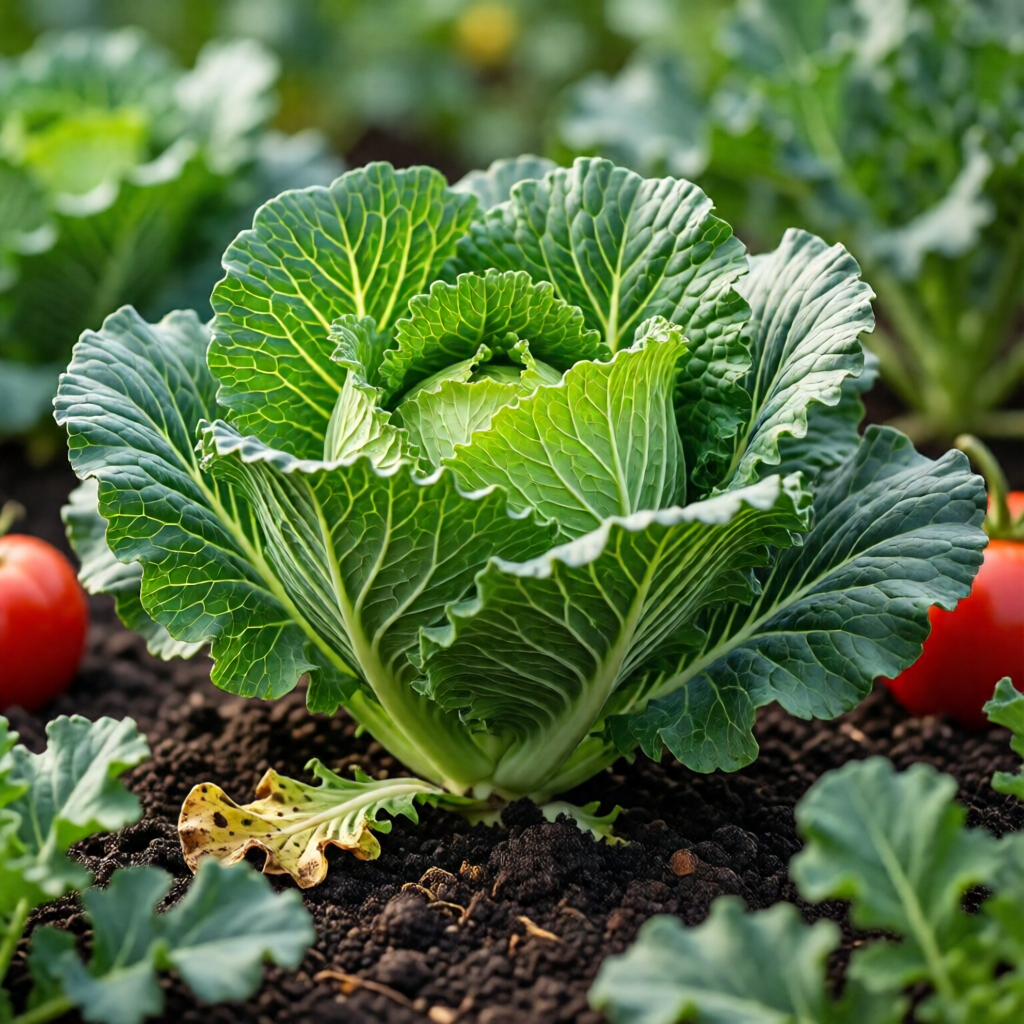
Use a sterile, peat‑based seed‑starting mix that contains no added fertilizers. This prevents the introduction of unwanted pathogens and ensures seedlings develop strong root systems. Fill clean seed trays, peat pots, or even recycled containers with the mix, and sow seeds at the depth recommended on the packet.
Maintain consistent moisture by covering trays with clear plastic or a dome to create a humid environment. Once seedlings emerge, remove the cover and provide ample light—ideally 12–16 hours of bright, indirect sunlight or fluorescent grow lights positioned 2–3 inches above the foliage. When seedlings develop two true leaves, begin hardening them off by gradually exposing them to outdoor conditions over a week before transplanting.
Natural Pest Management Strategies
Beneficial Insects
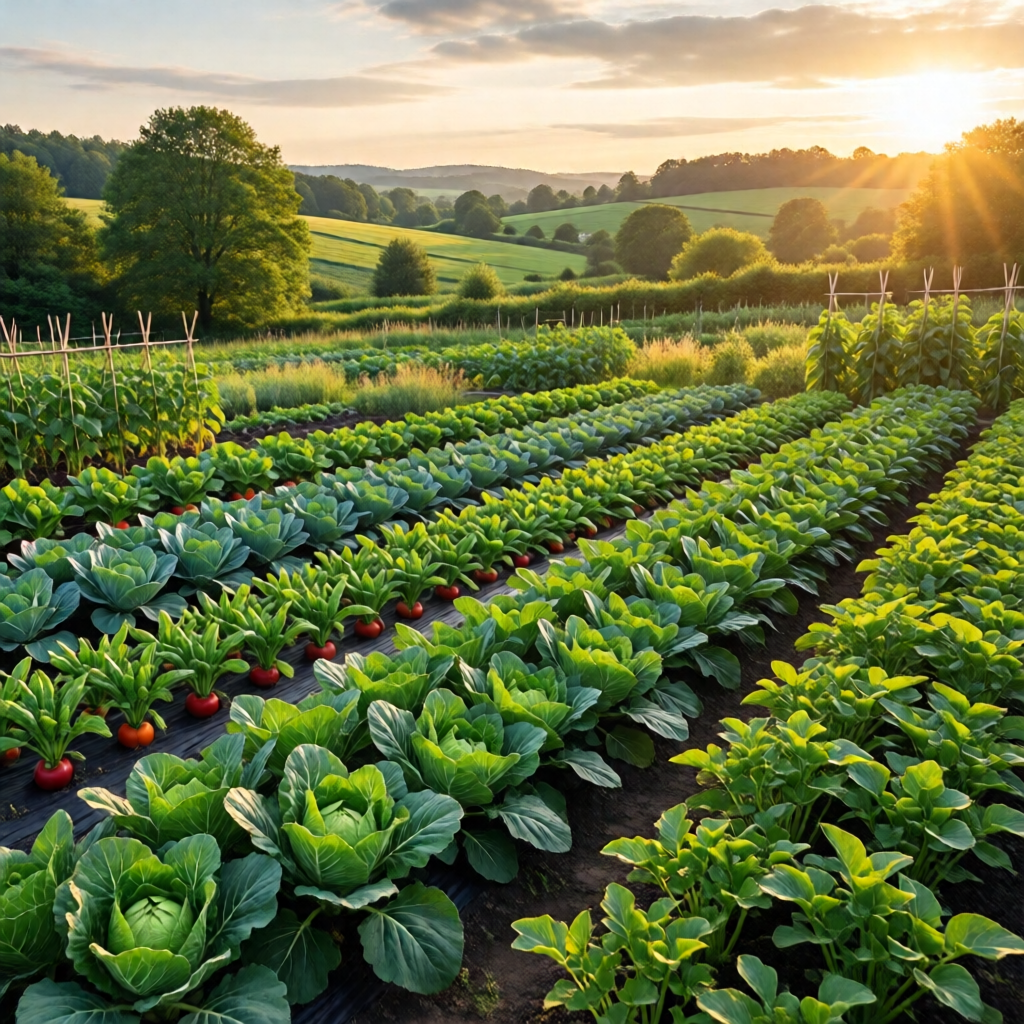
One of the most powerful tools in organic gardening is the use of beneficial insects that prey on pests. Lady beetles, lacewings, and predatory mites hunt aphids, whiteflies, and spider mites, keeping populations in check. Encourage these allies by planting nectar‑rich flowers such as dill, fennel, and yarrow near your vegetable beds. A diverse garden ecosystem creates a balanced food web where pests are naturally regulated.
If you notice a pest outbreak, consider releasing commercially available beneficial insects. Follow the supplier’s instructions for timing and placement to maximize effectiveness. Remember, a healthy soil microbiome also supports beneficial insects, so maintaining organic matter is a dual benefit.
Homemade Sprays and Barriers
When pests do appear, turn to homemade, non‑toxic sprays before reaching for chemical options. A simple neem oil spray (mix 1–2 teaspoons of cold‑pressed neem oil with a gallon of water and a few drops of dish soap) works as an insect repellent and disrupts the life cycle of many soft‑bodied insects. Apply in the early morning or late evening to avoid leaf burn.
Other effective barriers include garlic–pepper spray (blend a few cloves of garlic, a hot pepper, a tablespoon of liquid soap, and water, then strain) and copper tape around the base of plants to deter slugs. For larger pests like deer or rabbits, install low fencing or use motion‑activated sprinklers to keep them at bay.
Watering Wisely: Conservation and Plant Health
Drip Irrigation and Mulch
Efficient watering is essential for organic gardens, as over‑watering can lead to root rot and nutrient leaching. Drip irrigation delivers water directly to the root zone, reducing evaporation and keeping foliage dry—a key factor in preventing fungal diseases. Pair drip lines with organic mulch (straw, shredded leaves, or pine needles) to retain soil moisture, moderate temperature, and suppress weeds.
Mulch also adds organic matter as it breaks down, further enriching the soil. Aim for a 2–3 inch mulch layer, keeping it a few inches away from plant stems to avoid rot. For raised beds, consider using a combination of drip tubing and a soaker hose to ensure even coverage.
Rainwater Harvesting
Collecting rainwater is an eco‑friendly way to supply your garden with pure, chemical‑free water. Install a rain barrel at the downspout of a gutter, and use a fine mesh screen to keep debris out. During dry spells, use a hose attachment or a watering can to distribute the stored water directly onto the soil, avoiding splash on leaves.
Rainwater typically has a slightly acidic pH, which can benefit many vegetables that prefer a lower pH. Monitor the barrel’s temperature and use the water within a few weeks to prevent mosquito breeding. Integrating rainwater harvesting into your garden’s water plan further reduces reliance on municipal water and aligns with sustainable gardening practices.
Crop Rotation and Companion Planting
Designing a Rotation Plan
Crop rotation is a time‑tested method to reduce soil‑borne diseases and prevent nutrient depletion. Divide your garden into four or more sections and rotate families of vegetables each season. For example, plant legumes (beans, peas) one year to fix nitrogen, followed by leafy greens, then root vegetables, and finally fruiting crops like tomatoes and peppers. This sequence breaks pest cycles and balances soil nutrients without synthetic inputs.
Keep a simple garden journal or map to track what you planted where each year. Over time, you’ll notice improved yields and fewer disease problems, confirming the effectiveness of your rotation plan.
Companion Plant Partnerships
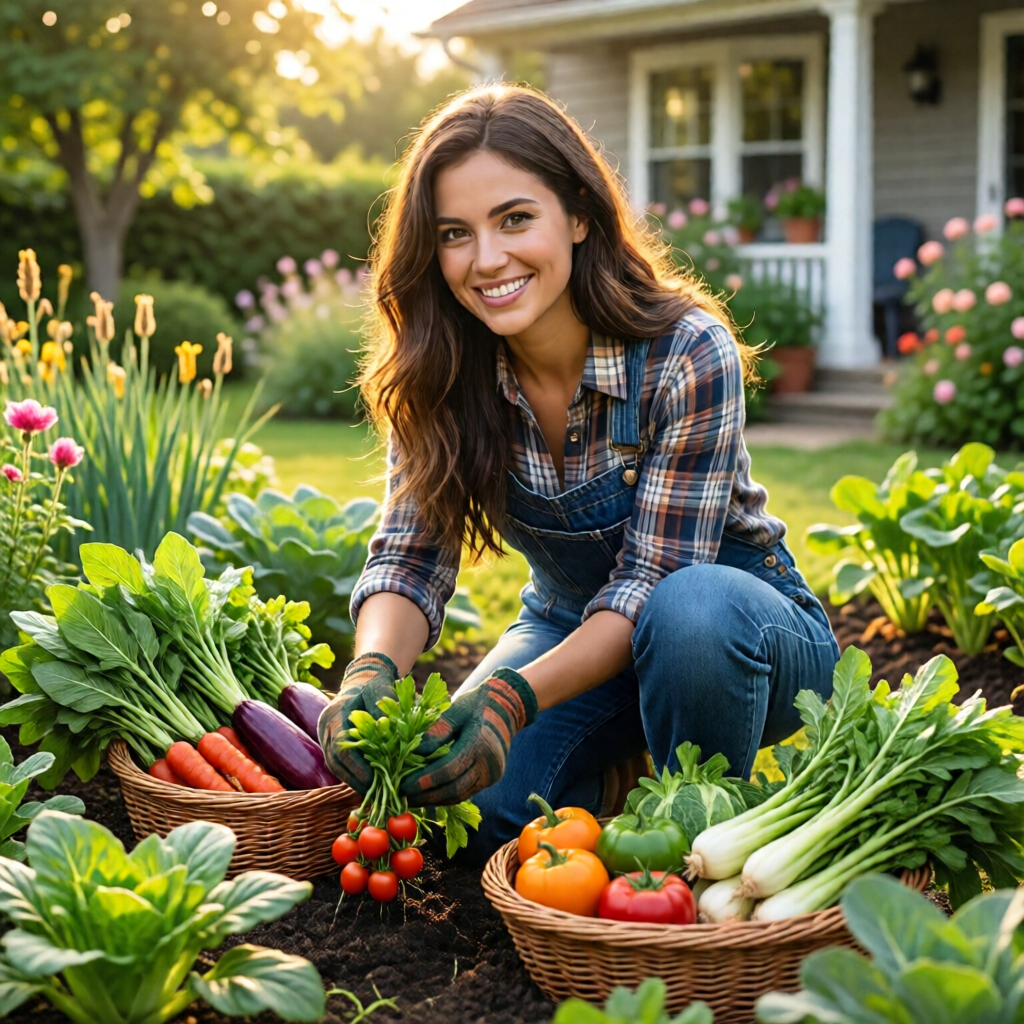
Companion planting pairs crops that benefit each other through pest deterrence, improved flavor, or enhanced growth. Classic combinations include planting basil alongside tomatoes to repel whiteflies and improve flavor, or intercropping carrots with onions to discourage carrot flies. Marigolds are excellent companions for many vegetables, as their strong scent deters nematodes and certain insects.
When designing companion plantings, consider plant height, root depth, and sunlight requirements to avoid competition. Mixing fast‑growing radishes with slower‑growing cabbage can also maximize space, as radishes mature and are harvested before the cabbage needs the full area.
Harvesting and Post‑Harvest Care
When to Pick for Maximum Flavor
Harvest timing is crucial for flavor, nutritional value, and continued production. Most leafy greens are best harvested when leaves are young and tender—usually when they reach 4–6 inches tall. For root vegetables like carrots and beets, wait until they reach the recommended size but avoid over‑maturity, which can lead to woody textures.
Tomatoes should be picked when fully colored and slightly soft to the touch. Allowing fruit to ripen fully on the vine enhances flavor and reduces the need for post‑harvest ripening. Regular harvesting also encourages many plants, such as beans and peas, to produce additional yields.
Storing and Preserving Your Produce
Proper storage extends the life of your harvest. Store root vegetables in a cool, dark, and humid environment—like a basement or a root cellar—to keep them fresh for months. Leafy greens stay crisp when wrapped in a damp paper towel and placed in a perforated plastic bag in the refrigerator.
For long‑term preservation, explore canning, freezing, or fermenting. Canning tomatoes, pickling cucumbers, or fermenting cabbage into sauerkraut are all organic-friendly methods that retain nutrients. When canning, follow USDA guidelines to ensure safety.
Putting It All Together: A Sample Organic Garden Calendar
Planning ahead makes organic gardening manageable and rewarding. Below is a month‑by‑month guide for a temperate U.S. region (adjust dates based on your USDA hardiness zone):
- January–February: Order organic seeds, start indoor seedlings for tomatoes, peppers, and early cool‑season crops.
- March: Test soil, amend with compost, sow peas, lettuce, and radishes directly outdoors.
- April: Transplant hardened seedlings, install drip irrigation, add mulch, and plant carrots and beets.
- May: Plant warm‑season crops after the last frost, set up row covers for early tomatoes, begin companion planting.
- June: Apply organic fertilizer (e.g., fish emulsion) if needed, monitor pests, and harvest early lettuce.
- July: Mulch heavily, water deeply, and harvest beans, cucumbers, and early tomatoes.
- August: Plant a second round of cool‑season crops (e.g., kale, broccoli) for fall harvest.
- September: Harvest mature tomatoes, begin fall clean‑up, and add cover crops to enrich soil.
- October–November: Finish harvesting, mulch beds for winter, and store root vegetables.
- December: Review garden journal, plan next year’s rotation, and enjoy the bounty!
By following this calendar and integrating the organic practices outlined above, you’ll create a resilient, productive vegetable garden that delivers fresh, nutritious produce year after year. For inspiration on garden design, check out our guide on front yard garden design on a budget, or explore garden arch ideas with climbing plants to add vertical interest and extra growing space.
What are the essential steps to start an organic vegetable garden?
Begin with a soil test, amend with plenty of compost, choose certified organic seeds, use a sterile seed‑starting mix, and plan a crop rotation. Incorporate natural pest control, efficient watering, and companion planting to create a balanced ecosystem.
How can I control pests organically without chemicals?
Encourage beneficial insects by planting nectar‑rich flowers, use homemade sprays like neem oil or garlic‑pepper solution, install physical barriers such as row covers or copper tape, and consider releasing predatory insects when infestations appear.
What is the best way to water an organic garden efficiently?
Install drip irrigation or soaker hoses to deliver water directly to the root zone, mulching beds to retain moisture, and harvest rainwater in barrels for sustainable, chemical‑free watering.
When should I harvest my vegetables for peak flavor?
Harvest leafy greens when they’re young and tender (4–6 inches tall), root crops at recommended size before they become woody, and fruiting vegetables like tomatoes when fully colored and slightly soft.
How does crop rotation benefit an organic garden?
Crop rotation breaks pest and disease cycles, balances soil nutrients, and reduces the need for synthetic fertilizers, leading to healthier plants and higher yields over time.