Peace lilies (Spathiphyllum spp.) are a favorite among U.S. homeowners for their glossy foliage, graceful white spathes, and air‑purifying qualities. Yet many beginners wonder why their plant sometimes droops, turns yellow, or refuses to bloom. In this comprehensive guide we’ll walk you through every aspect of peace lily care—from potting and watering to troubleshooting common problems—so you can enjoy a thriving, elegant centerpiece year after year.
Understanding the Peace Lily
Botanical Basics
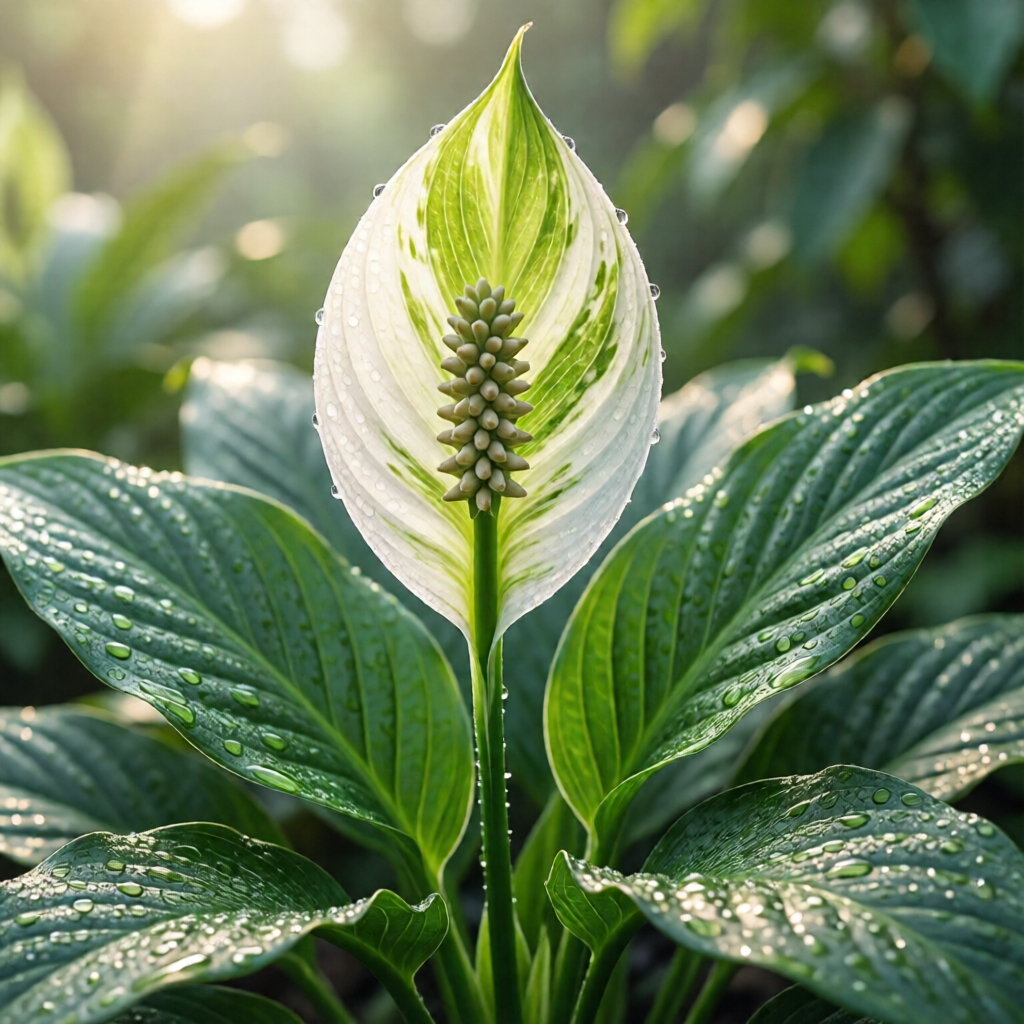
Despite its common name, the peace lily is not a true lily. It belongs to the Araceae family, the same group that includes philodendrons and anthuriums. Native to the tropical rainforests of Central and South America, peace lilies have evolved to thrive in filtered shade, high humidity, and consistently moist soils. Their hallmark white “flowers” are actually specialized leaf bracts called spathes that protect the true flowers (spadices) nestled inside.
Ideal Growing Conditions
In their natural habitat, peace lilies receive dappled sunlight beneath the forest canopy, temperatures ranging from 65°F to 80°F, and humidity levels above 60%. Replicating these conditions indoors is the key to success. They prefer well‑draining, peat‑based potting mixes that retain moisture without becoming waterlogged. When you provide the right balance of light, water, and humidity, the plant will reward you with glossy leaves and occasional white blooms.
Planting and Potting Basics
Choosing the Right Pot and Soil
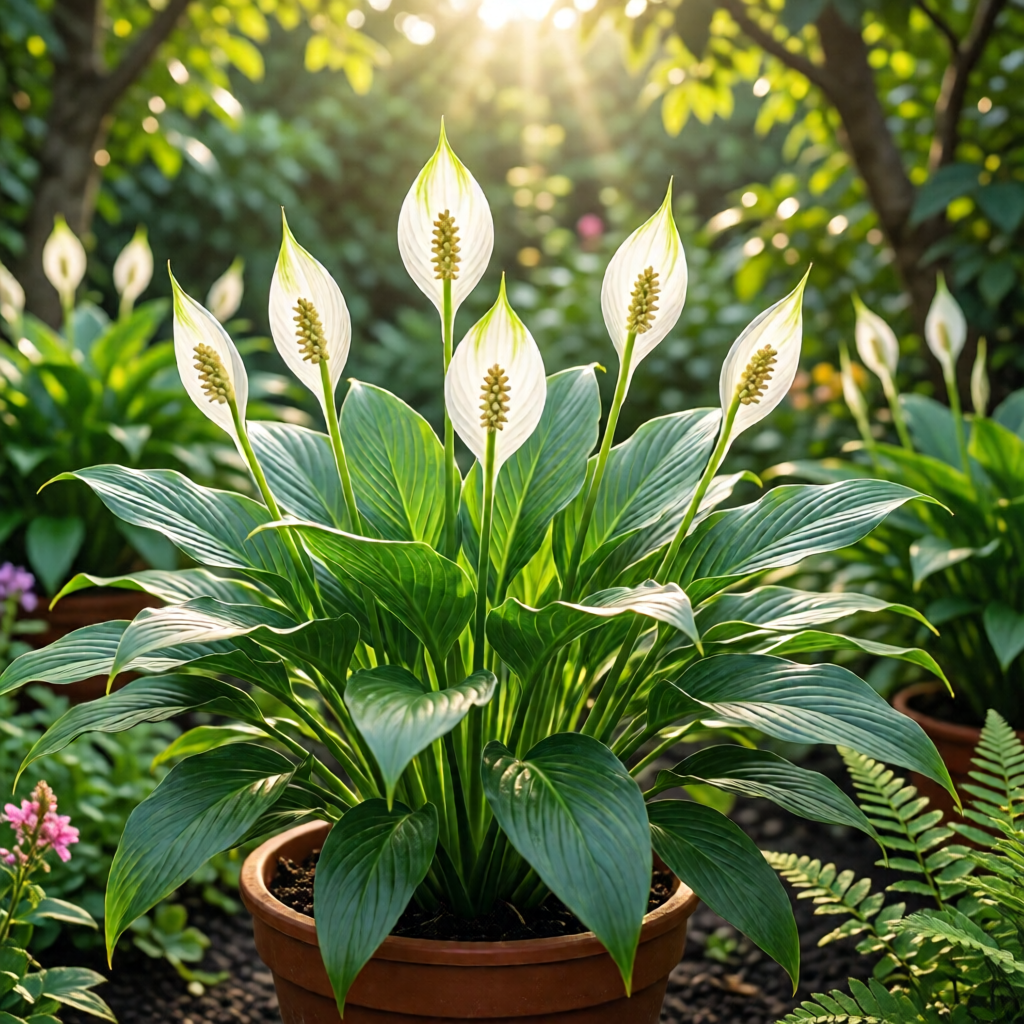
Start with a pot that has drainage holes to prevent stagnant water—a common cause of root rot. A 6‑inch terracotta or ceramic pot works well for a single plant, while a larger, decorative pot can house multiple peace lilies for a dramatic effect. Use a high‑quality indoor potting mix designed for foliage plants, or create your own blend of two parts peat moss, one part perlite, and one part pine bark. This mixture offers excellent aeration while holding enough moisture for the roots.
Repotting Schedule
Peace lilies grow slowly, so repotting every 2–3 years is sufficient. Look for signs such as roots emerging from the drainage holes or the plant toppling over when you try to move it. When repotting, gently loosen the root ball, trim any dead or mushy roots, and place the plant at the same depth it occupied previously. Add fresh potting mix around the sides, firm lightly, and water thoroughly.
Watering Strategies
How Often to Water
Consistent moisture is crucial, but overwatering is equally damaging. A good rule of thumb is to water when the top inch of soil feels dry to the touch. In most U.S. homes, this translates to watering once a week during the growing season (spring through early fall) and reducing frequency to every 10–14 days in winter when growth slows. Use room‑temperature water and water slowly until it drains out the bottom, ensuring the entire root zone is saturated.
Signs of Over‑ or Under‑watering
Yellowing leaves, soft stems, and a foul odor often indicate overwatering and possible root rot. Conversely, brown leaf tips, wilting, and a dry, crispy feel point to underwatering. If you suspect a problem, lift the plant gently to feel the soil’s moisture level and adjust your schedule accordingly. A moisture meter can be a helpful tool for beginners.
Light Requirements
Best Light Locations
Peace lilies flourish in bright, indirect light. An east‑facing window with filtered morning sun or a north‑facing window that receives steady, diffused light works well. If natural light is limited, a grow light placed 12–18 inches above the foliage for 12–14 hours a day can supplement the plant’s needs. Remember, too much direct sun can scorch the leaves, turning them brown and leathery.
Managing Low Light
While peace lilies tolerate low‑light environments, growth will slow, and blooms may become scarce. In dim rooms, rotate the plant every few weeks to ensure all sides receive some light, and avoid placing it near drafts or heating vents. If you notice the plant stretching toward a light source (etiolation), it’s a sign the current lighting is insufficient.
Feeding and Fertilizing
Types of Fertilizer
A balanced, water‑soluble fertilizer with an N‑P‑K ratio of 20‑20‑20 or 10‑10‑10 is ideal. Look for a formulation that includes micronutrients like iron and magnesium, which support leaf color and overall vigor. Organic options such as fish emulsion or seaweed extract can also be effective, especially for environmentally conscious gardeners.
Feeding Schedule
Feed your peace lily every 6 weeks during the active growing months (March through September). Dilute the fertilizer to half the recommended strength to avoid leaf burn. In winter, when the plant’s metabolic rate drops, suspend feeding altogether. Over‑fertilizing can cause leaf tip burn and excessive salt buildup in the soil, so less is often more.
Humidity and Temperature
Maintaining Proper Humidity
Peace lilies love humidity levels between 50% and 70%. In dry climates or heated homes, increase humidity by misting the foliage daily, placing the pot on a pebble tray filled with water, or using a room humidifier. Grouping several plants together also creates a micro‑environment with higher moisture.
Temperature Tolerance
These tropical plants thrive in temperatures ranging from 65°F to 80°F. Avoid exposing them to drafts, air‑conditioner vents, or sudden temperature drops below 55°F. A sudden cold snap can cause leaf discoloration and halt growth. If you need to move the plant outdoors for a summer breeze, ensure nighttime temperatures stay above 60°F.
Common Problems and Solutions
Yellow Leaves
Yellowing can result from overwatering, nutrient deficiencies, or low light. Check the soil moisture, ensure proper drainage, and consider a light feeding with a balanced fertilizer. If light is the issue, move the plant to a brighter spot.
Brown Leaf Tips
Dry air, inconsistent watering, or excess fertilizer often cause brown tips. Increase humidity, maintain a regular watering schedule, and flush the soil with plain water every few months to leach excess salts.
Pest Infestations
Common pests include spider mites, mealybugs, and aphids. Inspect the undersides of leaves regularly. Treat infestations with insecticidal soap or neem oil, applying once a week until the pests are gone. Keep the plant healthy, as stressed plants are more vulnerable to pests.
Root Rot
Root rot is usually caused by waterlogged soil and poor drainage. If you suspect rot (soft, foul‑smelling roots), gently remove the plant, trim away affected roots, and repot in fresh, well‑draining mix. After repotting, water sparingly until the plant shows new growth.
Lack of Bloom
Peace lilies bloom in response to light and maturity. If your plant isn’t flowering, it may need brighter indirect light or a slight fertilizer boost. Also, ensure you’re not over‑fertilizing, as too much nitrogen promotes leaf growth at the expense of flowers.
Propagation Techniques
Division Method
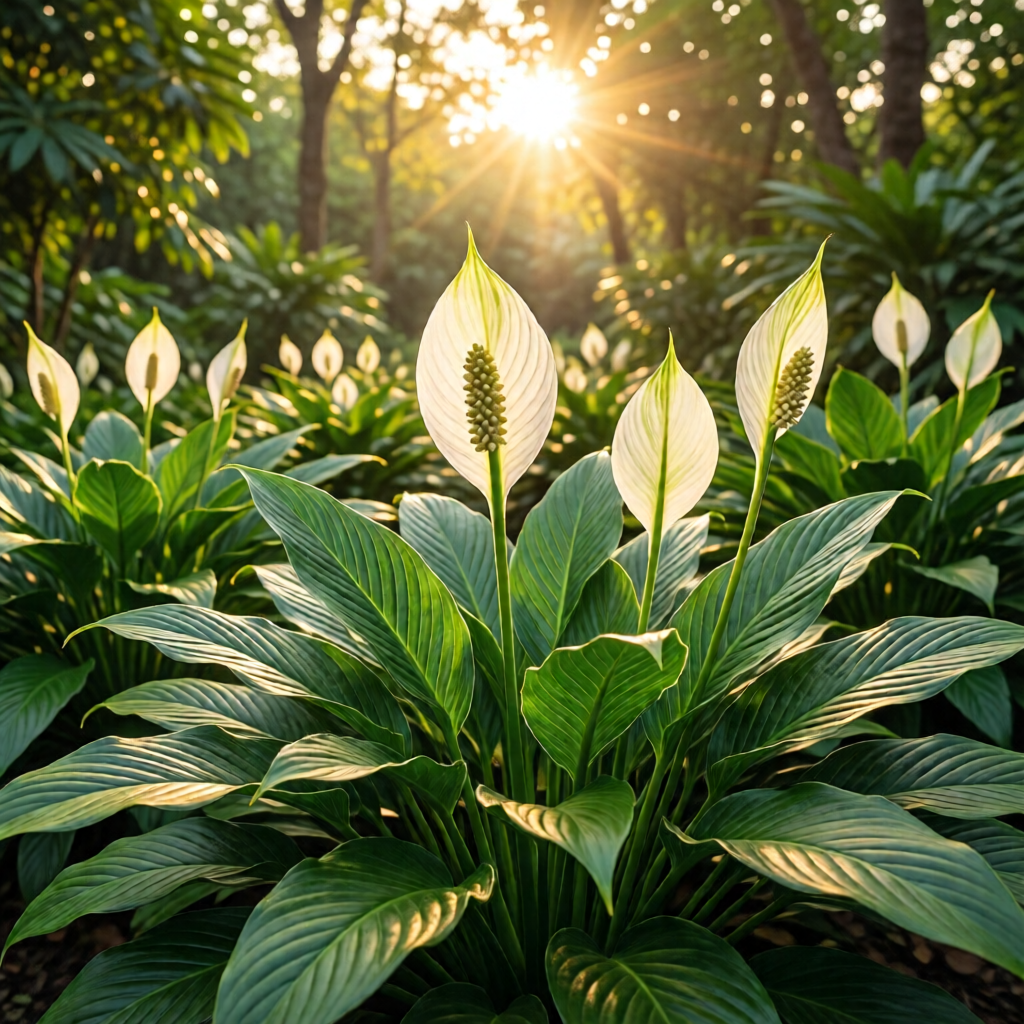
The most reliable way to propagate a peace lily is by division. In spring, gently remove the plant from its pot and separate the root ball into two or more sections, each with a healthy cluster of leaves and roots. Repot each division in its own container with fresh potting mix. Water thoroughly and keep the new plants in a bright, indirect light location.
Water Propagation
While less common, you can root a peace lily cutting in water. Snip a healthy leaf stem about 4–6 inches long, remove the lower leaves, and place the cutting in a jar of room‑temperature water. Change the water every few days. Roots typically develop within 2–3 weeks, after which you can transplant the cutting into soil.
Seasonal Care Adjustments
Winter Indoor Care
During winter, reduce watering frequency and stop fertilizing. Keep the plant away from cold drafts and heating vents. If your home’s humidity drops below 40%, use a humidifier or pebble tray to maintain adequate moisture. Monitor for pest activity, as indoor insects can become more active in cooler months.
Summer Considerations
In summer, peace lilies may need more frequent watering due to higher evaporation rates. Increase humidity by misting daily, and consider moving the plant to a slightly shadier spot if the sun becomes too intense. If you enjoy outdoor gardening, you can place the peace lily on a shaded patio for a few weeks, but always bring it inside before nighttime temperatures dip below 60°F.
Decorative Uses and Styling
Indoor Design Ideas
Peace lilies make elegant statements in living rooms, bathrooms, and offices. Pair them with other low‑light foliage like alocasia plant care tips for a tropical vibe, or place them on a sleek indoor plant shelf to create a layered display. Their white spathes complement neutral décor, while the dark green leaves add depth to minimalist interiors.
Office and Wellness Spaces
Because peace lilies filter airborne toxins such as formaldehyde and benzene, they’re perfect for home offices and corporate workspaces. A medium‑sized peace lily on a desk not only improves air quality but also reduces stress, according to several studies on indoor plants and mental health.
Quick Reference Checklist
- Light: Bright, indirect (east or north window)
- Water: When top inch of soil is dry; use room‑temperature water
- Humidity: 50%–70%; mist or pebble tray as needed
- Fertilizer: Balanced 20‑20‑20, half strength, every 6 weeks (spring‑fall)
- Temperature: 65°F–80°F; avoid drafts and cold snaps
- Repot: Every 2–3 years, using well‑draining peat mix
- Pests: Inspect regularly; treat with insecticidal soap or neem oil
- Propagation: Division in spring; water rooting for cuttings
Conclusion
With the right balance of light, water, humidity, and occasional feeding, the peace lily can thrive in almost any U.S. home. By recognizing early signs of distress, adjusting care seasonally, and employing simple propagation techniques, you’ll enjoy a lush, blooming plant that not only beautifies your space but also contributes to healthier indoor air. For more plant‑care inspiration, explore our guide on rubber plant care and discover how to create a harmonious indoor garden.
How often should I water my peace lily?
Water when the top inch of soil feels dry—usually once a week in spring and fall, and every 10–14 days in winter. Use room‑temperature water and ensure excess drains away.
Why are my peace lily’s leaves turning yellow?
Yellow leaves often signal overwatering, low light, or a nutrient deficiency. Check soil moisture, improve drainage, and consider a light feeding with a balanced fertilizer.
Can I keep a peace lily outdoors in the summer?
Yes, as long as it stays in a shaded spot and nighttime temperatures stay above 60°F. Bring it indoors before a cold snap or when the sun becomes too intense.
How do I propagate a peace lily?
The most reliable method is division in spring. Separate a healthy root ball into sections, repot each in fresh mix, and water thoroughly. You can also root stem cuttings in water.
Why isn’t my peace lily blooming?
Insufficient indirect light, low humidity, or over‑fertilizing can suppress blooms. Move the plant to a brighter spot, increase humidity, and ensure you’re using a balanced fertilizer at half strength.