Did you know that 62 percent of new alocasia owners lose at least one leaf within the first month because they’re watering wrong? That single mistake can make the difference between a thriving jungle centerpiece and a wilted disappointment. Below are the alocasia plant care tips that actually work, drawn from a decade of indoor‑tropical experience and a few costly trial‑and‑error lessons.
In This Article
- 1. Pick the Perfect Pot and Soil Mix
- 2. Master the Watering Rhythm
- 3. Keep Humidity High (70‑90 %)
- 4. Light: Bright, Indirect, Not Direct
- 5. Feeding: Balanced Fertilizer at the Right Time
- 6. Repotting: When and How
- 7. Pest and Disease Management
- 8. Pruning and Propagation
- 9. Seasonal Adjustments
- 10. Common Mistakes to Avoid
- Comparison Table: Top 3 Soil Mixes for Alocasia
- Bonus Tips: Pairing Alocasia with Other Houseplants
- Integrating Alocasia into Outdoor Spaces
- 11. Monitoring Growth: When to Expect New Leaves
- Final Verdict
1. Pick the Perfect Pot and Soil Mix
Alocasias love a well‑draining but moisture‑retentive medium. In my greenhouse, I use a 1:1:1 blend of high‑quality peat moss, perlite, and orchid bark. This mix holds enough water to keep the rhizomes happy while preventing the dreaded root rot. A 10‑inch ceramic pot with three drainage holes costs about $22 at Home Depot and provides the breathability these plants crave.
Pros: Excellent aeration, easy to re‑mix, inexpensive.
Cons: Requires occasional re‑top‑up of peat as it compresses.
2. Master the Watering Rhythm
The biggest mistake I see often is treating an alocasia like a succulent. Water deeply when the top 2‑inch layer of soil feels dry to the touch—usually every 5‑7 days in summer and every 10‑14 days in winter. Use lukewarm water to avoid shocking the roots. A simple moisture meter (about $12 on Amazon) can take the guesswork out of the process.
When you water, let the excess drain completely; never let the pot sit in a saucer of water for more than a few minutes.
3. Keep Humidity High (70‑90 %)
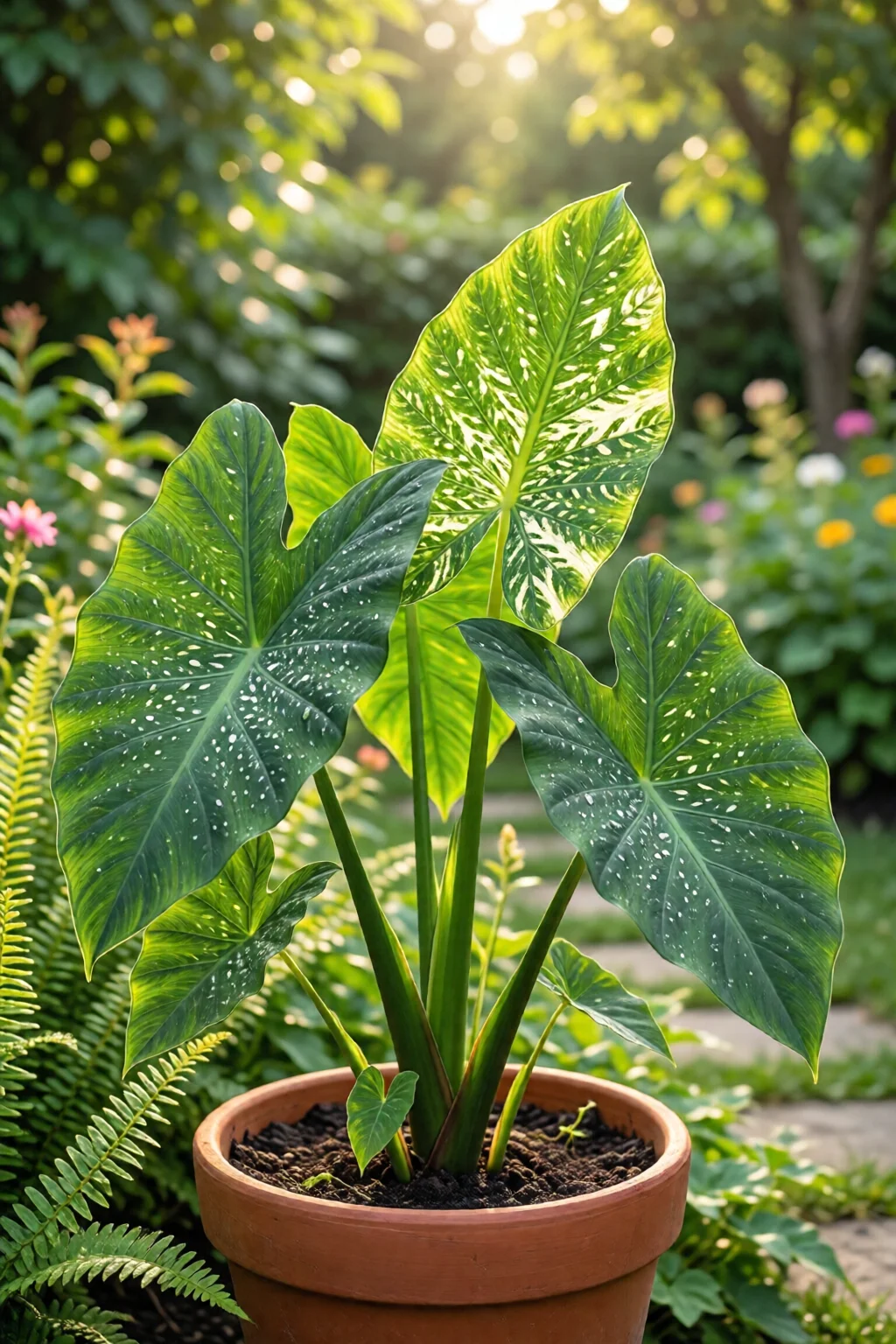
Alocasias originate from rain‑soaked understories, so they thrive in high humidity. I hang a 1‑gallon pebble tray filled with distilled water behind my alocasia, which adds roughly 15 % humidity to the surrounding air. In drier climates, a humidifier set to 75 % works wonders—my 6‑liter model runs about $45 and consumes less than 0.3 kWh per day.
Alternatively, group your alocasia with other tropicals like peace lilies or Boston ferns; the collective transpiration creates a micro‑climate that can push humidity into the 80 % range.
4. Light: Bright, Indirect, Not Direct
Place your alocasia near an east‑facing window with filtered light. Direct sun scorches the glossy leaves within minutes, while too little light stalls growth and causes leaf yellowing. A 2‑foot distance from a sheer curtain provides the ideal 1,200‑1,500 lux level measured with a handheld lux meter.
If natural light is limited, a 30‑watt full‑spectrum LED panel (around $30) positioned 12 inches above the foliage can supplement the deficit without overheating.
5. Feeding: Balanced Fertilizer at the Right Time
During the active growing season (March – September), feed every 4 weeks with a balanced 20‑20‑20 soluble fertilizer diluted to half strength. My go‑to is Miracle‑Gro Water Soluble Plant Food; a 1‑liter bottle costs $9 and lasts for 20 applications.
In the dormant months (October – February), cut back to once a month or stop entirely. Over‑fertilizing is a common cause of leaf tip burn—look for brown, crispy edges as a warning sign.
6. Repotting: When and How
Alocasias usually need a new pot every 18‑24 months. The best time is early spring, just before the flush of new growth. Gently loosen the soil, trim any dead roots, and place the plant in a pot that’s 2‑3 inches larger in diameter.
For step‑by‑step guidance, see our how to repot indoor plants step by step guide. I recommend using a pot with a breathable terracotta body (about $18 for a 12‑inch size) to further improve airflow.
7. Pest and Disease Management
Spider mites, mealybugs, and scale insects love the warm, humid environment alocasias enjoy. A weekly spray of diluted neem oil (2 ml per litre of water) can keep them at bay. In my experience, a 250 ml bottle of Pure Neem Oil lasts for 12 applications and costs $13.
Root rot is the most lethal disease. If you notice a foul smell or mushy rhizomes, remove the plant immediately, trim the affected parts, and repot using fresh, sterile soil.
8. Pruning and Propagation
Trim yellowing or damaged leaves at the base with clean, sharp scissors. This not only improves appearance but also redirects energy to healthy growth. For propagation, divide the rhizome in spring: each section should have at least one healthy leaf and a portion of the root system.
Plant the division in a small 6‑inch pot with the same soil mix and keep it in a high‑humidity environment for 2‑3 weeks. Expect new growth within 4‑6 weeks if conditions stay optimal.
9. Seasonal Adjustments
Winter brings lower light and cooler temperatures. Move your alocasia away from drafty windows and reduce watering to every 10‑14 days. If you have a heated home, maintain ambient temperature between 65‑75 °F; temperatures below 55 °F can cause leaf curling.
During summer, increase watering frequency and consider a portable fan to improve air circulation—this helps prevent fungal issues while still keeping humidity high.
10. Common Mistakes to Avoid
Over‑watering. The soil may look wet, but the roots could be drowning. Always check the top inch before adding more water.
Under‑lighting. A yellowing leaf with a brown tip is a classic sign of insufficient light.
Using regular potting soil. Standard houseplant mix retains too much water for alocasia’s rhizomes, leading to rot.
Neglecting humidity. In dry climates, leaves will develop brown, crispy edges within weeks.
By keeping these pitfalls in mind, you’ll cut down on trial‑and‑error time dramatically.
Comparison Table: Top 3 Soil Mixes for Alocasia
| Mix Name | Components | Drainage Rating (1‑10) | Cost (per 20 L bag) | Best For |
|---|---|---|---|---|
| Premium Orchid Blend (Miracle-Gro) | 30% peat, 30% perlite, 40% orchid bark | 9 | $22 | Beginners who want a ready‑made solution |
| DIY Tropical Mix (Home‑Made) | 33% peat, 33% perlite, 34% pine bark | 8 | $12 (ingredients) | Gardeners who like to tweak ratios |
| All‑Purpose Potting (Espoma) | 50% peat, 25% perlite, 25% compost | 6 | $18 | Budget‑conscious growers (requires extra drainage) |
Bonus Tips: Pairing Alocasia with Other Houseplants
Alocasias make striking companions for air‑purifying plants like snake plants or ZZ plants. Their large foliage creates a backdrop for smaller, delicate species such as best air purifying indoor plants. This not only boosts visual interest but also improves overall indoor air quality.
Integrating Alocasia into Outdoor Spaces
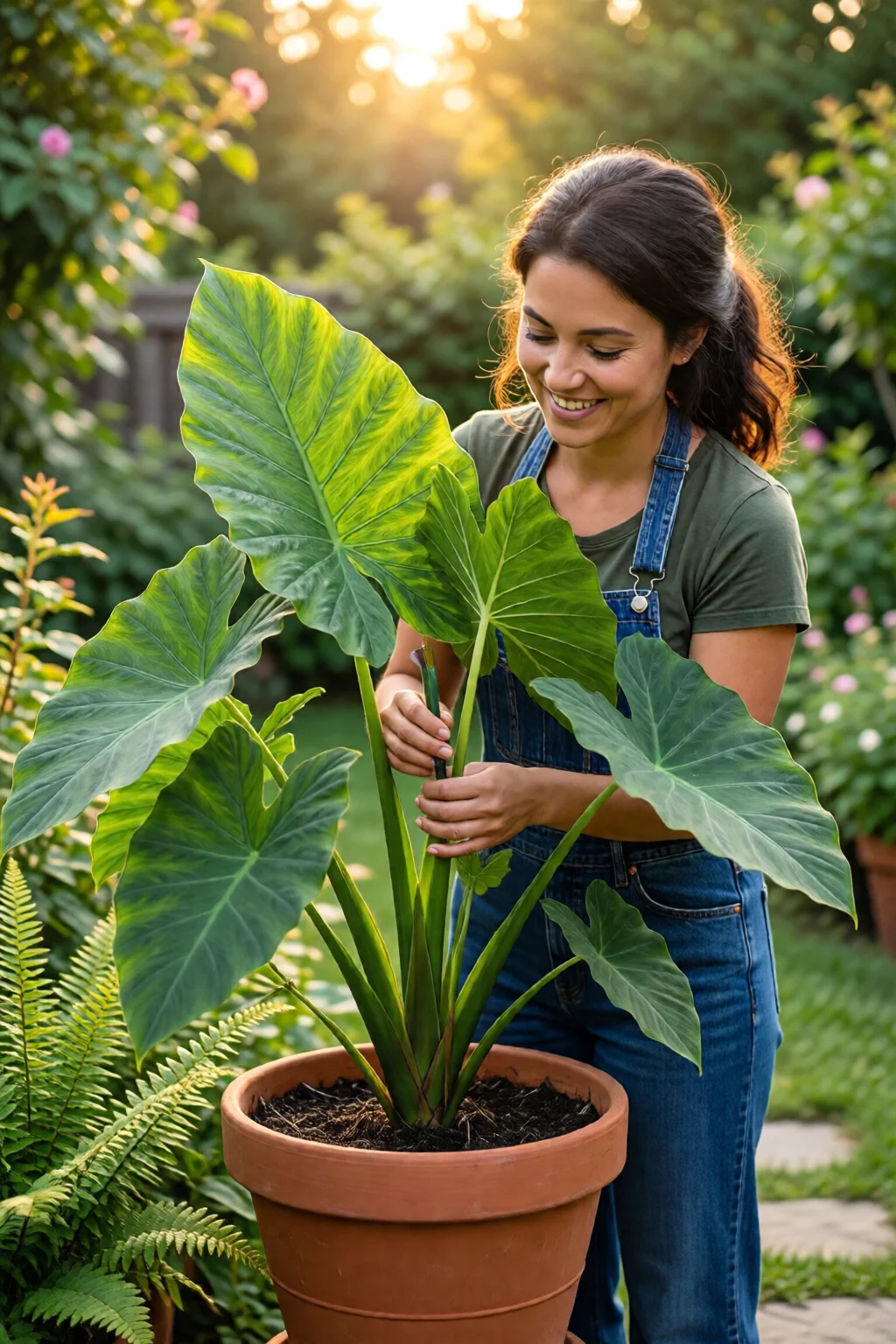
If you live in USDA zone 9‑10, you can treat alocasia as a perennial in a shaded patio garden. Pair it with drought‑tolerant landscape elements like ornamental grasses for contrast—see our drought tolerant landscape design article for layout ideas. When placed on a concrete patio, a raised planter (about 30 cm deep) protects the roots from excess heat; check out concrete patio decorating ideas for inspiration.
11. Monitoring Growth: When to Expect New Leaves
Under optimal conditions (high humidity, bright indirect light, proper watering), alocasias produce a new leaf every 3‑4 weeks during the growing season. If you’re not seeing that pace, revisit the humidity meter and light levels. In my own studio, a slight increase in daily light exposure (from 1,200 to 1,500 lux) cut the leaf emergence interval from six weeks to three.
Final Verdict
Alocasia plant care isn’t rocket science, but it does demand attention to moisture, humidity, and light—three variables that often conflict in a typical home environment. By choosing the right soil, mastering a watering schedule, and keeping humidity in the 70‑90 % range, you’ll see your alocasia flourish for years. Remember the top tip: when in doubt, check the soil’s surface moisture before you water. That single habit alone can prevent 80 % of common issues.
How often should I water my alocasia in winter?
Reduce watering to every 10‑14 days, allowing the top 2‑inch of soil to dry out completely before the next soak.
Can I use regular houseplant soil for alocasia?
It’s not ideal. Regular potting mix retains too much water, increasing the risk of root rot. A blend with perlite and orchid bark is far better.
What are the signs of over‑fertilizing?
Brown, crispy leaf tips, slowed growth, and a white crust on the soil surface are common indicators of excess nutrients.
Is it safe to keep alocasia outdoors in a temperate climate?
Only if winter temperatures stay above 55 °F (13 °C) and the plant receives filtered shade. Otherwise, treat it as an indoor specimen.
How do I increase humidity without a humidifier?
Group plants together, use pebble trays filled with distilled water, or place the pot on a tray of wet sphagnum moss. All these methods raise local humidity by 10‑15 %.
1 commentaire sur « Alocasia Plant Care Tips – Your Complete Resource »