Dreaming of a vibrant oasis that feels like a slice of the Caribbean right in your own backyard? A tropical garden can transform ordinary outdoor space into a lush retreat bursting with color, texture, and the soothing sounds of nature. Whether you have a spacious yard or a modest patio, you can create a tropical paradise by choosing the right plants, mastering soil and water management, and incorporating design elements that evoke the relaxed vibe of island living. In this guide we’ll walk you through every step—from planning and plant selection to maintenance and budget-friendly tricks—so you can confidently bring the tropics to life in your U.S. garden.
Planning Your Tropical Garden: Vision, Site, and Layout
Before you break ground, take a moment to visualize the atmosphere you want to achieve. Do you crave a dense, jungle‑like hideaway with towering palms, or a breezy tropical border that frames a patio? Sketch a rough layout that marks sunny zones, shade pockets, and existing structures such as decks or fences. Pay special attention to the USDA hardiness zones in your region; many classic tropical plants thrive in zones 9‑11, but with clever micro‑climate tricks you can grow them farther north.
Consider the following planning checkpoints:
- Sunlight exposure: Most tropical plants need full sun (6‑8 hours) for optimal foliage color, though some, like bird’s nest fern, flourish in dappled shade.
- Wind protection: Strong winds can tear delicate fronds. Use windbreaks such as a row of taller palms or a living fence.
- Water availability: Tropical gardens love consistent moisture. Plan for irrigation systems or rain barrels early on.
- Soil drainage: Good drainage prevents root rot. Amend heavy clay with organic matter and coarse sand.
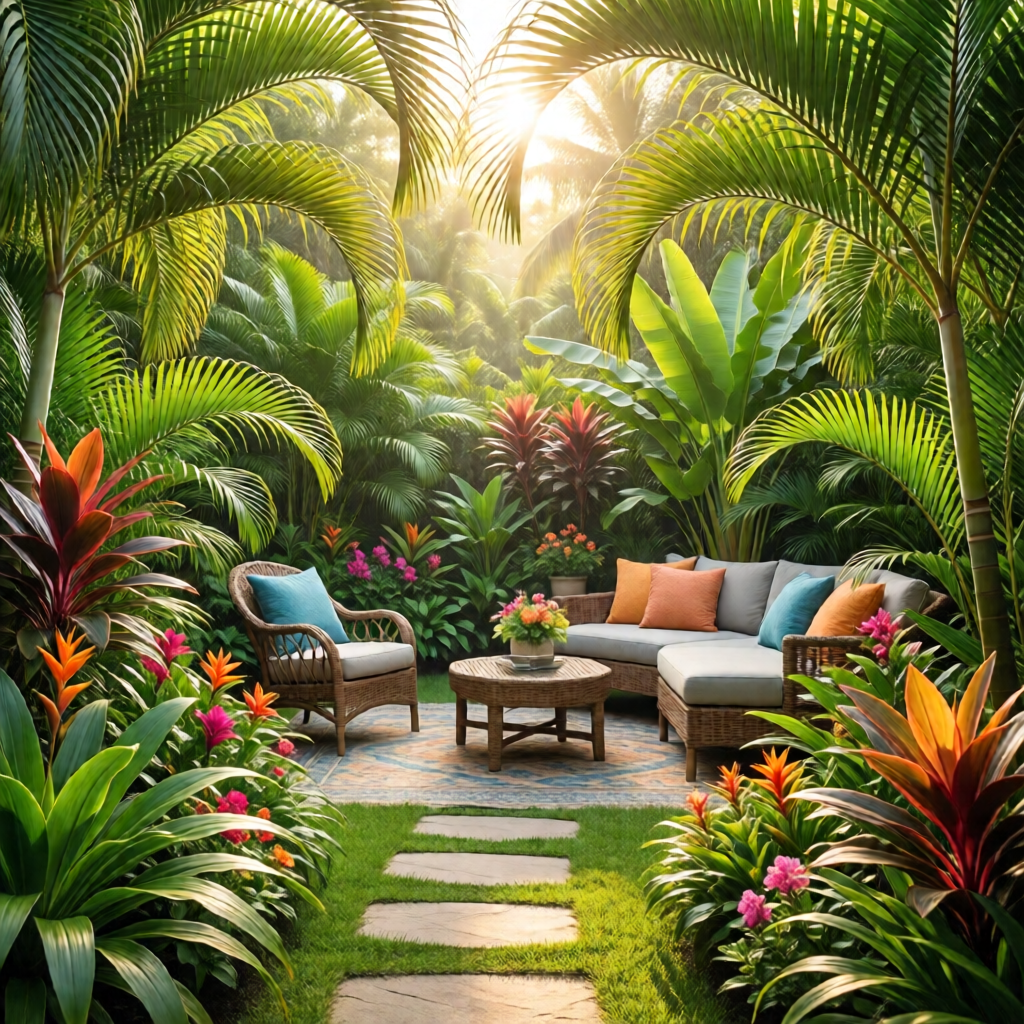
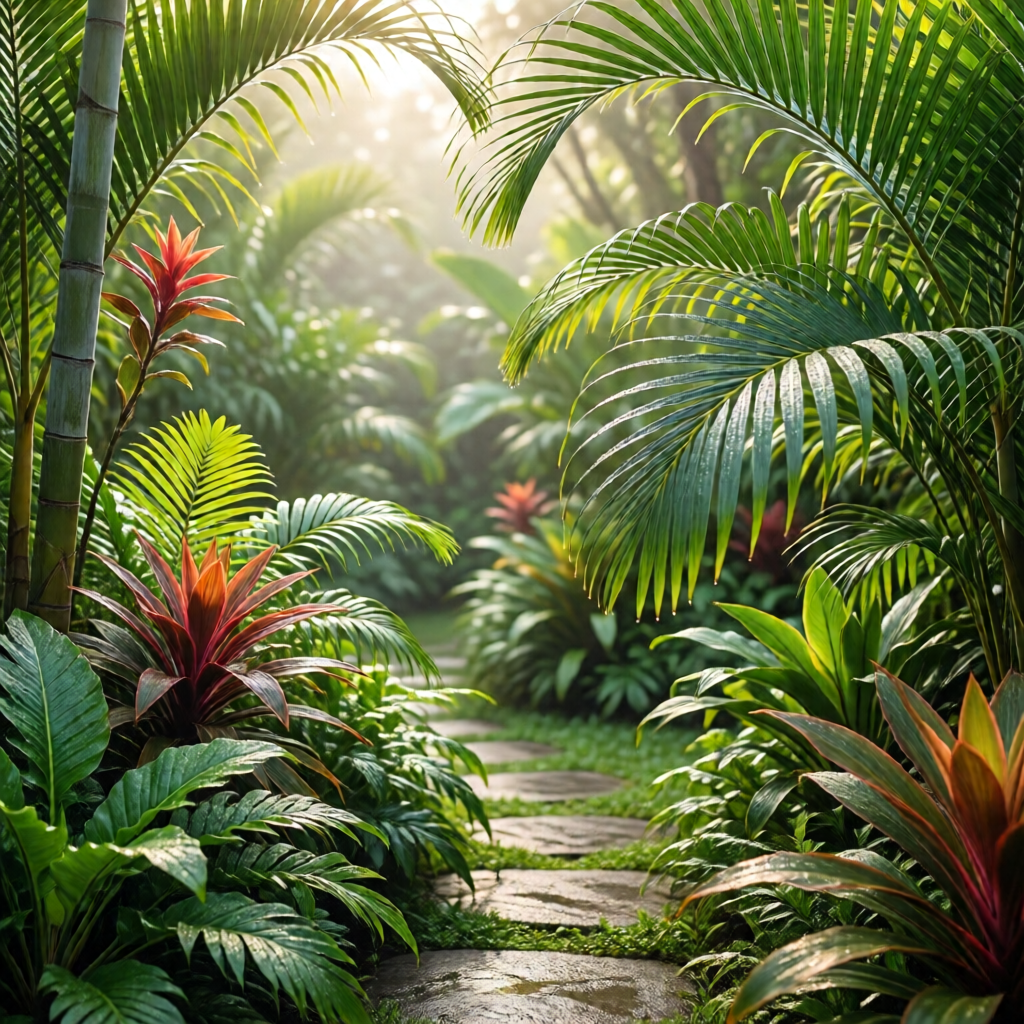
Once you’ve mapped the basic zones, think about how you’ll move through the space. Pathways of natural stone or reclaimed wood not only guide foot traffic but also enhance the organic feel of a tropical setting.
Selecting the Right Tropical Plants for Your Climate
Choosing plants that match your local conditions is the cornerstone of a thriving tropical garden. Below are three categories of plants—evergreen palms, colorful foliage, and flowering accents—that work well across a range of U.S. zones when paired with proper care.
Evergreen Palms and Tree‑like Structures
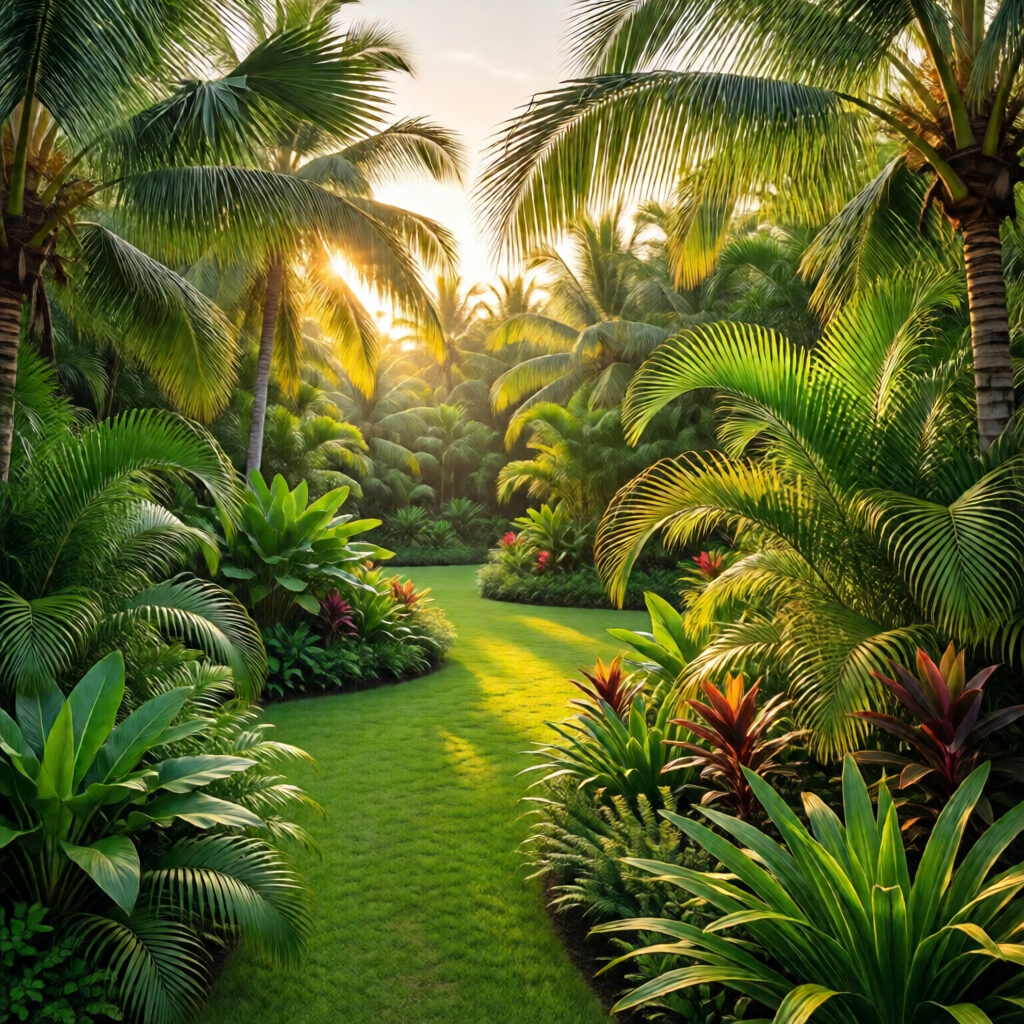
Palms instantly convey a tropical vibe. In cooler zones, opt for hardy species such as Trachycarpus fortunei (Windmill Palm), Washingtonia filifera (California Fan Palm), or Rhapidophyllum hystrix (Needle Palm). These palms tolerate temperatures down to 10°F when protected. For a bolder statement, consider a dwarf coconut palm (Cocos nucifera ‘Dwarf Tonga’) in zones 10‑11, or a visually striking Dypsis lutescens (Areca Palm) for indoor or patio containers.
Foliage‑Rich Shrubs and Groundcovers
Foliage plants provide texture and color throughout the year. Philodendron varieties, such as ‘Pink Princess’, showcase deep green leaves with striking pink veins. Alocasia (Elephant Ear) adds massive, glossy leaves that become the focal point of any planting bed. For lower groundcover, use Peperomia or Begonia rex, which thrive in the moist, shaded corners of a tropical garden.
Vibrant Flowering Accents
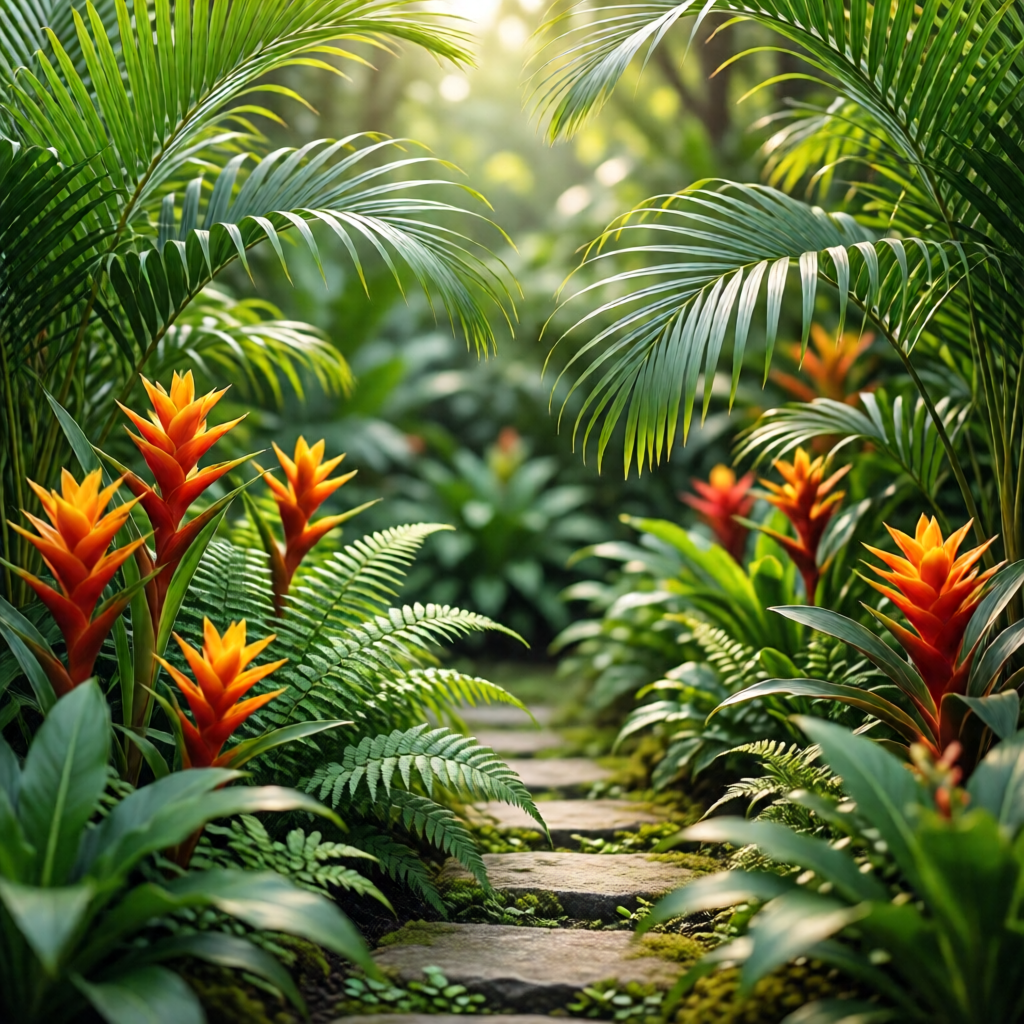
While foliage steals the show, tropical blooms add drama. Hibiscus rosa‑sinensis produces large, papery flowers in reds, pinks, and yellows, perfect for attracting hummingbirds. Bird of Paradise (Strelitzia reginae) offers striking orange and blue bracts that resemble exotic birds. For a more subtle, fragrant option, plant Plumeria (Frangipani) near seating areas; their sweet scent is a hallmark of island evenings.
When selecting plants, remember to stagger heights: tall palms at the back, mid‑size shrubs in the middle, and low groundcovers at the front. This layered approach creates depth and ensures each plant receives the appropriate amount of sunlight.
Soil Preparation: Creating the Perfect Growing Medium
Even the most exotic plants will struggle if the soil isn’t right. Tropical soils are typically rich, loamy, and well‑draining, with a high organic matter content. Follow these steps to replicate those conditions in your garden:
- Test the pH: Aim for a slightly acidic to neutral range (5.5‑7.0). Amend with elemental sulfur to lower pH or lime to raise it.
- Incorporate organic matter: Mix in 3‑4 inches of well‑composted leaf mold or aged manure. This boosts nutrient availability and improves moisture retention.
- Add coarse sand or perlite: For heavy clay soils, blend in a 1:1 ratio of sand to improve drainage and prevent root rot.
- Mulch generously: A 2‑3 inch layer of pine bark or coconut husk mulch conserves moisture, suppresses weeds, and gradually adds nutrients as it decomposes.
In container gardens, use a high‑quality potting mix formulated for tropical houseplants. Adding a handful of orchid bark or orchid bark chips improves aeration, which is essential for the shallow root systems of many tropical species.
Irrigation Strategies: Keeping the Moisture Consistent
Tropical plants thrive on steady moisture, but over‑watering can be just as harmful as drought. The goal is to maintain even soil humidity without creating soggy conditions. Consider these irrigation methods:
- Drip irrigation: Install a low‑flow drip system with timers set to water early morning or late evening. This delivers water directly to the root zone, reducing evaporation.
- Soaker hoses: Lay soaker hoses beneath mulch layers for a gentle, consistent soak.
- Rain barrels: Capture rainwater from gutters; it’s naturally soft and ideal for tropical plants that dislike chlorine.
- Self‑watering containers: Use pots with built‑in reservoirs that release water gradually as the soil dries.
Monitor soil moisture with a simple wooden stake or a digital moisture meter. When the top inch feels dry, it’s time to water. During hot summer weeks, you may need to increase frequency, while cooler fall weather often reduces the need for daily watering.
Design Elements That Evoke a Tropical Feel
Beyond plants, the design details make your garden unmistakably tropical. Here are proven ideas to incorporate texture, sound, and color:
Water Features and Sound
Gentle water sounds instantly transport you to a beachside retreat. A small pond with a cascading waterfall, a bamboo spout, or a simple birdbath surrounded by stones creates both visual interest and soothing acoustics. If space is limited, consider a wall‑mounted fountain with tealight accents for evening ambiance.
Natural Materials and Hardscapes
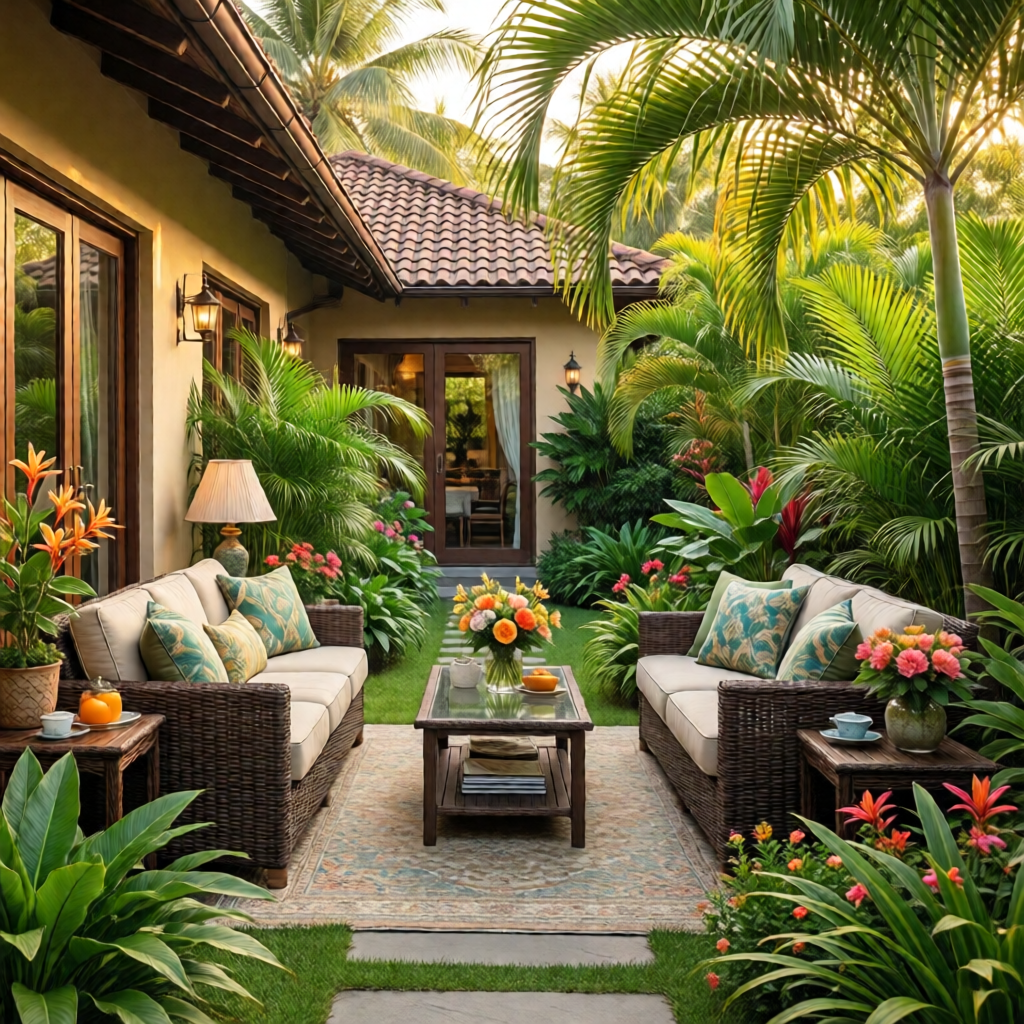
Use natural stone, reclaimed wood, and woven bamboo for pathways, decking, and garden furniture. A teak pergola draped with flowering vines like Passiflora (Passionflower) provides shade while adding a vertical element. Incorporate woven rattan chairs and colorful throw pillows for a relaxed, island‑style seating area.
Lighting for Evening Magic
Warm, low‑voltage LED string lights woven through palm fronds create a cozy twilight glow. Solar‑powered lanterns placed among ferns or near a water feature add subtle illumination without increasing your electric bill. Spotlights aimed at larger palms highlight their silhouettes after dark.
Colorful Accents and Artwork
Introduce tropical art such as carved wooden masks, woven baskets, or tiki torches. Use vibrant outdoor rugs and cushions in teal, coral, or mango yellow to echo the vivid hues of tropical flowers. A strategically placed cottage garden ideas for beginners element, like a small herb border, can also blend seamlessly with the tropical theme while providing fresh culinary ingredients.
Container Gardening: Bringing Tropics to Patios and Small Spaces
If you lack a large yard, containers are a flexible way to grow tropical plants on balconies, decks, or even windowsills. Choose oversized pots (15‑20 gallons) for palms and large foliage plants, and smaller, decorative containers for herbs and flowering annuals. Use a high‑quality, well‑draining potting mix and pair it with a self‑watering system to maintain consistent moisture.
Group containers of varying heights and textures to mimic the layered look of a natural tropical understory. For example, place a tall dwarf palm in the back, a medium‑size Alocasia in the center, and trailing Peperomia or String of Pearls at the front. Add a layer of decorative stones or coconut husk mulch on top to retain moisture and enhance visual appeal.
Seasonal Adjustments for Containers
In cooler months, move potted tropicals to a sheltered spot, such as a garage or indoor sunroom, to protect them from frost. Use grow lights if natural light is insufficient. When spring arrives, gradually re‑introduce them to the outdoors, hardening off over 7‑10 days to avoid shock.
Maintenance Best Practices: Keeping Your Tropical Garden Thriving
Consistent care ensures your tropical garden remains lush year after year. Follow these maintenance routines:
- Pruning: Trim dead or yellowing fronds to improve air circulation and prevent disease. For flowering plants, deadhead spent blooms to encourage reblooming.
- Fertilizing: Apply a balanced, slow‑release fertilizer (10‑10‑10) in early spring, mid‑summer, and early fall. For heavy feeders like palms, supplement with a palm‑specific fertilizer high in magnesium and potassium.
- Pest Management: Monitor for common tropical pests such as spider mites, mealybugs, and aphids. Use neem oil or insecticidal soap as a first line of defense, and encourage beneficial insects like ladybugs by planting nectar‑rich flowers.
- Weed Control: Mulch heavily to suppress weeds. Hand‑pull any intruders before they set seed.
- Winter Protection: In zones where temperatures dip below 30°F, wrap the trunks of hardy palms with frost cloth, and cover delicate foliage with burlap or a breathable garden fabric.
Regularly inspect soil moisture and adjust watering schedules based on seasonal rainfall. A quick visual check of leaf color and turgidity often reveals early signs of stress, allowing you to intervene before problems become severe.
Wildlife-Friendly Tropical Gardens
One of the joys of a tropical garden is the vibrant wildlife it attracts. Hummingbirds, butterflies, and beneficial insects will make regular visits if you provide the right resources.
Plant nectar‑rich species like Hibiscus, Ginger, and Salvia to lure hummingbirds. Add host plants such as Passiflora for butterfly larvae. Install a modest bird feeder or a shallow water dish to offer hydration. Using native tropical‑adapted plants, when possible, supports local ecosystems while still delivering an exotic aesthetic.
Budget-Friendly Tips for a Tropical Makeover
Creating a tropical garden doesn’t have to break the bank. Here are cost‑saving strategies:
- Start with seedlings: Purchasing young plants is cheaper than mature specimens, and they adapt more readily to new soil conditions.
- Propagate your own: Many tropicals, like Philodendron and Begonia, root easily from stem cuttings. Share cuttings with friends to expand your collection.
- Use recycled materials: Upcycle old pallets for vertical planters, or repurpose terracotta pots with a fresh coat of paint.
- DIY mulch: Shred fallen leaves or grass clippings to create organic mulch at no cost.
- Group purchases: Buy plants in bulk from local nurseries during clearance sales, especially after the growing season.
These budget tricks let you gradually build a lush, layered garden without a massive upfront investment.
Integrating Tropical Elements into Existing Landscapes
If you already have a garden and want to add a tropical flair, start small. Introduce a single statement palm or a cluster of colorful foliage plants in a corner. Gradually expand by adding tropical border plants, such as Heliconia or Banana (Musa), alongside existing shrubs. Use the garden border ideas for edges to create a seamless transition between the existing garden and the new tropical zone.
Don’t forget the power of containers and raised beds to separate tropical sections from cooler, temperate zones. This approach allows you to experiment with more exotic species without risking the health of your existing plants.
Seasonal Adjustments: Preparing for Winter and Summer Peaks
Even in the warmest parts of the U.S., tropical gardens need seasonal tweaks. During the scorching summer months, increase mulching depth and consider shade cloths for young, tender plants during peak heat. In winter, especially in zones 7‑8, bring potted palms indoors or store them in a garage with bright, indirect light.
For perennials that may not survive frost, take cuttings and root them indoors for the next growing season. This not only preserves your investment but also gives you a head start when the weather warms.
Learning from Success Stories and Community Resources
Many gardeners share their tropical garden journeys on forums, social media groups, and local horticultural societies. Engaging with these communities can provide valuable tips on plant hardiness, pest control, and innovative design ideas. Attend regional garden shows or workshops to see tropical displays in person, and consider visiting public botanical gardens with tropical collections for inspiration.
For a deeper dive into specific plant care, explore resources like how to grow pumpkins in backyard for companion planting ideas, or cucumber growing tips and problems to incorporate edible tropical vegetables into your landscape.
By blending thoughtful planning, the right plant selection, and savvy maintenance, you can craft a tropical garden that feels like an endless vacation. Whether you’re a seasoned horticulturist or a beginner eager to bring a splash of the exotic to your home, these ideas and practical tips will guide you every step of the way.
What are the best tropical plants for USDA zone 7?
In zone 7, hardy palms like the Windmill Palm (Trachycarpus fortunei) and dwarf banana (Musa basjoo) thrive. Pair them with foliage plants such as Alocasia (grown in containers) and Philodendron varieties that can be brought indoors during winter.
How can I keep my tropical garden moist without overwatering?
Install a drip irrigation system with timers, mulch heavily with pine bark or coconut husk, and monitor soil moisture using a stake or digital meter. Water early in the morning to reduce evaporation.
Can I grow tropical fruit trees in a small backyard?
Yes, dwarf varieties of mango, guava, and pineapple can be grown in large containers. Ensure they receive full sun, well‑draining soil, and consistent watering. Protect them from frost by moving them indoors or covering them during cold snaps.
What are some low‑maintenance tropical plants for beginners?
Snake plant (Sansevieria), ZZ plant (Zamioculcas zamiifolia), and cast iron plant (Aspidistra elatior) are nearly indestructible. They tolerate low light, irregular watering, and still provide a tropical feel.
How do I protect my tropical garden from winter freezes?
Wrap the trunks of hardy palms with frost cloth, cover sensitive foliage with burlap, and use a layer of mulch to insulate the roots. Move potted plants to a sheltered location or indoor space where temperatures stay above 50°F.
1 réflexion au sujet de « Tropical Garden Ideas – Expert Guide and Ideas »