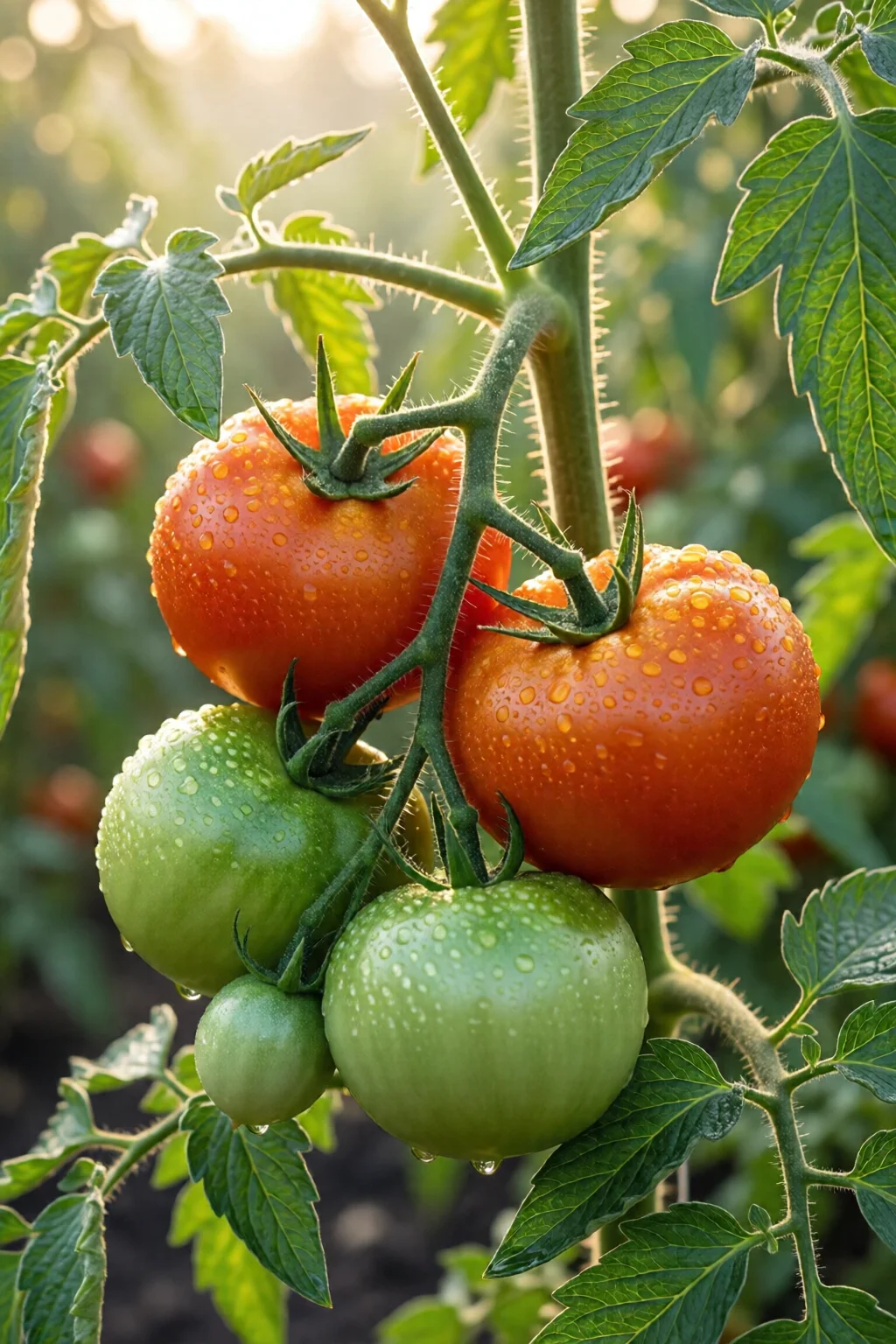
Imagine biting into a sun‑kissed, melt‑in‑your‑mouth tomato that your grandparents grew in the backyard—rich, complex flavor that no supermarket can match. In this guide you’ll learn exactly which heirloom tomato varieties to grow, how to start them from seed, and how to nurture them to a bountiful harvest that will make your kitchen and garden the envy of the neighborhood.
In This Article
- What You Will Need (Before You Start)
- Step 1 – Planning Your Heirloom Tomato Garden
- Step 2 – Starting Seeds Indoors
- Step 3 – Hardening Off and Transplanting
- Step 4 – Ongoing Care and Feeding
- Step 5 – Harvesting and Storing
- Common Mistakes to Avoid
- Troubleshooting and Tips for Best Results
- Summary
- Related Resources
What You Will Need (Before You Start)
Gather these items before you dig in. Having everything on hand saves trips to the garden center and keeps the planting schedule smooth.
- Heirloom tomato seeds or starter plants – I recommend Johnny’s Selected Seeds “Cherokee Purple” ($3.99 per packet, 25 seeds) and Burpee “Green Zebra” ($2.79 per packet, 30 seeds). Both are disease‑resistant and produce abundant fruit.
- High‑quality seed‑starting mix – Espoma Organic Seed Starter (4 qt, $5.99) works wonders for germination.
- Seed trays or biodegradable peat pots – Jiffy 72‑Cell Peat Starter Plugs ($4.49 a pack).
- Grow lights – a 600 W LED panel from Viparspectra (~$79) provides the 14‑hour photoperiod seedlings love.
- Transplanting tools – a 2‑inch hand trowel ($6.99) and a 3‑inch dibber ($4.25).
- Organic fertilizer – FoxFarm Happy Frog (1 lb, $9.95) for feeding after the first true leaf.
- Staking system – sturdy Tomato Cage (12‑inch, $3.49 each) or Garden Tutor stakes ($2.95 per 5‑ft piece).
- Mulch – shredded bark (2 cu ft, $12) to conserve moisture and suppress weeds.
- Watering can or drip‑irrigation kit – Rain Bird Drip Kit (4‑zone, $49.99) for consistent moisture.
Make sure you have a sunny spot with at least 6‑8 hours of direct sunlight or a grow‑light setup that can deliver 4000 lux.
Step 1 – Planning Your Heirloom Tomato Garden
First, decide which heirloom tomato varieties to grow. I like to choose a mix of colors, shapes, and maturity dates to extend the harvest window.
Early‑season (60‑70 days): “Stupice” (red, 2 lb fruit, $2.49 per packet) and “Sungold” (golden orange, 1.5 lb, $3.99).
Mid‑season (75‑85 days): “Brandywine” (large pink beefsteak, 12‑15 lb per plant, $4.99) and “Green Zebra” (zesty green‑striped, 2‑3 lb, $2.79).
Late‑season (90‑100 days): “Cherokee Purple” (deep purple, 8‑10 lb) and “Black Krim” (rich, 6‑8 lb, $3.49).
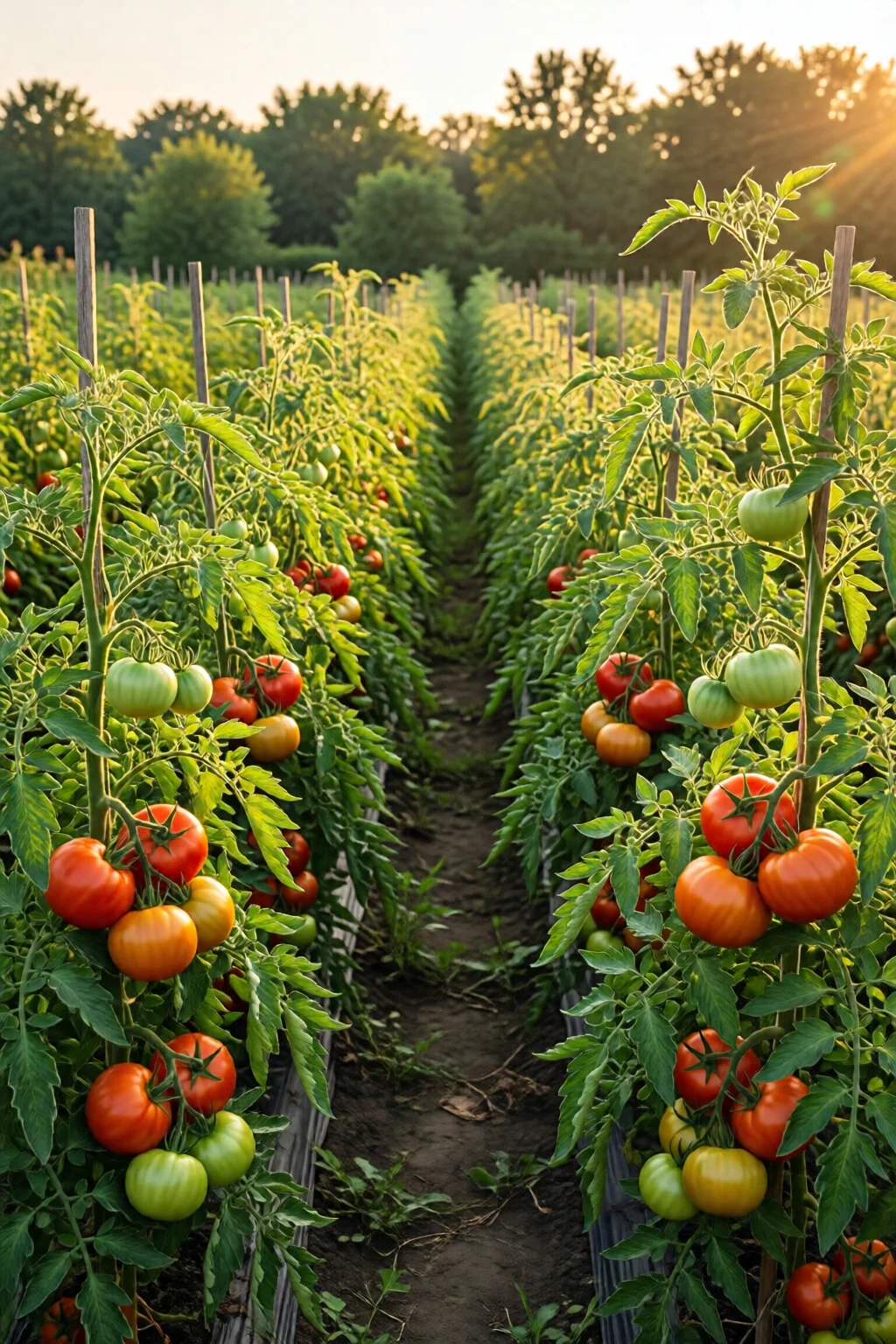
Map out rows 24‑36 inches apart and space each plant 18‑24 inches within the row. This spacing ensures good air flow, reducing fungal pressure—a mistake I see often when gardeners crowd seedlings.
Step 2 – Starting Seeds Indoors
Fill your seed trays with the Espoma mix, press lightly, then sow seeds ¼ inch deep. Water gently using a mist sprayer.
Place trays under the Viparspectra LED panel at a 12‑inch height. Keep temperature at 70‑75 °F (21‑24 °C). Seeds should germinate in 5‑10 days.
Once seedlings emerge, thin to one plant per cell. When the first true leaf appears, feed with a half‑strength FoxFarm Happy Frog solution (1 tsp per gallon).
After 4‑5 weeks, when seedlings have 4‑5 true leaves and night temperatures stay above 55 °F, they’re ready for hardening off.
Step 3 – Hardening Off and Transplanting
Begin hardening off by moving seedlings to a partially shaded porch for 2 hours, then gradually increase exposure by 2 hours each day over a week. This reduces transplant shock.
Prepare the garden bed: work in 2‑inch of compost (e.g., Miracle-Gro All Purpose, $7 per 5‑lb bag) and a handful of bone meal for calcium (prevents blossom‑end rot). Dig holes ¼ inch deeper than the root ball.
Set each plant deep, burying the stem up to the first set of true leaves—tomatoes love extra root contact. Water in a slow, steady stream to settle soil around the roots.
Immediately install a cage or stake. I favor the Garden Tutor stakes because they’re adjustable and can support 30‑lb vines without bending.
Step 4 – Ongoing Care and Feeding
Water consistently: 1‑1.5 inches per week, more during hot spells. Drip irrigation saves water and keeps foliage dry, cutting down disease pressure.
Fertilize every 2‑3 weeks with a balanced organic fertilizer (10‑10‑10). For fruit set, switch to a high‑potassium formula like Espoma Tomato-tone (4‑6‑8, $6.99 per 5‑lb bag).
Prune suckers once the plant reaches 24‑30 inches tall. Remove any yellowing leaves promptly to improve air circulation.
Step 5 – Harvesting and Storing
Harvest when fruits are fully colored and slightly soft to the touch. For “Brandywine,” this means a deep pink hue and a gentle give when squeezed.
Pick in the morning after the dew dries; this preserves flavor. Store tomatoes at room temperature for up to a week, or refrigerate ripe fruit for longer storage (use within 5 days to avoid loss of aroma).
Common Mistakes to Avoid
- Over‑watering: soggy soil leads to root rot. Use a moisture meter; aim for a reading of 30‑40 %.
- Planting too close: reduces airflow, invites blight. Keep the 24‑inch spacing.
- Skipping the hardening off: results in wilted plants and stunted growth.
- Using high‑nitrogen fertilizer during fruiting: promotes foliage over fruit. Switch to potassium‑rich feeds after first flower set.
- Neglecting support: heavy vines can snap. Install cages at planting time.
Troubleshooting and Tips for Best Results
Blossom‑end rot appears as a dark, sunken spot at the fruit’s bottom. It’s a calcium deficiency often caused by irregular watering. Mulch heavily and water evenly.
Fusarium wilt shows wilting leaves and yellowing. Rotate crops annually and choose resistant varieties like “Cherokee Purple” and “Green Zebra.”
Fruit cracking occurs when rain after a dry spell causes rapid expansion. Apply a thin layer of calcium nitrate (1 tsp per 10 gal water) as a preventative.
For extra flavor, feed a light tea of compost extract once a month. In my experience, “Sungold” becomes noticeably sweeter after a single feeding in mid‑summer.
Summary
Choosing the right heirloom tomato varieties to grow, starting them properly, and providing consistent care will reward you with a vibrant, diverse harvest. From early “Stupice” to late “Black Krim,” each variety brings its own color, taste, and story to the table. Follow the step‑by‑step plan, avoid the common pitfalls, and enjoy the garden-to‑plate experience that only heirloom tomatoes can deliver.
Related Resources
Plan your entire garden with our spring vegetable garden planting schedule. If you’re curious about other crops, check out how to grow sweet potatoes at home, grow pumpkins in backyard, get creative with fairy garden ideas for outdoors, or explore ornamental grass varieties and care.
Which heirloom tomato is best for beginners?
“Stupice” is an excellent starter because it matures in just 60 days, is disease‑resistant, and produces a high yield of small, flavorful fruits.
How far apart should I space heirloom tomato plants?
Space plants 18‑24 inches within the row and keep rows 24‑36 inches apart to ensure good air circulation and reduce disease risk.
Do I need to fertilize heirloom tomatoes differently than hybrids?
Yes. Start with a balanced organic fertilizer (10‑10‑10) for vegetative growth, then switch to a potassium‑rich formula (e.g., 4‑6‑8) once fruit sets to promote flavor and size.
What is the most common disease for heirloom tomatoes and how can I prevent it?
Early blight is common. Prevent it by providing adequate spacing, watering at the base of the plant, and rotating crops each year. Resistant varieties like “Green Zebra” also help.
2 commentaires sur « Heirloom Tomato Varieties To Grow – Everything You Need to Know »