When you’re looking to create a gorgeous front yard that conserves water, reduces maintenance, and still makes a striking first impression, xeriscaping offers a smart, sustainable solution. By thoughtfully selecting drought‑tolerant plants, using clever hardscape techniques, and designing with the local climate in mind, you can transform a traditional lawn into a resilient landscape that thrives with minimal irrigation. This guide walks you through every step of planning, planting, and maintaining a front‑yard xeriscape that’s both beautiful and eco‑friendly, with expert tips you can apply right away.
Understanding Xeriscaping Basics
What is Xeriscaping?
Derived from the Greek word “xeros,” meaning dry, xeriscaping is a landscaping philosophy that emphasizes water efficiency. It involves choosing plants that naturally thrive in low‑moisture conditions, grouping them according to their water needs, and employing soil and mulching strategies that retain moisture. While the concept originated in arid regions, it’s perfectly adaptable to many U.S. climates—from the sun‑baked Southwest to the temperate zones of the Pacific Northwest—by tailoring plant choices to local rainfall patterns and soil types.
Benefits for Front Yards
A front‑yard xeriscape not only saves water and reduces utility bills, it also cuts down on mowing, fertilizing, and pesticide applications. The reduced maintenance frees up your weekends, while the use of native and adapted plants supports local pollinators, birds, and beneficial insects. Additionally, a well‑designed xeric front yard can boost curb appeal, increase property value, and showcase your commitment to sustainable living—a compelling message for visitors and neighbors alike.
Planning Your Front Yard Xeriscape
Soil Assessment and Improvement
Before planting, test your soil’s texture, pH, and organic matter content. Most xeric plants prefer well‑draining soil; heavy clay can hold excess water, leading to root rot. Amend dense soils with coarse sand, perlite, or finely crushed stone to improve drainage. Incorporating compost or well‑rotted manure adds nutrients without encouraging excessive water retention. A simple soil test kit from a local extension office can guide you on any necessary amendments, ensuring a healthy foundation for drought‑tolerant species.
Mapping Sunlight and Microclimates
Observe how sunlight moves across your front yard throughout the day. Identify full‑sun zones (six or more hours of direct light), partial shade, and areas that receive afternoon heat or wind. Microclimates often develop near walls, driveways, or large trees, influencing plant selection. Sketch a rough map marking these zones; this visual aid will help you place sun‑loving succulents in the brightest spots while reserving shade‑tolerant groundcovers for cooler, filtered‑light areas.
Choosing a Water‑Efficient Layout
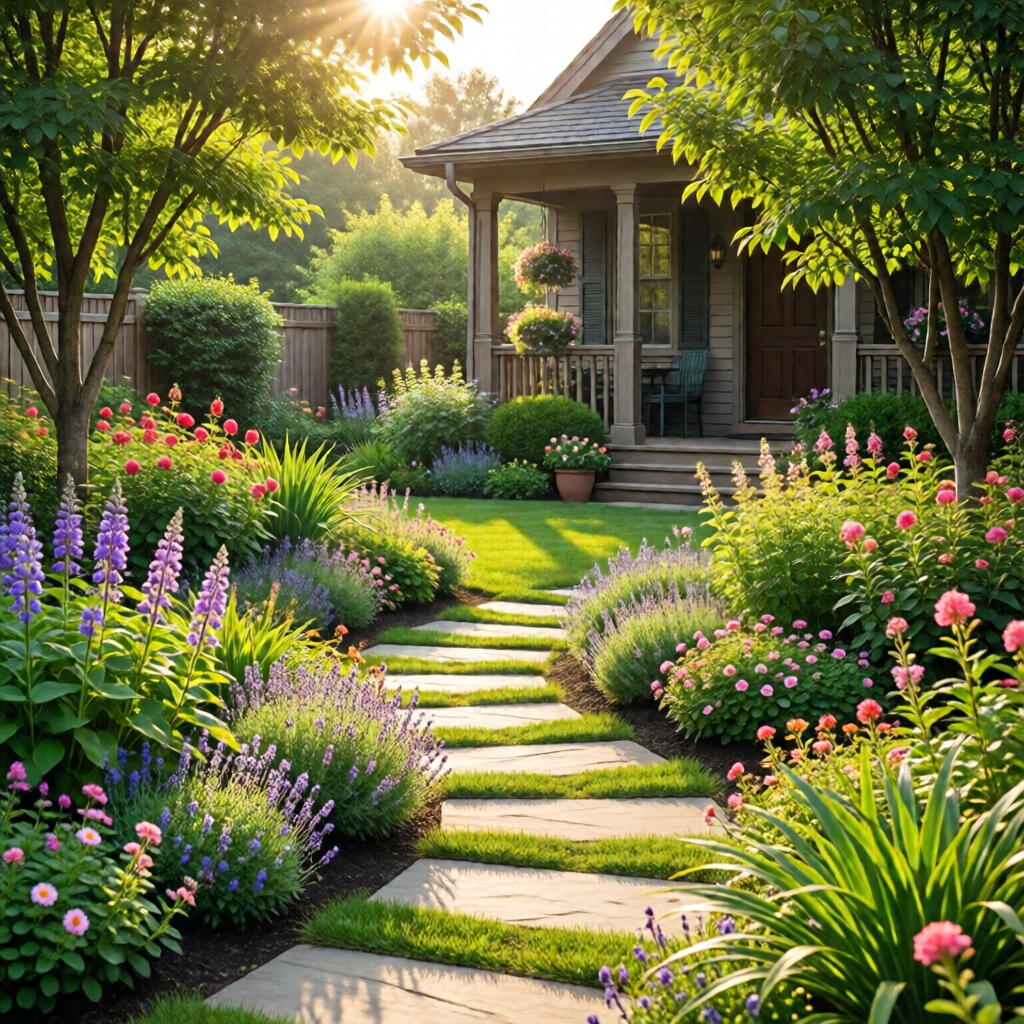
Design your layout to group plants with similar water needs together—a practice known as hydrozoning. This allows you to irrigate each zone precisely, avoiding over‑watering low‑need sections. Consider using curved pathways and planting beds that follow the natural flow of the land, which reduces runoff and maximizes water infiltration. Incorporating berms or low swales can capture rainwater, directing it toward plant roots and further enhancing water efficiency.
Plant Selection for a Drought‑Smart Front Yard
Native Grasses and Groundcovers
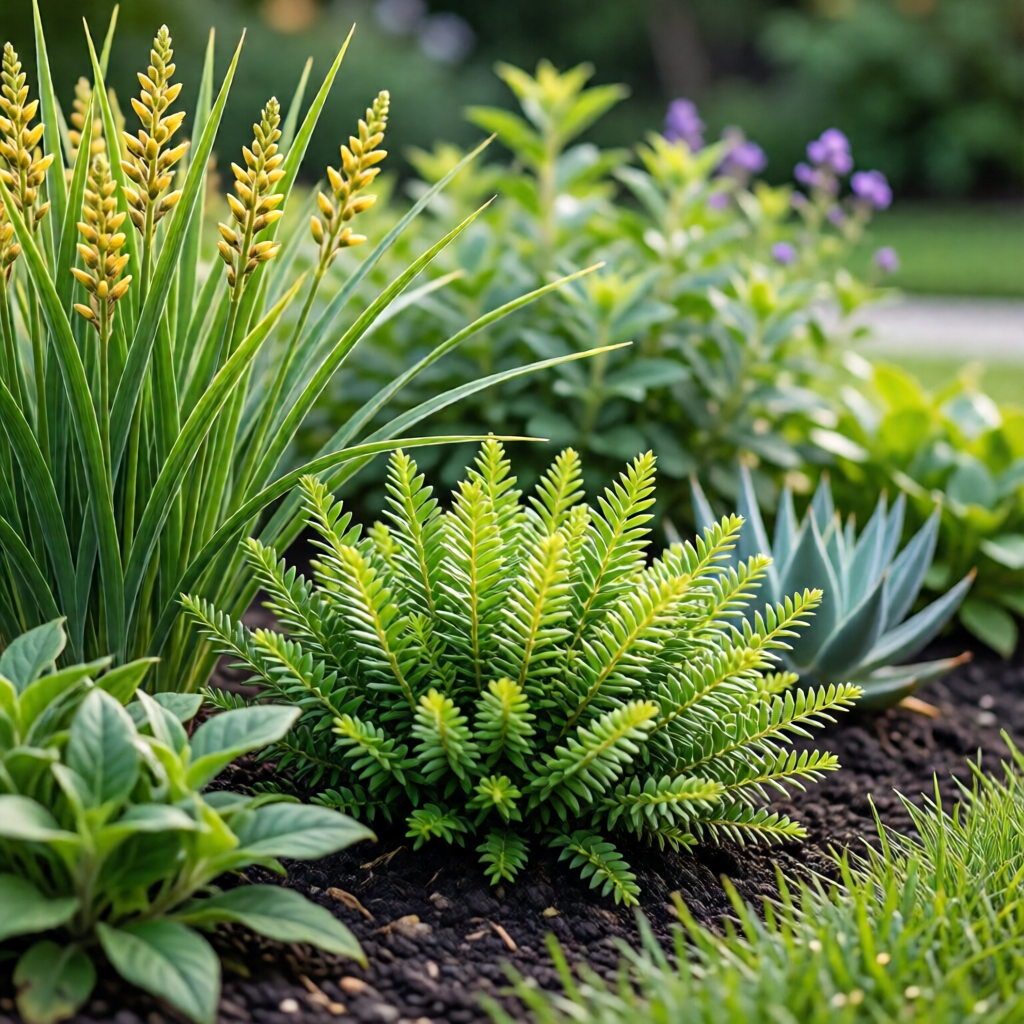
Native grasses such as Festuca californica (California fescue) or Poa pratensis (Kentucky bluegrass) provide texture without demanding frequent watering. Low‑lying groundcovers like Artemisia tridentata (big sagebrush) and Achillea millefolium (yarrow) spread quickly, suppress weeds, and add visual interest. Their deep root systems tap into moisture deeper in the soil, making them resilient during dry spells.
Succulents and Cacti
Succulents are xeriscape staples for their water‑storing leaves. Species such as Agave americana, Echeveria hybrids, and Opuntia (prickly pear) thrive in full sun and require minimal irrigation once established. Group them in clusters for a dramatic architectural look, and use ornamental varieties with varied colors and textures to create focal points along the front walkway.
Flowering Perennials and Shrubs
For seasonal color, choose perennials like Echinacea purpurea (purple coneflower), Salvia nemorosa (wood sage), and Rudbeckia fulgida (black-eyed Susan). These plants attract pollinators and are adapted to moderate water use. Drought‑tolerant shrubs such as Ceanothus (California lilac), Artemisia tridentata (sagebrush), and Juniperus (juniper) provide year‑round structure and can be pruned into elegant shapes.
Ornamental Grasses and Bunchflowers
Ornamental grasses like Pennisetum setaceum (fountain grass) and Muhlenbergia capillaris (pink muhly) add movement and soft texture. Bunchflower varieties, including Liatris spicata (blazing star) and Coreopsis verticillata (threadleaf coreopsis), create vertical spikes of color that contrast beautifully with low‑lying succulents. These selections are low‑maintenance, drought‑resistant, and provide visual interest throughout multiple seasons.
Hardscape Elements that Enhance Xeriscape
Gravel, Stone, and Decomposed Granite Paths
Replacing traditional grass or paved sidewalks with permeable surfaces such as river rock, pea gravel, or decomposed granite reduces water runoff and allows rainwater to soak into the soil. These materials also create a tactile, natural aesthetic that complements drought‑tolerant planting. Use edging stones or metal borders to define pathways and keep the stone beds tidy.
Mulch Choices for Moisture Retention
Mulching is a critical water‑saving technique. Organic mulches like shredded bark or pine needles break down slowly, enriching the soil while conserving moisture. Inorganic options, such as crushed lava rock or rubber mulch, are long‑lasting and resist decomposition, making them ideal for high‑traffic front‑yard areas. Aim for a 2‑ to 4‑inch mulch layer, ensuring it stays away from plant stems to prevent rot.
Water Features that Save Water
While a water‑wise garden might seem counterintuitive, small, recirculating fountains or a shallow reflecting pool can add a sense of coolness and attract wildlife without excessive water use. Choose solar‑powered pumps and line the basin with a waterproof membrane to minimize evaporation. Position the feature near shade‑producing elements to further reduce water loss.
Maintenance Practices for a Thriving Front Yard
Efficient Irrigation Strategies
Install a drip‑irrigation system with zone controls that match your hydrozoned planting plan. Use soil moisture sensors or smart controllers that adjust watering based on weather conditions and real‑time soil data. Early morning watering minimizes evaporation and allows foliage to dry before nightfall, reducing disease risk.
Seasonal Pruning and Clean‑up
In late winter, trim back dead or diseased wood from shrubs and remove any lingering foliage from the previous season. This promotes vigorous new growth and improves air circulation. After the first frost, clear fallen leaves and debris to prevent mold buildup, especially around mulched beds.
Monitoring Soil Moisture and Adjusting
Regularly check soil moisture with a simple probe or a moisture meter. If the top inch of soil feels dry, it’s time to water; however, deeper roots mean you can often let the soil dry out between applications. Adjust watering frequency during heatwaves or rainy periods to avoid over‑watering, which can be just as harmful as drought stress.
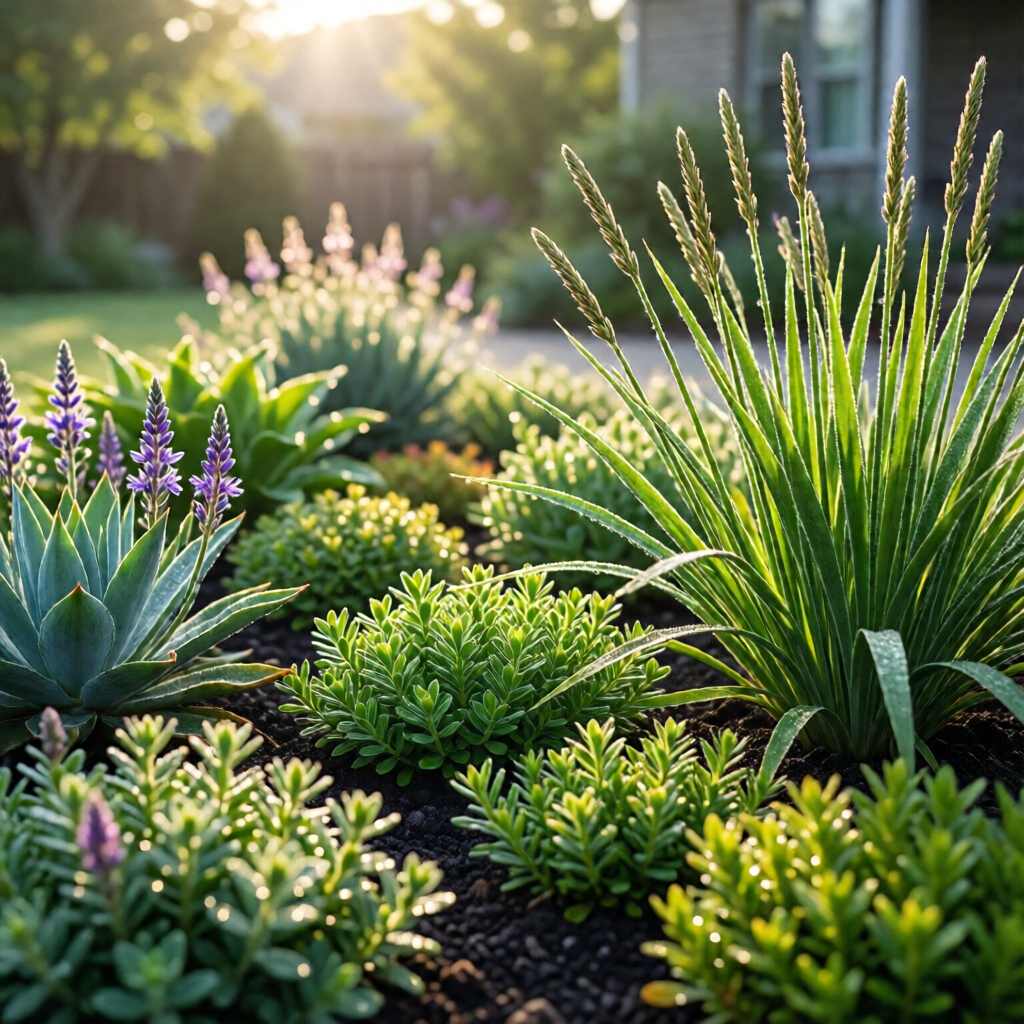
Bringing It All Together: Sample Front Yard Xeriscape Design
Below is a step‑by‑step plan you can adapt to most suburban front yards:
- Assess the site. Conduct a soil test, map sun exposure, and note existing hardscape.
- Sketch a layout. Divide the area into three hydrozones: high‑water‑need (near the street for visual impact), moderate, and low‑water‑need (farther from the house).
- Install hardscape. Lay a decomposed‑granite path from the sidewalk to the front door, bordered with river rock. Add a small recirculating fountain set against a shaded wall.
- Apply mulch. Spread a 3‑inch layer of shredded bark in planting beds, keeping mulch away from plant crowns.
- Plant the zones.
- High‑water zone: Mix Echinacea, Salvia, and Rudbeckia for color, with a low‑maintenance Ceanothus shrub as a backdrop.
- Moderate‑water zone: Use Agave clusters, Yucca filamentosa, and Pennisetum for texture.
- Low‑water zone: Plant Artemisia groundcover, Juniperus low shrubs, and a border of Liatris spikes.
- Install irrigation. Set up a drip system with three zones, each timed to the needs of the plants within.
- Finish with finishing touches. Add a few decorative stones, a weather‑resistant sign, and a few native wildflowers from wildflower garden ideas to attract pollinators.
By following this blueprint, you’ll create a front yard that looks polished, conserves water, and thrives with minimal upkeep. Remember, xeriscaping is an evolving practice—monitor plant performance, make adjustments, and let the landscape mature naturally.
For more inspiration, explore our fairy garden ideas for outdoors to add whimsical elements, or check out shade garden ideas if part of your front yard receives limited sun. If you’re also growing vegetables nearby, our organic gardening tips for vegetables and spring vegetable garden planting schedule can help you integrate edible beds into your xeriscape design.
What are the best drought‑tolerant plants for a sunny front yard?
Top choices include succulents such as agave and echeveria, flowering perennials like coneflower and black‑eyed Susan, ornamental grasses such as fountain grass, and native shrubs like Ceanothus and juniper. These plants thrive in full sun and require minimal irrigation once established.
How can I reduce water usage with hardscape features?
Use permeable materials such as gravel, decomposed granite, or river rock for pathways, install a drip‑irrigation system with moisture sensors, and incorporate mulches that retain soil moisture. Small recirculating water features powered by solar pumps also add visual interest without high water consumption.
Do I need a professional irrigation system for a front‑yard xeriscape?
While a basic drip system can be installed by a DIY enthusiast, a professional can help design a zoned layout that matches your hydrozones, integrate smart controllers, and ensure optimal water pressure. This investment can further reduce water waste and improve plant health.
How often should I water newly planted xeriscape plants?
During the first 2–4 weeks after planting, water deeply two to three times per week, allowing the soil to dry out between waterings. Once established, reduce frequency to once every 10–14 days, adjusting based on rainfall and temperature.
Can I incorporate edible plants into a xeriscape front yard?
Absolutely. Choose drought‑tolerant edibles such as rosemary, sage, thyme, and certain varieties of kale or lettuce. Pair them with ornamental succulents and use mulches to retain moisture. Refer to our organic gardening tips for vegetables for more guidance.