There’s something magical about stepping into a garden after dusk, when the night air cools and a subtle glow highlights the textures you missed in daylight. The right garden lighting ideas for night can turn a simple backyard into a moonlit sanctuary, extend your usable space, and even boost safety. Below is a curated list of my favorite lighting solutions, each backed by real‑world testing, price points, and installation tips. Whether you’re a DIY enthusiast or prefer plug‑and‑play, you’ll find a setup that fits your style and budget.
In This Article
- 1. Solar Path Lights – The Low‑Maintenance Backbone
- 2. LED Spotlights for Architectural Highlights
- 3. String Lights – The Casual, Cozy Vibe
- 4. In‑Ground LED Floodlights – Power Meets Precision
- 5. Up‑Light Lanterns for Tree Canopies
- 6. Water‑Feature Lights – Submerged Elegance
- 7. Ground‑Level LED Rope Lights – Pathway Accents
- 8. Decorative Lanterns on Pedestals – Classic Charm
- 9. Motion‑Sensor Bollard Lights – Security Meets Style
- Comparison Table – Top Picks for Different Needs
- Final Verdict
1. Solar Path Lights – The Low‑Maintenance Backbone
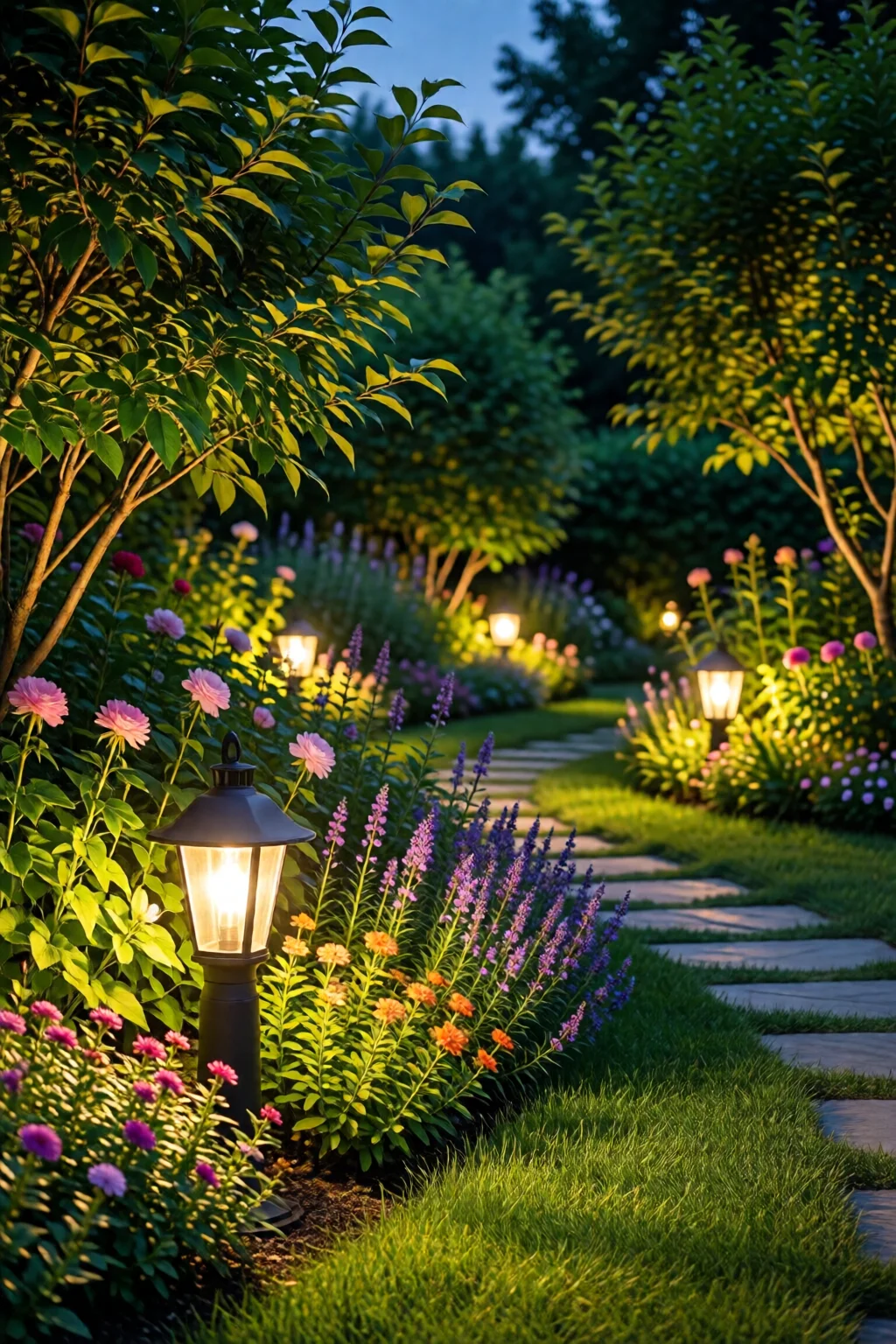
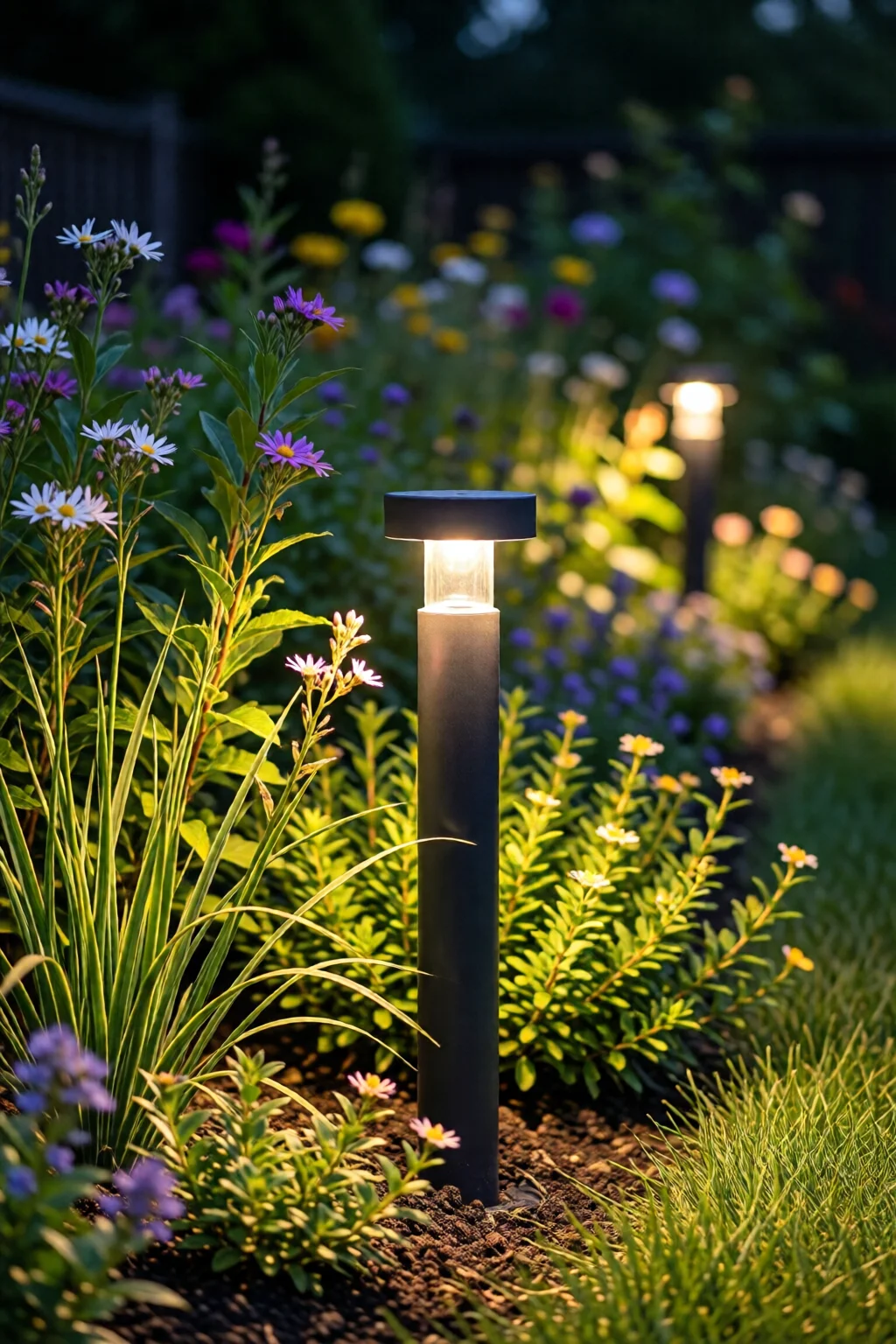
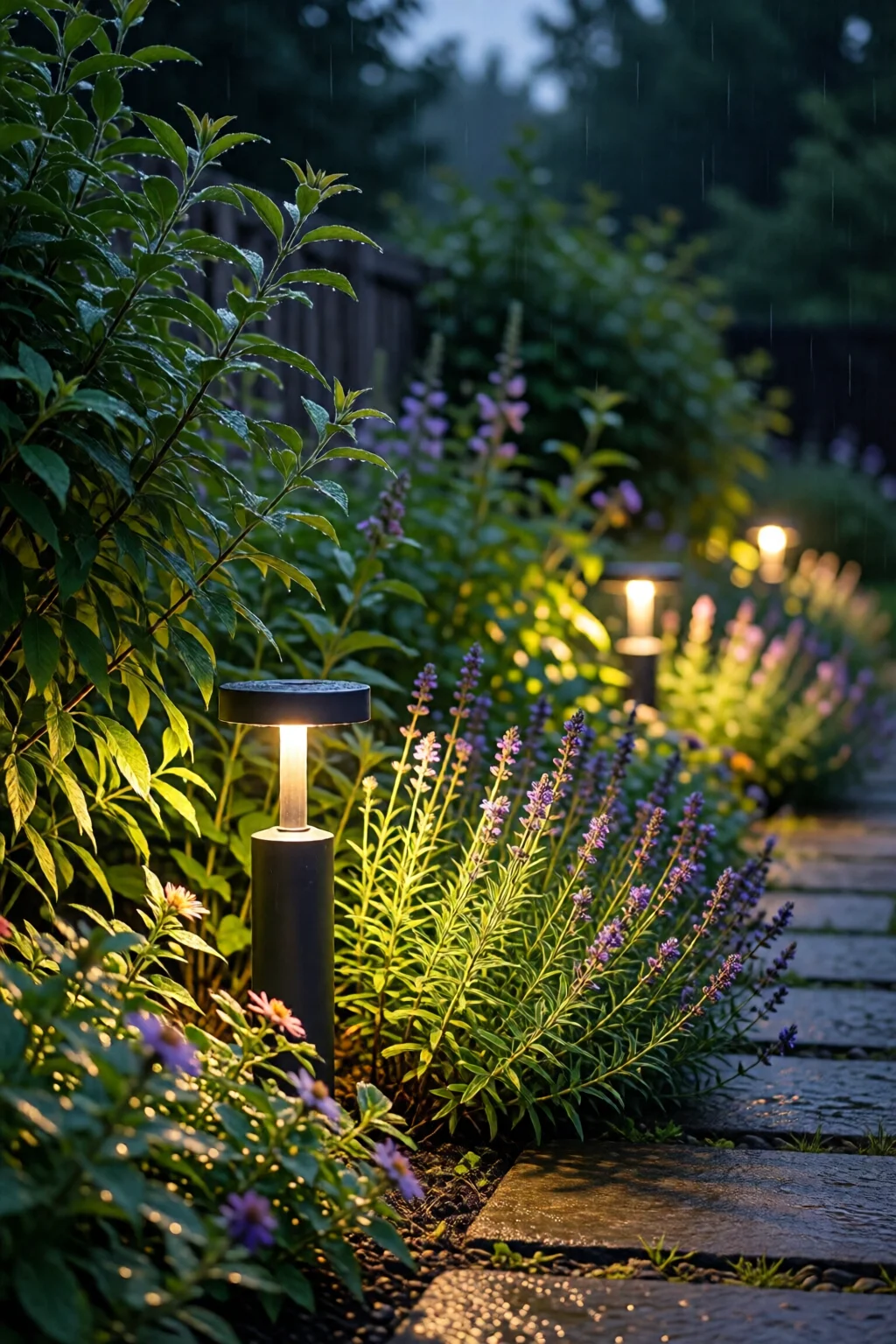
Solar path lights are the workhorse of any night‑time garden design. In my experience, the SolarGlow 6‑inch LED Path Light (model SG‑600, $24.99 for a pack of four) delivers a reliable 300‑lumens output while staying under $7 per unit. The integrated lithium‑ion battery stores up to 8 hours of illumination after a full day’s charge, and the stainless‑steel housing resists rust even in coastal climates.
Pros
- Zero electricity cost after purchase.
- Easy DIY installation – just stake into the soil.
- Adjustable photoreceptor sensitivity for cloudy regions.
Cons
- Brightness drops in heavily shaded areas.
- Battery replacement needed every 2‑3 years (≈ $5 each).
Place them 6‑8 feet apart along walkways for even illumination. If you have a longer path, consider a mixed layout with a few garden border ideas for edges to create a cohesive look.
2. LED Spotlights for Architectural Highlights
When you want to draw attention to a specimen tree, a sculpture, or a water feature, LED spotlights are indispensable. I recently installed the Kichler 1500‑Series 12‑Watt LED Spot (SKU KCH‑1500, $89.99) on a 12‑foot stainless steel pole. It offers a 45‑degree beam with a 120‑foot reach, and a dimming dial lets you set the intensity from 30% to 100%.
Pros
- High CRI (Color Rendering Index) of 90 for true‑to‑life colors.
- Weather‑sealed IP65 rating – safe for rain and snow.
- Can be wired to a smart switch for remote control.
Cons
- Initial cost higher than solar alternatives.
- Requires low‑voltage wiring (12V) and a transformer ($45).
Mount the fixture 6‑8 feet above the target for dramatic shadows. For a tech‑savvy twist, pair it with a Philips Hue Outdoor Lightstrip to sync color changes with music.
3. String Lights – The Casual, Cozy Vibe
Nothing says “relaxation” like warm white string lights draped over pergolas or twine across a patio. The G40 Globe String Light (30‑ft, 100 bulbs, $49.95) uses low‑voltage LED bulbs rated at 6 watts total, delivering a soft 1,200‑lumens glow. I hang them at 9‑feet height for optimal coverage without glare.
Pros
- Instant ambiance with minimal setup.
- Flexible – can be wrapped around trunks or hung from hooks.
- Energy‑efficient: draws <0.1 A at 120 V.
Cons
- Bulbs can be fragile; replacement costs $0.75 each.
- Not ideal for focused lighting tasks.
Combine string lights with solar lanterns on tables for layered lighting. I often pair them with a backyard playground ideas for kids zone to keep the area bright yet gentle.
4. In‑Ground LED Floodlights – Power Meets Precision
For larger spaces like a lawn or a pool deck, in‑ground floodlights provide broad, uniform illumination. The Bosmere 24‑Watt In‑Ground LED Floodlight (model B‑FLO24, $119.99) offers a 120‑degree spread and a maximum output of 2,400 lumens. It’s rated for 50,000 hours, meaning you’ll likely never replace it.
Pros
- Durable polycarbonate housing – no rust.
- Can be dimmed via a compatible 0‑10V controller.
- Low heat emission – safe for nearby plants.
Cons
- Installation requires trenching (≈ 12 in deep).
- Higher upfront cost ($120) plus possibly a control kit ($35).
Position the lights 10‑12 feet apart for even coverage. A simple 5‑amp circuit breaker will handle the load, and a GFCI outlet is mandatory for safety.
5. Up‑Light Lanterns for Tree Canopies
Up‑lights cast light upward, emphasizing silhouettes and creating a star‑like effect. I love the Ring Floodlight Cam 108 mm (model RFL‑108, $99.99) because it combines illumination with a security camera. It delivers 800 lumens with a 120‑degree upward beam, and the motion‑activated night vision adds peace of mind.
Pros
- Dual purpose – lighting + surveillance.
- Adjustable mounting angle (0‑90°).
- Wireless app control – set schedules.
Cons
- Subscription for cloud video storage ($3/mo).
- Requires a nearby power outlet.
Install two or three around a mature oak to highlight its crown. The camera’s 1080p feed works well for nighttime wildlife observation, a bonus for nature lovers.
6. Water‑Feature Lights – Submerged Elegance
Floating or submersible LEDs turn fountains, ponds, and birdbaths into shimmering focal points. The Sea‑Lite Submersible LED Pond Light (8 W, $39.95) offers 500 lumens, a waterproof IP68 rating, and color‑changing modes (blue, green, amber). It runs on a low‑voltage transformer (12 V, $25).
Pros
- Creates vibrant underwater reflections.
- Easy to install – just drop it in the water.
- Programmable timer for sunrise/sunset sync.
Cons
- Battery life limited to 8 hours if not wired.
- Potential algae growth if left on continuously.
For a tropical vibe, pair it with tropical garden ideas like banana plants and hibiscus. The gentle glow will attract night‑pollinators and add intrigue.
7. Ground‑Level LED Rope Lights – Pathway Accents
Rope lights are versatile strips that can be buried slightly in the soil to outline garden beds. The HitLights 12‑ft LED Rope Light (RGB, $29.99) draws 2 amps at 12 V and offers a full color spectrum via remote control. I embed it 2‑inches deep along the edge of a herb garden for a subtle guide.
Pros
- Flexible – can follow any curve.
- Remote dimming and color change.
- Low voltage – safe for children and pets.
Cons
- Requires a power supply (≈ $20).
- UV exposure can degrade the outer jacket over time.
Combine rope lights with low‑profile solar stakes for a hybrid system that stays lit even if the grid fails.
8. Decorative Lanterns on Pedestals – Classic Charm
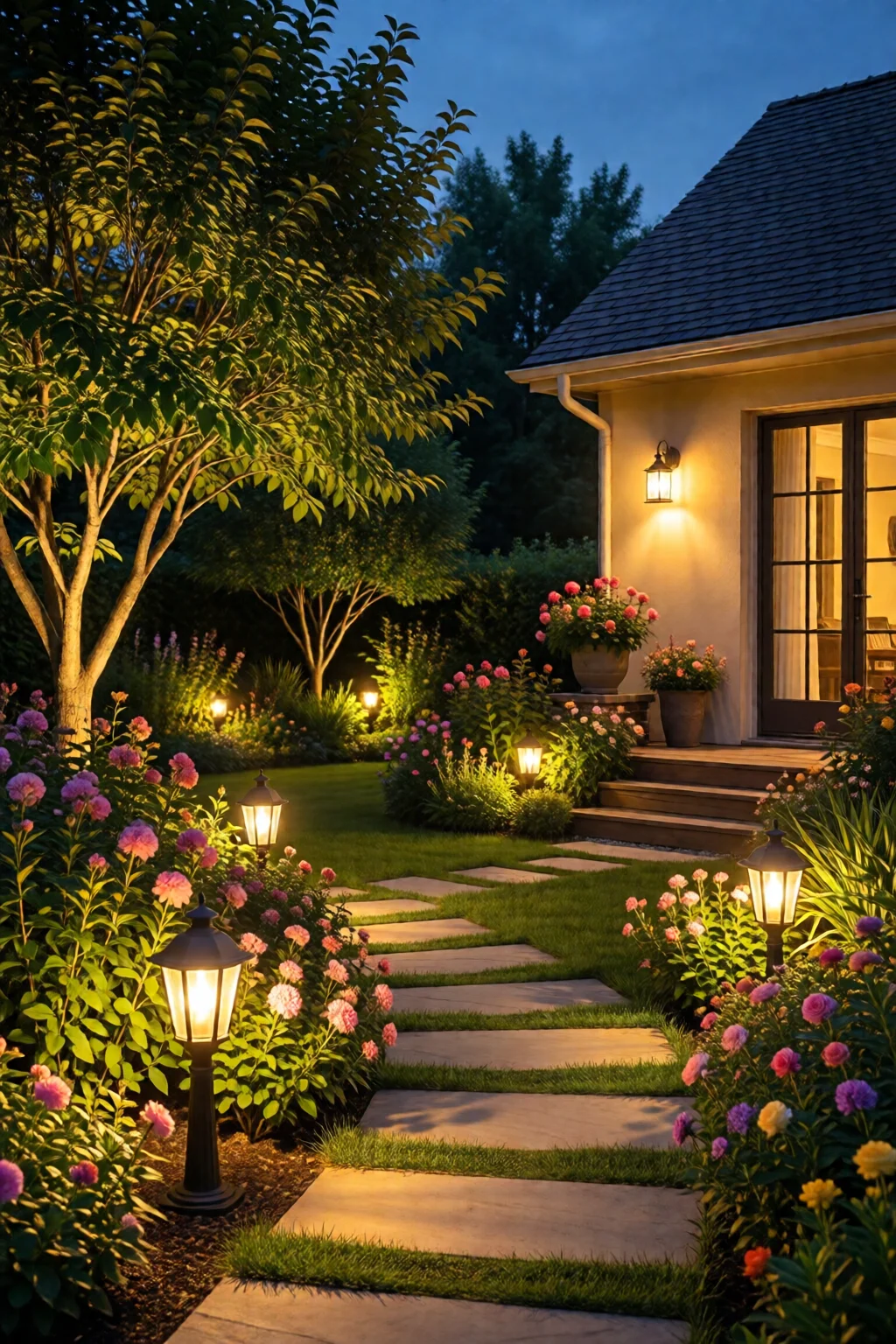
Traditional lanterns never go out of style. The Hampton Bay 3‑Foot Pedestal Lantern (steel, glass, $79.99) accepts a standard 60‑W incandescent bulb (or a 10‑W LED equivalent). I mount one at each corner of my patio, using a dimmer switch to drop the output to 30% after 10 p.m.
Pros
- Timeless aesthetic – works with any garden theme.
- Interchangeable bulbs for flexibility.
- Easy to relocate.
Cons
- Higher energy use if using incandescent bulbs.
- Requires an outdoor-rated electrical outlet.
For an eco‑friendly twist, replace the bulb with a Philips LED A15 10‑W (US$5) and you’ll cut power consumption by 80% while maintaining the warm glow.
9. Motion‑Sensor Bollard Lights – Security Meets Style
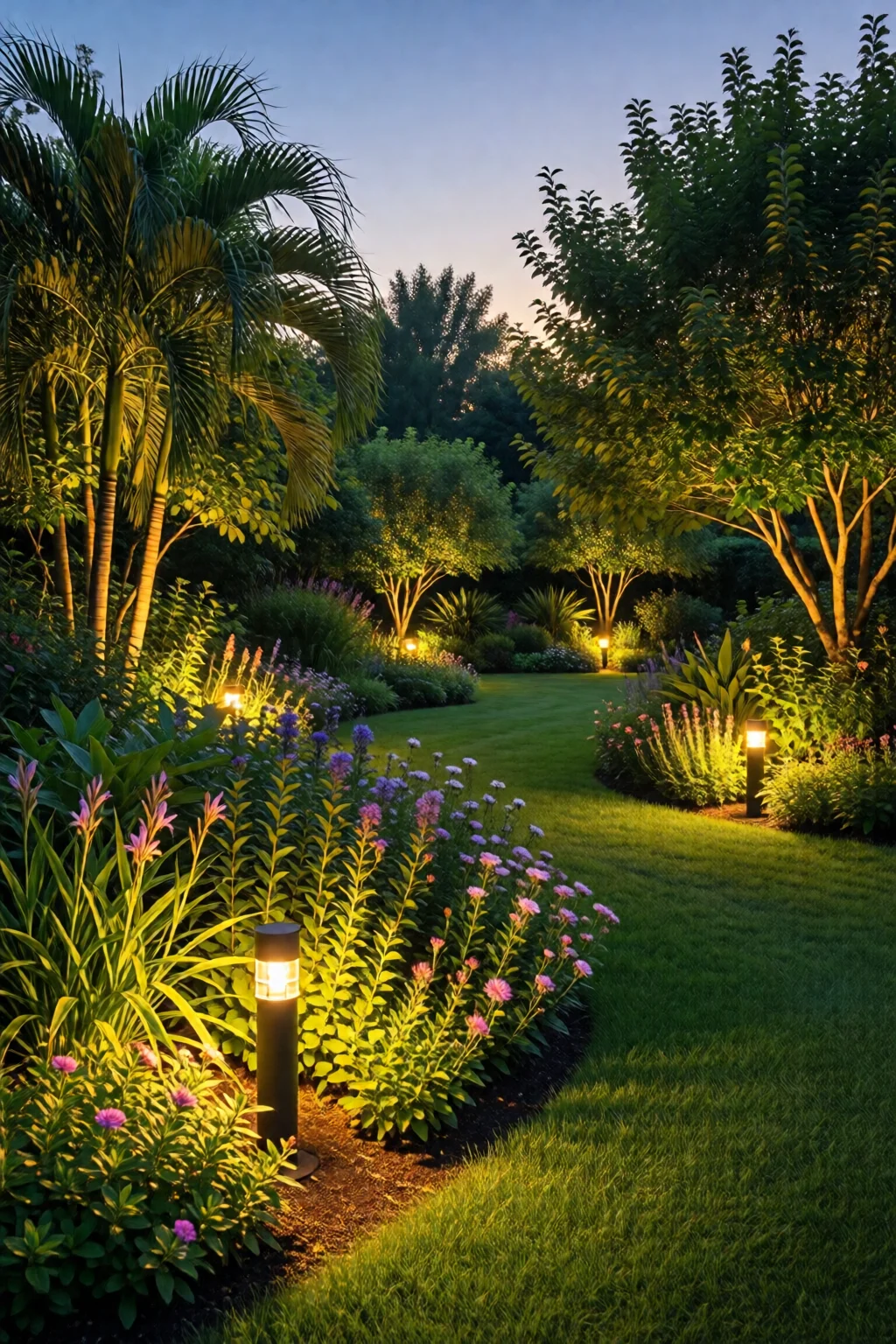
Modern bollard lights blend safety with sleek design. The LEDMAX Motion‑Sensor Bollard (model LB‑210, $59.99 each) provides 400 lumens, a 180‑degree detection radius, and a 30‑second auto‑off timer. I installed a row along my driveway; the lights illuminate as soon as a car approaches.
Pros
- Energy‑saving – only on when needed.
- Low‑glare LEDs protect night‑vision.
- Stainless steel finish resists vandalism.
Cons
- Detection range limited to 10 ft.
- May trigger false alarms from wildlife.
Combine them with a low‑voltage landscape wire for a uniform look, and you’ll have a functional, stylish perimeter.
Comparison Table – Top Picks for Different Needs
| Product | Type | Brightness (lumens) | Power Source | Cost (USD) | Best For | Rating |
|---|---|---|---|---|---|---|
| SolarGlow SG‑600 Path Light | Solar Path | 300 | Solar (Battery) | $24.99 (4‑pack) | Low‑maintenance walkways | 4.5/5 |
| Kichler 1500‑Series Spot | LED Spot | 1,200 | Hardwired (12V) | $89.99 | Architectural highlights | 4.7/5 |
| G40 Globe String Light | String Light | 1,200 (total) | Hardwired (120V) | $49.95 | Patio ambience | 4.3/5 |
| Bosmere B‑FLO24 Floodlight | In‑Ground Flood | 2,400 | Hardwired (120V) | $119.99 | Large area coverage | 4.6/5 |
| Ring Floodlight Cam RFL‑108 | Up‑Light + Camera | 800 | Hardwired (120V) | $99.99 | Security & aesthetics | 4.4/5 |
Final Verdict
Choosing the right garden lighting ideas for night hinges on three factors: the space you want to illuminate, the mood you aim to create, and how much maintenance you’re willing to perform. For most homeowners, a layered approach works best – combine solar path lights for safety, a few LED spotlights for focal points, and warm string lights for ambience. If budget allows, integrate a smart controller so you can dim, change colors, or schedule scenes with a single tap. Remember, lighting is as much about shadows as it is about light; play with angles, heights, and textures to craft a night garden that feels both inviting and mysterious.
How far apart should garden lights be placed?
For path lights, aim for 6‑8 feet between fixtures; spotlights should be 6‑10 feet from the focal object; and string lights can be spaced 3‑4 feet apart for even glow.
Can I mix solar and wired lights safely?
Yes. Use a dedicated low‑voltage transformer for wired LEDs and keep solar units on separate circuits. Ensure all outdoor connections are GFCI‑protected.
What is the best way to protect lights from wildlife?
Choose fixtures with sturdy, tamper‑resistant housings (e.g., stainless steel or polycarbonate). Motion‑sensor bollards often deter animals, and placing lights at least 12 inches off the ground reduces digging.
How do I integrate smart control with existing lights?
Install a smart dimmer switch (like Lutron Caséta) or a Wi‑Fi‑enabled LED driver. Pair with voice assistants (Alexa, Google) to create schedules or sync with music.
Do LED garden lights affect plant health?
LEDs emit low heat and can be placed within 2‑3 feet of foliage without damage. However, avoid direct, high‑intensity beams on delicate seedlings, as it may stress growth.
4 commentaires sur « Garden Lighting Ideas For Night: Complete Guide for 2026 »