Keeping a leafy friend at home doesn’t have to mean giving your cat a toxic snack. When you choose the right pet safe indoor plants for cats, you get fresh air, a dash of green, and peace of mind that your whiskered companion won’t suffer a stomach upset or worse. Below is my seasoned guide to the best cat‑friendly houseplants, complete with care tips, price points, and a quick‑look comparison table.
In This Article
- 1. Spider Plant (Chlorophytum comosum)
- 2. Boston Fern (Nephrolepis exaltata)
- 3. Areca Palm (Dypsis lutescens)
- 4. Calathea (Calathea spp.)
- 5. Parlor Palm (Chamaedorea elegans)
- 6. Prayer Plant (Maranta leuconeura)
- 7. Haworthia (Haworthia fasciata)
- 8. Peperomia (Peperomia obtusifolia)
- 9. Baby Rubber Plant (Peperomia ‘Baby Rubber’)
- 10. Orchid (Phalaenopsis spp.)
- Quick Comparison Table
- Final Verdict
As a professional landscaper and longtime cat owner, I’ve tested dozens of varieties on my own living room jungle. One mistake I see often is buying a gorgeous plant without checking its toxicity list—only to discover a curious cat has turned the décor into a vet visit. This list saves you from that costly error while still letting you enjoy the benefits of indoor greenery.
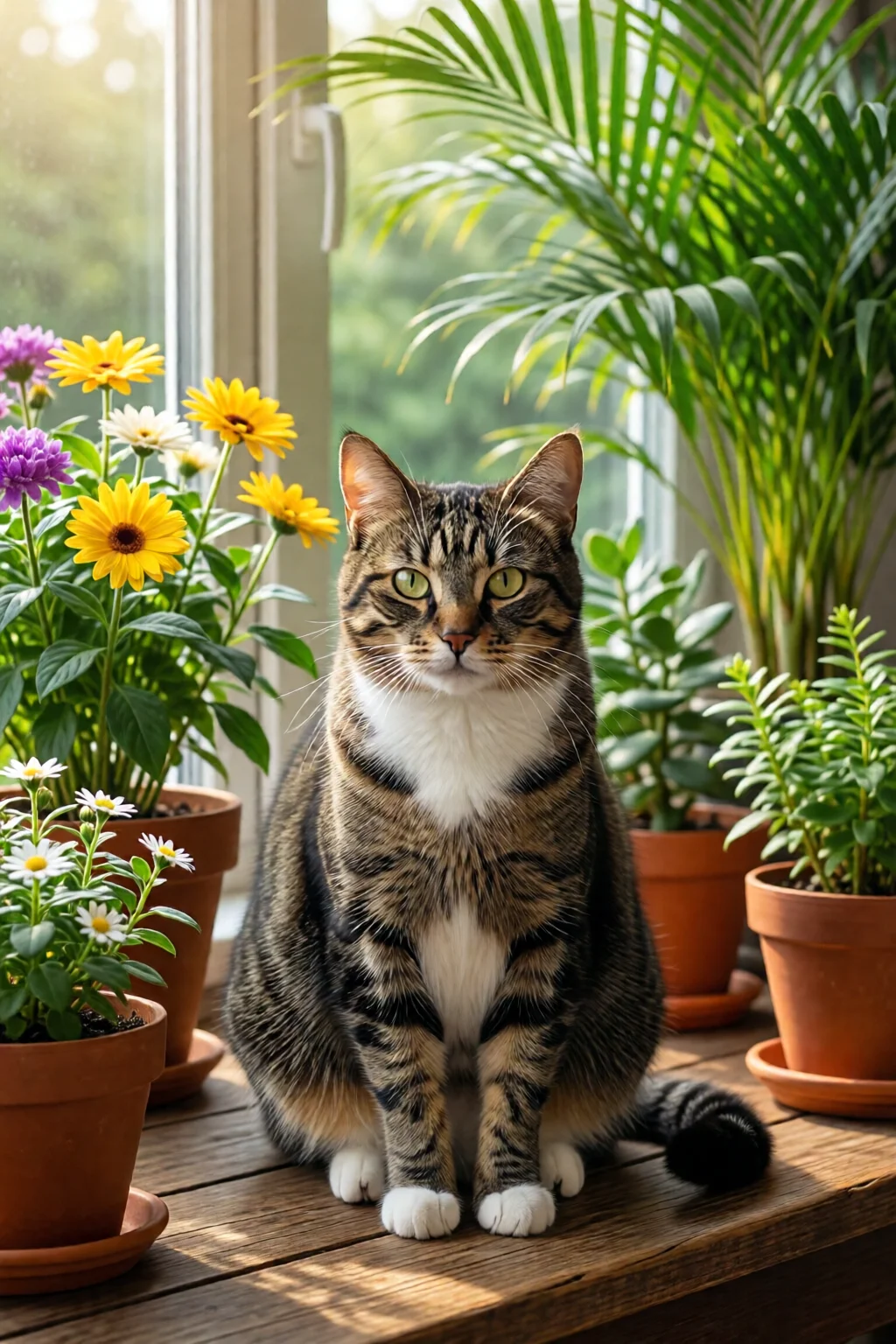
1. Spider Plant (Chlorophytum comosum)
The spider plant is a classic for a reason: it’s virtually indestructible, thrives in low to bright indirect light, and, most importantly, is completely non‑toxic to cats.
Why cats love it
- Long, arching leaves look like cat toys, encouraging gentle nibbling.
- Produces “babies” (plantlets) that cats love to chase.
Care basics
- Water once a week; let the soil dry out between watering.
- Fertilize monthly with a balanced 20‑20‑20 liquid feed.
- Ideal pot size: 6‑8 inches diameter; a 4‑inch pot costs about $12.99 from The Sill.
Pros & Cons
| Pros | Cons |
|---|---|
| Fast growth (new shoots every 2‑3 weeks) | Can become invasive if plantlets are not trimmed |
| Purifies indoor air (removes formaldehyde) | Leaves may develop brown tips in dry air |
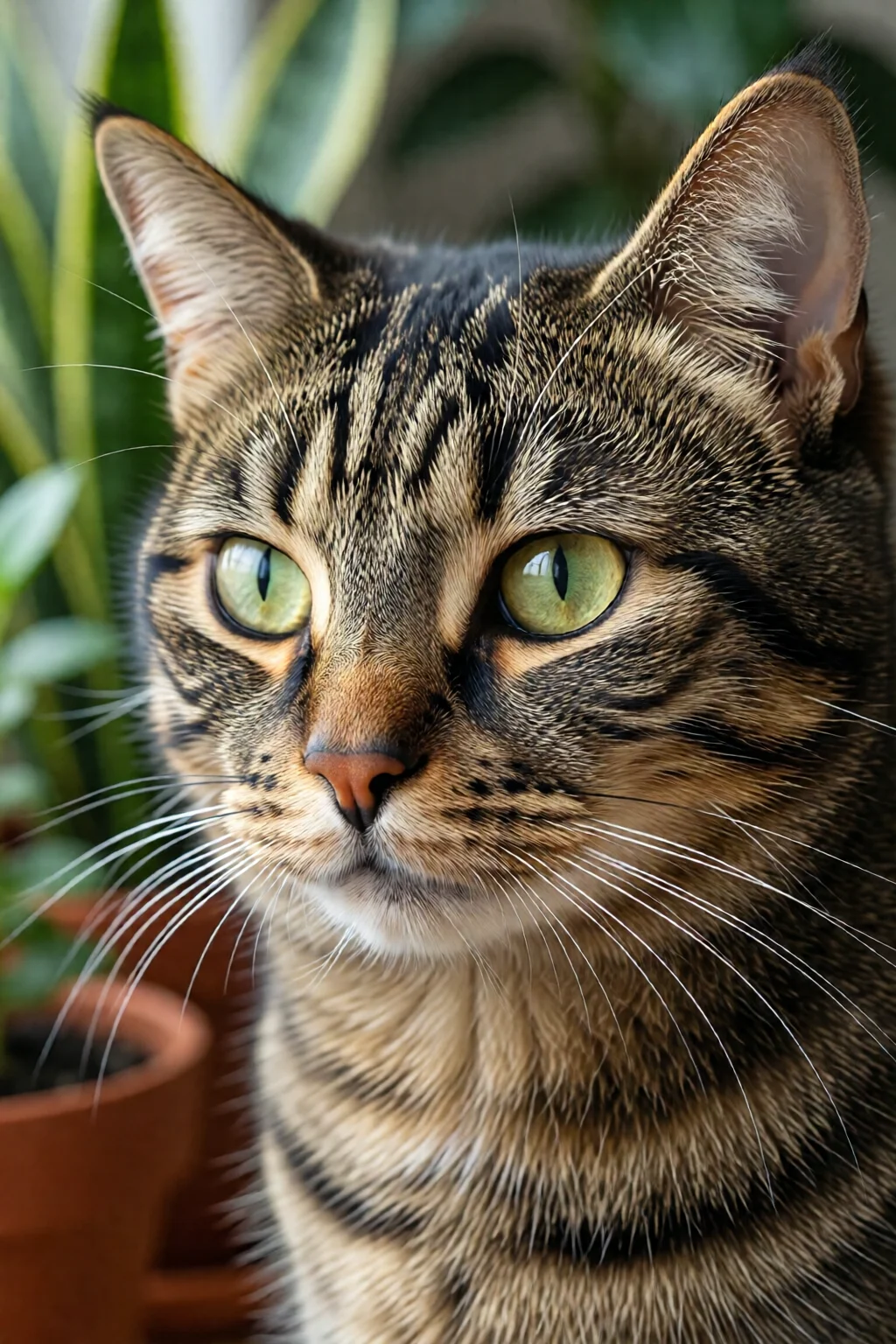
2. Boston Fern (Nephrolepis exaltata)
Boston ferns love humidity—perfect for bathrooms or kitchens where cats often lounge.
Key features
- Feathery fronds add texture without any toxic compounds.
- Can grow up to 3 ft tall, creating a lush backdrop.
Care tips
- Keep soil consistently moist; mist daily in dry climates.
- Use a peat‑free potting mix; a 12‑inch pot from Costa Farms runs $24.95.
- Fertilize every 6 weeks with a fern‑specific NPK 10‑10‑10.
Pros & Cons
| Pros | Cons |
|---|---|
| Excellent at reducing indoor pollutants (up to 30 % lower VOCs) | Requires higher humidity; may wilt in winter heating |
| Cat‑safe, even if they chew a frond | Sensitive to direct sunlight—leaf scorch in bright windows |
3. Areca Palm (Dypsis lutescens)
Also called the butterfly palm, the Areca adds a tropical vibe while staying safe for felines.
Size & Aesthetics
- Reaches 6‑7 ft indoors; each frond spans 2‑3 ft.
- Elegant feather‑like foliage, ideal for corner décor.
Maintenance
- Water weekly; increase frequency in summer.
- Thrives in bright, indirect light—place near an east‑facing window.
- Purchase a 14‑inch pot for $34.99 from Bloomscape.
Pros & Cons
| Pros | Cons |
|---|---|
| Adds up to 50 % more humidity to a room | Slow growth—takes 2‑3 years to reach full height |
| Non‑toxic to cats; they may use leaves as scratching posts | Prone to spider mites if air circulation is poor |
4. Calathea (Calathea spp.)
Known for its striking leaf patterns, Calathea is a visual treat that’s also feline‑friendly.
Popular varieties
- Calathea ‘Rattlesnake’ – dark green with silver veins.
- Calathea ‘Peacock’ – bright pinkish undersides.
Care essentials
- Keep soil slightly damp; avoid waterlogging.
- Prefers low to medium light; a north‑west window works well.
- Typical price: $22.50 for a 6‑inch pot from The Sill.
Pros & Cons
| Pros | Cons |
|---|---|
| Leaves fold up at night—fun for cats to watch | Highly sensitive to fluoride in tap water; use rain water |
| Non‑toxic, even if chewed | Leaf edges may brown if humidity drops below 50 % |
5. Parlor Palm (Chamaedorea elegans)
A compact palm that thrives in low light, making it ideal for apartments.
Dimensions & Cost
- Grows to 3‑4 ft tall; pot diameter 8‑10 in.
- Available at Home Depot for $19.99 per plant.
Care schedule
- Water when the top inch of soil feels dry—about every 10‑12 days.
- Fertilize with a slow‑release 14‑14‑14 granule every 3 months.
- Prefers indirect light; tolerates fluorescent office lighting.
Pros & Cons
| Pros | Cons |
|---|---|
| Safe for cats; can survive occasional nibbling | Leaves may yellow if over‑watered |
| Low light tolerance—great for rooms without windows | Slow growth—needs repotting every 2‑3 years |
6. Prayer Plant (Maranta leuconeura)
Named for its nightly leaf‑folding habit, the Prayer Plant adds movement to your indoor garden.
Key attributes
- Leaves display red veins and can be up to 8 in long.
- Highly adaptable to moderate humidity.
Maintenance tips
- Water when top 2 cm of soil dry; use filtered water to avoid leaf spots.
- Fertilize monthly with a balanced 20‑10‑20 formula.
- Purchase a 5‑inch pot for $18.00 from Bloomscape.
Pros & Cons
| Pros | Cons |
|---|---|
| Completely non‑toxic to cats | Leaves can curl if air is too dry |
| Compact size—fits shelves and desks | Sensitive to direct sunlight; may bleach |
7. Haworthia (Haworthia fasciata)
These succulent “zebra plants” are perfect for windowsills and safe for curious paws.
Size & Price
- Typically 3‑4 in tall; a 4‑in pot sells for $9.95 at Lowe’s.
- Slow‑growing—adds a subtle texture without crowding.
Care routine
- Water every 3‑4 weeks; allow soil to dry completely.
- Place in bright, indirect light; can tolerate some direct sun.
- Use cactus‑type potting mix to prevent root rot.
Pros & Cons
| Pros | Cons |
|---|---|
| Pet‑safe; cats rarely chew succulents but it’s harmless | Leaves may develop brown tips if over‑watered |
| Very low maintenance—ideal for busy owners | Limited visual impact compared to larger foliage |
8. Peperomia (Peperomia obtusifolia)
Peperomias are the unsung heroes of indoor gardening—compact, glossy, and cat‑friendly.
Details
- Leaves are thick, oval, and dark green, reaching 5 in across.
- Available in a 5‑inch pot for $16.00 from The Sill.
Care checklist
- Water when the soil surface feels dry—about every 2 weeks.
- Prefers medium to bright indirect light.
- Fertilize lightly (¼ strength) every 6 weeks.
Pros & Cons
| Pros | Cons |
|---|---|
| Non‑toxic; safe even if cats chew leaves | Can become leggy if light is insufficient |
| Excellent for small spaces—fits shelves and desks | Leaves may drop if temperature swings below 55 °F |
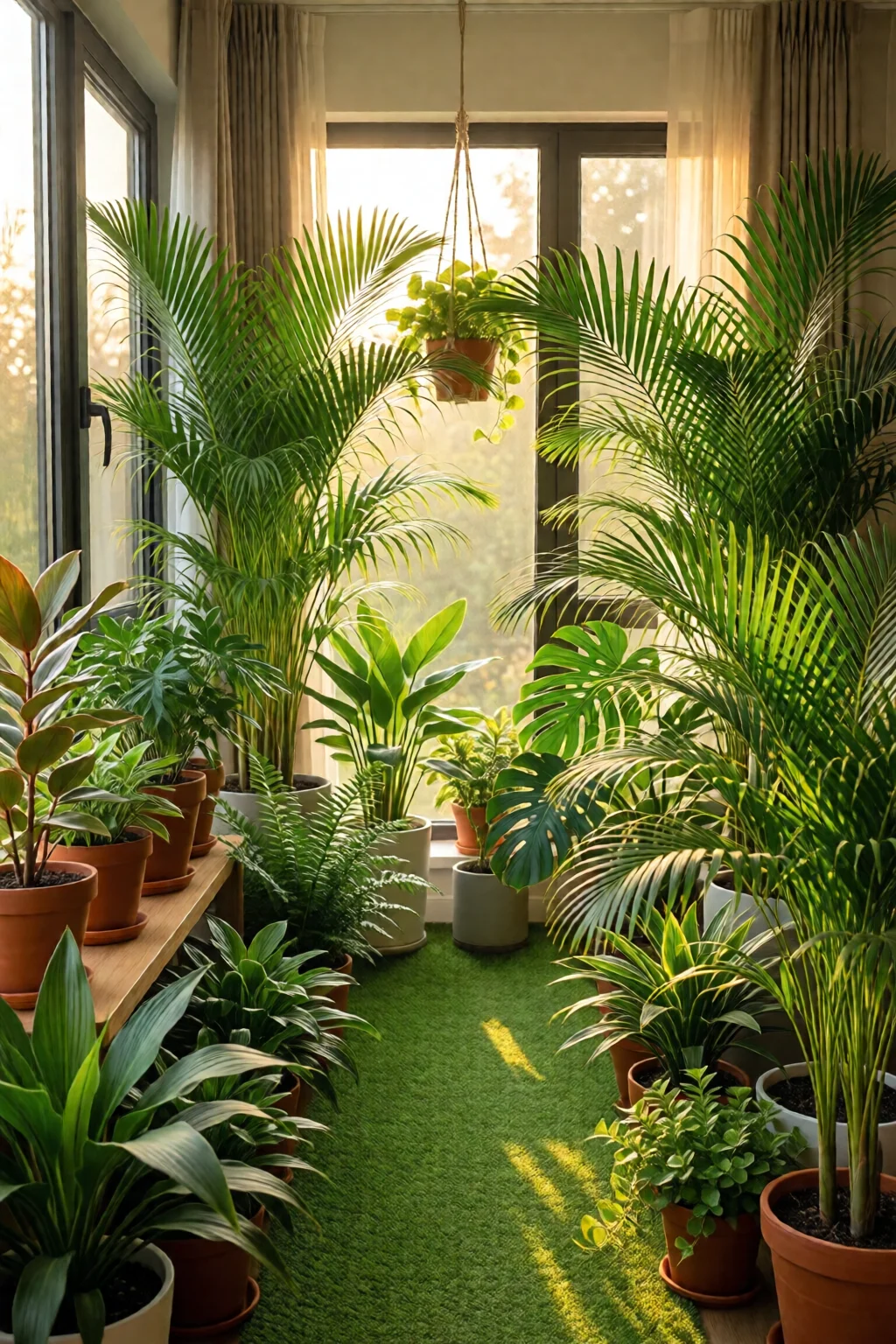
9. Baby Rubber Plant (Peperomia ‘Baby Rubber’)
This cultivar is a miniature version of the classic rubber plant, delivering glossy foliage without the toxicity concerns.
Specs
- Height: 6‑8 in; leaf size: 3‑4 in.
- Price: $14.99 for a 4‑inch pot from Costa Farms.
How to keep it thriving
- Water lightly; let top ½ in of soil dry before rewatering.
- Place in bright, indirect light; a south‑facing window with sheer curtains works best.
- Apply a balanced 10‑10‑10 fertilizer once a quarter.
Pros & Cons
| Pros | Cons |
|---|---|
| Pet‑safe; cats love the soft texture | Leaves may become brittle in dry indoor air |
| Compact—ideal for office desks | Slow growth; may need repotting after 4‑5 years |
10. Orchid (Phalaenopsis spp.)
While not a traditional “leafy” plant, Phalaenopsis orchids are safe for cats and add a splash of color.
Features
- Blooms last 2‑3 months; stems can reach 12‑18 in.
- Average cost: $29.95 for a 6‑inch pot from Bloomscape.
Care notes
- Water once a week; let the potting mix dry between watering.
- Provide bright, filtered light—an east‑west window works well.
- Fertilize with a 30‑10‑10 orchid mix every 2 weeks during bloom.
Pros & Cons
| Pros | Cons |
|---|---|
| Completely non‑toxic; safe if cats bite a petal | Requires specific orchid mix; regular potting soil can cause rot |
| Elegant aesthetic—great for display tables | Blooming cycle is seasonal; may need patience |
Quick Comparison Table
| Plant | Max Height | Light Needs | Water Frequency | Price (Typical) | Cat‑Safe Rating | Maintenance Level |
|---|---|---|---|---|---|---|
| Spider Plant | 24 in | Bright indirect | Weekly | $12.99 | ★★★★★ | Easy |
| Boston Fern | 36 in | Low‑to‑medium | Keep moist | $24.95 | ★★★★★ | Medium |
| Areca Palm | 84 in | Bright indirect | Weekly | $34.99 | ★★★★★ | Medium |
| Calathea | 18 in | Low‑medium | Bi‑weekly | $22.50 | ★★★★★ | Medium |
| Parlor Palm | 48 in | Low | 10‑12 days | $19.99 | ★★★★★ | Easy |
| Prayer Plant | 12 in | Medium | Bi‑weekly | $18.00 | ★★★★★ | Medium |
| Haworthia | 4 in | Bright indirect | 3‑4 weeks | $9.95 | ★★★★★ | Easy |
| Peperomia | 8 in | Medium | Every 2 weeks | $16.00 | ★★★★★ | Easy |
| Baby Rubber Plant | 8 in | Bright indirect | Every 2 weeks | $14.99 | ★★★★★ | Easy |
| Phalaenopsis Orchid | 18‑24 in | Bright filtered | Weekly | $29.95 | ★★★★★ | Medium |
Final Verdict
If you want a thriving indoor garden without risking your cat’s health, any of the ten plants above will do the job. The Spider Plant and Parlor Palm win the “most beginner‑friendly” award because they forgive occasional neglect and still look stunning. For a tropical vibe, the Areca Palm and Boston Fern bring height and humidity benefits, while the Calathea and Prayer Plant add artistic foliage patterns. All are pet safe indoor plants for cats, so you can enjoy the green without the guilt.
Remember to pair these choices with proper care: monitor watering, provide the right light, and keep an eye on humidity levels. A little routine—like wiping dust off leaves weekly and rotating pots for even growth—will keep both your plants and your cats happy for years to come.
Which indoor plants are toxic to cats?
Common toxic houseplants include lilies, poinsettias, philodendrons, pothos, and oleander. Even a small bite can cause severe vomiting, kidney failure, or cardiac issues in cats.
How often should I water a spider plant?
Water once a week, allowing the top inch of soil to dry out. In winter, reduce to every 10‑14 days to prevent root rot.
Can I propagate my cat‑safe plants?
Absolutely. Spider plant “babies,” pothos cuttings (if you choose a non‑toxic variety), and Peperomia leaf divisions all root easily in water or moist potting mix. See how to propagate indoor plants for step‑by‑step guidance.
Do cat‑safe plants improve indoor air quality?
Yes. Studies show spider plants, Boston ferns, and Areca palms can reduce formaldehyde, benzene, and xylene levels by up to 30 % in a typical living room.
Where can I buy these plants?
Major retailers like The Sill, Costa Farms, Bloomscape, Home Depot, and Lowe’s carry most of the varieties listed. Prices range from $9.95 for a Haworthia to $34.99 for a mature Areca palm.
3 commentaires sur « Pet Safe Indoor Plants For Cats: Complete Guide for 2026 »