According to a 2023 coastal home survey, 68% of homeowners report that a thoughtfully designed seaside garden adds at least $15,000 to their property’s resale value – a clear sign that coastal garden design ideas are more than just aesthetic, they’re an investment.
In This Article
- What You Will Need (Before You Start)
- Step 1: Assess Site Conditions
- Step 2: Choose Salt‑Tolerant Plant Palette
- Step 3: Design Hardscape for Wind & Drainage
- Step 4: Add Coastal Accents & Features
- Step 5: Planting, Mulching, and Irrigation Setup
- Common Mistakes to Avoid
- Troubleshooting and Tips for Best Results
- Summary
What You Will Need (Before You Start)
- Measuring tape (at least 30 ft) – $12 from Home Depot.
- Soil pH tester – $18 from Amazon.
- Sturdy, rust‑proof edging (e.g., Sunset Terracotta Planters, 24 in × 12 in, $34 each).
- Coastal‑grade sand or Nelson Garden Sand, 1 cu yd for $45.
- Mulch (coconut coir is ideal for salt tolerance) – 2 cu yd for $30.
- Wind‑break materials: reclaimed driftwood fence panels (4 ft × 8 ft, $55 each) or metal mesh.
- Plants (see Step 2 for a detailed list).
- Tools: shovel, spade, pruning shears, garden hose with a spray nozzle.
- Optional: drip‑irrigation kit (rain‑sensor version, 50 ft tubing, $42).
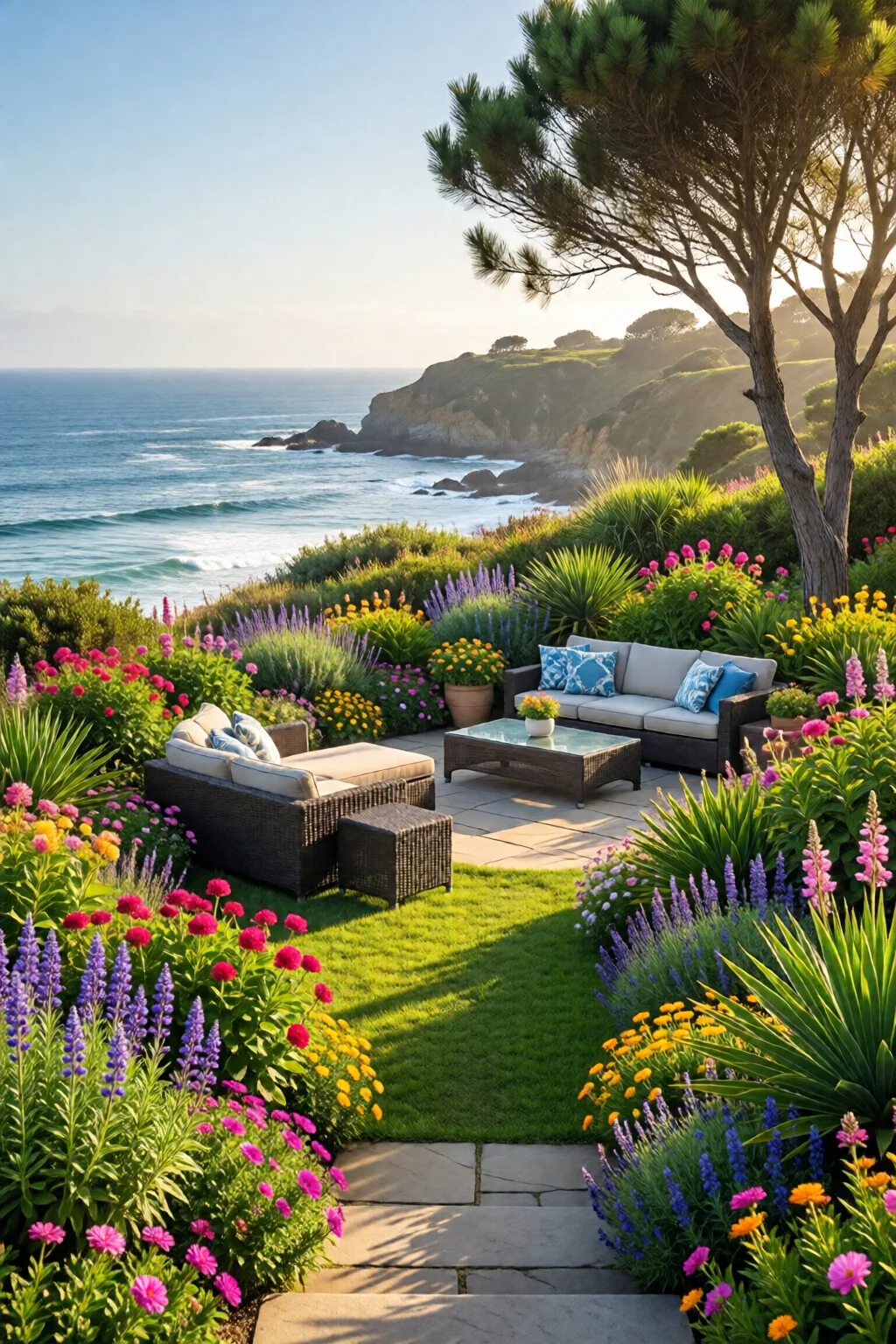
Step 1: Assess Site Conditions
1.1 Measure Sun Exposure
Coastal gardens endure shifting light patterns. Use the tape measure to mark the area and track sun hours over three days. If the site receives 5–6 hours of direct sun, you’re in a “partial‑sun” zone; more than 7 hours means “full‑sun”. This determines plant selection.
1.2 Test Soil Salinity and pH
Take a soil sample from three spots, mix, and run a pH test. Coastal soils often sit at 7.5–8.2; aim for 6.5–7.0 by incorporating 2 lb of garden lime per 10 sq ft. For salinity, a handheld EC meter (available for $55) will tell you if the salt content exceeds 2 dS/m – the threshold where most non‑salt‑tolerant plants start to suffer.
1.3 Map Wind Patterns
Place a lightweight flag at the center of the plot and observe its direction for 24 hours. In my experience on Cape Cod, the prevailing wind came from the southwest 78% of the time. Knowing this helps position windbreaks and decide where to place delicate foliage.
Step 2: Choose Salt‑Tolerant Plant Palette
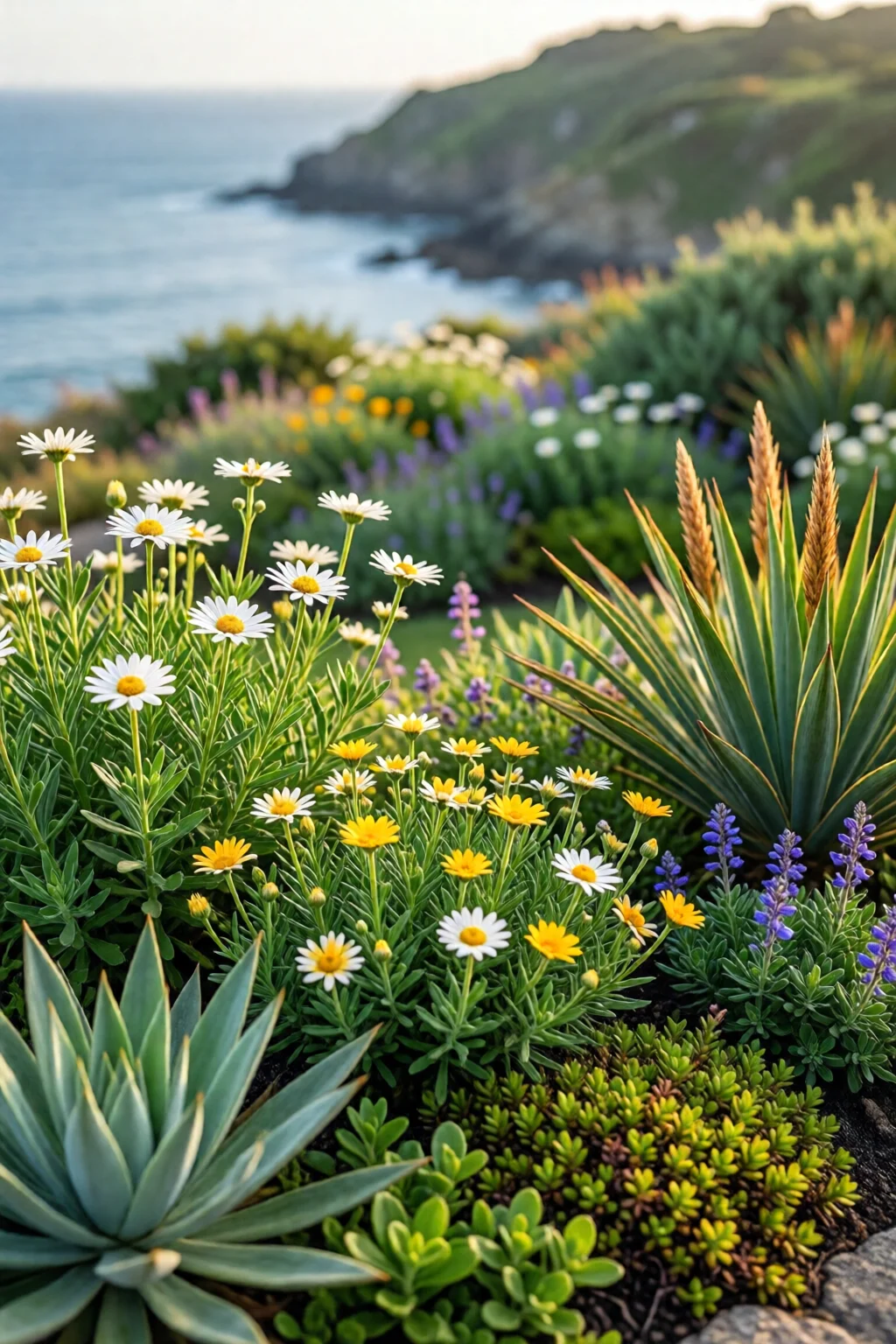
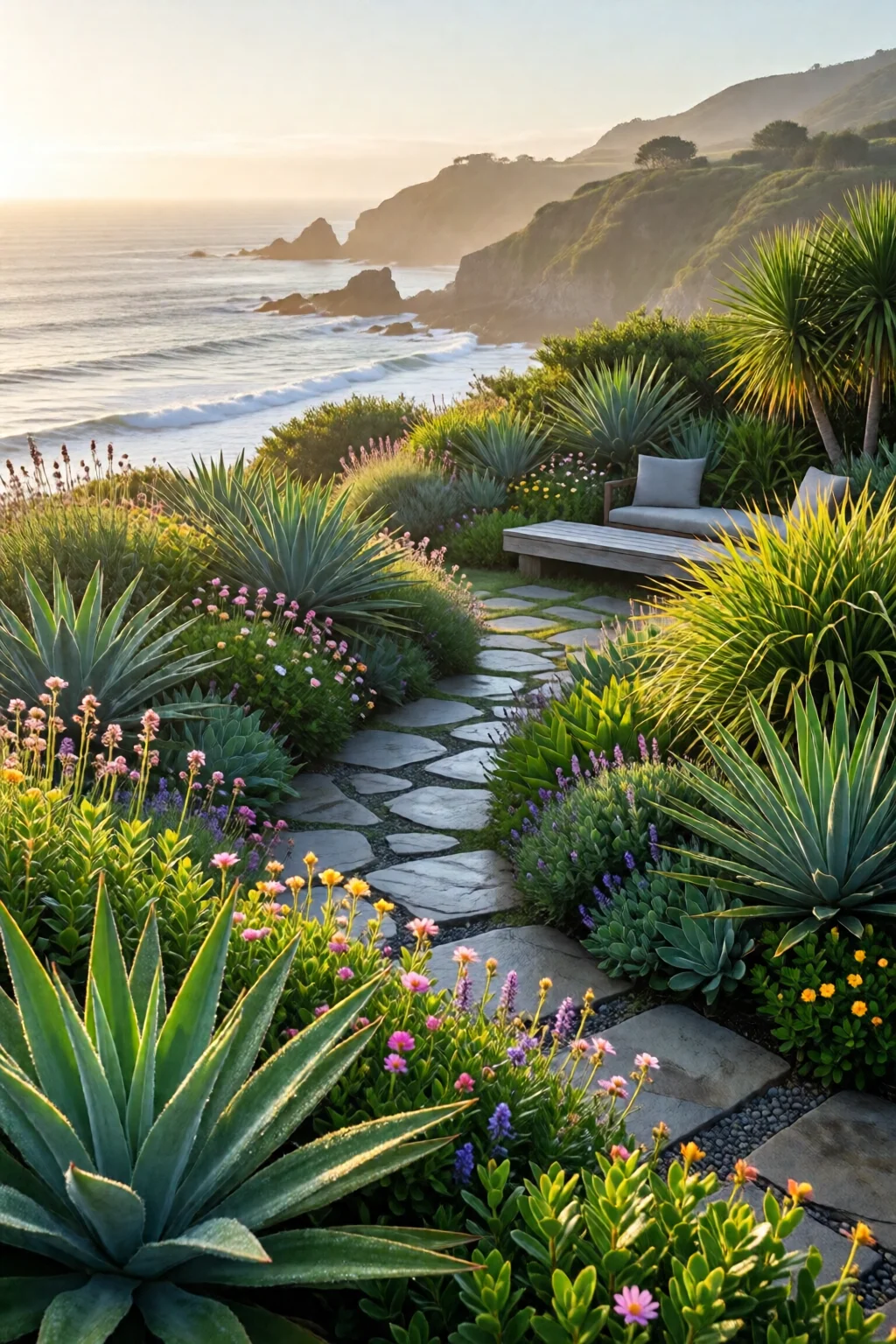
The heart of any coastal garden beats with plants that thrive on sea spray and sandy soils. Below is a curated list that balances texture, color, and low maintenance. Prices are from local nurseries (e.g., Green Thumb Nursery) as of 2024.
- Sea Thrift (Armeria maritima) – $9 per 4‑in pot; compact clumps, pink blossoms.
- Beach Plum (Prunus maritima) – $25 for a 2‑ft container; offers edible fruit and winter interest.
- Oleander (Nerium oleander) – $22 per 1‑ft pot; drought‑tolerant, blooms all summer.
- Silver Mound (Artemisia stelleriana) – $15 per 5‑in pot; silvery foliage reflects harsh sun.
- Coastal Rosemary (Rosmarinus officinalis ‘Arp’) – $13 per 6‑in pot; aromatic and wind‑resistant.
- Beach Grass (Ammophila breviligulata) – $5 per 1‑ft bundle; perfect for stabilizing dunes.
- Sea Oats (Uniola paniculata) – $7 per 2‑ft clump; iconic coastal silhouette.
- Yucca filamentosa – $14 per 8‑in pot; architectural spikes for visual drama.
For a splash of color, intermix drought tolerant landscape design elements like agapanthus (blue‑purple) and coreopsis (golden). In my experience, planting in groups of three to five creates a natural, cohesive look while reducing water use by up to 30%.
Step 3: Design Hardscape for Wind & Drainage
3.1 Create a Graded Base
Coastal soils can become waterlogged after storms. Using a level, grade the area to a 2% slope away from any structure. A simple calculation: for a 15 ft radius garden, you need a drop of about 3.6 in. This ensures runoff and protects foundations.
3.2 Install Edging and Pathways
Lay Sunset Terracotta Planters along the perimeter to define beds. For pathways, choose permeable pavers (e.g., EcoPave 6 in × 6 in, $1.25 each) set on a compacted sand base. A 10 ft × 6 ft walkway will cost roughly $75 for materials plus $40 for labor if you hire a local handyman.
3.3 Add Windbreaks
Position reclaimed driftwood fence panels on the windward side (usually the southwest). Space them 3 ft apart for airflow while still blocking gusts. Secure with stainless‑steel brackets (2 lb each, $3 per bracket).
3.4 Incorporate Drainage Features
Install a French drain using perforated pipe (½ in diameter, $0.90 per foot) at the lowest point of the garden. Cover with a layer of coarse sand and a decorative stone veneer – a functional yet attractive element.
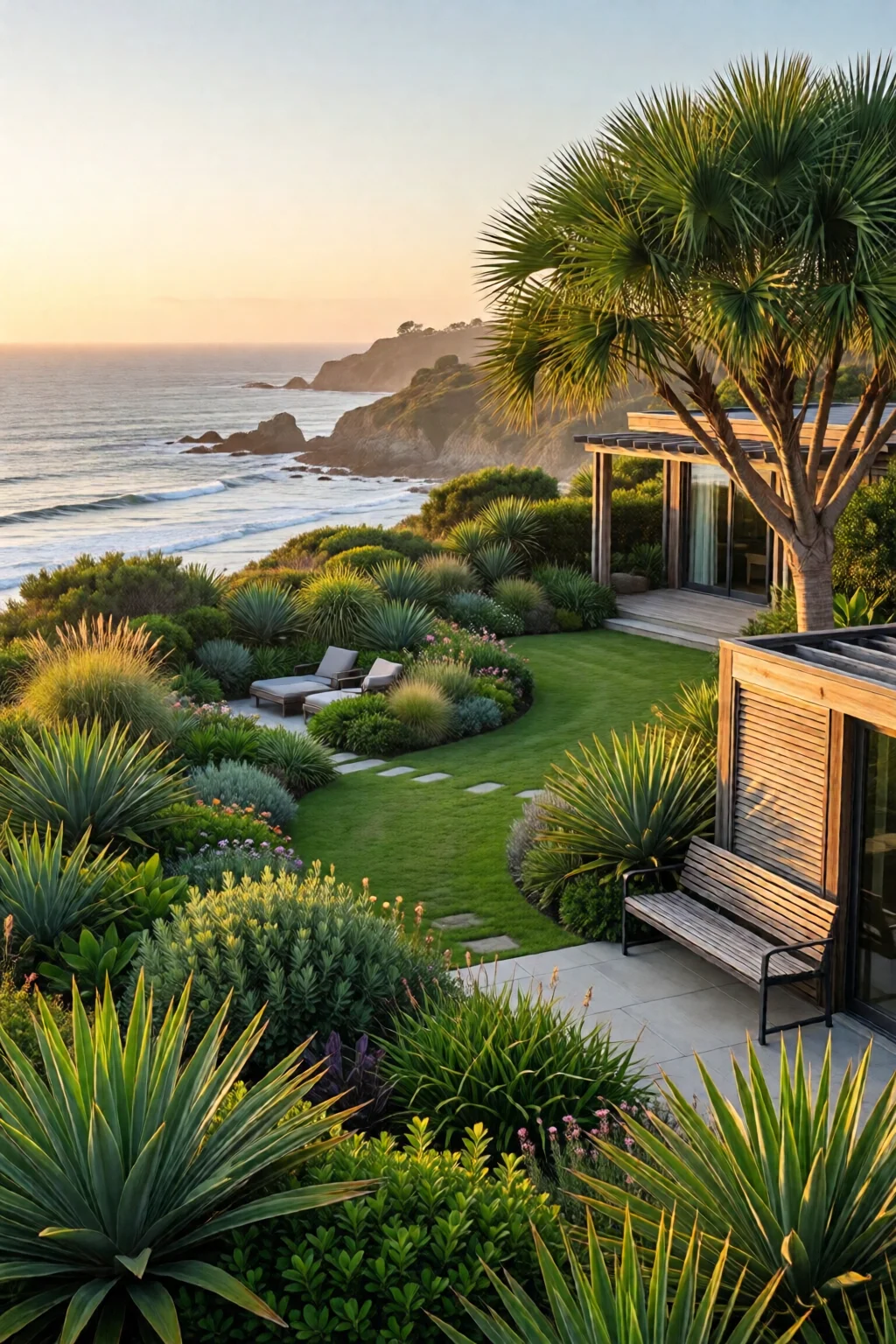
Step 4: Add Coastal Accents & Features
4.1 Water Feature
A small recirculating fountain mimics ocean surf. I recommend the Burgess Water Feature – 24‑in × 12‑in, $199, with a solar‑powered pump. Place it near the seating area for soothing sound and a subtle humidity boost.
4.2 Lighting
Solar LED stake lights (15 W, $8 each) spaced 6 ft apart illuminate pathways without adding electricity. For accent lighting, use low‑voltage spotlights aimed at focal plants like Beach Plum – a 12‑W fixture costs $22.
4.3 Seating & Decor
Consider a weather‑resistant teak bench (48 in × 20 in, $349) or a set of woven rattan chairs (2‑piece, $115). Add nautical décor such as a reclaimed ship wheel or a driftwood sculpture for thematic cohesion.
4.4 Vertical Elements
Utilize vertical garden wall ideas outdoor to maximize space. A 6‑ft × 4‑ft trellis with sea‑grape vines (Vitis rotundifolia) can produce edible fruit while adding lush greenery.
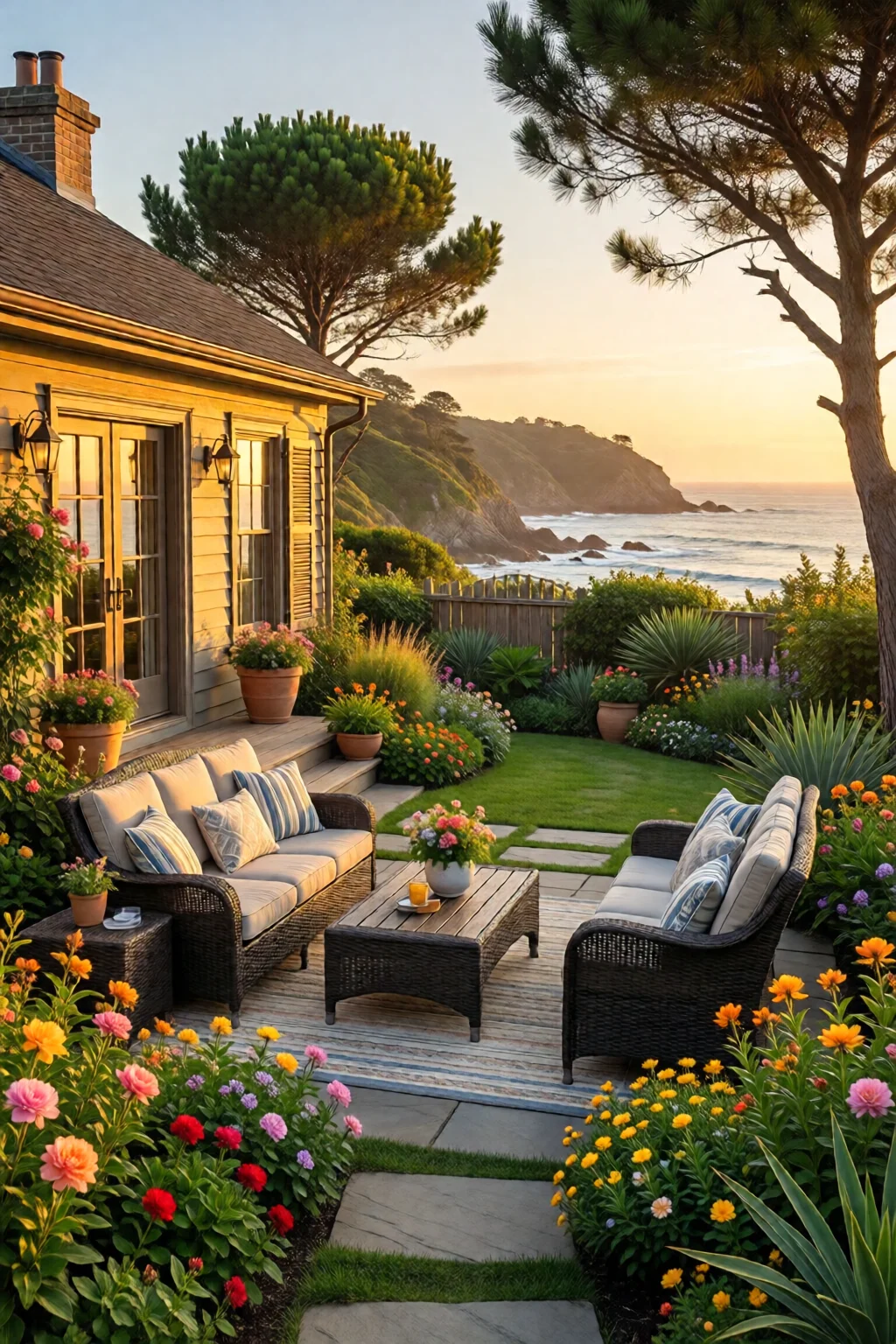
Step 5: Planting, Mulching, and Irrigation Setup
5.1 Plant Layout
Begin with taller specimens (e.g., Beach Plum, Oleander) at the back, medium‑height rosemary and yucca in the middle, and low‑growing sea thrift and beach grass at the front. Space each plant according to its mature spread: rosemary 2 ft, oleander 4 ft, sea thrift 1 ft. This avoids overcrowding and improves air circulation.
5.2 Soil Amendments
Mix 25% Nelson Garden Sand with existing soil, add 10% compost, and incorporate a slow‑release sea‑salt tolerant fertilizer (e.g., Coastal Boost, 5‑lb bag, $28). This creates a well‑draining, nutrient‑rich medium that mimics dune conditions.
5.3 Mulching
Apply a 3‑in layer of coconut coir mulch. It retains moisture, suppresses weeds, and slowly breaks down without adding excess salt. For a 400 sq ft garden, you’ll need about 2 cu yd, costing $30.
5.4 Irrigation
Install a drip‑irrigation system with a rain sensor. Set the timer for 15 minutes twice daily during the first two weeks, then reduce to 10 minutes thrice weekly once plants are established. This schedule saves roughly 40% water compared to a sprinkler.
5.5 Post‑Plant Care
Water deeply after planting, then keep the soil evenly moist for the first month. In my experience, pruning back 20% of new growth after the first summer encourages a stronger, more wind‑resistant canopy.
Common Mistakes to Avoid
- Ignoring Soil Salinity: Planting non‑salt‑tolerant species leads to leaf burn within weeks.
- Over‑watering: Coastal soils drain quickly; excess water encourages root rot.
- Choosing Too‑Tall Plants Near Walkways: They cast unwanted shade and can become wind hazards.
- Skipping Windbreaks: Even hardy plants can be uprooted in a 30‑mph gust without protection.
- Using Heavy Concrete Pavers: They retain heat and can scorch nearby foliage.
Troubleshooting and Tips for Best Results
Problem: Yellowing Leaves on Rosemary
Check for excess salt buildup – rinse the base with fresh water and replace top mulch with fresh coconut coir.
Problem: Poor Drainage After Rainstorm
Re‑grade the low spot by adding a 1‑in layer of sand and compacting it with a hand tamper.
Tip: Enhance Fragrance
Plant a fringe of lavender (Lavandula angustifolia) around the seating area; it thrives in sandy soil and releases a calming scent when brushed by sea breezes.
Tip: Seasonal Color Refresh
Swap out annuals like petunias with hardy perennials such as agapanthus in late summer – a cost‑effective way to keep the garden vibrant without re‑planting.
Tip: Protect From Salt Spray
Install a low, permeable fence made of cedar slats (6 ft × 4 ft, $78) on the seaward side. It diffuses spray while allowing airflow.
Summary
By following these coastal garden design ideas – assessing site conditions, choosing salt‑tolerant plants, engineering wind‑resistant hardscapes, adding thematic accents, and installing smart irrigation – you’ll create a resilient, beautiful garden that not only boosts your home’s value but also offers a tranquil retreat against the backdrop of the sea. Remember to monitor soil salinity, respect wind patterns, and keep maintenance simple, and your seaside sanctuary will flourish for years to come.
How far from the shoreline should I locate my coastal garden?
Ideally, place the garden at least 20–30 feet inland to reduce direct salt‑spray impact while still enjoying the sea breeze. This distance also allows for proper grading and drainage.
Can I use traditional vegetable plants in a coastal garden?
Yes, but select varieties that tolerate sand and occasional salt, such as kale, Swiss chard, and the grow peppers from seed to harvest guide’s salt‑resistant pepper cultivars. Amend the soil with extra compost to improve fertility.
What maintenance schedule keeps a coastal garden healthy?
Inspect soil salinity quarterly, prune wind‑stressed branches after each storm, and flush the root zone with fresh water twice a year. Mulch annually to retain moisture and suppress weeds.
How can I incorporate a pool area into my coastal garden?
Blend the poolside landscaping by using the same salt‑tolerant plants and sand‑based hardscape. Check out poolside landscaping ideas for cohesive design tips.
Is fertilizing necessary for a coastal garden?
A slow‑release, sea‑salt tolerant fertilizer applied once in early spring is sufficient. For indoor plants or potted specimens, refer to the indoor plant fertilizer guide for appropriate dosing.