Ever stared at your front yard and thought, “I need a fresh look, but my wallet says otherwise?” You’re not alone. A well‑planned front yard garden design on a budget can boost curb appeal, increase property value, and give you a daily dose of green without breaking the bank. Below is a practical, step‑by‑step list that turns modest funds into maximum impact.
In This Article
- 1. Sketch a Scalable Layout Before You Spend a Dime
- 2. Choose High‑Impact, Low‑Cost Plants
- 3. Upcycle Hardscape Materials for Free or Cheap
- 4. Mulch Smartly to Reduce Water Use and Weed Growth
- 5. DIY Garden Art and Lighting for Personality
- Comparison Table: Top Budget‑Friendly Front Yard Elements
- 6. Integrate Functional Zones Without Extra Cost
- 7. Seasonal Refreshes Keep the Look Fresh
- Final Verdict
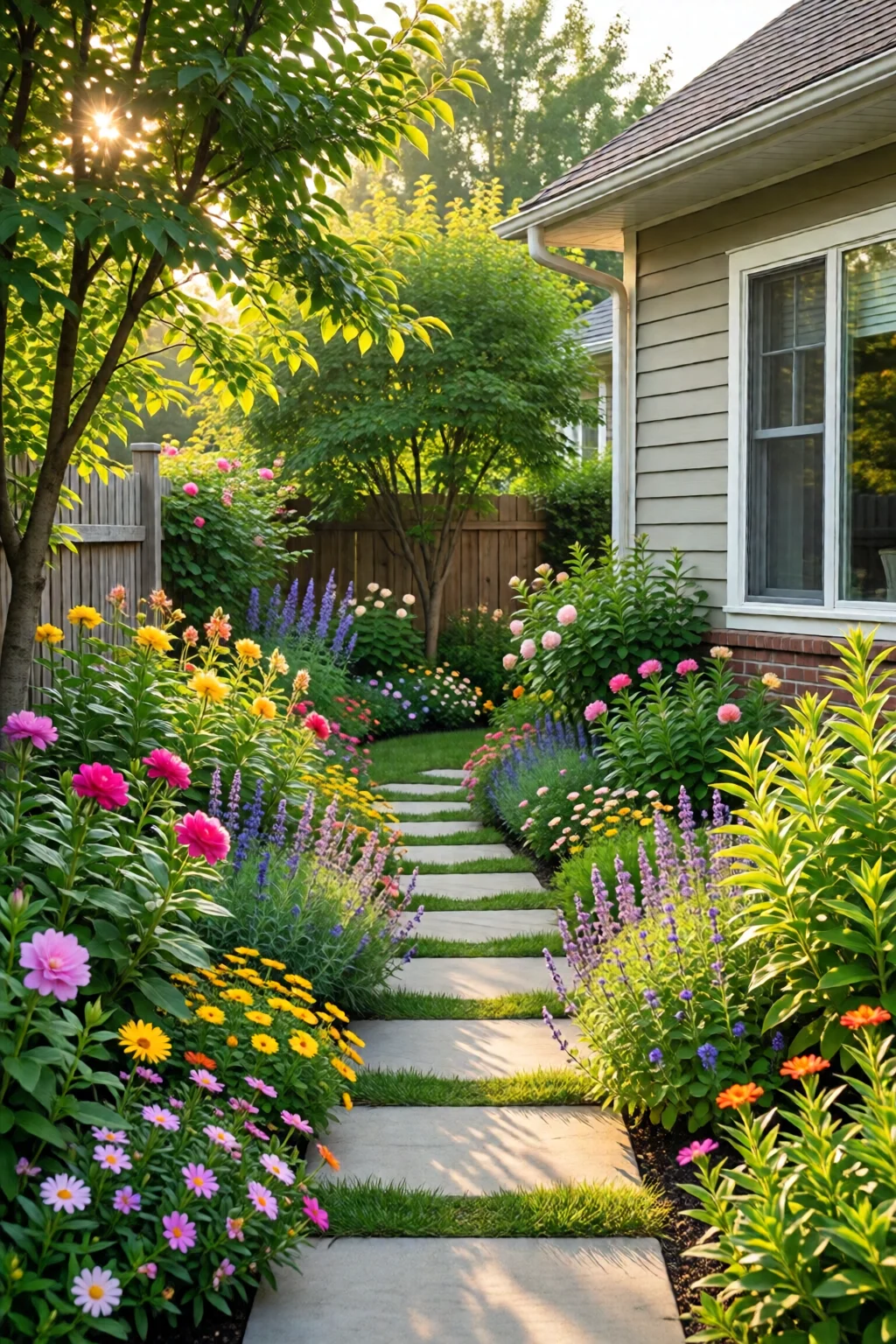
1. Sketch a Scalable Layout Before You Spend a Dime
In my experience, the most common mistake I see often is diving straight into planting without a clear plan. Grab a sheet of graph paper (each square = 1 ft) or use a free app like Garden Planner. Draw your house footprint, driveways, and existing trees. Then map out zones: high‑impact focal points, low‑maintenance borders, and functional pathways. This visual guide prevents costly re‑layout later.
Why it matters: A 20‑ft × 30‑ft front yard can be divided into three zones— a welcoming entry path (5 ft wide), a central planting bed (10 ft deep), and a side border for ground cover. Knowing exact dimensions lets you purchase materials in the right quantities, saving up to 15 % on waste.
Pros: Clear vision, accurate budgeting, fewer surprises.
Cons: Takes a few hours upfront.
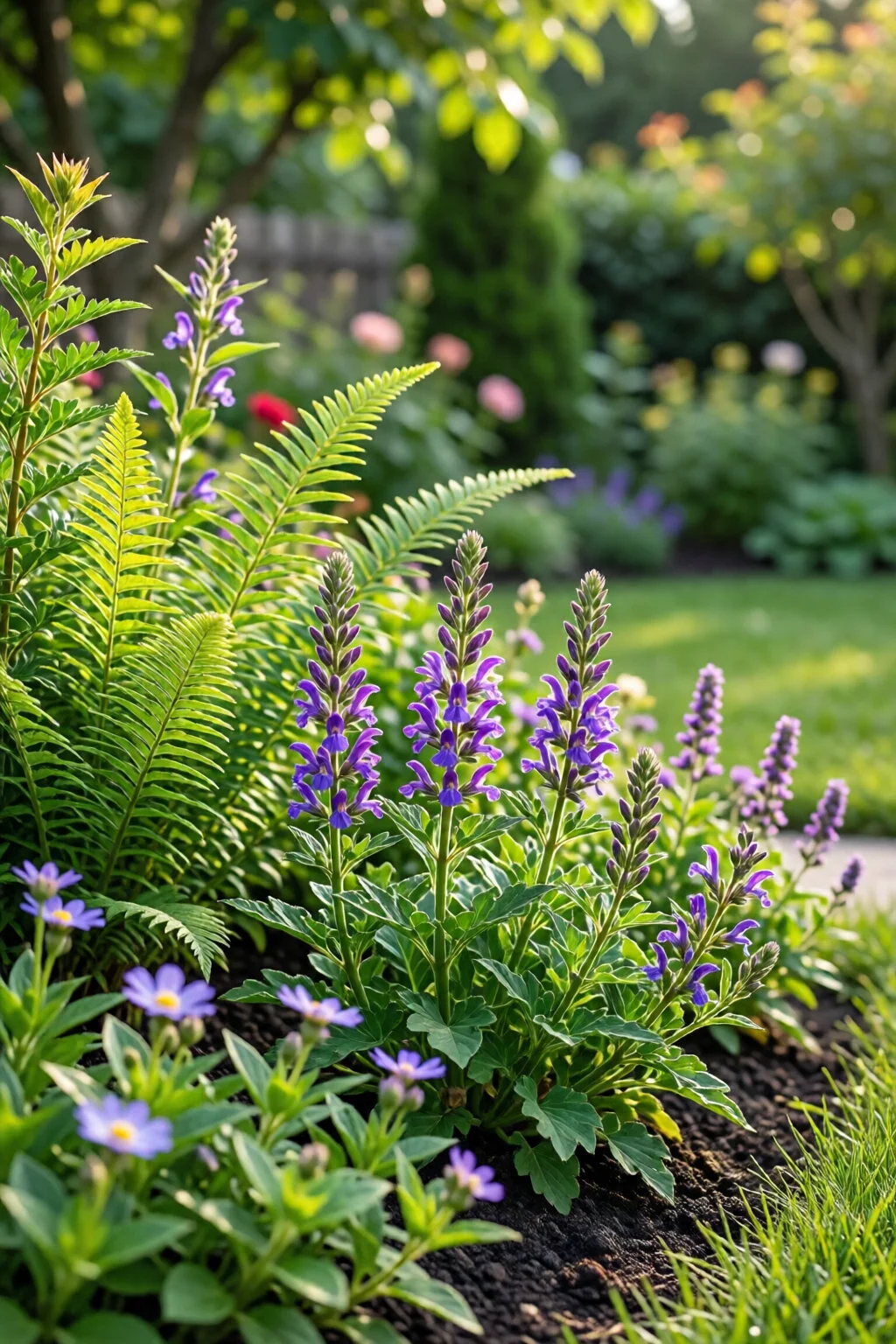
2. Choose High‑Impact, Low‑Cost Plants
Plants are the heart of any garden, but you don’t need exotic imports. I recommend focusing on native perennials, hardy shrubs, and fast‑growing annuals that offer big visual punch for a small price tag.
- Lavender (Lavandula angustifolia) – $3‑$5 per 12‑in pot, drought‑tolerant, fragrant, and attracts pollinators.
- Daylilies (Hemerocallis) – $2 per tuber, bloom for weeks, and thrive in most soils.
- Hosta ‘Patriot’ – $4 per 8‑in plant, perfect for shade, and provides texture.
- Rubber Plant (Ficus elastica) – small saplings from local nurseries can be under $10 and fill vertical space.
When you buy in bulk (e.g., a 5‑plant bundle from Home Depot), you can shave 10‑20 % off the per‑plant cost. Mix in a few fast‑growing annuals like petunias ($1.50 each) for seasonal color, and you’ll have a garden that looks full year‑round.
Pros: Low purchase price, low maintenance, high visual return.
Cons: Some may need occasional division or deadheading.
3. Upcycle Hardscape Materials for Free or Cheap
Hardscape doesn’t have to mean pricey pavers. I’ve turned old pallets into raised beds, used reclaimed bricks for edging, and repurposed broken concrete slabs as stepping stones. Here’s a quick cost breakdown:
- Pallet beds – Free if sourced from local stores (often $0), requires a few nails ($2 / box) and a drill.
- Reclaimed brick edging – $0.75 per brick from demolition sites; a 10‑ft edge needs ~40 bricks ≈ $30.
- Concrete slab stepping stones – $8 each at Habitat for Humanity ReStores; a 5‑step path ≈ $40.
These materials not only save money but also add a rustic charm that aligns well with maximalist garden design trends. Plus, you’re reducing waste—a win for the planet.
Pros: Near‑zero material cost, unique aesthetics, eco‑friendly.
Cons: May require additional cleaning or minor repairs.
4. Mulch Smartly to Reduce Water Use and Weed Growth
Mulch is the unsung hero of budget gardening. It suppresses weeds, retains moisture, and gives a polished look. Instead of buying premium bark mulch at $5‑$7 per cubic foot, consider these alternatives:
- Shredded newspaper – $0.10 per sheet, layered 2‑3 in deep, then covered with a thin layer of straw.
- Straw from local farms – $3 per bale, spreads 1‑ft wide and 2‑in deep, excellent for vegetable beds.
- Recycled rubber mulch – $4 per cu ft, lasts longer but higher upfront cost.
Applying a 2‑in layer of newspaper over a 200‑sq‑ft area costs less than $10 and reduces watering needs by up to 30 %. That translates to savings on your water bill—another hidden budget benefit.
Pros: Low cost, water savings, weed suppression.
Cons: Needs re‑application annually for organic mulches.
5. DIY Garden Art and Lighting for Personality
Personal touches make a front yard feel lived‑in. A few $10‑$20 projects can add sparkle after dark and curb appeal during the day.
- Solar LED string lights – $12 per 10‑ft roll, drape over a low fence or along the path.
- Repainted terracotta pots – $2 each, add a pop of color to plant bases.
- Homemade garden markers – Use reclaimed wood or upcycled spoons, cost under $5.
- DIY water feature – A 5‑gal bucket, submersible pump ($15), and a few stones can create a soothing soundscape.
These elements are inexpensive but dramatically boost the perceived value of your garden. If you’re interested in further ideas, check out small backyard landscaping ideas for inspiration.
Pros: Customizable, low cost, adds nighttime appeal.
Cons: Requires some DIY skill and time.
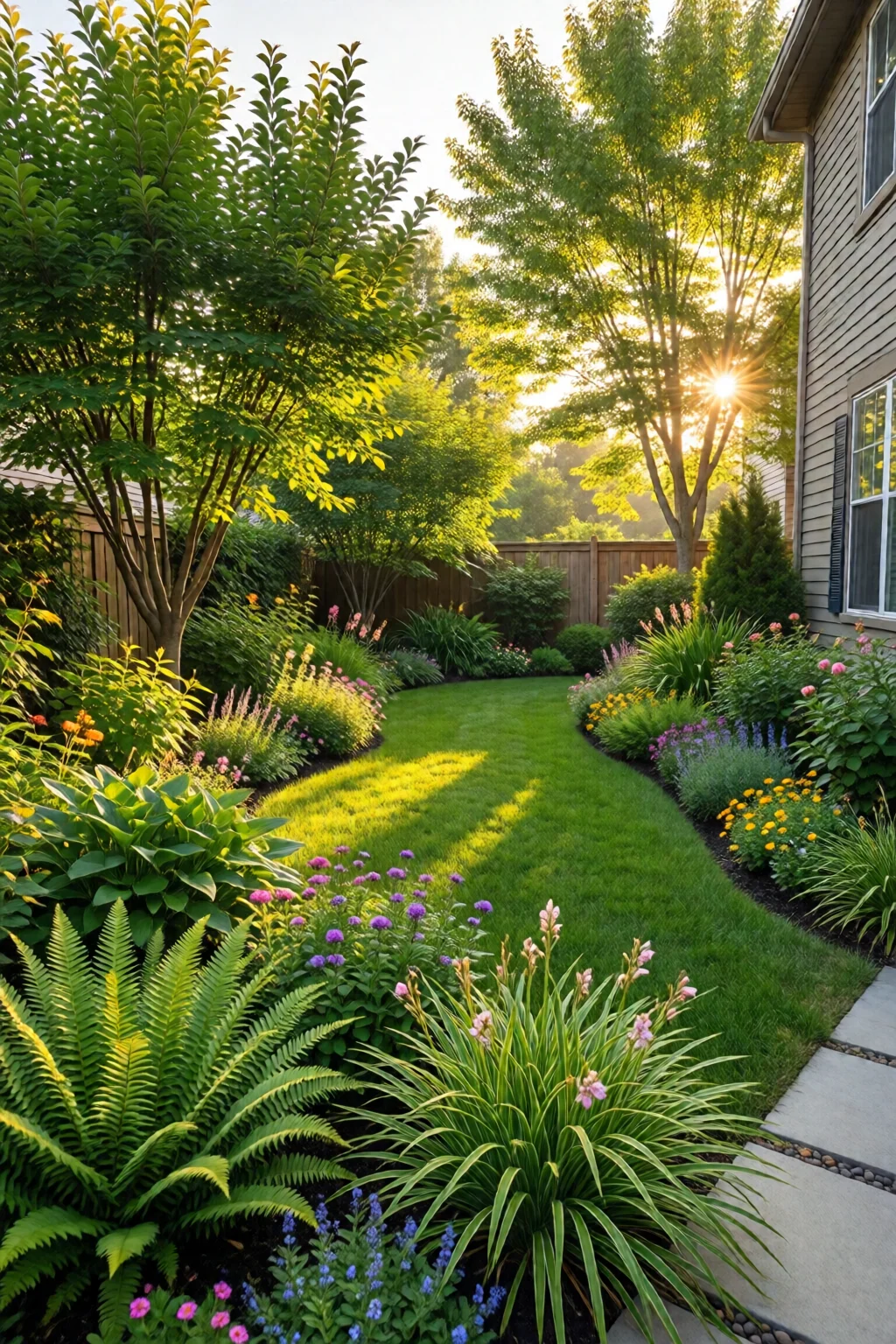
Comparison Table: Top Budget‑Friendly Front Yard Elements
| Option | Cost (USD) | Durability | Ease of Installation | Rating (out of 5) |
|---|---|---|---|---|
| Cinder Block Planters | $2‑$3 each | 10+ years | Easy (stack & fill) | 4.2 |
| Recycled Pallet Raised Bed | $0‑$5 (materials) | 5‑7 years | Moderate (assemble) | 4.5 |
| Newspaper Mulch (2‑in layer) | $0.10 per sheet | Seasonal | Easy (lay & water) | 4.0 |
| Solar String Lights | $12 per roll | 3‑5 years | Easy (hang) | 4.3 |
| Reclaimed Brick Edge | $0.75 per brick | 15+ years | Moderate (lay) | 4.6 |
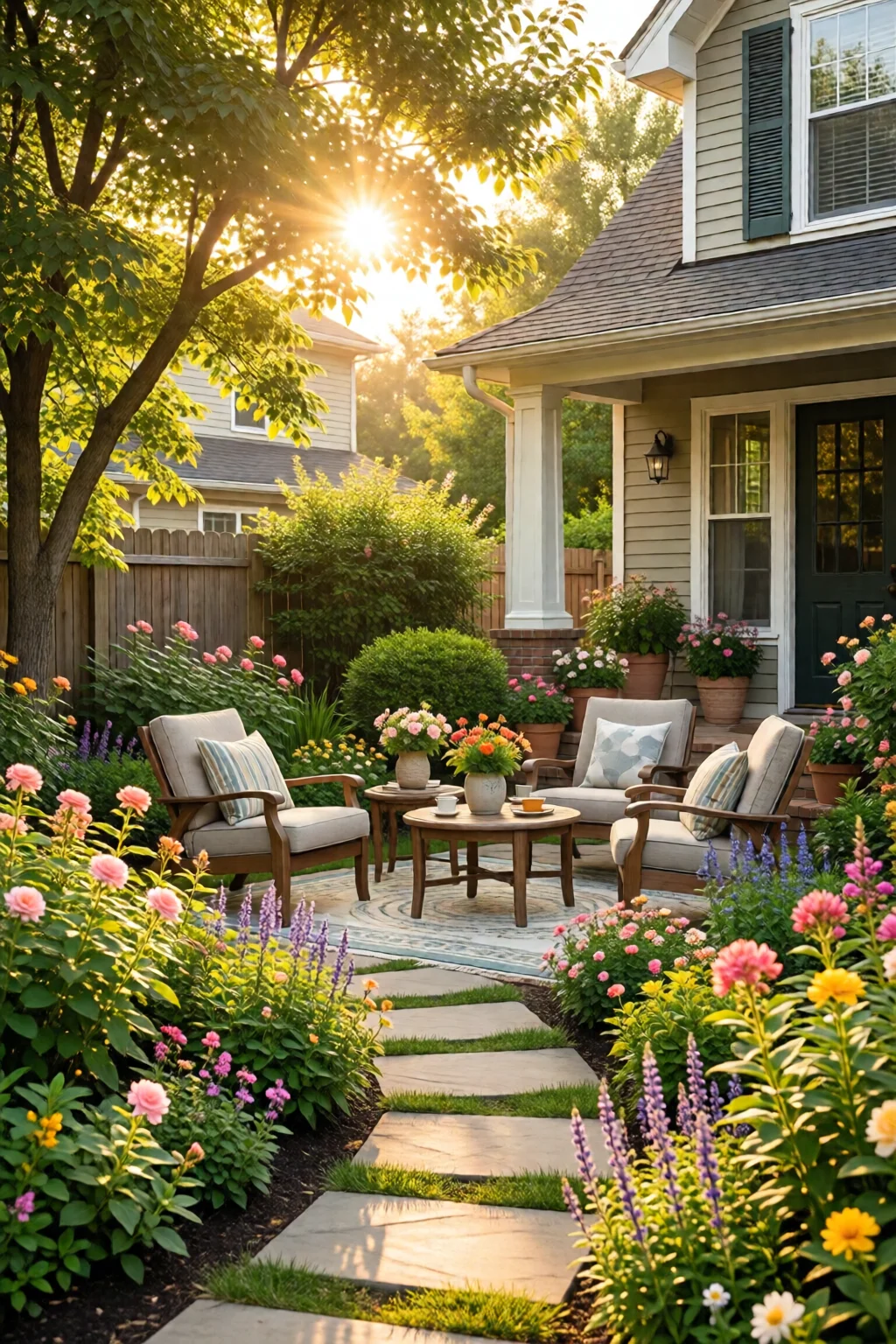
6. Integrate Functional Zones Without Extra Cost
Even on a shoestring budget, you can create separate zones that serve distinct purposes:
- Welcome Path – Use reclaimed stepping stones (see Section 3) spaced 2 ft apart and fill gaps with compacted gravel ($2 per 50 lb bag).
- Seating Nook – Repurpose an old wooden bench painted with leftover exterior paint ($8 for a quart).
- Edible Edge – Plant herbs like thyme ($1.50 per pot) and chives along the curb; they’re low‑maintenance and provide fresh flavors for cooking.
This layout not only looks intentional but also adds utility, making every square foot count. For more small‑space ideas, see garden border ideas for edges.
Pros: Multi‑use space, adds value, encourages outdoor living.
Cons: Requires thoughtful placement.
7. Seasonal Refreshes Keep the Look Fresh
Instead of a full redesign each year, plan low‑cost updates. Swap out annuals, add a fresh layer of mulch, or replace a few solar lights with newer models. A $20‑$30 seasonal refresh can keep the garden looking current without a major overhaul.
I’ve found that rotating a few containers of marigolds ($1 each) in spring and replacing them with mums in fall ($2 each) gives a year‑round color cycle for under $50.
Pros: Continuous visual interest, spreads costs across the year.
Cons: Requires some planning and small purchases.
Final Verdict
Designing a front yard garden on a budget isn’t about cutting corners; it’s about being clever with resources, leveraging free or reclaimed materials, and selecting plants that deliver maximum impact for minimal cost. By mapping a clear layout, choosing native high‑impact flora, upcycling hardscape, mulching wisely, and adding DIY art, you can transform any modest front yard into a welcoming, eye‑catching space without draining your savings.
Remember, the most satisfying gardens are those that grow alongside the gardener’s own creativity and resourcefulness. Start small, iterate, and watch your front yard flourish—both aesthetically and financially.
How much should I budget for a basic front yard makeover?
A modest redesign can be achieved for $150‑$300 by using reclaimed materials, inexpensive native plants, and DIY décor. Most of the cost goes to soil amendments and a few specialty plants.
Can I do a front yard garden design on a budget if I have a small space?
Absolutely. Focus on vertical elements like trellised vines, use container gardening, and keep the plant palette simple. Small spaces benefit from layered planting and strategic lighting.
What are the best low‑maintenance plants for a front yard on a budget?
Lavender, daylilies, hostas, and ornamental grasses such as Pennisetum alopecuroides are cost‑effective, drought‑tolerant, and require minimal upkeep.
Where can I find free or cheap garden materials?
Check local Craigslist, Facebook Marketplace, Habitat for Humanity ReStores, and ask nearby construction sites for leftover pallets, bricks, or concrete slabs.
7 commentaires sur « Best Front Yard Garden Design On A Budget Ideas That Actually Work »