Did you know that a well‑pruned rose bush can produce up to 30 % more blooms than an untrimmed one, and you’ll spend less than $25 on tools to achieve it?
In This Article
- What You Will Need (or Before You Start)
- Step 1: Choose the Right Time
- Step 2: Sanitize Your Tools
- Step 3: Remove Dead, Diseased, and Damaged Wood
- Step 4: Thin Out the Canopy
- Step 5: Shape the Plant
- Step 6: Trim for Size and Aesthetics
- Step 7: Clean Up and Feed
- Common Mistakes to Avoid
- Troubleshooting & Tips for Best Results
- FAQ
What You Will Need (or Before You Start)
Gather these items before you swing into action. Having everything on hand saves time and prevents you from making half‑hearted cuts that can damage the plant.
- Pruning shears: I swear by the Fiskars PowerGear2 Pruning Shears ($24.99). Their ergonomic handles reduce hand fatigue during a 45‑minute session.
- Long‑reach lopper: For thick canes, a Felco Classic 2 lopper (about $35) gives you the leverage you need.
- Gloves: Thick leather gloves protect against thorns; I use Garden Genie gloves ($12 per pair).
- Disinfectant: A 10 % bleach solution or rubbing alcohol wipes to sterilize tools between cuts.
- Measuring tape: To gauge the length of each cut (usually 1/4 inch above a bud).
- Sharp pruning saw: For removing old, woody trunks; a Silky Saw (8‑inch, $18) works well.
- Compost or balanced fertilizer: A slow‑release 10‑10‑10 granule ($9 per 5‑lb bag) to feed the rose after pruning.
Clear away fallen leaves and debris from the base of the plant. This not only reduces disease pressure but also gives you a clean workspace.

Step 1: Choose the Right Time
The optimal window for most hybrid teas and floribundas is late winter, roughly late February to early March in USDA zones 5‑8. In warmer zones (9‑10), early January works. I always check the “bud swell” stage: when buds are about the size of a pea, the plant is ready.
Why timing matters: pruning too early can expose fresh cuts to frost, while waiting too long forces the plant to waste energy on old wood.
Step 2: Sanitize Your Tools
Before the first cut, dip the blades of your shears in a 10 % bleach solution for 30 seconds, then wipe them dry. This step cuts the risk of spreading black spot or powdery mildew by up to 70 %.
After each major cut, quickly wipe the blades with a clean rag soaked in rubbing alcohol. It’s a habit I learned after losing an entire row of roses to a fungal outbreak.
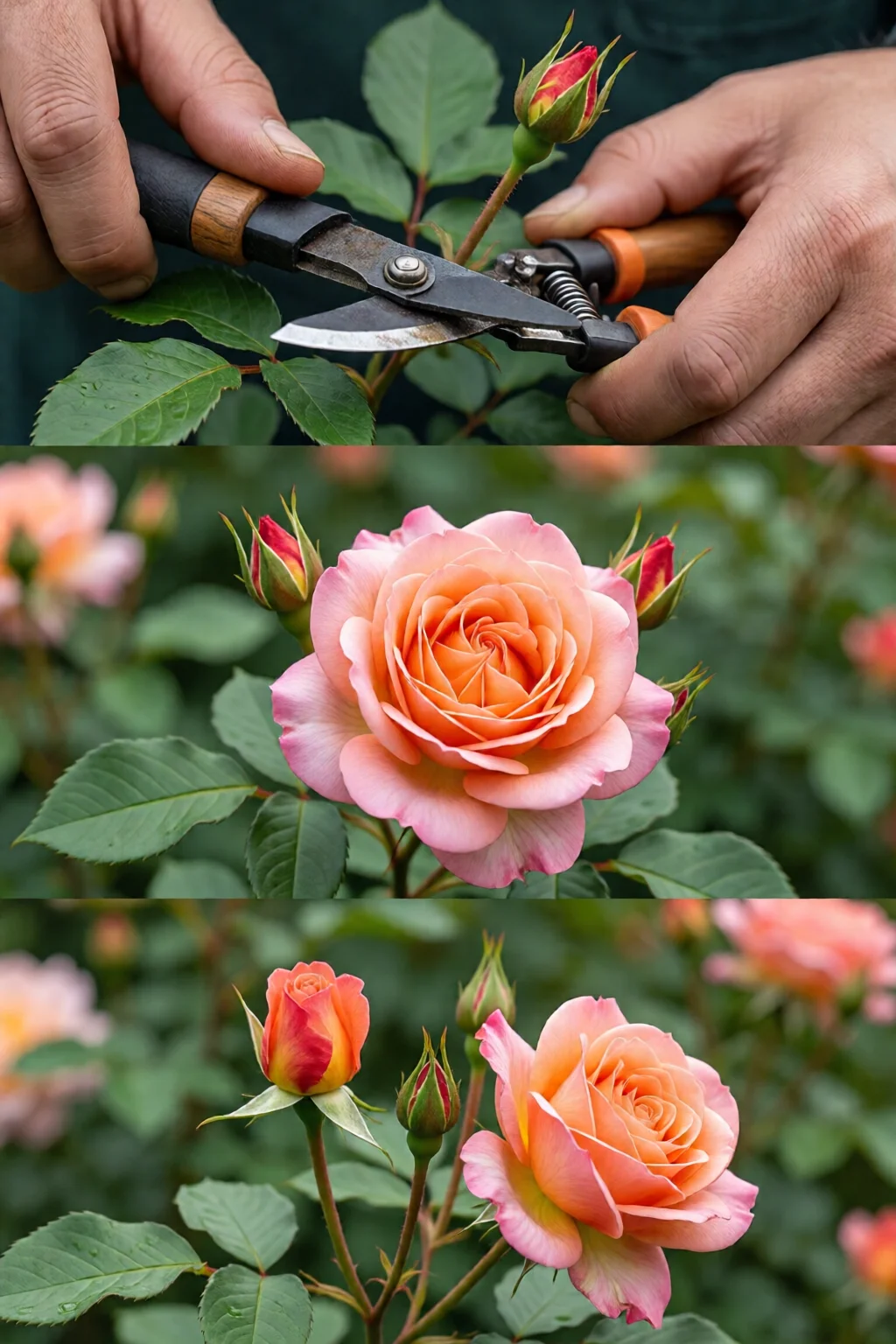
Step 3: Remove Dead, Diseased, and Damaged Wood
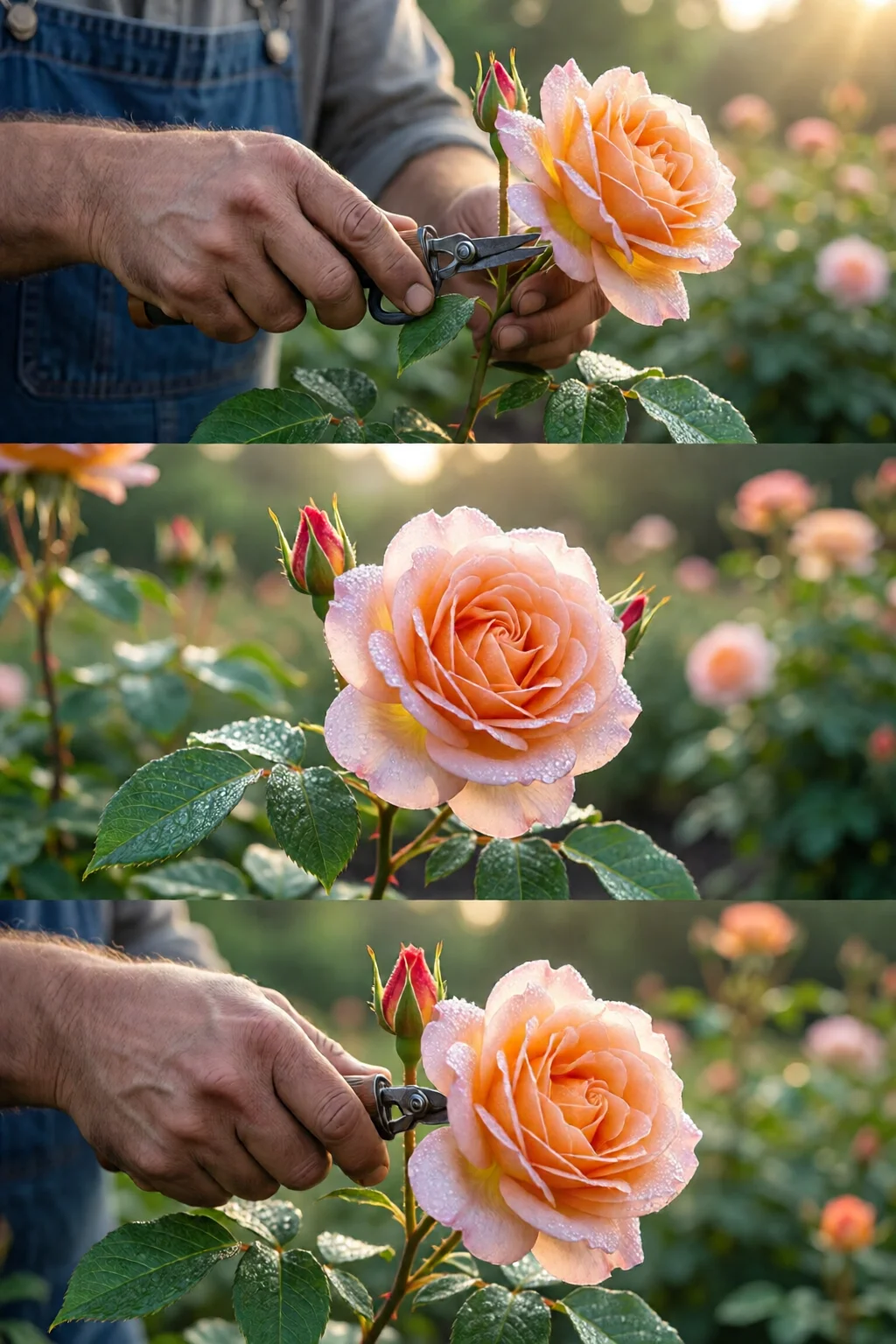
Start at the base and work upward. Look for stems that are black, brown, or mushy—these are dead. Diseased wood often shows yellowing or orange spots. Cut these sections back to healthy, white‑pith wood, making the cut at a 45‑degree angle about ¼ inch above a healthy bud.
Tip: If you’re unsure, gently scrape the cut surface with your fingernail; healthy wood will be firm and white inside.
Step 4: Thin Out the Canopy
Roses need good air circulation. Remove about one‑third of the oldest canes, especially those crossing or rubbing against each other. Choose the thickest, woodiest stems (at least the diameter of a pencil) and cut them at ground level.
In my garden, a single 5‑gallon container rose often starts with 12–15 canes after thinning, which balances vigor and bloom quantity.
Step 5: Shape the Plant
For a classic vase shape, aim for a central leader (the tallest stem) and several outward‑growing arms. Each arm should be pruned to about 12–18 inches, depending on the rose variety. Make your cuts just above an outward‑facing bud to encourage growth that opens up the center.
Use a measuring tape to keep each arm within the same length range; uniformity improves aesthetics and light penetration.
Step 6: Trim for Size and Aesthetics
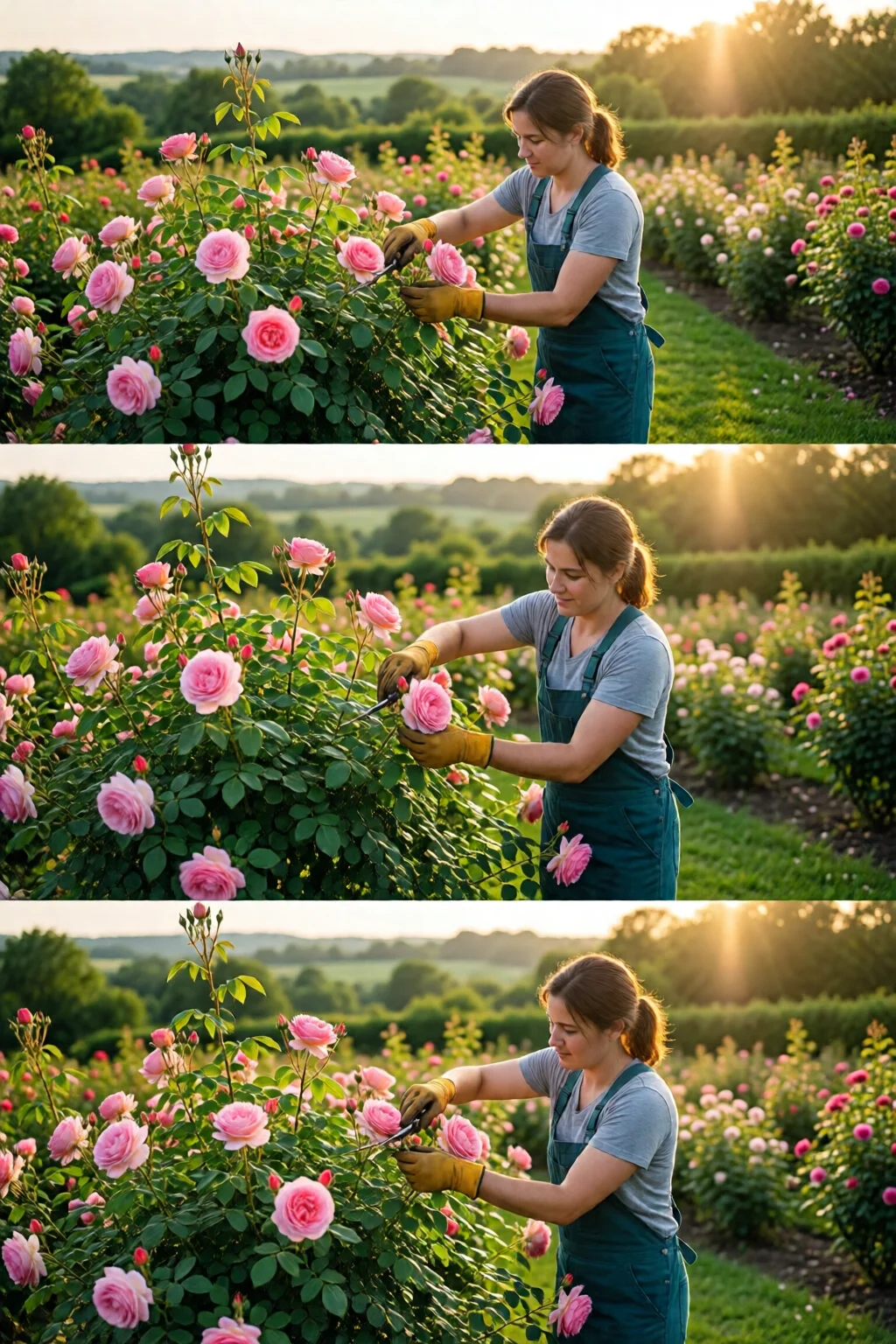
If you’re maintaining a rose in a container or a small border, you may need to keep the height under 24 inches. In that case, make the final cut about ¼ inch above a bud that points outward, ensuring the new growth spreads rather than climbs.
One mistake I see often is cutting too close to the bud—this can crush the bud and reduce bloom count.
Step 7: Clean Up and Feed
Collect all cuttings and dispose of them in the trash (not compost) if disease was present. Sweep away any remaining debris, then apply a light layer of the 10‑10‑10 fertilizer around the base—about 1 tablespoon per foot of plant height.
Water thoroughly after fertilizing; this helps the nutrients reach the roots and reduces salt buildup.
Common Mistakes to Avoid
- Pruning in the wrong season: Early spring frosts can damage fresh cuts. Stick to the late‑winter window.
- Over‑pruning: Removing more than one‑third of the plant reduces energy reserves, leading to weak growth.
- Cutting at the wrong angle: Horizontal cuts trap water and promote rot. Always cut at a 45‑degree angle away from the bud.
- Using dull tools: Dull blades crush stems, creating infection sites. Sharpen shears at least twice a year.
- Ignoring old canes: Leaving woody, unproductive canes chokes the plant and reduces airflow.

Troubleshooting & Tips for Best Results
Problem: Sparse blooming after pruning.
Solution: Ensure you left at least 5–7 healthy buds per arm. If buds were removed, the plant needs a supplemental feeding of a balanced liquid fertilizer (e.g., Miracle-Gro Water Soluble, $8 per quart) every two weeks for six weeks.
Problem: Black spots appearing on leaves.
Solution: Apply a copper‑based fungicide (e.g., Daconil, $12 per 1‑lb bottle) after the first rain. Also, improve spacing by thinning canes further.
Problem: New shoots are weak and spindly.
Solution: Check soil pH; roses thrive at 6.5–7.0. Amend with lime if needed, and consider a slow‑release organic matter like composted horse manure (approx. $6 per 10‑lb bag).
One tip I love: After pruning, wrap the base of the plant with a layer of mulch (2–3 inches). Mulch retains moisture, regulates temperature, and suppresses weeds—an inexpensive win at about $3 per bag.
For complementary planting ideas, check out the best perennial flowers for full sun or explore English garden design ideas for a cohesive look.
FAQ
How often should I prune my roses?
Prune once a year in late winter for most varieties. Light deadheading can be done throughout the growing season to remove spent blooms.
Can I use garden scissors instead of professional shears?
While scissors work for tiny stems, they often crush larger canes and spread disease. Investing in a pair of sharp, bypass pruners like Fiskars or Felco pays off in plant health.
What is the best way to prevent black spot after pruning?
Sanitize tools, prune during dry weather, ensure good airflow by thinning canes, and apply a copper‑based fungicide if you notice early symptoms.
Should I fertilize before or after pruning?
Apply a balanced fertilizer after pruning and watering. This gives the plant nutrients right when it starts new growth.
Can I prune roses in the fall?
Fall pruning is generally discouraged because it can stimulate tender growth that won’t survive winter freezes. Stick to the late‑winter schedule for best results.
By following this how to prune roses step by step guide, you’ll enjoy healthier bushes, larger blooms, and a garden that looks professionally tended—all without breaking the bank. Happy pruning!
1 commentaire sur « How To Prune Roses Step By Step – Everything You Need to Know »