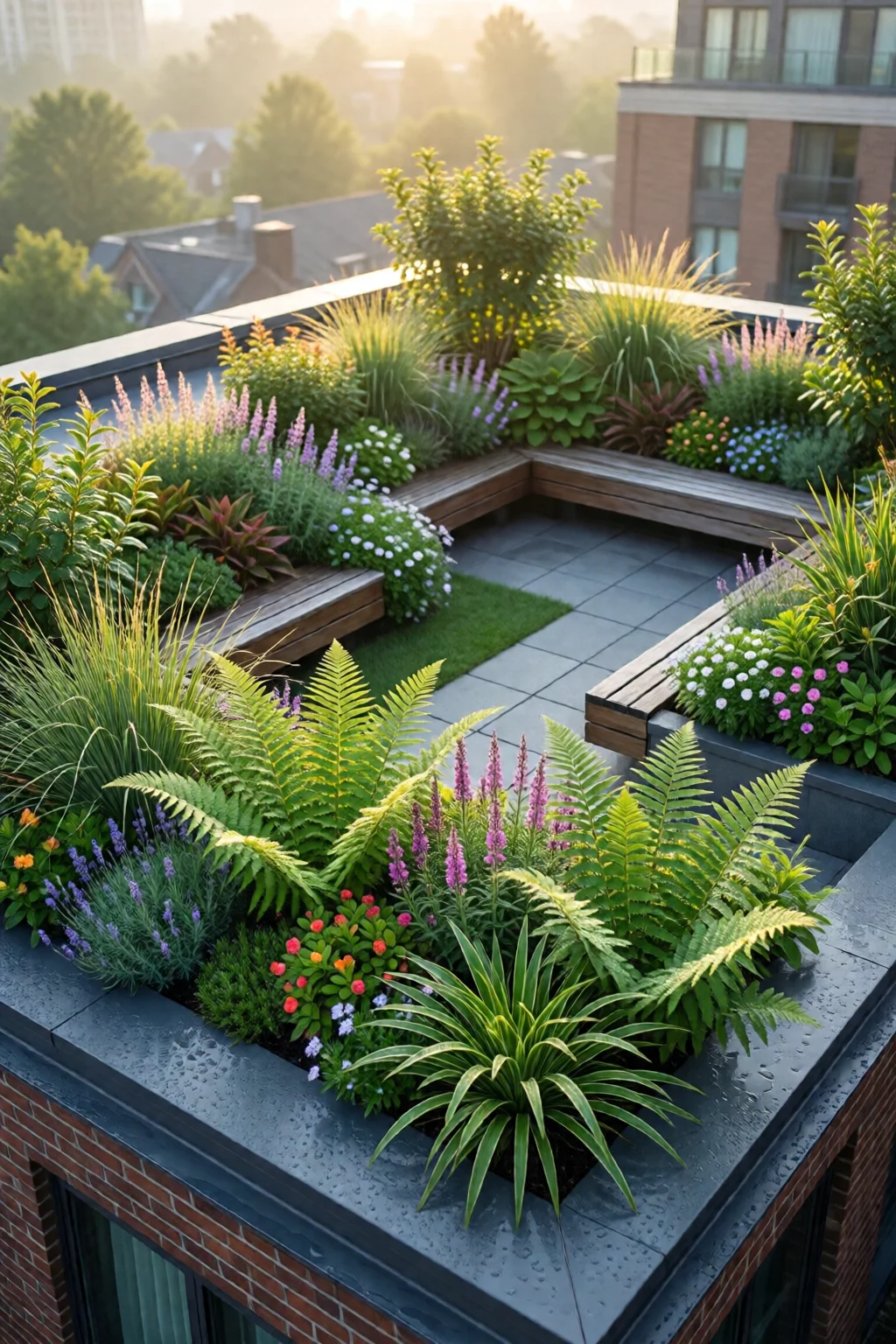
Ever stared at that flat rooftop and wondered how it could become a living, breathing extension of your home? The right rooftop garden design ideas can turn that unused space into a private oasis, a fresh‑food pantry, or a low‑maintenance retreat—all while adding curb appeal and even a modest boost to property value.
In This Article
- 1. Modular Raised‑Bed System
- 2. Succulent Meadow
- 3. Edible Herb Garden
- 4. Vertical Garden Wall
- 5. Miniature Tree Canopy
- 6. Mini Water Feature
- 7. Seating & Lounge Area
- 8. Solar LED Lighting
- 9. Rainwater Harvesting System
- 10. Seasonal Color Rotation
- Comparison Table: Top Rooftop Garden Picks
- Final Verdict
In this guide I’ll walk you through ten proven design concepts, the exact products I trust, cost breakdowns, and the little tricks that keep a rooftop garden thriving under sun, wind, and weight limits. Whether you have a 200‑sq‑ft condo roof or a sprawling commercial terrace, there’s a solution that fits your budget and your lifestyle.
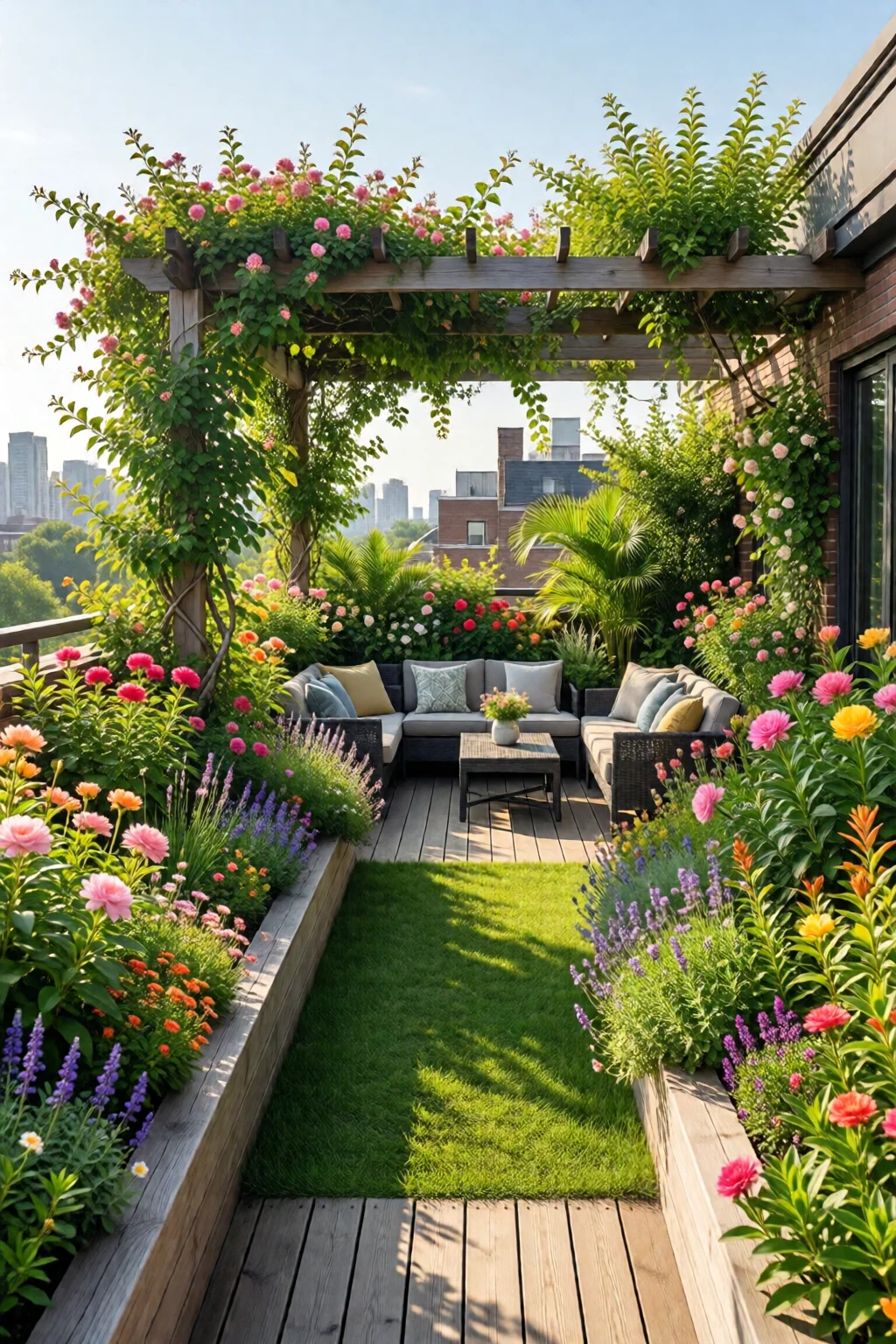
1. Modular Raised‑Bed System
Modular beds are the workhorse of most rooftop gardens because they’re lightweight, stackable, and easy to reconfigure. I recommend the GreenStix 24‑in‑wide, 12‑in‑deep raised bed kit. Each panel is made from 0.5‑inch recycled HDPE, weighs only 12 lb, and can hold up to 150 lb/ft² – well within most residential roof load capacities (typically 30–40 psf live load). A full 4‑panel set costs about $189 and covers roughly 8 sq ft.
Pros:
- Quick assembly – no tools required.
- Drainage holes pre‑drilled; just add a 1‑in layer of gravel.
- Flexibility to expand or shrink the garden layout.
Cons:
- Limited depth – not ideal for deep‑rooted perennials.
- Requires a waterproof membrane underneath.
In my experience, pairing GreenStix with a zen garden design for backyard aesthetic (simple stones, minimal plant palette) creates a clean, low‑maintenance look that ages gracefully.
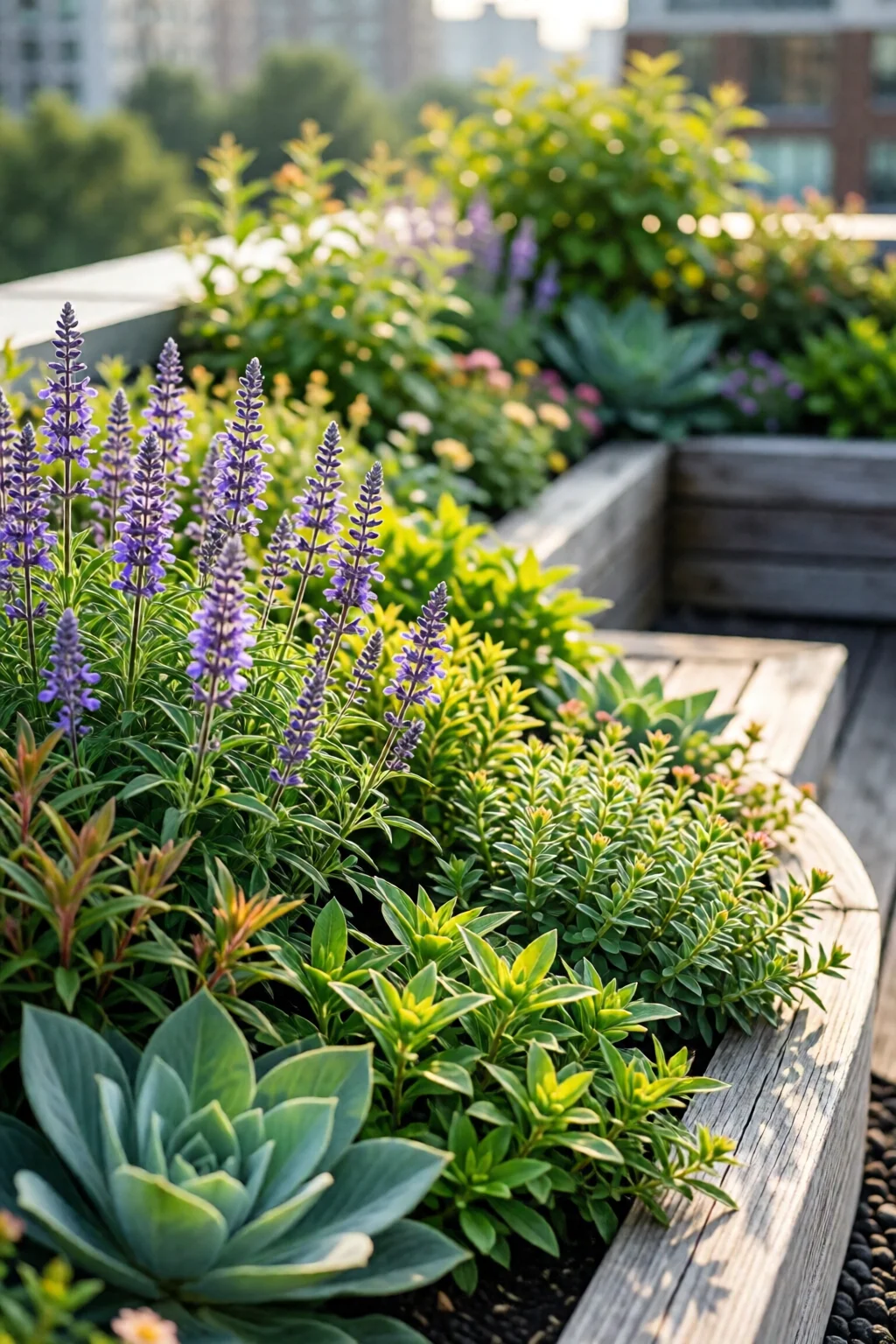
2. Succulent Meadow
Succulents love heat and drought, making them perfect for rooftops that get baked in July. I love the Crassula ‘Blue Star’ (≈$4 each, 3‑in pot) and Echeveria ‘Lola’ (≈$5 each). Plant them in a 2‑ft × 4‑ft trough filled with SunGro Cactus Mix (about $12 per bag). The total cost for a 16‑sq‑ft meadow is roughly $250, including a 1‑in sand layer for drainage.
Pros:
- Very low water demand – 1‑2 gal per week in summer.
- Minimal soil depth needed (2‑in).
- Creates a striking, modern aesthetic.
Cons:
- Limited edible yield.
- Can become leggy without occasional pruning.
One mistake I see often is over‑watering succulents on a roof; the excess water pools on the membrane and can cause rot. A simple drip‑irrigation timer (e.g., Orbit 6200, $45) solves this.
3. Edible Herb Garden
Herbs are compact, high‑value crops that thrive in containers. I recommend the GrowBox 48‑in‑wide herb planter (steel frame, UV‑coated, $129) filled with Miracle-Gro Cactus, Palm & Citrus Soil. Plant basil, thyme, oregano, and chives – each plant costs $2‑$3 and yields fresh leaves for months.
Pros:
- Quick harvest – basil ready in 45 days.
- Low height (max 12 in) – reduces wind exposure.
- Adds culinary value and fragrance.
Cons:
- Requires regular feeding – use a balanced liquid fertilizer ($0.30 per gallon).
- Sensitive to extreme winds; consider a windbreak.
For a deeper dive on shade‑loving veggies, see my article on the best vegetables to grow in shade.
4. Vertical Garden Wall
When floor space is at a premium, go vertical. The Woolly Pocket 2‑Tier Wall Planter (fabric, 23 in × 48 in, $79) can hold up to 30 gal of soil and supports a mix of herbs, lettuce, and small flowers. I’ve installed three of these on a 12‑ft terrace, each anchored with stainless‑steel brackets rated for 250 lb.
Pros:
- Maximizes planting area – up to 150 sq ft of foliage on a 12‑sq ft footprint.
- Improves insulation – reduces rooftop heat gain by up to 10 %.
- Eye‑catching “green wall” effect.
Cons:
- Higher upfront cost.
- Requires a sturdy mounting system and regular watering.
Pair this with a drip line (e.g., Rain Bird Drip Irrigation Kit, $68) and you’ll have a low‑maintenance, high‑impact garden.
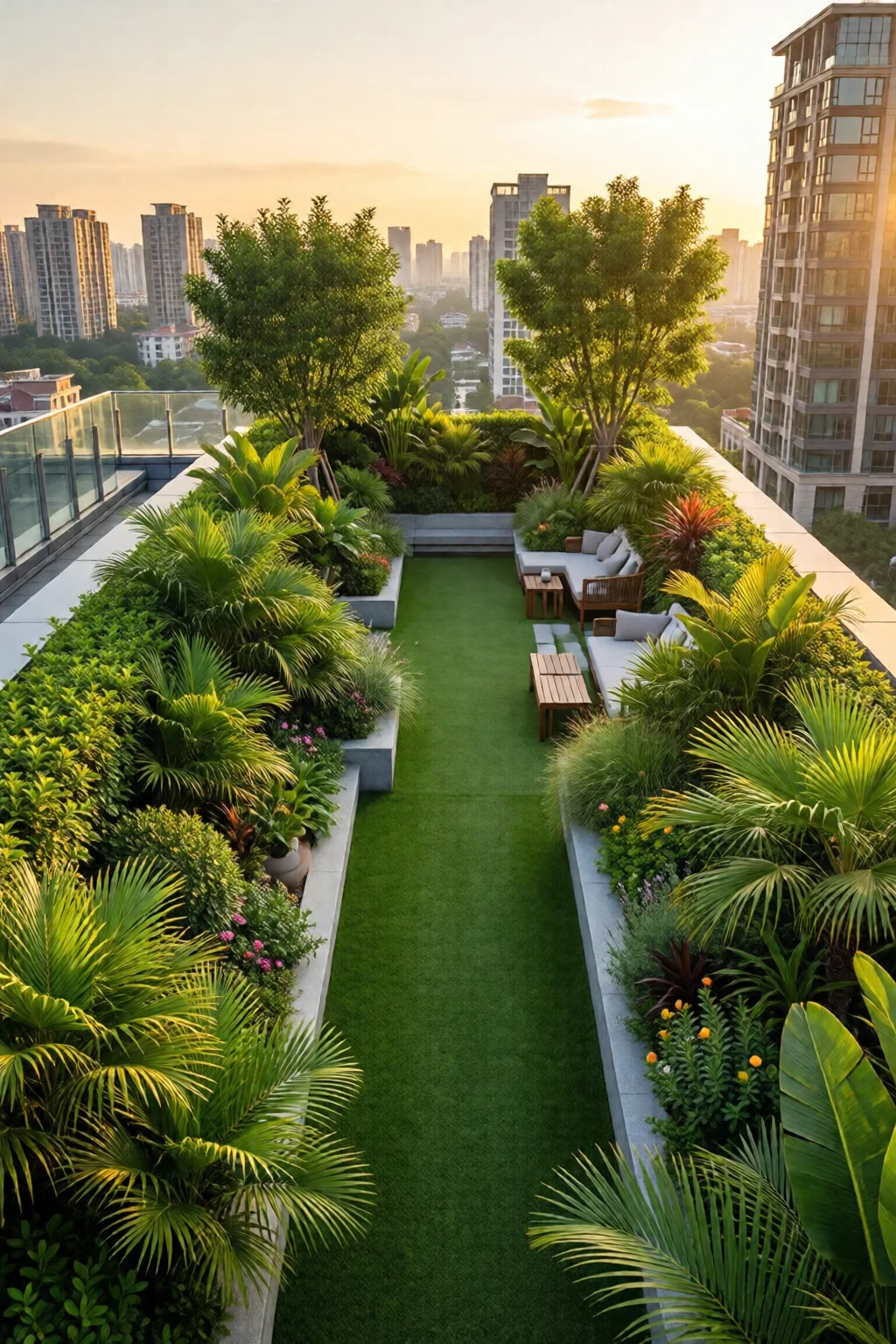
5. Miniature Tree Canopy
A small tree adds height, shade, and a sense of permanence. The Dwarf Japanese Maple ‘Fireglow’ (3‑ft tall, $85) fits nicely in a 3‑ft × 3‑ft raised pot with a 12‑in depth of Pro-Mix Premium Potting Soil ($22 per bag). Ensure the pot has a drainage tray and a weight‑bearing base (≈150 lb total).
Pros:
- Provides seasonal color – fiery reds in fall.
- Creates micro‑climate for shade‑loving plants.
- Adds visual interest at eye level.
Cons:
- Requires winter protection in colder zones.
- Adds extra load – verify roof capacity.
One tip: wrap the pot in burlap and place a 2‑in layer of mulch to reduce temperature swings.
6. Mini Water Feature
A subtle fountain can mask city noise and boost humidity, which benefits many rooftop plants. The Vogue 12‑in × 12‑in tabletop fountain (stainless steel, $149) circulates 0.5 gal/min and runs on a low‑voltage transformer (24 V). Position it on a waterproof tray to protect the underlying membrane.
Pros:
- Creates soothing soundscape.
- Increases local humidity by up to 5 %.
- Low power consumption – ~5 W.
Cons:
- Requires regular cleaning to prevent algae.
- Adds a small water load (≈10 lb).
Combine the fountain with boxwood care and shaping tips for a classic formal look.
7. Seating & Lounge Area
Garden furniture turns your roof into a livable room. My favorite is the West Elm “Mid-Century Outdoor Chaise” (weather‑resistant teak, 72 in × 30 in, $449). Pair it with a Polycarbonate pergola (10 ft × 10 ft, $1,200) to provide shade and a rain‑shield.
Pros:
- Creates a functional space for meals or reading.
- Teak resists rot and UV degradation for 15‑year lifespan.
- Pergola can support string lights or vines.
Cons:
- Higher cost – total ≈ $1,800.
- Adds dead weight; ensure structural engineer sign‑off.
One common mistake is forgetting to anchor the pergola; I use Simpson Strong‑Tie brackets (4 pcs, $12) drilled into the roof deck.
8. Solar LED Lighting
Energy‑efficient lighting extends garden use into the evening. The Sunforce 100‑Watt Solar Spotlights (adjustable arm, $39 each) provide up to 12 hours of illumination on a full charge. Install three around the perimeter for balanced light; total cost ≈ $120.
Pros:
- Zero electricity cost.
- Automatic dusk‑to‑dawn sensor.
- Weather‑proof rating IP65.
Cons:
- Brightness limited on cloudy days.
- Battery replacement every 3‑5 years (≈$15).
For a dramatic effect, sync the lights with a dimmable Bluetooth controller – I use the Philips Hue Bridge ($69) and set scenes via phone.
9. Rainwater Harvesting System
Collecting rain reduces water bills and provides a sustainable source for irrigation. A compact 50‑gal rain barrel (e.g., Algreen 50‑gal Stainless Steel Barrel, $149) with a UV‑protected spigot can be mounted on a steel stand. Connect it to a Gardena 3‑stage pump ($85) to feed drip lines.
Pros:
- Reduces irrigation costs by up to 30 %.
- Provides non‑chlorinated water, better for plants.
- Eco‑friendly image for visitors.
Cons:
- Requires regular cleaning to prevent mosquito breeding.
- Barrel weight when full (≈ 400 lb) must be supported.
Pair the system with a moisture sensor (Ecowitt WH31, $45) that shuts off the pump when soil is moist.
10. Seasonal Color Rotation
Keeping the garden fresh all year means swapping plant palettes. Start with spring bulbs (e.g., Allium ‘Globemaster’, $4 per bulb) in shallow trays, transition to summer annuals like Petunia ‘Supertunia Vista Bubblegum’ ($3 each), then replace with autumn foliage plants such as Japanese Bloodgrass ($2.50 per plant). Budget roughly $200 per season for seedlings and soil amendments.
Pros:
- Constant visual interest.
- Allows you to experiment with new varieties.
- Optimizes use of limited space.
Cons:
- Requires planning and regular planting cycles.
- Potentially higher labor time.
My favorite rotation is: bulbs → herbs → leafy greens → succulents. It balances edibility with aesthetics.
Comparison Table: Top Rooftop Garden Picks
| Design Idea | Initial Cost (USD) | Maintenance (hrs/mo) | Yield/Benefit | Weight (lb/ft²) | Rating |
|---|---|---|---|---|---|
| Modular Raised‑Bed System | $189 (4‑panel kit) | 2–3 | Vegetables, herbs, flowers | 0.5–1 | 4.5/5 |
| Vertical Garden Wall | $79 (Woolly Pocket) + $68 drip kit | 3–4 | High‑density foliage, micro‑climate | 0.8 | 4.2/5 |
| Succulent Meadow | $250 (plants + soil) | 1–2 | Low‑water, year‑round texture | 0.3 | 4.6/5 |
| Edible Herb Garden | $129 (GrowBox) + $30 soil | 2–3 | Fresh herbs for cooking | 0.4 | 4.4/5 |
Final Verdict
Rooftop garden design ideas are less about one‑size‑fits‑all and more about matching the structural limits, budget, and personal style of your space. If you crave high productivity, start with modular raised beds; if you want drama with minimal water, a succulent meadow or vertical wall wins. Combine a few of these concepts – a herb bed beside a water feature, lit by solar LEDs – and you’ll have a multi‑functional oasis that pays for itself in fresh food, lower energy bills, and pure enjoyment.
How much weight can a typical residential roof support?
Most residential roofs are designed for a live load of 30–40 lb/ft². Always consult a structural engineer before adding more than 10 lb/ft² of saturated soil or water.
Do I need a waterproof membrane under my garden?
Yes. A high‑quality EPDM or PVC membrane prevents water infiltration and protects the roof deck. Expect to spend $1.50–$3 per sq ft for professional installation.
What’s the best irrigation method for rooftops?
A drip‑irrigation system with a moisture sensor offers precise water delivery, reduces waste, and cuts water use by up to 40 % compared to hose watering.
Can I grow fruit trees on a roof?
Yes, but choose dwarf varieties (e.g., dwarf Meyer lemon, dwarf apple) and plant them in large, reinforced containers. Ensure total load stays within the roof’s capacity.
How do I protect my garden from wind?
Install windbreaks such as lattice panels, bamboo screens, or strategically placed tall plants. A 2‑ft high barrier can reduce wind speed by up to 30 %.
2 commentaires sur « How to Rooftop Garden Design Ideas (Expert Tips) »