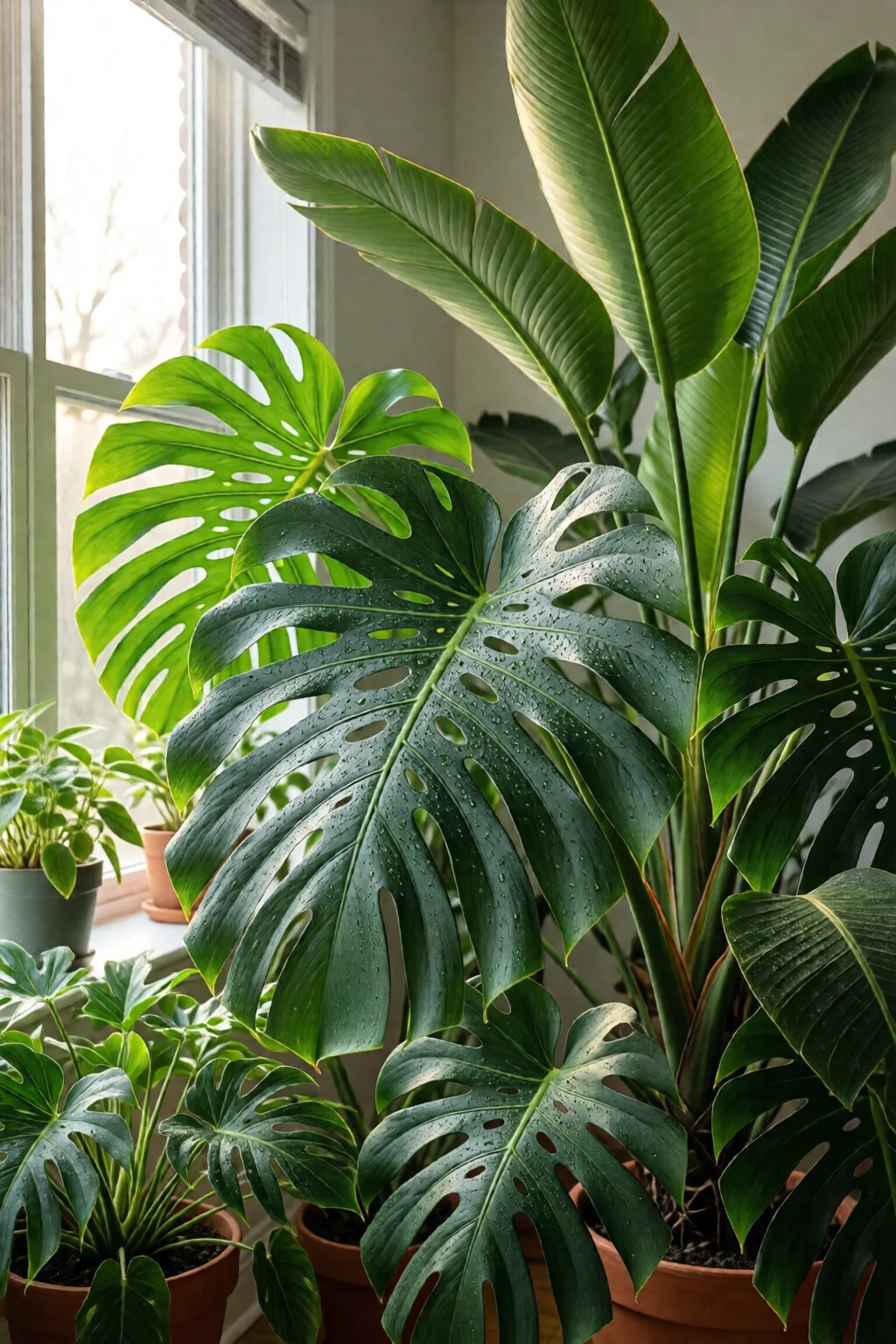
Turn your living room into a lush sanctuary with a few carefully chosen large indoor plants for living room spaces. In the next few minutes you’ll learn exactly which species make the biggest visual impact, how to size them, where to place them, and the day‑to‑day routine that keeps them thriving.
In This Article
What You Will Need (Before You Start)
- Measuring tape – to confirm ceiling height and floor space.
- Light meter or a smartphone app (e.g., Lux Light Meter Pro) – to quantify the natural light in each corner.
- Potting mix tailored to the plant (cactus‑soil blend, orchid bark mix, or a peat‑based indoor mix).
- Large decorative pot (12‑20 inches diameter) with drainage holes; brands such as Lechuza (prices $45‑$80) or Bloomsbury (prices $30‑$55) work well.
- Watering can with a long spout (minimum 1 L capacity) for even distribution.
- Fertilizer: a balanced 20‑20‑20 liquid (e.g., Miracle-Gro Indoor Plant Food, $12 per quart) or a slow‑release granular option (e.g., Osmocote Indoor & Outdoor, $9 per 3‑lb bag).
- Support stakes or moss poles for tall, climbing varieties.
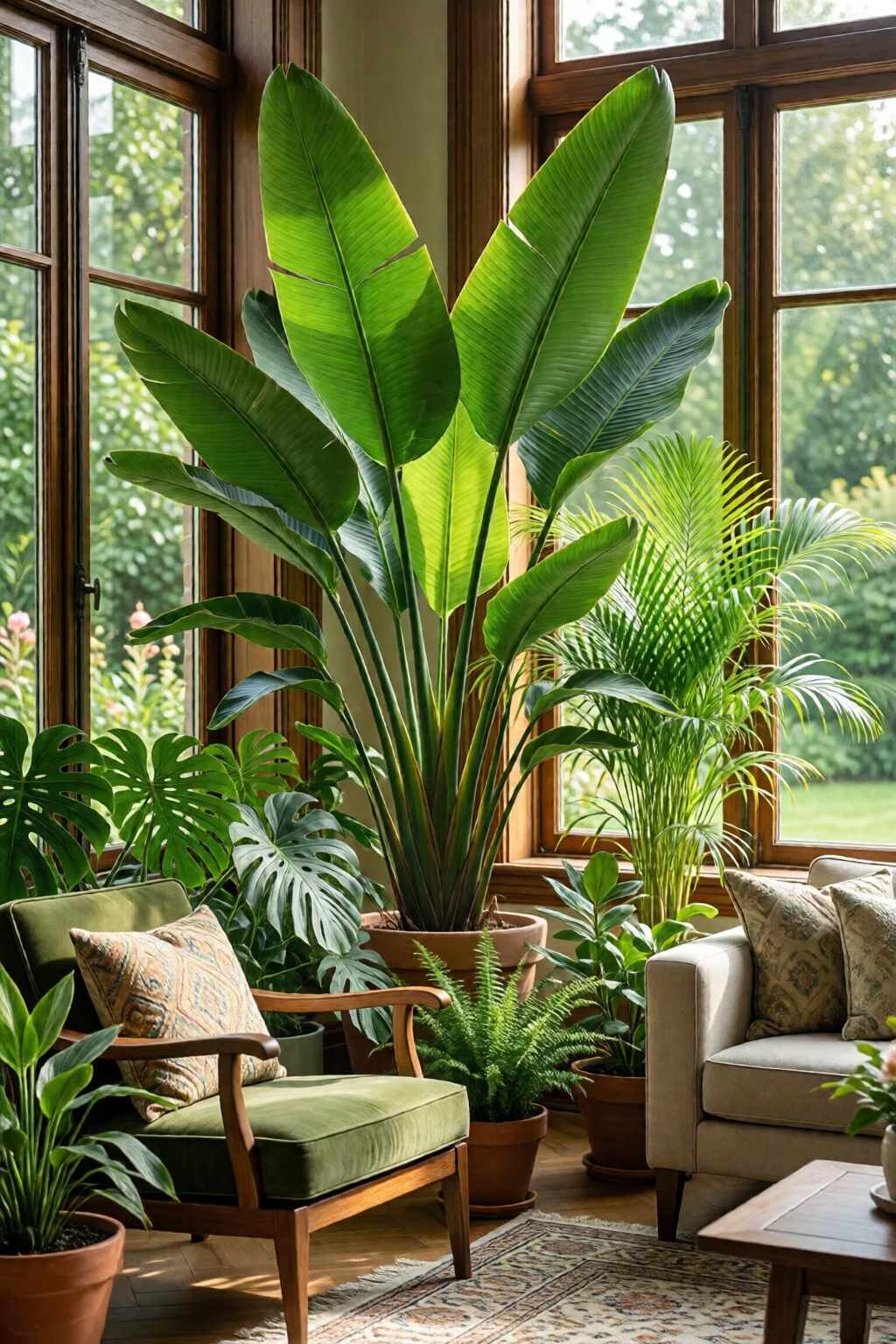
Step 1 – Assess Light and Space
Large indoor plants for living room use demand a clear picture of both vertical and horizontal space. Measure the ceiling height; most big houseplants need at least 7‑8 feet of clearance to accommodate mature foliage without hitting the ceiling. Then, stand in each spot where you might place a plant and use the light meter:
- Bright indirect light: 5 000–10 000 lux – ideal for Fiddle Leaf Fig (Ficus lyrata) and Bird of Paradise (Strelitzia reginae).
- Moderate light: 2 000–5 000 lux – suitable for ZZ Plant (Zamioculcas zamiifolia) and Rubber Plant (Ficus elastica).
- Low light: under 2 000 lux – only the most tolerant, like the Snake Plant (Sansevieria trifasciata), can survive, but they won’t reach “large” proportions quickly.
Mark the spots on a floor plan and note the distance from windows. Remember, a plant that receives 6 hours of filtered morning sun will often outgrow a plant in a dim corner, even if the latter is a “low‑light” variety.
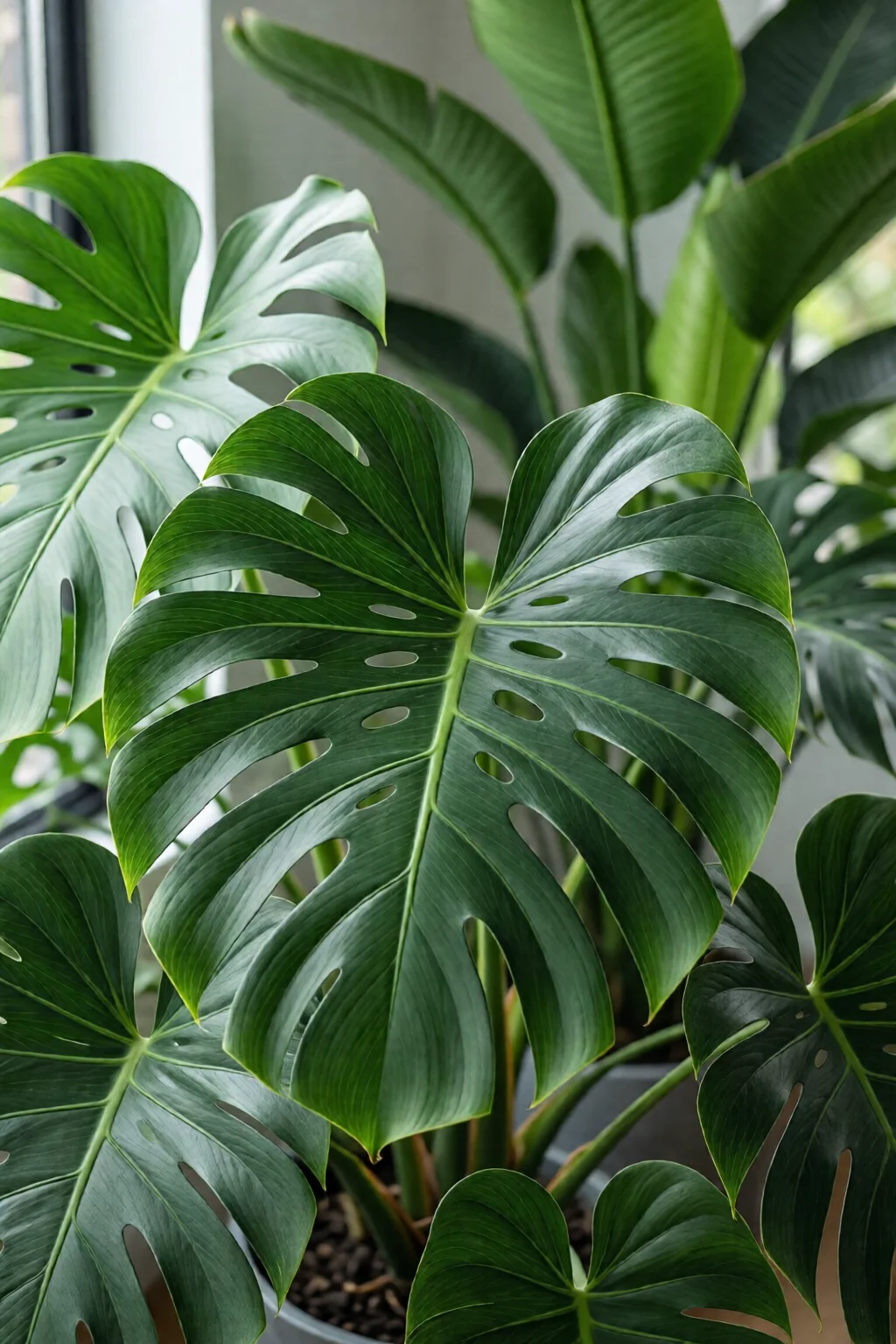
Step 2 – Choose the Right Species
Below are my top seven picks, each backed by real‑world performance in living rooms similar to yours. I include typical mature height, price range (U.S. dollars, 2024), pot size recommendation, and a quick care snapshot.
| Plant | Mature Height | Price | Ideal Pot Size | Key Light & Water Needs |
|---|---|---|---|---|
| Fiddle Leaf Fig (Ficus lyrata) | 6‑10 ft | $80‑$150 (2‑gallon) | 15‑20 in | Bright indirect; water when top 2 in of soil dry. |
| Monstera Deliciosa | 8‑12 ft | $120‑$250 (3‑gallon) | 18‑22 in | Medium to bright indirect; keep soil evenly moist. |
| Bird of Paradise (Strelitzia reginae) | 5‑6 ft | $100‑$180 (3‑gallon) | 16‑20 in | Bright indirect to partial sun; water weekly. |
| Rubber Plant (Ficus elastica) | 7‑10 ft | $70‑$130 (2‑gallon) | 14‑18 in | Medium light; water when soil surface dry. |
| ZZ Plant (Zamioculcas zamiifolia) | 3‑4 ft (can be trained taller) | $45‑$90 (2‑gallon) | 12‑14 in | Low to medium light; drought tolerant. |
| Dragon Tree (Dracaena marginata) | 6‑8 ft | $55‑$110 (2‑gallon) | 14‑16 in | Bright indirect; allow soil to dry between waterings. |
| Philodendron ‘Xanadu’ | 4‑6 ft | $65‑$120 (2‑gallon) | 12‑16 in | Medium light; keep soil lightly moist. |
One mistake I see often is buying a plant that is already at its maximum height for the space. For living rooms with 9‑foot ceilings, I recommend the Monstera or Fiddle Leaf Fig; for 8‑foot ceilings, the Rubber Plant or Dragon Tree are safer bets.
Special Mention: Pet‑Safe Options
If you have dogs or cats, consider the pet safe indoor plants for dogs list. The Spider Plant (Chlorophytum comosum) can reach 3 ft with proper support and is non‑toxic.
Combining Plants for Visual Balance
Pair a tall, sculptural plant like a Fiddle Leaf Fig with a medium‑sized, texture‑rich partner such as a Peace Lily (Spathiphyllum) to break up vertical lines. This creates a layered look that feels curated rather than planted.
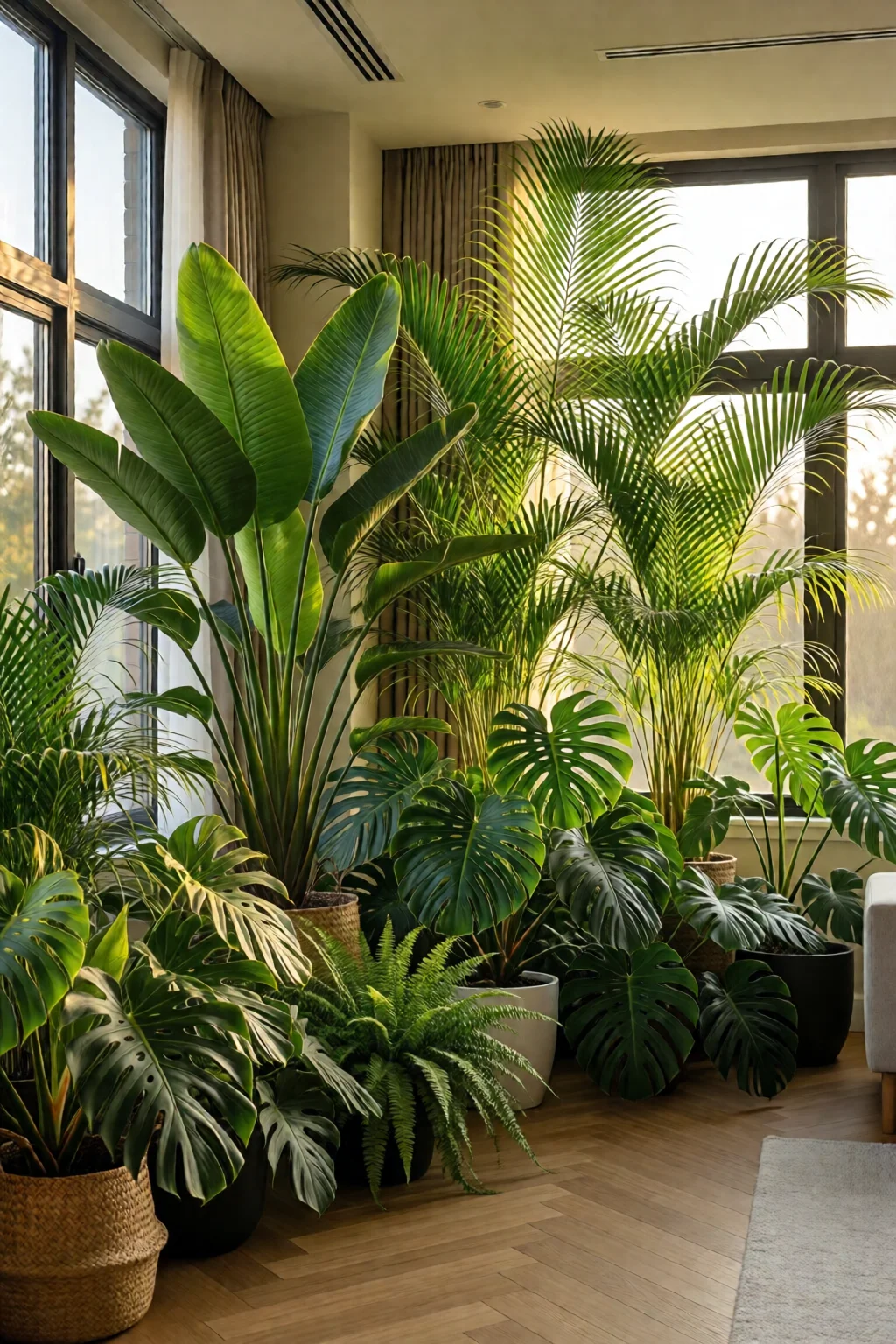
Step 3 – Pick the Perfect Pot and Soil
The pot does more than look good; it controls moisture retention and root health. Choose a container that is 2‑4 inches larger in diameter than the current root ball. For a 20‑inch pot, a Lechuza Classic Self‑Watering Pot (price $70) offers a reservoir that reduces watering frequency by up to 30 %.
Soil mix recommendations:
- Fiddle Leaf Fig & Monstera: 40 % peat moss, 30 % perlite, 30 % pine bark.
- ZZ Plant & Snake Plant: 50 % cactus soil, 25 % coarse sand, 25 % peat.
- Bird of Paradise: 35 % composted leaf mold, 35 % peat, 30 % perlite.
Always add a 1‑inch layer of decorative stones at the bottom for drainage, then fill with the chosen mix. A quick test—press a finger 2 inches deep; if it feels dry, the plant is ready for its first watering.
Step 4 – Placement and Styling
Position your large plant where it becomes a focal point, not a backdrop. Here are three layout ideas:
- Corner Anchor: Place a 10‑ft Monstera in the far corner, add a low‑profile rug (8 × 10 ft, $120) and a floor lamp for evening ambience.
- Sidewall Gallery: Align a 6‑ft Rubber Plant against a side wall, flank it with hanging planters of trailing pothos (Epipremnum aureum) for vertical interest.
- Room Divider: Use two 8‑ft Fiddle Leaf Figs on opposite sides of a coffee table to create a natural partition.
When you’re unsure about the exact spot, temporarily place the plant on a rolling cart for a week and observe how the light shifts throughout the day.
Step 5 – Ongoing Care (Water, Feed, Prune)
Consistency beats occasional over‑care. Follow this schedule:
- Water: For most large indoor plants, water every 7‑10 days in summer and every 14‑21 days in winter. Use room‑temperature water; cold shock can stunt growth.
- Fertilize: Apply a balanced liquid fertilizer (20‑20‑20) at ¼ strength once a month from March to September. For slow‑release granules, sprinkle 1 tbsp per 10 gal of soil in early spring.
- Prune & Clean: Remove yellowed leaves promptly (within 24 hours). Trim back leggy stems by up to one‑third to encourage bushier growth. Dust leaves with a soft, damp cloth weekly to improve photosynthesis.
- Rotate: Turn the pot 90° every two weeks so all sides receive equal light.
For detailed orchid care, see my guide on orchid care for beginners at home, which shares many watering principles applicable to large tropical plants.
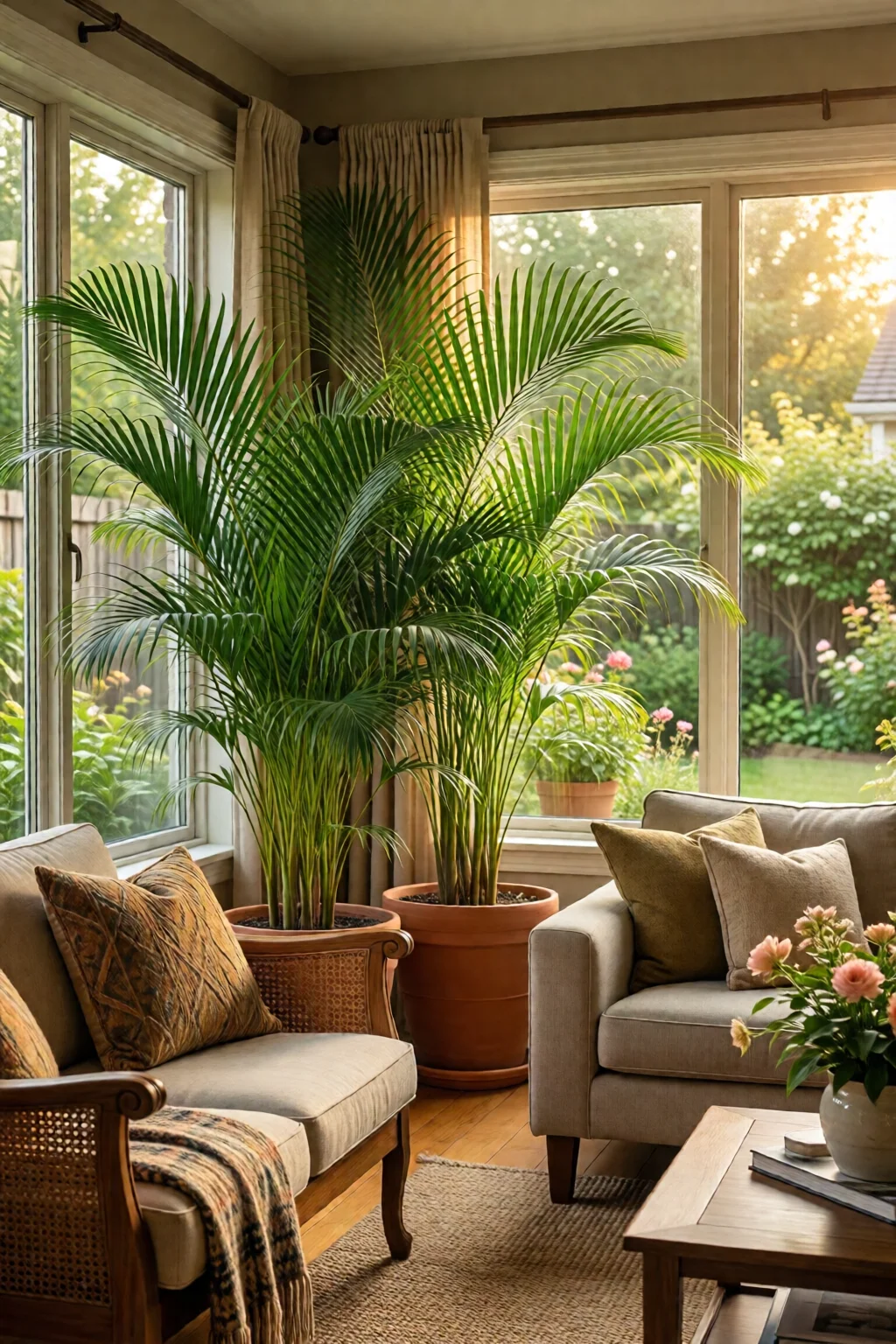
Common Mistakes to Avoid
- Overwatering: The most frequent error. Large pots retain moisture longer; always check the top 2‑inches before adding water.
- Choosing the Wrong Light Level: A bright‑light plant in a north‑facing room will stretch and become leggy, losing its iconic leaf shape.
- Neglecting Pot Size: A pot that’s too small restricts root growth, leading to “root‑bound” conditions and stunted height.
- Skipping Humidity Boosts: Tropical giants love 50‑60 % humidity. In dry climates, run a humidifier or place the pot on a pebble tray with water.
- Ignoring Pests Early: Spider mites and mealybugs love the undersides of large leaves. Spot‑check weekly; treat with neem oil (2 % solution) at the first sign.
Troubleshooting & Tips for Best Results
Yellowing Leaves: Usually a sign of overwatering or nutrient deficiency. Reduce watering frequency by 2‑3 days and add a quick‑release fertilizer (e.g., Jack’s Classic 20‑20‑20, ½ tsp per gallon).
Brown Leaf Tips: Indicates low humidity or excess fertilizer salts. Mist the foliage twice daily for a week, then flush the soil with 2 gallons of water to leach salts.
Leggy Growth: Move the plant to a brighter spot or use a grow light (6500 K, 12 hours/day). A 600‑watt LED panel costs about $150 and can add the missing light intensity.
Stunted Height: Repot into a larger container (increase diameter by 4‑6 inches) during the early spring. Use fresh potting mix to revive root vigor.
For apartment dwellers, see the best indoor trees for apartments, which include compact versions of the species listed above.
FAQ
How often should I water a large Fiddle Leaf Fig in a living room?
Water when the top 2 inches of soil feel dry, typically every 7‑10 days in summer and every 14‑21 days in winter. Use lukewarm water and ensure excess drains out.
Can I grow a Monstera in low‑light conditions?
Monstera prefers bright indirect light. In low‑light rooms it will survive but won’t develop the characteristic split leaves and may stay small.
What pot size is ideal for a 6‑ft Bird of Paradise?
A 16‑inch to 20‑inch diameter pot (15‑20 gallon capacity) provides enough room for root expansion while maintaining stability.
Are large indoor plants safe for dogs?
Many popular large plants (e.g., Fiddle Leaf Fig, Rubber Plant) are toxic to dogs. Choose pet‑safe options like Spider Plant, Boston Fern, or the listed pet safe indoor plants for dogs.
How can I increase humidity for my indoor jungle?
Place plants on pebble trays with water, run a room humidifier set to 55 % humidity, or group plants together to create a micro‑climate.
Summary
Choosing and caring for large indoor plants for living room spaces boils down to three pillars: matching light, giving enough room for growth, and maintaining a steady watering‑feeding routine. With the right species—Fiddle Leaf Fig, Monstera, Bird of Paradise, Rubber Plant, or ZZ Plant—and a well‑chosen pot, you’ll see dramatic height gains within 6‑12 months. Remember to avoid overwatering, select the correct light level, and provide humidity; a little vigilance goes a long way.
Now that you have a step‑by‑step roadmap, pick your favorite giant, set it up, and watch your living room transform into a living work of art.
3 commentaires sur « Best Large Indoor Plants For Living Room Ideas That Actually Work »