Ever wondered which fern will thrive on your windowsill while you binge‑watch your favorite series?
In This Article
- 1. Boston Fern (Nephrolepis exaltata ‘Boston’)
- 2. Maidenhair Fern (Adiantum raddianum)
- 3. Bird’s Nest Fern (Asplenium nidus)
- 4. Kimberly Queen Fern (Nephrolepis obliterata)
- 5. Staghorn Fern (Platycerium spp.)
- 6. Japanese Painted Fern (Athyrium niponicum ‘Pictum’)
- 7. Leatherleaf Fern (Rumohra adiantiformis)
- Comparison Table: Top Indoor Fern Picks
- General Indoor Fern Care Guidelines
- Choosing the Right Fern for Your Space
- Common Mistakes and How to Avoid Them
- Final Verdict
Choosing the right indoor fern is more than a pretty aesthetic decision; it’s about matching light, humidity, and watering habits to a plant that can actually survive your living‑room climate. Below is my curated list of the best indoor fern varieties and care tips that have kept my own jungle green and glossy for years.
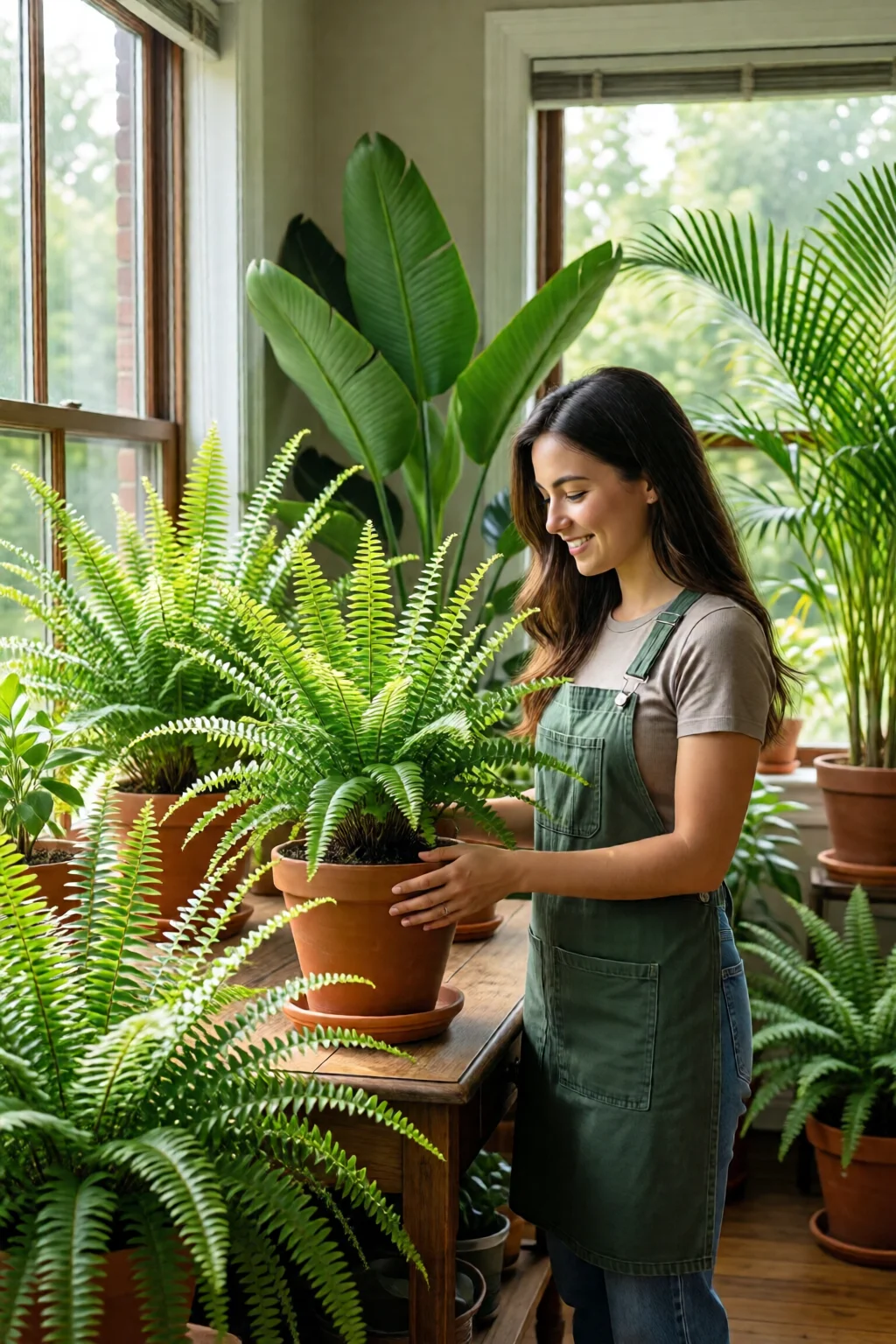
1. Boston Fern (Nephrolepis exaltata ‘Boston’)
The Boston fern is the classic house‑fern that most people picture when they think “fern”. Its arching fronds can reach 2‑3 ft tall, making it a striking focal point in hanging baskets or on a pedestal.
Pros: Excellent air‑purifier (NASA study shows it removes formaldehyde by up to 25 %); tolerates low to medium light; lush texture.
Cons: Demands high humidity (60‑80 %); prone to brown tips if water quality is poor.
Care tips:
- Light: Bright indirect light – a north‑east window works well.
- Water: Keep soil consistently moist but not soggy; aim for 200 ml water per week in a 6‑inch pot.
- Humidity: Place the pot on a pebble tray with 2 cm of water or use a fluorescent humidifier set to 70 %.
- Soil: Use a peat‑based mix like Scotts Premium Potting Mix, pH 5.5‑6.5.
- Fertilizer: Feed a balanced 20‑20‑20 liquid fertilizer at ¼ strength every 4 weeks during spring and summer.
2. Maidenhair Fern (Adiantum raddianum)
Maidenhair ferns are delicate, with fan‑shaped fronds that look like lace. They’re perfect for bathroom shelves where humidity is naturally higher.
Pros: Elegant, thrives in high humidity; prefers cooler temperatures (65‑72 °F).
Cons: Very sensitive to dry air and direct sun; needs consistently moist soil.
Care tips:
- Light: Filtered light; a sheer curtain over a south‑facing window works.
- Water: Mist daily or use a self‑watering pot; aim for 150 ml per week in a 4‑inch pot.
- Humidity: Aim for 80 % – a tabletop humidifier set to 2 L/hour is ideal.
- Soil: Lightweight mix with perlite; Miracle‑Gro Indoor Potting Soil works well.
- Fertilizer: Diluted fern feed (e.g., 1 g per 5 L water) once a month.
3. Bird’s Nest Fern (Asplenium nidus)
Bird’s Nest Fern gets its name from its rosette of broad, glossy fronds that resemble a bird’s nest. It’s a low‑maintenance choice for beginners.
Pros: Tolerates low light; tolerates occasional neglect; attractive foliage.
Cons: Susceptible to leaf spot if water sits on fronds.
Care tips:
- Light: Low to medium indirect light; a spot near a north‑west window is perfect.
- Water: Water when the top inch of soil feels dry – roughly 250 ml every 10 days for a 5‑inch pot.
- Humidity: Aim for 50‑60 %; a small humidifier on a timer (30 min on/2 h off) works.
- Soil: Well‑draining mix with orchid bark; a 1:1 blend of peat and perlite.
- Fertilizer: Apply a slow‑release 14‑14‑14 granule (¼ tsp per gallon) in spring.
4. Kimberly Queen Fern (Nephrolepis obliterata)
Often mistaken for the Boston fern, the Kimberly Queen has stiffer, upright fronds that stay tidy, making it ideal for office desks.
Pros: Tolerates dry indoor air; thrives in bright indirect light; minimal pruning.
Cons: Slower growth compared to Boston fern.
Care tips:
- Light: Bright indirect light – a spot near a east‑facing window works.
- Water: Allow the top 2 cm of soil to dry; then water 180 ml for a 6‑inch pot.
- Humidity: 40‑50 % is sufficient; no extra humidifier needed.
- Soil: Use a cactus‑potting mix with added peat for moisture retention.
- Fertilizer: Feed with a 10‑10‑10 liquid fertilizer at half strength monthly.
5. Staghorn Fern (Platycerium spp.)
Staghorn ferns are epiphytic, growing on wood or mounted on walls. Their antler‑shaped fronds make them a conversation starter.
Pros: Unique wall‑mount aesthetic; tolerates low soil.
Cons: Requires regular soaking; can be pricey (average $45‑$80 for a mature specimen).
Care tips:
- Light: Bright indirect light; a south‑west window with a sheer curtain works.
- Water: Soak the mounted fern in tepid water for 15 minutes every 7‑10 days.
- Humidity: 60‑70 % – mist twice daily if your home is dry.
- Mounting: Use a wooden plaque and sphagnum moss; secure with stainless steel wire.
- Fertilizer: Sprinkle a balanced orchid fertilizer (¼ tsp) onto the moss once a month.
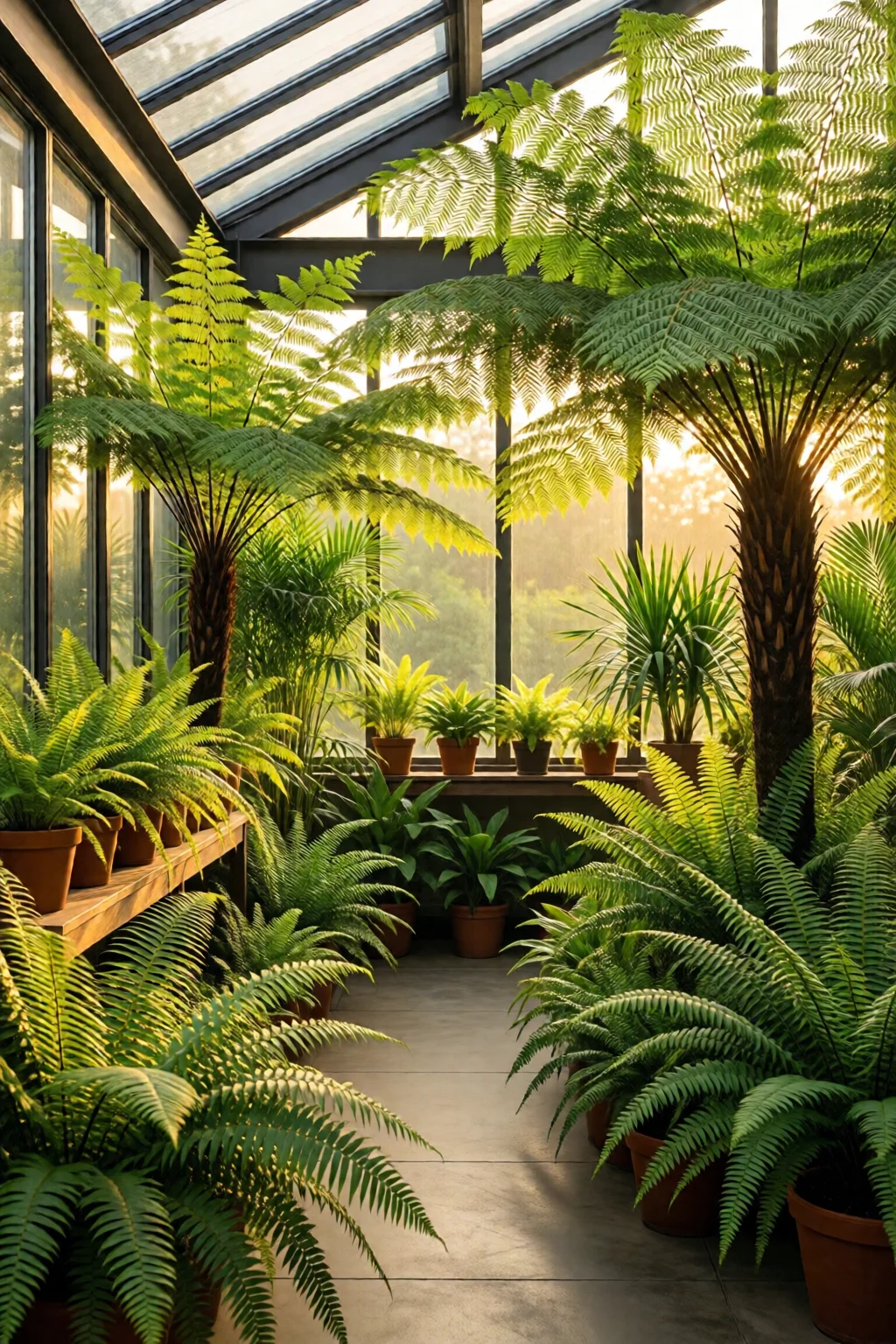
6. Japanese Painted Fern (Athyrium niponicum ‘Pictum’)
This fern impresses with silvery‑purple fronds that add a pop of color to any room. It prefers cooler temperatures and moderate light.
Pros: Colorful foliage; tolerates cooler indoor temps (55‑68 °F).
Cons: Sensitive to direct sun; may lose color if over‑fertilized.
Care tips:
- Light: Bright indirect light; a spot near a east‑south window works.
- Water: Keep soil evenly moist – about 120 ml weekly for a 4‑inch pot.
- Humidity: 55‑65 % – a small tabletop humidifier set to 1 L/hour suffices.
- Soil: Light, well‑draining mix with pine bark.
- Fertilizer: Apply a low‑nitrogen fern feed (10‑5‑10) at quarter strength every 6 weeks.
7. Leatherleaf Fern (Rumohra adiantiformis)
Leatherleaf Fern is prized for its glossy, leathery fronds and is a staple in commercial interiors. It handles low light well and is relatively drought‑tolerant.
Pros: Low light tolerance; robust; great for office corridors.
Cons: Can become leggy if not pruned.
Care tips:
- Light: Low to medium indirect light; a wall‑adjacent to a north‑facing window works.
- Water: Water when the top 2 cm of soil dries – about 200 ml per week for a 6‑inch pot.
- Humidity: 45‑55 % – no extra humidifier required.
- Soil: Use a standard indoor potting mix with added perlite for drainage.
- Fertilizer: Apply a slow‑release 14‑14‑14 granule (¼ tsp per gallon) in spring.
Comparison Table: Top Indoor Fern Picks
| Fern | Light | Humidity | Water (per week) | Growth Rate | Price (average) | Best For |
|---|---|---|---|---|---|---|
| Boston Fern | Bright indirect | 60‑80 % | 200 ml (6‑in pot) | Fast | $15‑$25 | Hanging baskets, living rooms |
| Maidenhair Fern | Filtered | 80 % | 150 ml (4‑in pot) | Medium | $18‑$30 | Bathrooms, humid zones |
| Bird’s Nest Fern | Low‑medium | 50‑60 % | 250 ml (5‑in pot) | Slow | $12‑$20 | Low‑light corners |
| Kimberly Queen Fern | Bright indirect | 40‑50 % | 180 ml (6‑in pot) | Medium‑slow | $20‑$35 | Office desks |
| Staghorn Fern | Bright indirect | 60‑70 % | Soak 15 min weekly | Medium | $45‑$80 | Wall mounts, décor focal points |
General Indoor Fern Care Guidelines
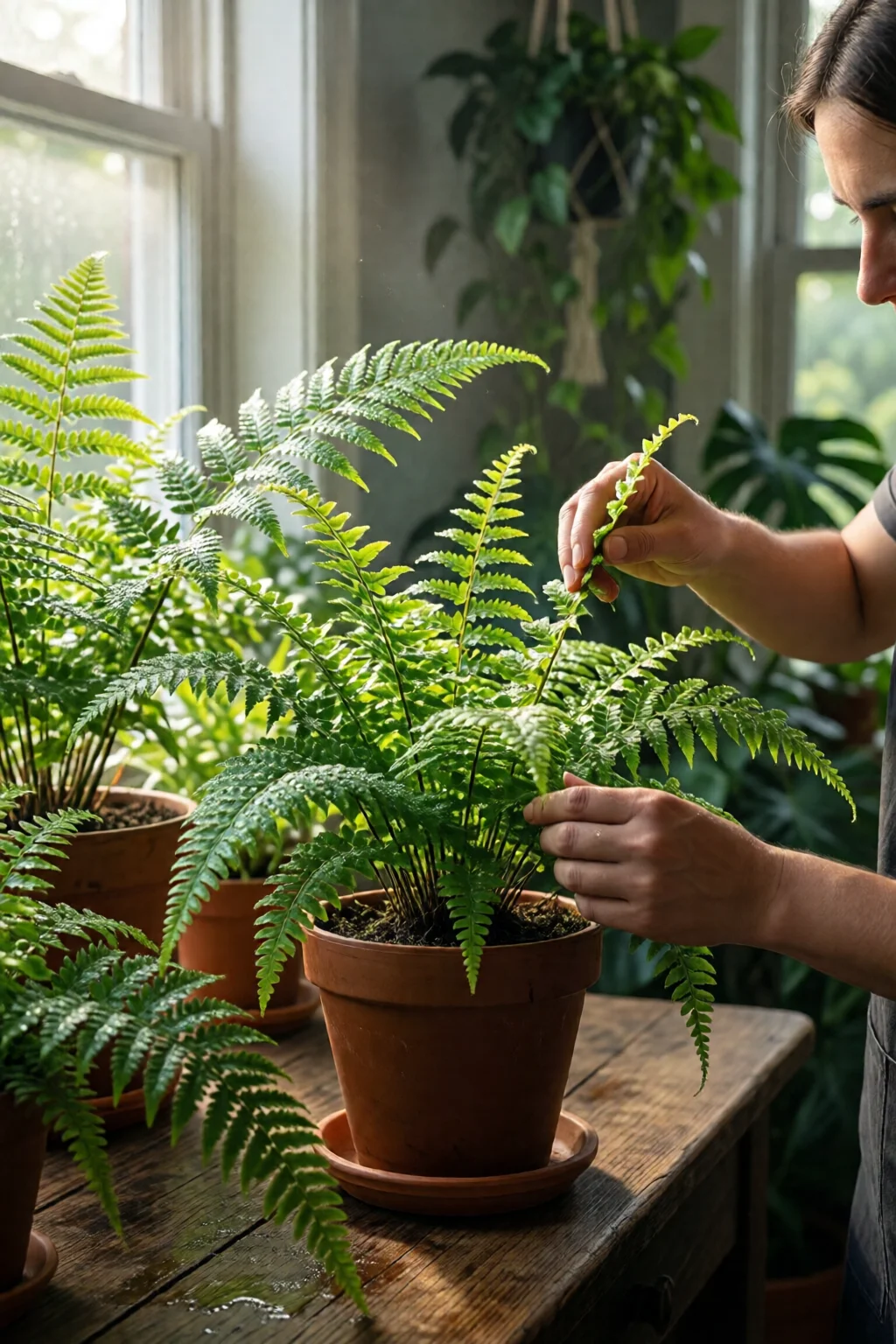
Even though each species has its quirks, the fundamentals of indoor fern care overlap. Here are the universal steps that keep any fern thriving:
- Lighting: Most ferns prefer bright, filtered light. Direct sun burns the fronds, while too‑dark spots cause etiolation (stretching). A light meter reading of 100‑250 lux is ideal for most varieties.
- Watering Frequency: Use the “finger test” – insert a finger 2 cm into the soil. If it feels dry, water thoroughly until water drains from the bottom. Avoid standing water to prevent root rot.
- Humidity Boost: Combine a pebble tray with a humidifier. For apartments without central humidification, a simple DIY: place a shallow tray of water near a heat source; the evaporating water raises ambient humidity by ~10‑15 %.
- Soil Mix: A peat‑based mix with perlite or orchid bark ensures aeration while retaining enough moisture. Avoid heavy garden soil.
- Fertilization: Ferns are light feeders. Use a balanced 20‑20‑20 liquid feed at ¼ strength during the growing season (April‑September). Skip fertilizing in winter.
- Pruning: Trim brown tips with sterile scissors. Remove dead fronds at the base to encourage new growth.
- Pest Management: Scale insects and spider mites love dry air. A weekly spray of diluted neem oil (1 tsp per quart water) keeps them at bay.
Choosing the Right Fern for Your Space
When deciding which fern to bring home, match the plant’s needs to your environment:
- Low Light Apartment: Bird’s Nest Fern or Kimberly Queen Fern.
- High Humidity Bathroom: Maidenhair Fern or Staghorn Fern.
- Office Desk with Minimal Care Time: Kimberly Queen Fern or Leatherleaf Fern.
- Creative Wall‑Mount Display: Staghorn Fern.
If you’re unsure about lighting, grab a cheap LED grow light (Fluence SPYDR 2×2, $119.99) and set it on a timer for 12 hours a day. It instantly raises the light level to the optimal range for most ferns.
Common Mistakes and How to Avoid Them
One mistake I see often is over‑watering. Ferns love moisture, but they hate soggy roots. Let the soil surface dry slightly before the next watering. Another pitfall is neglecting humidity; even a “hardy” fern will start dropping fronds if the air stays below 40 % for weeks.
Lastly, using tap water with high chlorine can scorch fronds. I recommend letting tap water sit for 24 hours to let chlorine evaporate, or use filtered water.
Final Verdict
If you want a green, low‑maintenance companion that also improves indoor air quality, start with the Boston Fern for classic charm, then experiment with a Maidenhair for a touch of elegance, or a Staghorn Fern for a bold visual statement. Pair your fern with a modest humidifier and a good quality indoor potting mix, and you’ll have a thriving indoor jungle that lasts for years.
How often should I water my indoor fern?
Water when the top 1‑2 cm of soil feels dry. For a 6‑inch pot, this usually means 180‑250 ml every 5‑7 days, depending on light and humidity.
Can I use regular garden soil for ferns?
No. Garden soil is too heavy and retains water, leading to root rot. Use a peat‑based indoor mix with perlite or orchid bark for proper drainage.
What’s the best way to raise humidity without a humidifier?
Place the fern on a pebble tray filled with water, group several plants together, or mist the foliage 2‑3 times daily with a spray bottle.
Are indoor ferns safe for pets?
Most common indoor ferns, like Boston and Bird’s Nest, are non‑toxic to cats and dogs. However, always double‑check species; some wild ferns can be irritating.
Do ferns need fertilizer year‑round?
Feed only during the active growth period (spring‑early fall). Use a balanced 20‑20‑20 liquid at ¼ strength once a month; skip fertilizing in winter.
1 commentaire sur « Indoor Fern Varieties And Care: Complete Guide for 2026 »