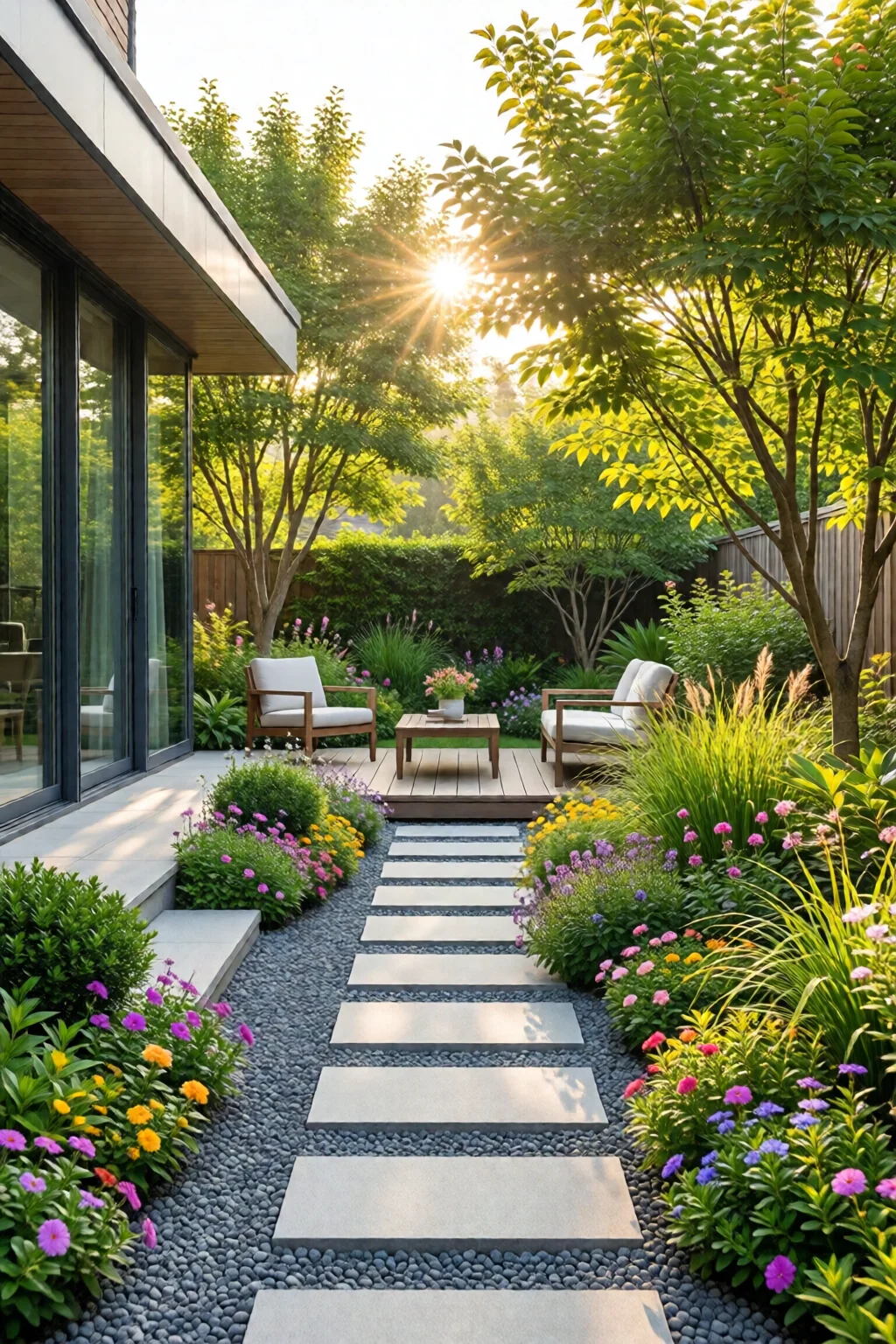
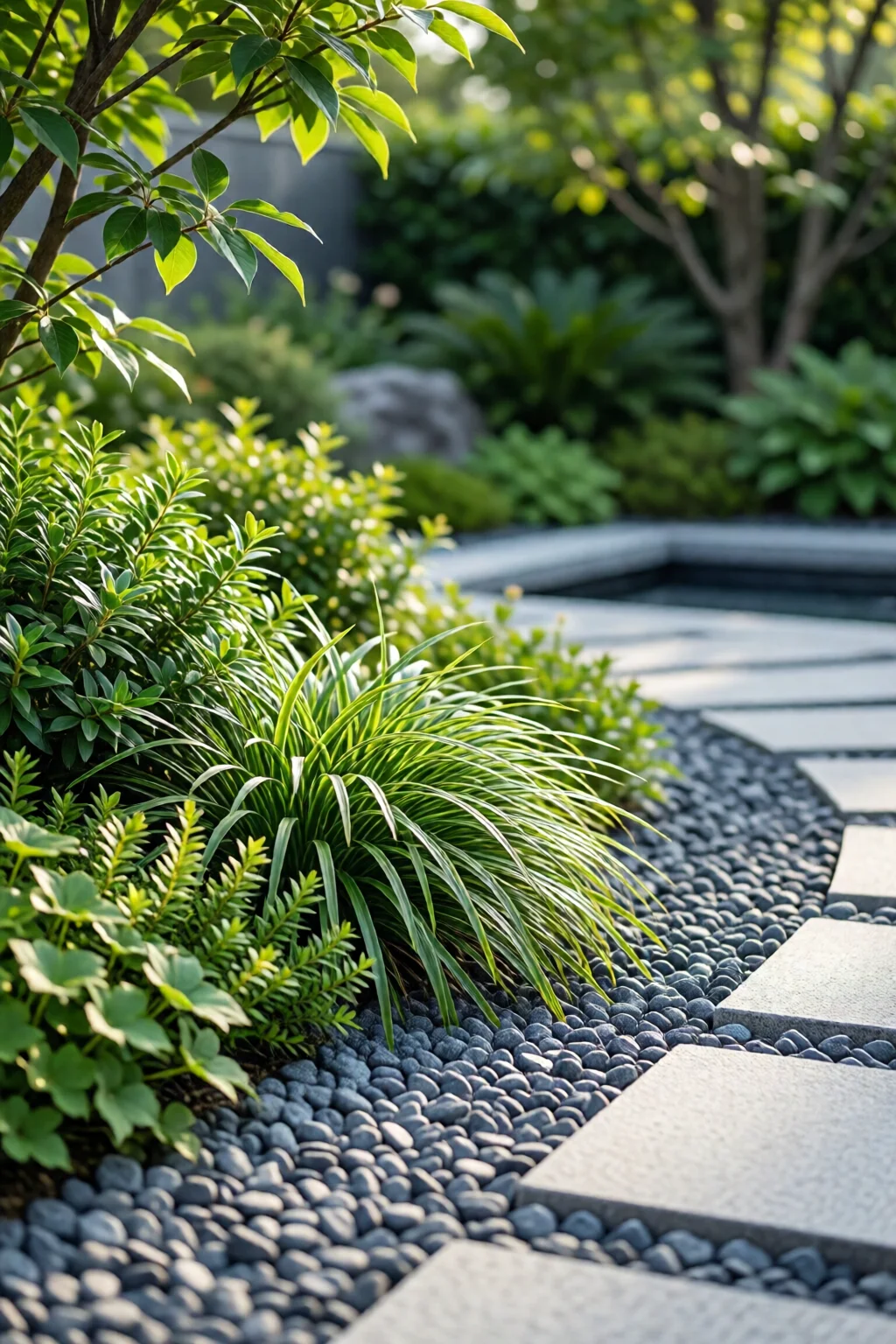
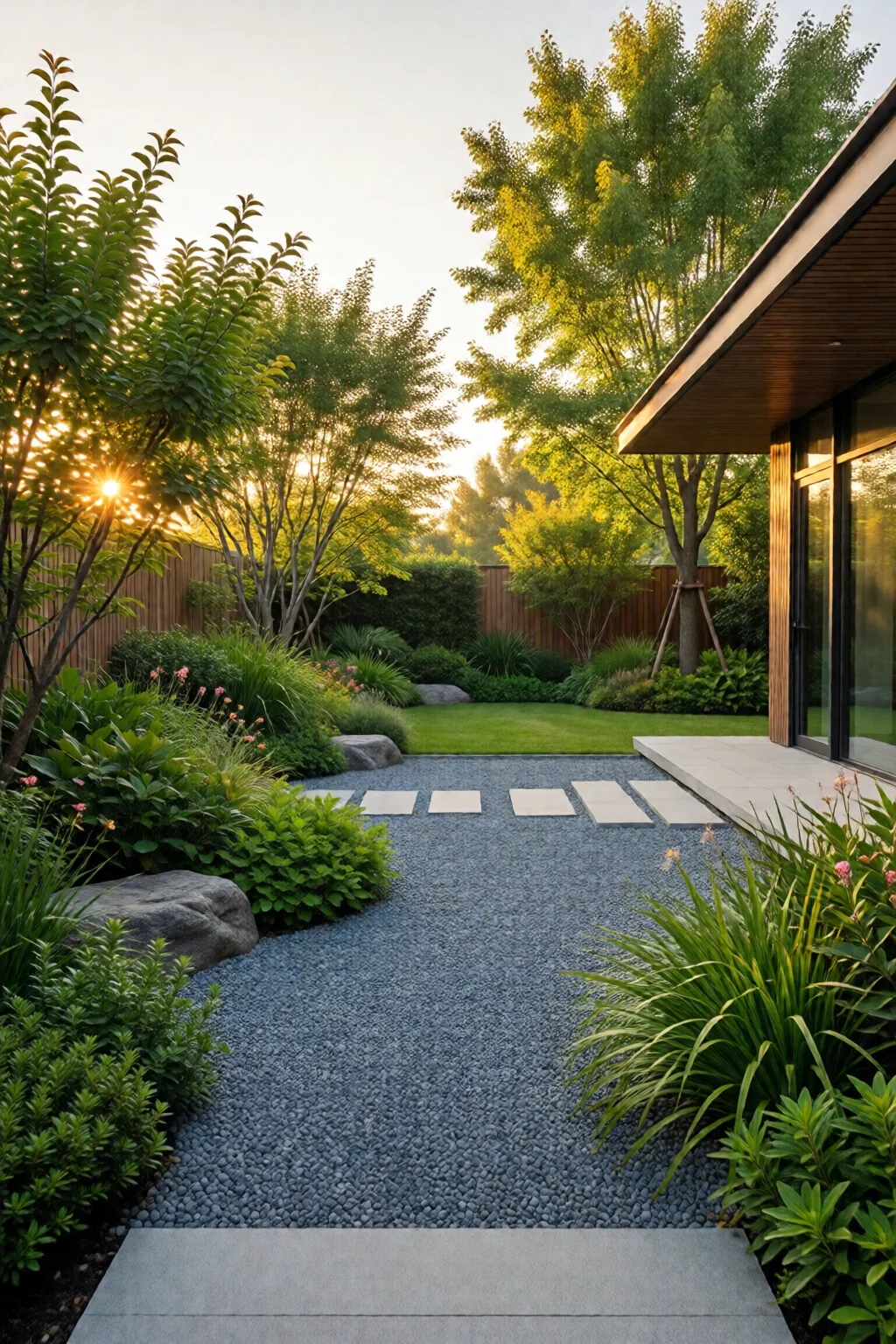
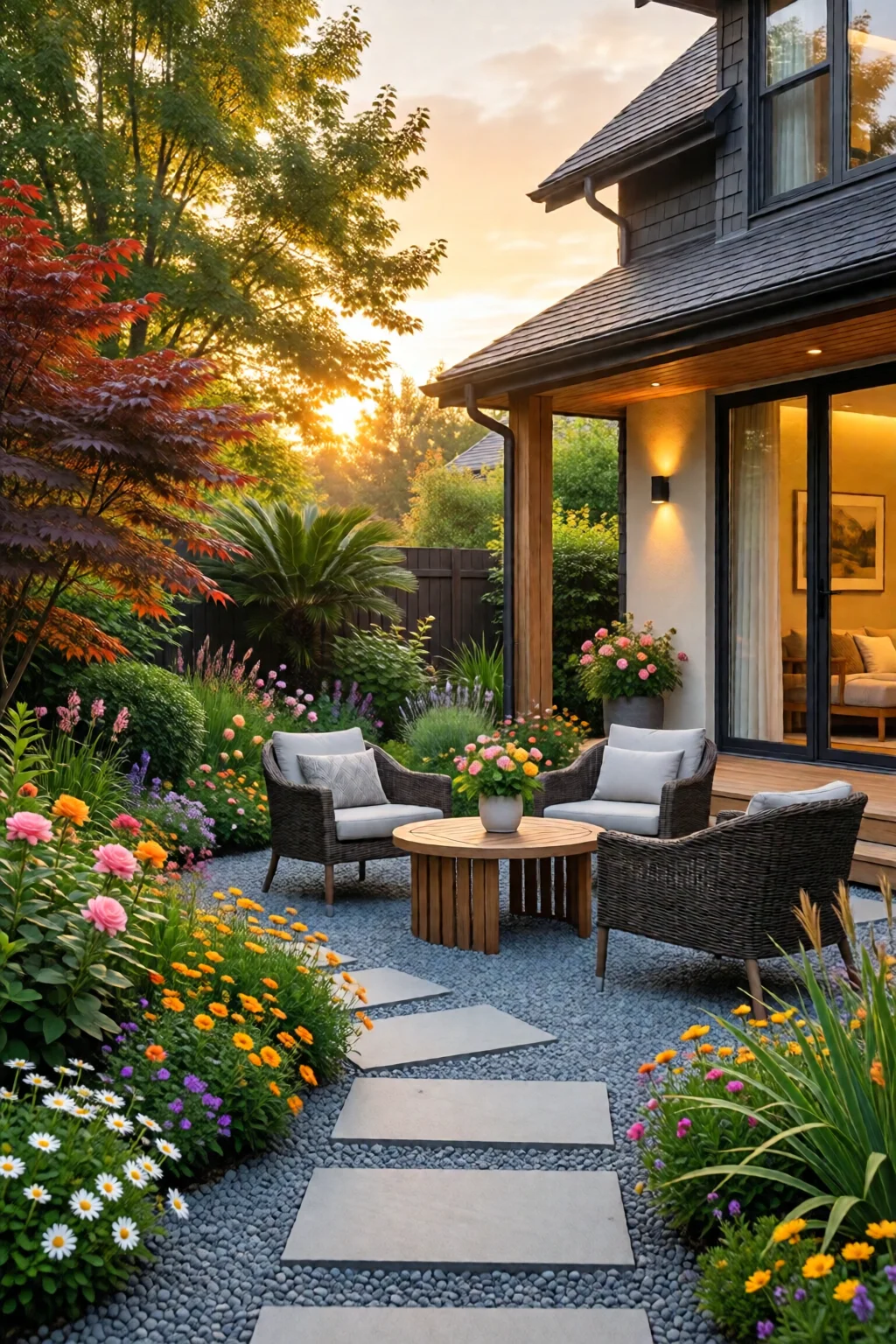
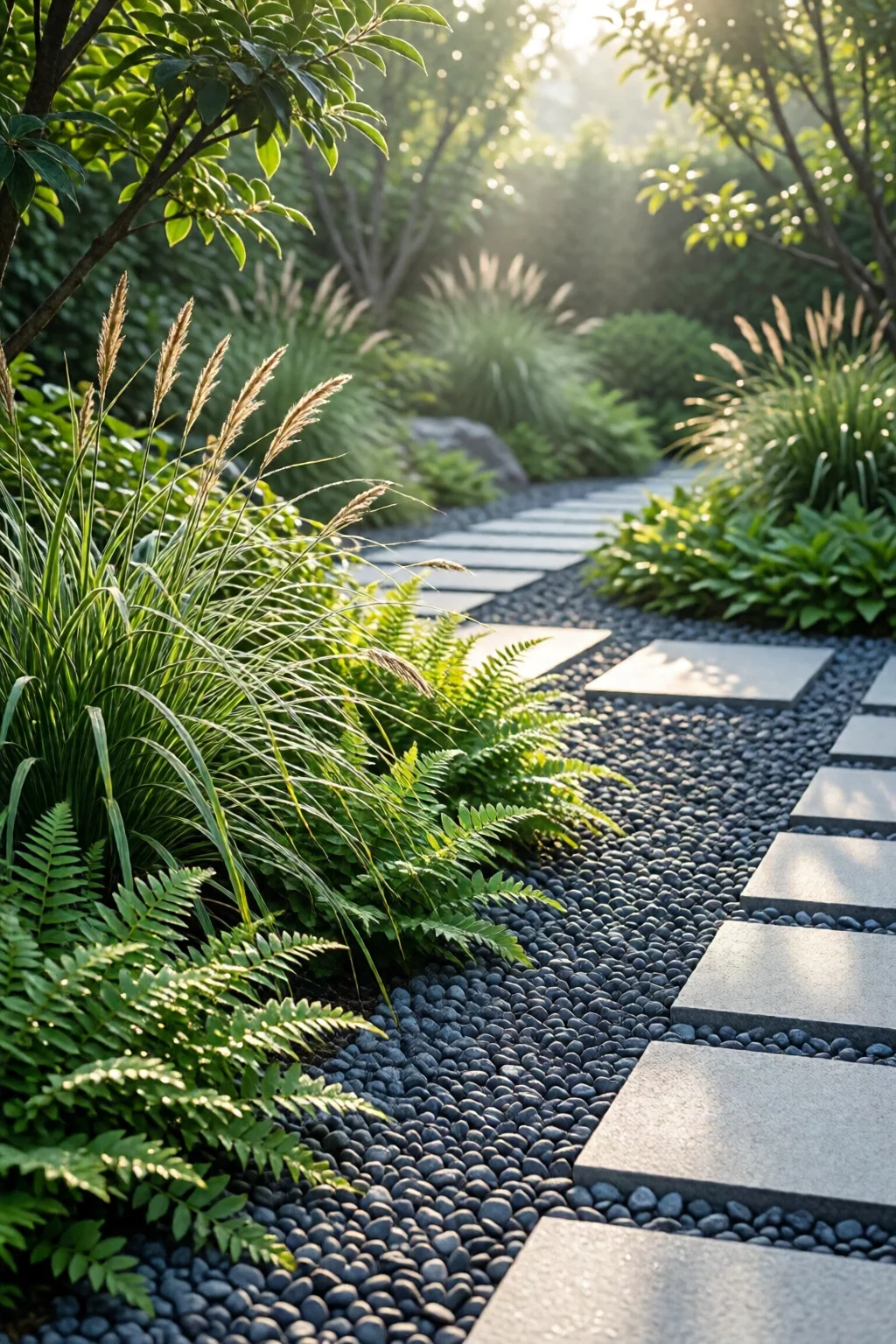
Modern garden design is evolving fast, and one of the most striking trends that blends minimalism, sustainability, and low‑maintenance elegance is the use of gravel. Whether you’re working with a compact urban yard, a sprawling suburban lawn, or a coastal property that needs to withstand salty breezes, gravel can become the backbone of a contemporary outdoor space that feels both curated and inviting.
Why Choose Gravel for a Modern Garden?
Gravel offers a unique combination of visual texture, functional resilience, and ecological benefits that aligns perfectly with modern design principles. Here are the top reasons homeowners and designers alike are turning to gravel:
- Clean Lines and Minimalist Aesthetic: Uniform stone beds create crisp edges and a sense of order that complements sleek furniture, geometric planting, and steel or concrete structures.
- Excellent Drainage: Gravel allows water to percolate quickly, reducing runoff and protecting plant roots from water‑logging—an essential feature for regions with heavy rains.
- Low Maintenance: Once laid, gravel requires minimal mowing, no fertilizing, and only occasional weed control, freeing you from a weekly lawn‑care routine.
- Versatility: From a subtle, light‑colored river rock to dramatic, dark basalt, gravel can be mixed with mulch, sand, or decorative glass to achieve countless looks.
- Eco‑Friendly Options: Recycled concrete, crushed glass, and locally sourced stone reduce the carbon footprint of your garden while adding a story to the design.
Choosing the Right Gravel Type
The first step in any modern gravel garden is selecting the appropriate stone. Consider color, size, shape, and texture to match your overall design vision.
Size Matters
Smaller pea‑size gravel (¼‑½ inch) creates a smooth, sand‑like surface ideal for pathways and patio extensions. Larger pea‑size or « pea gravel » (½‑¾ inch) offers more visual interest and is perfect for planting beds where you want the stone to stand out. For dramatic impact, you can use 1‑inch “river rock” or even larger boulders to anchor focal points.
Color Palette
Modern design thrives on a restrained color scheme. Neutral tones such as white, gray, and beige provide a clean backdrop for bold foliage, while darker basalt or charcoal gravel adds depth and contrast for a more industrial feel. For coastal garden design ideas, consider sea‑glass or pale sand‑colored stone to echo the shoreline.
Shape and Texture
Rounded gravel feels softer underfoot and works well in areas where barefoot walking is encouraged. Angular crushed stone offers better interlock, making it more stable for heavily trafficked zones.
Eco‑Friendly Selections
Recycled concrete gravel not only reduces waste but also mimics the look of natural stone. Crushed glass, especially in vibrant colors, can add a subtle sparkle while being completely sustainable.

Design Principles for a Modern Gravel Garden
To achieve a cohesive and sophisticated look, follow these core design principles.
1. Define Clear Zones
Modern gardens rely on distinct functional zones—living areas, pathways, planting beds, and decorative features. Use gravel to delineate each space. For example, a wide gravel pathway can lead from the front door to a seating nook, while a separate gravel‑filled planting bed frames a water feature.
2. Embrace Geometry
Straight lines, right angles, and geometric shapes create a sense of order. Lay gravel in rectangular or square beds, or use geometric stepping stones to break up the stone surface. When paired with a pollinator garden design plan, you can insert circular or hexagonal gravel islands that serve as pollinator hotspots.
3. Layer Textures
Combine gravel with other materials such as smooth concrete pavers, reclaimed wood, or metal planters. The contrast between the roughness of stone and the sleekness of metal adds visual intrigue. In a coastal setting, pairing white gravel with driftwood accents can evoke a beachy vibe.
4. Use Light and Shadow
Gravel reflects sunlight, creating dynamic patterns of light and shadow throughout the day. Choose lighter stones for bright, airy spaces, and darker stones for a more intimate, shaded feel. Strategic placement of taller plants or trellises can amplify these effects.
5. Integrate Plantings Thoughtfully
Plants should complement, not compete with, the gravel. Opt for low‑maintenance, drought‑tolerant species that thrive in well‑drained conditions. Succulents, ornamental grasses, and Mediterranean herbs are excellent choices.
Plant Selections That Shine on Gravel
When designing a modern garden with gravel, the plant palette should echo the clean lines and minimalism of the hardscape. Below are categories of plants that thrive in gravel beds and boost visual interest.
Succulents and Drought‑Tolerant Plants
- Sedum ‘Autumn Joy’: A low‑grower with chartreuse foliage that turns pink in fall, perfect for edging gravel paths.
- Echeveria ‘Lola’: Rosette‑shaped foliage that adds texture without overwhelming the stone.
- Agave ‘Blue Glow’: Architectural foliage that creates a bold focal point.
Ornamental Grasses
Grasses like Pennisetum ‘Madagascar’ and Calamagrostis ‘Karl Foerster’ add movement and soften the hard edges of gravel. Their plumes sway in the breeze, creating a subtle kinetic element.
Perennials with Structured Form
- Lavandula angustifolia (English Lavender): Silvery foliage and fragrant spikes that provide a pop of purple against gray stone.
- Salvia ‘Black and Blue’: Dark foliage with striking blue‑purple flower spikes.
- Hemerocallis (Daylilies): Low‑maintenance, with foliage that tolerates the dry conditions of gravel beds.
Shrubs for Height and Contrast
Incorporate compact shrubs like Boxwood (Buxus sempervirens) or Japanese Holly (Ilex crenata) for a structured look. For a more informal feel, try Artemisia ‘Powis Castle’, whose silvery foliage mirrors the lightness of pale gravel.
Seasonal Color
Planting bulbs such as Daffodils or Crocus in early spring adds a surprise burst of color when the gravel is still bare, while late‑season asters provide a vibrant finish before winter.
Installation Tips for a Flawless Gravel Garden
Even the most beautiful design can fall short without proper installation. Follow these step‑by‑step guidelines to ensure longevity and performance.
1. Site Preparation
Clear the area of existing grass, weeds, and debris. For large beds, excavate to a depth of 4‑6 inches, allowing space for a weed barrier and the gravel layer.
2. Install a Weed Barrier
Lay a high‑quality landscape fabric over the excavated surface. Overlap edges by at least 12 inches and secure with landscape staples. This barrier prevents weeds while still allowing water to drain.
3. Edge Definition
Use metal, plastic, or stone edging to keep the gravel contained. Edging not only looks tidy but also prevents the stone from spilling onto walkways or lawns.
4. Add a Base Layer
Spread a 2‑inch layer of coarse sand or crushed stone as a sub‑base. This improves stability and drainage. Compact the base with a plate compactor for a firm foundation.
5. Lay the Gravel
Distribute the chosen gravel evenly, aiming for a depth of 2‑3 inches for pathways and 3‑4 inches for planting beds. Rake the surface smooth and level, ensuring consistent thickness throughout.
6. Planting
Make planting holes through the gravel and soil beneath, being careful not to disturb the surrounding stone. After planting, backfill with a mix of native soil and sand to maintain drainage.
7. Mulch and Finishing Touches
Apply a thin layer of organic mulch around plant bases if desired. This helps retain moisture without compromising the gravel’s visual clarity. Add decorative elements such as sculptural metal art, minimalist benches, or a small water feature to complete the modern look.

Maintenance Strategies for Long‑Term Success
Gravel gardens are low‑maintenance, but a few routine practices will keep them looking pristine for years.
Regular Raking and Top‑Up
Use a leaf rake to remove debris, fallen leaves, and twigs. Over time, gravel may settle or thin in high‑traffic areas; add a thin layer of fresh stone annually to maintain depth.
Weed Control
Even with a barrier, occasional weeds may poke through. Spot‑treat with a natural herbicide or manually pull them, ensuring you remove the root to prevent regrowth.
Water Management
Although gravel improves drainage, newly planted areas still need consistent watering until established. A drip irrigation system set on a timer can deliver precise moisture without wasting water.
Seasonal Cleaning
In the fall, rake away pine needles and other organic matter that can create a dull layer over the stone. In winter, clear snow with a lightweight brush to prevent compaction and protect plant crowns.
Refresh the Design
Every few years, consider rotating plant selections or adding new hardscape features to keep the garden feeling fresh. Modern design thrives on evolution and subtle updates.

Sustainable Practices for a Green Modern Garden
Integrating sustainability amplifies the appeal of your gravel garden and aligns with the eco‑conscious values of many modern homeowners.
Use Recycled Materials
Opt for recycled concrete gravel or reclaimed stone. These options reduce landfill waste and often come at a lower cost.
Harvest Rainwater
Install rain barrels or a small cistern to collect runoff from roof overhangs. Use this water for irrigation, especially during dry summer months.
Native Plant Selection
Choosing native species reduces water usage and supports local pollinators. For a pollinator‑friendly twist, incorporate native wildflowers into gravel islands.
Solar Lighting
Low‑profile solar LED lights can be embedded along pathways or spotlight focal points without adding to your electricity bill. Look for fixtures with warm white tones to complement the stone’s cool palette.
Permeable Hardscape
Gravel is inherently permeable, but you can enhance this by pairing it with permeable pavers or a porous concrete patio, ensuring rainwater infiltrates the soil rather than creating runoff.
Combining Gravel with Other Modern Materials
While gravel can stand alone as a bold statement, blending it with complementary materials creates depth and richness.
Concrete and Steel
Polished concrete slabs paired with gravel pathways produce a sophisticated industrial vibe. Steel planters or sculptures add sleek, reflective surfaces that contrast with the matte stone.
Wood and Composite Decking
Warm timber decks bordering a gravel garden soften the angular feel and introduce a natural element. Composite decking offers durability without the maintenance of real wood, perfect for high‑traffic areas.
Glass and Mosaic
Incorporate crushed glass or decorative glass tiles into gravel beds for a subtle sparkle. This works especially well in evening gardens where garden lighting highlights the reflective surfaces.
Living Walls and Privacy Screens
Integrate an outdoor privacy screen made of vertical planters or lattice to create secluded zones. Plant vines such as clematis or ivy, allowing the greenery to cascade over the gravel backdrop.
Water Features
A minimalist water fountain or a narrow reflecting pool set within a gravel courtyard adds movement and sound, enhancing the sensory experience of the garden.

Case Study: Coastal Modern Garden with Light Gravel
One of our recent projects on the Oregon coast showcases how light-colored gravel can evoke a beachside atmosphere while delivering a contemporary feel.
- Site Conditions: Sandy soil, high winds, and salty air.
- Gravel Choice: Pale river rock (½‑inch) that mirrors beach sand.
- Hardscape: Reclaimed driftwood benches, weathered steel lanterns, and a narrow concrete walkway.
- Plant Palette: Dune grass, sea lavender (Limonium), and hardy succulents like Aloe vera and Sedum ‘Gold Crown’.
- Result: The garden feels breezy yet structured, with the gravel reflecting sunlight and creating a bright, open space despite the compact lot size.
Case Study: Urban Minimalist Garden with Dark Basalt Gravel
In a downtown loft garden in Denver, we used dark basalt gravel to ground a sleek, monochrome design.
- Site Conditions: Limited sunlight, concrete slab foundation.
- Gravel Choice: ¾‑inch dark basalt for a dramatic contrast against white walls.
- Hardscape: Black metal planters, floating concrete benches, and hidden LED strip lighting.
- Plant Palette: Black mondo grass, variegated hostas, and dwarf ornamental grasses.
- Result: The garden serves as a private oasis, with the dark gravel absorbing heat and the strategic lighting creating a moody evening ambiance.
Practical Tips for Small Spaces
Even a modest balcony or patio can benefit from a gravel makeover.
Use Portable Gravel Trays
Place shallow trays filled with gravel and a few potted succulents. This creates a “mini‑garden” that can be moved or reconfigured as needed.
Layer Gravel Over Existing Decking
A thin layer of lightweight gravel can be spread over a deck surface to add texture without permanent installation.
Vertical Planting
Attach small planters to a lattice or wall, and fill the base with decorative gravel. This maximizes planting space while keeping the floor clear.
Integrate Seating
A low concrete block bench set within a gravel area provides seating without encroaching on limited floor space.

Expert Advice: Avoid Common Pitfalls
Even seasoned gardeners can stumble when working with gravel. Here’s what to watch out for:
- Insufficient Base Layer: Skipping the sand or crushed stone base leads to uneven settling and a wobbly surface.
- Poor Edge Containment: Without sturdy edging, gravel will migrate, creating messy transitions.
- Choosing the Wrong Plant for Drainage: Avoid water‑loving plants like ferns in pure gravel beds; they need richer, moisture‑retentive soil.
- Neglecting Weed Barriers: Even a high‑quality fabric can degrade over time; replace it if you notice persistent weeds.
- Over‑watering: Gravel’s excellent drainage means you should water deeply but infrequently, allowing the soil to dry between sessions.
Bringing It All Together
A modern garden design with gravel is more than just a practical solution—it’s an artistic canvas that reflects your personal style while delivering durability, sustainability, and ease of care. By thoughtfully selecting stone type, layering textures, integrating purposeful plantings, and maintaining a disciplined upkeep routine, you can create an outdoor space that feels both contemporary and timeless.
Ready to start your own gravel garden? Begin with a clear vision, gather the right materials, and let your creativity flow. With the tips and examples above, you’ll be well on your way to a modern garden that turns heads and invites quiet moments of enjoyment.
What type of gravel is best for a low‑maintenance garden?
For low‑maintenance gardens, pea‑size river rock (½‑¾ inch) or rounded crushed stone works well because it stays stable, drains quickly, and requires minimal raking.
Can I use gravel in a pollinator‑friendly garden?
Absolutely. Pair gravel beds with native wildflowers, lavender, and sage to attract bees and butterflies. Check out our pollinator garden design plan for layout ideas.
How do I prevent weeds from growing through gravel?
Install a high‑quality landscape fabric before adding gravel, overlap edges, and secure with staples. Periodically spot‑treat any weeds that manage to break through.
What plants thrive in gravel‑filled beds?
Drought‑tolerant succulents (Sedum, Echeveria), ornamental grasses (Pennisetum, Calamagrostis), lavender, sage, and low‑grower perennials like daylilies are excellent choices for gravel beds.
How can I make a small balcony look modern with gravel?
Use shallow trays or portable containers filled with light‑colored gravel, add a few compact succulents, and incorporate sleek metal planters. This creates a minimalist, modern vibe without taking up floor space.
4 réflexions au sujet de “Modern Garden Design With Gravel – Expert Guide and Ideas”