Ever wondered how a simple layer of gravel can transform a backyard into a sleek, modern retreat? In a modern garden design with gravel, the stone isn’t just filler—it’s the backbone of a clean, low‑maintenance aesthetic that feels both contemporary and timeless. Below, I’ve compiled the five most effective strategies that seasoned landscapers (and I, after a decade of trial and error) use to make gravel the star of the show.
In This Article
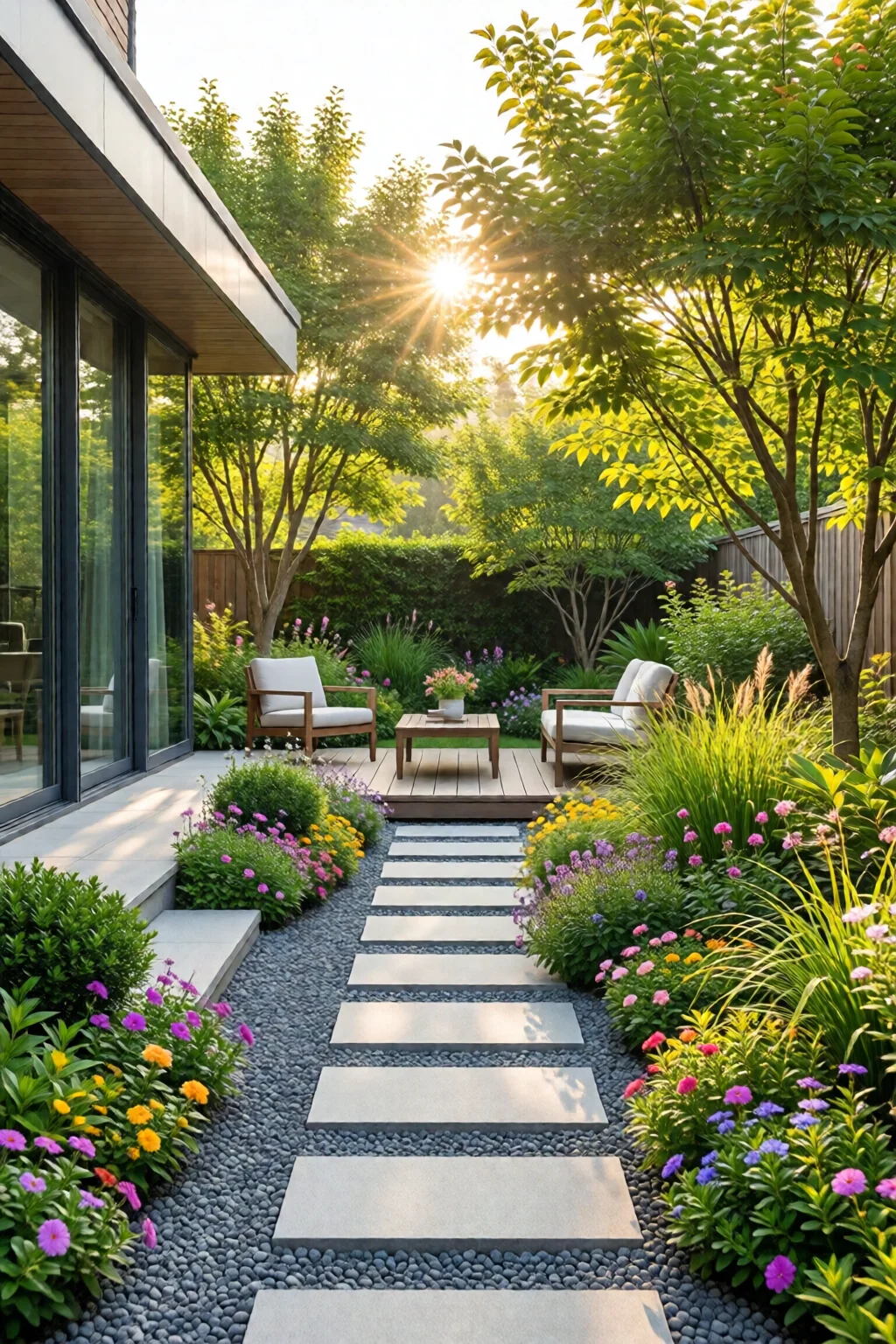
1. Choose the Right Gravel Type for Your Vision
The first decision sets the tone for the entire garden. Not all gravel is created equal, and the wrong choice can lead to drainage woes, uneven footing, or a look that feels cheap. Here’s a quick run‑down of the three most popular options I use on client projects:
| Gravel Type | Typical Size (mm) | Cost per Ton (USD) | Best Use | Rating |
|---|---|---|---|---|
| Quikrete All‑Purpose Gravel | 9‑12 | $42 | Pathways, driveways, patio bases | 4.5/5 |
| Stonex RiverRock (River Pebbles) | 5‑15 (rounded) | $68 | Accent beds, water‑feature surrounds | 4.8/5 |
| Lehigh White Limestone Crushed | 12‑20 | $55 | Modern minimalist lawns, high‑traffic zones | 4.6/5 |
Pros & Cons
- Quikrete All‑Purpose Gravel – Pros: excellent compaction, affordable; Cons: angular shape can feel harsh in a soft garden.
- Stonex RiverRock – Pros: natural, rounded aesthetic; Cons: higher price, may shift on steep slopes.
- Lehigh White Limestone – Pros: bright, reflective surface; Cons: can be slick when wet.
In my experience, the white limestone works wonders for a modern garden design with gravel when paired with dark slate edging—it creates a striking contrast without overwhelming the space.
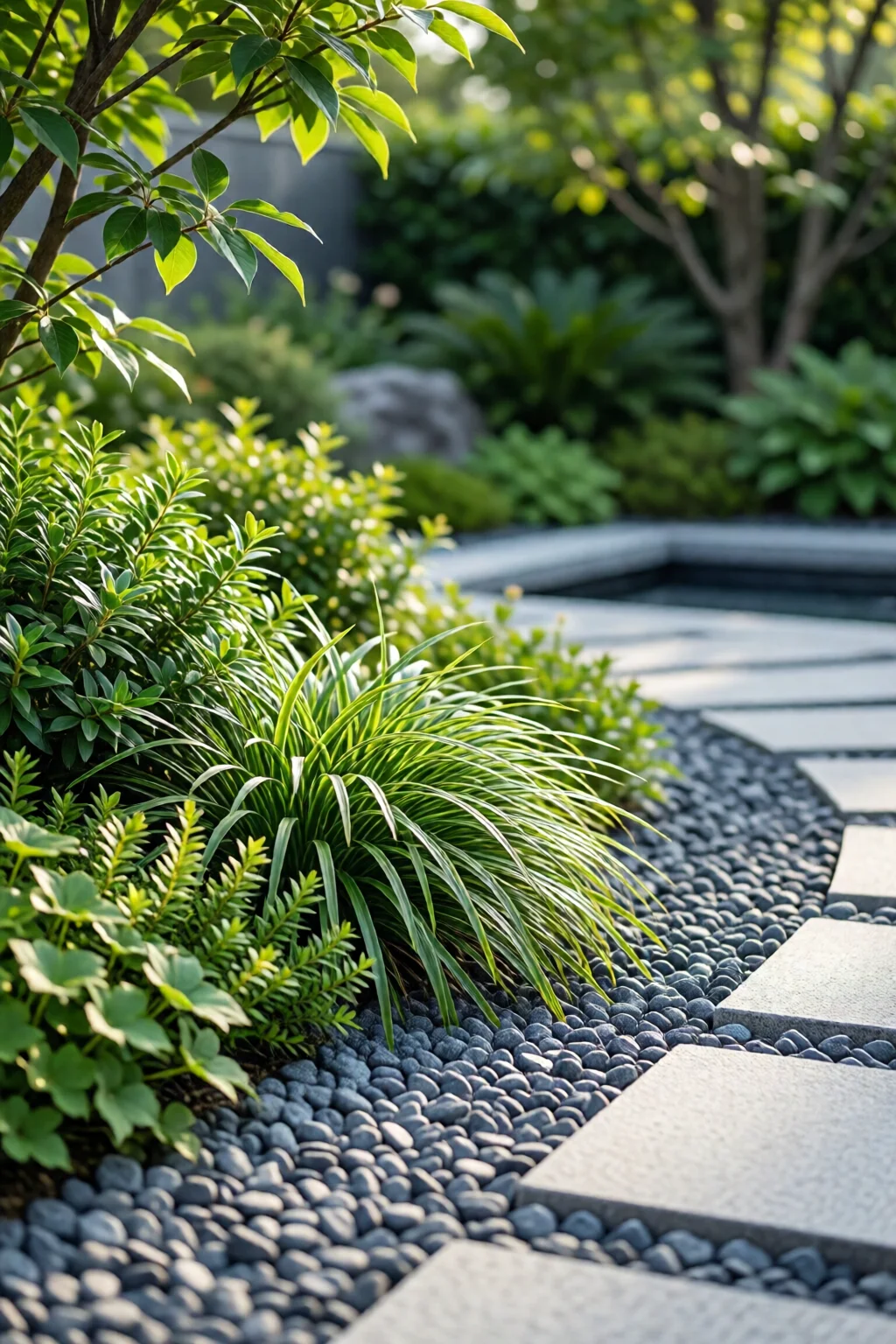
2. Plan the Layout with Geometric Patterns
Modern gardens thrive on clean lines and purposeful geometry. Before you dump a ton of stone, sketch a layout. I recommend using graph paper at a 1:50 scale or a simple digital tool like SketchUp (free version) to map out:
- Grid patterns – perfect for rectangular patios.
- Diagonal chevrons – add dynamism to pathways.
- Radial circles – great around a central fire pit or sculpture.
A well‑planned pattern not only looks sophisticated but also reduces the amount of gravel needed by up to 15%, saving you roughly $150 on a 2‑ton order.
Pros & Cons
- Pros: Visual interest, efficient material use, easy to maintain.
- Cons: Requires precise edging; mistakes can be costly to correct.
If you’re on a tighter budget, check out my guide on front yard garden design on a budget—the same principles apply, just with smaller scale.
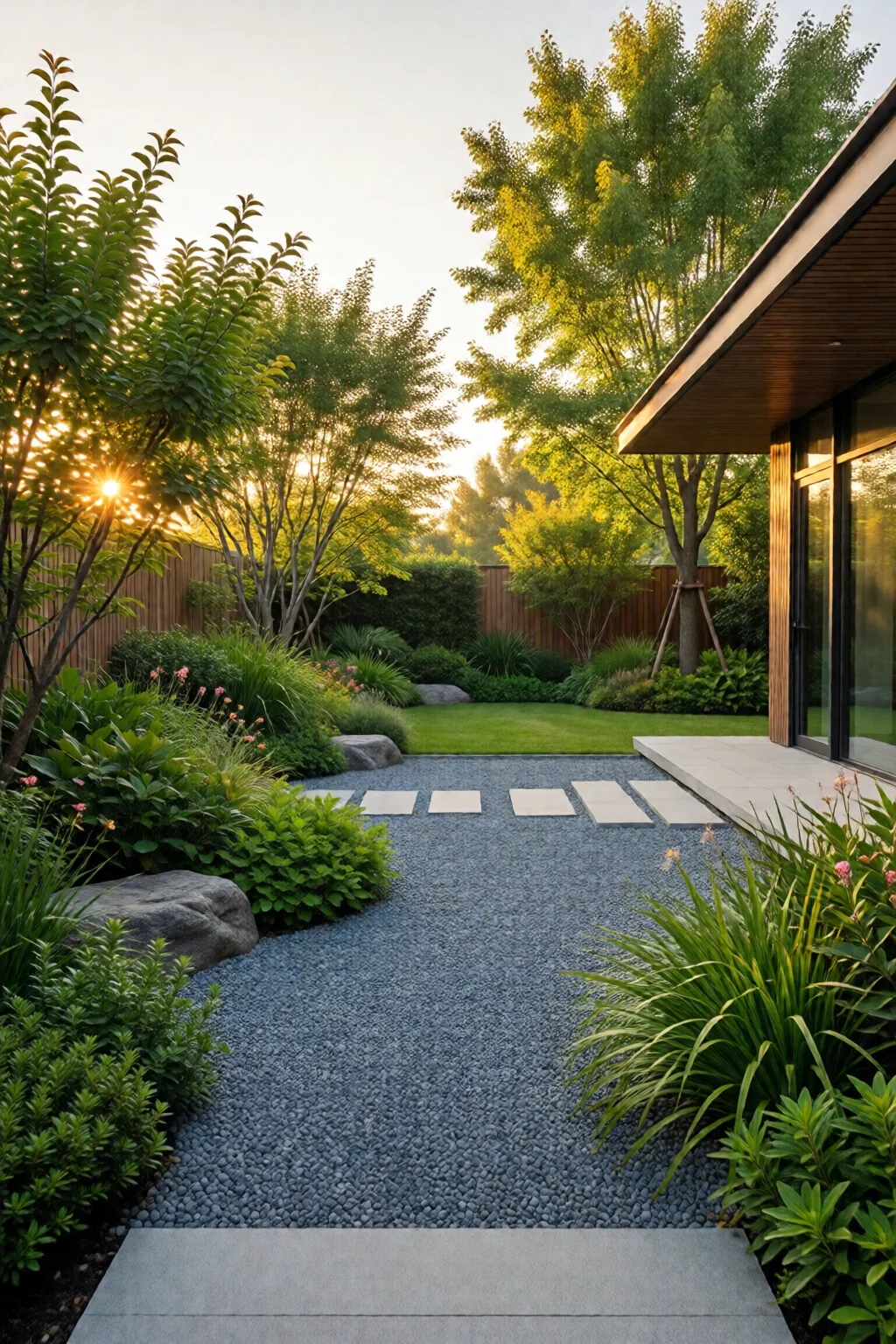
3. Integrate Hardscape Elements for Depth
Gravel alone can feel flat. Adding hardscape pieces—think low walls, stepping stones, or reclaimed concrete slabs—creates layers and depth. Here are three fixtures I frequently specify:
- Pre‑cast concrete pavers (8×8 in, $2.75 each). Lay them in a staggered brick pattern for a subtle texture.
- Steel edging strips (2 mm thick, 2 m length, $12 per strip). They hold the gravel in place and reinforce the modern aesthetic.
- Reclaimed wood decking (treated cedar, 2×6 in, $5.50 per ft). Use as a raised seating platform amidst the stone.
Pros & Cons
- Pros: Creates functional zones, improves drainage, adds visual contrast.
- Cons: Higher upfront cost; requires proper base preparation to avoid settling.
One mistake I see often is neglecting a geotextile fabric beneath the gravel. A 6 mil roll costs about $0.85 per sq ft and prevents weed intrusion while stabilizing the stone.
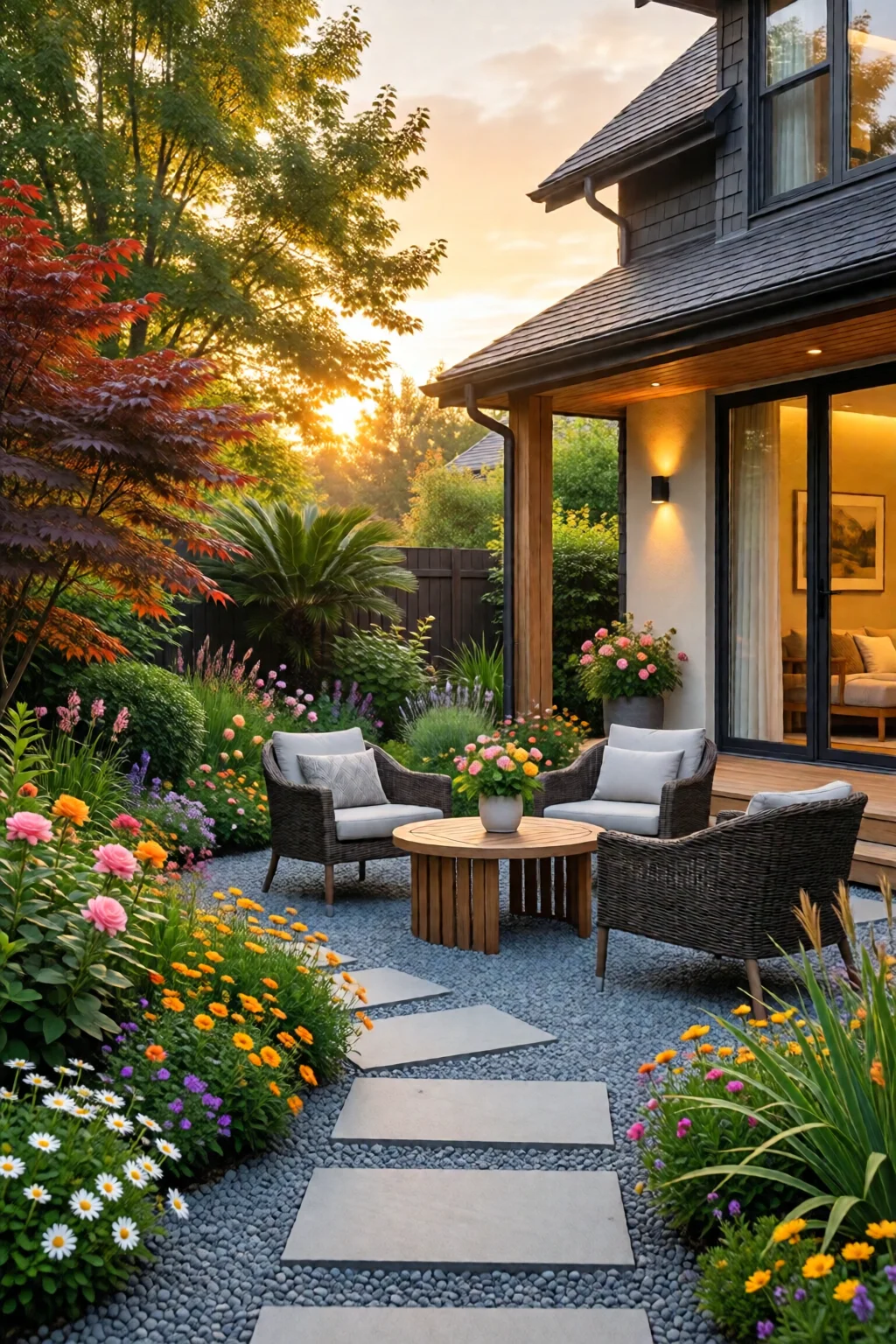
4. Select Complementary Plantings
Plants are the living component that softens the hardness of stone. For a modern garden design with gravel, choose low‑maintenance, architectural species that thrive in well‑drained conditions:
- Lavandula angustifolia ‘Munstead’ – compact, aromatic, 12‑18 in height, $9 per plant.
- Agave ‘Blue Glow’ – sculptural rosette, 24 in spread, $45 per plant.
- Carex testacea (Japanese sedge) – silvery foliage, 18 in height, $7 per bunch.
- Succulent blocks – mix of succulent garden design ideas, $25 per 4‑plant tray.
Group plants in clusters of odd numbers (3, 5, 7) for a natural look. Space them 24‑30 in apart to allow the gravel to show through, which enhances the minimalist vibe.
Pros & Cons
- Pros: Drought‑tolerant, low maintenance, adds color and texture.
- Cons: Some species (e.g., agave) need winter protection in zones 7‑8.
When you need a quick, budget‑friendly planting scheme, I often recommend the low maintenance indoor plants for beginners list—many of those species transition beautifully outdoors.
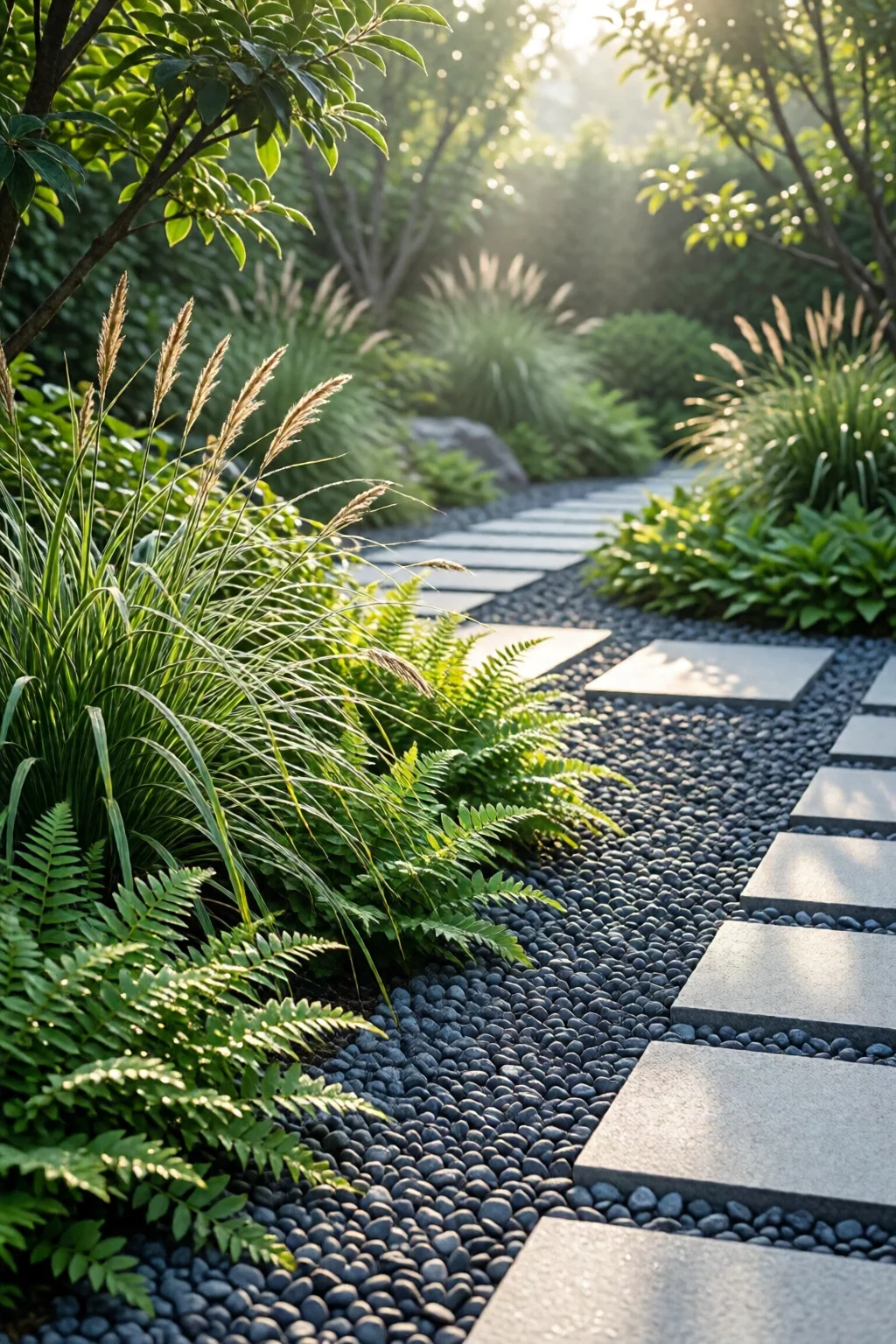
5. Master Ongoing Maintenance for Longevity
Gravel isn’t a set‑and‑forget material; it deserves a light upkeep schedule to keep the modern aesthetic sharp. Here’s my 12‑month maintenance calendar:
| Month | Task | Time Required |
|---|---|---|
| January | Inspect edging for frost heave; re‑level as needed. | 30 min |
| March | Rake surface to remove debris and re‑spread settled stone. | 45 min |
| May | Apply a thin layer of crushed limestone (½ in) to refresh color. | 1 hr |
| July | Weed check; pull any invaders before they seed. | 20 min |
| September | Top‑up gravel by 1‑2 in where compaction is evident. | 1 hr |
| November | Cover planting beds with mulch to protect roots. | 30 min |
Invest in a good-quality landscape rake (e.g., Fiskars 12‑inch, $34) and a compact leaf blower (Black+Decker 20V, $79) to keep the surface clean without labor‑intensive shoveling.
Pros & Cons
- Pros: Extends gravel lifespan by 5‑7 years, maintains sleek appearance.
- Cons: Requires seasonal attention; neglect leads to moss growth.
One mistake I see often is over‑watering near gravel beds, which can cause the stone to become slick and encourage algae. Stick to drip irrigation for surrounding plants and avoid direct sprinkler hits on the stone.
Quick Comparison of the Top Gravel Picks
| Feature | Quikrete All‑Purpose | Stonex RiverRock | Lehigh White Limestone |
|---|---|---|---|
| Shape | Angular | Rounded | Crushed |
| Color | Gray | Mixed earth tones | Bright white |
| Drainage | Excellent | Good | Very good |
| Cost (per ton) | $42 | $68 | $55 |
| Best For | Pathways & driveways | Accent & water features | Minimalist lawns |
Final Verdict
If you crave a garden that feels contemporary, low‑maintenance, and surprisingly adaptable, embracing a modern garden design with gravel is a winning strategy. By selecting the right stone, plotting geometric patterns, layering hardscape, pairing with bold plantings, and committing to a light maintenance routine, you’ll create an outdoor space that stays stylish for years without the high upkeep of traditional lawns. Ready to start? Grab a sack of white limestone, lay down that geotextile, and watch your modern oasis unfold.
How deep should gravel be for a patio?
A minimum of 3‑4 in depth is recommended for foot traffic; for driveways or heavy use, increase to 6‑8 in and compact with a plate compactor.
Can I use gravel on a slope?
Yes, but you’ll need a retaining edge, a geotextile liner, and a coarser stone base (½‑in) to prevent erosion. For slopes steeper than 15°, consider interlocking retaining blocks.
What plants tolerate gravel well?
Drought‑tolerant species such as lavender, agave, sedum, ornamental grasses, and many succulents thrive in well‑drained gravel beds.
Do I need weed barrier under the gravel?
A weed barrier (geotextile fabric) is strongly advised. It costs about $0.85 per square foot and dramatically reduces long‑term weed maintenance.
5 commentaires sur « Best Modern Garden Design With Gravel Ideas That Actually Work »