Did you know that philodendrons make up roughly 12% of all indoor‑plant sales in the United States, and that more than 2,000 households list them as their #1 houseplant? That’s why a solid philodendron types and care guide is worth its weight in soil.
In This Article
- 1. Philodendron hederaceum “Heartleaf” – The Classic Climber
- 2. Philodendron ‘Birkin’ – The Striped Showstopper
- 3. Philodendron ‘Xanadu’ – The Bushy Performer
- 4. Philodendron ‘Brasil’ – The Colorful Climber
- 5. Philodendron Gloriosum – The Velvet‑Leaf Wonder
- 6. Philodendron Selloum (Tree Philodendron) – The Architectural Giant
- 7. Philodendron ‘Pink Princess’ – The Rosy Rarity
- Comparison Table: Top Philodendron Picks
- General Care Checklist – Your Philodendron Playbook
- Philodendron Propagation – Multiply Your Collection
- Budgeting Your Philodendron Jungle
- Final Verdict – Which Philodendron Wins?
- Frequently Asked Questions
Whether you’re a first‑time plant parent or a seasoned green thumb, picking the right variety and mastering its upkeep can mean the difference between a thriving jungle and a wilted disappointment. Below you’ll find the seven most popular philodendron types, each broken down with actionable care tips, price points, and the quirks that only a decade of landscaping experience can reveal.
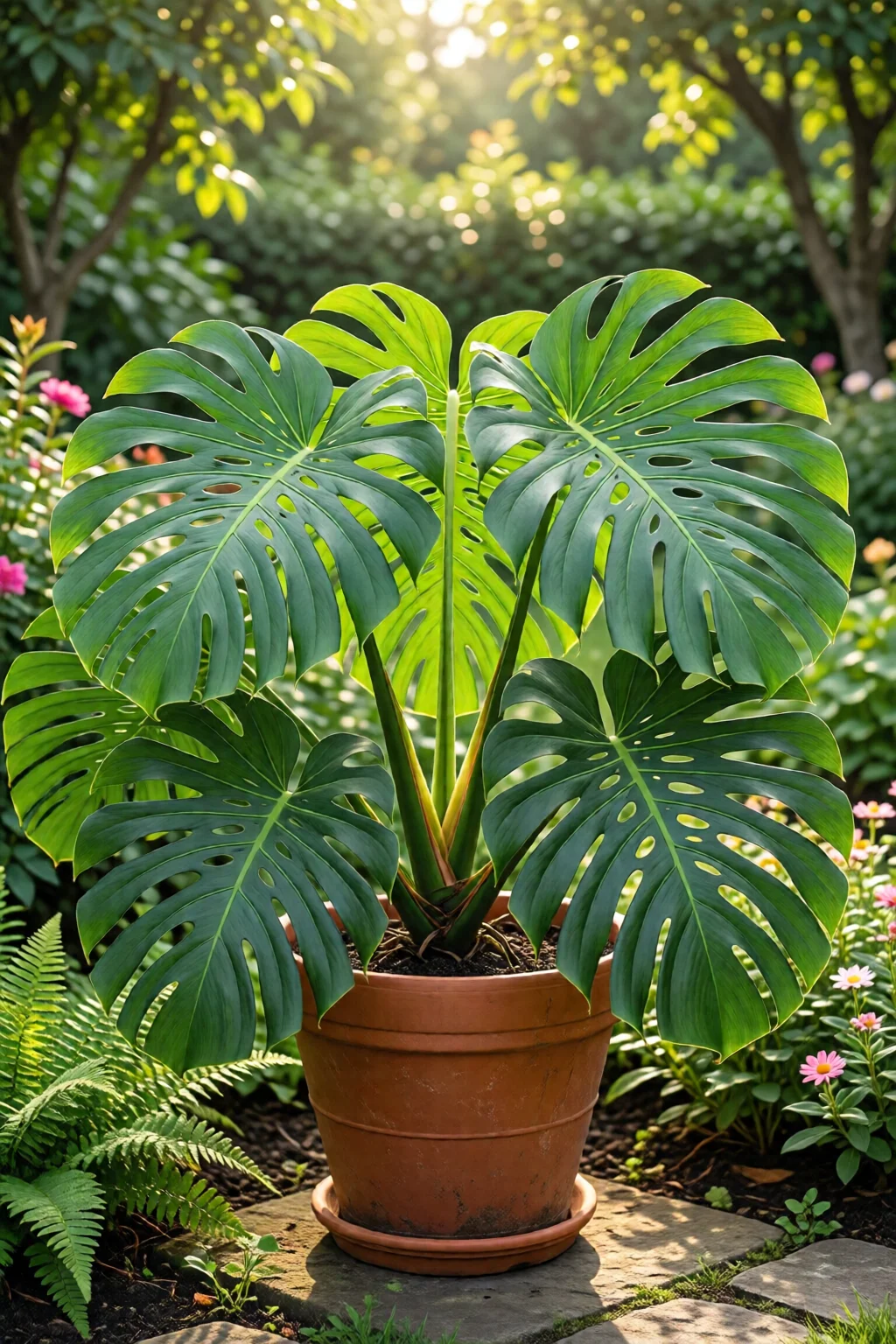
1. Philodendron hederaceum “Heartleaf” – The Classic Climber
The heart‑shaped leaves of Philodendron hederaceum (often sold as “Heartleaf”) are the poster child of indoor foliage. In my own living room, a 6‑inch pot of Heartleaf vines has draped gracefully from a hanging basket for over five years, showing just how resilient this variety can be.
Key Care Points
- Light: Bright indirect light (5–7 ft² of filtered sunlight). Direct sun burns the leaves. A north‑facing window with a sheer curtain works perfectly.
- Water: Keep the top 2 cm of soil dry. In summer, water about once a week; in winter, cut back to every 10–14 days. Over‑watering is the most common mistake I see.
- Soil: A light, well‑draining mix such as Miracle‑Gro Indoor Potting Mix ($6.99/4 qt) blended with perlite (1:1 ratio) works wonders.
- Humidity: 50–70% is ideal. A small tabletop humidifier set to 55% can prevent brown leaf tips.
- Fertilizer: Feed with a balanced 20‑20‑20 liquid fertilizer at half strength every 4 weeks during the growing season (March–September).
Pros & Cons
| Pros | Cons |
|---|---|
| Fast-growing, excellent for beginners. | Can become leggy if not pruned. |
| Very tolerant of low light. | Leaves may develop brown edges in dry air. |
Rating: ★★★★☆ (4.5/5)
Propagation Tip
Snip a 4‑inch stem with at least two nodes, dip the cut end in rooting hormone (e.g., Clonex – $12.99 for 5 ml), and place it in water. Roots appear in 10–14 days; then transfer to a 2‑inch pot with the same soil mix.
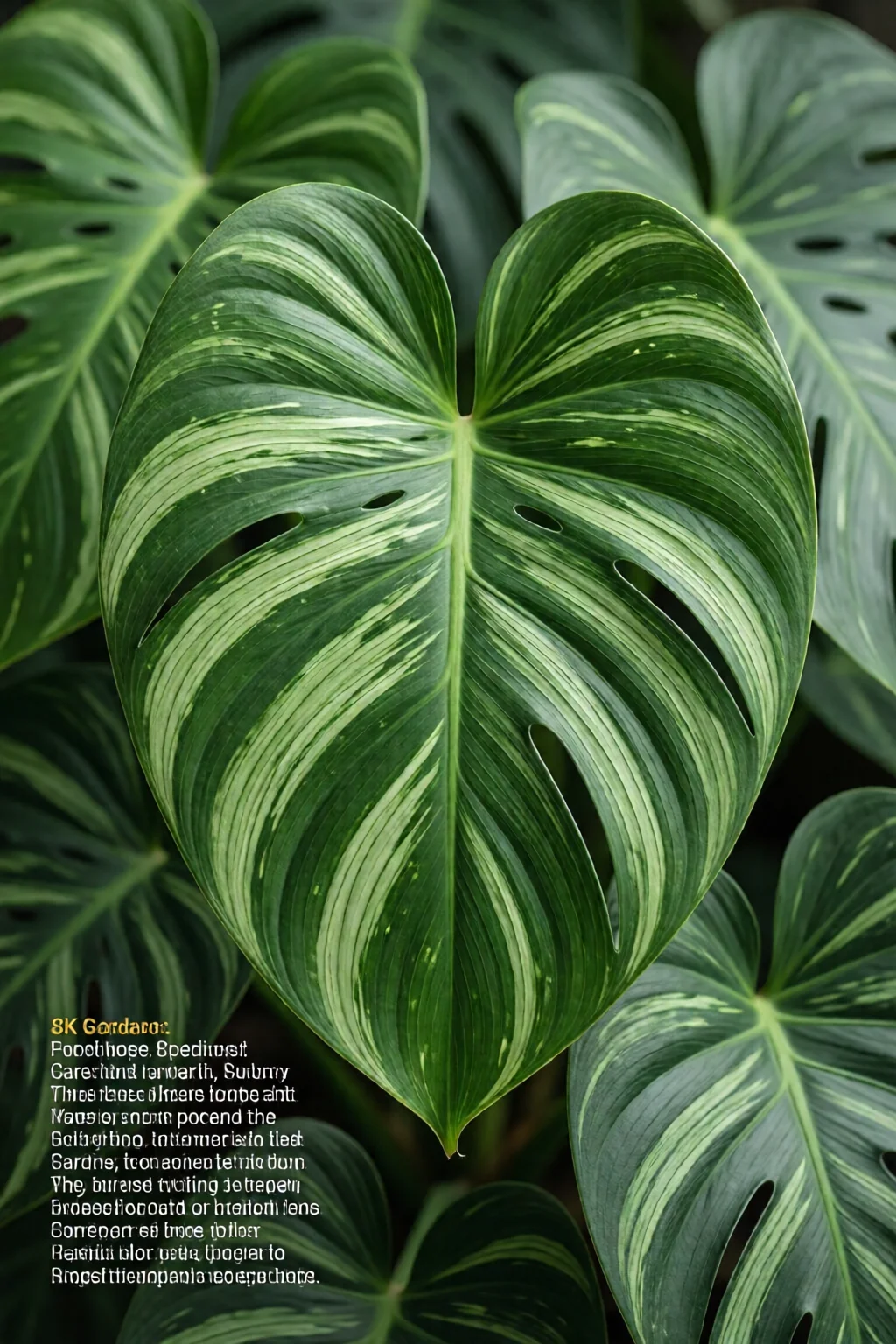
2. Philodendron ‘Birkin’ – The Striped Showstopper
If you love a plant that looks like it belongs in a designer showroom, the ‘Birkin’ is your go‑to. Its dark green leaves are laced with striking white veins, a pattern that stays vivid for years when given proper care.
Key Care Points
- Light: Bright indirect light; a east‑facing window with filtered sun is ideal.
- Water: Water when the top 2.5 cm of soil feels dry – typically every 5–7 days in summer.
- Soil: Use a chunky mix like Espoma Organic Potting Mix ($8.49/5 qt) plus orchid bark for extra aeration.
- Humidity: Aim for 60%+. A pebble tray under the pot can boost humidity without extra equipment.
- Fertilizer: Apply a slow‑release 14‑14‑14 granule (e.g., Osmocote Smart‑Release – $9.99 for 1 lb) once in early spring.
Pros & Cons
| Pros | Cons |
|---|---|
| Eye‑catching variegation. | Variegated leaves are sensitive to low light – they may lose pattern. |
| Compact growth; fits well on desks. | Higher price point (average $22–$28 per 6‑inch pot). |
Rating: ★★★★☆ (4.3/5)
Personal Note
One mistake I see often is placing ‘Birkin’ too close to a window. The intense midday sun bleaches the white veins, turning the plant into a plain green monster. A sheer curtain is your best friend.
3. Philodendron ‘Xanadu’ – The Bushy Performer
‘Xanadu’ thrives on a medium to large pot (8‑10 in) and fills space with its deeply lobed, glossy leaves. It’s perfect for corners or as a statement piece on a low coffee table.
Key Care Points
- Light: Medium to bright indirect light; a slot in a south‑west window works well.
- Water: Water thoroughly when the top inch of soil dries (usually every 7–10 days).
- Soil: A peat‑based mix with added pine bark for structure – 2 parts peat, 1 part bark, 1 part perlite.
- Humidity: 55–65% is optimal; mist weekly if your home is dry.
- Fertilizer: Feed with a high‑nitrogen liquid feed (e.g., Jack’s Classic 20‑10‑20 – $5.49/16 oz) every 3 weeks during active growth.
Pros & Cons
| Pros | Cons |
|---|---|
| Full, bushy habit – great for indoor landscaping. | Leaves can become soggy if over‑watered. |
| Relatively pest‑resistant. | Requires larger pot as it matures (up to 12‑inch). |
Rating: ★★★★☆ (4.2/5)
Care Anecdote
In my own patio‑adjacent studio, a 10‑inch ‘Xanadu’ in a pot with soft LED string lights adds a tropical vibe while the lights provide a gentle night‑time glow that doesn’t stress the plant.
4. Philodendron ‘Brasil’ – The Colorful Climber
‘Brasil’ is a form of the heartleaf philodendron that sports bright yellow‑green variegation along the leaf margins. It’s a favorite among Instagrammers for its photogenic contrast.
Key Care Points
- Light: Bright, filtered light; a spot a few feet from a south‑facing window works best.
- Water: Keep soil evenly moist but not soggy – water every 4–6 days in summer.
- Soil: A mix of 70% peat‑based potting soil and 30% coconut coir for moisture retention.
- Humidity: 60%+; a small room humidifier set to 65% can keep the variegation vivid.
- Fertilizer: Use a micronutrient‑rich liquid feed (e.g., General Hydroponics Flora Series – $12.99 for 1 qt) at half strength every 2 weeks.
Pros & Cons
| Pros | Cons |
|---|---|
| Vibrant variegation adds instant color. | Variegated sections are more prone to sunburn. |
| Fast growth – can fill a shelf in months. | Higher water demand than solid‑green varieties. |
Rating: ★★★★☆ (4.4/5)
Propagation Shortcut
Take 6‑inch cuttings, dip in Root Riot rooting hormone ($9.99/5 ml), and plant directly into a moist sphagnum moss plug. Roots appear in 7 days, and you can transplant into a 4‑inch pot with the same peat‑coconut mix.
5. Philodendron Gloriosum – The Velvet‑Leaf Wonder
The heart‑shaped, velvety leaves of Gloriosum make it a prized collector’s item. Its striking silver‑white veins contrast beautifully against deep green foliage.
Key Care Points
- Light: Low to medium indirect light; a north‑facing window is perfect.
- Water: Water when the top 2 cm feels dry – roughly every 10 days in cooler months.
- Soil: A chunky, orchid‑bark based mix (e.g., Orchid Bark $13.99/9 lb) with added sphagnum moss.
- Humidity: 70%+; a humidifier or a bathroom location (with good light) works well.
- Fertilizer: Feed with a low‑phosphorus formula (e.g., Espoma Plant-tone – $7.99/5 lb) once a month.
Pros & Cons
| Pros | Cons |
|---|---|
| Unique velvety texture – a conversation piece. | Very sensitive to low humidity; leaf edges brown quickly. |
| Prefers lower light – great for shaded rooms. | Higher price (average $35–$45 for a 4‑inch pot). |
Rating: ★★★★☆ (4.1/5)
My Experience
I keep a Gloriosum in my master bedroom’s ensuite, where the humidity from the shower keeps the leaves plush. The only downside? It’s a bit pricey, but the visual payoff is worth every dollar.
6. Philodendron Selloum (Tree Philodendron) – The Architectural Giant
Also known as the “Tree Philodendron,” Selloum can reach 6‑8 ft indoors when given space and a sturdy support. Its deeply lobed, glossy leaves create a tropical canopy effect.
Key Care Points
- Light: Bright indirect light; a spot near a large south‑west window or under a grow light (e.g., VIPARSPECTRA Full Spectrum LED – $79.99) is ideal.
- Water: Keep the soil evenly moist; water every 5–7 days, ensuring excess drains.
- Soil: Heavy‑duty mix: 50% peat‑based potting soil, 25% perlite, 25% pine bark.
- Humidity: 55–70% – a room humidifier set to 60% works well.
- Fertilizer: Apply a slow‑release 24‑8‑16 granular fertilizer (e.g., Scotts Osmocote – $11.99 for 1 lb) twice a year (spring & fall).
Pros & Cons
| Pros | Cons |
|---|---|
| Impressive size – creates a focal point. | Requires a large pot (minimum 15‑inch diameter). |
| Very tolerant of occasional neglect. | Heavy foliage can attract dust; needs regular wiping. |
Rating: ★★★★☆ (4.3/5)
Placement Tip
Because Selloum can become top‑heavy, use a sturdy, reinforced pot with a metal base. I’ve found the Sill’s Terra Cotta Ceramic Pot (12‑inch, $34.95) to be both aesthetic and stable.
7. Philodendron ‘Pink Princess’ – The Rosy Rarity
‘Pink Princess’ is a show‑stopper with pink‑blushed veins and occasional full‑pink leaves. It’s a favorite among collectors and often commands a premium price.
Key Care Points
- Light: Bright, indirect light; a spot near a east‑facing window with a sheer curtain is perfect.
- Water: Allow the top 2 cm to dry, then water thoroughly – usually every 5–6 days in summer.
- Soil: A balanced mix of peat, perlite, and worm castings (1:1:1) keeps nutrients steady.
- Humidity: 65%+; a pebble tray can raise humidity without a humidifier.
- Fertilizer: Use a high‑phosphorus bloom booster (e.g., FoxFarm Happy Frog – $9.99/16 oz) once a month to enhance pink coloration.
Pros & Cons
| Pros | Cons |
|---|---|
| Stunning pink variegation – perfect for statement décor. | Expensive (average $30–$45 per 6‑inch pot). |
| Compact growth; fits well on desks. | Leaves can lose pink if light is insufficient. |
Rating: ★★★★☆ (4.5/5)
Common Mistake
One mistake I see often is over‑fertilizing, which can cause the pink pigmentation to fade. Stick to the recommended dosage and watch the colors stay vivid.
Comparison Table: Top Philodendron Picks
| Variety | Light | Water | Soil Mix | Avg. Price (6‑inch pot) | Pet Safe? | Rating |
|---|---|---|---|---|---|---|
| Heartleaf (Hederaceum) | Bright indirect | Weekly (top 2 cm dry) | Miracle‑Gro + perlite (1:1) | $12.99 | No (contains calcium oxalate) | 4.5★ |
| ‘Birkin’ | Bright indirect | Every 5‑7 days | Espoma + orchid bark | $24.99 | No | 4.3★ |
| ‘Xanadu’ | Medium‑bright indirect | Every 7‑10 days | Peat + pine bark + perlite | $19.95 | No | 4.2★ |
| ‘Brasil’ | Bright filtered | Every 4‑6 days | Peat + coconut coir | $21.50 | No | 4.4★ |
| Gloriosum | Low‑medium indirect | Every 10 days | Orchid bark + sphagnum moss | $38.00 | No | 4.1★ |
| Selloum (Tree) | Bright indirect / grow light | Every 5‑7 days | Heavy mix (peat, perlite, pine bark) | $45.00 | No | 4.3★ |
| ‘Pink Princess’ | Bright indirect | Every 5‑6 days | Peat + perlite + worm castings | $42.75 | No | 4.5★ |
All philodendrons contain calcium oxalate crystals, so they’re not safe for pets. If you have curious cats or dogs, check out our pet safe indoor plants for dogs guide before you buy.
General Care Checklist – Your Philodendron Playbook
- Light Audit: Use a light meter (lux 1,000–2,500 for most varieties). Adjust with sheer curtains or move the plant closer/farther from the window.
- Water Routine: Stick a wooden dowel 2 cm into the soil; when it pops out dry, it’s watering time.
- Feeding Calendar: March–September: feed every 4 weeks; October–February: skip or use half dose.
- Humidity Boost: For homes under 40% RH, place the pot on a tray of pebbles filled with water.
- Pruning: Trim leggy vines back to a node; this encourages bushier growth and prevents top‑heavy pots.
- Repotting: Every 12–18 months, move to the next pot size (2‑inch increments). Use fresh soil to avoid compaction.
- Pest Watch: Look for spider mites, mealybugs, and scale. A quick mist and a wipe with neem oil (e.g., Bonide Neem Oil – $7.99/16 oz) usually clears them.
Philodendron Propagation – Multiply Your Collection
Most philodendrons root easily in water or sphagnum moss. My favorite method for heartleaf and ‘Brasil’ is the water trick: place a 4‑inch cutting in a clear glass jar with filtered water, change water every 2 days, and watch roots appear in 7–10 days. Once they’re 2‑3 cm long, transplant into a pot with the recommended soil mix.
Budgeting Your Philodendron Jungle
Here’s a quick cost breakdown for a starter collection (three varieties):
- Heartleaf – $13 (pot) + $7 (soil) = $20
- ‘Birkin’ – $26 (pot) + $9 (soil) = $35
- ‘Xanadu’ – $20 (pot) + $8 (soil) = $28
Total initial investment: $83. Add a humidifier ($39.99) and a grow light ($79.99) if you’re in a dry climate, and you’re looking at roughly $200 for a thriving mini‑philodendron gallery.
Final Verdict – Which Philodendron Wins?
If you’re after low‑maintenance and budget‑friendly, the Heartleaf (hederaceum) remains the undisputed champion. For visual drama, ‘Pink Princess’ and ‘Birkin’ deliver eye‑catching variegation at a higher price point. For a statement piece, the Tree Philodendron (Selloum) offers architectural presence, provided you have the space and a sturdy pot.
My personal recommendation: start with a Heartleaf for confidence, add a ‘Brasil’ for color, and graduate to a Selloum once you’ve mastered watering schedules and humidity control. This three‑step progression will keep you from feeling overwhelmed while you build a diverse, resilient philodendron collection.
Frequently Asked Questions
How often should I repot my philodendron?
Repot every 12–18 months, or when you see roots circling the pot’s bottom. Use a pot 2‑3 inches larger in diameter and refresh the soil mix.
Can philodendrons survive in low‑light apartments?
Yes. Varieties like Heartleaf and Gloriosum tolerate low‑light conditions, though growth will slow. Avoid direct sun and keep humidity moderate.
Are philodendrons toxic to pets?
All philodendrons contain calcium oxalate crystals, which can cause oral irritation, drooling, and vomiting in cats and dogs. Keep them out of reach or choose pet‑safe alternatives from our pet safe indoor plants for dogs guide.
What’s the best fertilizer for philodendrons?
A balanced 20‑20‑20 liquid fertilizer at half strength every 4 weeks during spring and summer works for most varieties. For ‘Pink Princess’, a high‑phosphorus bloom booster once a month enhances pink coloration.
How do I increase humidity for my philodendron?
Use a room humidifier set to 60‑70% RH, place the pot on a pebble tray with water, or cluster plants together to create a micro‑climate.