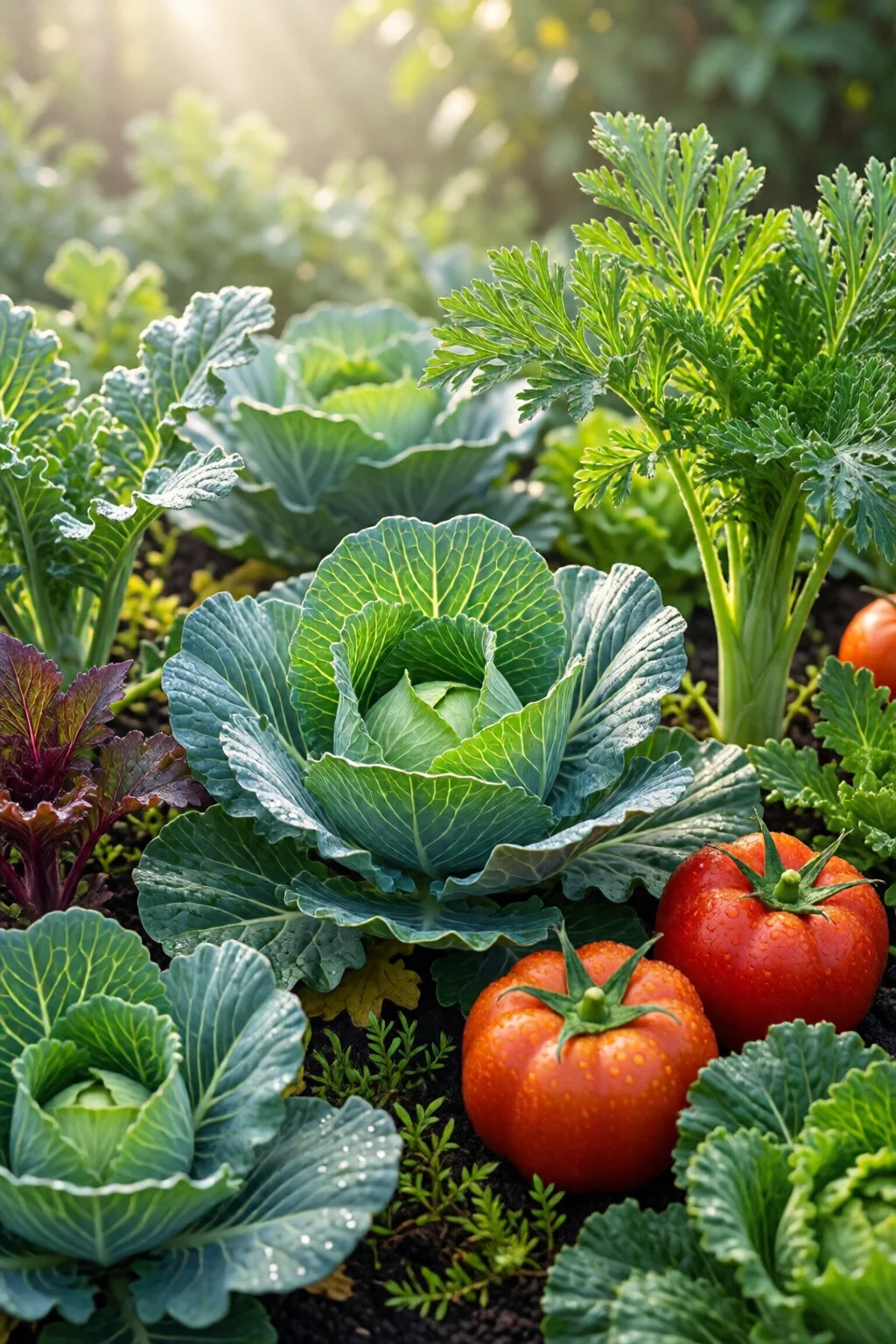
Turn your curb appeal into a kitchen harvest with edible landscaping ideas with vegetables that look as good as they taste.
In This Article
- 1. Mixed Border Gardens – The Classic “Edible Fence”
- 2. Raised Bed “Living Kitchen”
- 3. Edible Groundcovers for Pathways
- 4. Vertical Trellis Systems – “Garden Wall”
- 5. Fruit‑Tree Underplanting
- 6. Container Vegetable Gardening for Small Yards
- 7. Edible Flower Borders
- 8. Herb Spiral – Space‑Saving Aromatics
- 9. ‘Garden Arch’ with Climbing Vegetables
- 10. Multi‑Season Succession Planting
- Comparison Table – Top Edible Landscaping Picks
- Final Verdict
Most homeowners think a beautiful yard means only ornamental plants, but a well‑planned edible landscape can provide fresh produce, reduce grocery bills, and boost biodiversity—all while keeping the visual harmony of a traditional garden. In my ten‑year career as a landscape designer, I’ve seen clients transform bland lawns into thriving veggie‑showcases that attract pollinators, cut down on water use, and become conversation pieces at neighborhood gatherings. Below is a practical, step‑by‑step list of the most effective edible landscaping ideas with vegetables, complete with cost estimates, maintenance tips, and real‑world pros and cons.
1. Mixed Border Gardens – The Classic “Edible Fence”
Instead of a plain shrub row, plant a mix of low‑growth vegetables and herbs that stay under 12 inches tall. Good candidates are lettuce (varieties like ‘Buttercrunch’, $2.99 per 0.5 lb packet), radishes (‘Cherry Belle’, $1.50 per 0.25 lb), and herbs such as thyme, chives, and parsley. Space each plant 6‑8 inches apart, then stagger rows to create a semi‑natural wave.
Pros
- Provides continuous harvest from early spring to fall.
- Low height keeps sightlines open for patios or walkways.
- Herbs act as natural pest repellents for neighboring plants.
Cons
- Requires regular thinning to avoid overcrowding.
- Seasonal turnover—some crops need re‑planting every 8‑10 weeks.
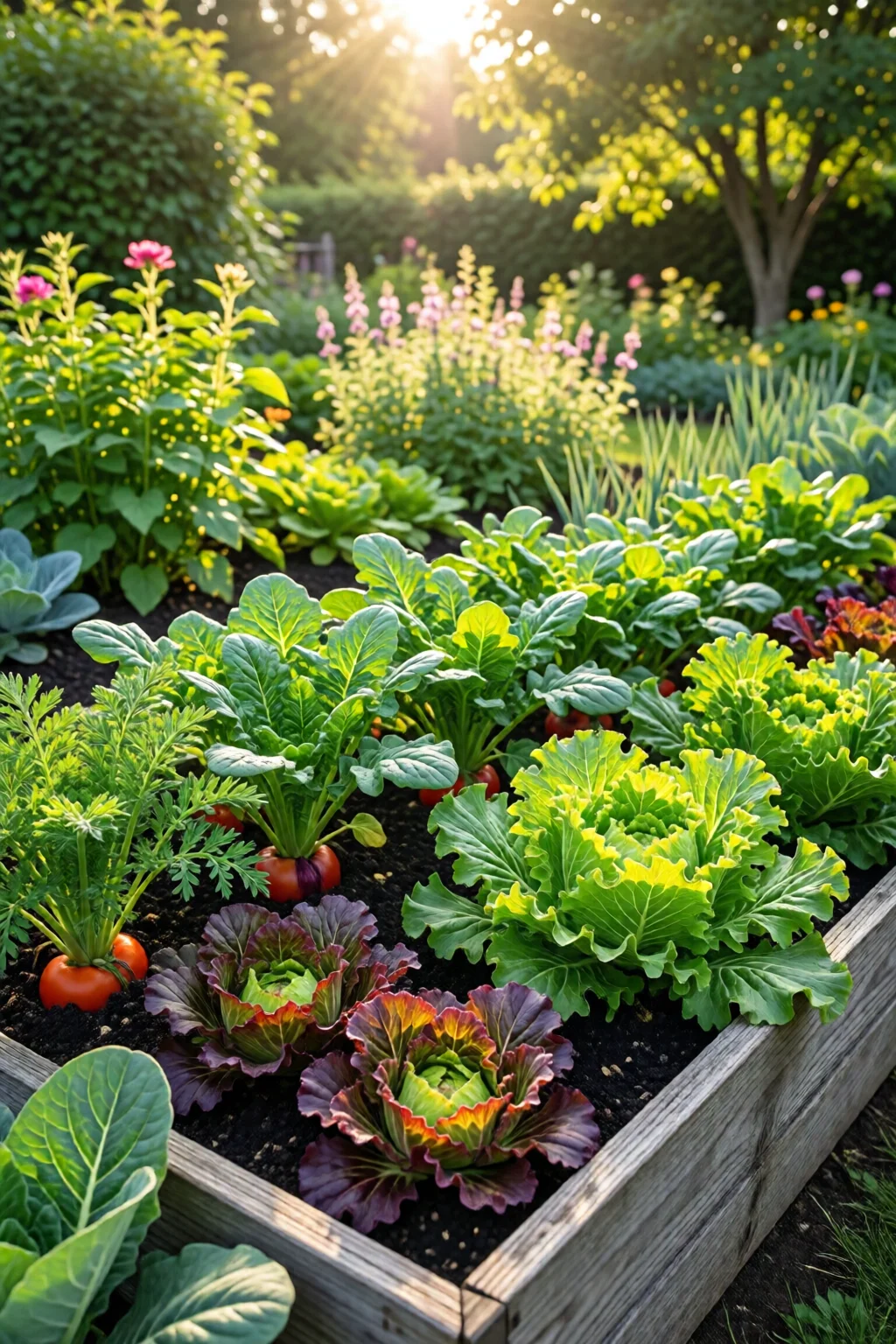
2. Raised Bed “Living Kitchen”
Raised beds give you control over soil quality, drainage, and aesthetics. I recommend a 4 ft × 8 ft. cedar box (≈$120 at Home Depot) filled with a 1:1:1 mix of topsoil, compost, and coconut coir. Plant a combo of tomatoes (‘Early Girl’, $3.49 each), bell peppers (‘California Wonder’, $2.99 each), and bush beans (‘Provider’, $2.79 per 0.5 lb). The vertical dimension (≈24 inches deep) allows root expansion for larger fruiting plants.
Pros
- Improved soil structure leads to 30‑40 % higher yields than in‑ground planting (University of Minnesota study).
- Easier access for seniors or wheelchair users.
- Neat, modern look that blends with patio furniture.
Cons
- Initial cost higher than direct‑ground planting.
- May need supplemental watering in hot climates.
3. Edible Groundcovers for Pathways
Replace traditional mulch with low‑lying, edible groundcovers that suppress weeds and add flavor to salads. Strawberries (‘Seascape’, $4.99 per 0.5 lb) and creeping oregano (≈$3 per 4‑oz pot) spread quickly, covering up to 4 sq ft per plant in a season. Plant them in 12‑inch intervals along garden walkways; they’ll fill in naturally within 6‑8 weeks.
Pros
- Dual purpose: ornamental and edible.
- Reduces need for synthetic mulches.
- Attracts beneficial insects.
Cons
- Strawberries need consistent moisture; drought can reduce fruit set.
- Oregano can become invasive if not trimmed.
4. Vertical Trellis Systems – “Garden Wall”
Utilize existing fences or install a 6‑ft tall metal trellis (≈$85 from Gardener’s Supply Company) for climbing vegetables. Plant cucumbers (cucumber growing tips and problems, $2.99 each), pole beans (‘Kentucky Wonder’, $2.50 per 0.5 lb), and vining squash (‘Yellow Crookneck’, $3.20 each). Space climbers 18 inches apart; they’ll use the trellis as support, saving ground space for other crops.
Pros
- Maximizes production per square foot—up to 2 × the yield of ground‑sprawling varieties.
- Improves air circulation, reducing fungal disease.
- Creates a living privacy screen.
Cons
- Heavier vines may require additional anchoring.
- Harvesting can be physically demanding without a sturdy ladder.
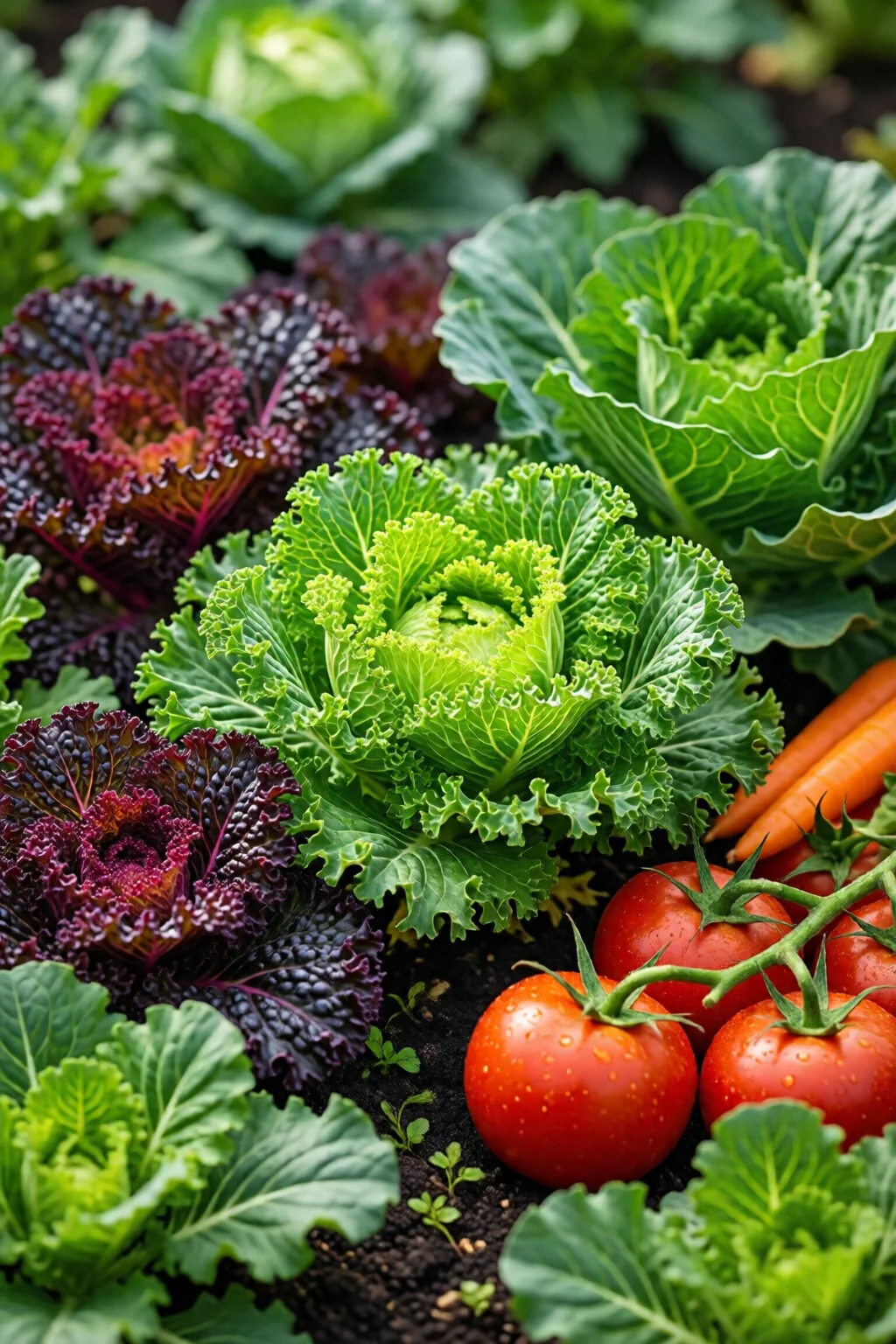
5. Fruit‑Tree Underplanting
Shade‑tolerant vegetables thrive under the canopy of fruit trees. Plant leafy greens like kale (‘Winterbor’, $2.79 per 0.5 lb) and Swiss chard (‘Bright Lights’, $2.49 per 0.5 lb) beneath a dwarf apple tree (≈$45 per tree, 4‑ft spread). The tree provides partial shade, extending the harvest window for cool‑season crops by 4‑6 weeks.
Pros
- Optimizes under‑utilized space.
- Tree leaves enrich soil with organic matter as they fall.
- Reduces water evaporation in hot climates.
Cons
- Root competition—choose dwarf varieties with shallow roots.
- Fruit harvest may disturb surrounding veggies.
6. Container Vegetable Gardening for Small Yards
If you have limited ground area, stackable containers can create a tiered edible landscape. Use a 5‑gal resin pot ($12 each) for carrots (how to grow carrots from seed, $1.99 per 0.25 lb) and a 12‑in‑diameter “window box” for herbs and lettuce. Arrange three tiers on a patio railing; each tier receives 1‑2 gal of soil, and irrigation can be managed with a drip line costing ≈$25 for a 50‑ft reel.
Pros
- Mobility—containers can be repositioned for optimal sun.
- Reduced soil‑borne pests.
- Clear visual separation of crops for aesthetic appeal.
Cons
- Limited root depth; select shallow‑rooted varieties.
- Higher water usage—containers dry out faster.
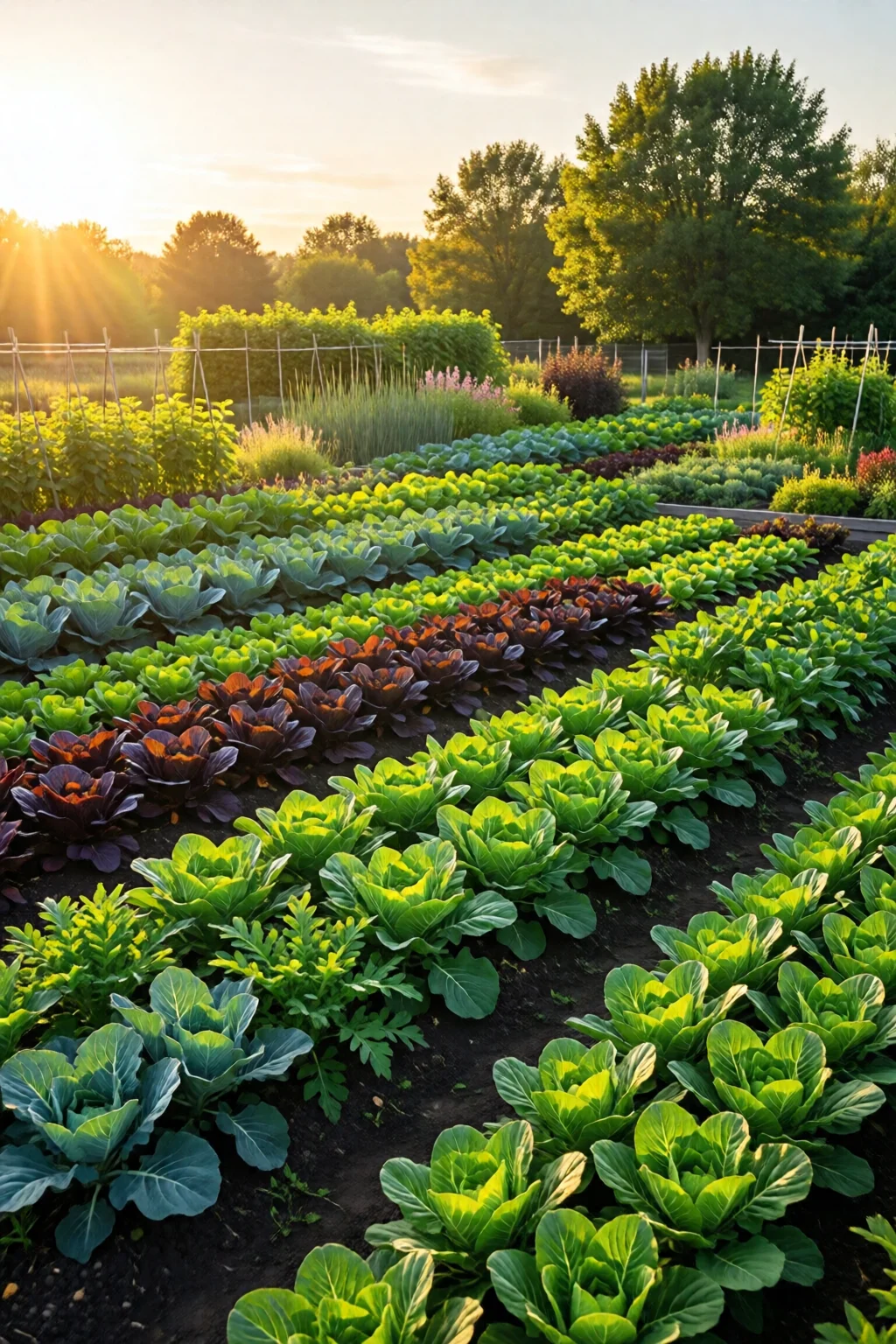
7. Edible Flower Borders
Intermix ornamental and edible flowers for color and culinary use. Plant nasturtiums ($2.99 per 0.5 lb) alongside marigolds (≈$1.50 per 0.25 lb) and pair them with leaf lettuce rows. Nasturtium leaves and flowers add a peppery flavor to salads, while marigolds deter nematodes.
Pros
- Attractive year‑round color.
- Edible components reduce waste.
- Natural pest control.
Cons
- Flowers may compete for nutrients; fertilize with a balanced 10‑10‑10 NPK at $0.30 per sq ft.
- Some people are allergic to nasturtium pollen.
8. Herb Spiral – Space‑Saving Aromatics
A herb spiral is a raised, spiral‑shaped mound (≈4 ft diameter, 2 ft high) built from stone or reclaimed bricks ($150 for a DIY kit). Plant moisture‑loving herbs like mint and basil at the base, and drought‑tolerant rosemary and thyme at the top. The design creates micro‑climates: the bottom stays moist, while the top dries quickly.
Pros
- Efficient use of vertical space; up to 30 % more herb plants per square foot.
- Visually striking focal point.
- Improved drainage reduces root rot.
Cons
- Construction requires moderate DIY skill.
- Mint can become invasive if not contained.
9. ‘Garden Arch’ with Climbing Vegetables
Install a wooden arch (≈$70 for a 6‑ft cedar arch kit) and drape it with vining peas (‘Little Marvel’, $2.79 per 0.5 lb) and sweet peas for fragrance. The arch not only produces beans but also adds structural interest, especially when paired with hanging pots of herbs.
Pros
- Creates vertical interest and shade for lower beds.
- Peas fix nitrogen, enriching soil for adjacent crops.
- Seasonal bloom adds visual appeal.
Cons
- Peas require cooler temperatures; timing is crucial.
- Arch may need reinforcement after heavy fruit load.
garden arch ideas with climbing plants
10. Multi‑Season Succession Planting
Plan your edible landscape so that as one crop finishes, another takes its place. For example, sow early‑season spinach (≈$2.49 per 0.5 lb) in March, replace it with summer squash in June, and finish with radicchio in September. This approach keeps beds productive 90‑95 % of the year.
Pros
- Maximizes yield per square foot.
- Reduces periods of bare soil, limiting weeds.
- Provides a continuous harvest for kitchen use.
Cons
- Requires careful calendar planning.
- May need multiple seed purchases.
Comparison Table – Top Edible Landscaping Picks
| Idea | Best For | Initial Cost (USD) | Maintenance Level | Rating (out of 5) |
|---|---|---|---|---|
| Mixed Border Gardens | Small yards, low‑maintenance | $30–$50 (seeds & soil) | Low | 4.2 |
| Raised Bed “Living Kitchen” | Family harvest, wheelchair access | $120–$180 (cedar kit + soil) | Medium | 4.7 |
| Vertical Trellis System | Maximizing limited ground space | $85–$120 (trellis + anchors) | Medium‑High | 4.5 |
| Herb Spiral | Herb enthusiasts, design‑focused | $150 (stone/bricks kit) | Low‑Medium | 4.4 |
| Container Vegetable Gardening | Balcony or patio growers | $40–$70 (pots + soil) | Medium | 4.3 |
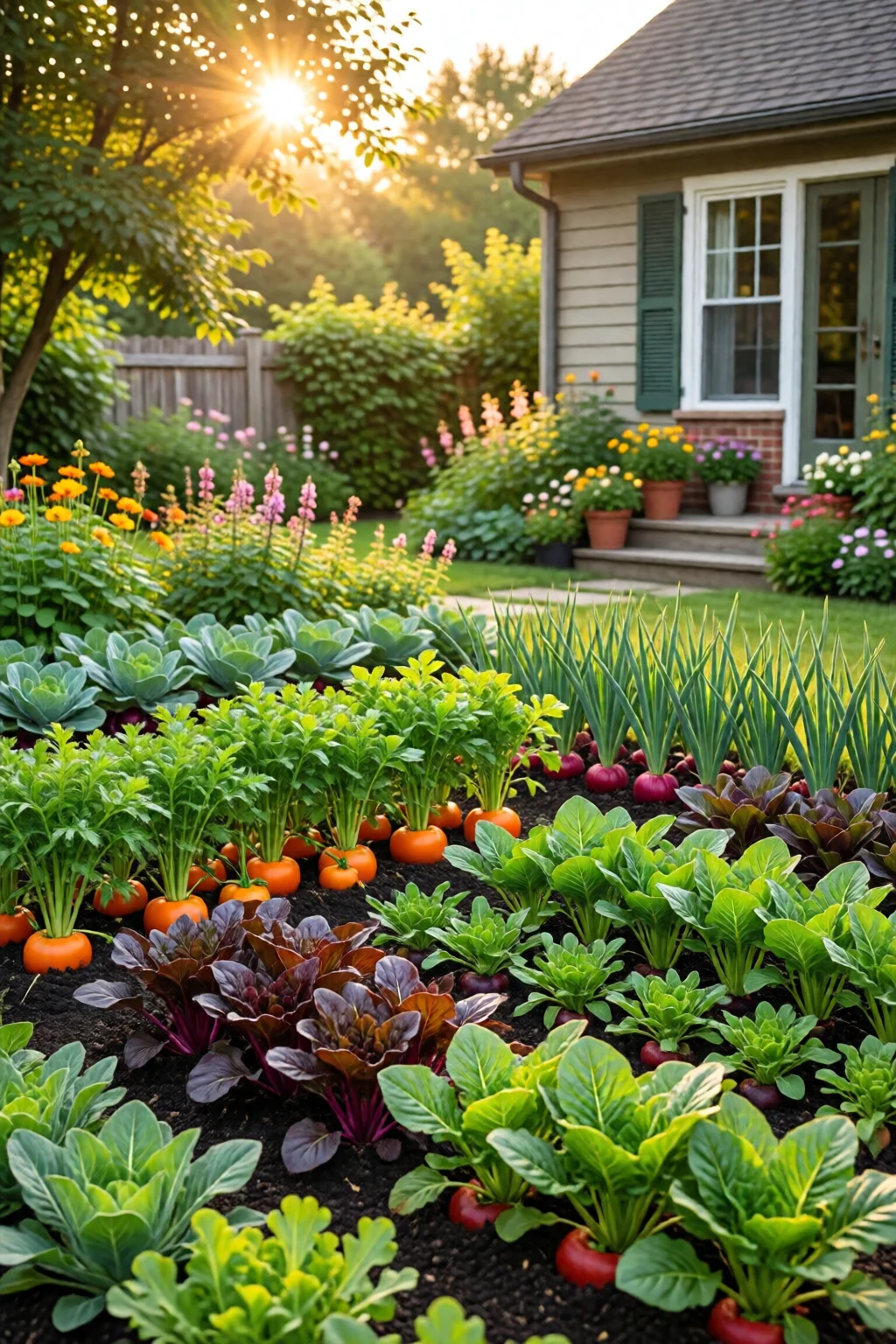
Final Verdict
If you’re ready to turn your yard into a functional feast, start with the idea that matches your space, budget, and willingness to maintain. For most suburban homeowners, a combination of Mixed Border Gardens and a modest Raised Bed yields the best return on investment—both in dollars saved on produce and in visual appeal. Remember, the key to success is soil health: incorporate a 2‑inch layer of organic compost (≈$0.35 per sq ft) and test pH annually. With these foundations, your edible landscaping will flourish year after year.
How much water does an edible landscape need compared to a traditional garden?
Edible landscapes usually require 10‑20 % more water because vegetables have higher transpiration rates. Using drip irrigation (≈$25 for a 50‑ft reel) can cut water use by up to 30 % while delivering moisture directly to the root zone.
Can I use the same soil mix for both vegetables and ornamental plants?
Yes, a balanced mix of 40 % topsoil, 30 % compost, and 30 % coarse sand works well for most edibles and ornamental perennials. Adjust pH to 6.5–7.0 for vegetables and 6.0–6.5 for many ornamentals.
What are the best companion plants to deter pests?
Marigolds, nasturtiums, and basil are proven deterrents for nematodes, aphids, and whiteflies. Plant them around the perimeter of your vegetable beds for a natural pest‑control barrier.
How long does it take to see a harvest from a raised bed?
Fast‑growing greens like lettuce and radishes can be harvested in 30‑45 days. For fruiting crops such as tomatoes, expect 60‑80 days from transplant to first ripe fruit.
1 commentaire sur « Edible Landscaping Ideas With Vegetables – Your Complete Resource »