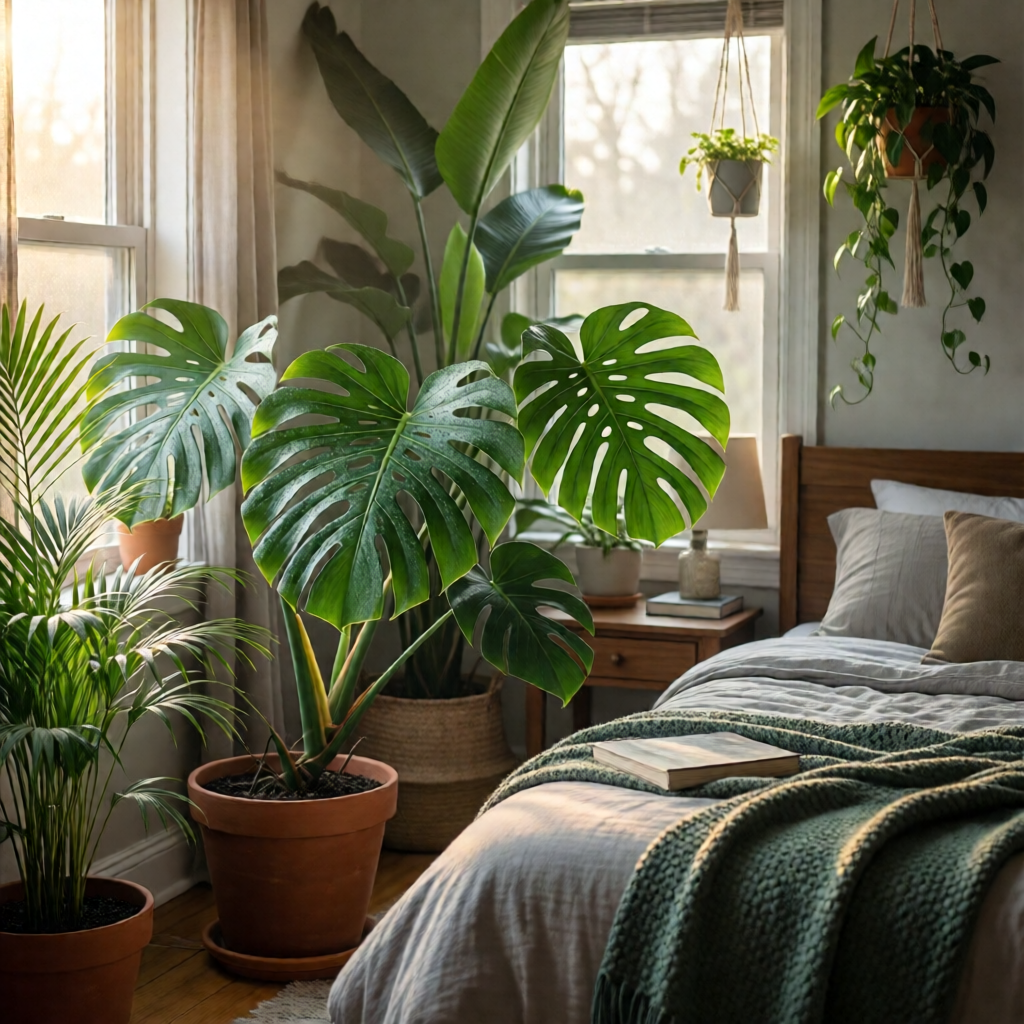
When it comes to creating a sanctuary that promotes restful sleep and rejuvenating mornings, the bedroom is the heart of the home. Adding the right indoor plants can transform this private space into a calming oasis, improving air quality, reducing stress, and adding a touch of natural beauty. In this guide, we’ll explore the best indoor plants for bedrooms, share expert care tips, and provide actionable advice so you can curate a thriving green retreat that fits your lifestyle and décor.
Why Choose Indoor Plants for Your Bedroom?
Bedrooms often have limited ventilation compared to other rooms, making them prone to stale air and excess humidity. Certain houseplants act as natural air purifiers, filtering out volatile organic compounds (VOCs) like formaldehyde, benzene, and xylene while releasing oxygen during the night. This can lead to better sleep quality, reduced allergies, and a calmer mind. Moreover, the visual presence of greenery has been shown to lower cortisol levels, helping you unwind after a busy day.
Choosing the right plants for your bedroom also means considering light availability, space constraints, and maintenance preferences. Whether you have a sun‑filled loft or a cozy, low‑light nook, there’s a perfect plant that will thrive and enhance your personal sanctuary.
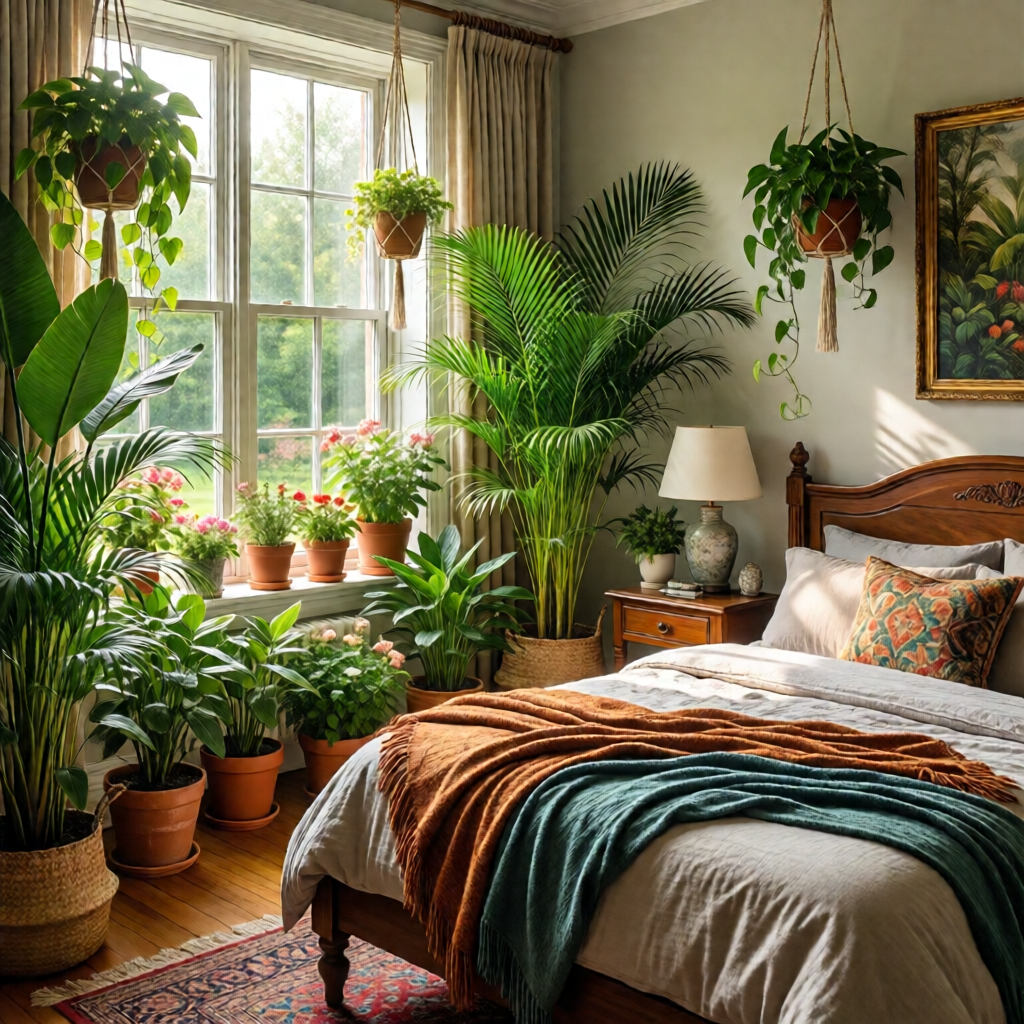
Top 10 Best Indoor Plants for Bedrooms
1. Snake Plant (Sansevieria trifasciata)
Often hailed as the ultimate low‑maintenance plant, the snake plant tolerates low light, irregular watering, and a wide temperature range. Its stiff, upright leaves release oxygen at night through the CAM (Crassulacean Acid Metabolism) process, making it ideal for bedrooms. To care for a snake plant, water sparingly—once every 2–3 weeks—and allow the soil to dry completely between waterings. Use a well‑draining potting mix with sand or perlite to prevent root rot.
2. Peace Lily (Spathiphyllum)
Peace lilies are celebrated for their elegant white blooms and impressive air‑purifying abilities. They thrive in low to medium indirect light and prefer consistently moist soil. Mist the leaves regularly to boost humidity, especially during dry winter months. Overwatering can cause yellowing leaves, so let the top inch of soil dry out before the next watering.
3. Lavender (Lavandula angustifolia)
Beyond its soothing fragrance, lavender can help reduce anxiety and improve sleep quality. While it prefers bright, direct light, a south‑facing window in the bedroom works well. Ensure the soil is well‑drained and avoid overwatering; let the top two inches dry out between waterings. Harvest the flower spikes to place in a linen drawer for a natural scent boost.
4. English Ivy (Hedera helix)
English ivy is a trailing vine that excels at filtering airborne mold and formaldehyde. It thrives in moderate to bright indirect light and prefers cooler indoor temperatures. Keep the soil evenly moist, but not soggy. Prune regularly to maintain a tidy appearance and prevent the vines from becoming invasive.
5. Aloe Vera (Aloe barbadensis miller)
Aloe vera is a succulent that stores water in its fleshy leaves, making it drought‑tolerant and perfect for forgetful waterers. It prefers bright, indirect light and well‑draining soil. Water deeply but infrequently, allowing the soil to dry out completely between waterings. The gel inside the leaves can also be used for soothing minor skin irritations.
6. ZZ Plant (Zamioculcas zamiifolia)
ZZ plants are virtually indestructible, tolerating low light, low humidity, and infrequent watering. Their waxy, dark green leaves add a glossy, modern touch to any bedroom décor. Water every 3–4 weeks, ensuring the pot has drainage holes to avoid waterlogged roots.
7. Spider Plant (Chlorophytum comosum)
Spider plants are easy to grow and produce baby “spiderettes” that can be propagated for free. They thrive in bright, indirect light and can tolerate occasional neglect. Keep the soil slightly moist and mist the leaves to increase humidity. Their ability to remove pollutants like formaldehyde makes them a practical bedroom choice.
8. Boston Fern (Nephrolepis exaltata)
Boston ferns love humidity and indirect light, making them perfect for bathrooms and bedrooms with a humidifier. They require consistently moist soil and regular misting. Use a peat‑based potting mix and place the fern on a tray of pebbles with water to maintain ambient moisture.
9. Pothos (Epipremnum aureum)
Pothos is a versatile vine that tolerates low light and irregular watering. Its heart‑shaped leaves can be variegated in shades of green, yellow, or white, adding visual interest. Water when the top inch of soil feels dry, and prune back long vines to keep the plant manageable.
10. Fiddle Leaf Fig (Ficus lyrata)
While larger than most bedroom plants, a compact fiddle leaf fig can become a stunning focal point in a spacious master bedroom. It prefers bright, filtered light and consistent moisture. Overwatering or sudden temperature changes can cause leaf drop, so place it away from drafts and heating vents. For detailed care instructions, see our fiddle leaf fig care guide.
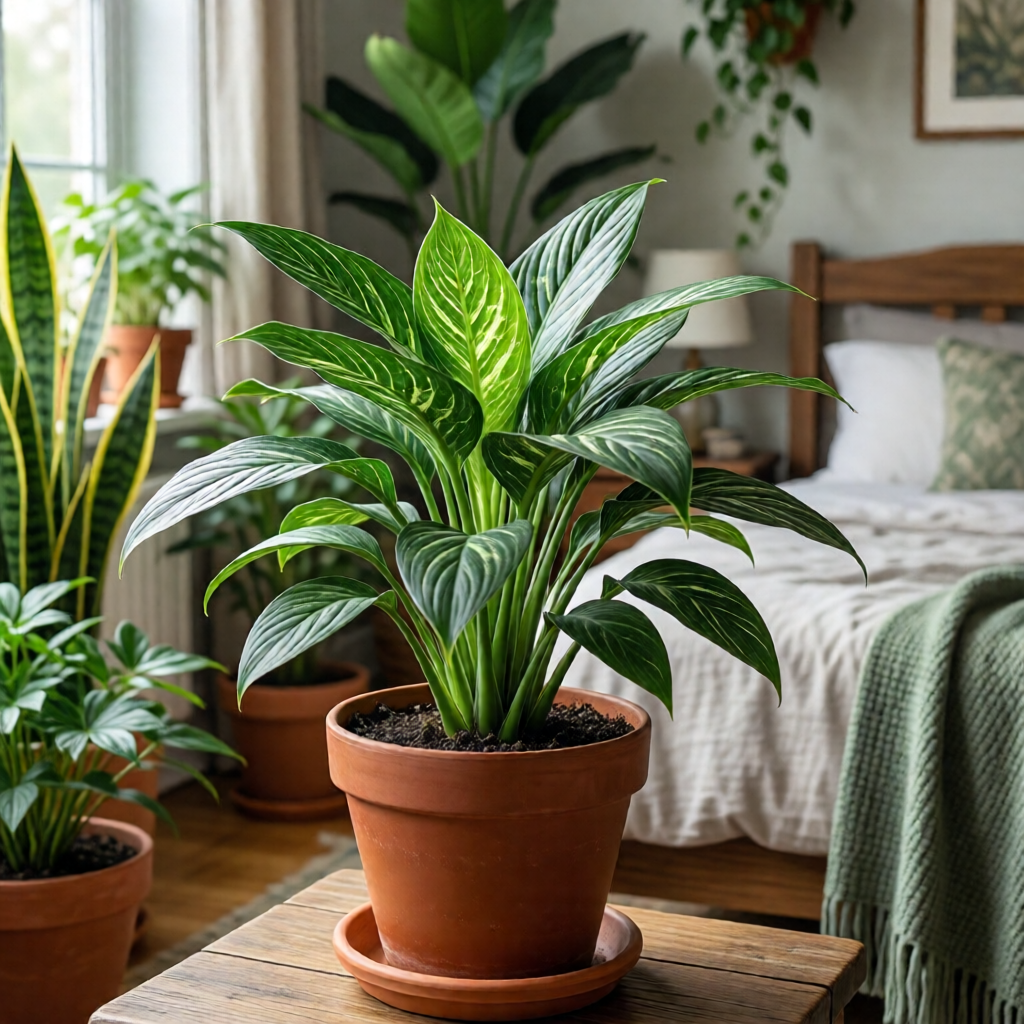
How to Choose the Right Plant for Your Space
Before you bring home a new green roommate, consider the following factors to ensure long‑term success:
Light Availability
Observe how much natural light your bedroom receives throughout the day. South‑facing windows provide the most light, while north‑facing windows offer softer, indirect illumination. Match your plant’s light needs to the room’s conditions to avoid leggy growth or leaf scorch.
Space and Scale
Measure the floor space, windowsill length, and ceiling height. Tall plants like the fiddle leaf fig need floor space, while trailing vines such as English ivy or pothos can be trained around a bookshelf or hung from a macramé planter.
Maintenance Commitment
Be realistic about how often you can water, prune, and mist your plants. If you travel frequently or have a busy schedule, opt for low‑maintenance varieties like snake plant, ZZ plant, or aloe vera.
Allergies and Sensitivities
Some plants release pollen or strong fragrances that might trigger allergies. Choose hypoallergenic options such as snake plant, spider plant, or Boston fern if you have sensitivities.
Pet Safety
Many popular bedroom plants are toxic to cats and dogs, including peace lily, English ivy, and pothos. If you share your space with pets, select non‑toxic alternatives like spider plant, Boston fern, or rubber plant (Ficus elastica).
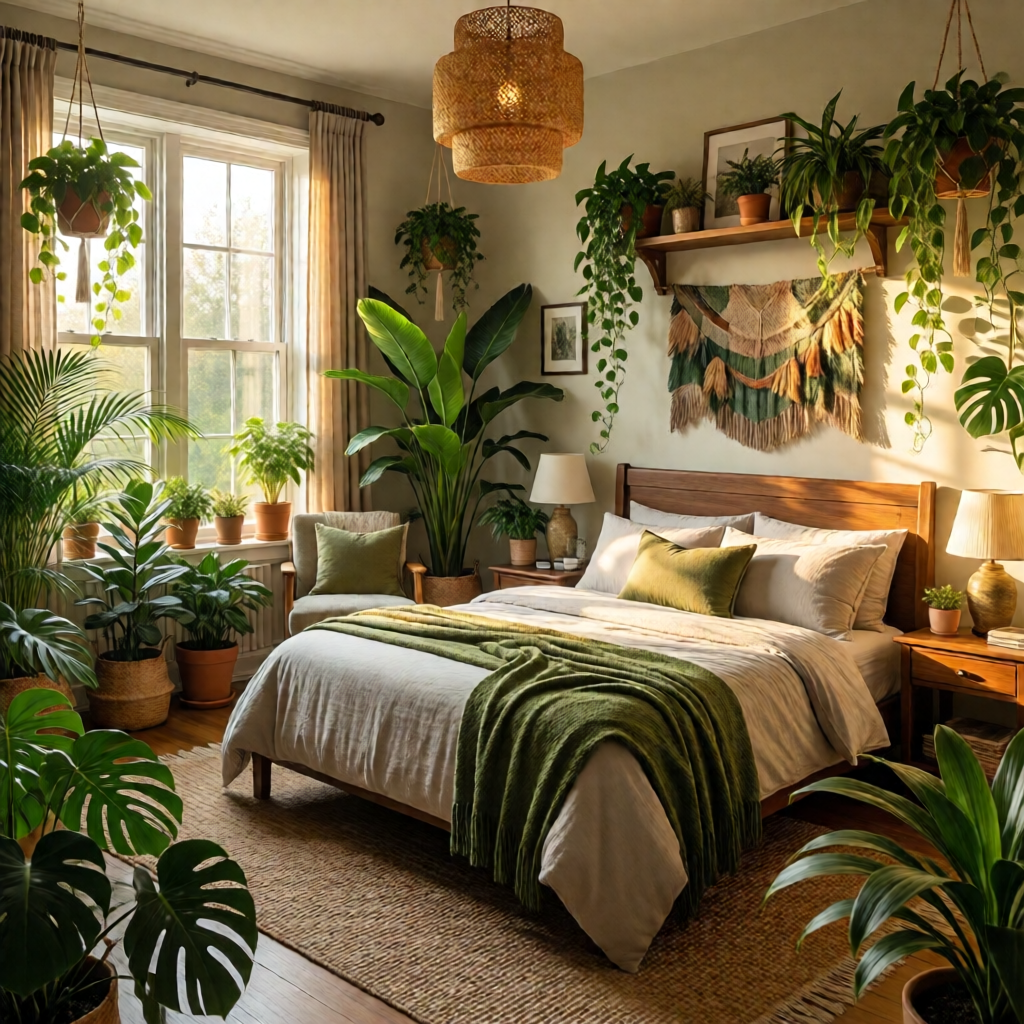
Placement and Light Requirements
Proper placement not only maximizes a plant’s health but also enhances the aesthetic flow of your bedroom. Below are practical guidelines for popular bedroom lighting scenarios.
Bright Direct Light
Rooms with large, south‑facing windows can accommodate sun‑loving plants like lavender, fiddle leaf fig, and aloe vera. Position these plants a few feet from the window to avoid leaf burn, and rotate them monthly for even growth.
Bright Indirect Light
Most bedroom‑friendly plants, including peace lily, spider plant, and pothos, thrive in bright indirect light. Place them near a north‑ or east‑facing window, or a few feet away from a south‑facing window where the light is filtered by a sheer curtain.
Low Light
Snake plant, ZZ plant, and English ivy are excellent choices for dim corners or rooms with limited windows. Even low‑light plants benefit from occasional exposure to filtered sunlight, so consider moving them closer to a window for a few hours each week.
Artificial Light Solutions
If natural light is scarce, supplement with grow lights. Full‑spectrum LED panels provide the necessary wavelengths for photosynthesis without overheating the room. For a guide on selecting the right lighting, check out our best grow lights for indoor plants article.
Strategic Placement Tips
- Use a nightstand for small plants like aloe vera or a mini peace lily.
- Hang trailing vines from a ceiling hook or a wall-mounted planter to free up floor space.
- Place taller plants against a blank wall to create a natural focal point.
- Group plants with similar humidity and watering needs together for easier care.
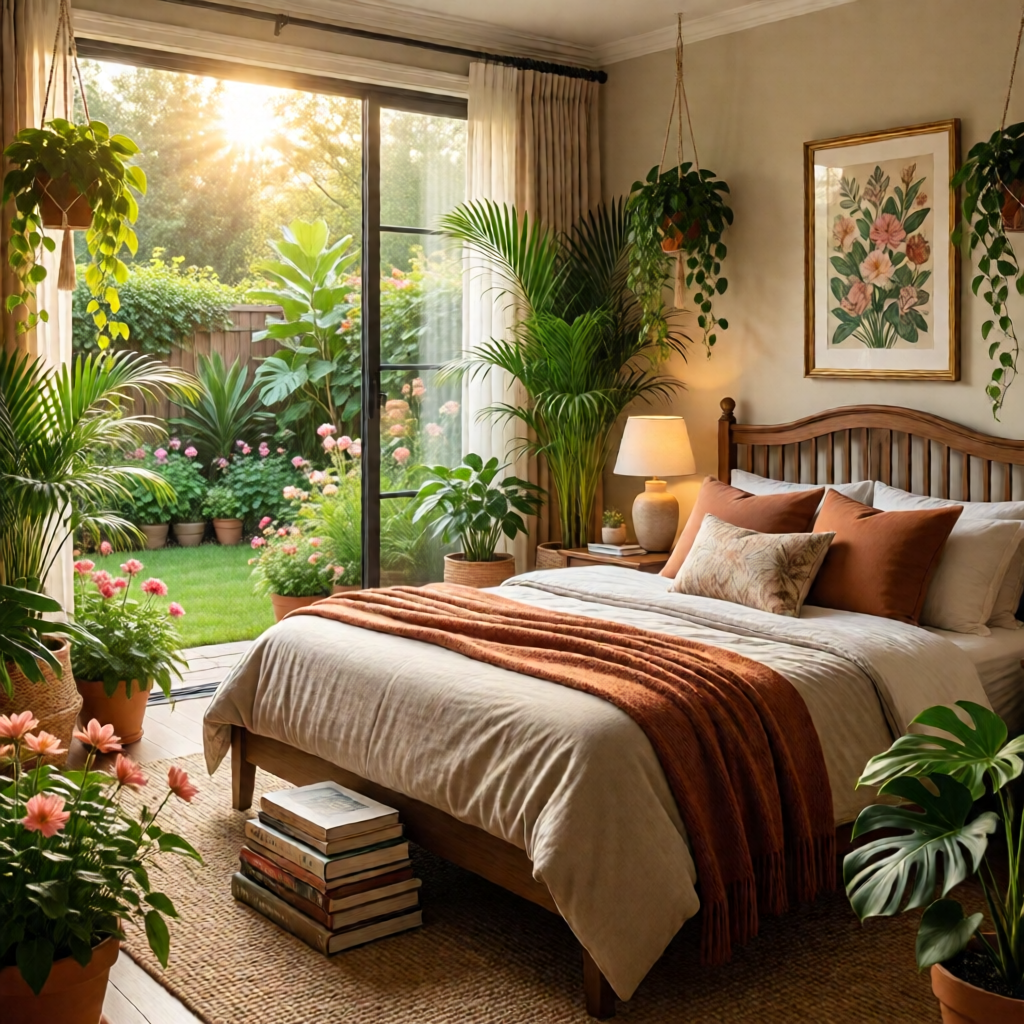
Watering and Maintenance Tips
Consistent watering is one of the most common challenges for indoor gardeners. Below are expert strategies to keep your bedroom plants hydrated without overwatering.
Understanding Soil Moisture
Use your finger to test the top inch of soil; if it feels dry, it’s time to water. For succulents like aloe vera and snake plant, let the soil dry completely before the next watering. For moisture‑loving plants such as peace lily and Boston fern, aim for a consistently damp (but not soggy) substrate.
Watering Techniques
- Bottom‑up watering: Place the pot in a shallow tray of water for 10–15 minutes, allowing the soil to absorb moisture through drainage holes. This prevents water from sitting on the leaves.
- Top watering: Pour water slowly around the base of the plant until it drains out the bottom, then discard excess water to avoid root rot.
- Misting: Use a spray bottle to mist foliage of humidity‑loving plants like Boston fern and peace lily once daily in dry climates.
Fertilizing Schedule
During the active growing season (spring and summer), feed your plants with a balanced, water‑soluble fertilizer diluted to half strength every 4–6 weeks. Reduce feeding in fall and stop entirely in winter when most indoor plants enter dormancy.
Pruning and Repotting
Remove yellowed or dead leaves promptly to maintain plant health and appearance. Repot every 12–18 months or when roots outgrow the container, using fresh potting mix appropriate for the plant type (e.g., cactus mix for succulents, peat‑based mix for ferns).
Seasonal Care Adjustments
Indoor plants often need less water during colder months due to slower growth. Refer to our seasonal garden maintenance checklist for a month‑by‑month care guide.
Air‑Purifying Benefits and Health Impact
NASA’s Clean Air Study highlighted several houseplants that can significantly reduce indoor pollutants. In a bedroom, where you spend 30+ hours a week, these benefits become especially valuable.
- Snake Plant: Converts CO₂ to oxygen at night, improving nighttime respiration.
- Peace Lily: Removes benzene, formaldehyde, and trichloroethylene while adding a calming scent.
- English Ivy: Reduces airborne mold spores, beneficial for allergy sufferers.
- Spider Plant: Efficient at filtering formaldehyde and xylene.
- Boston Fern: Absorbs formaldehyde and adds humidity, easing dry‑skin issues.
Combining several of these plants can create a synergistic effect, enhancing overall air quality and contributing to better sleep, clearer skin, and reduced respiratory irritation.
Styling Your Bedroom with Plants
Beyond health benefits, plants add texture, color, and a sense of calm to bedroom décor. Here are creative styling ideas that incorporate our top bedroom plants.
Layered Plant Shelf
Arrange a tiered plant shelf near a window to display a mix of trailing vines, upright foliage, and small succulents. This creates visual interest and makes cleaning easier. For inspiration, explore indoor plant shelf ideas and styling.
Macramé Hanging Planters
Hang a macramé holder with a pothos or spider plant to free up floor space and add a boho‑chic vibe. Ensure the hanging height allows the vines to drape gracefully without touching the floor.
Bedside Mini‑Garden
Place a small pot of aloe vera or a miniature peace lily on each nightstand. Their compact size makes them easy to reach for nighttime watering and they provide a soothing visual cue before sleep.
Statement Floor Plant
In larger master bedrooms, a tall fiddle leaf fig or a lush snake plant can serve as a focal point. Pair it with a sleek, modern planter that matches your bedroom’s color palette.
Seasonal Rotations
Swap out seasonal plants—like adding fresh lavender in summer or a winter‑hardy Christmas cactus in the holidays—to keep the room feeling fresh year-round.
Common Mistakes to Avoid
Even seasoned plant lovers can slip up. Keep these pitfalls in mind to ensure your bedroom greenery stays healthy.
- Overwatering: The most frequent mistake. Always check soil moisture before watering.
- Insufficient Light: Placing a sun‑loving plant in a dark corner leads to leggy growth and weakened health.
- Ignoring Humidity Needs: Ferns and peace lilies suffer in dry air; use a humidifier or mist regularly.
- Using the Wrong Soil: Succulents need gritty, well‑draining mixes, while ferns prefer peat‑based, moisture‑retentive soil.
- Neglecting Pest Checks: Indoor plants can attract spider mites, mealybugs, or fungus gnats. Inspect leaves weekly and treat promptly with neem oil or insecticidal soap.
Conclusion
Choosing the best indoor plants for your bedroom involves balancing aesthetics, light conditions, maintenance preferences, and health benefits. By selecting from our curated list—ranging from ultra‑low‑maintenance snake plants to fragrant lavender—you can create a personalized green retreat that improves air quality, reduces stress, and adds a touch of natural elegance to your personal space. Remember to assess your bedroom’s light, water wisely, and enjoy the calming presence of your new leafy companions.
Which bedroom plants are safest for pets?
Pet‑safe options include spider plant, Boston fern, and rubber plant (Ficus elastica). Avoid toxic varieties like peace lily, English ivy, and pothos if you have curious cats or dogs.
How often should I water a snake plant in a low‑light bedroom?
In low‑light conditions, water a snake plant only when the top 2‑3 inches of soil feel completely dry—typically every 2–3 weeks. Overwatering can cause root rot.
Can I use a regular LED lamp as a grow light for my bedroom plants?
Standard LEDs lack the full spectrum needed for optimal photosynthesis. Choose a full‑spectrum LED grow light, as detailed in our best grow lights for indoor plants guide.
What is the best way to increase humidity for a Boston fern?
Place the fern on a tray filled with pebbles and water, ensuring the pot sits above the water line. Misting the foliage daily and using a room humidifier also help maintain the moisture it loves.
Should I prune my indoor plants during winter?
Yes, remove any dead or yellowing leaves to keep the plant healthy. However, avoid heavy pruning in winter, as many indoor plants enter a dormant phase and need less growth stimulation.