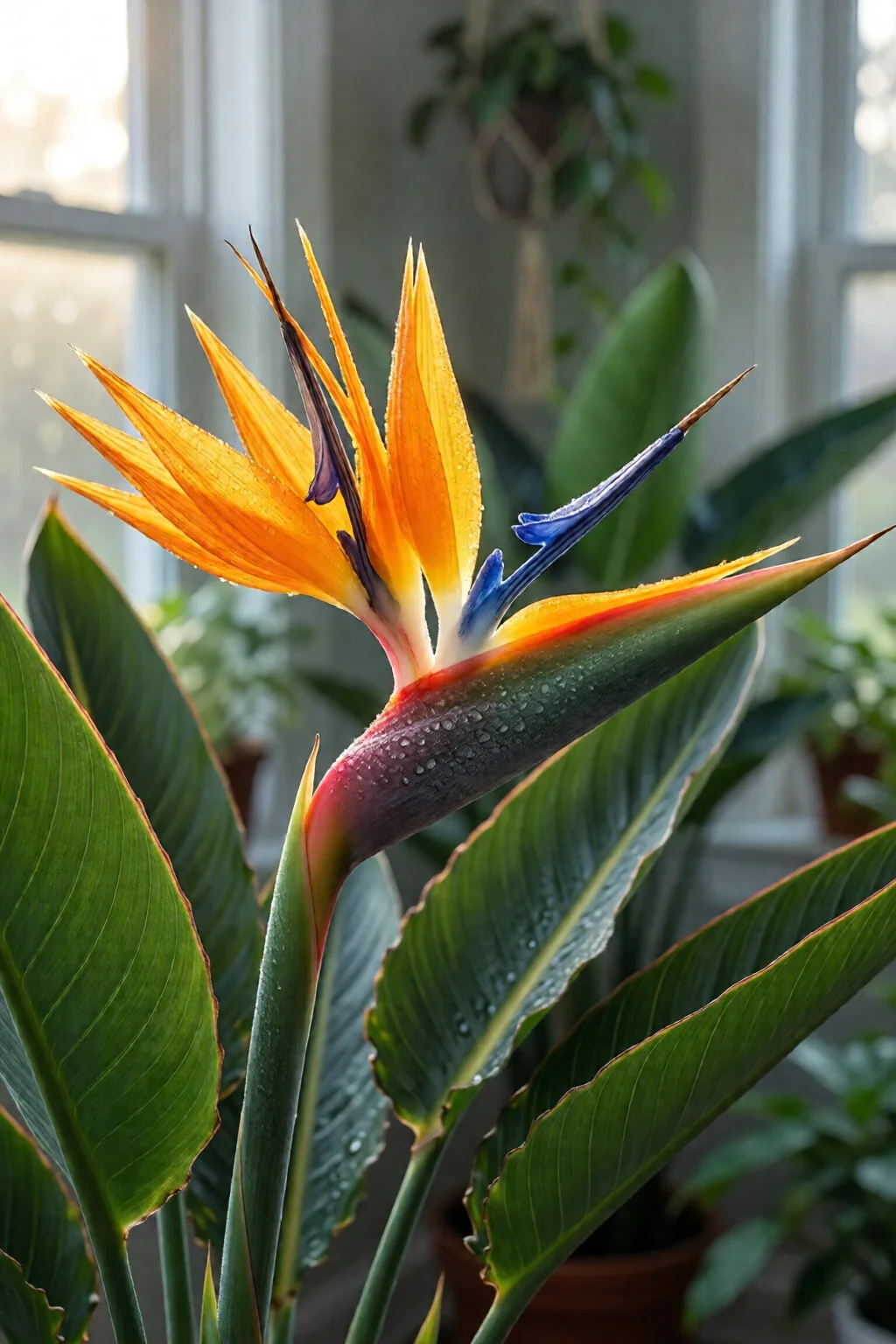
Turn your living room into a tropical oasis by mastering bird of paradise plant indoor care – the ultimate guide that gets you from clueless to confident in just a few steps.
In This Article
What You Will Need (Before You Start)
- Pot & Drainage: A 12‑inch (30 cm) terracotta or fabric pot with at least two ½‑inch drainage holes. Terracotta costs about $12–$15 on Amazon.
- Soil Mix: A well‑draining blend such as Miracle‑Gro Indoor Potting Mix (4 qt, $6.99) mixed 1:1 with perlite ($3.49 for a 16‑oz bag).
- Light Source: A south‑facing window delivering 6–8 hours of bright, indirect light, or a Roleadro LED Grow Light (45 W, $39.99) if natural light is limited.
- Watering Can: A long‑spout can with a 1‑liter capacity to reach the soil without drenching foliage.
- Fertilizer: Espoma Organic Plant Food (8‑oz, $8.99) or a balanced 20‑20‑20 water‑soluble fertilizer.
- Humidity Booster: A Levoit Humidifier (1.5 gal, $49.99) or a pebble tray filled with distilled water.
- Tools: Pruning shears, a soft cloth, a moisture meter (optional, $12.95), and a small hand trowel.
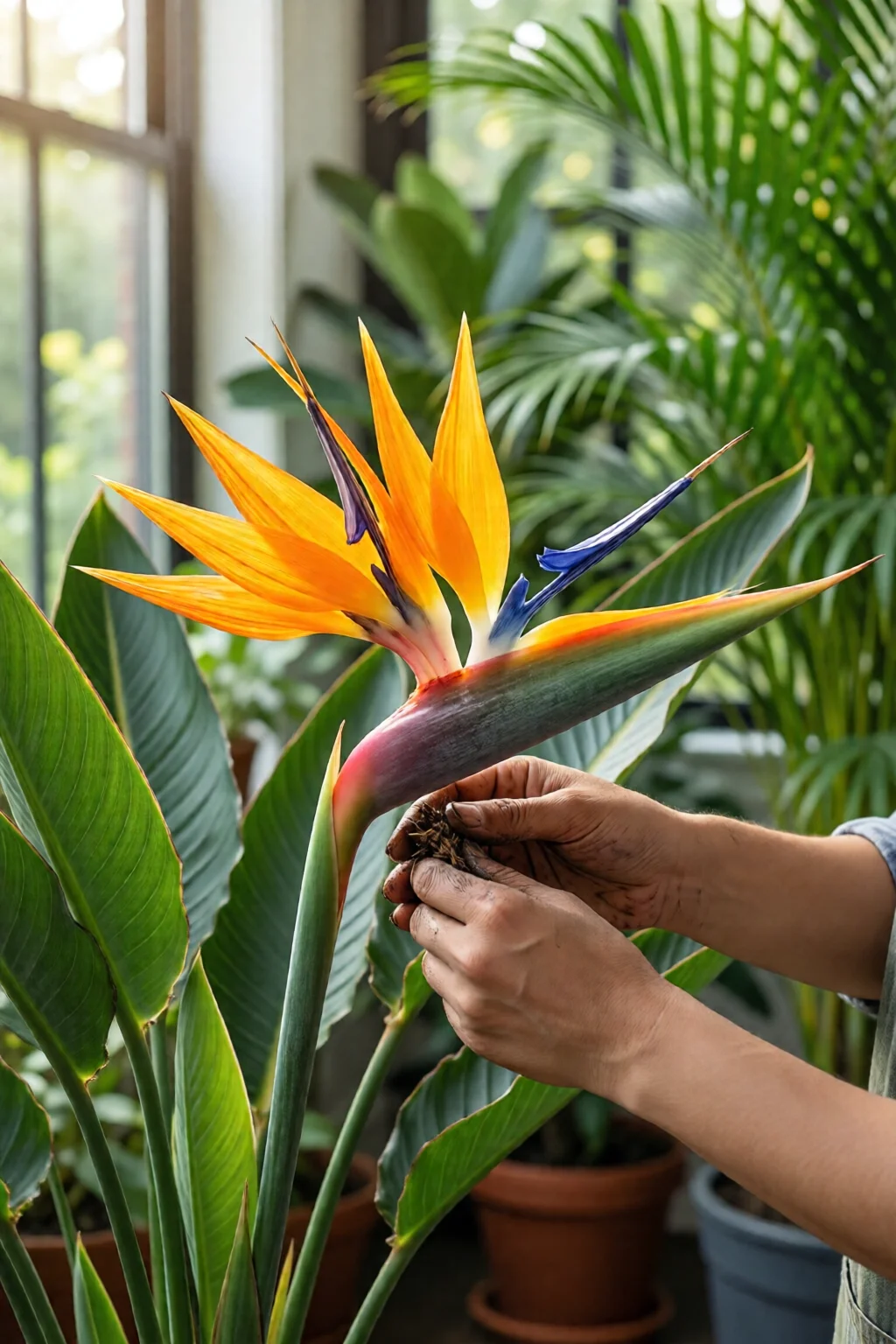
Step‑by‑Step Bird of Paradise Plant Indoor Care
Step 1 – Choose the Right Pot and Soil
Start with a pot that’s just a size or two larger than the root ball. Too big a container holds excess moisture, which leads to root rot. Fill the bottom with a 1‑inch layer of coarse sand or gravel (gravel patio ideas on a budget can give you the right texture). Add your soil mix, leaving a 2‑inch gap at the top for watering.
Step 2 – Light, Light, Light
Birds of paradise crave bright, indirect sunlight. Position the plant near a south‑ or west‑facing window where it receives at least 6 hours of filtered light daily. If the light is too harsh, the leaves will scorch – a classic case of leaf burn. In low‑light apartments, supplement with a 45 W LED grow light placed 12‑18 inches above the foliage for 12 hours a day.
Step 3 – Master the Watering Schedule
These plants love moisture but hate soggy roots. Water when the top 2 inches of soil feel dry to the touch (use a moisture meter for precision). In summer, that typically means watering every 5‑7 days; in winter, stretch it to 10‑14 days. Water thoroughly until water drains out of the bottom holes, then discard any excess in the saucer.
Step 4 – Humidity & Temperature
Native to humid rainforests, Strelitzia thrives at 50‑70 % relative humidity and temperatures between 65‑80 °F (18‑27 °C). If your home is dry (common in winter heating), run a Levoit Humidifier for 4‑6 hours or place the pot on a pebble tray. Avoid drafts and sudden temperature swings; a drafty window can drop the temperature by 10 °F and stress the plant.
Step 5 – Feeding for Vibrant Blooms
During the active growing season (spring through early fall), feed every 4‑6 weeks with a balanced 20‑20‑20 fertilizer diluted to half strength. For organic lovers, mix 1 tablespoon of Espoma Organic Plant Food into the watering can. Reduce feeding to once a month in winter when growth slows.
Step 6 – Pruning, Cleaning, and Pest Management
Remove dead or yellowing leaves with clean pruning shears to improve air circulation. Wipe the remaining leaves with a damp cloth to eliminate dust that blocks photosynthesis. Inspect weekly for spider mites, mealybugs, or scale insects; treat early with a neem oil spray (2 % solution, $9.99 per 8‑oz bottle) applied to both leaf tops and undersides.
Step 7 – Repotting and Division
Birds of paradise usually need repotting every 2‑3 years or when roots outgrow the container. Choose a pot 2‑4 inches larger in diameter, repeat the soil mix, and gently loosen the root ball. If the plant has multiple crowns, you can divide it in spring – each division should have at least three healthy leaves and a good root system. For more on propagation, see our guide on how to propagate indoor plants.
Common Mistakes to Avoid
- Overwatering: The #1 killer. Even if the soil looks moist, check the drainage holes; stagnant water equals root rot.
- Insufficient Light: A bird of paradise placed in a dim hallway will stretch, producing weak stems and no flowers.
- Using Heavy Garden Soil: Regular potting mixes retain too much water. Stick to a light, airy blend with perlite.
- Ignoring Humidity: Low winter humidity causes brown leaf tips and slowed growth.
- Fertilizing Year‑Round: Feeding in dormancy burns the roots and wastes money.
Troubleshooting & Tips for Best Results
Yellow Leaves? Check the watering frequency first. If the soil is soggy, let it dry for 3‑4 days before the next watering.
No Flowers After 2 Years? Your plant may be too young; birds of paradise often need 3–5 years to mature. Boost light intensity and ensure a balanced fertilizer regime.
Leaf Curling? This usually signals low humidity or a pest infestation. Increase humidity and treat with neem oil.
Stunted Growth? Repot into a larger container with fresh soil. A pot that’s too small constricts root expansion.
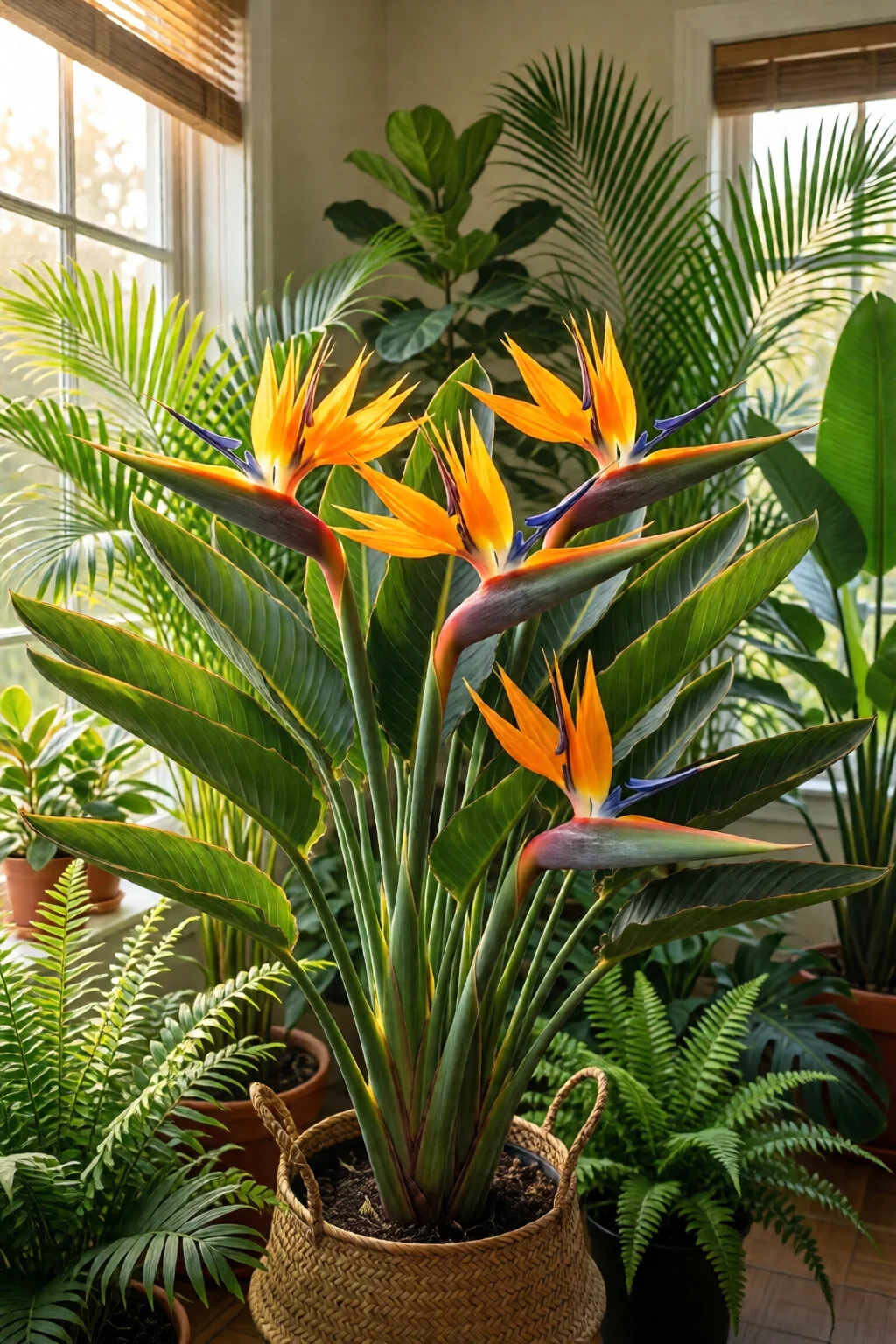
For a quick fix when you’re short on space, try a container gardening approach: place the bird of paradise in a decorative basket lined with a plastic liner to keep moisture off the floor.
FAQ
How often should I water my indoor bird of paradise?
Water when the top 2 inches of soil feel dry, typically every 5‑7 days in summer and 10‑14 days in winter. Always water until it drains out of the bottom holes.
Can I fertilize my bird of paradise year‑round?
No. Feed every 4‑6 weeks during the growing season (spring‑early fall) and cut back to once a month or stop completely in winter.
What light level does a bird of paradise need indoors?
Bright, indirect sunlight for at least 6‑8 hours daily. If natural light is limited, supplement with a 45 W LED grow light positioned 12‑18 inches above the plant.
How do I increase humidity for my bird of paradise?
Use a room humidifier set to 50‑70 % RH, place the pot on a pebble tray filled with water, or group it with other tropical plants to create a micro‑climate.
When should I repot my indoor bird of paradise?
Every 2‑3 years, or when you see roots emerging from the drainage holes. Spring is the optimal time for repotting.
Summary
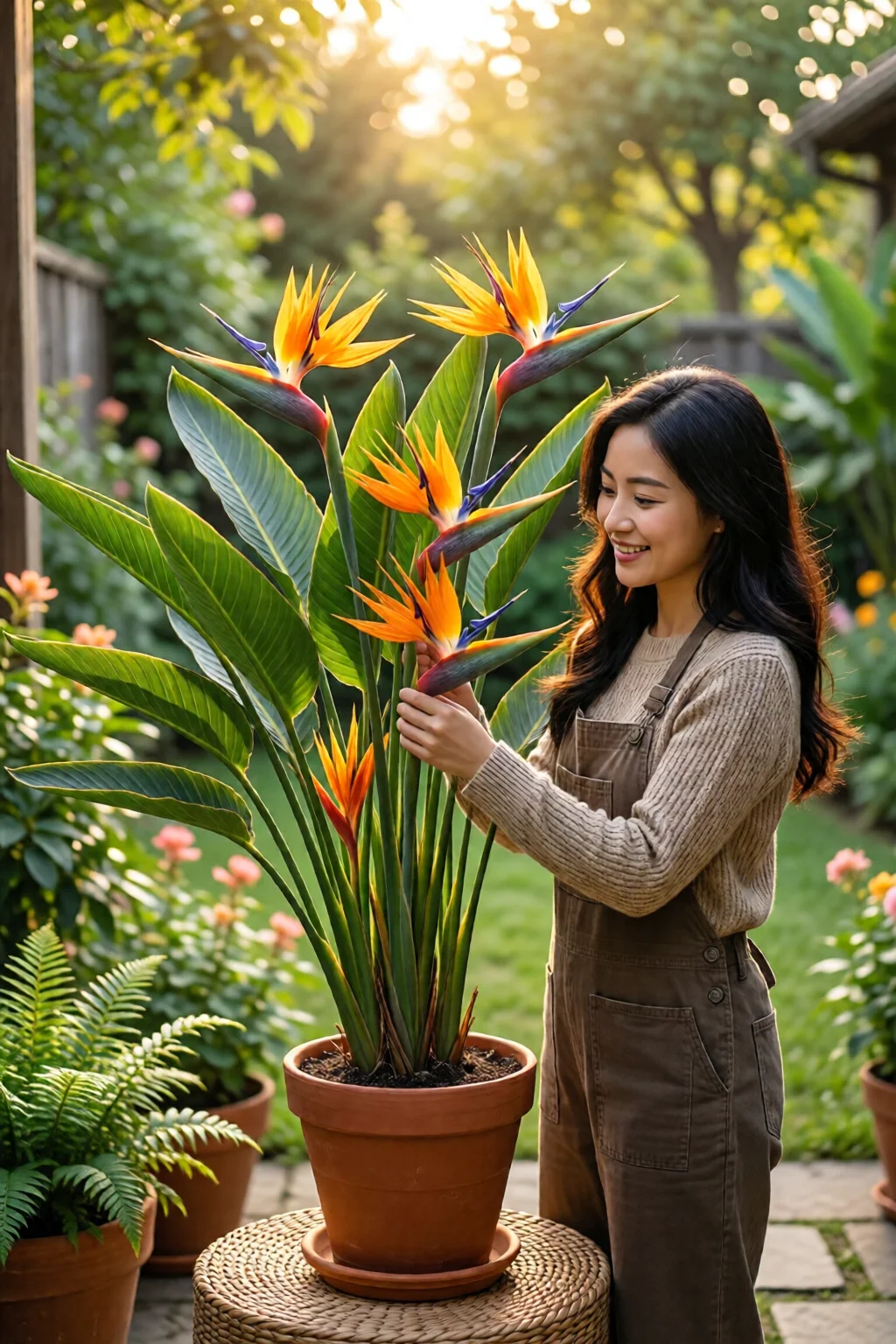
Mastering bird of paradise plant indoor care boils down to three pillars: bright, filtered light; a well‑draining soil‑water regimen; and consistent humidity. Pair those with a balanced feeding schedule, vigilant pest checks, and timely repotting, and you’ll enjoy glossy foliage and, eventually, those iconic orange‑and‑blue “birds” blooming right in your living room. Remember, the plant rewards patience – the more you respect its tropical roots, the more spectacular the display.
3 commentaires sur « Bird Of Paradise Plant Indoor Care – Tips, Ideas and Inspiration »