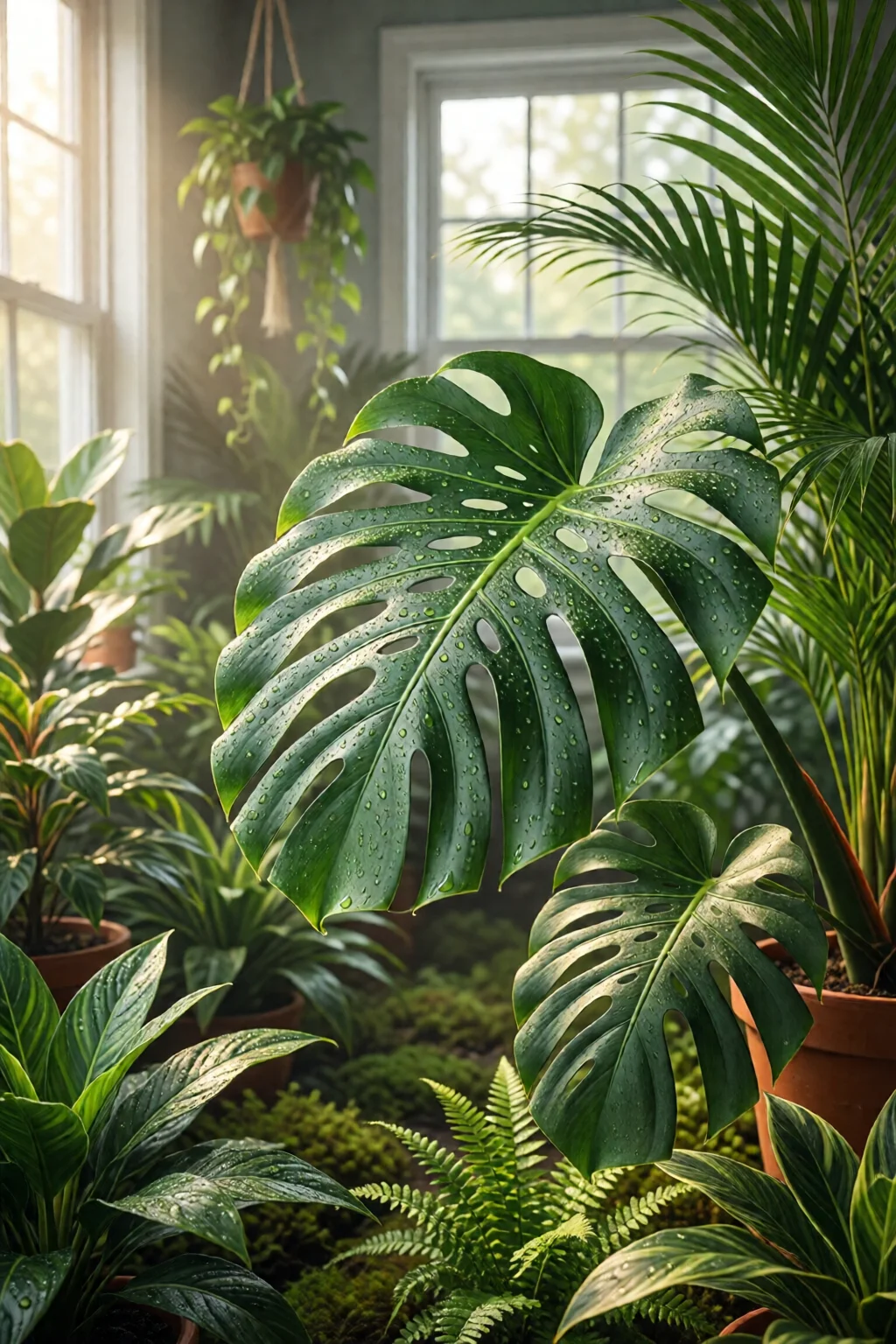
Turn any living room into a lush, breathing rainforest by mastering how to create indoor jungle aesthetic that feels both wild and welcoming. Imagine stepping onto a soft rug of fern fronds, hearing the subtle rustle of leaves, and catching a glimpse of a Monstera leaf peeking over a mid‑century teak shelf. That immersive vibe isn’t reserved for upscale hotels—it’s achievable at home with the right plants, layout, and a pinch of design savvy.
In This Article
- Choosing the Right Plant Palette
- Designing the Layout: From Floor to Ceiling
- Light, Water, and Soil – The Core Care Trio
- Decorative Elements That Amplify the Jungle Vibe
- Maintenance Routine to Keep the Jungle Thriving
- Pro Tips from Our Experience
- Comparison Table: Popular Indoor Jungle Plants
- Frequently Asked Questions
In my ten‑year career as a horticultural consultant, I’ve helped dozens of clients swap sterile minimalism for thriving green interiors without breaking the bank. The secret? Treating the space like a miniature ecosystem—choose species that complement each other, match light and humidity, and use accessories that echo the jungle’s natural materials. Below is a step‑by‑step guide that walks you through every decision point, from plant selection to daily care, so you can confidently answer the question “how to create indoor jungle aesthetic” and watch your indoor oasis flourish.
Choosing the Right Plant Palette
Tropical Giants That Make a Statement
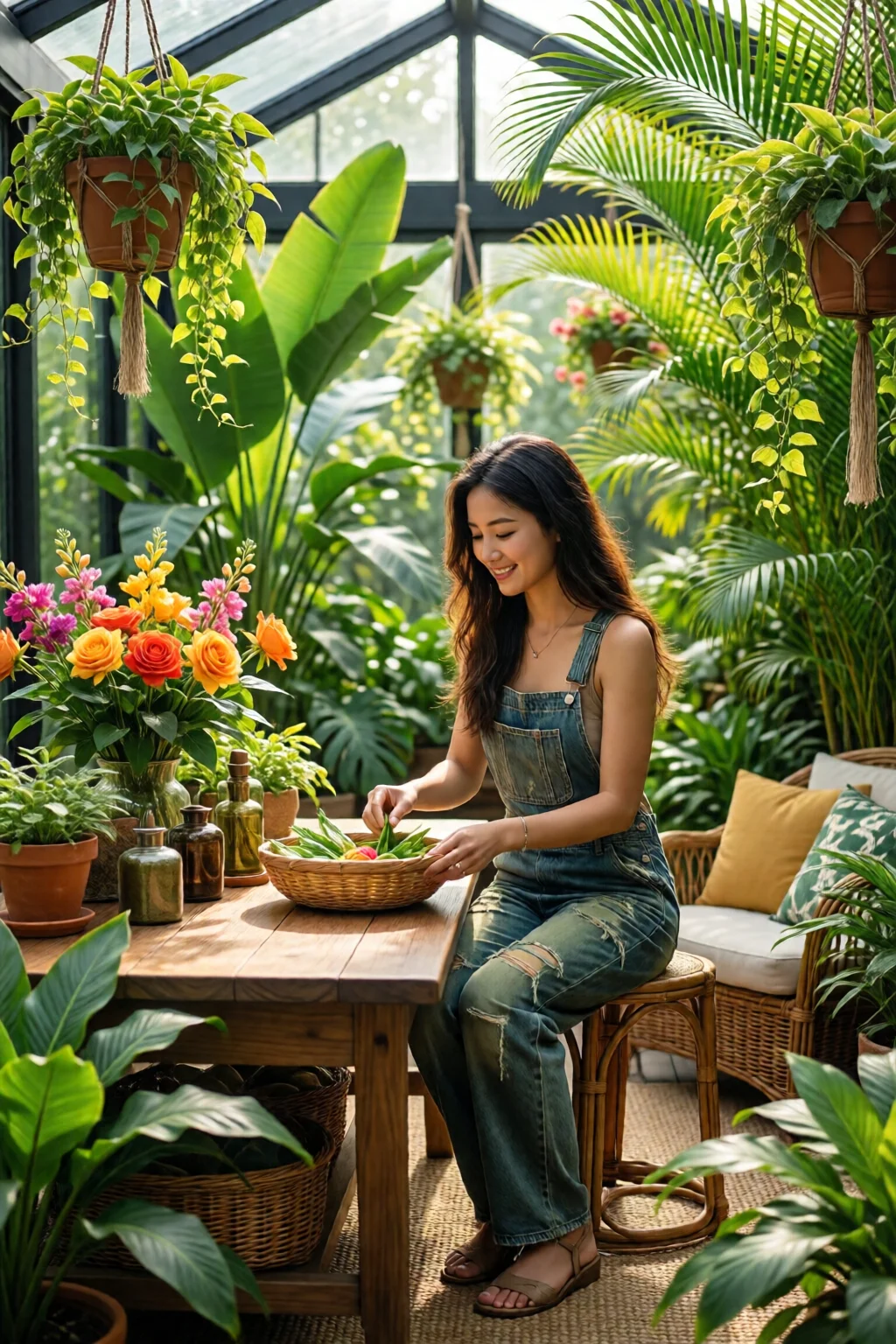
Start with one or two focal plants that command attention. The Monstera deliciosa (Swiss cheese plant) is a classic; a mature specimen can reach 6‑8 ft tall with leaves spanning 2‑3 ft. I recommend the Costa Farms Monstera 2‑ft pot, $29.99. If ceiling height allows, a 5‑ft tall Fiddle Leaf Fig (Ficus lyrata) adds sculptural drama—look for the The Plant Shop’s 6‑ft fig, $149. Both thrive in bright, indirect light and love a weekly deep watering.
Easy‑Care Foliage for Beginners
Not everyone can maintain a high‑maintenance giant, so blend in low‑maintenance understory plants. The Philodendron hederaceum (heartleaf) tolerates low light and needs watering only when the top inch of soil dries—about every 10‑14 days in a 70 °F room. A 6‑inch pot from Nursery Plants, $12 works well. Pothos (Epipremnum aureum) is another budget hero; a 4‑in pot costs $8 on HomeGarden and can trail from shelves, creating vertical layers.
Pet‑Safe and Bloom‑All‑Year Options
If you share space with dogs or cats, avoid toxic species like Dieffenbachia. The pet safe indoor plants for dogs guide lists the spider plant (Chlorophytum comosum) and the Boston fern (Nephrolepis exaltata) as non‑toxic choices. Both keep humidity up and produce occasional white flower spikes that add a subtle pop. For color year‑round, consider Christmas cactus (Schlumbergera)—it blooms in winter with minimal light, costing $15 for a 5‑in pot at Cactus World.
Designing the Layout: From Floor to Ceiling
Mapping the Space and Measuring
Grab a tape measure and sketch your room on graph paper (1 sq ft = 1 sq in). Note window locations, ceiling height, and any built‑in shelves. I always calculate a “green coverage ratio”—the total leaf surface area divided by floor area. Aim for 0.5–0.8 for a lush feel without overcrowding. For a 12 × 14 ft living room, that translates to 84–134 sq ft of leaf surface, roughly 30–40 mature Monstera‑size leaves.
Layering Heights and Textures
Think of a rainforest canopy: tall trees, mid‑level shrubs, and ground‑cover ferns. Place giants on floor‑level plant stands (a 30‑in tall metal stand from Wayfair, $79 works well). Use floating wall shelves for trailing vines—install two 24‑in oak shelves at 48 in height, spaced 12 in apart. Top each shelf with a hanging macramé pot (≈12‑in diameter, $22 from Etsy) to showcase pothos or string of pearls (Senecio rowleyanus).
Using Plant Stands, Shelves, and Hanging Pots
Rattan ladders repurposed as plant stands add visual interest while staying eco‑friendly. I once used a 48‑in bamboo ladder (cost $45 at Home Depot) to display a row of 6‑in ZZ plants (ZZ plant care and propagation), creating a staggered effect that mimics understory growth. For ceiling‑mounted gardens, consider a 4‑ft PVC “green wall” frame—fill it with moss panels ($30 at Lowes) and attach lightweight ferns with zip ties.
Light, Water, and Soil – The Core Care Trio
Evaluating Natural vs. Artificial Light
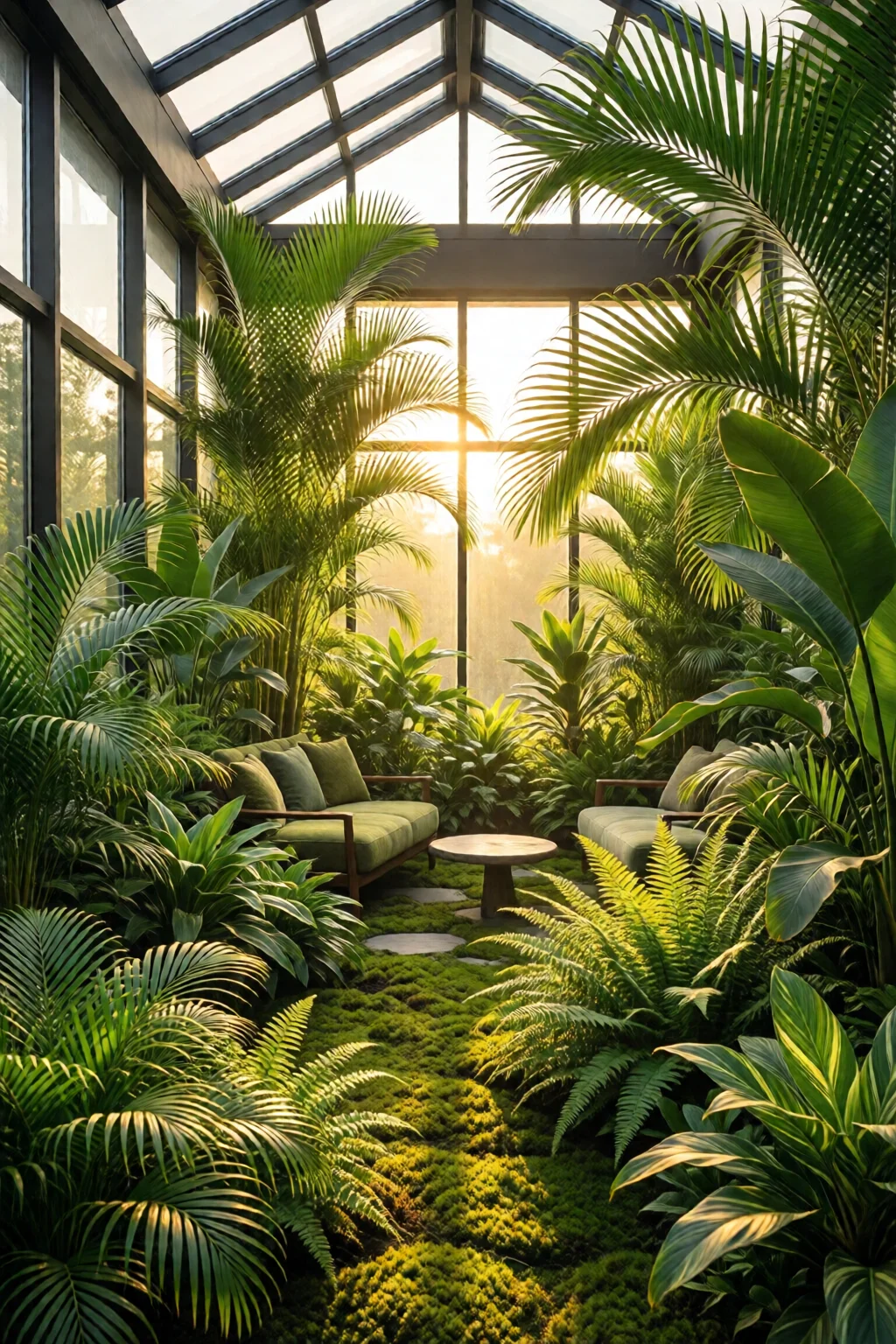
Most indoor jungles rely on bright, indirect light. Use a light meter (the Luxmeter Pro, $34) to measure foot‑candles; aim for 500–1,000 fc on leaf surfaces. If your window only provides 200 fc, supplement with full‑spectrum LED panels (e.g., Spider Farmer SF-1000, $139) placed 12‑18 in above the canopy. Keep the photoperiod at 12‑14 hours to mimic tropical daylight cycles.
Watering Schedules and Humidity Hacks
Over‑watering kills more jungle dreams than under‑lighting. In my practice, I use the “finger test” for pots under 12 in: insert your index finger 1 in deep; if it feels dry, water thoroughly until water drains from the bottom. For larger containers, weigh the pot—soil should be about 1 lb heavier after watering. To boost humidity, cluster plants together and place a 1‑gal pebble tray filled with distilled water beneath each stand; evaporation raises local humidity to 60‑70 %—ideal for ferns and philodendrons.
Soil Mixes and Fertilizers
A well‑draining mix prevents root rot. Combine 40 % peat moss, 30 % perlite, and 30 % pine bark fines. For a ready‑made option, I trust Espoma Organic Potting Mix, $12 per 4‑qt bag. Feed every 6 weeks during the growing season with a balanced 20‑20‑20 liquid fertilizer (e.g., Miracle‑Gro Indoor Plant Food, $5) diluted to half strength.
Decorative Elements That Amplify the Jungle Vibe
Rattan, Bamboo, and Macramé Hangers
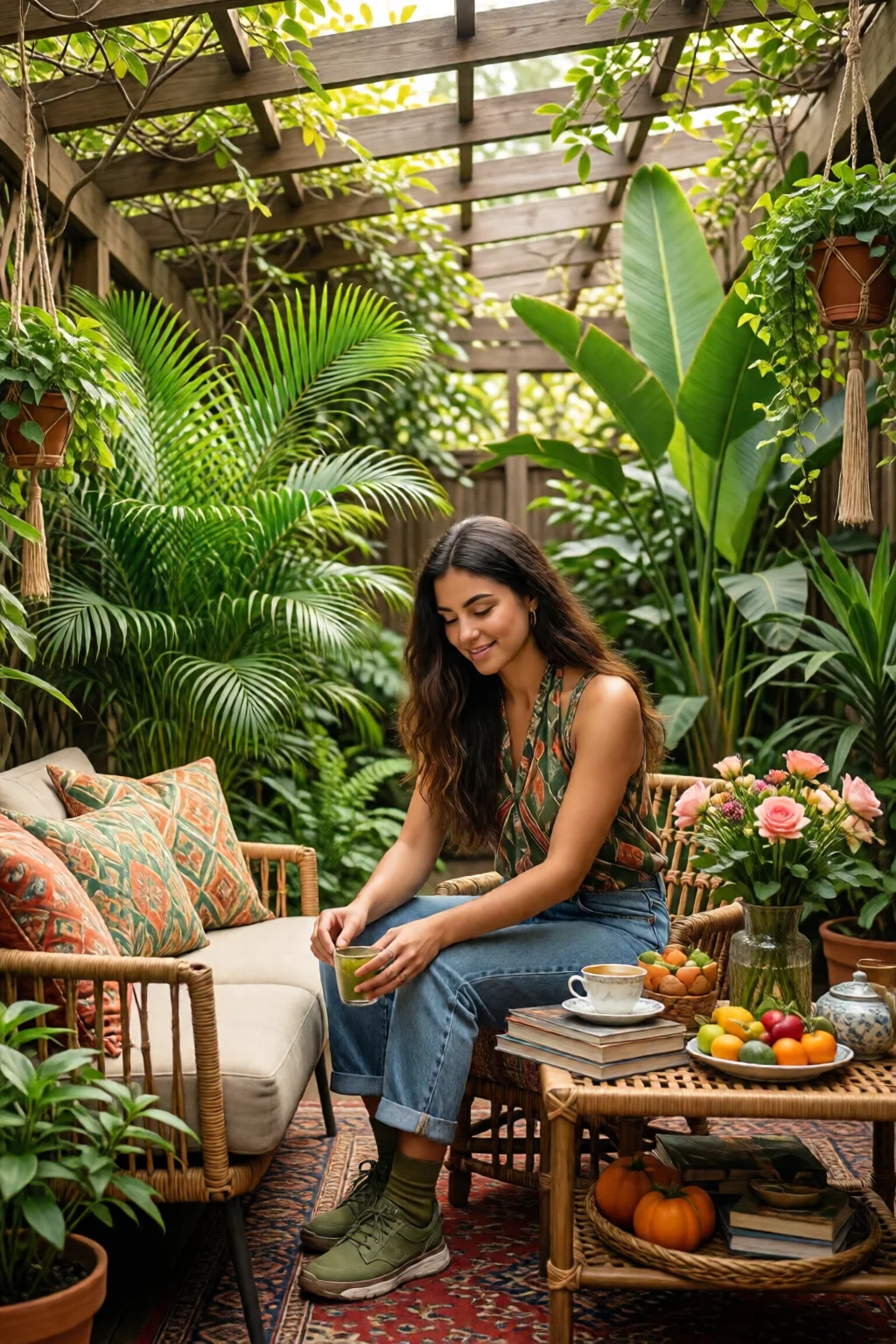
Natural materials echo the forest floor. A 48‑in rattan coffee table (cost $120 at IKEA) doubles as a display platform for potted succulents. Bamboo blinds, when left slightly open, filter light and add a subtle rustle. Macramé plant hangers, especially those woven from 100 % cotton (e.g., Target, $18), bring texture while freeing floor space.
Rocks, Driftwood, and Moss
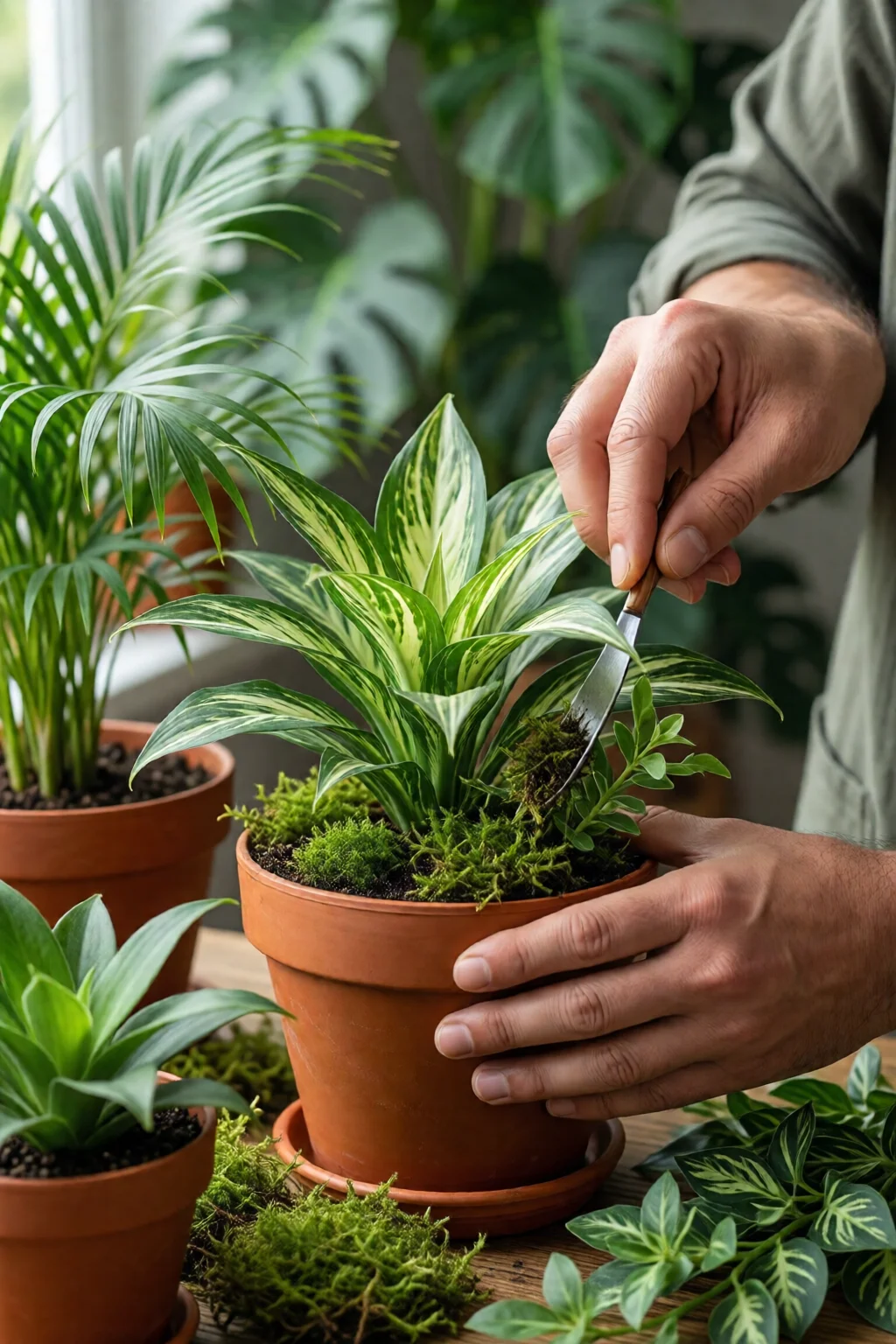
Scatter river rocks (5‑lb bag, $9 at Home Depot) across the soil surface to improve drainage and give a stone‑river feel. A reclaimed driftwood log (8‑ft, $45 from ReclaimedWood) works as a natural trellis for vines. Sheet moss (Florida or sheet moss, $15 per 12‑in sheet at Amazon) can be tucked into corners to retain moisture and create a soft carpet effect.
Sound and Scent: Speakers and Essential Oils
Ambient rainforest sounds—soft rain, distant birdcalls—enhance immersion. I place a compact Bluetooth speaker (Bose SoundLink Micro, $79) near the tallest plant to let sound travel horizontally. For scent, diffuse a blend of eucalyptus and lemongrass oil (4 ml each, $12 total from Doctor Steich) to mimic fresh canopy air without overwhelming the space.
Maintenance Routine to Keep the Jungle Thriving
Monthly Pruning Checklist
Every 30 days, inspect each plant for yellowing leaves, leggy stems, or unwanted growth. Use clean, sharp pruning shears (Fiskars 14‑in, $12) to cut back 1/3 of the leaf length on overgrown vines. Remove dead foliage to improve airflow and reduce disease risk.
Pest Monitoring and Organic Remedies
Common indoor pests include spider mites, mealybugs, and fungus gnats. Set yellow sticky traps (10‑pack, $7 at Park Seed) near the base of each plant. For infestations, spray a solution of 1 tsp neem oil mixed with 1 cup water; repeat every 7 days until pests disappear.
Rotating Plants for Even Growth
Turn each pot 90° every two weeks so all sides receive equal light. This simple habit prevents one‑sided leaning and encourages balanced leaf development. In my studio, a rotating carousel (12‑pot, $49 from Wayfair) makes this task effortless.
Pro Tips from Our Experience
- Start with a “green wall” of pothos on a living‑room wall; it masks imperfections and instantly raises the perceived ceiling height.
- Combine fast‑growing vines with slow‑growing trunks; the contrast creates dynamic visual interest without constant re‑planting.
- Invest in a hygrometer; maintaining 60‑70 % humidity cuts down on leaf browning by up to 40 %.
- When budgeting, buy smaller plants and let them grow— a 4‑in ZZ plant at $15 can become a 24‑in centerpiece in 3 years, saving $200 versus buying a mature specimen.
- Never place a tropical plant directly next to a heating vent; temperature spikes cause leaf scorch and stress.
Comparison Table: Popular Indoor Jungle Plants
| Plant | Average Price (US) | Light Requirement | Water Frequency | Pet‑Safe? |
|---|---|---|---|---|
| Monstera deliciosa (6‑ft) | $129 | Bright indirect | Weekly deep | No |
| Fiddle Leaf Fig (5‑ft) | $149 | Bright indirect | Every 7‑10 days | No |
| Philodendron hederaceum | $12 (6‑in pot) | Low‑mid | Every 10‑14 days | Yes |
| ZZ Plant (ZZ) | $15 (4‑in pot) | Low to bright | Every 2‑3 weeks | Yes |
| Spider Plant | $8 (8‑in pot) | Bright indirect | When top inch dry | Yes |
Frequently Asked Questions
How many plants do I need for a convincing indoor jungle?
Aim for a leaf‑surface‑to‑floor‑area ratio of 0.5–0.8. In a 200‑sq‑ft living room that translates to 100–160 sq ft of foliage, roughly 30–40 mature Monstera‑size leaves or an equivalent mix of smaller plants.
Can I achieve a jungle look without a lot of natural light?
Yes. Pair low‑light tolerant species (ZZ, snake plant, pothos) with full‑spectrum LED panels delivering 500–800 fc. Keep the photoperiod at 12‑14 hours and you’ll maintain healthy growth.
What’s the best way to keep humidity high without a humidifier?
Group plants together, use pebble trays filled with water, and mist leaves with distilled water twice daily. A simple DIY humidifier made from a shallow bowl of water placed near a heat source can raise humidity by 10‑15 %.
Are there affordable alternatives to expensive tropical giants?
Absolutely. Purchase smaller, budget‑friendly plants (4‑in ZZ at $15, pothos at $8) and let them grow. Use plant stands to elevate them, creating the illusion of height without the price tag of a mature Monstera.
How often should I rotate my indoor jungle plants?
Rotate each pot 90° every two weeks. This ensures even light exposure, prevents leaning, and promotes balanced leaf development.
Ready to transform your home into a verdant retreat? Start small, plan the layers, and let the jungle grow at its own pace. With the right plants, lighting, and a bit of design flair, you’ll soon be answering the question “how to create indoor jungle aesthetic” with pride—and a breath of fresh, green air.