Coastal garden design is a celebration of wind, salt, sun, and the rhythmic lull of the ocean. Whether you live on a breezy shoreline or simply love the relaxed vibe of beach‑side living, creating a garden that captures that spirit can transform ordinary outdoor space into a tranquil retreat. In this guide we’ll explore practical tips, expert advice, and actionable ideas that help you design a coastal garden that thrives in salty air, makes the most of native plants, and reflects the colors and textures of the sea. Let’s dive into the fundamentals, design elements, layout ideas, sustainable practices, seasonal care, and personal touches that will make your garden a true coastal haven.
Understanding Coastal Garden Basics
Before you start planting, it’s essential to grasp the unique challenges and opportunities that coastal environments present. The key factors include salt spray, sandy or well‑draining soils, strong winds, and often higher sunlight exposure. By acknowledging these conditions early, you can select the right plants, amend the soil appropriately, and design features that protect and enhance your garden.
Soil and Climate Considerations
Coastal soils tend to be sandy, low in organic matter, and fast‑draining, which can be both a blessing and a curse. While good drainage prevents root rot, it also means nutrients leach quickly. Amend the planting beds with plenty of compost, aged manure, or leaf mold to boost fertility and moisture retention. Adding a layer of coarse sand or fine gravel can improve aeration and mimic the natural dune environment.
Climate on the coast often includes higher humidity, salt‑laden breezes, and occasional temperature fluctuations. Choose hardy, salt‑tolerant varieties that can handle these stresses. If you’re in a region with occasional frost, select plants that can survive brief cold snaps or provide winter protection with windbreaks and mulch.
Choosing Salt‑Tolerant Plants
Salt tolerance is the cornerstone of a successful coastal garden. Native grasses such as Sea Oats (Uniola paniculata), Beach Grass (Ammophila breviligulata), and Blue Oat Grass (Helictotrichon sempervirens) thrive in salty, windy conditions and provide a soft, moving backdrop. Shrubs like Bayberry (Myrica pensylvanica), Wax Myrtle (Myrica cerifera), and Red Twig Dogwood (Cornus sericea) offer structure and seasonal interest while handling salt spray.
For colorful blooms, consider California Poppy (Eschscholzia californica), Beach Pea (Lathyrus maritimus), and Sea Lavender (Limonium spp.). These plants not only survive the harsh conditions but also echo the soft blues, purples, and whites of a seaside palette. If you want evergreen foliage, opt for hardy options like Juniper (Juniperus spp.), Yucca (Yucca filamentosa), and Italian Stone Pine (Pinus pinea).
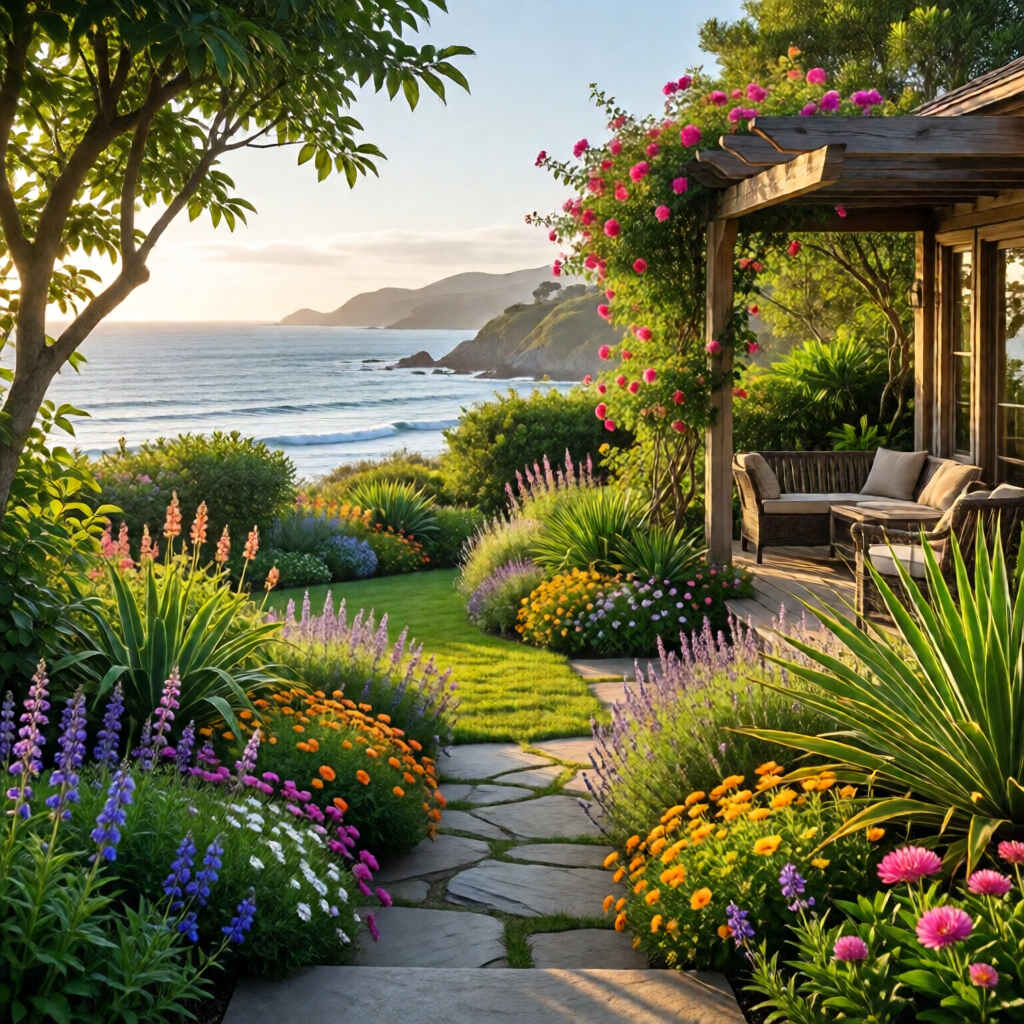
Design Elements That Evoke the Coast
Beyond plant selection, the visual language of a coastal garden is defined by colors, textures, and materials that reflect the sea, sky, and shoreline. Thoughtful incorporation of these elements creates an immersive experience that feels both natural and curated.
Color Palette Inspired by Sea and Sky
Think soft blues, muted greens, sandy beiges, and crisp whites. Use these hues in plant foliage, flower blooms, and garden accessories. For instance, pair blue‑flowering Sea Lavender with the silvery foliage of Silver Sage (Salvia farinacea) and the creamy white of Beach Pea. Add splashes of sunset orange or coral through California Poppy or ornamental grasses with pink inflorescences.
To amplify the palette, choose planters made from natural stone, weathered wood, or reclaimed driftwood. Light‑colored paving stones or crushed shells can serve as ground cover, reflecting sunlight and adding a subtle sparkle reminiscent of sun‑kissed sand.
Materials and Hardscapes
Coastal hardscapes should be resilient to wind and moisture. Opt for materials such as cedar, teak, or pressure‑treated lumber for decks and pergolas, as they resist rot and can be left to weather gracefully. For pathways, consider flagstones, slate, or concrete pavers with a sand‑colored finish.
Incorporate elements like a low, reclaimed‑wood fence or a decorative screen made from woven sea‑grass bundles to create a sense of privacy while maintaining an airy feel. Water features—like a shallow reflecting pool or a small fountain—can echo the sound of waves and add soothing ambience.
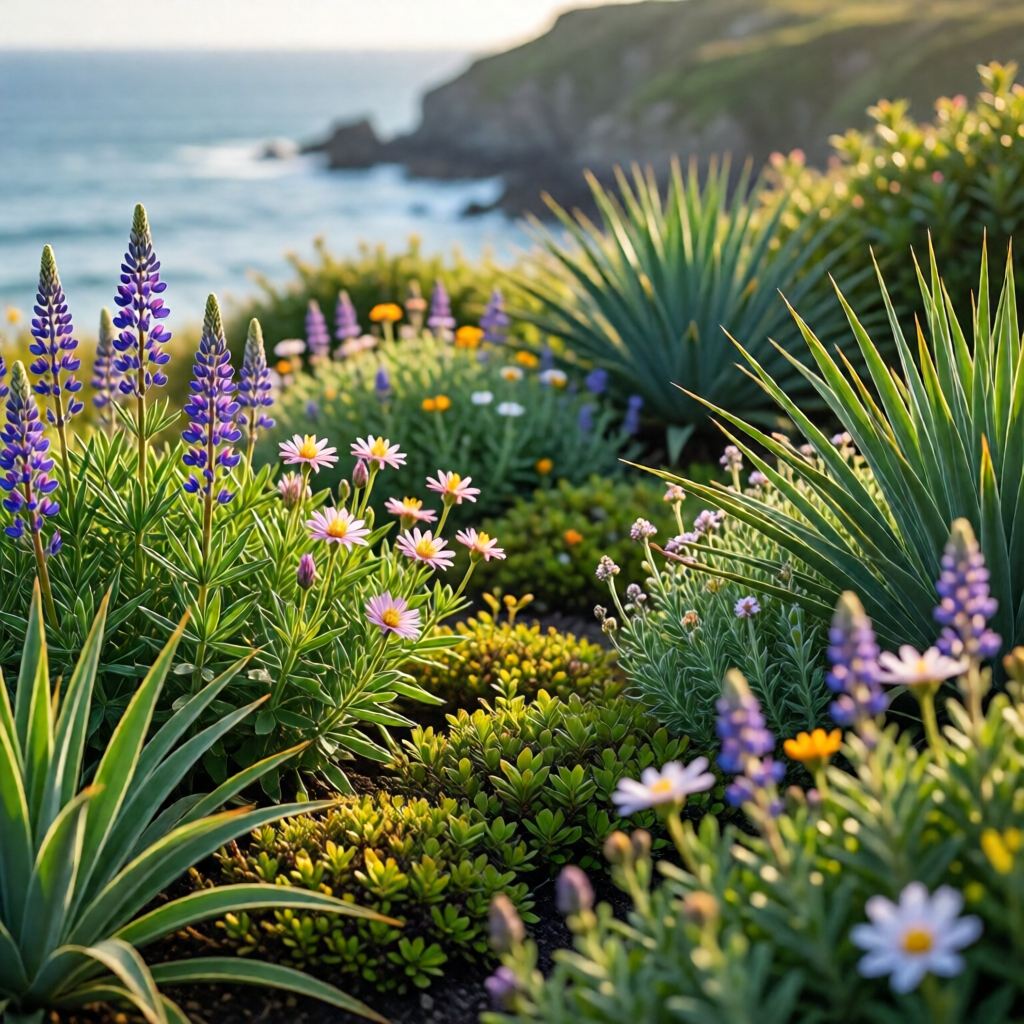
Practical Layout Ideas for Different Spaces
Coastal garden design can be adapted to any size, from compact balconies to sprawling beachfront estates. Below are layout ideas that make the most of the space you have while staying true to the coastal aesthetic.
Small Balcony or Patio
When space is limited, vertical gardening becomes essential. Install a wooden trellis or a hanging planter system to grow climbing plants such as Clematis or Morning Glory. Choose dwarf varieties of Sea Lavender and compact succulents like Aeonium for color and texture.
Use a small japanese garden ideas for small spaces approach—think a miniature stone lantern, a single piece of driftwood, and a narrow gravel bed to simulate a beach shoreline. A lightweight, weather‑resistant rug in a sandy hue adds comfort without clutter.
Medium‑Sized Yard
For a yard that offers a bit more room, create distinct zones: a sandy “beach” area, a dune‑like planting bed, and a relaxed seating nook. Use a low, curving border of Beach Grass to define the beach zone, then transition into a mixed‑border of perennials and shrubs that provide year‑round interest.
Incorporate a winding pathway of crushed shells or pea gravel that leads to a focal point—perhaps a weathered lighthouse replica or a large piece of driftwood serving as a sculpture. Add seating with a rattan or wicker lounge set, topped with cushions in muted blues and whites for a cohesive look.
Large Coastal Property
On a larger scale, think of the garden as a series of interconnected habitats that mirror the natural coastal ecosystem. Start with a front “dune” zone featuring tall grasses, wind‑swept shrubs, and a sand‑covered lawn. Behind that, establish a “marsh” area with water‑tolerant plants like Cattail (Typha spp.), Pickerel Rush (Pontederia cordata), and ornamental iris.
Design a winding boardwalk or stepping stone trail that weaves through these habitats, offering views of the sea or a distant horizon. Include raised planting beds with native berries such as Salal (Gaultheria shallon) and Huckleberry (Vaccinium spp.), providing both food for wildlife and seasonal color for you.
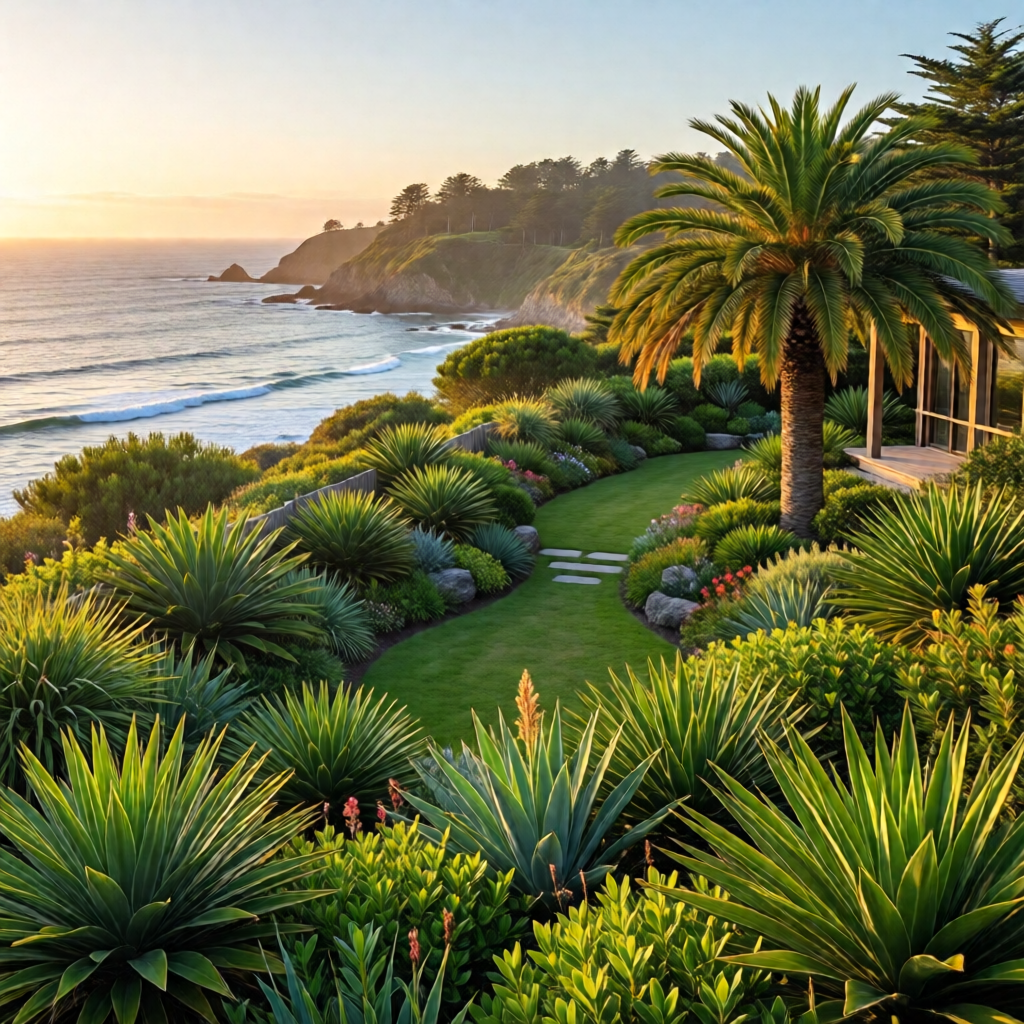
Water Management and Sustainable Practices
Coastal gardens thrive when water use is thoughtful and sustainable. By mimicking natural water flow and choosing drought‑tolerant plants, you can reduce irrigation needs and protect the local ecosystem.
Rain Gardens and Swales
Rain gardens collect runoff from roofs and driveways, allowing water to infiltrate the soil rather than flowing into the sea. Design a shallow depression planted with moisture‑loving natives like Red Maple (Acer rubrum), Joe‑Pye Weed (Eutrochium purpureum), and Ferns. Swales—gentle, vegetated channels—can guide excess water away from structures while adding visual interest.
Irrigation Strategies
Install a drip‑irrigation system with timers set to early morning or late evening to minimize evaporation. Use moisture sensors to ensure plants receive only what they need. Group plants with similar water requirements together, a practice known as hydro‑ zoning, to avoid over‑watering salt‑tolerant species.
Organic Mulches and Compost
Mulching is crucial in coastal gardens to retain moisture, suppress weeds, and protect roots from salt spray. Opt for organic mulches such as shredded bark, pine needles, or coconut coir. These materials break down over time, enriching the soil with organic matter.
Compost made from kitchen scraps and garden waste improves soil structure and provides slow‑release nutrients. In coastal settings, a layer of compost beneath mulch helps buffer salt and improves plant resilience.
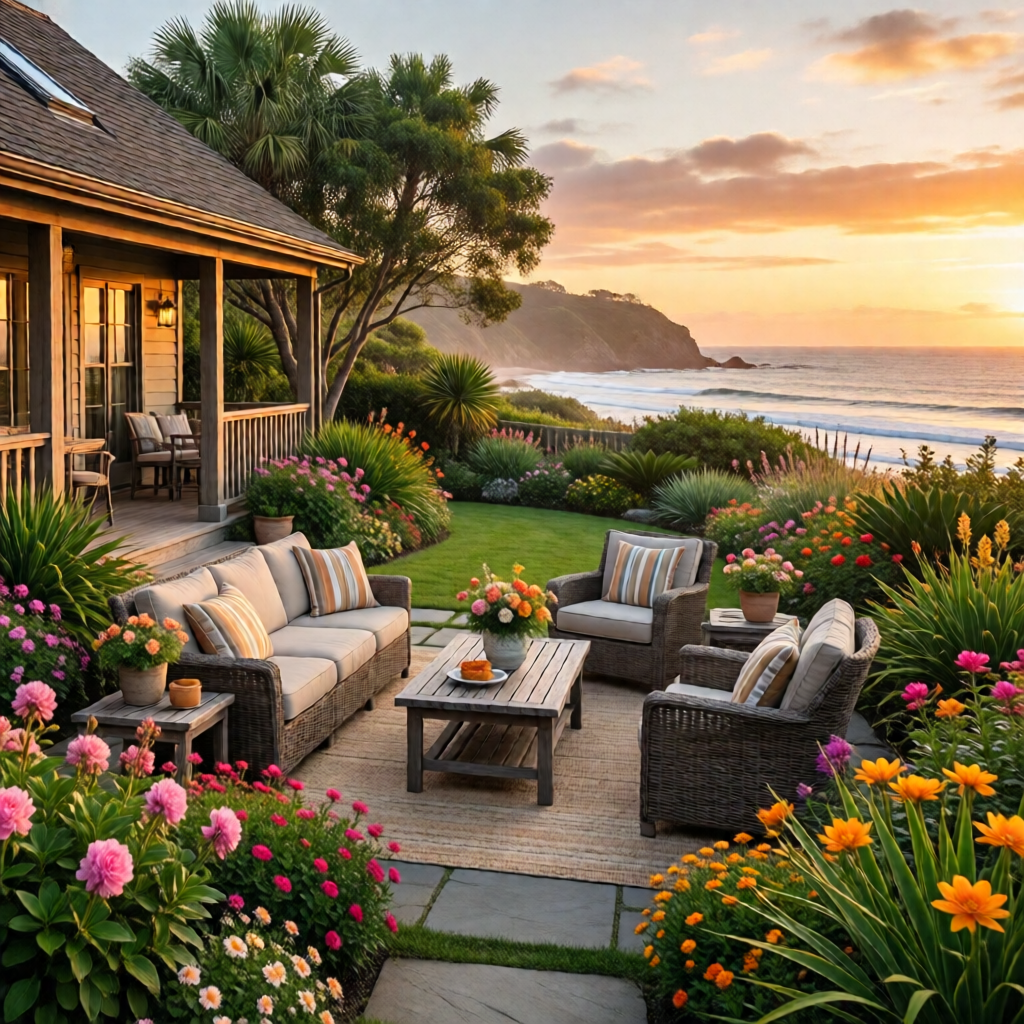
Seasonal Care and Maintenance Tips
Maintaining a coastal garden requires attention throughout the year. Each season brings specific tasks that keep plants healthy, soil fertile, and the overall design vibrant.
Spring: Planting and Soil Prep
Spring is the ideal time to plant new perennials, shrubs, and trees. Before planting, loosen the soil to a depth of 12‑18 inches and incorporate compost and a modest amount of sand for drainage. Mulch newly planted beds to conserve moisture and protect roots from lingering salt.
If you notice aphid infestations, use natural remedies such as neem oil or introduce ladybugs. For detailed guidance, see our article on how to get rid of aphids naturally.
Summer: Salt Spray and Heat
During hot, windy months, monitor plants for signs of salt burn—yellowing leaf edges or stunted growth. Rinse foliage with fresh water using a gentle spray to wash away excess salt. Provide windbreaks with taller grasses or a low fence to reduce direct exposure.
Keep the mulch layer thick (2‑3 inches) to retain soil moisture. If you notice the soil drying out quickly, increase irrigation frequency but keep the water at the base of the plants to avoid leaf wetness that can lead to disease.
Fall: Pruning and Mulching
Fall is perfect for pruning back dead or damaged stems, especially on woody shrubs like bayberry and wax myrtle. This encourages healthy growth in the spring. Apply a fresh layer of organic mulch to protect roots from winter salt spray and temperature fluctuations.
Consider planting spring‑blooming bulbs such as Daffodils or Crocus in the border to add seasonal color and support pollinators early in the year.
Winter: Protection and Planning
In colder coastal regions, protect tender perennials with burlap screens or frost blankets. Wrap the base of young trees with straw or a breathable fabric to insulate roots. Use this downtime to plan next year’s garden—review which plants thrived, which struggled, and adjust your plant palette accordingly.
Winter is also a great time to repair hardscapes, clean out debris from pathways, and replenish compost bins. If you’re interested in indoor greenery that complements a coastal theme, explore pothos plant varieties and care for low‑light, salt‑tolerant indoor options.
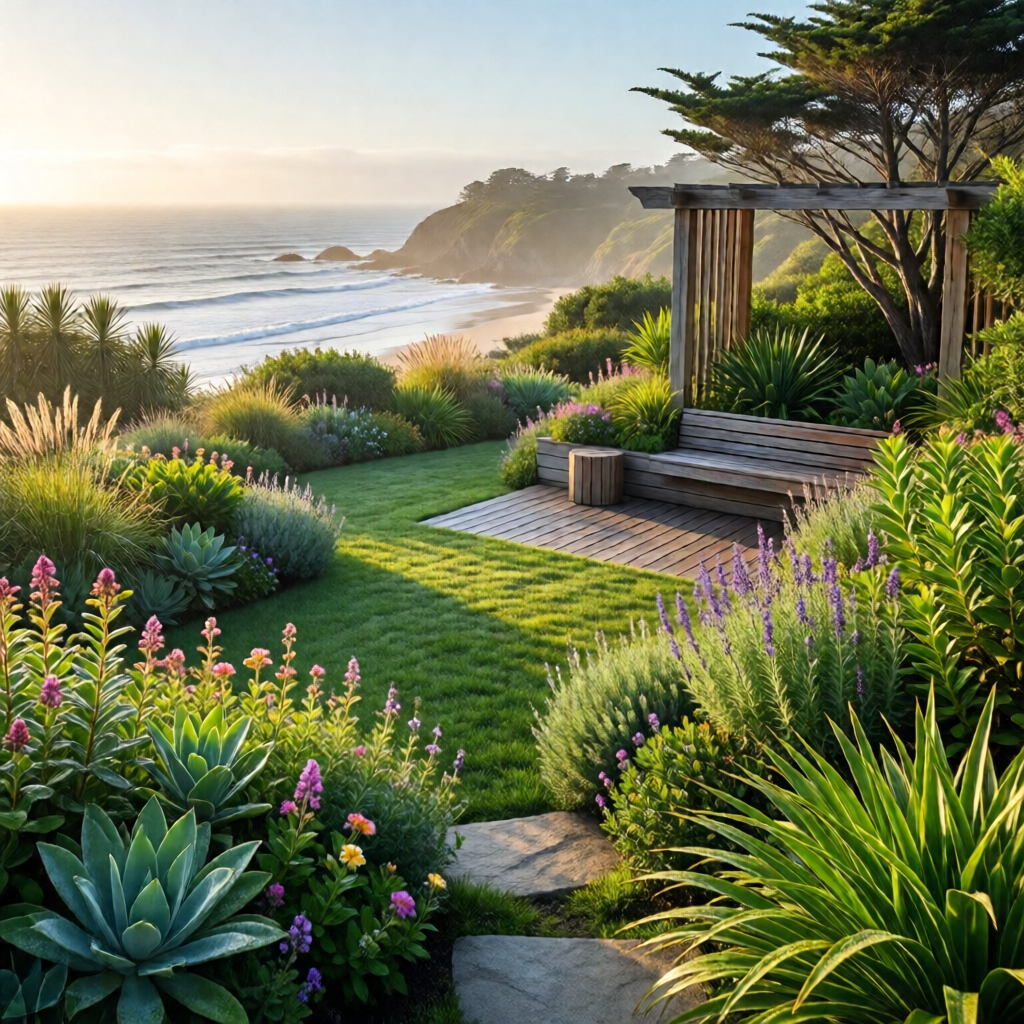
Bringing Personal Touches
While the foundational elements of a coastal garden are inspired by nature, your personal style makes it uniquely yours. Add decorative accents that evoke the sea—such as glass bottles, nautical lanterns, or reclaimed anchors. Use weathered wooden signage to label plant varieties or share inspirational quotes.
Incorporate edible components like herb gardens featuring rosemary, thyme, and sage—plants that love the sun and can be harvested for cooking. For a whimsical touch, plant a small “beach” of ornamental grasses interspersed with seashells, creating a sensory experience for both sight and sound.
Finally, think about wildlife. Install birdhouses, bat boxes, or butterfly feeders to attract beneficial creatures that pollinate plants and help control pests. By fostering a thriving ecosystem, your coastal garden becomes a living tribute to the rhythm of the sea and the resilience of nature.
What are the best salt‑tolerant plants for a coastal garden?
Top choices include Sea Oats, Beach Grass, Bayberry, Wax Myrtle, Red Twig Dogwood, California Poppy, Sea Lavender, and evergreen options like Juniper and Yucca.
How can I protect my garden from salt spray?
Use windbreaks such as taller grasses or fences, rinse foliage with fresh water during windy periods, and apply a thick mulch layer to shield roots.
What hardscape materials work best in coastal environments?
Choose weather‑resistant options like cedar, teak, pressure‑treated lumber, flagstone, slate, concrete pavers with a sand‑colored finish, and reclaimed driftwood.
How do I design a coastal garden for a small balcony?
Utilize vertical space with trellises, select dwarf or compact varieties, incorporate a narrow gravel or shell pathway, and add a single decorative element like a driftwood sculpture.
What sustainable watering practices are recommended for coastal gardens?
Install drip irrigation with timers, use rain gardens or swales to capture runoff, group plants by water needs, and apply organic mulches and compost to retain moisture.