Welcome to the charming world of cottage gardens! If you’ve ever dreamed of strolling through a relaxed, flower‑filled oasis that feels both timeless and effortlessly inviting, you’re in the right place. This guide is packed with beginner‑friendly ideas, practical tips, and expert advice to help you design a cottage garden that reflects your personality, thrives in your climate, and stays manageable even if you’re new to gardening.
What Defines a Cottage Garden?
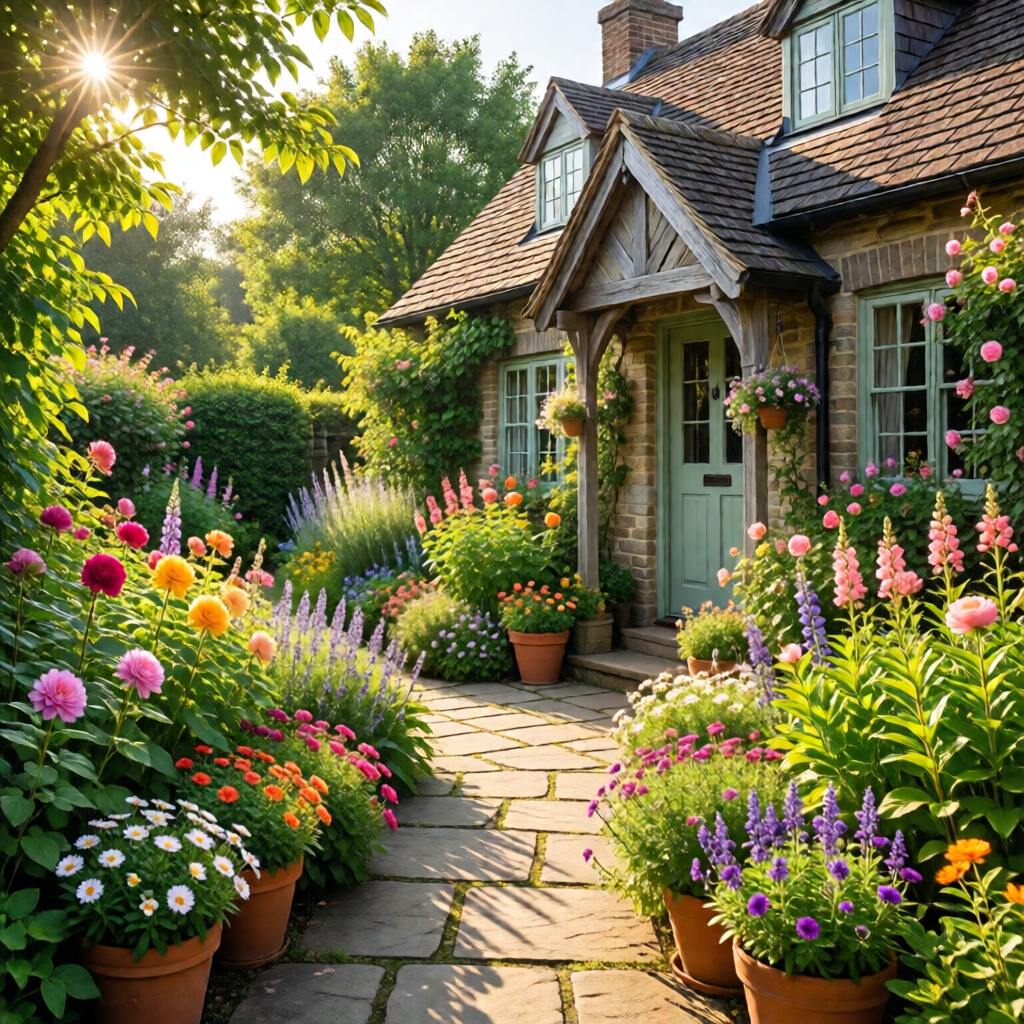
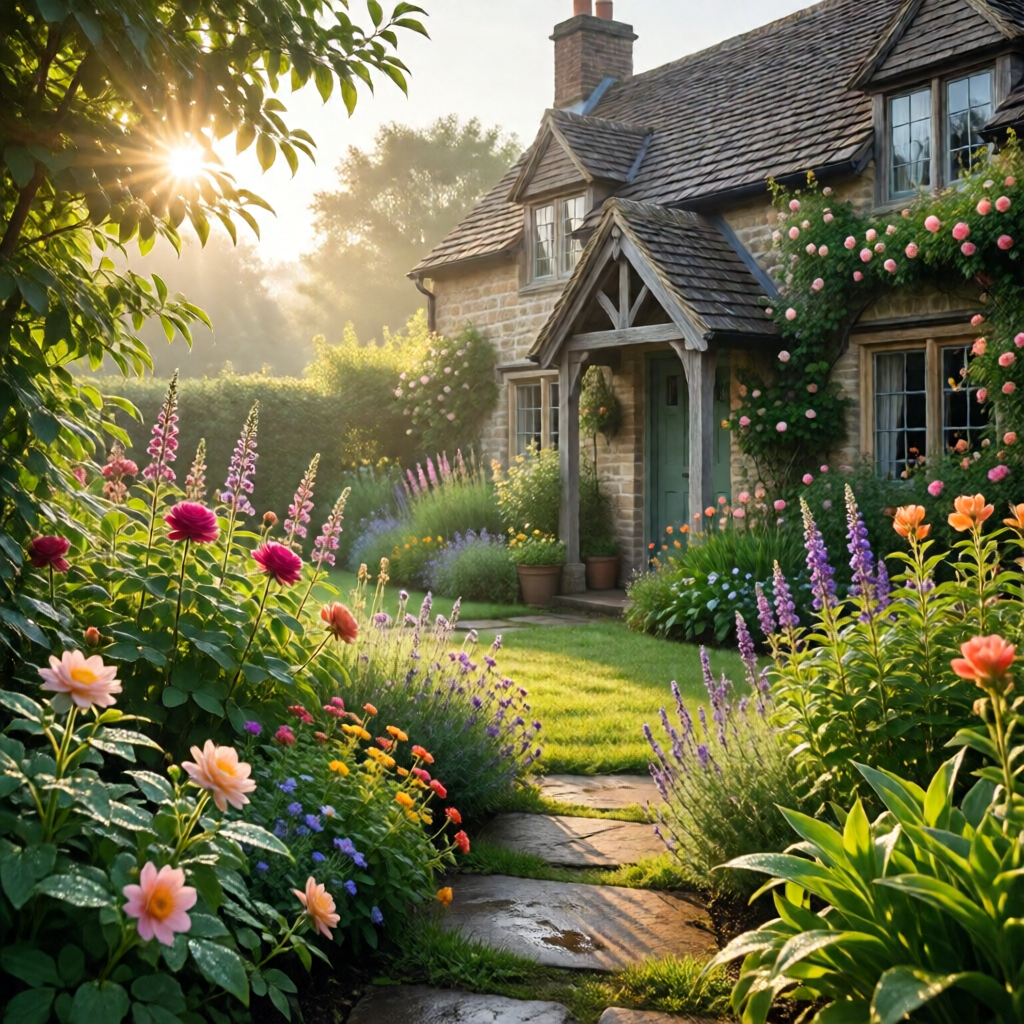
A cottage garden is less about strict design rules and more about creating a relaxed, “grown‑by‑nature” feel. Think of a layered tapestry of perennials, annuals, herbs, and a few carefully placed shrubs, all spilling over borders, trellises, and garden structures. The hallmark features include:
- Informal layout: Winding paths, irregular planting beds, and a sense of organic growth.
- Mixed plant palette: A combination of flowering plants, foliage, and edibles that bloom at different times.
- Seasonal interest: Plants selected to provide color, texture, and fragrance from early spring through late fall.
- Use of traditional materials: Weathered wood, stone, and rustic metal accents that blend with the natural surroundings.
Because cottage gardens celebrate abundance and variety, they’re perfect for beginners who enjoy experimenting and learning as they go.
Essential Elements for a Beginner’s Cottage Garden
Before you break ground, consider these core components that will set the foundation for a successful cottage garden.
1. Soil Preparation
Healthy soil is the secret to thriving plants. Start by testing your soil’s pH and nutrient levels with a home kit or through your local extension service. Most cottage garden plants prefer a slightly acidic to neutral pH (6.0‑7.0). Amend heavy clay with organic compost and coarse sand, or lighten sandy soil with well‑rotted manure and peat moss. Aim for a loamy texture that retains moisture yet drains well.
2. Sunlight and Microclimates
Cottage gardens typically love full sun (6‑8 hours daily), but you can create micro‑climates by placing taller plants or structures to provide dappled shade for shade‑loving perennials. Observe your yard throughout the day to identify sunny, partially shaded, and fully shaded spots, then map plant placements accordingly.
3. Water Management
Consistent watering is key, especially during the first growing season. Install a simple drip‑irrigation system or soaker hoses to deliver water directly to the root zone, reducing evaporation. Mulching with shredded bark or straw helps retain moisture, suppress weeds, and adds organic matter as it breaks down.
4. Garden Layout
Sketch a rough plan on graph paper or use a free online garden planner. Emphasize curved beds, irregular shapes, and a central focal point—perhaps a vintage bench, a birdbath, or a container of fragrant herbs. Remember, cottage gardens thrive on a “busy” look, so avoid overly symmetrical designs.
5. Choosing the Right Plants
Opt for hardy, low‑maintenance varieties that suit your USDA hardiness zone. Blend perennials (e.g., coneflower, lavender), annuals (e.g., marigold, petunia), and a few shrubs (e.g., hydrangea, rose) for continuous bloom. Incorporate edibles like thyme, chives, and strawberries for a functional twist.
Step‑by‑Step Planning Guide
Now that you understand the essential elements, follow this practical roadmap to turn your vision into reality.
Step 1: Assess Your Space
Measure the area you intend to transform. Note existing features—fences, trees, pathways, and utilities. Identify any problem areas such as poor drainage or excessive shade. This assessment will inform plant placement and any necessary site improvements.
Step 2: Create a Planting Map
Using your sketch, divide the garden into “zones” based on sun exposure and moisture levels. Assign each zone a color code on your map: green for full sun, yellow for partial shade, blue for moist areas. This visual aid helps match plants to their ideal conditions.
Step 3: Select a Core Plant Palette
Choose 8‑10 staple plants that will form the backbone of your garden. For beginners, consider these reliable choices:
- Roses (English or shrub varieties): Classic cottage garden symbol with repeat bloom.
- Lavender (English Lavender): Drought‑tolerant, fragrant, and attracts pollinators.
- Delphinium: Tall spikes of blue or pink that add vertical interest.
- Foxglove: Graceful, bell‑shaped flowers that thrive in partial shade.
- Phlox: Long‑blooming perennials with a variety of colors.
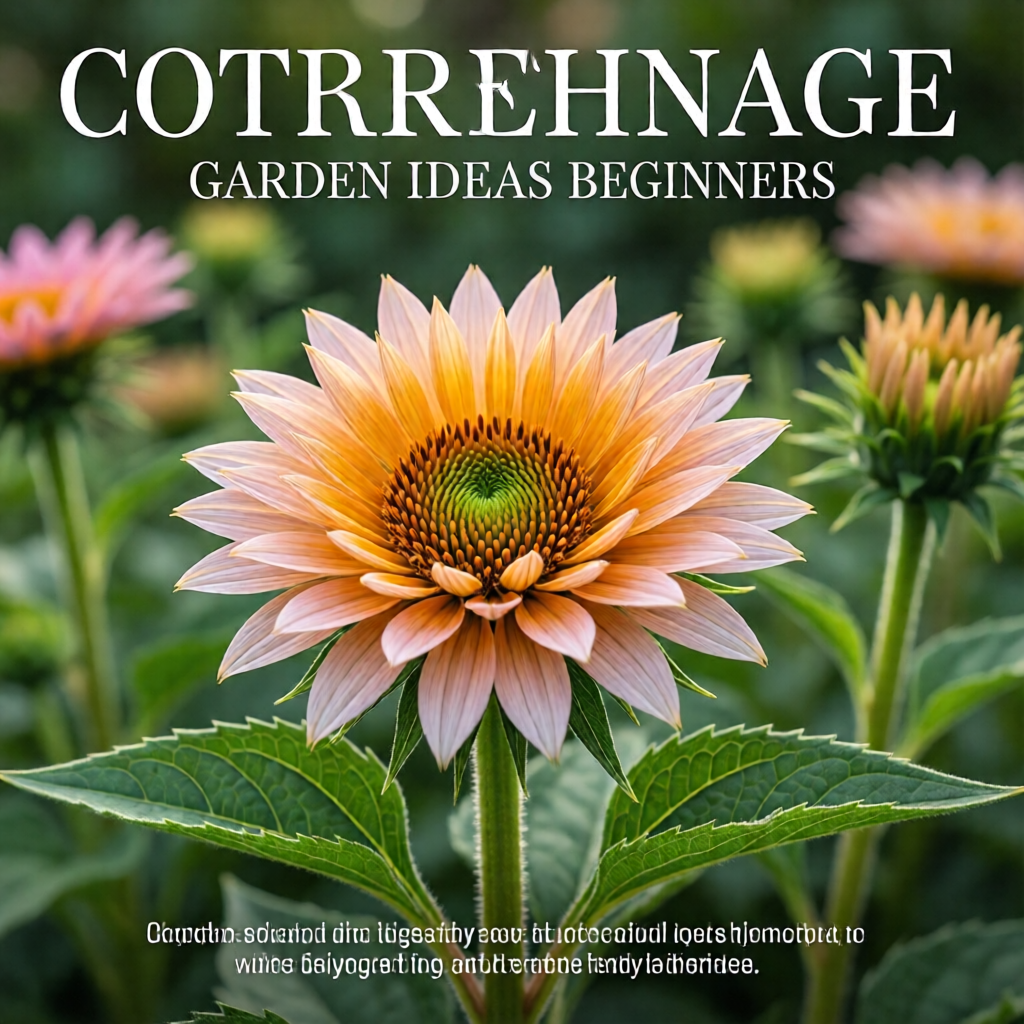
- Rudbeckia (Black‑eyed Susan): Hardy, sunny‑loving, and great for late‑season color.
- Hostas: Ideal for shaded corners, offering lush foliage.
- Sweet Peas: Climbing vines that provide fragrance and can be trained on trellises.
Step 4: Add Seasonal Accents
Fill gaps with seasonal annuals and biennials. In spring, plant pansies and primroses. Summer brings zinnias and marigolds. For autumn, consider chrysanthemums and ornamental kale. These quick‑growers keep the garden lively and allow you to experiment without long‑term commitment.
Step 5: Incorporate Hardscape Elements
Pathways, garden edging, and rustic structures add definition. Use reclaimed bricks, weathered stone, or reclaimed wood for a vintage feel. A low, winding gravel path not only guides visitors but also creates a sense of discovery.
Step 6: Plant with Care
When planting, dig a hole twice as wide as the root ball but no deeper. Gently loosen roots, place the plant, backfill with soil mixed with compost, and firm lightly. Water thoroughly after planting to settle the soil.
Step 7: Mulch and Water
Apply a 2‑3 inch layer of organic mulch around each plant, keeping it a couple of inches away from stems. Set up your drip irrigation or soaker hoses, and schedule watering early in the morning to reduce evaporation.
Plant Selections for Year‑Round Charm
Choosing the right mix of plants ensures that your cottage garden looks attractive throughout the year. Below is a curated list organized by season, with notes on care and companion planting.
Spring Starters
- Creeping Phlox (Phlox subulata): Low‑grow, mat‑forming groundcover with vibrant pink or blue blossoms. Excellent for edging.
- Bleeding Heart (Dicentra spectabilis): Delicate, arching pink flowers that prefer cool, moist soil.
- Early‑blooming Tulips: Plant bulbs in the fall for a splash of color, and let the foliage die back naturally.
Summer Showstoppers
- Rosemary (Salvia rosmarinus): Aromatic herb that doubles as a shrub; thrives in full sun and well‑drained soil.
- Shasta Daisy (Leucanthemum × superbum): Classic white petals with a sunny yellow center, perfect for borders.
- Sweet Pea (Lathyrus odoratus): Climbing vines that add fragrance and can be trained over arbors.
Fall Finishes
- Asters: Late‑season perennials in purple, pink, or white, attracting butterflies.
- Japanese Anemone (Anemone hupehensis): Delicate, poppy‑like flowers that bloom into early winter.
- Ornamental Grasses (e.g., Feather Reed Grass): Provide texture and movement; turn golden in frost.
Winter Interest
- Evergreen Boxwood (Buxus sempervirens): Classic hedging that can be shaped into whimsical forms.
- Holly (Ilex aquifolium): Bright red berries add festive color.
- Witch Hazel (Hamamelis virginiana): Blooms on bare branches in late winter with fragrant yellow flowers.
For gardeners dealing with wildlife, consider deer resistant plants for landscaping like lavender, sage, and ornamental grasses to reduce browsing pressure.
DIY Hardscape and Decorative Features
A cottage garden’s charm often lies in its simple, handcrafted details. Below are easy projects that add personality without breaking the bank.
1. Rustic Trellis
Use reclaimed wooden pallets or untreated garden stakes to build a trellis for climbing sweet peas or clematis. Secure the structure with galvanized brackets, and treat the wood with a natural oil to extend its life.
2. Vintage Birdbath
Search local flea markets or thrift stores for an antique copper or stone birdbath. Place it on a low stone platform to become a focal point that also attracts birds, enhancing pollination.
3. Herb Knot Garden
Arrange herbs like thyme, sage, and rosemary in a circular knot pattern within a shallow raised bed. This not only looks charming but also provides fresh herbs for cooking and natural pest deterrence.
4. Stone Pathway
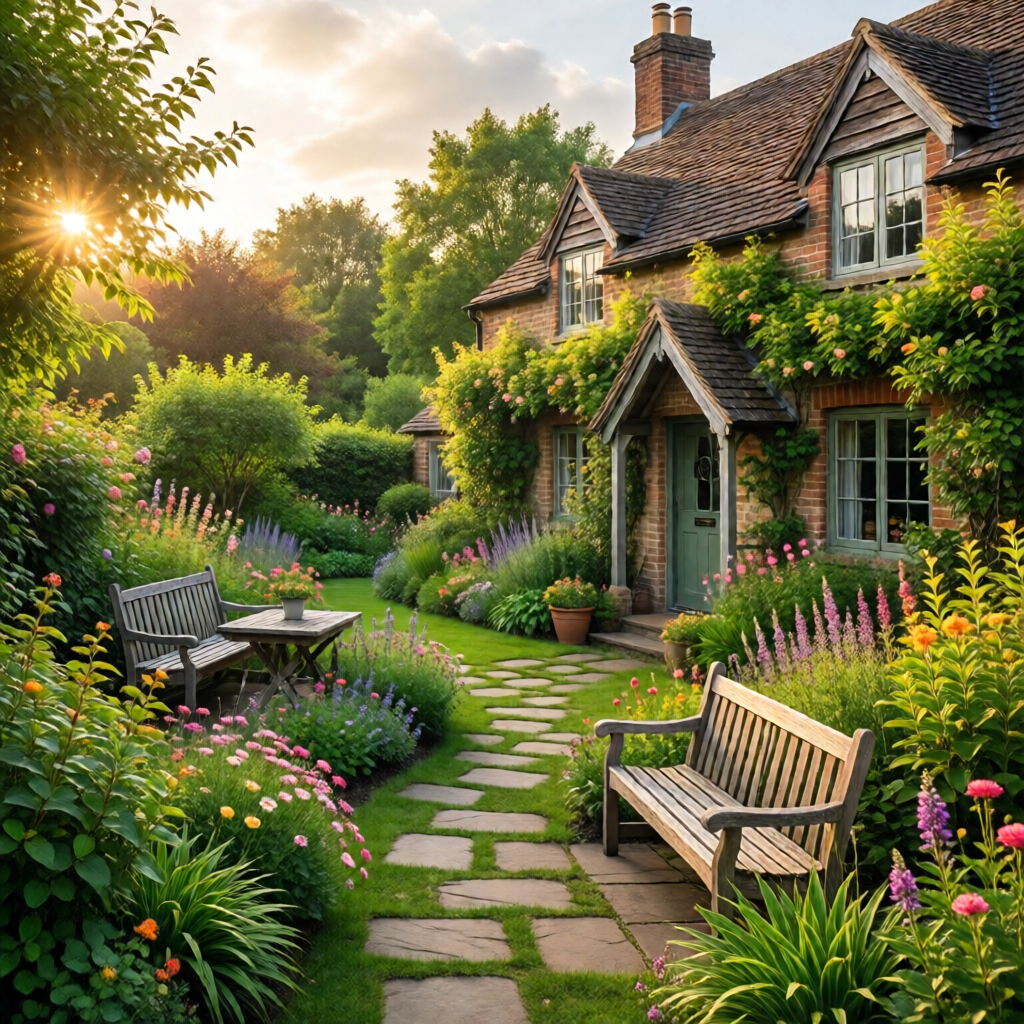
Lay irregularly sized flagstones in a meandering pattern, filling gaps with sand or moss. The path invites visitors to wander and discover hidden corners.
5. Fairy House Nooks
For a whimsical touch, place small wooden or ceramic fairy houses among the perennials. Children love them, and they encourage a sense of wonder.
If you have a narrow side yard, explore side yard garden ideas narrow spaces for inspiration on maximizing limited width while maintaining the cottage garden feel.
Maintenance Tips to Keep Your Garden Flourishing
Even a low‑maintenance cottage garden requires regular care. Follow these simple routines to ensure long‑term success.
1. Seasonal Pruning
In early spring, remove dead or damaged stems and thin out overcrowded perennials to improve air circulation. After the first bloom, deadhead spent flowers to encourage a second flush.
2. Soil Refresh
Every fall, add a 1‑2 inch layer of compost or well‑rotted manure to replenish nutrients. Lightly work it into the top few inches of soil without disturbing established roots.
3. Pest Management
Encourage beneficial insects such as ladybugs and lacewings by planting nectar‑rich flowers like yarrow and dill. For tougher pests, use a gentle neem oil spray early in the morning.
4. Water Conservation
Adjust your irrigation schedule based on weather patterns. During rainy periods, turn off the system to prevent overwatering, which can cause root rot.
5. Mulch Renewal
Replace mulch annually to maintain a fresh appearance and prevent weed growth. Re‑apply a thin layer of compost underneath the mulch for added fertility.
Budget‑Friendly Ideas for a Cottage Garden on a Shoestring
Creating a beautiful cottage garden doesn’t have to cost a fortune. Here are cost‑saving strategies to stretch your dollars.
1. Propagation
Learn to propagate plants from cuttings, division, or seeds. Many perennials like hostas and coneflowers can be divided every few years, giving you new plants for free.
2. Plant Swaps
Join local gardening clubs or online community groups for plant swaps. You can trade seedlings, cuttings, or even garden tools.
3. Reuse Materials
Scavenge for reclaimed bricks, stones, and wooden pallets. A fresh coat of paint or sealant can transform them into decorative garden features.
4. DIY Containers
Use painted cans, old milk crates, or terracotta pots you already have. Add a layer of gravel for drainage, then fill with soil and your favorite herbs.
5. Focus on Perennials
Perennials return year after year, reducing the need for constant re‑planting. While they may have a higher upfront cost, they pay off over time.
For a bold twist, consider blending cottage garden elements with maximalist garden design trends—think layered planting, vibrant color palettes, and eclectic décor—to create a uniquely personal space.
Bringing the Cottage Garden Indoors
When weather turns cold, you can still enjoy a slice of cottage charm inside. Choose low‑maintenance indoor plants that echo the garden’s aesthetic, such as indoor cactus varieties and care for a desert‑inspired corner, or keep a few potted herbs on a sunny windowsill for fresh flavor year‑round.
Indoor Herb Corner
Group rosemary, thyme, and basil in matching terracotta pots. Place them on a tiered stand near a south‑facing window to mimic the garden’s sunny spots.
Seasonal Floral Arrangements
Harvest fresh blooms from your garden and arrange them in mason jars or vintage vases. This not only extends the garden’s beauty indoors but also adds natural fragrance to your home.
Final Thoughts: Your Cottage Garden Journey Begins
Starting a cottage garden is an invitation to experiment, learn, and grow alongside nature. By focusing on soil health, selecting a diverse plant palette, and incorporating simple DIY touches, you’ll create a space that feels both cultivated and wild—a true sanctuary for you and your family.
Remember, the beauty of a cottage garden lies in its imperfections. Let plants self‑seed, allow vines to wander, and enjoy the evolving tapestry of colors and scents. With the practical tips and expert guidance provided here, you’re well‑equipped to embark on a rewarding gardening adventure.
What are the best beginner-friendly plants for a cottage garden?
Beginner-friendly choices include English roses, lavender, coneflower, foxglove, hostas, rudbeckia, and sweet peas. These plants are hardy, relatively low‑maintenance, and provide continuous bloom throughout the growing season.
How much sunlight does a cottage garden need?
Most cottage garden plants thrive in full sun (6‑8 hours daily). However, incorporating shade‑loving perennials like hostas and ferns in partially shaded spots creates visual contrast and extends planting options.
Can I create a cottage garden in a small or narrow yard?
Absolutely! Use winding paths, vertical trellises, and layered planting to maximize visual space. For specific ideas, see side yard garden ideas narrow spaces.
How do I keep my cottage garden looking tidy without constant pruning?
Apply a regular mulch layer, deadhead spent flowers, and perform a light pruning in early spring to remove dead wood. Using self‑seeding annuals can also fill gaps naturally, reducing the need for frequent re‑planting.
Are there deer‑resistant plants suitable for a cottage garden?
Yes. Incorporate deer‑resistant options such as lavender, rosemary, ornamental grasses, and foxglove. For a full list, explore deer resistant plants for landscaping.
3 réflexions au sujet de “Cottage Garden Ideas For Beginners – Expert Guide and Ideas”