Creating an indoor jungle aesthetic is more than just filling a room with plants; it’s about crafting a living, breathing space that feels lush, inviting, and uniquely yours. Whether you live in a compact apartment or a spacious house, the right combination of plant selection, lighting, layout, and decorative touches can transform any interior into a verdant retreat. In this guide we’ll walk you through every step—from planning and plant choices to care routines and styling tricks—so you can confidently design a thriving indoor jungle that reflects your personality and fits your lifestyle.
Why an Indoor Jungle Works for Modern Living
Urban dwellers often crave a connection to nature, especially when outdoor spaces are limited. An indoor jungle delivers several benefits that go beyond aesthetics. It improves air quality, reduces stress, boosts humidity, and even enhances focus and productivity. Moreover, the visual depth created by layers of foliage adds dimension to rooms that might otherwise feel flat or cramped. By thoughtfully curating a mix of textures, heights, and colors, you can turn a simple living area into a sanctuary that feels both calming and energizing.
Step 1: Assess Your Space and Set Goals
Before you start buying plants, take a realistic look at the space you have. Measure floor area, ceiling height, and window locations. Identify high‑traffic zones where plants may need extra protection, and low‑traffic corners that can host more delicate specimens. Write down what you hope to achieve: do you want a tropical vibe, a minimalist green corner, or a bold statement wall of foliage? Having clear goals helps you choose the right plants and design layout from the outset.
Step 2: Choose the Right Plants for an Indoor Jungle
Not every houseplant thrives in every indoor condition, so selecting species that match your light, humidity, and temperature levels is crucial. Below is a curated list of popular jungle‑friendly plants, grouped by light requirements.
Bright‑Indirect Light Favorites
- Monstera deliciosa – Iconic split leaves add drama; tolerates a range of light levels.
- Bird of Paradise (Strelitzia reginae) – Offers bold, banana‑shaped foliage; see our bird of paradise plant indoor care guide for tips.
- Philodendron selloum – Large, glossy leaves that create a tropical canopy.
- Fiddle Leaf Fig (Ficus lyrata) – Tall, sculptural presence; thrives near bright windows.
Low‑to‑Medium Light Options
- ZZ Plant (Zamioculcas zamiifolia) – Nearly indestructible, perfect for dim corners.
- Snake Plant (Sansevieria trifasciata) – Adds architectural lines; also excellent for air purification.
- Pothos (Epipremnum aureum) – Vining habit that can drape from shelves or hangers.
- Cast Iron Plant (Aspidistra elatior) – Tolerates low light and occasional neglect.
Humidity‑Loving Tropicals
- Ferns (Nephrolepis, Boston fern) – Thrive in moist environments; great for bathrooms.
- Calatheas – Known for striking leaf patterns; love high humidity.
- Alocasia – Bold, arrow‑shaped leaves that demand moist air.
When you mix these groups, you’ll achieve a balanced jungle that looks natural and feels resilient.
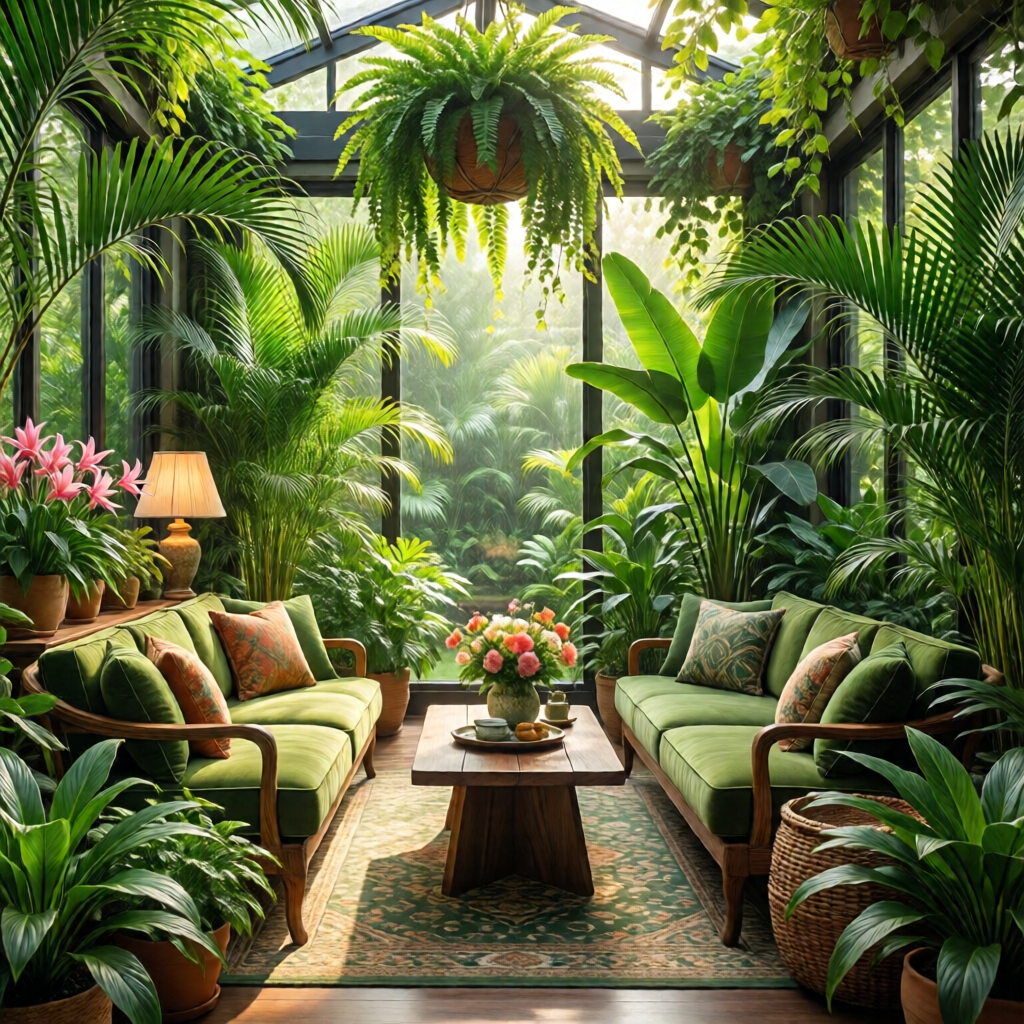
Step 3: Master Lighting—Natural and Artificial
Light is the lifeblood of any indoor garden. While many jungle plants prefer bright‑indirect light, you may need supplemental lighting in darker apartments or during winter months. LED grow lights are energy‑efficient and can be tailored to specific plant needs. For a detailed overview of the best options, check out our guide on best grow lights for indoor plants. Position lights a few inches above foliage for low‑light plants and a foot or two higher for sun‑loving species, and keep them on for 10‑12 hours a day to mimic natural daylight cycles.
Step 4: Select Containers and Soil That Complement Your Aesthetic
Choosing the right pots and soil mix enhances both plant health and visual appeal. Opt for containers that match your interior style—think woven baskets for a boho look, sleek concrete planters for modern minimalism, or reclaimed wood boxes for rustic charm. Ensure each pot has drainage holes to prevent root rot. For soil, use a well‑draining mix that retains some moisture; a blend of peat moss, perlite, and orchid bark works well for most tropicals. If you’re using large floor plants, consider a raised platform or plant stand to protect flooring and create visual height.
Step 5: Create Layers and Visual Depth
The hallmark of a jungle aesthetic is layered foliage that mimics a forest understory. Follow these layering principles:
- Canopy Layer: Tall, statement plants like Monstera, Fiddle Leaf Fig, or Bird of Paradise.
- Mid‑Story: Medium‑height foliage such as Philodendrons, Alocasias, or rubber plants (Ficus elastica).
- Ground Cover: Low‑lying plants like Pothos trailing from shelves, small ferns, or mossy arrangements.
- Vines and Climbers: Use trellises or hanging macramé planters to add vertical interest.
By arranging plants from tallest at the back to shortest in front, you’ll achieve a natural progression that feels immersive.
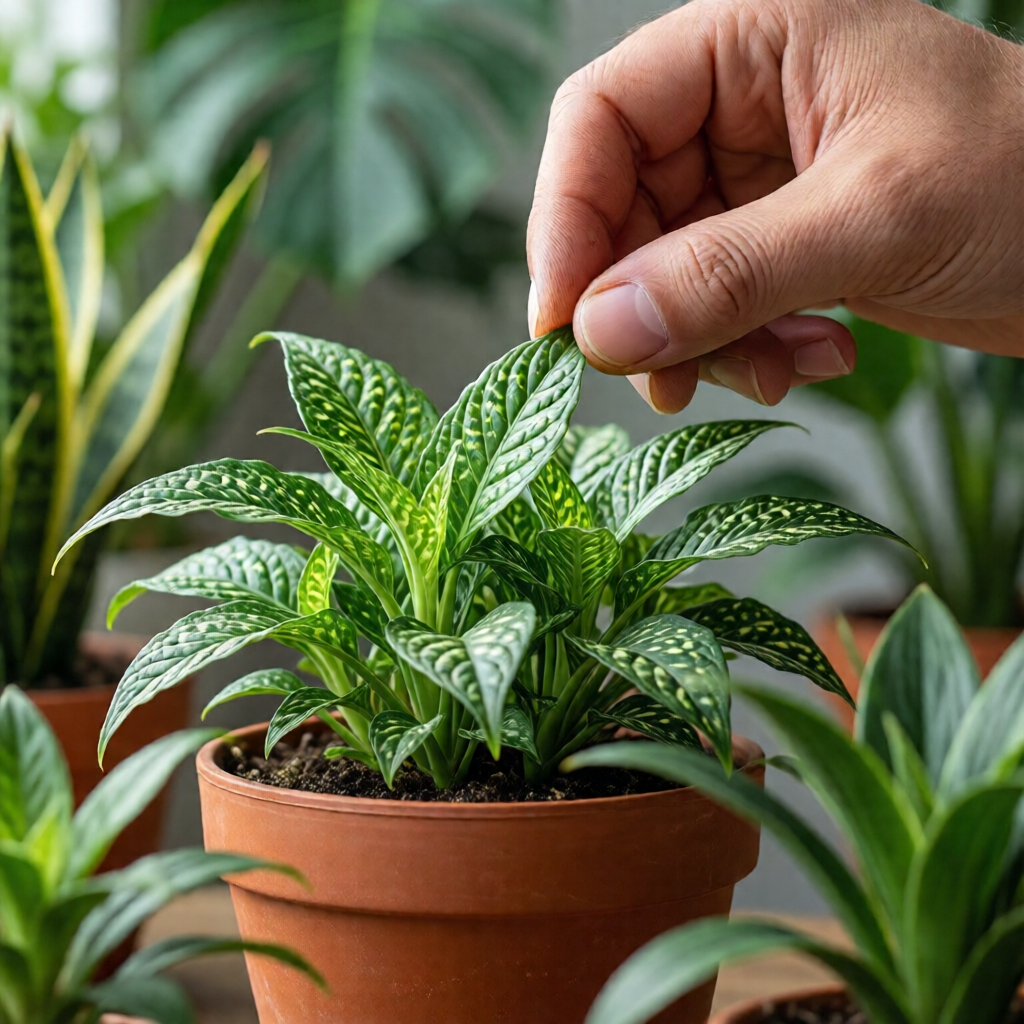
Step 6: Manage Humidity and Watering
Many tropical plants thrive in humidity levels of 60‑80 %. If your home is dry, especially in winter, use a humidifier or place a tray of water with pebbles beneath plant pots. Misting can also help, but be careful not to over‑wet foliage, which can lead to fungal issues. Watering frequency depends on plant size, pot size, and ambient conditions—generally, let the top inch of soil dry out before the next watering. Over‑watering is a common mistake; always check soil moisture with your finger or a moisture meter.
Step 7: Incorporate Decorative Elements
While plants are the stars, supporting décor adds personality and cohesion. Consider these ideas:
- Natural Materials: Use bamboo blinds, rattan furniture, or stone sculptures.
- Textiles: Throw pillows with leaf patterns, woven rugs, or curtains in earthy tones.
- Lighting Fixtures: Add warm pendant lights or string lights to highlight foliage at night.
- Art: Hang botanical prints or nature‑inspired wall art to reinforce the theme.
Step 8: Tackle Pests Proactively
Even the healthiest indoor jungle can attract pests like spider mites, mealybugs, or aphids. Early detection is key. Inspect leaves weekly, especially the undersides, and isolate any affected plants. For organic solutions, browse our article on common indoor plant pests and treatment or learn about organic pest control methods for garden. Neem oil sprays, insecticidal soaps, and introducing beneficial insects (like ladybugs) can keep infestations at bay without harsh chemicals.
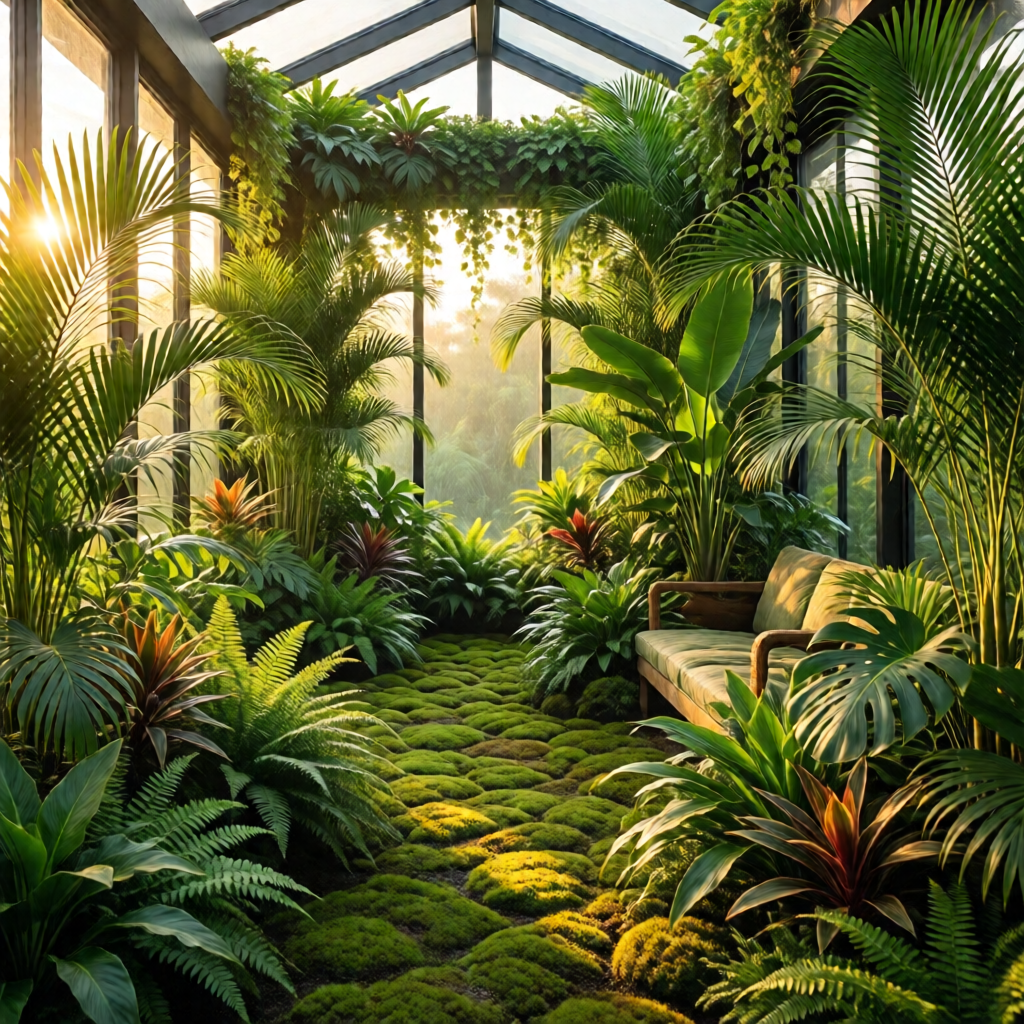
Step 9: Establish a Maintenance Routine
Consistent care keeps your indoor jungle flourishing. Create a weekly checklist that includes:
- Inspecting foliage for pests or yellowing.
- Dusting leaves with a soft cloth to improve photosynthesis.
- Rotating plants a few inches each week for even light exposure.
- Checking soil moisture and adjusting watering as needed.
- Pruning dead or yellowing leaves to encourage new growth.
Monthly, fertilize with a balanced, water‑soluble fertilizer diluted to half strength to avoid nutrient buildup.
Step 10: DIY Projects to Personalize Your Jungle
Adding handmade elements can make your indoor jungle feel truly yours. Here are three easy projects:
Macramé Plant Hangers
Macramé adds a boho vibe and lifts plants off the floor, creating visual interest. Use cotton rope, a wooden ring, and simple knots to craft hangers for trailing vines like Pothos or String of Pearls.
Terrarium Mini‑Ecosystems
Glass terrariums are perfect for small ferns, air plants, or succulents. Layer pebbles, charcoal, and a light soil mix, then add decorative stones or miniature figurines for a whimsical touch.
Reclaimed Wood Shelving
Build or repurpose a simple wooden shelf to display a collection of pots. Paint or stain the wood to match your interior palette, and secure brackets firmly to support the weight of larger plants.
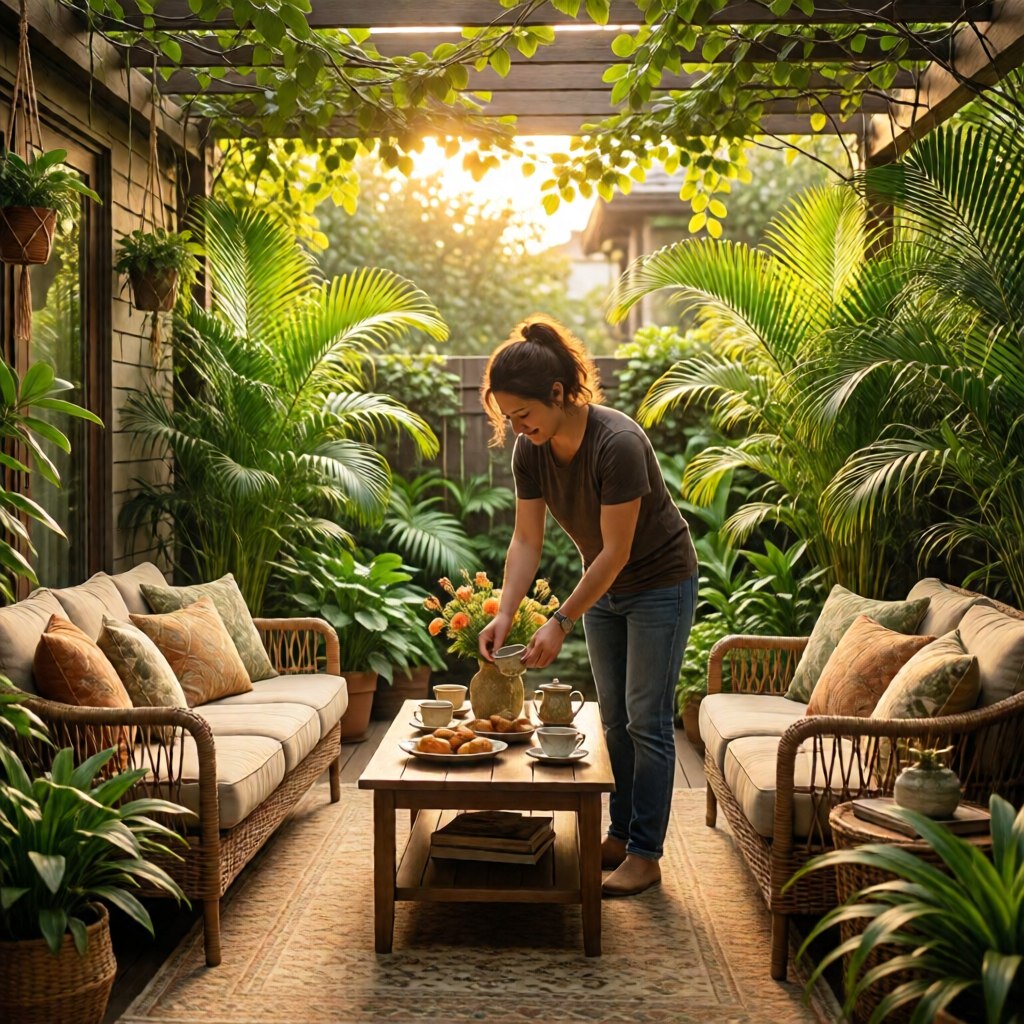
Step 11: Budget‑Friendly Tips for a Lush Look
Creating a jungle doesn’t have to break the bank. Here are cost‑saving ideas:
- Propagation: Many plants produce cuttings that root easily in water or soil. Propagate Monstera, Pothos, or Philodendron to expand your collection for free.
- Plant Swaps: Join local gardening groups or online forums to trade plants with fellow enthusiasts.
- Discount Nurseries: Look for end‑of‑season sales at local nurseries or big‑box garden centers.
- Upcycle Containers: Use vintage tins, mason jars, or old coffee cans as planters after adding drainage holes.
Step 12: Common Mistakes to Avoid
Even seasoned indoor gardeners slip up sometimes. Keep these pitfalls in mind:
- Over‑watering: The most frequent cause of plant decline; always let soil dry slightly between waterings.
- Insufficient Light: Avoid placing shade‑loving plants directly under bright sun, but also don’t hide light‑requiring species in dark corners.
- Neglecting Humidity: Tropical plants suffer in dry indoor air; monitor humidity with a hygrometer.
- Using the Wrong Soil: Heavy garden soil can suffocate roots; choose a lightweight, well‑draining mix.
- Skipping Fertilization: Even low‑maintenance plants need nutrients; feed monthly during the growing season.
Step 13: Seasonal Adjustments for Year‑Round Success
As the seasons change, so do your plants’ needs. In winter, reduce watering and increase humidity, while in summer, boost airflow and watch for rapid growth that may require repotting. Adjust grow light schedules accordingly to compensate for shorter daylight hours.
Putting It All Together: A Sample Room Layout
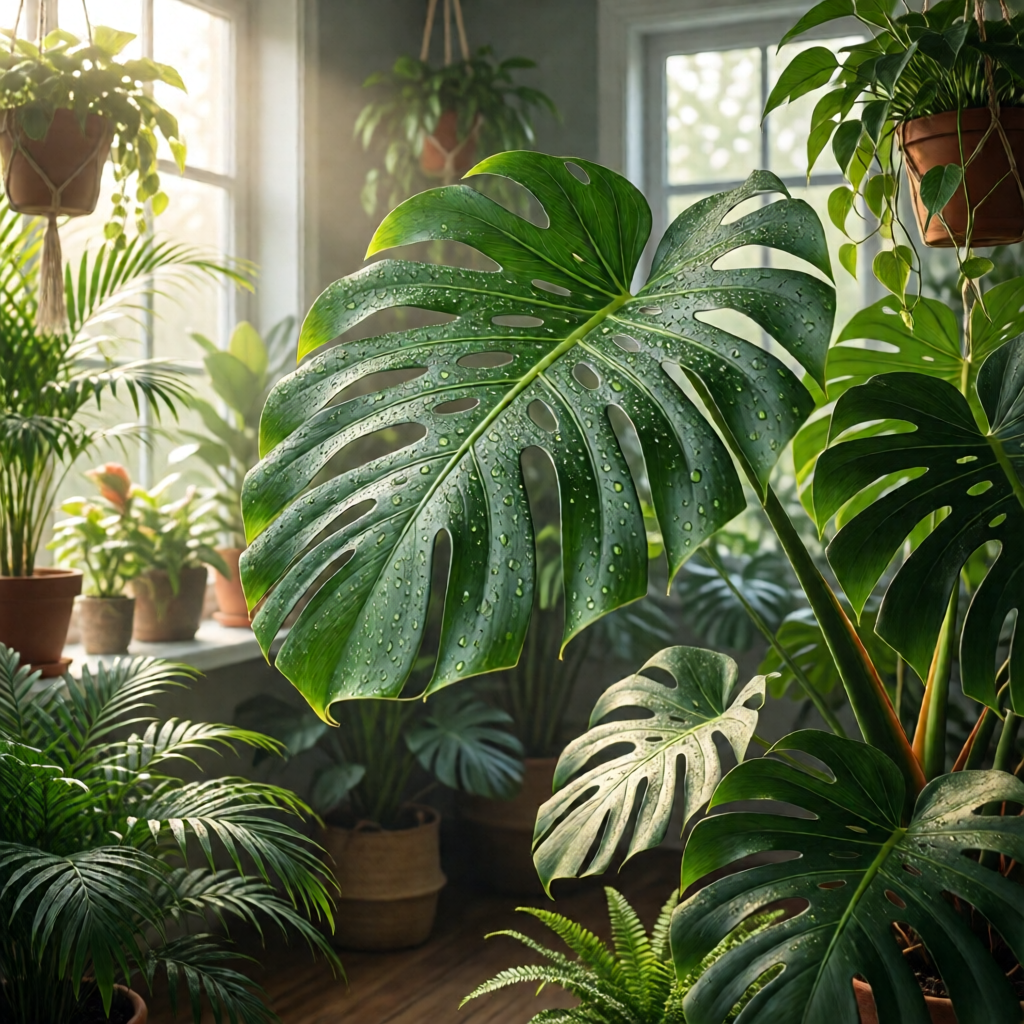
Imagine a living room with a large east‑facing window. Place a Fiddle Leaf Fig in a woven basket in the corner for the canopy layer. Adjacent, set a tall Monstera on a reclaimed wood stand to create height variation. On a floating shelf near the window, arrange a mix of Philodendron, Alocasia, and a trailing Pothos in macramé hangers. Add a low‑profile fern on a coffee table as ground cover, and finish with a terrarium of tiny ferns on the sideboard. Use soft, natural lighting fixtures and a humidifier to maintain moisture. This arrangement showcases depth, texture, and a cohesive jungle vibe.
Final Thoughts
Designing an indoor jungle is a rewarding journey that blends creativity with horticultural knowledge. By assessing your space, selecting appropriate plants, mastering light and humidity, and adding thoughtful décor, you’ll cultivate a vibrant, health‑boosting environment that reflects your personal style. Remember to stay observant, adapt your care routine as seasons shift, and enjoy the evolving beauty of your indoor oasis.
What are the best low‑light plants for an indoor jungle?
Great low‑light options include ZZ Plant, Snake Plant, Pothos, and Cast Iron Plant. These species tolerate minimal natural light and still contribute lush foliage to a jungle aesthetic.
How can I increase humidity for tropical plants without a humidifier?
Place a tray of water with pebbles beneath pots, group plants together to create a micro‑climate, mist foliage lightly a few times a week, and use pebble trays or bathroom locations with higher natural humidity.
Do I need special soil for indoor jungle plants?
A well‑draining mix is ideal. Combine peat moss or coco coir with perlite and a touch of orchid bark or pine bark to retain some moisture while preventing waterlogging.
How often should I fertilize my indoor jungle plants?
During the active growing season (spring through early fall), feed with a balanced liquid fertilizer at half strength once a month. Reduce feeding in winter when growth naturally slows.
Can I use LED grow lights for all the plants in my indoor jungle?
Yes, full‑spectrum LED grow lights are suitable for most indoor jungle plants. Choose fixtures with adjustable intensity and position them according to each plant’s light needs. See our guide on best grow lights for indoor plants for detailed recommendations.