Ever wondered *exactly* when and how to fertilize lawn so it stays emerald‑green without turning into a patchy mess?
In This Article
- Understanding Lawn Nutrition: The Soil’s Story
- Timing Is Everything: When to Fertilize Lawn
- Application Methods: Getting the Product Where It Belongs
- Choosing the Right Fertilizer: Brands, Ratios, and Costs
- Common Mistakes and How to Avoid Them
- Pro Tips from Our Experience
- Conclusion: Your Actionable Takeaway
You’re not alone. Homeowners across the country scramble each season, hoping a quick sprinkle will revive their turf, only to end up with burnt spots or stubborn weeds. The truth is, fertilizing a lawn is part science, part art, and a whole lot of timing. In this guide I’ll walk you through every decision point—soil testing, seasonal windows, product selection, and application technique—so you can stop guessing and start growing a lawn that looks professionally manicured even if you’re the only one tending it.
Understanding Lawn Nutrition: The Soil’s Story
1. Test Before You Invest
In my experience, the single most valuable step before buying any bag of fertilizer is a soil test. A simple 5‑in‑1 kit from Leisure™ Soil Test Kit ($12.99) gives you pH, nitrogen (N), phosphorus (P), potassium (K), and organic matter percentages within 10 minutes. If the numbers are off—say, a pH of 5.2 in a region that prefers 6.5—you’ll waste money on the wrong product.
2. Nutrient Basics: N‑P‑K Explained
Grass primarily needs three macronutrients:
- Nitrogen (N) – promotes leaf growth and that deep green color.
- Phosphorus (P) – encourages root development, especially important in the first 6 weeks after seeding.
- Potassium (K) – boosts disease resistance and drought tolerance.
A balanced 20‑10‑10 granular fertilizer supplies a 20% nitrogen content, which is ideal for most warm‑season lawns. For cool‑season grasses like Kentucky bluegrass, a 15‑5‑10 mix works better in the spring.
3. Seasonal Growth Cycles
Grass isn’t a year‑round grow‑machine. Warm‑season grasses (Bermuda, Zoysia) go dormant in winter, while cool‑season varieties (Fescue, Ryegrass) slow down in the heat of summer. Knowing which growth phase your lawn is in tells you *when* to feed. A quick rule of thumb: feed during active growth, hold back during dormancy.

Timing Is Everything: When to Fertilize Lawn
Spring Kick‑Start (March–May)
For most U.S. zones, the first application should happen when the grass begins to green up, typically when soil temperatures reach 55°F (13°C). I apply a 30‑0‑4 fast‑release product like Scotts Turf Builder Starter (3 lb, $14.99) at a rate of 3 lb per 1,000 sq ft. This gives a nitrogen boost while the phosphorus helps the newly emerging roots.
Summer Maintenance (June–August)
During hot months, the lawn’s water demand spikes, so you want a fertilizer with a lower nitrogen ratio to avoid “burn.” A 15‑5‑10 slow‑release blend such as Milorganite 5‑4‑0 (30 lb, $27) applied at 1 lb per 1,000 sq ft provides steady nutrition for up to 10 weeks.
Fall Recovery (September–October)
Fall is the most forgiving season for fertilizing. A high‑potassium formula like Pennington UltraGreen Fall Fertilizer 24‑0‑10 (15 lb, $19.95) applied at 4 lb per 1,000 sq ft helps the grass store carbohydrates for winter hardiness. This is the best time to address that thin, patchy look after a long summer.
Winter Hold (November–February)
If you live in a mild climate (USDA zones 8‑9), a light application of a low‑nitrogen, high‑potassium product (e.g., Espoma Organic Winterizer 10‑0‑5) can keep roots nourished. In colder zones, it’s safer to skip fertilizing altogether and let the grass rest.
Application Methods: Getting the Product Where It Belongs
Granular vs. Liquid
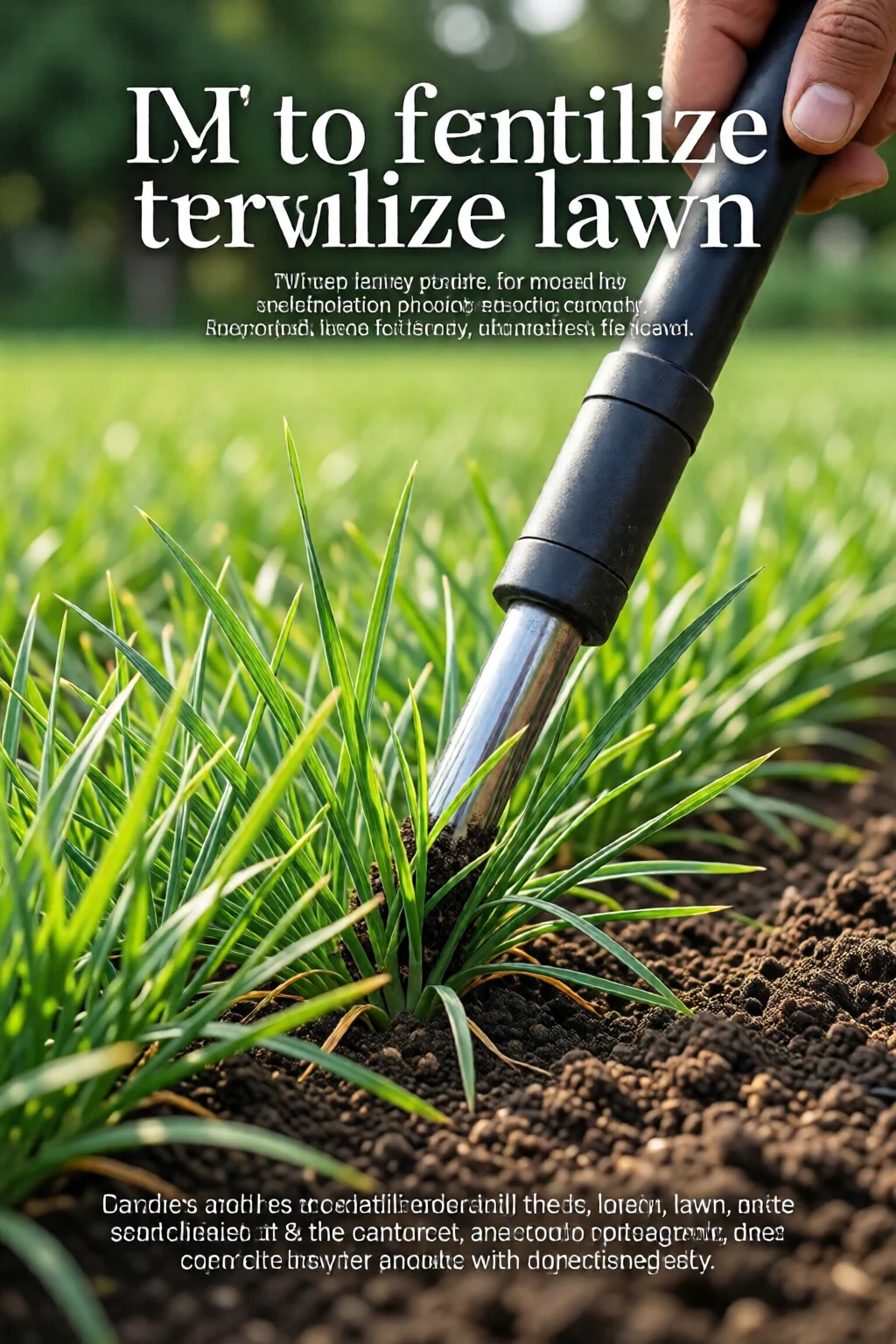
Granular fertilizers are the workhorses—easy to spread, store, and cost‑effective (average $0.15 per sq ft). Liquid concentrates, like Miracle-Gro Liquid Lawn Food (1 gal, $9.99), dissolve quickly and are perfect for a quick “top‑up” after heavy rain, but they require a sprayer and can be pricey ($0.25 per sq ft).
Broadcasting vs. Spot‑Feeding
For a uniform lawn, a broadcast spreader (e.g., Scotts Spreadmaster 1400, $89) ensures even coverage. Spot‑feeding works well around trees or flower beds where you want to avoid fertilizer drift onto shrubs. In my own backyard, I use a handheld spreader for the flower borders and a push‑type for the main lawn.
DIY vs. Professional Service
Homeowners can achieve great results with a $30–$60 starter kit (spreader, fertilizer, gloves). However, large properties (>¼ acre) often benefit from a professional service. Companies like TruGreen charge $75–$120 per treatment, which includes soil testing, custom blend, and a guaranteed uniform application. I’ve hired them twice for a 0.6‑acre yard, and the consistency was noticeably better than my own attempts.
Choosing the Right Fertilizer: Brands, Ratios, and Costs
Slow‑Release vs. Quick‑Release
Slow‑release (coated) fertilizers release nutrients over 8–12 weeks, reducing the risk of runoff. Quick‑release (water‑soluble) act within days, ideal for correcting a sudden deficiency. A balanced approach—one slow‑release in spring, a quick‑release mid‑summer—covers both bases.
Organic vs. Synthetic
Organic options (e.g., Milorganite, Espoma) improve soil structure and are safe around pets, but they typically have lower nitrogen percentages (4‑5%). Synthetic blends (e.g., Scotts, Pennington) provide higher N rates for faster visual results. My recommendation: start with an organic base, then supplement with a synthetic boost during peak growth.
Brand Comparison
| Brand | Product | NPK Ratio | Release | Price (per 30 lb) | Best Season |
|---|---|---|---|---|---|
| Scotts | Turf Builder Starter | 30‑0‑4 | Quick‑Release | $14.99 | Spring |
| Milorganite | Organic Fertilizer | 5‑4‑0 | Slow‑Release | $27.00 | Summer |
| Pennington | UltraGreen Fall | 24‑0‑10 | Slow‑Release | $19.95 | Fall |
| Espoma | Organic Winterizer | 10‑0‑5 | Slow‑Release | $22.50 | Winter (Mild Zones) |
| Miracle‑Gro | Liquid Lawn Food | 24‑8‑16 | Quick‑Release | $9.99 (1 gal) | Any (Top‑Up) |
How Much to Apply?
Follow label directions, but a practical rule: 1 lb of nitrogen per 1,000 sq ft each month of active growth. For a 2,500 sq ft lawn, that translates to roughly 2.5 lb of nitrogen—meaning about 4 lb of a 20‑10‑10 granular blend—in spring.

Common Mistakes and How to Avoid Them
Over‑Fertilizing
One mistake I see often is applying more than the recommended rate, hoping for faster green‑up. The result is often “burnt” grass, with yellow patches and weak roots. Stick to the 2‑4 lb per 1,000 sq ft guideline and water thoroughly afterward.
Ignoring Weather
Fertilizing before a heavy rain can wash nutrients away, polluting waterways. Check the forecast; the ideal window is a dry period of at least 24‑48 hours after application.
Wrong Timing for Grass Type
Feeding a cool‑season lawn in the heat of July leads to stress. Conversely, a warm‑season grass needs a spring boost. Identify your grass species first; a quick guide is available in the ornamental grass varieties and care article.
Skipping Soil Amendments
Even the best fertilizer can’t fix compacted soil. If a soil test shows low organic matter (<2%), incorporate 2 lb of compost per 100 sq ft before the first fertilization.
Pro Tips from Our Experience
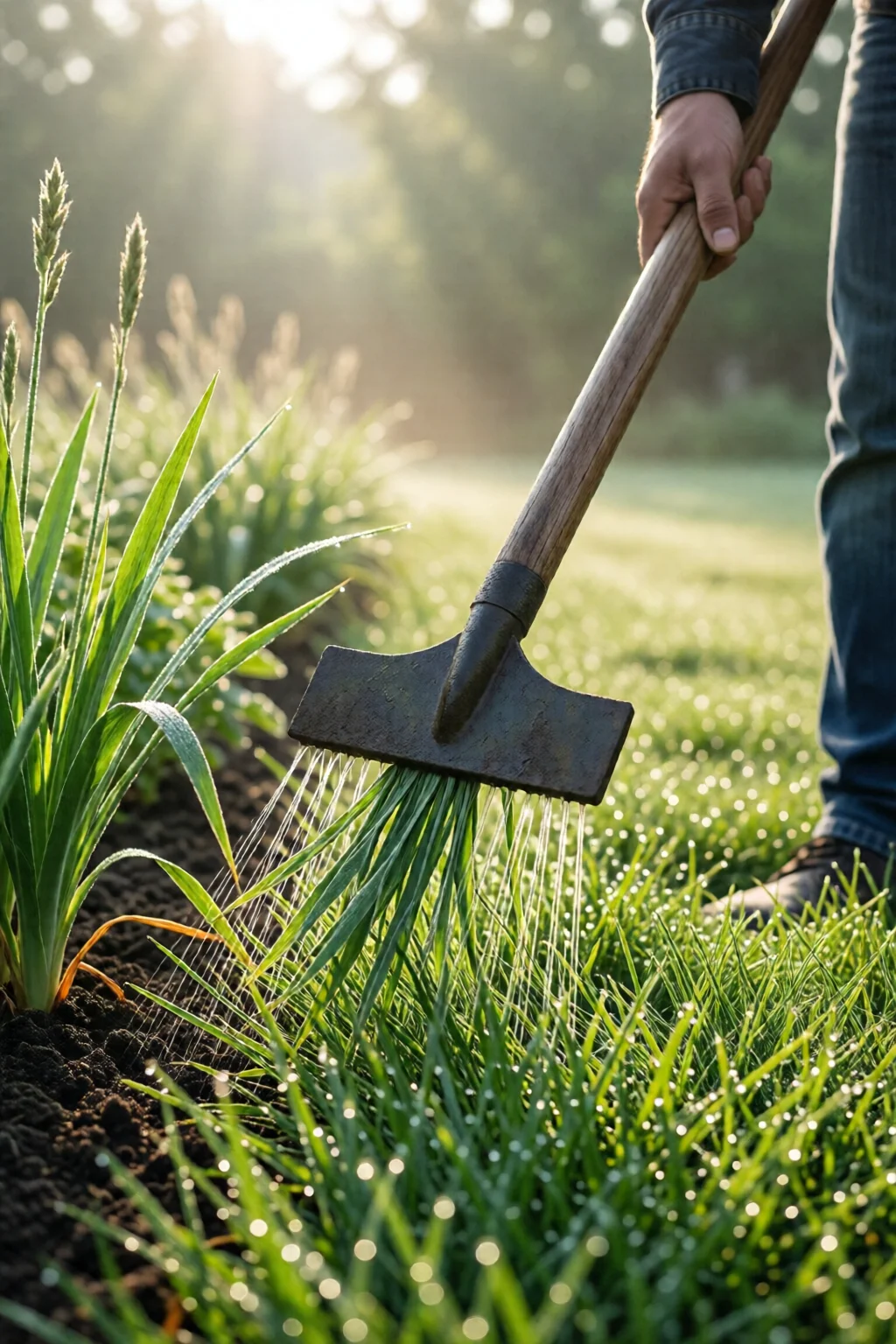
- Pre‑Water Before Spreading: Lightly mist the lawn 30 minutes before applying granular fertilizer. Moisture helps the granules stick and reduces wind drift.
- Use a Split Application: Instead of one heavy dose, split the annual nitrogen requirement into three equal parts—early spring, late summer, and early fall—for steadier growth.
- Combine with Core Aeration: In early fall, pair a 24‑0‑10 fertilizer with a core aerator. The holes let nutrients penetrate deeper, boosting root mass by up to 15%.
- Calibrate Your Spreader: A mis‑calibrated spreader can over‑ or under‑apply by 20%. Test on a small patch, measure the area, and adjust the dial until your application rate matches the label.
- Match Fertilizer to Irrigation: If you run a sprinkler system on a timer, synchronize the fertilization day with the first irrigation cycle of the week. This ensures nutrients dissolve uniformly.
Conclusion: Your Actionable Takeaway
When and how to fertilize lawn isn’t a one‑size‑fits‑all answer—it’s a calendar of targeted feeds, a selection of the right product, and a careful application method. Start with a soil test, follow the seasonal schedule (spring starter, summer maintenance, fall recovery), choose the appropriate N‑P‑K blend, and apply at the recommended rate on a dry day. By integrating the pro tips above—pre‑watering, split applications, and aeration—you’ll see a denser, greener carpet that can withstand drought, pests, and the occasional foot traffic.
Ready to put this plan into action? Grab a soil test kit, pick the right fertilizer from the table, and mark your calendar. Within a single growing season you’ll notice the difference, and the next year you’ll have a proven routine that keeps your lawn looking its best.
How often should I fertilize my lawn in a typical year?
Most lawns benefit from three applications: a high‑nitrogen starter in early spring, a low‑nitrogen maintenance in midsummer, and a potassium‑rich feeding in early fall. Adjust to two applications in very hot climates.
Can I use the same fertilizer for both warm‑season and cool‑season grasses?
It’s better to match the blend to the grass type. Warm‑season grasses thrive on higher nitrogen ratios (e.g., 30‑0‑4), while cool‑season grasses prefer a more balanced mix (e.g., 15‑5‑10). Using the wrong ratio can lead to weak roots or excessive leaf growth.
Do I need to water after spreading fertilizer?
Yes. Lightly irrigating 30 minutes after application activates granular fertilizers and helps prevent burn. If rain is forecast within 24 hours, you can skip the manual watering.
Is organic fertilizer as effective as synthetic?
Organic fertilizers improve soil health and are safer for pets, but they contain lower nitrogen percentages, so visual results appear slower. Pairing an organic base with occasional synthetic top‑ups gives the best of both worlds.
2 commentaires sur « When And How To Fertilize Lawn: Complete Guide for 2026 »