Keeping a garden free of weeds is a rewarding challenge that combines knowledge of plant biology, soil health, and smart cultural practices. While chemical herbicides can be effective, many gardeners in the United States prefer natural methods that protect pollinators, preserve soil life, and align with organic principles. This comprehensive guide walks you through proven, eco‑friendly strategies to prevent garden weeds before they take hold, offering practical tips, expert advice, and actionable steps you can implement today.
Understanding Weed Biology: What Makes Weeds So Tenacious?
Weeds are simply plants that grow where you don’t want them. Their success comes from a few key traits: rapid germination, prolific seed production, and an ability to thrive in disturbed soil. Most garden weeds are annuals that complete their life cycle in a single season, while some perennials spread via rhizomes or stolons, making them harder to eradicate. By recognizing the life cycle of common weeds—such as crabgrass, chickweed, and dandelion—you can time your preventive measures for maximum impact.
Seed Banks and Soil Reservoirs
The soil around your garden acts as a reservoir of dormant weed seeds, known as the seed bank. These seeds can remain viable for years, waiting for the right conditions—usually a combination of light, moisture, and temperature—to sprout. Disrupting the seed bank is a cornerstone of natural weed control, and it begins with thoughtful soil preparation and ongoing maintenance.
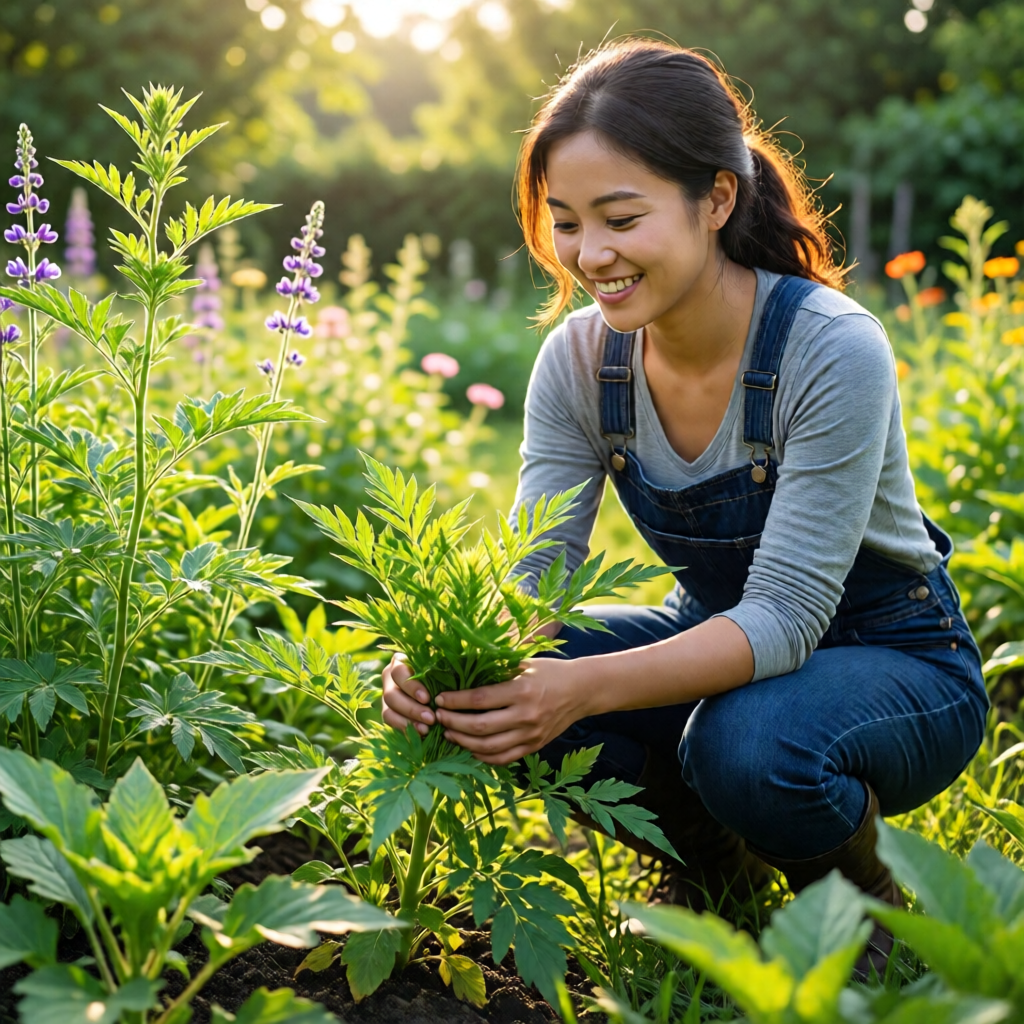
Soil Health: The Foundation of Weed Prevention
Healthy, well‑structured soil creates a competitive environment that favors your desired plants over weeds. When soil is rich in organic matter, it retains moisture, provides nutrients, and supports beneficial microbes that outcompete weed seedlings. Improving soil health is also a great opportunity to incorporate organic amendments and mulches that act as physical barriers.
Amendments and Organic Matter
Incorporating compost, well‑rotted manure, or leaf mold boosts soil fertility and improves texture. For detailed guidance, see our soil amendment guide for healthy plants. These amendments increase the microbial activity that suppresses weed germination by creating a dense, dark seedbed that blocks light.
Mulching: A Dual‑Purpose Tool
Mulch not only conserves moisture but also smothers weed seeds. Organic mulches such as shredded bark, straw, or pine needles decompose over time, adding further organic matter to the soil. For specific mulching techniques, refer to our mulching tips for flower beds. Aim for a 2‑3 inch layer, replenishing as it breaks down to maintain a consistent barrier.
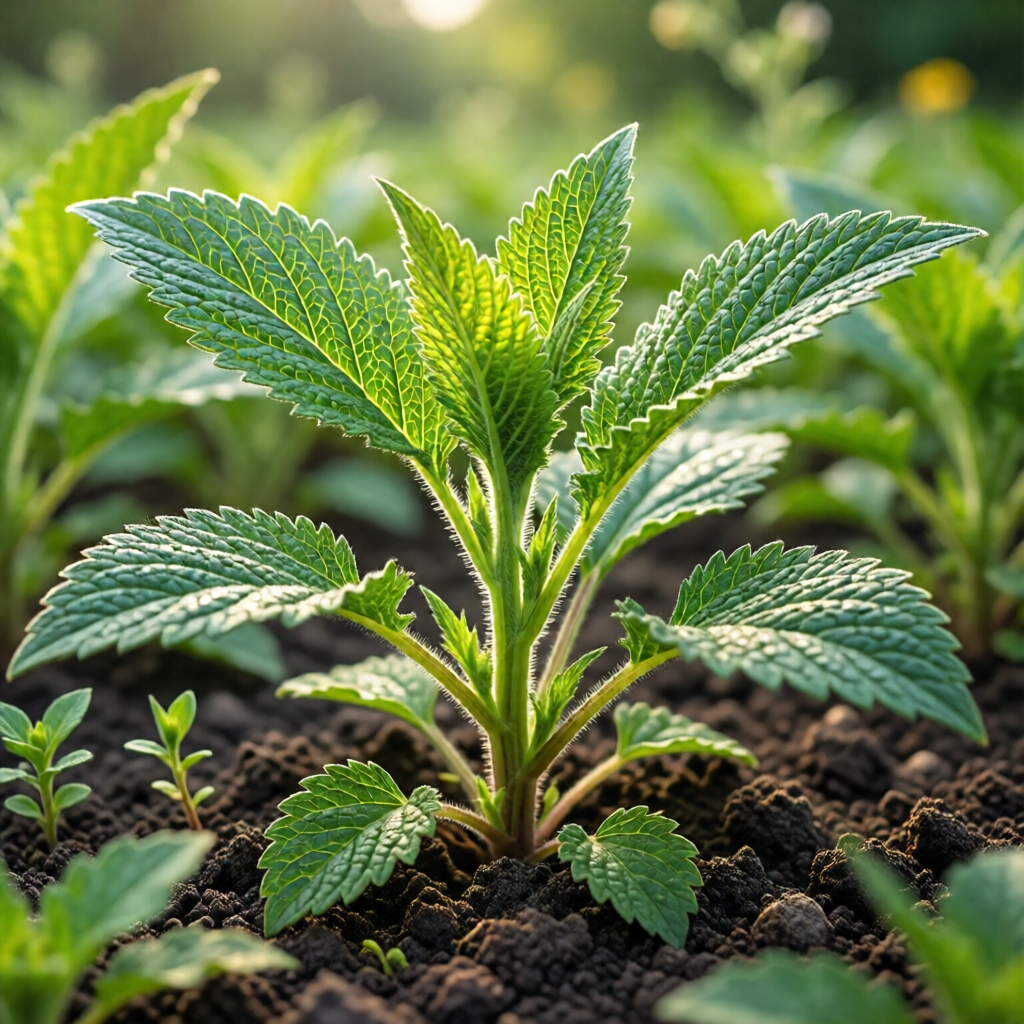
Sunlight Management: Using Shade to Your Advantage
Many weeds are shade‑intolerant, preferring full sun to germinate. By strategically placing taller, sun‑loving plants or installing shade cloths, you can create micro‑environments that discourage weed growth. However, be mindful not to shade out your desired crops; balance is key.
Strategic Plant Placement
Plant fast‑growing, broad‑leaf vegetables like squash or beans along the garden’s perimeter. Their canopy will cast a gentle shadow over the soil, reducing the amount of light that reaches weed seeds. This approach works especially well in raised beds where space is limited.
Hand Pulling and Mechanical Control: When to Act
Even with the best preventive measures, some weeds will emerge. Hand pulling remains one of the most effective natural methods, especially for perennial weeds with deep taproots. The key is to remove weeds when the soil is moist, allowing you to extract the entire root system.
Proper Technique
Grasp the weed close to the soil surface and pull steadily upward. For stubborn perennials, use a small garden fork or a weed puller to loosen the soil around the roots. Dispose of the weeds in a compost bin only if the compost reaches a high temperature; otherwise, bag them to prevent seed spread.
Solarization: Harnessing the Sun’s Heat
Solarization is a powerful, chemical‑free method that uses clear plastic to trap solar energy, heating the soil to temperatures that kill weed seeds and pathogens. This technique is best suited for sunny, warm climates and works well for preparing new beds or after a crop rotation.
Step‑by‑Step Solarization
1. Clear the area of debris and weeds.
2. Moisten the soil thoroughly.
3. Lay a 2‑mil clear polyethylene sheet, securing the edges with rocks or soil.
4. Leave the plastic in place for 4‑6 weeks during the hottest part of summer.
5. Remove the plastic and prepare the bed with compost and mulch.
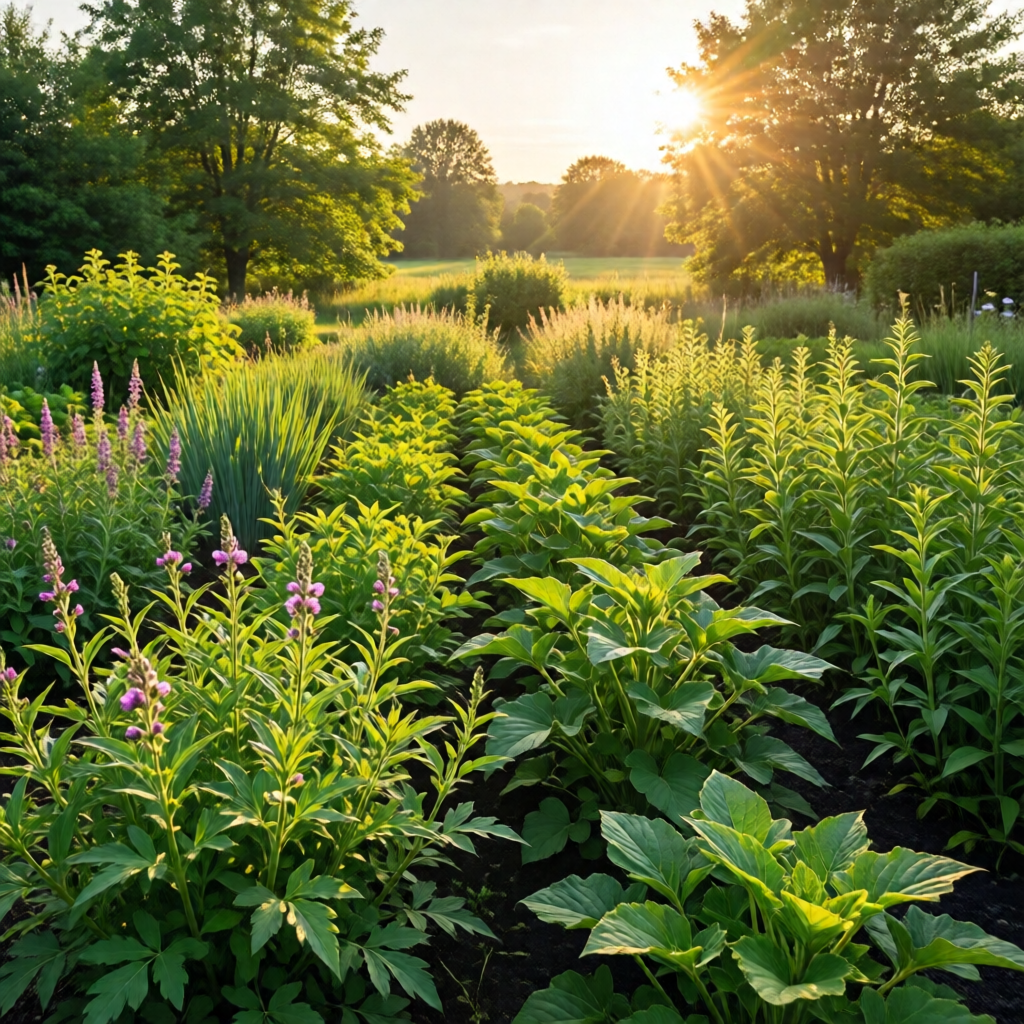
Cover Crops: Nature’s Living Mulch
Cover crops, also known as green manures, are planted during off‑season periods to protect soil, add nutrients, and suppress weeds. Fast‑growing species like clover, rye, or buckwheat outcompete weeds for light, water, and nutrients, effectively reducing the weed seed bank.
Choosing the Right Cover Crop
For cool‑season gardens, winter rye provides dense foliage that shades out weeds. In warmer regions, buckwheat germinates quickly and produces a thick canopy, making it ideal for summer weed suppression. When ready to transition back to your main crops, simply mow the cover crop low and incorporate it into the soil as organic matter.
Homemade Weed Barriers: Low‑Cost, Effective Solutions
Creating physical barriers can deter weed emergence without relying on synthetic fabrics. Materials such as cardboard, newspaper, or even shredded leaves can serve as biodegradable weed barriers when placed beneath mulch.
DIY Cardboard Weed Barrier
1. Lay overlapping sheets of corrugated cardboard over the prepared soil.
2. Secure the edges with soil or stones.
3. Cover the cardboard with a 2‑inch layer of organic mulch.
4. Over time, the cardboard will decompose, enriching the soil while maintaining weed suppression.
Watering Wisely: Moisture Management to Reduce Weeds
Weeds often thrive on over‑watering, especially in poorly drained soils. By watering deeply but less frequently, you encourage deep root growth in your garden plants and create drier surface conditions that hinder weed seed germination.
Drip Irrigation Benefits
Installing a drip irrigation system delivers water directly to the root zone, minimizing moisture on the soil surface where weed seeds sit. This targeted approach not only conserves water but also reduces the likelihood of weed sprouts emerging.
Seasonal Timing: Aligning Practices with Weed Life Cycles
Each weed species has a specific window of emergence. Understanding these windows allows you to time preventive actions—such as pre‑emergent mulching or early spring soil solarization—to intercept weeds before they establish.
Spring vs. Fall Strategies
In spring, focus on soil preparation, solarization, and early mulching to block crabgrass and other warm‑season weeds. In fall, plant a winter cover crop and apply a thick layer of leaf mulch to suppress winter annuals like henbit.
Companion Planting: Harnessing Plant Interactions
Companion planting involves pairing crops that support each other’s growth while inhibiting weeds. Dense plantings of herbs like rosemary, thyme, or sage can create aromatic ground cover that discourages certain weed species.
Example Companion Pairings
Plant basil alongside tomatoes; the aromatic foliage not only deters pests but also creates a living mulch that shades the soil, reducing weed pressure. For a low‑maintenance garden, intermix low‑growers such as creeping thyme between vegetable rows.
Maintaining a Weed‑Free Garden: Ongoing Vigilance
Preventing weeds naturally is not a one‑time task; it requires consistent monitoring and timely interventions. Set aside a short weekly walk through your garden to spot emerging seedlings, pull them promptly, and assess mulch depth.
Garden Journal and Record Keeping
Keeping a simple garden journal helps track which weeds appear each season, allowing you to refine your preventive strategies over time. Note the dates of emergence, the effectiveness of mulches, and any adjustments made to irrigation or planting density.
Common Mistakes to Avoid When Using Natural Weed Control
Even well‑intentioned gardeners can unintentionally create conditions that favor weeds. Below are pitfalls to watch for and how to correct them.
Over‑Mulching
While mulch is essential, applying more than 4 inches can suffocate soil microbes and create a habitat for pests. Aim for a 2‑3 inch layer and refresh as needed.
Neglecting Soil Drainage
Poor drainage leads to waterlogged soil, encouraging the growth of opportunistic weeds like pigweed. Amend heavy soils with sand or organic matter, and consider raised beds for better aeration. For clay‑heavy soils, see our how to improve clay soil for gardening guide.
Skipping Seasonal Clean‑Up
Leaving spent plant material on the ground provides a seedbed for weeds. Always clear away dead foliage, and consider adding it to a compost heap that reaches high temperatures.
Integrating Natural Weed Prevention with Garden Aesthetics
A beautiful garden should be both functional and visually pleasing. By selecting attractive mulches, decorative stone pathways, and ornamental groundcovers, you can enhance the garden’s appearance while naturally suppressing weeds.
Designing with Decorative Mulches
Colored wood chips or shredded bark can complement plant color palettes and create a cohesive look. Pair them with concrete patio decorating ideas for an integrated indoor‑outdoor space that discourages weed growth.
Conclusion: A Sustainable Path to a Weed‑Free Garden
Preventing garden weeds naturally is a rewarding practice that aligns with ecological stewardship, promotes soil health, and enhances the beauty of your outdoor space. By combining soil improvement, strategic mulching, timely cultural practices, and vigilant maintenance, you can dramatically reduce weed pressure without resorting to chemicals. Embrace these techniques, adapt them to your local climate, and enjoy a thriving garden that reflects your commitment to natural, sustainable gardening.
What are the most effective natural mulches for weed suppression?
Organic mulches such as shredded bark, straw, pine needles, and composted leaves create a dense barrier that blocks light, reduces moisture loss, and smothers weed seeds. Aim for a 2‑3 inch layer and refresh as it decomposes.
Can solarization be used in cooler climates?
Solarization works best in hot, sunny conditions, but in cooler climates you can still benefit by extending the exposure period, using clear plastic, and selecting the warmest months of the year to maximize soil temperature.
How often should I replace my mulch to keep weeds at bay?
Check mulch depth monthly; when it breaks down to less than 1 inch, add more material to maintain a 2‑3 inch layer. This typically means refreshing mulch once or twice per growing season.
Are there any edible cover crops that also suppress weeds?
Yes, legumes like clover and vetch provide nitrogen, protect soil, and outcompete weeds. They can be tilled into the soil before planting your main crops, adding organic matter and reducing weed pressure.
What is the best time of year to start a DIY cardboard weed barrier?
Early spring, after the soil has warmed but before weed seeds germinate, is ideal. Lay cardboard on a moist, prepared bed, then cover with mulch to create a long‑lasting, biodegradable weed barrier.
2 réflexions au sujet de “How To Prevent Garden Weeds Naturally – Expert Guide and Ideas”