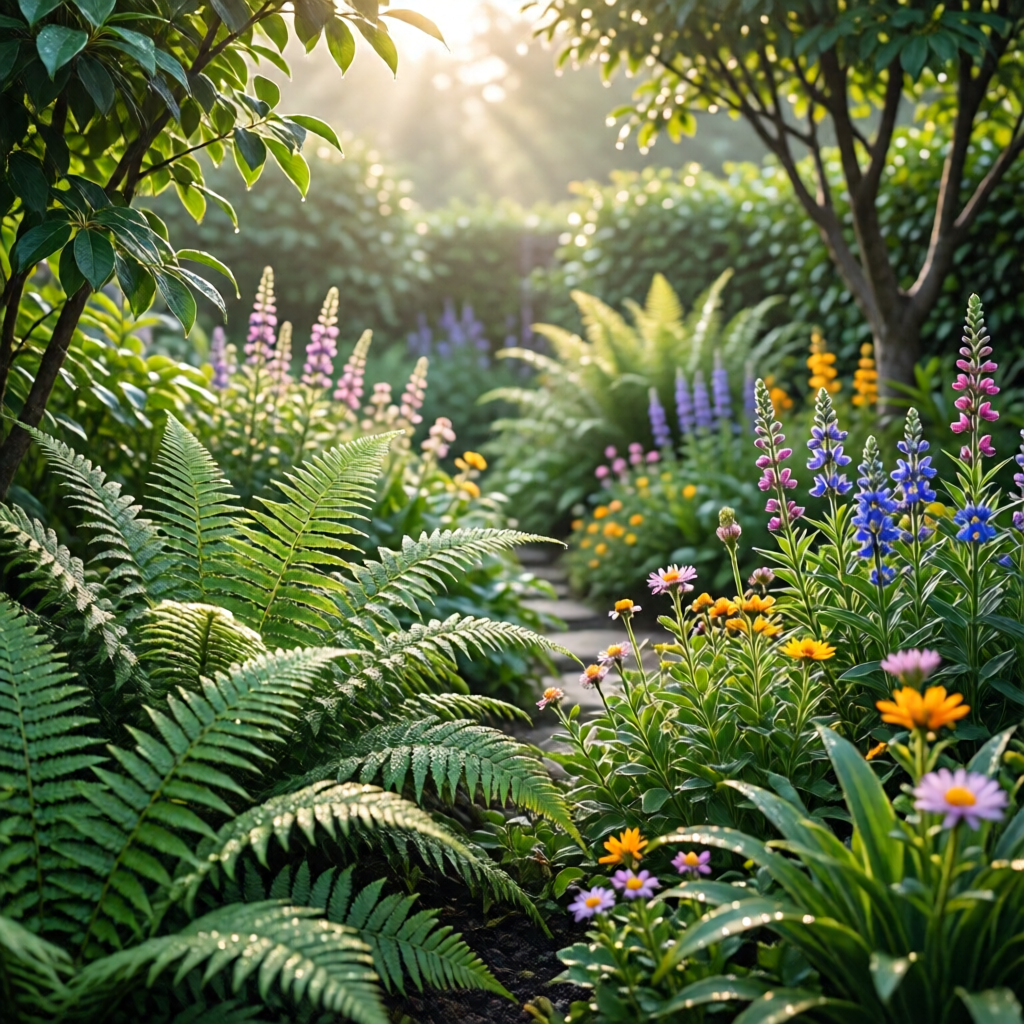
Maximalist garden design is making a bold statement in the outdoor world, turning backyards, balconies, and public spaces into vibrant, layered canvases that celebrate abundance, color, and personality. While minimalism focuses on restraint and simplicity, maximalism invites you to fill every nook with texture, pattern, and surprise. In the United States, this trend is resonating with homeowners who want their gardens to feel like living works of art—spaces where bold plant choices, eclectic décor, and daring design principles come together to create unforgettable outdoor experiences.
What Is Maximalist Garden Design?
At its core, maximalist garden design embraces “more is more.” It’s about curating a rich tapestry of plants, materials, and artful elements that engage the senses. Rather than limiting the palette, maximalists celebrate diversity, layering different heights, colors, and textures to craft a garden that feels alive all year round. This approach is especially appealing in the U.S., where regional climates and cultural influences provide endless possibilities for creative expression.
Core Principles of Maximalism
Understanding the foundational ideas behind maximalist gardens helps you apply the trend with confidence:
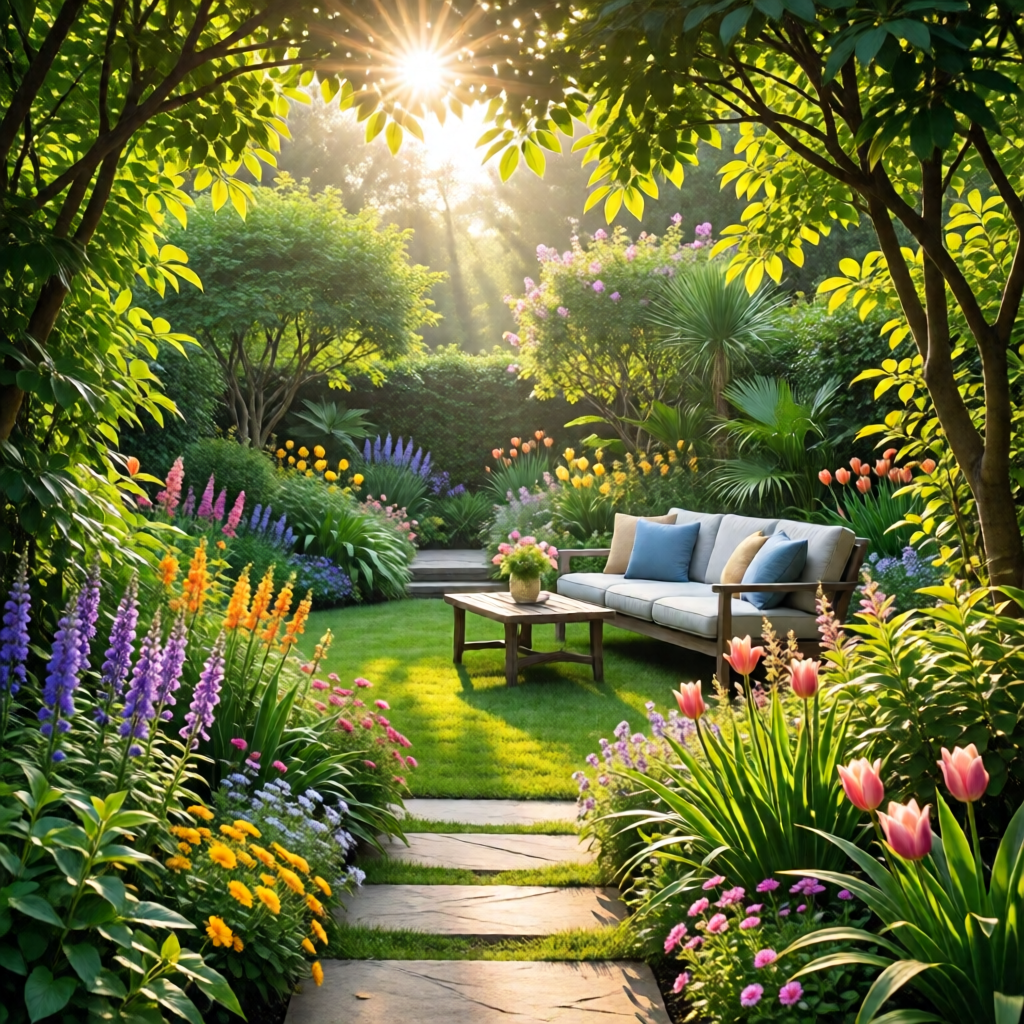
- Abundance of Color: Vibrant hues dominate, from deep purples and fiery reds to electric blues and sunny yellows.
- Layered Textures: Combine glossy foliage, feathery grasses, rugged bark, and soft moss to add depth.
- Diverse Plant Forms: Mix towering trees, cascading vines, compact shrubs, and ground‑cover blooms.
- Eclectic Hardscapes: Incorporate sculptures, patterned tiles, reclaimed wood, and bold metalwork.
- Year‑Round Interest: Plan for seasonal changes so the garden remains dynamic through spring, summer, fall, and winter.
Current Maximalist Trends in 2024
Every garden style evolves, and 2024 is no exception. Here are the most influential trends shaping maximalist gardens across the United States.
Bold Color Palettes
Designers are moving beyond single‑color schemes to embrace multicolored mosaics. Think of a garden that looks like a living painting—deep indigo irises next to chartreuse ornamental grasses, with splashes of coral geraniums and magenta salvias. The key is to balance complementary colors while allowing contrasting hues to pop, creating visual excitement at every glance.
Mixed Textures and Layers
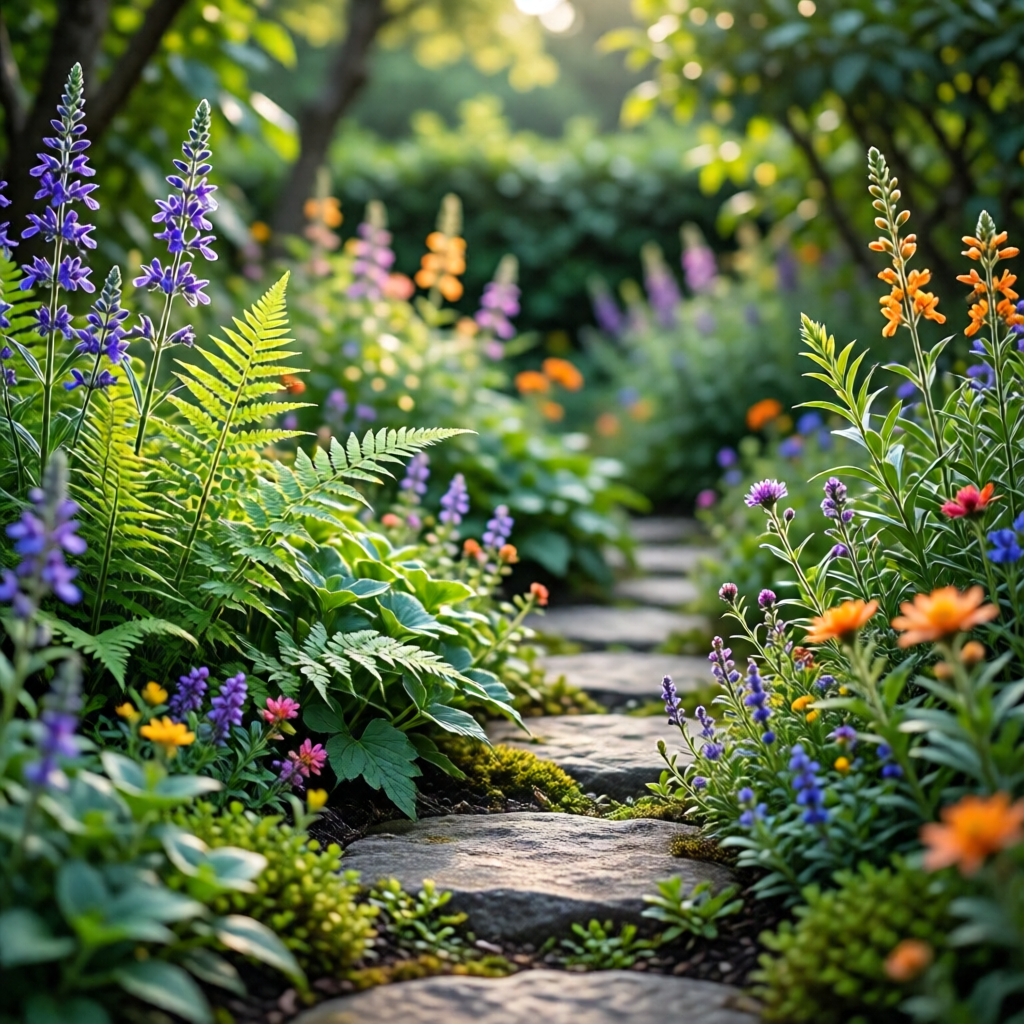
Texture is the secret sauce of maximalist design. Pair the smooth, waxy leaves of Alocasia with the delicate fronds of ferns, the spiky silhouette of agave, and the fluffy seed heads of ornamental millet. Layer low‑growing groundcovers beneath mid‑height perennials, and crown the scene with towering ornamental trees. This vertical and horizontal layering creates a three‑dimensional experience that draws the eye upward and inward.
Statement Plant Collections
Curating a “show‑stopper” collection—such as a row of Japanese maple trees, a wall of blooming roses, or a cluster of towering lupines—adds drama. Many gardeners are also integrating edible plants like heirloom tomatoes, pepper varieties, and striking lettuce mixes from the lettuce growing guide, turning the garden into a functional gallery of flavors.
Artistic Hardscapes and Sculptures
Hardscape elements have become focal points rather than background support. Mosaic pathways, reclaimed metal arches, and oversized ceramic pots serve as canvas for artistic expression. Sculptures—whether modern abstract forms or whimsical garden gnomes—add personality and become conversation starters.
Designing Your Maximalist Garden: Step‑by‑Step Guide
Ready to dive in? Follow this structured process to bring a maximalist masterpiece to life, no matter the size of your outdoor space.
1. Assessing Your Space and Soil
Begin with a site analysis. Measure dimensions, note sun exposure, and test soil pH. Understanding micro‑climates—such as sunny south‑facing corners versus cool, shaded edges—helps you allocate plants where they’ll thrive. A simple soil test kit can reveal nutrient deficiencies that you can amend with compost or organic fertilizers.
2. Choosing a Dominant Theme
While maximalism embraces variety, an overarching theme provides cohesion. Popular themes include:
- Modern Eclectic: Sleek metalwork paired with bold, tropical foliage.
- Rustic Boho: Weathered wood, reclaimed pots, and a mix of native wildflowers.
- Urban Jungle: Dense foliage, vertical gardens, and vibrant street‑art inspired accents.
Pick a theme that resonates with your personal style and the architectural context of your home.
3. Selecting Plants for Impact
Choose plants that offer striking foliage, dramatic blooms, or unique forms. Some top picks for a maximalist garden include:
- Bird of Paradise (Strelitzia reginae): Architectural leaves and orange‑yellow flowers.
- Hydrangea macrophylla: Massive, mop‑like flower heads that change color with soil pH.
- Heuchera (Coral Bells): Colorful foliage ranging from silver to deep burgundy.
- Allium giganteum: Towering purple spheres that add vertical drama.
- Ornamental Grasses: Fountain grass, blue fescue, and maiden grass for movement.
Incorporate a mix of perennials, annuals, and shrubs to ensure continuous bloom cycles.
4. Incorporating Art and Structures
Hardscape components should echo the garden’s theme. Consider:
- Patios paved with patterned tiles that mimic Moroccan mosaics.
- Raised beds built from reclaimed barn wood, painted in bold hues.
- Water features—like a cascading wall fountain—providing soothing sound and reflective surfaces.
- Vertical trellises supporting climbing vines such as clematis or morning glory.
5. Lighting and Seasonal Interest
Strategic lighting extends garden enjoyment after dusk. Use a combination of:
- Uplighting on sculptural trees.
- String lights draped over pergolas for a cozy ambiance.
- Solar‑powered LED spotlights highlighting bold plant groups.
Plan for seasonal interest by selecting fall‑color foliage (e.g., Japanese maples) and winter‑hardy evergreens that keep the garden vibrant year‑round.
Practical Tips and Expert Advice
Transforming a garden into a maximalist haven can feel overwhelming, but these actionable tips keep the project manageable and sustainable.
Managing Maintenance in a Lush Garden
Regular pruning, deadheading, and mulching are essential. Schedule a weekly walk‑through to remove spent blooms and trim back overgrown foliage. Use a high‑quality, organic mulch to conserve moisture, suppress weeds, and add nutrients as it breaks down.
Water Efficiency and Drought‑Tolerant Choices
Even a lavish garden can be water‑wise. Incorporate drought‑tolerant plants such as lavender, sedum, and ornamental grasses. Pair them with efficient irrigation—drip lines and rain barrels—to reduce waste. For more ideas, explore our guide on drought tolerant landscape design.
Creating Garden Borders That Wow
Bold borders frame your maximalist vision. Use contrasting materials—like reclaimed brick against smooth concrete—or plant low‑growing groundcovers such as creeping thyme to define edges. Learn creative techniques in our garden border ideas for edges article.
Shade Areas and Maximalist Planting
Don’t neglect shaded corners; they’re perfect for lush, foliage‑focused plantings. Hostas, ferns, and the shade‑loving shade garden ideas like Japanese forest garden concepts can thrive there. Pair them with low‑light tolerant sculptures and soft, ambient lighting for a secret garden feel.
Integrating Edible Elements
Blend beauty with bounty by adding edible plants that double as ornamental features. Colorful varieties of lettuce, kale, and swiss chard add texture and can be harvested throughout the season. For detailed guidance, check our lettuce growing guide.
Common Mistakes to Avoid
Even seasoned gardeners can stumble when embracing maximalism. Here are pitfalls to watch out for and how to sidestep them.
Overcrowding vs. Curating
Maximalism isn’t about stuffing every inch with plants; it’s about thoughtful curation. Allow space for each element to breathe. Use the “three‑to‑four‑plant rule” per bed to maintain visual clarity while still achieving abundance.
Ignoring Climate Zones
US climates vary dramatically—from arid Southwest deserts to humid Southeast swamps. Select plants suited to your USDA hardiness zone to avoid costly failures. When in doubt, choose adaptable species or use micro‑climate techniques like windbreaks and sun traps.
Neglecting Soil Health
Rich, well‑draining soil is the foundation of any thriving garden. Amend heavy clay with compost and sand, or improve sandy soils with organic matter. Regular soil testing ensures pH and nutrient levels stay optimal for your diverse plant palette.
Inspiring Examples and How to Replicate Them
Seeing maximalist gardens in action can spark ideas for your own space. Below are three inspiring scenarios and step‑by‑step ways to recreate them.
Urban Rooftop Oasis
Rooftop gardens in cities like New York and Chicago showcase compact maximalism. Use lightweight containers filled with vibrant annuals (petunias, marigolds) and dwarf shrubs (boxwood). Add a patterned pergola, a small water feature, and string lights. Incorporate vertical planters for herbs and trailing vines to maximize limited floor space.
Suburban Backyard Retreat
For larger yards, design distinct “rooms” with varying themes. One area could feature a tropical “rainforest” corner with bird‑of‑paradise, banana plants, and a misting system. Another zone might be a formal garden with patterned stone pathways, topiaries, and bold roses. Connect rooms with curving pathways edged by ornamental grasses.
Public Park Installations
Municipal parks often use maximalist concepts to attract visitors. Large sculptural pieces, interactive water fountains, and bold flower beds with native perennials create a dynamic environment. Community involvement—like planting days—helps maintain the lushness and fosters stewardship.
Final Thoughts
Maximalist garden design invites you to unleash creativity, celebrate abundance, and craft an outdoor space that reflects your personality. By understanding core principles, staying attuned to current trends, and following a structured design process, you can transform any garden—big or small—into a living masterpiece. Remember to balance boldness with sustainability, select plants suited to your climate, and embrace the joy of continual evolution. Your maximalist garden will not only be a feast for the eyes but also a sanctuary for the soul.
What defines a maximalist garden compared to a minimalist garden?
A maximalist garden embraces abundance, bold colors, layered textures, and eclectic elements, while a minimalist garden focuses on simplicity, limited palettes, and restrained plantings.
How can I incorporate maximalist design on a small balcony?
Use vertical planters, colorful containers, compact flowering annuals, and decorative wall art. Choose dwarf varieties and mix textures to create depth without overcrowding.
Are maximalist gardens sustainable?
Yes, when you select drought‑tolerant plants, use efficient irrigation, and incorporate native species. Sustainable practices like mulching and composting support a thriving, eco‑friendly maximalist garden.
What are some budget‑friendly ways to achieve a maximalist look?
Repurpose reclaimed materials for planters, use seed packets for colorful annuals, purchase plants at local plant swaps, and DIY garden art from upcycled items.
How do I maintain a high‑maintenance maximalist garden without it becoming overwhelming?
Create a maintenance schedule, group plants with similar care needs, use mulch to reduce weeds, and consider hiring seasonal help for pruning and cleanup.
1 réflexion au sujet de « Maximalist Garden Design Trends – Expert Guide and Ideas »