Bringing a touch of greenery into your home can boost mood, improve air quality, and add a splash of natural beauty to any room. Yet, for dog owners, the excitement of indoor gardening comes with a crucial responsibility: ensuring every plant is safe for four‑legged family members. Dogs are curious explorers—they love to sniff, chew, and sometimes even dig up soil. Selecting pet‑safe indoor plants not only protects your pup from accidental poisoning but also lets you enjoy the therapeutic benefits of greenery without worry. In this guide, we’ll explore the best dog‑friendly indoor plants, share expert care tips, and provide actionable steps to create a thriving, pet‑safe indoor garden that both you and your canine companion will love.
Understanding Pet Safety: Why It Matters
While many indoor plants add aesthetic value, a surprising number contain compounds that can be toxic to dogs. Symptoms of plant poisoning range from mild gastrointestinal upset—such as vomiting or diarrhea—to more severe reactions like liver failure or cardiac issues. Because a dog’s digestive system processes toxins differently than humans, even a small nibble can lead to serious health concerns. Moreover, many dogs are attracted to the texture of leaves or the scent of soil, increasing the likelihood of ingestion. By choosing plants that are non‑toxic, you reduce the risk of accidental poisoning, protect your pet’s health, and enjoy peace of mind while caring for your indoor garden.
Top Pet‑Safe Indoor Plants for Dogs
Below is a curated list of indoor plants that have been evaluated by the ASPCA and are confirmed safe for dogs. Each entry includes ideal growing conditions, care tips, and why it makes a great addition to a dog‑friendly home.
Spider Plant (Chlorophytum comosum)
Spider plants are resilient, adaptable, and known for their air‑purifying qualities. They thrive in bright, indirect light and tolerate occasional neglect, making them perfect for busy households. Dogs often enjoy the arching leaves, but the plant is non‑toxic, so even if your pup decides to chew, there’s no cause for alarm. Regular trimming encourages new growth and keeps the plant looking tidy.
Boston Fern (Nephrolepis exaltata)
Boston ferns love humidity and indirect light, making them ideal for bathrooms or kitchens. Their feathery fronds add a lush, tropical feel, and they’re safe for dogs to be around. To keep the fern thriving, mist it regularly and maintain consistently moist soil—avoid letting it dry out completely.
Areca Palm (Dypsis lutescens)
The Areca palm, also known as the butterfly palm, brings a graceful, tropical vibe to any room. It prefers bright, filtered light and well‑draining soil. Its sturdy fronds are non‑toxic, and the plant can grow quite tall, offering a natural “privacy screen” that can also deter dogs from accessing certain areas.
Parlor Palm (Chamaedorea elegans)
Parlor palms are compact, low‑maintenance, and thrive in low‑light conditions—perfect for apartments. Their slow growth and non‑toxic nature make them a safe choice for homes with curious dogs. Keep the soil slightly moist and avoid over‑watering to prevent root rot.
Calathea (Calathea spp.)
Calatheas are prized for their striking foliage patterns that change color with light exposure. They prefer low to medium light and high humidity. Although they’re safe for dogs, their leaves can be delicate, so it’s best to place them out of reach of overly enthusiastic chewers.
Peperomia (Peperomia spp.)
Peperomias are small, compact plants that come in a variety of leaf shapes and colors. They thrive in bright, indirect light and need only occasional watering. Their non‑toxic nature and low growth habit make them ideal for tabletops where dogs may perch.
Polka Dot Plant (Hypoestes phyllostachya)
This decorative plant showcases speckled pink, white, or red spots on its leaves, adding a pop of color to any space. It prefers bright, indirect light and consistently moist soil. The Polka Dot Plant is safe for dogs, allowing you to enjoy its vibrant foliage without worry.
Prayer Plant (Maranta leuconeura)
Known for its habit of folding leaves upward at night, the Prayer Plant is both fascinating and safe for pets. It thrives in low to medium light and high humidity. Water when the top inch of soil feels dry, and keep it away from drafts.
Friendship Plant (Pilea involucrata)
With its textured leaves, the Friendship Plant adds visual interest and is non‑toxic to dogs. It prefers bright, indirect light and slightly damp soil. Regularly remove dead leaves to encourage fresh growth.
Herbs: Basil, Parsley, and Rosemary
Many culinary herbs are safe for dogs in moderate amounts. Basil, parsley, and rosemary not only enhance your cooking but also provide fragrant greenery. They thrive in sunny windowsills and require well‑draining soil. While these herbs are safe, avoid over‑consumption, as large quantities can cause stomach upset.
How to Choose the Right Plants for Your Home
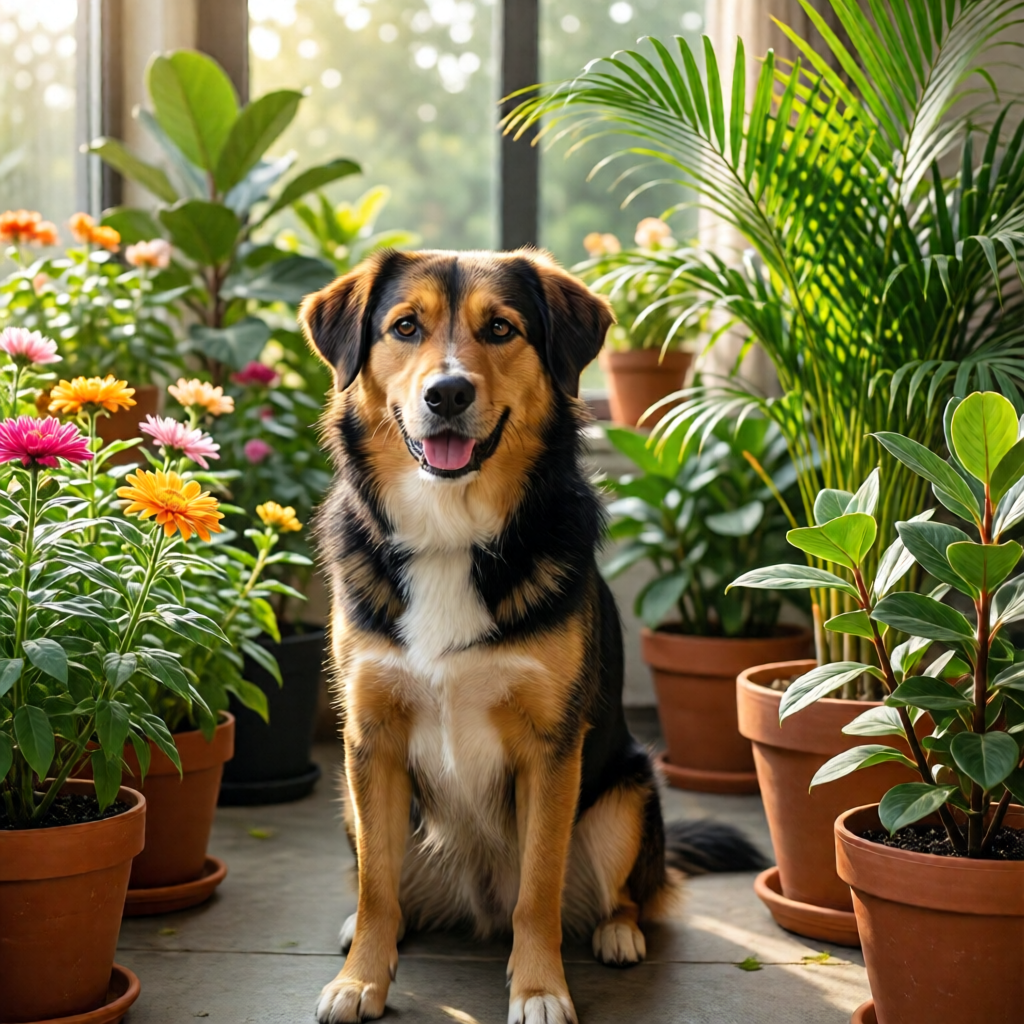
When selecting pet‑safe plants, consider your home’s lighting conditions, humidity levels, and the amount of time you can devote to plant care. Dogs that love to chew may still be attracted to plant leaves, so opting for plants with tougher foliage or placing them on higher shelves can reduce temptation. Additionally, think about the size and growth rate of each plant; faster‑growing varieties may need more frequent pruning to stay out of reach.
For families seeking a dramatic statement piece, the large indoor plants for living room page offers ideas that blend style with safety. If you’re a beginner, exploring the low maintenance indoor plants for beginners guide can help you find resilient, dog‑friendly options that won’t demand constant attention.
Placement and Care Tips to Keep Dogs Safe
Even pet‑safe plants can become a nuisance if placed where dogs can easily access them. Here are actionable strategies to create a dog‑friendly indoor garden:
- Elevate pots: Use plant stands, hanging baskets, or wall-mounted planters to keep foliage out of reach.
- Choose sturdy containers: Heavy ceramic pots are less likely to tip over if a dog bumps into them.
- Use deterrents: Sprinkling a thin layer of citrus peels or placing a pet‑safe bitter spray on leaves can discourage chewing.
- Maintain soil health: Dogs may be attracted to loose soil. Keep the surface compacted or cover it with decorative stones.
- Regular pruning: Trim long or dangling leaves that might entice a curious pup.
Consistent watering and feeding schedules are essential for plant health. Over‑watering can lead to root rot, while under‑watering causes leaf drop. Most pet‑safe plants thrive with moderate watering—allow the top inch of soil to dry between waterings. Using a moisture meter can help you gauge soil conditions accurately.
Integrating Dog‑Friendly Plants into Different Rooms
Living Room: Position tall palms like the Areca or Parlor Palm in corners to create natural barriers. Add a low‑lying spider plant on a coffee table where it’s less likely to be disturbed.
Kitchen: Herbs such as basil and rosemary thrive on sunny windowsills, providing fresh ingredients and a safe green touch. Keep them out of reach by placing them on a high shelf or using a hanging pot rack.
Bedroom: Low‑light tolerant ferns or Calatheas can improve air quality without taking up much space. Use a nightstand plant stand to elevate them.
Bathroom: High humidity makes it perfect for Boston ferns or peace lilies (if you have cats, note that peace lilies are toxic to them but safe for dogs). Ensure proper drainage to avoid mold.
Common Toxic Indoor Plants to Avoid
Even if you’re focusing on pet‑safe options, it’s helpful to know which popular indoor plants are hazardous to dogs. Removing or replacing these can prevent accidental ingestion:
- Philodendron – Contains calcium oxalate crystals that cause oral irritation and swelling.
- Dieffenbachia (Dumb Cane) – Also rich in calcium oxalate, leading to severe mouth pain.
- Pothos (Epipremnum aureum) – Mildly toxic, causing vomiting and difficulty swallowing.
- Sago Palm (Cycas revoluta) – Highly toxic; ingestion can lead to liver failure.
- Oleander – Contains cardiac glycosides; even small amounts can be fatal.
- English Ivy – Causes gastrointestinal upset and skin irritation.
If you already own any of these plants, consider relocating them to a room that’s off‑limits to your dog or replacing them with one of the safe alternatives listed earlier.
DIY Dog‑Friendly Plant Projects
Creating custom plant arrangements can be a fun activity for you and your dog (under supervision). Here are three simple projects that blend creativity with safety:
1. Hanging Herb Garden
Use a sturdy macramé hanger to suspend a collection of basil, parsley, and rosemary near a sunny window. Secure the pot with a weight to prevent tipping. Dogs love the scent, but the hanging position keeps them from reaching the leaves.
2. Terrarium with Non‑Toxic Succulents
While many succulents are safe, always double‑check species. Combine Aloe vera (safe for dogs) with Haworthia and a few small spider plants for texture. Place the terrarium on a high shelf and add decorative stones to cover the soil.
For more detailed succulent care, explore our succulent care guide for indoors.
3. Mini Indoor Zen Garden
Fill a shallow tray with sand, place a few Boston ferns, and add smooth river rocks. This low‑maintenance setup offers visual calm and a safe play area for dogs to explore with their paws.
These projects not only beautify your home but also provide mental stimulation for your dog, turning curiosity into a constructive activity.
Maintaining a Healthy Indoor Garden with Dogs
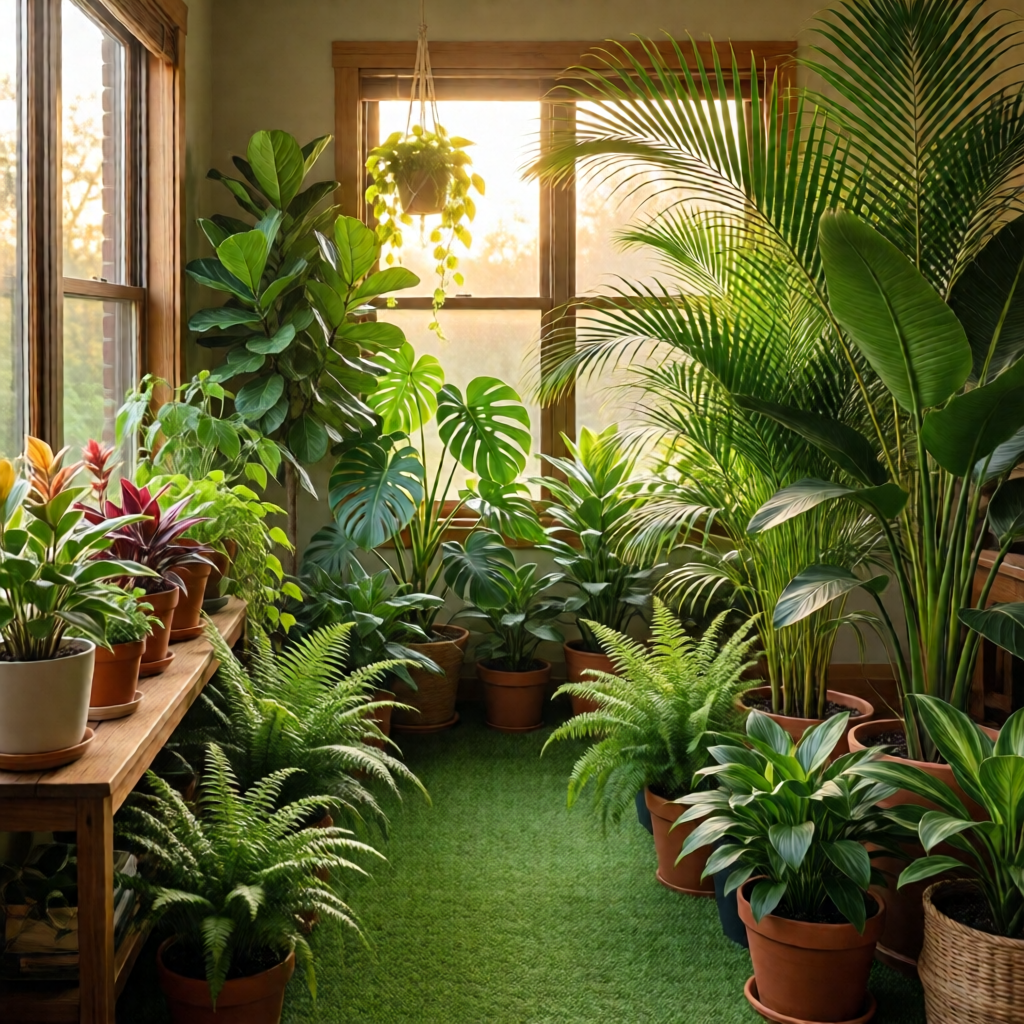
Regular maintenance is key to both plant vitality and pet safety. Here are essential practices to adopt:
- Inspect leaves weekly: Look for chew marks, pests, or mold. Promptly remove damaged foliage.
- Rotate pots: Ensure even light exposure and discourage dogs from memorizing safe spots.
- Clean up fallen leaves: Promptly sweep or vacuum to prevent dogs from ingesting them.
- Use pet‑safe fertilizers: Choose organic, low‑nitrogen options that won’t harm your dog if accidentally ingested.
- Monitor soil moisture: Over‑wet soil can attract insects; dry soil may encourage dogs to dig.
For those interested in expanding their indoor gardening skills, the growing microgreens at home tutorial offers a low‑maintenance, dog‑friendly option that can be harvested quickly for fresh salads.
Seasonal Care Adjustments
Even indoor plants experience seasonal shifts. During winter, lower light levels may require supplemental grow lights, while heating can dry out the air. To counteract dryness, use a humidifier or place a tray of water near heat sources. In summer, ensure adequate ventilation to prevent overheating, especially for tropical plants like the Areca palm.
If you grow lettuce indoors, our lettuce growing guide varieties and tips provides insight on adjusting light and temperature for optimal leaf development—perfect for a dog‑friendly kitchen garden.
Creating a Pet‑Safe Plant Routine for the Whole Family
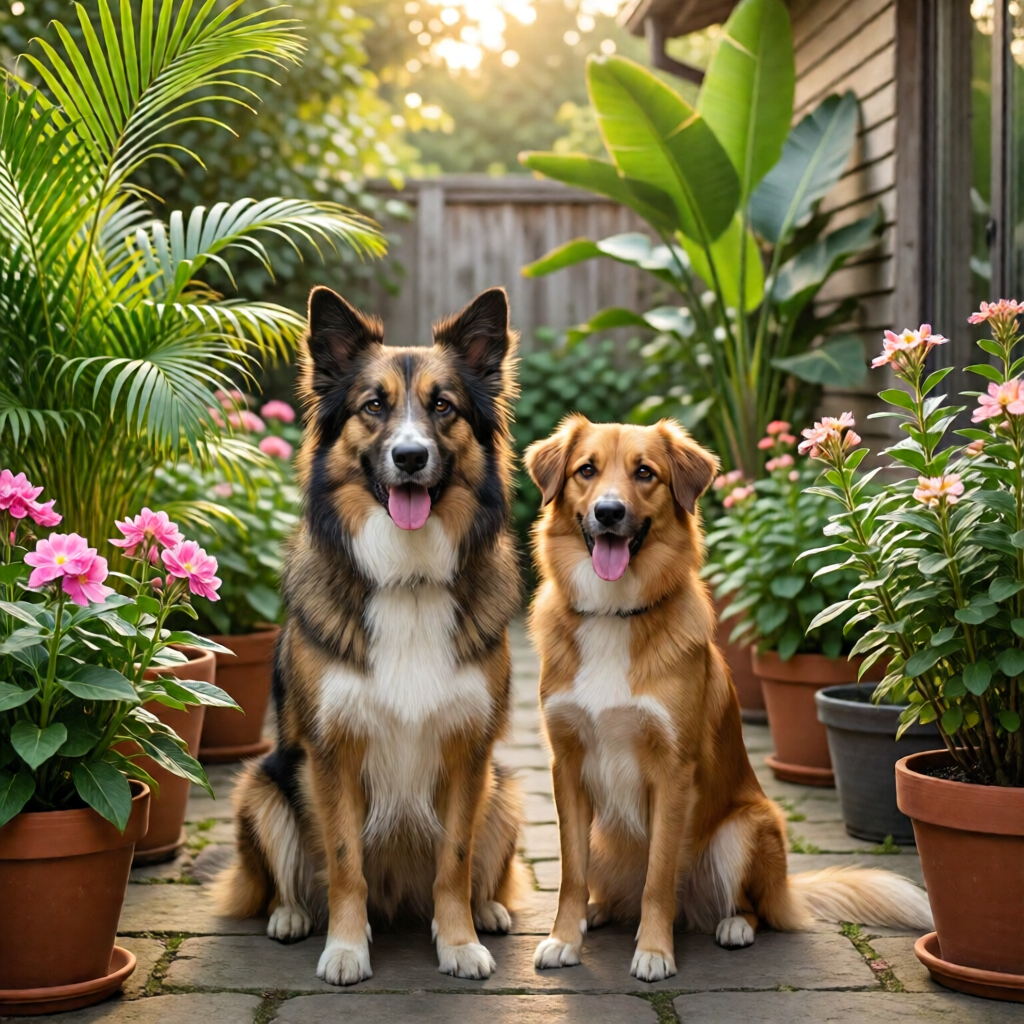
Involve every household member, including your dog, in the plant‑care routine. Assign simple tasks like “water the spider plant on Tuesdays” or “check soil moisture on Fridays.” Use positive reinforcement—give your dog a treat after you tend to the plants, reinforcing the idea that plant care is a shared activity.
Establishing a routine not only keeps plants healthy but also builds a bond between you and your pet. Over time, your dog will learn that while they can enjoy the scent and sight of the greenery, the leaves are not a snack.
Frequently Asked Questions
Which indoor plants are completely safe for dogs to chew?
While most pet‑safe plants won’t cause severe toxicity, it’s still best to discourage chewing. Options like spider plant, Boston fern, and areca palm are non‑toxic, but excessive ingestion can lead to mild stomach upset. Providing chew toys and safe treats can help redirect your dog’s chewing behavior.
How can I keep my dog from digging up plant soil?
Cover the soil with decorative stones, pine bark, or a layer of moss to make it less inviting. Elevated pots, heavy ceramic containers, and using a plant stand also deter digging. If digging persists, provide a dedicated digging box filled with sand or soil as an alternative outlet.
Are herbs like basil and rosemary safe for dogs?
Yes, culinary herbs such as basil, parsley, and rosemary are generally safe for dogs in small amounts. However, large quantities can cause stomach irritation, so keep them out of reach and monitor your pet if they nibble on a leaf.
What should I do if my dog eats a toxic plant?
Contact your veterinarian or an emergency pet poison hotline immediately. Bring a sample of the plant or a clear photo to help identify it. Prompt treatment can prevent serious complications.
Can I use regular fertilizer around pet‑safe plants?
Choose pet‑safe, organic fertilizers that contain low nitrogen levels. Avoid chemical fertilizers that can cause gastrointestinal upset if your dog ingests them. Always store fertilizers out of your pet’s reach.
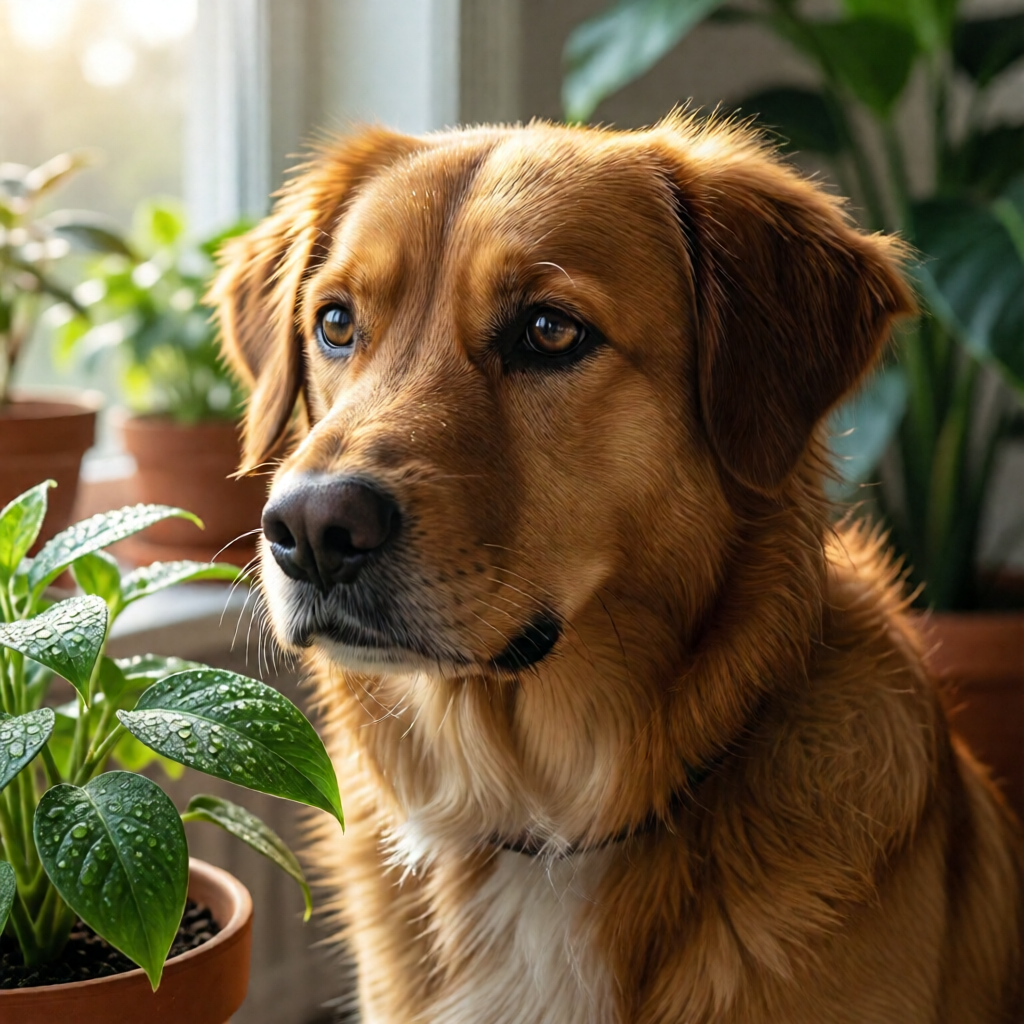
By thoughtfully selecting non‑toxic greenery, positioning plants out of reach, and maintaining a consistent care routine, you can create an indoor oasis that delights both you and your dog. Happy planting!