Whether you’re a seasoned indoor‑garden enthusiast or just beginning to explore houseplants, the pothos (Epipremnum aureum) stands out as a versatile, low‑maintenance favorite that can thrive in almost any U.S. home environment. Its trailing vines, glossy heart‑shaped leaves, and impressive tolerance for low light make it a go‑to choice for beginners, while the astonishing variety of colors, patterns, and growth habits keep even the most experienced plant collectors intrigued. In this comprehensive guide, we’ll explore the most popular pothos varieties, dive deep into expert care techniques, and provide actionable tips that will help you keep your pothos healthy, vibrant, and thriving for years to come.
Understanding Pothos Plant Varieties
The term “pothos” covers a broad spectrum of cultivars, each boasting distinct foliage colors, variegation patterns, and growth habits. While the classic “Golden Pothos” remains the most widely recognized, newer hybrids such as “Marble Queen,” “Neon,” and “Jade” have captured the attention of interior designers and plant hobbyists alike. Knowing the subtle differences among these varieties helps you select the perfect plant for your lighting conditions, décor style, and personal aesthetic.
Golden Pothos (Epipremnum aureum ‘Golden’)
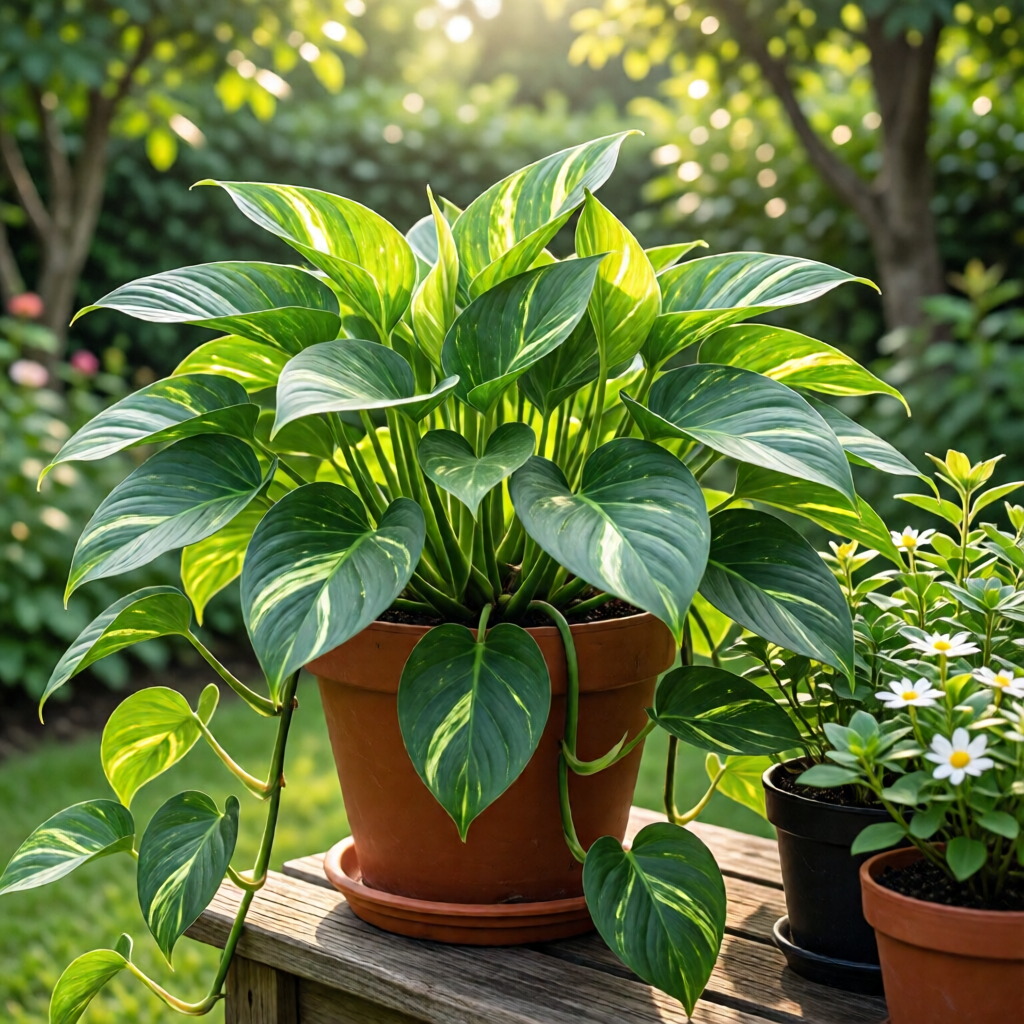
The Golden Pothos, also called “Devil’s Ivy,” features bright green leaves splashed with golden-yellow variegation that becomes more pronounced as the plant matures. This variety is exceptionally forgiving, tolerating low light, irregular watering, and a range of indoor temperatures. Its robust growth makes it ideal for hanging baskets, shelves, or as a climbing vine on a moss pole.
Marble Queen
Marble Queen is prized for its striking white‑creamy marbling across deep green foliage. The variegation can be subtle on younger leaves but becomes increasingly bold with age. Because the lighter areas contain less chlorophyll, Marble Queen prefers brighter, indirect light to maintain its vibrant pattern without turning overly leggy.
Neon Pothos
True to its name, Neon Pothos showcases electric‑lime, chartreuse‑colored leaves that add a pop of modern color to any room. This eye‑catching cultivar thrives best in bright, indirect light; insufficient light can cause the neon hue to fade toward a muted green. Its vivid coloration makes it a favorite for minimalist décor and office spaces.
Jade Pothos
Jade Pothos offers a deep, rich emerald leaf color with a glossy finish. Unlike many variegated types, Jade maintains a uniform shade, making it an excellent choice for those who prefer a classic, low‑maintenance look. It adapts well to a broad range of light conditions, though medium to bright indirect light encourages the most vigorous growth.
Silk Pothos (Epipremnum ‘Silk’)
Silk Pothos presents a softer, almost velvety leaf texture with subtle variegation that blends cream and light green tones. Its delicate appearance makes it perfect for decorative tabletop displays or as a backdrop for other bold‑leafed plants. While tolerant of lower light, it flourishes in bright, filtered sunlight.
Essential Care Basics for All Pothos Varieties
Regardless of the specific cultivar, pothos share a core set of care requirements that, when met, result in healthy, thriving vines. Understanding these fundamentals—light, water, soil, temperature, and humidity—forms the foundation for successful pothos cultivation.
Light Requirements
Pothos are famously adaptable, thriving in low‑light conditions where many other houseplants struggle. However, the intensity and quality of light directly influence leaf coloration, especially for variegated varieties. For Golden and Jade Pothos, moderate to bright indirect light will maintain deep, lush foliage. Variegated types like Marble Queen and Neon benefit from brighter light to preserve their contrasting patterns. Avoid direct afternoon sun, which can scorch leaves, and aim for a spot near an east‑facing window or a few feet away from a south‑facing window with sheer curtains.
Watering Guidelines
Overwatering is the most common mistake made by pothos owners. These vines store water in their thick, succulent stems, allowing them to endure short dry periods. Water when the top 2‑3 inches of soil feel dry to the touch. In cooler months, reduce watering frequency as growth slows. Use room‑temperature water to prevent shock, and ensure excess water drains freely from the pot’s bottom. A well‑draining potting mix will prevent root rot, a prevalent issue in overly moist conditions.
Soil and Repotting
A lightweight, well‑aerated potting mix is ideal for pothos. Combine standard indoor potting soil with perlite or orchid bark in a 3:1 ratio to improve drainage and airflow. Repot every 12‑18 months or when roots become visible through the drainage holes. When repotting, gently loosen the root ball, trim any dead or overly long roots, and place the plant at the same depth it previously occupied to avoid stress.
Temperature and Humidity
Pothos prefer temperatures between 65°F and 85°F (18°C‑29°C). They can tolerate brief temperature drops to 50°F (10°C) but should be protected from drafts and sudden cold snaps. While pothos are relatively tolerant of average indoor humidity, they will exhibit more vigorous growth and fewer leaf curl issues in environments with 40%‑60% relative humidity. If your home is particularly dry in winter, consider placing a humidity tray nearby or misting the foliage lightly.
Fertilizing for Optimal Growth
Feed pothos with a balanced, water‑soluble fertilizer (10‑10‑10 or 20‑20‑20) at half strength once a month during the growing season (spring through early fall). Over‑fertilizing can cause leaf burn and overly rapid growth that may outpace the plant’s structural stability. In winter, reduce feeding to once every six weeks or pause altogether, as growth naturally slows.
Propagation: Expanding Your Pothos Collection
One of the most rewarding aspects of pothos care is its ease of propagation. Whether you’re looking to share cuttings with friends or fill multiple rooms with lush vines, pothos can be propagated using water or soil methods. Below are step‑by‑step instructions for both techniques.
Water Propagation
1. Select a healthy stem with at least two nodes (the small bumps where leaves emerge).
2. Using clean, sharp scissors, cut just below a node at a 45‑degree angle.
3. Remove the lower leaf to expose the node, then place the cutting in a clear glass of water, ensuring the node is submerged.
4. Change the water every 2‑3 days to keep it fresh and oxygenated.
5. Roots typically appear within 1‑3 weeks. Once roots are 1‑2 inches long, transplant the cutting into a pot with well‑draining soil.
Soil Propagation
1. Follow steps 1‑2 above to obtain a cutting.
2. Dip the cut end in rooting hormone (optional but speeds up root development).
3. Plant the cutting in a small pot filled with moist, well‑aerated potting mix, burying the node just below the surface.
4. Cover the pot with a clear plastic bag or a propagation dome to maintain humidity.
5. Keep the soil consistently moist but not soggy, and provide bright, indirect light. Roots should develop within 2‑4 weeks.
Both methods are effective, and your choice may depend on personal preference or the aesthetic you enjoy. Water propagation allows you to watch the roots develop, which many find satisfying, while soil propagation reduces transplant shock.
Common Pothos Problems and How to Solve Them
Even the hardiest pothos can encounter issues. Recognizing symptoms early and addressing them promptly can prevent long‑term damage. Below are the most frequent problems, their causes, and practical solutions.
Yellowing Leaves
Yellow leaves often indicate overwatering or poor drainage. Ensure the pot has drainage holes, and allow the soil to dry between waterings. If the problem persists, consider repotting with a fresher, well‑draining mix.
Brown Leaf Tips
Brown tips are typically a sign of low humidity or a buildup of salts from fertilizer. Increase ambient humidity by misting or using a humidifier, and flush the soil with clear water every few months to leach excess salts.
Leggy Growth
Leggy vines usually result from insufficient light. Move the plant to a brighter spot, preferably with indirect sunlight, and prune back long vines to encourage bushier growth. You can also train the vines onto a moss pole for vertical support.
Pests: Spider Mites and Mealybugs
Both pests appear as tiny specks on leaves. Spider mites cause fine webbing, while mealybugs look like white cottony masses. Treat infestations with insecticidal soap or neem oil, applying the solution to both the tops and undersides of leaves. Regularly inspect plants to catch infestations early.
Root Rot
If the roots appear black, mushy, or foul‑smelling, root rot has set in. Remove the plant from its pot, trim away damaged roots with sterilized scissors, and repot in fresh, well‑draining soil. Adjust watering practices to prevent recurrence.

Design Ideas: Incorporating Pothos Into Your Home Décor
Pothos are not just functional; they’re also decorative powerhouses. Their trailing habit and varied foliage make them perfect for a range of interior design styles.
Hanging Baskets and Macramé
Suspended pothos vines add a relaxed, bohemian vibe. Pair a Golden Pothos with a woven macramé hanger for a cozy living‑room corner. The cascading vines draw the eye upward, creating a sense of depth.
Vertical Gardens and Moss Poles
Training pothos up a moss pole mimics their natural climbing habit and creates a living wall effect. This works especially well with variegated varieties like Marble Queen, as the light‑catching leaves become a focal point.
Tabletop Displays
Compact pothos, such as a short‑cut Neon Pothos, fit beautifully on desks, coffee tables, or shelves. Their vibrant colors can brighten a workspace, boosting productivity and mood.
Pet‑Safe Indoor Plant Mix
If you have cats or dogs, consider integrating pothos with other pet‑safe indoor plants. While pothos are mildly toxic if ingested, many pet owners pair them with non‑toxic species to create a balanced indoor garden. For more ideas, explore our pet safe indoor plants for cats guide.
Complementary Plant Pairings
Combine pothos with foliage plants like the fiddle leaf fig or a calathea for contrast in leaf shape and color. The trailing vines soften the upright structure of taller plants, creating a harmonious visual balance.
Choosing the Right Pothos Variety for Your Space
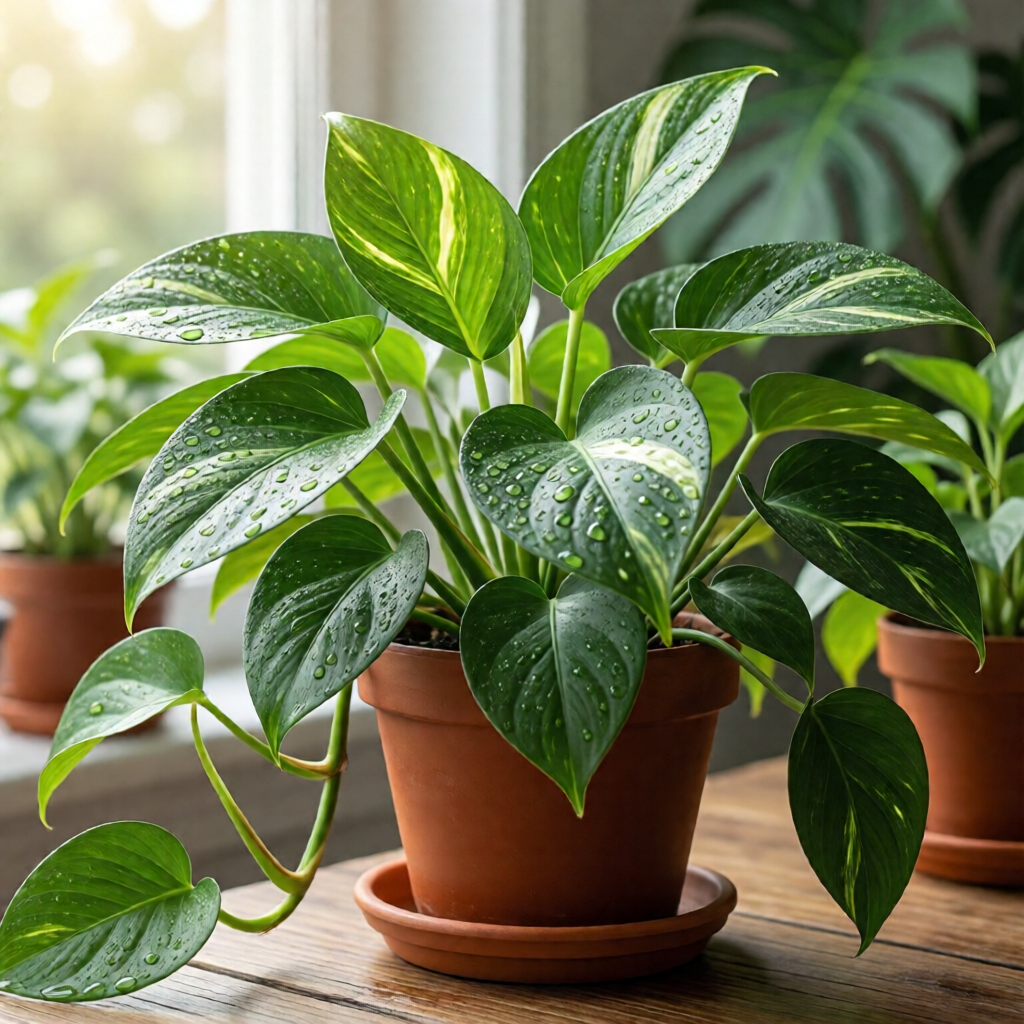
When selecting a pothos, consider three key factors: lighting conditions, desired color palette, and maintenance preferences.
Low‑Light Spaces
If your home has limited natural light, the classic Golden Pothos or Jade Pothos are the safest bets. Their deep green foliage remains robust even in dim corners.
Bright, Color‑Focused Areas
For rooms flooded with bright, indirect light, opt for Neon Pothos or Marble Queen. Their vivid variegation shines best when the plant receives ample illumination.
Minimal Maintenance
All pothos require basic care, but the Jade and Golden varieties are particularly forgiving of irregular watering schedules, making them perfect for busy households.
By matching the plant’s natural preferences to your interior environment, you set the stage for a thriving, long‑lasting display.
Wrapping Up: Your Pothos Journey Starts Today
From selecting the perfect variety to mastering watering, lighting, and propagation, you now have a complete toolbox for pothos success. Remember that each plant is a living, breathing partner that responds to the care you provide. With patience and consistent attention, your pothos will reward you with lush vines, vibrant foliage, and a touch of natural elegance that transforms any space.
What is the best light condition for variegated pothos?
Variegated pothos such as Marble Queen and Neon thrive in bright, indirect light. This level of illumination helps maintain the contrast in leaf coloration and prevents the plant from becoming leggy.
How often should I water my pothos?
Water when the top 2‑3 inches of soil feel dry. In most indoor settings, this typically means watering every 7‑10 days during the growing season and less frequently in winter.
Can pothos be grown in low‑light offices?
Yes. Pothos are among the most tolerant houseplants for low‑light conditions, making them ideal for office desks, conference rooms, and other spaces with limited natural light.
What is the easiest way to propagate pothos?
Water propagation is the simplest method: place a cutting with a node in a glass of water, change the water every few days, and transplant once roots are 1‑2 inches long.
Are pothos safe for pets?
Pothos contain calcium oxalate crystals and can cause mild oral irritation if ingested by cats or dogs. While not lethal, it’s best to keep them out of reach of curious pets. For a full list of pet‑safe indoor plants, see our guide on pet safe indoor plants for cats.
1 réflexion au sujet de « Pothos Plant Varieties And Care – Expert Guide and Ideas »