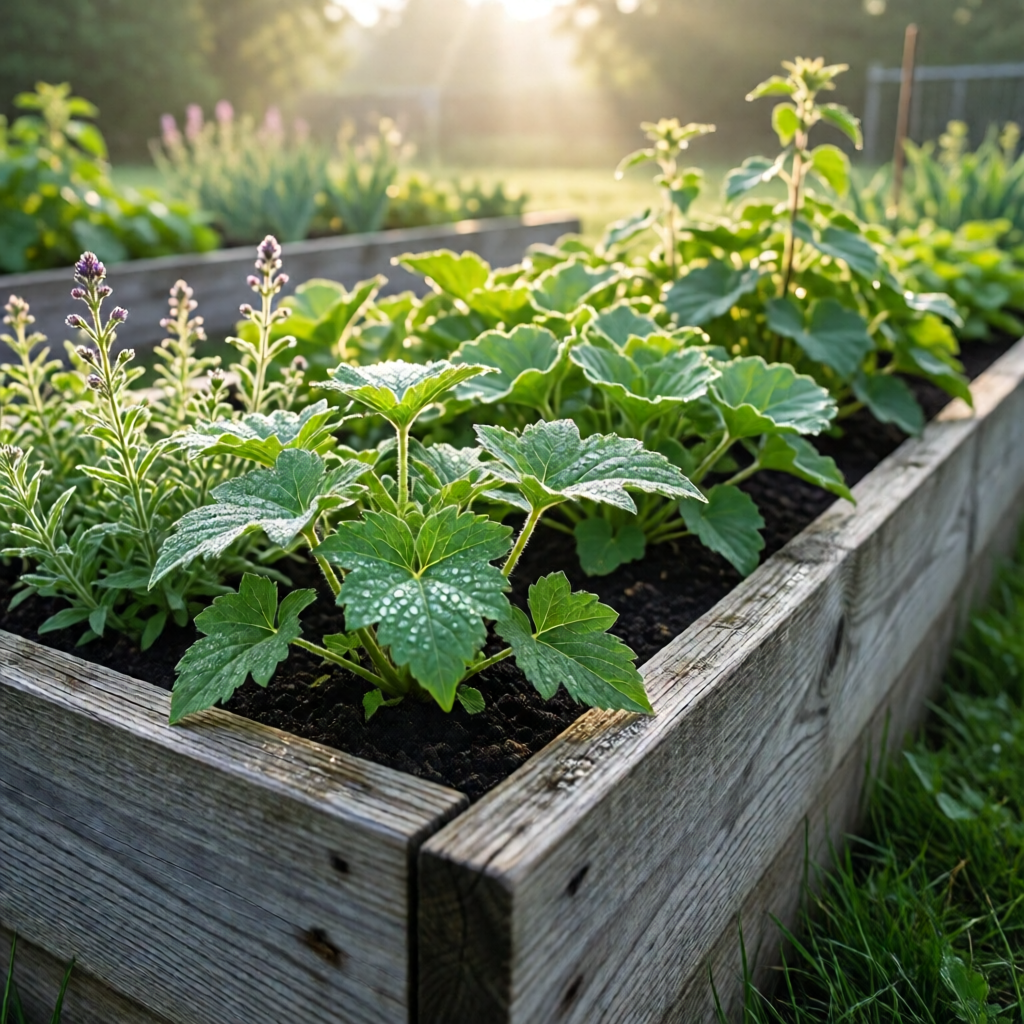
Raised garden beds are a fantastic way for beginners to dive into home gardening with confidence, control, and creativity. Whether you have a small backyard, a sunny balcony, or a patch of unused lawn, a raised bed can transform the space into a productive oasis. In this guide we’ll explore practical tips, expert advice, and actionable ideas that will help you design, build, and maintain a raised garden bed that thrives season after season.
Why Choose Raised Garden Beds?
Raised beds offer several advantages that make them especially appealing to newcomers. First, they provide better soil structure because you can fill them with a custom blend of compost, peat, and vermiculite, eliminating the need to wrestle with compacted native soil. Second, drainage is improved, reducing the risk of waterlogged roots and encouraging healthy plant growth. Third, the defined edges keep weeds at bay and make garden maintenance less labor‑intensive. Finally, raised beds are ergonomically friendly – you’ll spend less time bending and kneeling, which is a major plus for gardeners of all ages and abilities.
Planning Your First Raised Bed
Choosing the Right Location
The success of your raised garden starts with placement. Look for a spot that receives at least six to eight hours of direct sunlight daily, as most vegetables and herbs thrive in full sun. Consider proximity to a water source; a nearby spigot or rain barrel will make regular watering simple. Also, think about wind exposure – a sheltered location can protect tender seedlings from harsh gusts.
Selecting Materials
There are many options for constructing a raised bed, each with its own aesthetic and durability. Untreated cedar and redwood are popular because they naturally resist rot and are safe for edible plants. If you prefer a budget‑friendly choice, recycled composite lumber or even reclaimed pallets can do the trick, just be sure they are free of chemicals. For a sleek, modern look, steel or galvanized metal frames are sturdy and can be reused year after year.
Determining Size and Shape
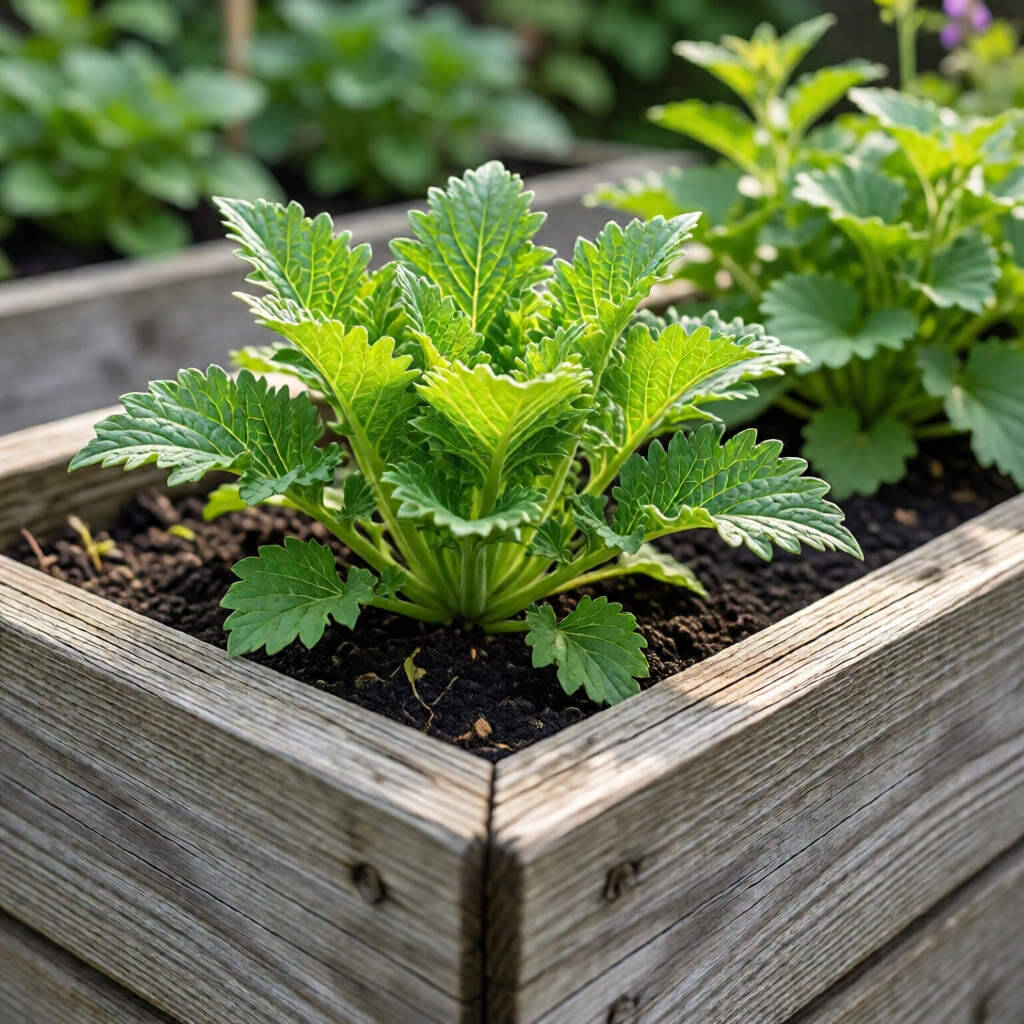
Beginners often wonder how big their bed should be. A common rule of thumb is to keep the width no more than four feet; this allows you to reach the center from any side without stepping on the soil. Length is flexible – 8 to 12 feet works well for most backyard spaces. For a unique touch, consider a rectangular, square, or even a L‑shaped design if you have an irregular planting area. Remember, the larger the bed, the more soil you’ll need to fill it, so balance size with your budget.
Building Your Raised Bed
Step‑by‑Step Construction Guide
1. Mark the perimeter: Use a garden hose or string to outline the shape on the ground.
2. Cut the lumber: Measure and cut your boards to the desired length, ensuring all corners are square.
3. Assemble the frame: Secure the corners with galvanized brackets or screws; if you’re using metal, weld or bolt the pieces together.
4. Level the base: Remove grass and weeds, then add a thin layer of cardboard or newspaper to suppress future weeds.
5. Fill with soil mix: Add your pre‑mixed soil blend, tamping lightly to eliminate large air pockets.
6. Install drainage: Place a few inches of coarse sand or small stones at the bottom before adding soil if your site tends to retain water.
Soil Mix for Beginners
A high‑quality soil mix is the heart of a productive raised bed. A simple, effective formula is:
- 40% high‑grade compost – provides nutrients and improves moisture retention.
- 30% peat moss or coconut coir – adds aeration and keeps the mix light.
- 30% coarse sand or perlite – ensures excellent drainage.
Blend these components thoroughly before filling the bed. Adding a slow‑release organic fertilizer at planting time will give your crops an extra boost.
Installing Drainage
Even with a well‑balanced soil mix, proper drainage prevents root rot. If your raised bed sits directly on compacted soil, drill a few ½‑inch holes in the bottom of the frame to allow excess water to escape. Adding a layer of crushed stone (about 2‑3 inches) at the base before the soil mix further enhances drainage, especially in areas with heavy rainfall.
Planting Ideas for Beginners
Easy Vegetables and Herbs
When you’re just starting out, choose crops that are forgiving and quick to harvest. Strawberries in raised beds are a perennial favorite, while lettuce, radishes, and baby carrots can be sown directly into the soil and harvested in under a month. Herbs such as basil, parsley, and chives thrive in the warm, well‑drained environment of a raised bed, offering fresh flavor for your kitchen all season long.
Companion Planting Basics
Companion planting can naturally deter pests and improve yields. Plant marigolds or nasturtiums at the edges of your bed to repel nematodes and aphids. Pair tomatoes with basil – the aromatic basil can boost tomato flavor and deter tomato hornworms. Similarly, beans fix nitrogen in the soil, benefiting leafy greens that follow them in a rotation.
Crop Rotation in Small Spaces
Even in a single raised bed, rotating crops each season helps maintain soil health. For example, start spring with leafy greens (lettuce, spinach), move to fruiting vegetables (zucchini, peppers) in summer, and finish with root crops (beets, carrots) in fall. This practice reduces disease buildup and ensures that the soil’s nutrient balance is replenished year after year.
Maintenance Tips
Watering Strategies
Consistent moisture is crucial for raised beds because they can dry out faster than in‑ground gardens. Install a drip irrigation system or soaker hoses to deliver water directly to the root zone, reducing evaporation and leaf wetness that can lead to disease. Aim for deep, infrequent watering – about 1 inch of water per week – rather than light, daily sprinklings.
Weed Management
Weeds compete with your vegetables for nutrients and water. Mulching with straw, shredded leaves, or wood chips creates a barrier that suppresses weed growth while retaining moisture. Re‑apply mulch each season to keep the bed tidy and to protect the soil from temperature fluctuations.
Seasonal Care
In spring, add a handful of well‑rotted compost to refresh nutrients. Summer may require additional watering and occasional shading for heat‑sensitive crops. In fall, remove spent plants, turn the soil, and add a cover crop like clover or winter rye to protect the soil over winter. In colder regions, consider using a row cover or a portable greenhouse to extend the growing season.
Creative Raised Bed Ideas
Tiered and Multi‑Level Beds
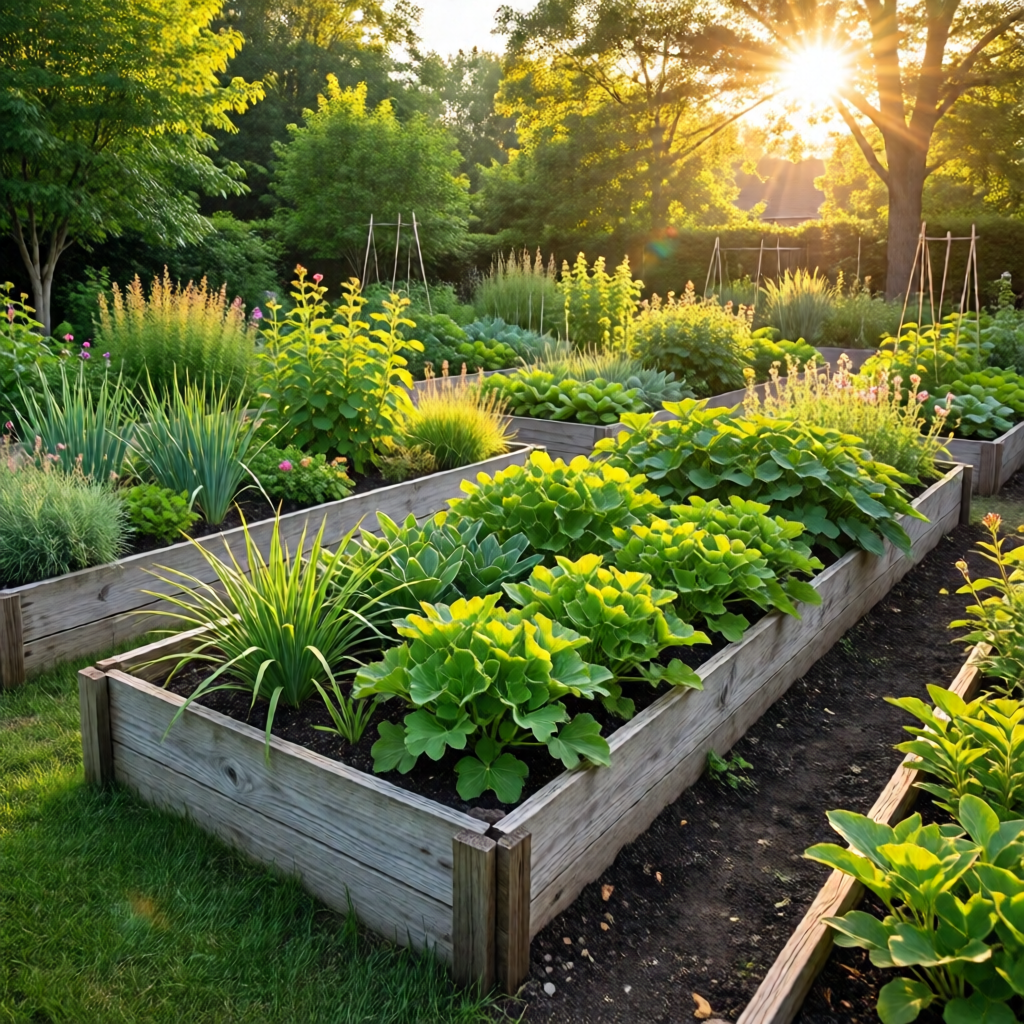
Tiered raised beds are perfect for small backyards or patio spaces. By stacking shallow boxes, you can grow shallow‑rooted herbs on the top tier and deeper‑rooted vegetables below. This design maximizes vertical space and adds visual interest, making your garden a focal point of the landscape.
Incorporating Trellises
Adding a trellis to the back of your raised bed opens up vertical growing opportunities for climbers like cucumbers, beans, and even peas. A sturdy trellis also provides support for heavy fruiting plants such as tomatoes and peppers, keeping the fruit off the soil and reducing disease risk.
Using Raised Beds for Flowers and Pollinators
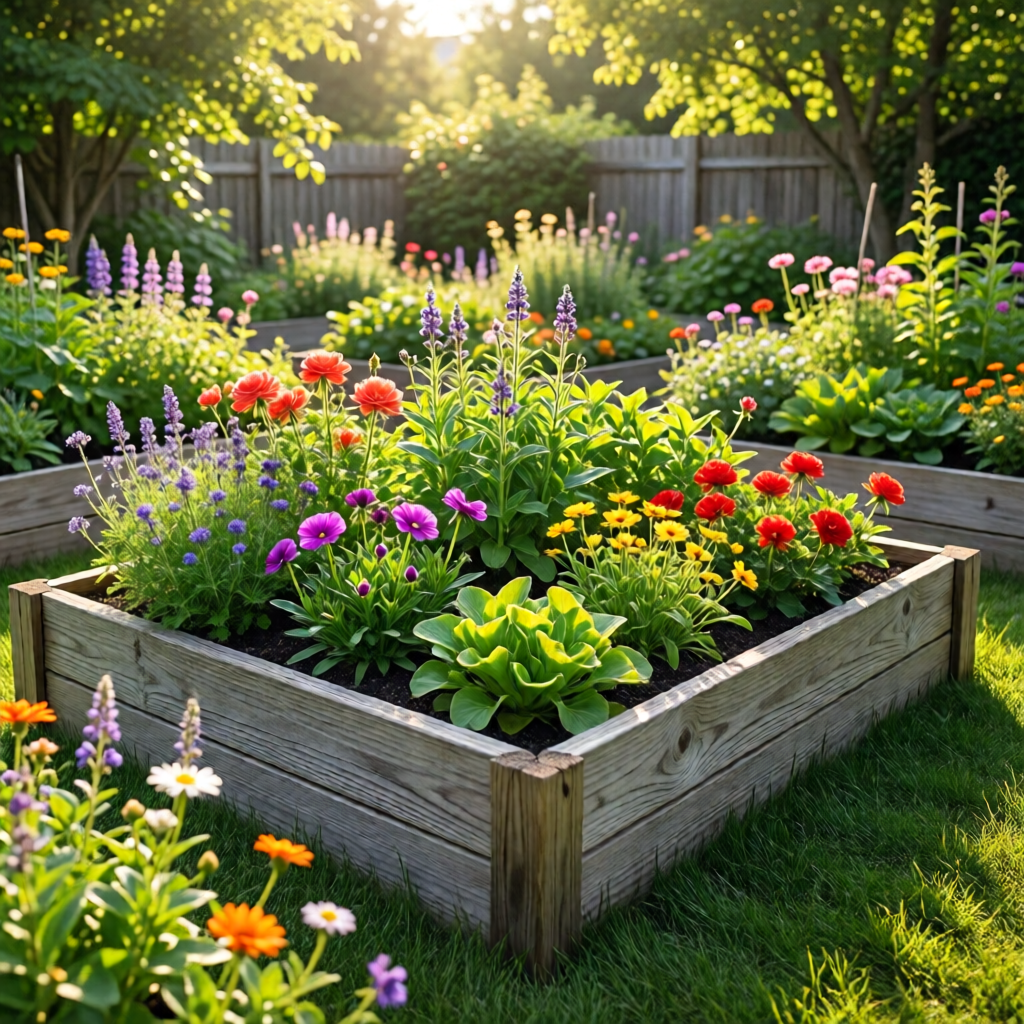
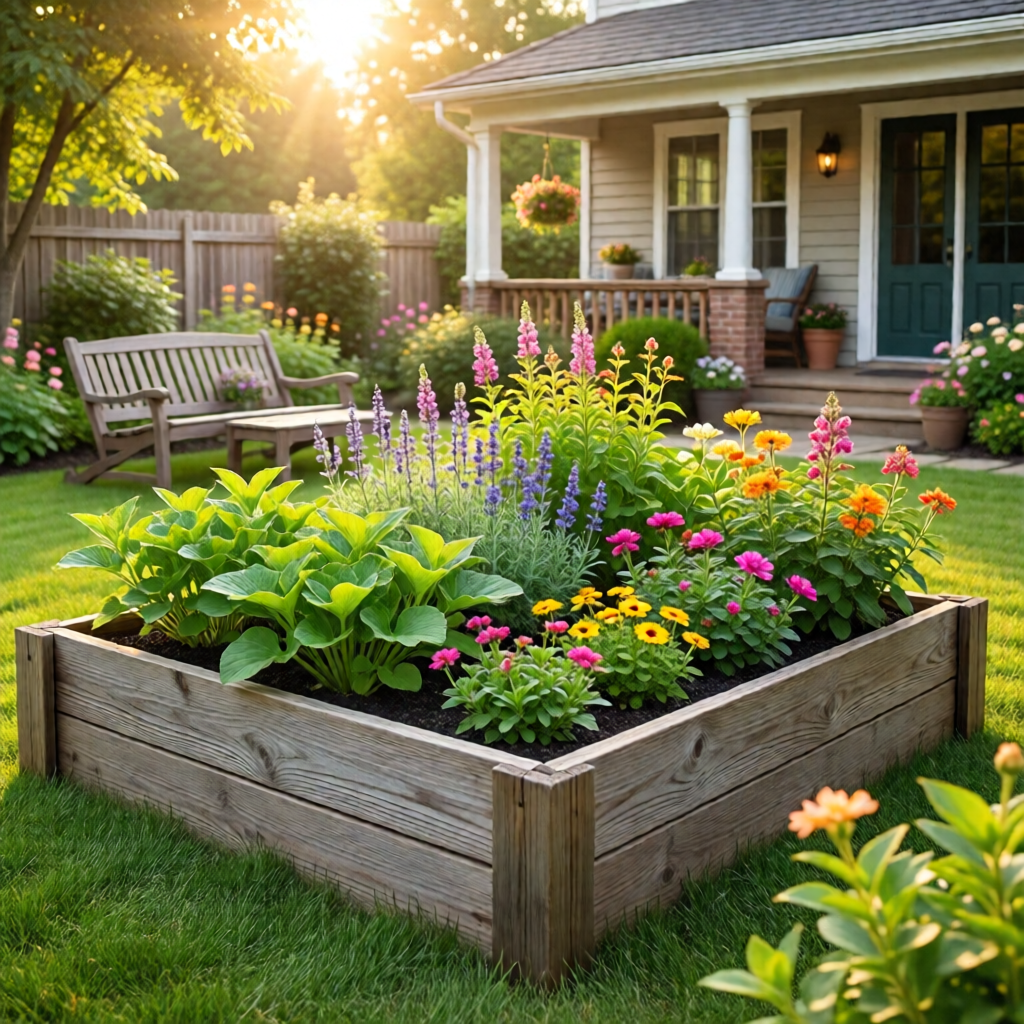
Mixing flowers with vegetables attracts beneficial insects that help control pests naturally. Planting marigolds, calendula, or lavender among your veggies creates a pollinator‑friendly environment and adds bursts of color to the garden. This approach not only improves plant health but also makes your raised bed a beautiful, multifunctional space.
Common Mistakes to Avoid
Even seasoned gardeners can stumble over a few pitfalls when working with raised beds. Avoid over‑filling the bed with heavy soil, which can strain the frame over time. Don’t neglect soil testing – a simple pH test can reveal if you need to amend the soil for optimal nutrient availability. Remember to rotate crops and not plant the same family in the same spot year after year, as this can lead to disease build‑up. Finally, be mindful of drainage; a soggy bed is a recipe for root rot, so always incorporate a proper drainage layer.
Resources and Further Reading
Ready to take the next step? Explore our best vegetables to grow in raised beds guide for detailed planting calendars, or check out our zucchini growing guide for beginners for a deep dive into one of the most rewarding summer crops. If you’re interested in expanding your garden beyond food, our privacy hedge ideas for backyard article offers creative ways to add structure and seclusion to your outdoor space. For tree lovers, learn the best time to plant trees and shrubs to ensure long‑term success.
What depth should a raised garden bed be for vegetables?
A depth of 12–18 inches works well for most vegetables, providing enough room for root development while keeping the soil light and well‑drained.
Can I use recycled pallets to build a raised bed?
Yes, as long as the pallets are heat‑treated (marked “HT”) and free of chemicals or paint. Sand them down to avoid splinters and line the interior with landscape fabric.
How often should I water a raised garden bed?
Aim for about 1 inch of water per week, delivering it deeply through drip irrigation or a soaker hose. Adjust frequency based on weather and soil moisture.
What are the best companion plants for tomatoes in a raised bed?
Basil, marigold, and carrots are excellent companions. Basil enhances flavor and deters pests, marigolds repel nematodes, and carrots improve soil structure.
Do I need to fertilize raised beds every season?
Adding a balanced organic fertilizer or compost at planting time is usually sufficient. For heavy feeders like tomatoes, supplement with a side‑dressing of compost mid‑season.