When it comes to indoor gardening, consistency is the secret sauce that turns a hopeful sprout into a thriving, oxygen‑boosting centerpiece. One of the most reliable ways to achieve that consistency is by using self‑watering planters, a smart solution that blends technology with horticultural intuition. Whether you’re a busy professional, a parent juggling school runs, or a seasoned plant enthusiast looking to simplify care, self‑watering containers can keep soil moisture balanced, reduce daily watering chores, and ultimately help your indoor plants flourish year after year.
Understanding Self‑Watering Planters: How Do They Work?
Self‑watering planters, sometimes called reservoir or sub‑irrigation containers, feature a built‑in water storage compartment that sits beneath the soil. A wicking system—usually a porous fabric, cotton rope, or a specially designed soil mix—draws water upward through capillary action, delivering moisture directly to the root zone as needed. This mimics natural rain cycles, allowing roots to access water without becoming waterlogged.
Most designs incorporate a visible water level indicator, a valve or a simple overflow hole to prevent overfilling, and a detachable reservoir for easy refilling. The result is a low‑maintenance ecosystem that automatically adjusts to variations in temperature, humidity, and plant growth stages.
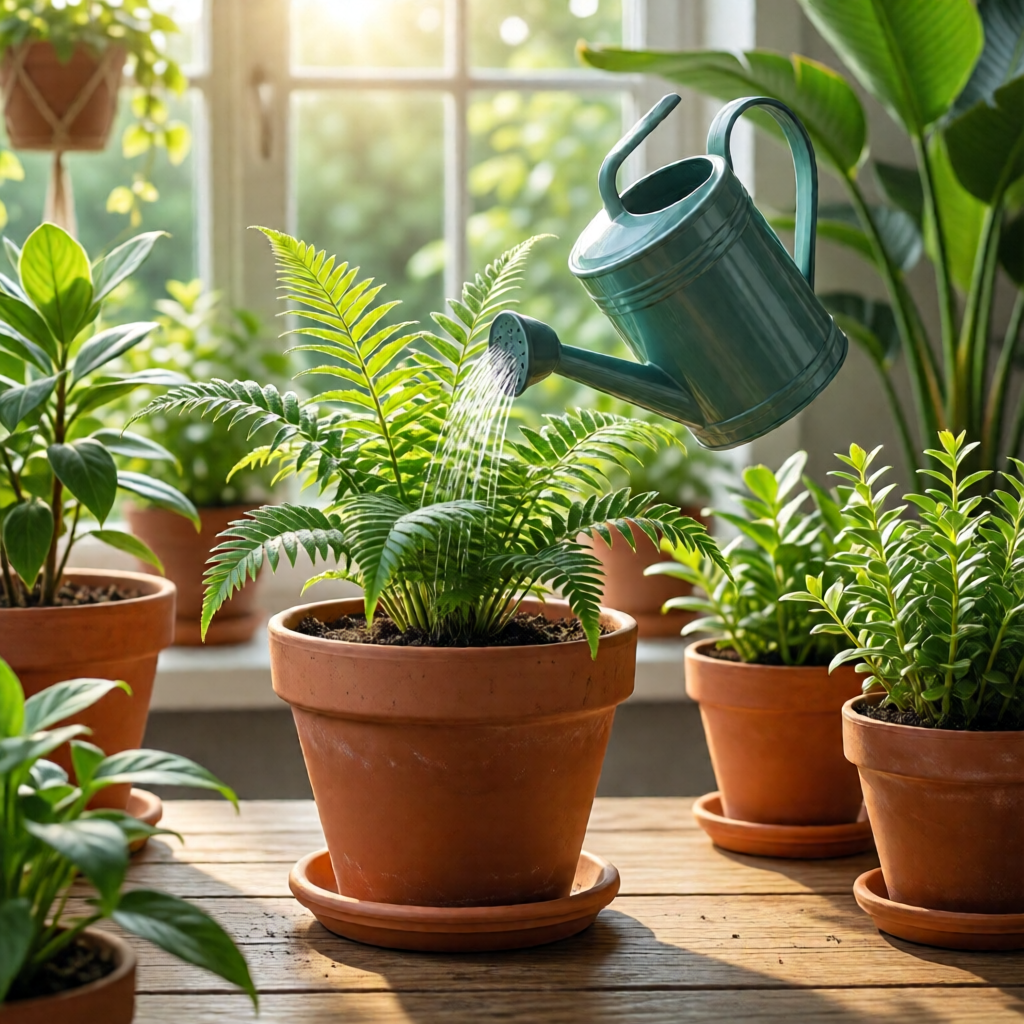
Key Benefits of Using Self‑Watering Planters Indoors
1. Consistent Moisture Levels – By providing a steady supply of water, these planters reduce the risk of both under‑watering and over‑watering, two common pitfalls for indoor gardeners.
2. Time Savings – A single refill can keep a plant hydrated for up to two weeks, freeing you from daily watering checks and allowing you to focus on other household tasks.
3. Healthier Root Systems – Roots stay in their optimal moisture zone, encouraging deeper growth and stronger anchorage, which is especially beneficial for larger indoor specimens.
4. Reduced Water Waste – The reservoir stores only the amount of water the plant needs, minimizing runoff and evaporation compared to traditional saucer methods.
5. Versatility Across Plant Types – From air‑purifying snake plants to delicate indoor ferns, many species thrive when their water needs are met consistently.
Choosing the Right Self‑Watering Planter for Your Space
When selecting a self‑watering container, consider the following factors to match both your aesthetic preferences and the specific requirements of your indoor garden:
Size and Capacity
Measure the mature size of your plant’s root ball and choose a planter with a reservoir that can hold at least 10‑20% of the soil volume. For larger foliage plants like Monstera or fiddle‑leaf fig, a 2‑liter reservoir offers a comfortable buffer.
Material
Common materials include ceramic, plastic, and woven natural fibers. Ceramic offers a classic look and is porous, helping regulate temperature, while high‑quality BPA‑free plastic is lightweight and often more affordable.
Design Features
Look for clear water level windows, removable trays, and overflow holes that prevent root rot. Some premium models also integrate a built‑in fertilizer dispenser, allowing you to feed your plants while you water.

Step‑by‑Step Guide to Setting Up a Self‑Watering Planter
Follow these practical steps to ensure a flawless setup that maximizes the benefits of your new container:
- Prepare the Reservoir – Rinse the water compartment with clean tap water to remove any manufacturing residues.
- Add a Wicking Layer – Place a piece of cotton rope or a pre‑cut wicking fabric that bridges the reservoir and the soil surface. Ensure the wick touches both the water and the soil.
- Fill with Soil Mix – Use a well‑draining potting mix blended with perlite or orchid bark. For self‑watering planters, a mix with slightly higher peat content helps retain moisture without becoming soggy.
- Plant Your Specimen – Gently position your indoor plant, making sure the roots are in contact with the wick. Fill around the plant, firming the soil lightly.
- Fill the Reservoir – Add water until it reaches the indicated level, then replace the lid or cover. Check for any leaks.
- Monitor and Adjust – In the first week, observe the soil surface. If it feels too dry, add a bit more water; if it stays soggy, reduce the reservoir fill.
Maintenance Tips: Keeping Your Self‑Watering Planter Healthy
Even the most sophisticated system requires occasional attention. Below are expert‑approved maintenance practices to extend the life of both your planter and plants:
Regular Reservoir Checks
Inspect the water level every 3‑5 days during the hottest months and every 7‑10 days in cooler periods. Refill as needed, but avoid overfilling beyond the recommended maximum line.
Cleaning the Wick
Every 2‑3 months, remove the wick and rinse it to prevent algae buildup, which can clog the capillary pathways and reduce water flow.
Seasonal Soil Refresh
During the spring growth surge, gently lift the plant, replace the top 1‑2 inches of soil with fresh mix, and top up the reservoir. This replenishes nutrients and improves aeration.
Watch for Signs of Stress
Yellowing leaves may indicate over‑watering, while crispy leaf edges suggest the reservoir is too low. Adjust water levels accordingly.

Best Indoor Plants for Self‑Watering Containers
Not every indoor plant needs a self‑watering system, but many popular species benefit greatly from the consistent moisture. Here are top picks that thrive in these planters:
- Snake Plant (Sansevieria) – Extremely tolerant of fluctuating moisture, it still appreciates the steady hydration for optimal growth.
- Peace Lily (Spathiphyllum) – Loves moist soil; a self‑watering planter helps maintain the humidity it craves.
- ZZ Plant (Zamioculcas zamiifolia) – Though drought‑tolerant, it responds well to regular moisture, especially in low‑light rooms.
- Spider Plant (Chlorophytum comosum) – Benefits from constant moisture for faster leaf production.
- Boston Fern (Nephrolepis exaltata) – Check out our indoor fern varieties and care guide for detailed fern tips; these ferns love the humid environment a self‑watering system provides.
For those seeking air‑purifying options, explore the best air purifying indoor plants list, many of which are compatible with self‑watering setups.
Integrating Self‑Watering Planters into Low‑Light Spaces
Low‑light rooms often host plants that are more tolerant of irregular watering. Pairing them with self‑watering planters can enhance their resilience. Consider these low‑light champions:
- Philodendron varieties
- Pothos (Epipremnum aureum)
- Cast Iron Plant (Aspidistra elatior)
- Chinese Evergreen (Aglaonema)
These selections also appear in our best indoor plants for low light rooms article, offering a comprehensive view of lighting needs.
Common Mistakes to Avoid with Self‑Watering Planters
Even with a foolproof system, beginners can stumble. Here are the most frequent errors and how to prevent them:
Overfilling the Reservoir
Filling beyond the indicated maximum can cause water to seep into the soil surface, leading to root rot. Always adhere to the manufacturer’s fill line.
Using the Wrong Soil Mix
A heavy, non‑draining mix defeats the purpose of a self‑watering planter. Opt for a lightweight, well‑aerated blend that balances water retention and drainage.
Neglecting the Wick
Without regular cleaning, the wick can become clogged with mineral deposits, reducing water flow. Schedule monthly maintenance.
Ignoring Plant Growth
As plants mature, their root systems expand and may outgrow the existing wick. Adjust by adding a longer wick or upgrading to a larger reservoir.
DIY Self‑Watering Planter Ideas for the Creative Gardener
If you love a hands‑on approach, crafting your own self‑watering container can be both rewarding and cost‑effective. Here’s a simple DIY using a plastic storage bin:
- Choose a bin with a tight‑fitting lid.
- Drill a small hole near the bottom for an overflow drain.
- Cut a slit in the side to insert a cotton rope that reaches from the bottom to the soil surface.
- Place a decorative inner pot with drainage holes inside the bin, ensuring the rope extends into the pot’s soil.
- Fill the outer bin with water, close the lid, and add soil to the inner pot.
Finish with a stylish fabric cover or paint to match your interior décor. This DIY version works well for small herbs, succulents, or starter seedlings.
When to Upgrade: Signs It’s Time for a Larger Reservoir
Your plant might outgrow its current home. Look for these indicators that an upgrade is due:
- Consistently low water levels despite frequent refills.
- Roots visibly circling the bottom of the inner pot.
- Stunted growth during the peak growing season.
Transitioning to a larger planter not only supports healthy root development but also reduces the frequency of water checks, keeping your indoor garden low‑maintenance.
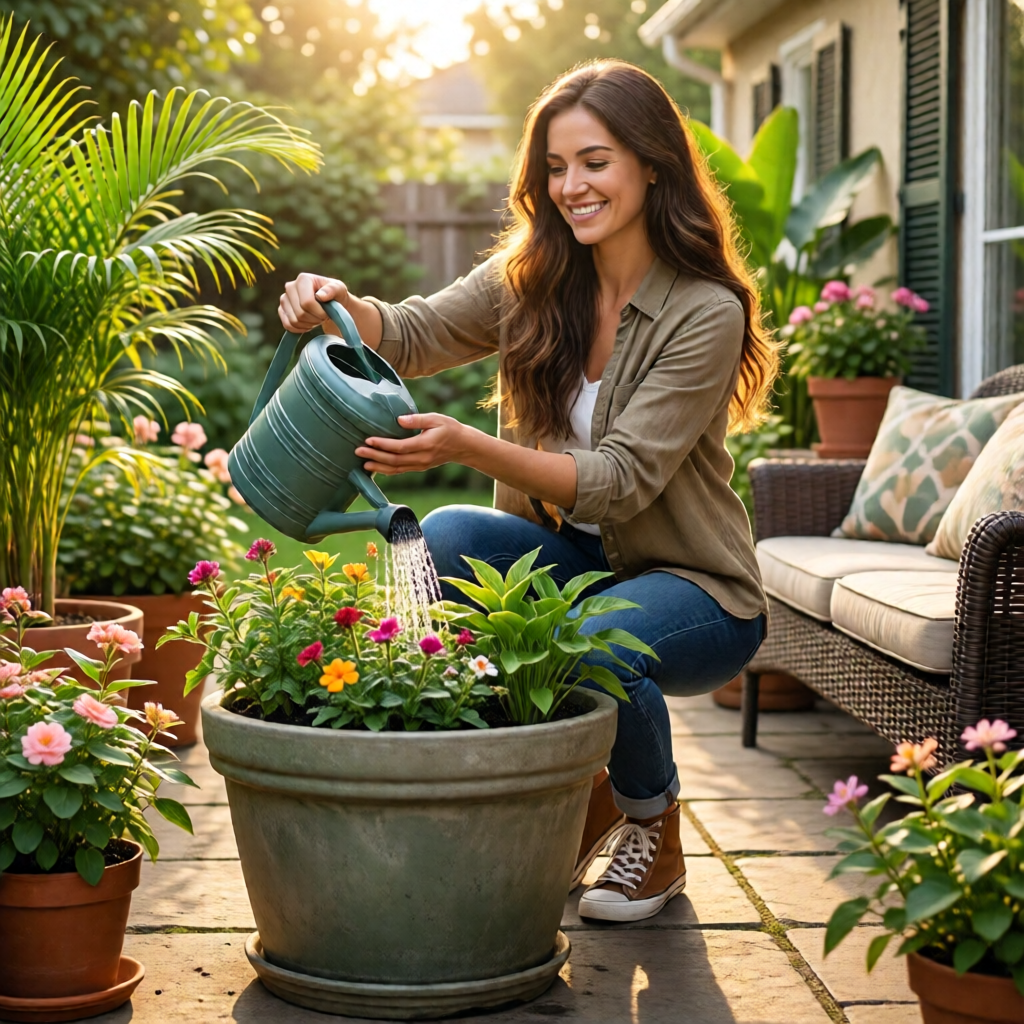
Environmental Impact: Why Self‑Watering Planters Are a Sustainable Choice
Beyond convenience, these planters contribute to eco‑friendly indoor gardening:
Reduced Water Consumption
By delivering water directly to the root zone, they eliminate excess runoff and evaporation, saving up to 30% of water compared to traditional watering.
Longer Plant Lifespan
Consistent moisture reduces plant stress, leading to fewer replacements and less waste over time.
Potential for Reuse
Many models are built from recycled plastics or biodegradable materials, aligning with sustainable home practices.
Buying Guide: Top Features to Look for in 2026
As the market evolves, new features enhance user experience. Here are the most sought‑after attributes for this year’s best self‑watering planters:
- Smart Sensors – Bluetooth‑enabled moisture sensors that send alerts to your phone when the reservoir is low.
- Modular Design – Stackable units that allow you to expand your indoor garden vertically.
- Eco‑Friendly Materials – Planters made from recycled ocean plastics or sustainably sourced ceramics.
- Integrated Fertilizer Pods – Built‑in compartments that release nutrients gradually as water flows through.
Popular brands now offer warranty programs, ensuring your investment lasts for years. When shopping, compare warranty lengths, customer reviews, and the availability of replacement parts like wicks and lids.
Pairing Self‑Watering Planters with Other Indoor Gardening Techniques
Combine the benefits of self‑watering containers with complementary practices for an even more vibrant indoor garden:
Mulching
Adding a thin layer of decorative pebbles or coconut coir on top of the soil helps retain surface moisture and reduces dust.
Companion Planting
Group plants with similar water needs together; for instance, pair a peace lily with a pothos in the same reservoir for efficient water use.
Seasonal Feeding
During active growth phases, use a balanced, water‑soluble fertilizer mixed into the reservoir water. For flowering species like lavender, consult our lavender care and pruning guide for specific feeding schedules.
Conclusion: Elevate Your Indoor Garden with Self‑Watering Planters
Self‑watering planters bridge the gap between a busy lifestyle and a thriving indoor oasis. By delivering consistent moisture, reducing maintenance time, and supporting a wide variety of houseplants, they empower you to enjoy the benefits of greenery without the guesswork. Whether you opt for a sleek, high‑tech ceramic model or a DIY plastic bin, the key is to choose a system that matches your plant’s needs and your aesthetic preferences. With the practical tips, expert advice, and actionable steps outlined above, you’re well equipped to select, set up, and maintain the perfect self‑watering planter—transforming any room into a lush, healthy sanctuary.
What types of indoor plants thrive most in self‑watering planters?
Plants that prefer consistently moist soil, such as peace lilies, spider plants, Boston ferns, and many air‑purifying varieties, perform exceptionally well in self‑watering planters. Even drought‑tolerant species like snake plants benefit from the steady moisture, especially during hot indoor periods.
How often should I refill the reservoir in a self‑watering planter?
Refill frequency depends on the plant’s size, the reservoir capacity, and indoor climate. Typically, a small to medium plant needs a top‑up every 5‑7 days in summer and every 10‑14 days in cooler months. Always check the water‑level indicator before refilling.
Can I use regular potting soil in a self‑watering planter?
Yes, but it’s best to blend standard potting mix with perlite, vermiculite, or coarse sand. This improves drainage while still allowing the wick to draw water upward. A mix with 30% peat, 30% perlite, and 40% compost is a good balance.
Do self‑watering planters work for succulents and cacti?
Succulents and cacti prefer drier conditions, so a self‑watering planter should be used with caution. Choose a model with a very small reservoir and a highly absorbent wick, and monitor soil moisture closely to avoid rot.
How can I make a self‑watering planter more sustainable?
Select planters made from recycled or biodegradable materials, use a natural cotton wick, and refill with rainwater or filtered tap water. Additionally, pairing the planter with a composting indoor system reduces waste and enriches soil over time.