Shade gardens are a hidden treasure for gardeners who want to create lush, vibrant spaces under trees, beside buildings, or in any area that receives limited direct sunlight. While many gardeners focus on sunny borders filled with roses and tomatoes, a well‑planned shade garden can become a sanctuary of texture, color, and wildlife, offering a cool retreat during hot summer days. In this comprehensive guide we’ll explore practical tips, expert advice, and actionable ideas to help you design, plant, and maintain a stunning shade garden that thrives in the low‑light conditions common across the United States.
Understanding Shade in the Garden
Before you start selecting plants, it’s essential to understand the type and intensity of shade you have. Shade isn’t a one‑size‑fits‑all condition; it ranges from deep, dappled shade under mature trees to light shade that receives filtered morning sun. Most shade gardens fall into three categories:
Full Shade (0–2 hours of direct sun)
Areas that receive less than two hours of direct sunlight per day, typically under dense canopy trees or on the north side of structures. Plants here must tolerate low photosynthetic rates and often have larger, thinner leaves to capture limited light.
Partial Shade (2–4 hours of direct sun)
These spots get a few hours of morning or late‑afternoon sun, creating a gentle balance that supports a broader range of species, including many ferns, hostas, and certain perennials that can handle brief sun bursts.
Filtered Light (dappled sunlight throughout the day)
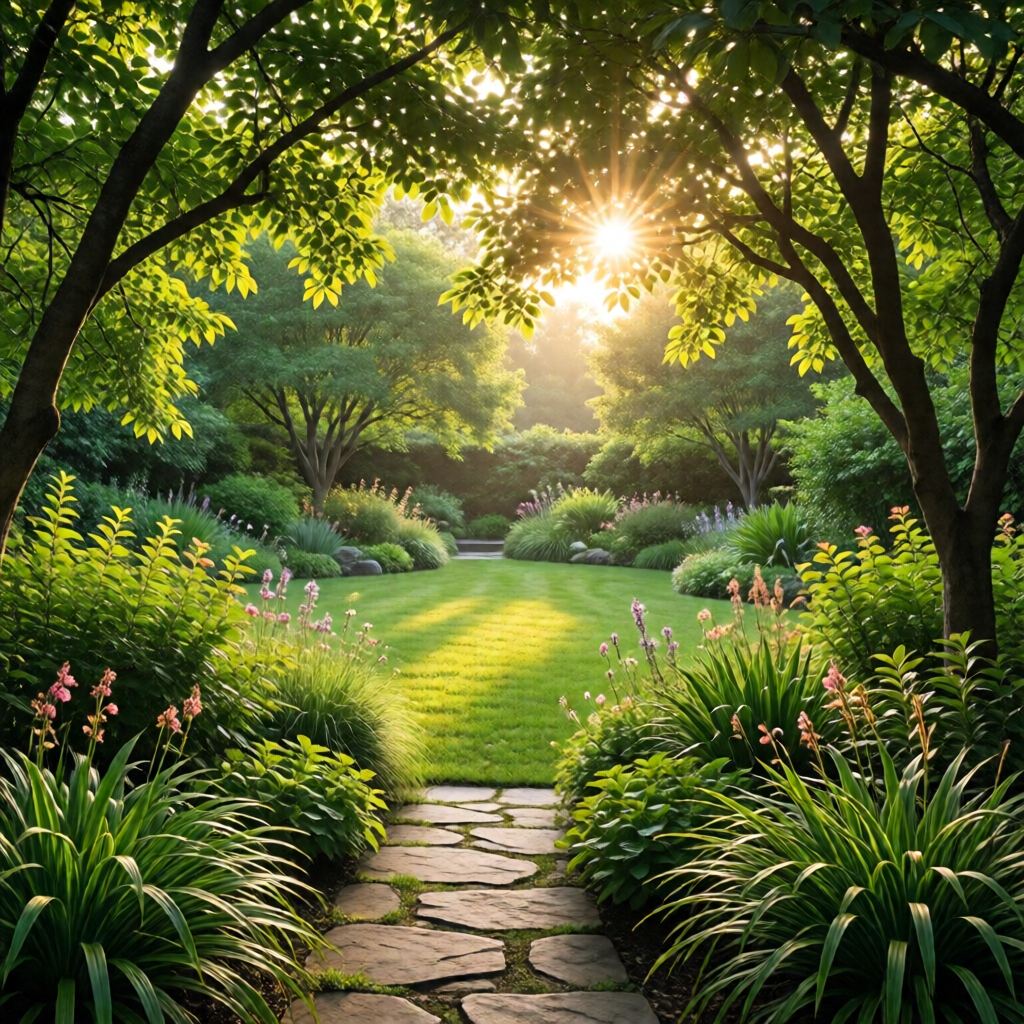
Often found under trees with a light canopy or near pergolas, filtered light mimics a natural forest floor. This environment is ideal for plants that love bright, indirect light, such as bleeding hearts and astilbes.
Choosing the Right Plants for Shade
Selecting plants that thrive in low‑light conditions is the cornerstone of a successful shade garden. While many gardeners assume shade limits options, there is a surprising variety of hardy perennials, annuals, shrubs, and even small trees that flourish without full sun.
Perennial Favorites
Hostas are the quintessential shade perennials, offering a plethora of leaf colors—from deep chocolate to bright chartreuse—and sizes ranging from tabletop to garden‑border height. Ferns such as Japanese painted fern (Athyrium niponicum) and lady fern (Athyrium filix-femina) add delicate fronds that sway in the breeze. Astilbe, with its feathery plumes in pink, red, or white, provides a splash of color that contrasts beautifully with dark foliage.
Shade‑Tolerant Annuals
For quick seasonal impact, consider annuals like impatiens, brilliant begonias, and coleus. These plants deliver vivid hues and can fill gaps while perennials establish. Seedlings of dead‑nettle (Lamium maculatum) also perform well, offering variegated foliage and occasional pink blossoms.
Shrubs and Small Trees
When space allows, incorporate shade‑tolerant shrubs such as Rhododendron, Azalea, or Hydrangea paniculata. These provide structure, winter interest, and a backdrop for lower‑lying perennials. Small trees like Japanese maple (Acer palmatum) or serviceberry (Amelanchier spp.) can create layered canopies that enhance the overall micro‑climate.
Design Ideas for Shade Gardens
Designing a shade garden is about more than planting; it’s about arranging textures, colors, and forms to create visual interest throughout the year. Below are actionable design concepts you can adapt to any space.
Layered Planting for Depth
Start with taller plants in the back or center, such as dwarf Japanese maples or tall hostas, then layer mid‑height perennials like astilbe, and finish with low‑growing groundcovers like sweet woodruff (Galium odoratum) or calathea care guide for beginners for a lush carpet. This tiered approach mimics a forest understory and creates a sense of depth.
Pathways and Seating Nooks
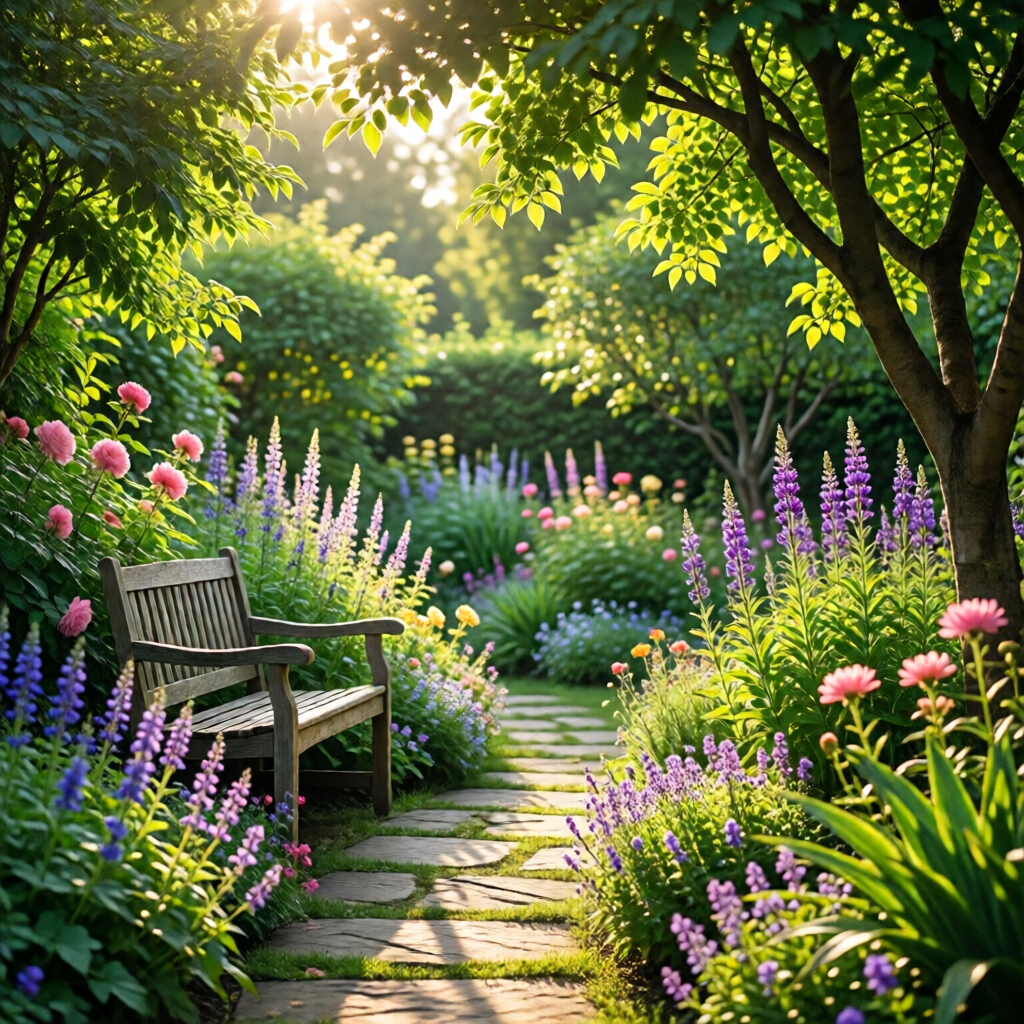
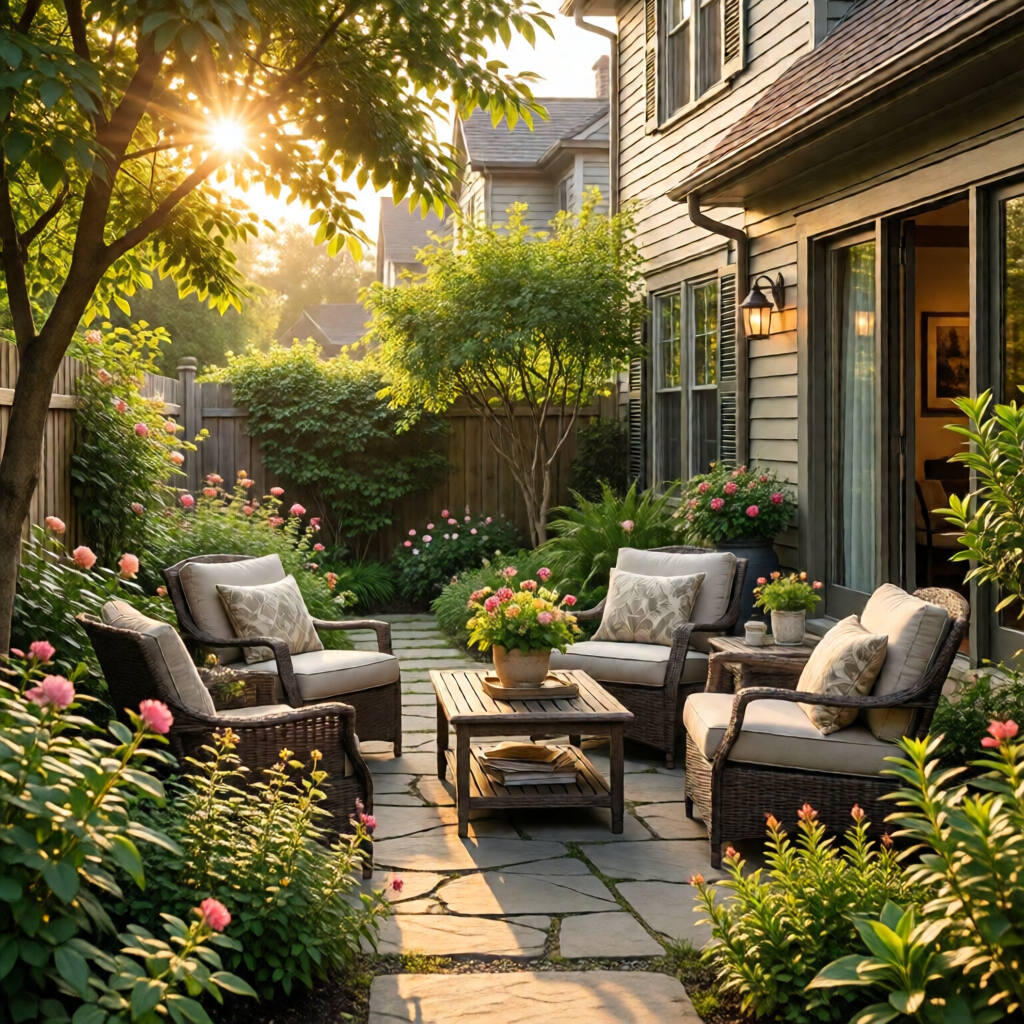
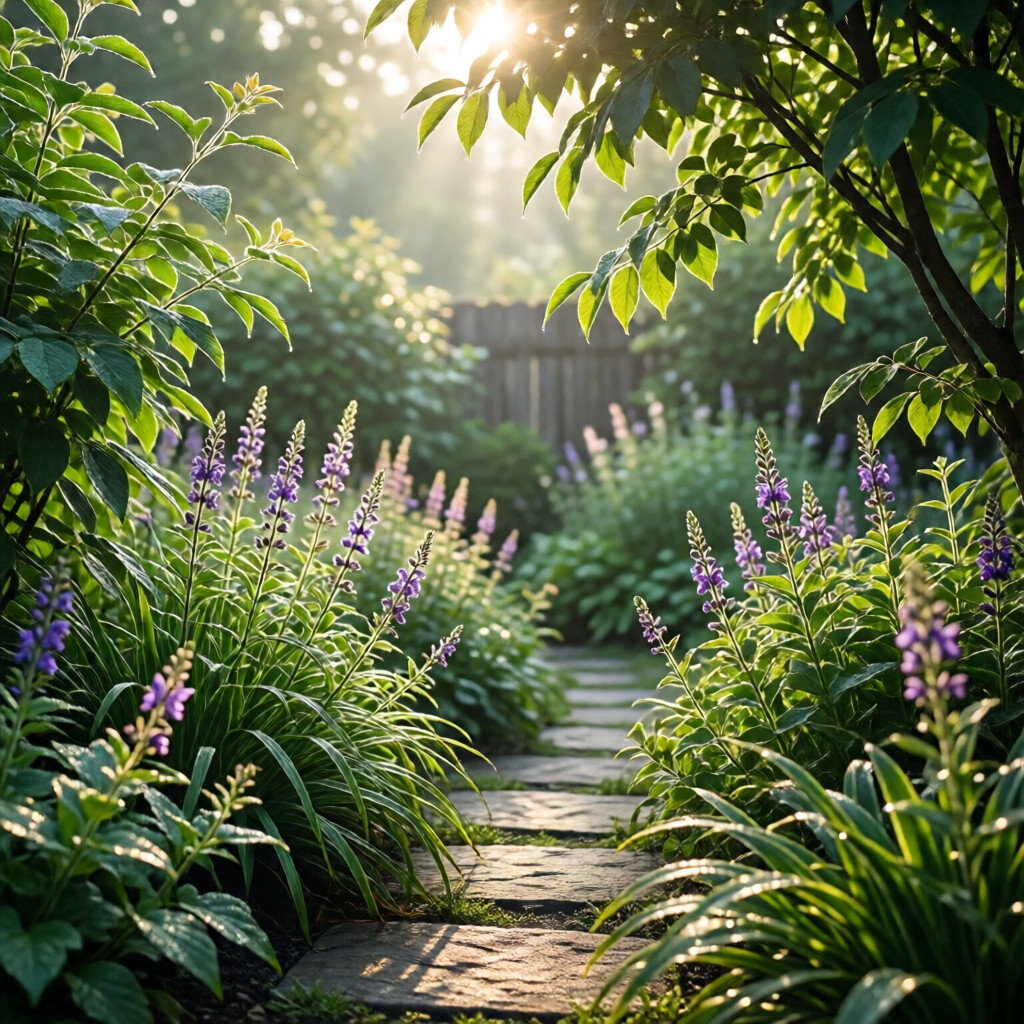
Integrate stone or bark pathways that wind through the shade garden, allowing you to enjoy the subtle changes in light and texture. Adding a bench or a simple bistro set encourages mindfulness and makes the garden a functional retreat. Use low‑profile edging to keep the focus on plantings rather than hardscape.
Container Gardens for Flexibility
If you have limited ground space or want to experiment before committing, try shade‑loving containers. Choose wide, shallow pots for ferns and hostas, and place them on patios, decks, or under pergolas. Rotate containers seasonally to prevent soil compaction and to refresh the visual palette.
Incorporating Water Features
A modest pond, birdbath, or even a bamboo water fountain adds soothing sounds and attracts pollinators, even in low‑light zones. Position the water element where it can catch dappled sunlight for a glimmering effect, and surround it with moisture‑loving plants like marsh marigold (Caltha palustris).
Soil Preparation and Mulching
Shade gardens often have compacted, nutrient‑poor soils because leaf litter can create a thin, acidic layer. Improving soil structure is vital for root health and water retention. Begin by loosening the top 12‑18 inches with a garden fork, then incorporate organic matter such as compost, leaf mold, or aged manure. Aim for a soil pH of 5.5–6.5 for most shade‑loving perennials; you can test and amend accordingly with lime or sulfur.
Mulching is especially important in shade because it conserves moisture, suppresses weeds, and gradually enriches the soil as it decomposes. Use shredded bark, pine needles, or leaf mulch. For a decorative touch, consider a mix of dark mulch with lighter-colored stone chips. Follow our mulching tips for flower beds for best practices.
Maintenance Tips for a Thriving Shade Garden
Even low‑maintenance plants require regular attention to stay vigorous. Here are expert recommendations to keep your shade garden flourishing year after year.
Watering Strategies
Shade reduces evaporation, so over‑watering is a common mistake. Water deeply but infrequently, aiming for the soil to dry slightly between sessions. Early morning watering minimizes fungal risks. In the hot, humid summer months, a drip irrigation system with a moisture sensor can automate the process and conserve water.
Fertilization Schedule
Because many shade plants are adapted to low‑nutrient environments, they don’t need heavy feeding. Apply a balanced, slow‑release fertilizer in early spring and again in late summer, or use organic options like fish emulsion or compost tea. Avoid high‑nitrogen fertilizers that can promote weak, leggy growth.
Pruning and Division
Annual pruning of dead foliage improves air circulation and reduces disease pressure. Divide clumping perennials such as hostas and astilbes every 3–4 years in early spring to rejuvenate growth and prevent overcrowding. When dividing, trim back the roots by one‑third and replant at the same depth.
Pest and Disease Management
Shade gardens can be prone to fungal diseases like leaf spot and powdery mildew due to reduced airflow. Promote good circulation by spacing plants properly and pruning for openness. Use copper‑based fungicides or organic neem oil as a preventative measure, and remove infected leaves promptly.
Creative Themes for Shade Gardens
Beyond functional planting, you can give your shade garden a distinct personality by embracing specific design themes. Below are three popular concepts that work beautifully in low‑light settings.
Japanese Garden Ideas for Small Spaces
Japanese gardens emphasize simplicity, natural materials, and subtle color palettes. In a shade garden, use moss, small stone lanterns, and bamboo fencing to evoke a tranquil atmosphere. Pair shade‑loving plants like Japanese painted fern, hostas, and small maples with a modest water basin or koi pond. For more inspiration, explore our japanese garden ideas for small spaces.
Rock Garden Landscaping Ideas
Rock gardens can add texture and visual contrast, even under trees. Use a mix of slate, river rock, and boulders to create raised planting islands. Choose shade‑tolerant succulents such as Sedum ‘Angelina’ and hardy ferns that can nestle among the stones. This style works well on sloped terrain where soil drainage is naturally better. Check out our rock garden landscaping ideas for more details.
Butterfly Garden Design Layout
While butterflies generally prefer sunny spots, certain species like the Mourning Cloak and the Great Spangled Fritillary will visit shaded edges for nectar and host plants. Incorporate shade‑loving nectar sources such as native violets, columbine, and bleeding hearts. A well‑planned butterfly garden design layout can extend into the shade, providing year‑round interest and supporting pollinator diversity.
Seasonal Interest in Shade Gardens
One of the joys of shade gardening is the ability to enjoy the garden throughout all four seasons. By selecting a mix of foliage, bloom times, and structural plants, you can ensure there’s always something to admire.
Spring Awakening
Early‑blooming perennials like spring bleeding heart (Dicentra spectabilis) and woodland phlox (Phlox divaricata) add delicate pastel colors as the canopy begins to leaf out. Pair these with emerging ferns and freshly unfurled hosta leaves for a fresh, vibrant start.
Summer Display
Mid‑season perennials such as astilbe, Japanese iris (Iris ensata), and tropical-looking calathea provide bold, saturated hues that stand out against the green backdrop. Add a splash of bright impatiens or begonias in containers for extra color intensity.
Fall Foliage
Many shade plants develop spectacular autumn foliage. Hostas turn copper, gold, or burgundy, while Japanese maples display fiery reds and oranges. Incorporating late‑season perennials like Japanese anemone (Anemone hupehensis) extends the bloom period into fall.
Winter Structure
Even in the cold months, shade gardens can be visually striking. Evergreen shrubs such as boxwood, holly, or dwarf conifers provide year‑round color. The sculptural forms of Japanese maples and the bark texture of birch trees become focal points when leaves have fallen.
Planting Calendar and Timeline
Timing your planting tasks ensures that shade plants establish strong root systems before the stresses of heat or cold. Below is a month‑by‑month guide for most USDA zones (4‑9).
- January–February: Plan garden layout, order seeds and containers, prune dormant shrubs.
- March–April: Start seeds indoors for hostas and ferns; prepare soil with compost; plant early spring perennials.
- May–June: Transplant seedlings after the last frost; install mulch; set up irrigation.
- July–August: Water deeply during dry spells; deadhead annuals; monitor for pests.
- September–October: Divide and relocate mature perennials; apply a light layer of mulch for winter protection.
- November–December: Clean up fallen leaves; protect tender plants with burlap or frost cloth; plan next year’s garden.
Budget‑Friendly Shade Garden Tips
Creating a beautiful shade garden doesn’t have to break the bank. Here are cost‑saving ideas that still deliver high impact.
- Use Native Plants: They’re adapted to local conditions, often requiring less water and fertilizer.
- Propagate Your Own: Divide hostas, astilbes, and ferns each spring to expand your garden for free.
- Recycle Materials: Repurpose old wooden pallets as raised beds, or use reclaimed stone for pathways.
- Leaf Mulch: Collect fallen leaves in autumn, shred them, and use as organic mulch instead of buying bark.
- Community Plant Swaps: Join local gardening clubs or Facebook groups to trade cuttings and seeds.
Integrating Wildlife Habitat
Shade gardens can become thriving habitats for birds, beneficial insects, and small mammals. By providing shelter, food, and water, you support biodiversity while enhancing the garden’s natural beauty.
Bird-Friendly Features
Install birdhouses on sturdy branches or on short posts, ensuring the entrance hole size matches target species. Provide seed feeders with high‑fat sunflower seeds, and place a shallow birdbath near the garden’s edge for easy access.
Attracting Beneficial Insects
Plant shade‑loving nectar sources like native violets, columbine, and bleeding hearts to lure pollinators and predatory insects such as ladybugs and lacewings. Adding a small pile of leaf litter offers overwintering sites for beneficial beetles.
Small Mammal Considerations
Groundcovers like sweet woodruff and creeping thyme can deter slugs while offering cover for ground‑nesting birds. If you notice deer browsing, use natural repellents like crushed garlic or install low fencing.
Common Mistakes to Avoid
Even seasoned gardeners can stumble when working with shade. Below are frequent pitfalls and how to correct them.
- Choosing Sun‑Loving Plants: Always verify a plant’s light requirements before purchase; mis‑planted roses or lavender will flounder.
- Over‑Watering: Shade retains moisture; check soil moisture before watering to prevent root rot.
- Neglecting Soil Amendment: Compacted, acidic soil hampers growth; regularly add compost and test pH.
- Insufficient Airflow: Plant spacing should allow wind to circulate, reducing fungal disease risk.
- Ignoring Seasonal Changes: Adjust watering and mulching practices as temperatures fluctuate throughout the year.
Final Thoughts: Your Shade Garden Journey
Shade gardens offer a unique canvas where texture, subtle color, and tranquility converge. By understanding the nuances of light, selecting the right plant palette, and applying thoughtful design principles, you can transform an overlooked corner into a vibrant, year‑round oasis. Remember to start small, experiment with containers or a single planting bed, and gradually expand as you gain confidence. With the practical tips, expert advice, and actionable steps outlined in this guide, you’re well‑equipped to create a shade garden that not only thrives but also becomes a cherished retreat for you, your family, and the wildlife that visits.
What are the best low‑maintenance plants for a full‑shade garden?
Hostas, Japanese painted ferns, astilbe, and shade‑tolerant groundcovers like sweet woodruff are excellent choices because they require minimal watering, can thrive in organic matter‑rich soils, and tolerate the low light conditions typical of full‑shade areas.
How often should I water my shade garden?
Water deeply once a week during moderate weather, allowing the top inch of soil to dry between waterings. In hot, dry spells increase frequency to twice a week, but always check soil moisture first to avoid over‑watering.
Can I grow vegetables in a shade garden?
Yes, but choose shade‑tolerant varieties such as leafy greens (lettuce, spinach), root crops (beets, carrots), and herbs like mint and parsley. Provide at least 2–4 hours of indirect light and amend the soil with plenty of compost for best results.
What mulch is best for retaining moisture in a shade garden?
Shredded bark, pine needles, or leaf mold are ideal because they decompose slowly, improve soil structure, and keep the root zone cool and moist without encouraging fungal growth.
How can I attract pollinators to a mostly shaded garden?
Plant shade‑loving nectar sources such as native violets, columbine, bleeding hearts, and woodland phlox. Add a shallow water feature and provide sunny edge habitats where butterflies and bees can bask before exploring the cooler shade.
2 réflexions au sujet de “Shade Garden Ideas – Expert Guide and Ideas”