Vertical vegetable gardening is transforming the way American gardeners think about space, especially in urban and suburban backyards where square footage is at a premium. By growing upward instead of outward, you can harvest fresh produce, improve air quality, and add a striking visual element to your garden. This guide walks you through practical tips, expert advice, and actionable ideas to create a thriving vertical garden that fits any style, from modern minimalist balconies to rustic farmhouse porches.
Why Choose a Vertical Vegetable Garden?
Vertical gardens maximize yield per square foot, making them ideal for small yards, patios, or even sunny kitchen walls. By stacking plants, you reduce soil erosion, improve drainage, and create microclimates that can protect tender seedlings from wind and pests. Additionally, vertical setups often require less watering because moisture can be directed more efficiently through drip systems or self-watering planters. The aesthetic appeal of lush, cascading greens also adds value to your property and can become a conversation starter during neighborhood gatherings.
Planning Your Vertical Garden Layout
Successful vertical gardening starts with a solid plan. Begin by assessing the amount of sunlight your chosen wall or structure receives—most vegetables need at least six hours of direct sun. Sketch a rough layout, noting the height of each tier, the weight-bearing capacity of walls, fences, or trellises, and the spacing requirements for each plant. Consider integrating companion planting principles; for example, planting basil alongside tomatoes can deter pests while enhancing flavor. When you’re ready, map out where you’ll place irrigation lines and drainage channels to ensure even water distribution.
Choosing the Right Structures
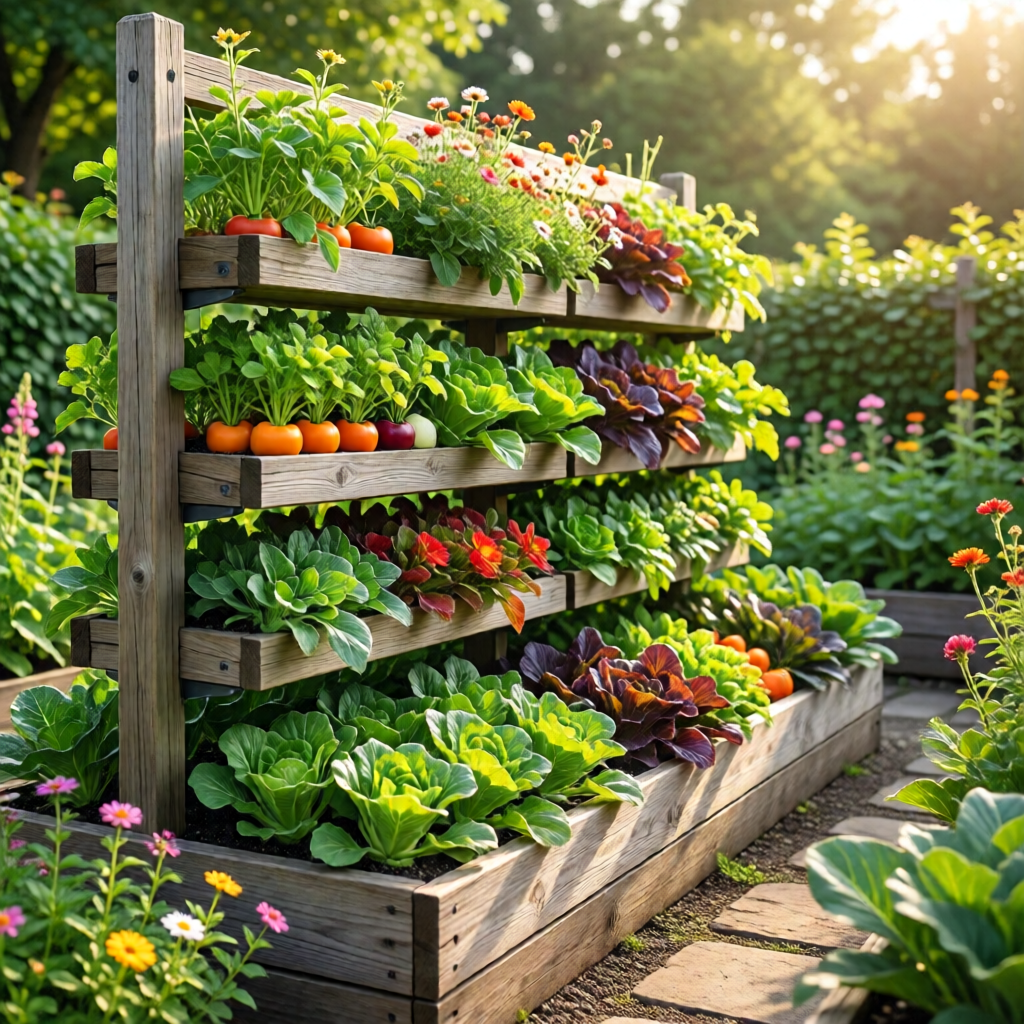
There are countless options for building a vertical garden framework, ranging from simple wooden pallet racks to sophisticated modular wall panels. For beginners, a sturdy wooden trellis or a series of reclaimed pallets can be an affordable, DIY-friendly start. More advanced gardeners might opt for metal lattice, stacked concrete blocks with built‑in pockets, or commercial vertical farming panels that come with integrated irrigation. Whatever you choose, ensure the material is rot‑resistant, UV‑stable, and capable of supporting the combined weight of soil, plants, and water.
When selecting a structure, keep in mind the types of vegetables you plan to grow. Heavy‑bearing crops like beans and cucumbers thrive on sturdy lattices, while lighter greens such as lettuce and herbs do well in pocket‑style planters.
Best Vegetables for Vertical Gardens
Not all vegetables are suited for vertical growth, but many garden staples excel when given a lift. Here’s a quick rundown of top performers:
Climbing Crops
Beans (pole varieties), cucumbers, peas, and pole tomatoes are natural climbers that love trellises. Provide a sturdy support system and prune regularly to keep vines manageable.
Compact and Bushy Varieties
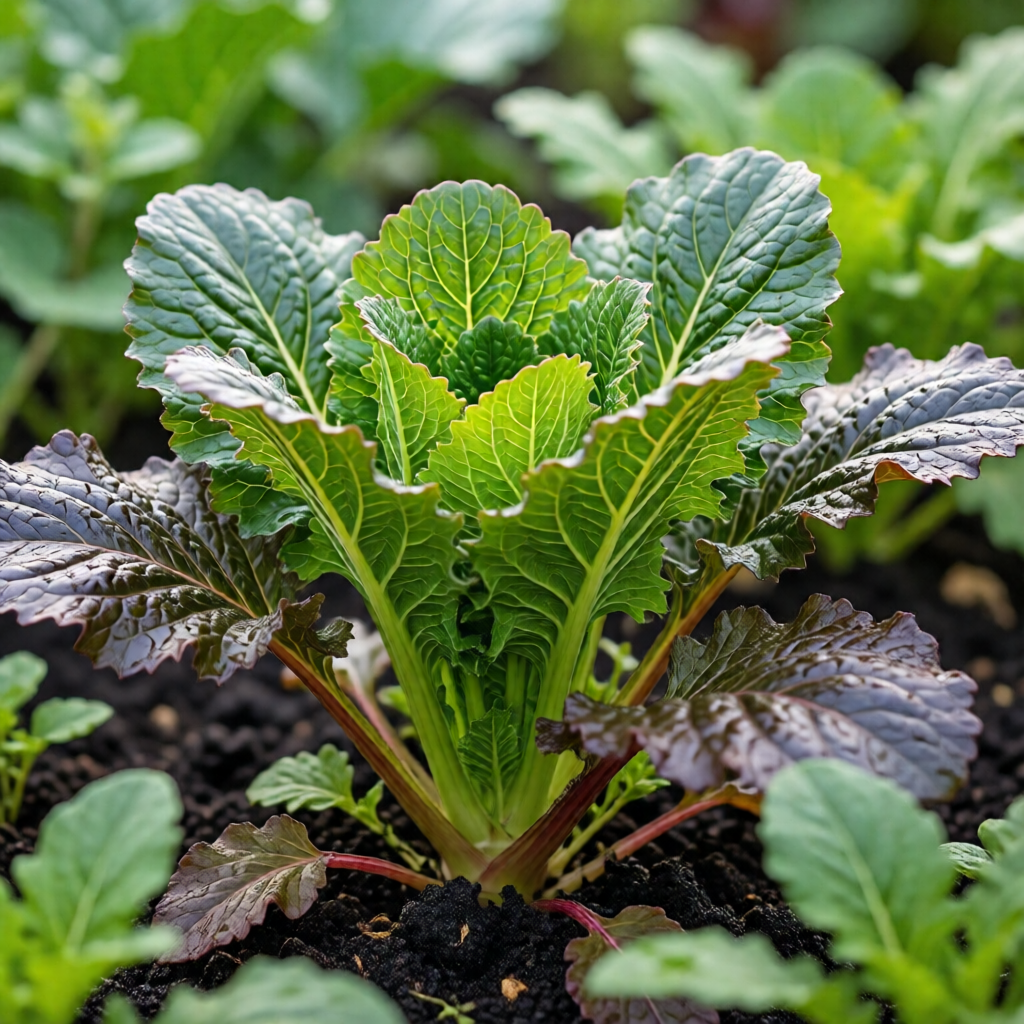
Leafy greens like lettuce, spinach, kale, and arugula can be grown in pocket planters or shallow troughs. Their shallow root systems make them perfect for wall‑mounted containers.
Herbs
Basil, mint, cilantro, and parsley thrive in vertical spaces, especially when placed in sunny, well‑ventilated pockets. Their aromatic foliage also helps repel certain pests.
Root Vegetables (with a twist)
While carrots and radishes are typically ground‑grown, you can successfully cultivate them in deep, vertical containers. For more ideas, see our guide on how to grow pumpkins in backyard for large‑space adaptations.
Soil Mixes and Fertilizer Strategies
Choosing the right growing medium is crucial for vertical gardens because soil depth is often limited. A high‑quality potting mix that combines peat moss, perlite, and compost provides excellent drainage while retaining enough moisture for root development. Incorporate a slow‑release granular fertilizer at planting time, then supplement with liquid feed every two weeks during the growing season. For organic gardeners, a blend of worm castings and coconut coir can boost nutrient availability without the risk of chemical buildup.
Irrigation and Water Management
Watering vertical gardens can be more challenging than traditional beds, as water tends to run down the structure quickly. Installing a drip irrigation system with emitters at each tier ensures consistent moisture delivery. Use a timer to water early in the morning, reducing evaporation and fungal risks. If you prefer a low‑tech approach, a watering can with a narrow spout allows you to target each pocket precisely. Adding a layer of mulch—such as straw or shredded bark—on top of the soil helps retain moisture and suppress weeds.
Maintenance: Pruning, Harvesting, and Rotation
Regular pruning keeps vines from overcrowding and improves air circulation, which is essential for preventing disease. Harvest leafy greens frequently to encourage continuous growth, and pick fruiting vegetables like beans and cucumbers as soon as they reach maturity to stimulate further production. Rotate crops each season by swapping plant families to reduce soil‑borne pathogens and maintain soil health. For example, follow a season of beans with a leafy green crop in the same vertical slots.
DIY Vertical Garden Projects
Creative DIY projects can add personality to your garden while keeping costs low. Here are three popular ideas:
Pallet Planter Wall
Secure a wooden pallet to a fence, fill each slot with soil, and plant a mix of herbs and small greens. The open slats provide natural drainage, and the pallet’s rustic look fits well with farmhouse aesthetics.
Hanging Bottle Garden
Repurpose glass bottles by cutting the bottoms off, drilling holes for drainage, and hanging them from a sturdy frame. Fill each bottle with a lightweight potting mix and grow trailing herbs like thyme or oregano.
Modular Pocket System
Purchase or build modular fabric pockets that attach to a metal or wooden frame. These lightweight containers are perfect for rotating seasonal crops and can be reconfigured as your garden evolves.
Seasonal Considerations and Climate Adaptations
Vertical gardens can be adapted to thrive year‑round with a few strategic adjustments. In the cooler months, protect vines with frost blankets or move portable containers indoors. For hot summer regions, provide shade cloth during peak afternoon heat to prevent wilting. Selecting heat‑tolerant varieties—such as cherry tomatoes, heat‑resistant beans, and fast‑growing greens—ensures a productive harvest even in the scorching southern states.
Pest and Disease Management in Vertical Gardens
Vertical setups can reduce some pest pressures by improving airflow, but they’re not immune to insects and diseases. Regularly inspect leaves for aphids, spider mites, and fungal spots. Use organic controls like neem oil, insecticidal soap, or beneficial insects (ladybugs and lacewings) to keep populations in check. For fungal issues, ensure your watering method keeps foliage dry and consider applying a copper-based fungicide early in the season.
Integrating Vertical Gardens with Other Landscape Features
Vertical vegetable gardens can complement existing backyard elements, creating a cohesive outdoor living space. Pair your green wall with a decorative gazebo decorating ideas for backyard to provide a shaded, plant‑filled retreat. Use ornamental grasses from our ornamental grass varieties and care guide as a backdrop to soften the vertical lines and add texture. Combining functional food production with aesthetic design maximizes both utility and visual appeal.
Maximizing Space in Small Backyards
If you’re working with a limited footprint, think vertically on multiple levels. Install a double‑tiered trellis system: the lower tier can host shallow‑rooted herbs, while the upper tier supports climbing beans or cucumbers. Utilize vertical space on fences, deck railings, and even the sides of raised beds. By stacking crops, you can achieve a bountiful harvest without sacrificing lawn or patio areas.
Vertical Gardening for Container Enthusiasts
Many gardeners love the flexibility of container gardening, and vertical containers are a natural extension of that passion. Stack sturdy plastic or wooden crates, each filled with a light potting mix, to create a tiered garden that can be moved as needed. For those interested in root crops, consider a deep vertical container for potatoes—see our guide on how to grow potatoes in containers for detailed instructions.
Vertical Sweet Potato Production
Sweet potatoes are a rewarding vertical crop when grown in deep, well‑draining bags or troughs. Use a trellis to support the vines, and allow the tubers to develop in the soil-rich base of the container. For more ideas on growing sweet potatoes at home, explore our article on how to grow sweet potatoes at home.
Cost Considerations and Budget-Friendly Tips
Starting a vertical garden doesn’t have to break the bank. Reclaimed materials—such as old ladders, wooden pallets, and discarded PVC pipes—can serve as sturdy frameworks. Look for free or low‑cost soil amendments by contacting local farms or community gardens. When purchasing seeds, buy in bulk or exchange with neighbors to reduce costs. Remember that the long‑term savings from homegrown produce often offset the initial investment.
Harvesting and Enjoying Your Vertical Produce
One of the greatest joys of vertical gardening is the ease of harvest. With plants positioned at eye level, you can pick ripe vegetables without bending or kneeling. This accessibility makes vertical gardens especially appealing to seniors, individuals with mobility challenges, and families with young children who love to help. After harvesting, consider preserving excess produce through canning, freezing, or drying to extend your garden’s bounty throughout the year.
Conclusion: Your Path to a Thriving Vertical Garden
Vertical vegetable gardening offers a versatile solution for maximizing harvests, enhancing aesthetics, and making the most of limited space. By planning carefully, selecting appropriate structures, choosing the right crops, and implementing efficient watering and maintenance practices, you can create a productive, beautiful garden that feeds your family and delights your senses. Whether you’re a seasoned horticulturist or a city dweller with a modest balcony, the vertical garden ideas in this guide empower you to grow upwards and reap the rewards.

Frequently Asked Questions
What vegetables grow best in a vertical garden?
Climbing crops such as pole beans, cucumbers, peas, and pole tomatoes thrive on trellises, while leafy greens like lettuce, spinach, kale, and herbs such as basil and cilantro do well in pocket planters. Root vegetables can also be grown in deep vertical containers.
How do I water a vertical vegetable garden efficiently?
Install a drip irrigation system with emitters at each tier, or use a targeted watering can. Water early in the morning to reduce evaporation, and add mulch on top of the soil to retain moisture.
Can I grow root vegetables like carrots in a vertical garden?
Yes, if you use deep vertical containers or raised troughs that provide at least 12 inches of soil depth. Ensure the soil is loose and well‑draining to allow proper root development.
What materials are best for building a DIY vertical garden?
Reclaimed wood pallets, sturdy metal lattice, PVC pipe stacks, or commercial modular panels work well. Choose rot‑resistant, UV‑stable materials that can support the weight of soil, plants, and water.
How can I protect my vertical garden in winter?
Use frost blankets or move portable containers indoors. Choose cold‑tolerant varieties and consider adding a layer of mulch to insulate the soil. For perennials, prune back dead growth before the first frost.