When you add a water feature to your garden, you’re not just installing a decorative element—you’re creating a living soundtrack that soothes, refreshes, and transforms any outdoor space into a personal oasis. From the gentle murmur of a bubbling brook to the striking splash of a contemporary fountain, water features can elevate curb appeal, attract wildlife, and increase property value. In this guide we’ll explore a wide range of water feature ideas, practical planning steps, expert installation tips, and maintenance strategies so you can confidently design a garden that sings with the sound of water.
Why Choose a Water Feature?
Water brings movement, texture, and a sense of calm to a static garden. Here are the top reasons homeowners in the United States love adding water features:
- Visual focal point: A well‑placed pond or fountain draws the eye and anchors the garden’s design.
- Soundscape: The gentle hiss of water masks urban noise, creating a peaceful retreat.
- Wildlife magnet: Birds, butterflies, and beneficial insects are attracted to water, enhancing biodiversity.
- Cooling effect: Evaporation lowers surrounding temperature, making summer evenings more comfortable.
- Property value: Landscapes with water features often sell for higher prices and appeal to buyers looking for ready‑made serenity.
Popular Water Feature Types
1. Garden Ponds
Garden ponds are versatile and can range from a modest koi pond to a naturalistic wildlife habitat. When planning a pond, consider depth (at least 24 inches for fish), liner type, and whether you’ll add aquatic plants like water lilies or marginal grasses.
2. Fountains
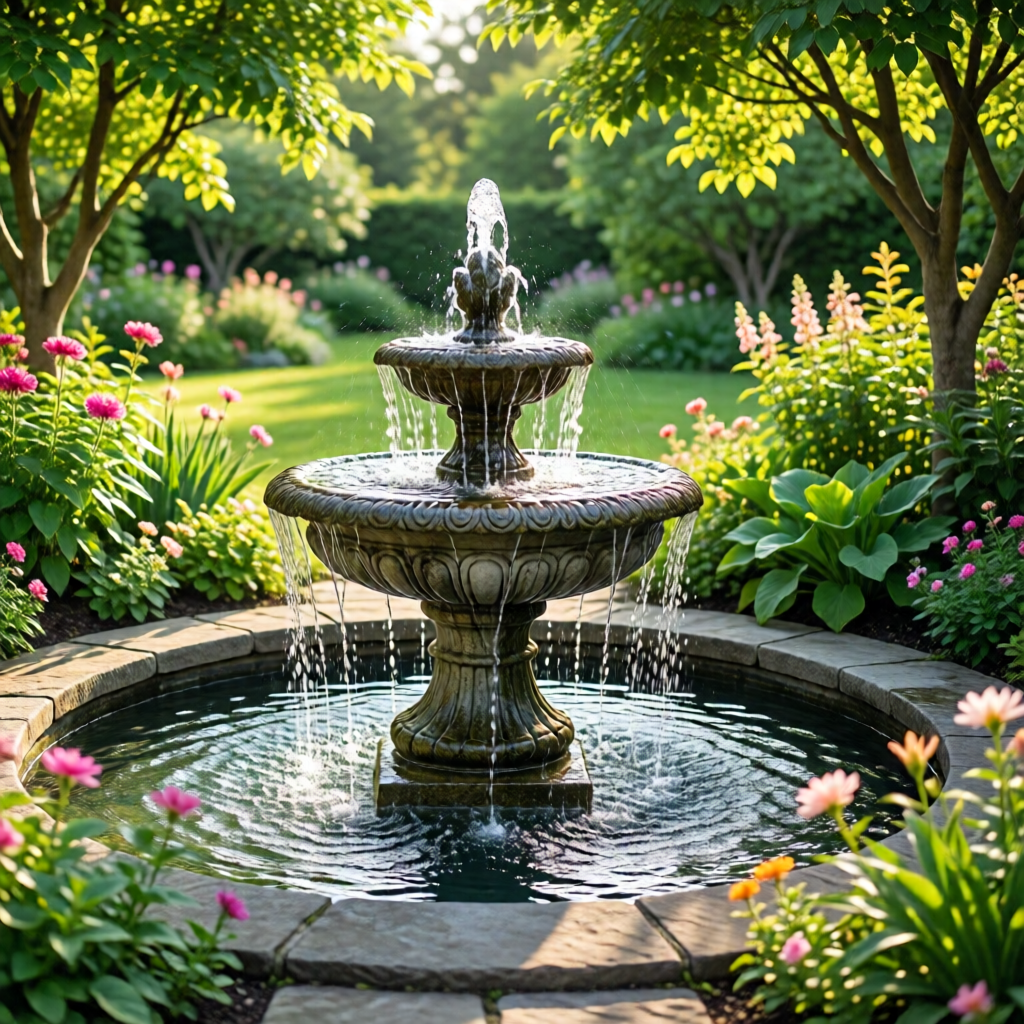
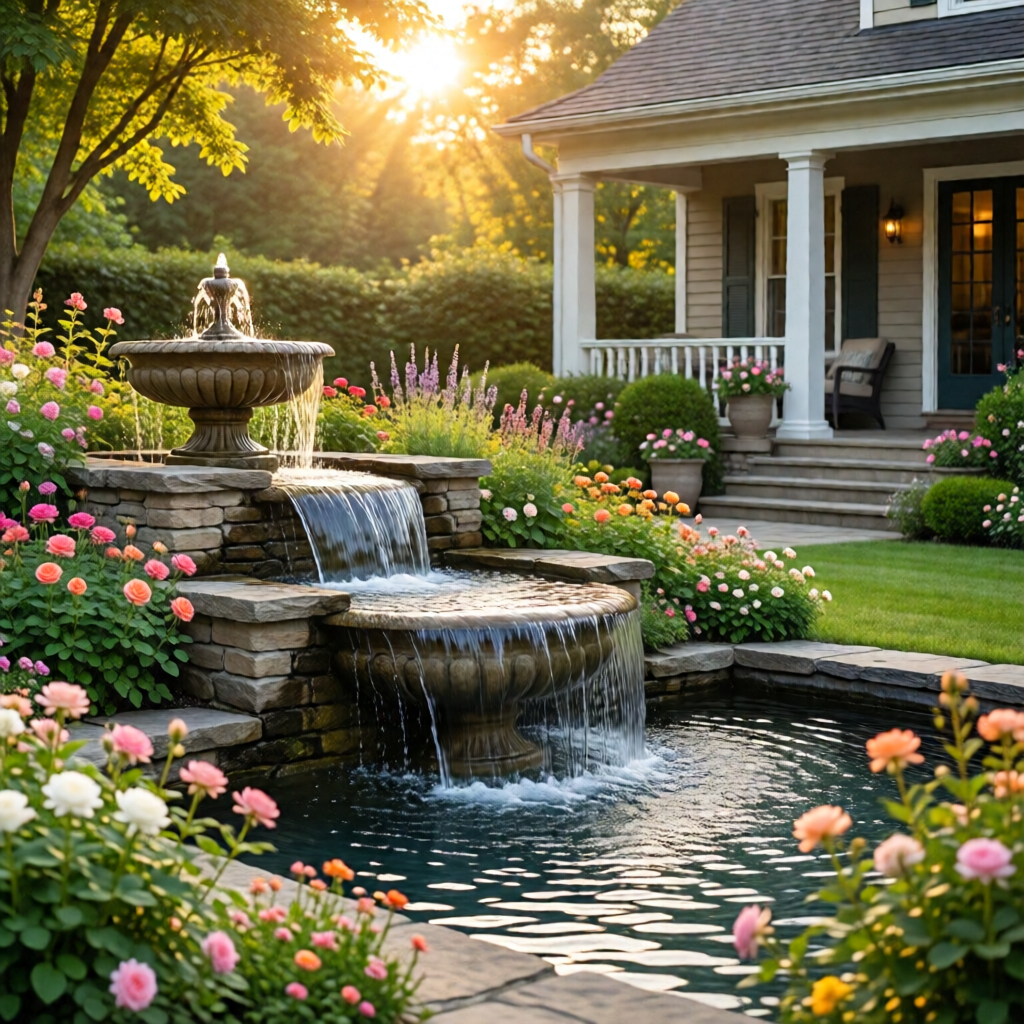
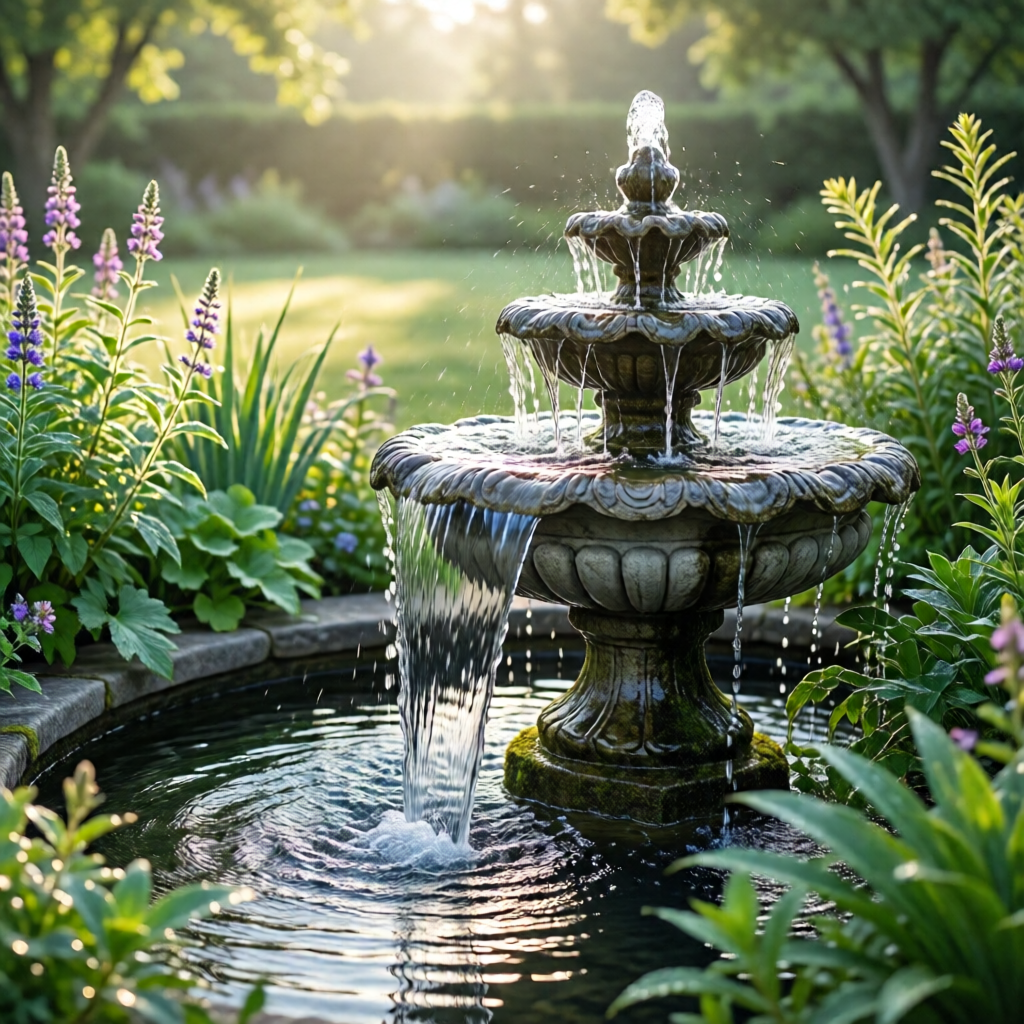
Fountains come in a spectrum of styles—classic tiered stone fountains, sleek stainless‑steel wall fountains, and even solar‑powered floating fountains. They’re ideal for small yards where space is limited but visual impact is desired.
3. Waterfalls
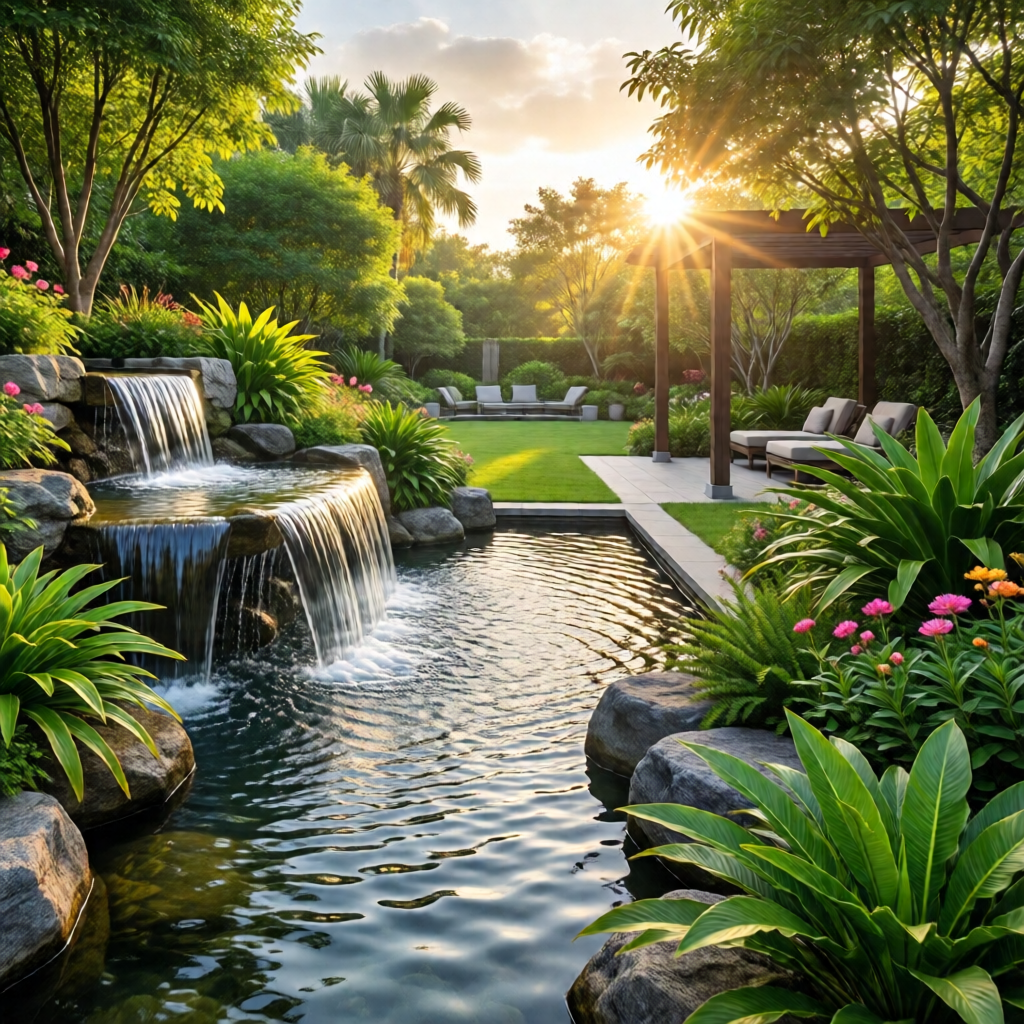
Whether incorporated into a pond or installed as a freestanding cascade, waterfalls add drama and movement. A well‑designed waterfall can be a centerpiece for a poolside landscaping design, creating a seamless transition between pool and garden.
4. Stream Gardens
A stream garden mimics a natural creek, winding through rocks, pebbles, and native plants. These features are perfect for larger properties where you want to create a meandering water path that guides visitors through the landscape.
5. Birdbaths and Splash Pads
Simple birdbaths provide essential water for local birds, while splash pads add a playful element for families. Choose durable stone or glazed ceramic basins to withstand weather and frequent use.
Planning Your Water Feature
Before breaking ground, thorough planning ensures your water feature integrates seamlessly with your garden’s style, budget, and maintenance capacity.
Assess Site Conditions
- Sun exposure: Direct sun can cause algae growth; consider partial shade for ponds.
- Soil type: Clay retains water but may need a liner; sandy soils drain quickly.
- Utilities: Locate underground lines and plan for electrical access for pumps.
- Slope: A gentle slope can help create natural water flow for streams or waterfalls.
Define the Purpose
Ask yourself what you want the feature to achieve: relaxation, wildlife habitat, visual drama, or a functional water source for irrigation. Your purpose will guide size, style, and plant selection.
Choose Materials Wisely
Natural stone, reclaimed brick, and poured concrete each bring a different aesthetic. For a sustainable approach, consider locally sourced stone or recycled materials that reduce carbon footprint.
Budget Planning
Water features range from DIY kits under $200 to elaborate installations exceeding $10,000. Break down costs into:
- Materials (liner, stone, pump)
- Labor (if hiring professionals)
- Electrical work
- Plants and decorative elements
- Ongoing maintenance (filter media, electricity)
Installation Tips from the Experts
1. Proper Lining and Waterproofing
For ponds and streams, a high‑quality EPDM or PVC liner prevents leaks. Lay a protective underlayment, smooth the liner, and secure edges with rocks or edging material.
2. Selecting the Right Pump
Match pump capacity to water volume and desired flow rate. A rule of thumb: pump should circulate the entire volume of water at least once per hour. For waterfalls, consider a pump with adjustable flow to fine‑tune the cascade.
3. Creating a Natural Look
Use a mix of rock sizes, place larger boulders downstream, and embed smaller stones upstream to mimic natural erosion. Incorporate native aquatic plants like Juncus effusus (soft rush) and Iris versicolor for authenticity.
4. Electrical Safety
All pumps and lighting must be GFCI‑protected and installed by a licensed electrician. Keep all electrical components on a dedicated circuit away from splash zones.
5. Integrating Lighting
Strategic lighting transforms a water feature after dark. Submersible LED lights can highlight pond depths, while uplights accentuate waterfall spray. Explore creative ideas in our garden lighting ideas for night guide.
Maintenance and Care
Regular upkeep keeps your water feature sparkling and healthy. Below is a seasonal maintenance calendar:
Spring
- Remove debris and leaf litter.
- Inspect pump and filter for clogs; clean or replace filter media.
- Top off water lost over winter; test pH (ideal 6.5–7.5).
- Plant new aquatic vegetation as growth resumes.
Summer
- Monitor water levels daily; add dechlorinated water as needed.
- Control algae with barley straw, UV clarifiers, or natural enzymes.
- Trim overgrown marginal plants to maintain airflow.
- Check pump operation; clean skimmer baskets weekly.
Fall
- Reduce water temperature gradually to acclimate fish.
- Remove dead foliage to prevent decay.
- Prepare pond for winter by adding a protective net if in colder climates.
- Service pump and replace worn seals.
Winter
- In colder regions, use a pond heater or de‑icer to keep a portion of water unfrozen.
- Cover the pond with a floating plant cover to reduce sunlight penetration.
- Check that all electrical components are insulated.
Enhancing Your Water Feature with Plants and Wildlife
Plants not only add beauty; they also improve water quality by absorbing excess nutrients. Consider these groups:
Aquatic Plants
- Floating: Water hyacinth, water lettuce.
- Submerged: Hornwort, eelgrass.
- Marginal: Pickerel rush, swamp milkweed.
Riparian Plants
Plant native shrubs like red osier dogwood or spicebush along pond edges to create a natural buffer and provide shelter for birds.
Attracting Beneficial Wildlife
Install birdhouses, bat boxes, and amphibian shelters near the water feature. A small shallow area with gently sloping rocks encourages turtles and frogs to bask.
Budget‑Friendly Water Feature Ideas
Not all beautiful water features require a big budget. Here are five cost‑effective options:
- DIY Bottle Fountain: Use reclaimed glass bottles, a submersible pump, and a decorative basin for a whimsical garden accent.
- Solar Pond Aerator: Keep water moving and oxygenated without electricity costs.
- Pre‑Formed Plastic Liner Pond: Install a pre‑shaped liner and line the edges with decorative rocks for a polished look.
- Recirculating Water Wall: Mount a shallow trough against a wall, pump water from the base to the top, and let it cascade down.
- Rain Chain Water Feature: Combine a rain chain with a decorative basin to capture runoff and create a gentle trickle.
Sustainable and Eco‑Friendly Practices
Eco‑conscious gardeners can design water features that conserve resources and support the environment:
- Solar Power: Use solar panels to run pumps and lights, reducing electricity usage.
- Rainwater Harvesting: Collect roof runoff in a cistern and feed it to your pond, lowering municipal water demand.
- Native Plant Integration: Native aquatic and riparian plants require less fertilizer and are adapted to local climate.
- Closed‑Loop Filtration: Opt for biological filters that use beneficial bacteria instead of chemical treatments.
Integrating Water Features with Existing Landscape Elements
To achieve a harmonious garden, consider how your water feature interacts with other outdoor spaces:
Poolside Landscaping
A waterfall or fountain can serve as a visual bridge between a swimming pool and garden, creating a resort‑style ambiance.
Screened Porches
Place a small tabletop fountain on a screened porch to bring the calming sound of water indoors. Check out our screened porch ideas and designs for inspiration.
Outdoor Yoga Spaces
A gentle water wall behind a yoga mat enhances serenity and focus. Learn how to set up an outdoor yoga space garden setup that blends mindfulness with nature.
Native Plant Garden Design
Combine a pond with a native plant garden design to create a low‑maintenance ecosystem that thrives with minimal irrigation.
Creative Design Ideas to Inspire You
1. Mirror Pool
Install a shallow, reflective pool with a still water surface, bordered by dark stone. The mirror effect doubles the visual space and creates a tranquil backdrop for seating.
2. Cascading Rock Garden
Stack irregular river rocks to form a tiered cascade that feeds into a pebble‑lined basin. Interplant with dwarf iris and sedum for seasonal color.
3. Hidden Fountain
Conceal a fountain behind a wall of climbing vines like clematis. The water becomes a secret surprise for visitors who wander through the garden.
4. Multi‑Level Stream
Create a meandering stream with three drops of varying heights, each producing a different sound texture—from a gentle burble to a lively splash.
5. Night‑Illuminated Pond
Install color‑changing LED lights beneath the water surface. Program the lights to shift hues with the sunset, creating a magical nighttime focal point.
Common Mistakes to Avoid
- Oversizing the Pump: A pump that’s too powerful creates turbulence, stressing fish and washing away plant roots.
- Ignoring Water Chemistry: Unbalanced pH or high nitrate levels can lead to algae blooms and fish health issues.
- Improper Placement: Positioning a water feature under direct, intense sun can cause excessive evaporation and algae.
- Neglecting Safety: Shallow water features near children should have rounded edges and slip‑resistant surfaces.
- Forgetting Seasonal Adjustments: Failure to prepare for winter freeze‑thaw cycles can damage liners and pumps.
Final Thoughts: Making Your Water Feature Work for You
Designing a water feature is a rewarding journey that blends creativity, engineering, and horticulture. By assessing your site, selecting the right style, and committing to regular care, you’ll enjoy a living masterpiece that enhances relaxation, supports wildlife, and adds lasting value to your home. Whether you choose a modest birdbath or a sprawling koi pond, let the sound of water become the heartbeat of your garden sanctuary.
Take the Next Step
Ready to start planning? Sketch out your ideas, browse local nurseries for native aquatic plants, and consider consulting a professional landscaper to bring your vision to life. Remember, the best water features are those that reflect your personal style while harmonizing with the surrounding ecosystem.
What size water feature is best for a small backyard?
For limited spaces, a wall‑mounted fountain, a compact tabletop fountain, or a narrow linear pond works well. Aim for a feature no wider than 4‑6 feet and keep depth between 12‑24 inches to maintain visual impact without overwhelming the area.
How do I prevent algae growth in my pond?
Reduce sunlight exposure with floating plants, use a UV clarifier, add barley straw bundles, and maintain proper water circulation with a correctly sized pump. Regularly cleaning the filter and monitoring nutrient levels also keep algae in check.
Can I use a solar pump for a waterfall?
Yes, solar pumps are ideal for small to medium waterfalls, especially in sunny locations. Choose a pump rated for the height and flow you need, and pair it with a solar panel that provides adequate wattage to run the pump continuously.
Do water features attract insects that could be a nuisance?
Water features attract beneficial insects like dragonflies and pollinators, but they can also draw mosquitoes if water becomes stagnant. Ensure proper circulation, add fish that eat mosquito larvae, and consider a biological filter to keep the water moving.
What maintenance tasks are required for a solar‑powered garden fountain?
Clean the pump screen monthly, remove debris from the basin, check solar panel alignment seasonally, and top off water levels as needed to prevent the pump from running dry. Winterize the fountain by draining water and storing the pump if freezing temperatures are expected.