Imagine stepping into a meadow that feels like it’s been painted by nature itself—soft hues of purple, yellow, and white swaying in the breeze, butterflies dancing from bloom to bloom, and the gentle hum of bees. That dreamy, low‑maintenance oasis is the promise of a well‑planned wildflower garden. Whether you have a sprawling backyard, a modest balcony, or a sloping hillside, there are countless wildflower garden ideas that can transform any space into a vibrant, pollinator‑friendly haven. In this guide we’ll walk through every step from site selection to planting, maintenance, and seasonal enjoyment, offering expert advice and practical tips you can put into action today.
Why Choose a Wildflower Garden?
Wildflower gardens are more than just pretty patches of color—they’re ecosystems that support biodiversity, improve soil health, and often require less water and fertilizer than traditional lawns. By choosing native species, you provide familiar food sources for local pollinators, birds, and beneficial insects. The result is a garden that looks natural, changes with the seasons, and rewards you with minimal upkeep. For homeowners seeking sustainable landscaping, a wildflower garden is a top choice that aligns with both aesthetic and environmental goals.
Planning Your Wildflower Garden
Successful wildflower gardens start with thoughtful planning. Below are the key considerations to keep in mind before you break ground.
1. Assess Your Site Conditions
Take note of sunlight exposure, soil type, drainage, and existing vegetation. Most wildflowers thrive in full sun (at least 6‑8 hours daily), but there are shade‑tolerant options for partially shaded areas. Conduct a simple soil test—available at most garden centers—to determine pH and nutrient levels. If drainage is poor, you might explore rain garden design for drainage to improve water movement and capture runoff.
2. Define Your Garden’s Purpose
Are you aiming to attract butterflies, create a meadow aesthetic, or simply add a splash of color? Defining your objectives helps you choose the right mix of species and design layout. For example, a “butterfly garden” emphasizes nectar‑rich blooms like milkweed and coneflower, while a “meadow look” focuses on grasses and tall perennials that sway in the wind.
3. Determine the Scale and Layout
Measure the area you intend to plant. For larger plots, consider a layered design with tall grasses at the back, mid‑height perennials in the middle, and low‑growing groundcovers at the front. In smaller spaces, a “wildflower border” along a patio or walkway can add interest without overwhelming the area. Sketch a rough layout or use garden design software to visualize plant placement.
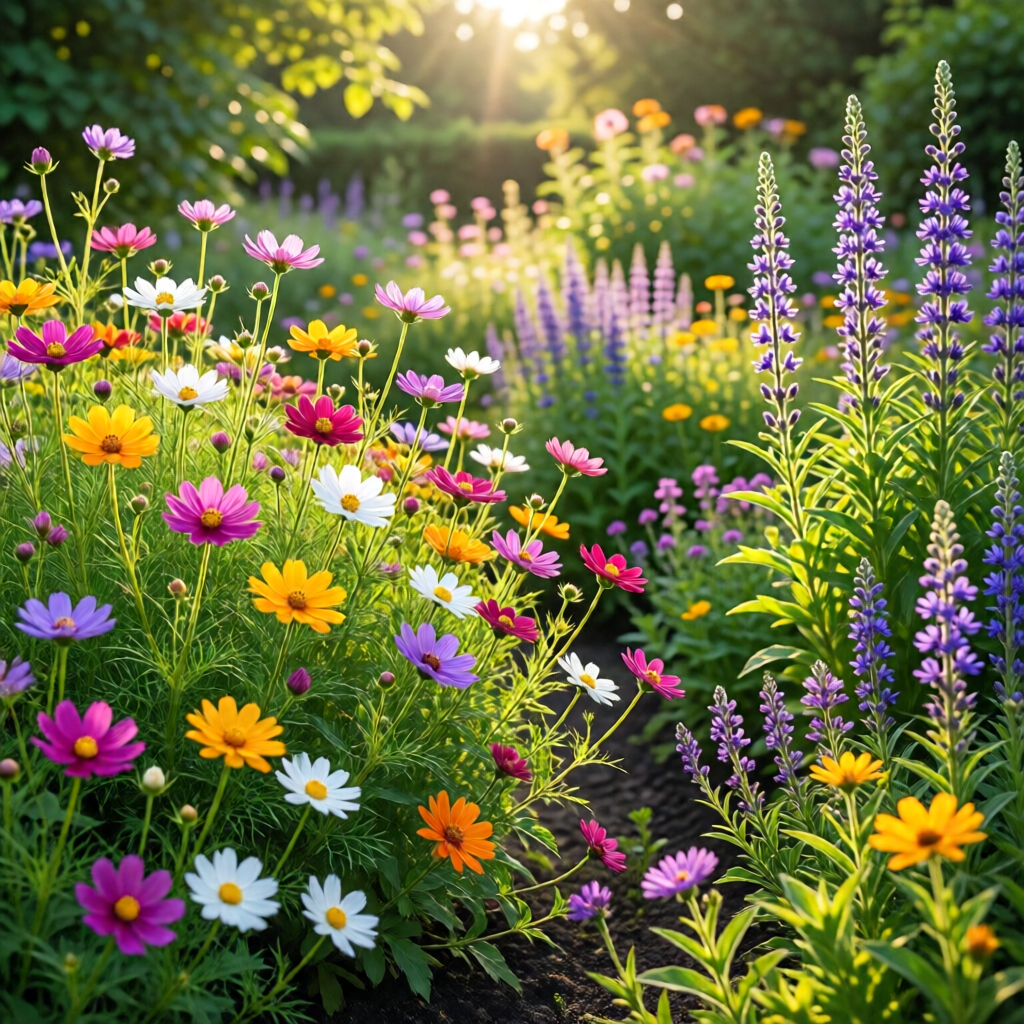
Selecting the Right Wildflower Species
Choosing the right plants is the heart of any wildflower garden. Below is a curated list of popular native wildflowers for different zones and garden functions.
North‑East (Zones 3‑6)
- Black-eyed Susan (Rudbeckia hirta) – Drought‑tolerant, long‑blooming, attracts bees and butterflies.
- Wild Columbine (Aquilegia canadensis) – Delicate red‑tongued flowers, thrives in partial shade.
- New England Aster (Symphyotrichum novae‑angliae) – Late‑season bloom provides nectar for migrating butterflies.
South‑East (Zones 7‑9)
- Coreopsis (Coreopsis tinctoria) – Bright yellow flowers, excellent for hot, dry sites.
- Bee Balm (Monarda didyma) – Aromatic foliage, attracts hummingbirds and bees.
- Purple Coneflower (Echinacea purpurea) – Medicinal properties, sturdy and drought‑resistant.
Mid‑West (Zones 4‑7)
- Prairie Dropseed (Sporobolus heterolepis) – Graceful airy foliage, adds texture.
- Butterfly Milkweed (Asclepias tuberosa) – Host plant for monarch caterpillars.
- Blazing Star (Liatris spicata) – Tall spikes of purple flowers, great for backdrops.
West Coast (Zones 5‑10)
- Lupine (Lupinus spp.) – Nitrogen‑fixing, vibrant blue blossoms.
- California Poppy (Eschscholzia californica) – Iconic orange flowers, thrives in sandy soils.
- Yarrow (Achillea millefolium) – Flat clusters, attracts beneficial insects.
When selecting plants, aim for a mix of bloom times—early spring, mid‑summer, and fall—to ensure continuous color and food sources throughout the growing season.
Design Ideas to Inspire Your Wildflower Garden
Now that you have a plant list, let’s explore creative design concepts that can make your garden truly stand out.
1. Meadow‑Style Blanket
Plant a dense, uniform mix of perennials and grasses across a large area for a seamless meadow effect. Use a seed blend that matches your region’s native flora. This design works well on open fields, slopes, or even under a pergola where sunlight filters through.
2. Wildflower Border Along a Path
For a subtle yet striking look, line garden walkways or patio edges with low‑growing wildflowers such as dwarf coneflower, blanket flower, or dwarf coreopsis. This creates a natural “carpet” that softens hardscape lines and invites pollinators to linger.
3. Container Wildflower Gardens
Urban gardeners can bring the meadow to a balcony with large containers filled with a mix of dwarf annuals and perennials. Pair these with vertical vegetable garden ideas for a multi‑functional green space.
4. Wildflower & Water Feature Combo
Integrate a small pond or birdbath surrounded by moisture‑loving species like cardinal flower, marsh marigold, and blue flag iris. This creates a soothing focal point and a watering source for wildlife.
5. Slope Stabilization with Wildflowers
On steep terrain, use deep‑rooted natives such as prairie dropseed, yucca, and native grasses to hold soil in place while adding visual interest. Check out hillside landscaping ideas on a budget for additional techniques.
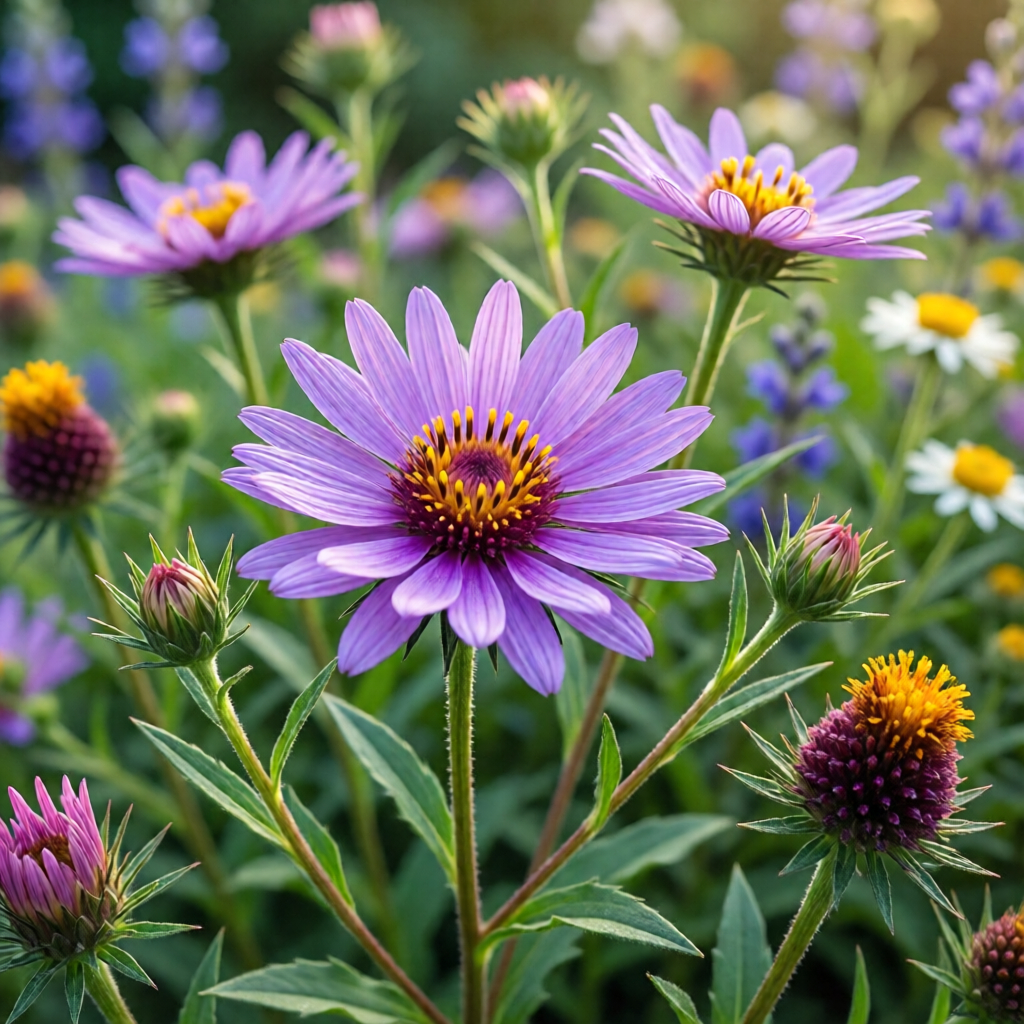
Soil Preparation and Planting Techniques
Preparing the ground correctly sets the stage for a thriving wildflower garden. Follow these steps for optimal results.
1. Clear the Area
Remove existing turf, weeds, and debris. For large lawns, consider solarizing the soil with clear plastic for 4‑6 weeks in summer to kill unwanted seeds without chemicals.
2. Amend the Soil
Most wildflowers prefer well‑drained, moderately fertile soil. Work in a 2‑inch layer of compost or well‑rotted manure to improve structure. Avoid heavy fertilization—wildflowers thrive in low‑nutrient conditions, which helps them outcompete weeds.
3. Seed or Transplant?
Seeds are cost‑effective and provide a natural look. Broadcast seeds evenly, then lightly rake them into the soil. For quick results, plant nursery‑grown plugs or divisions of mature perennials, spacing them according to label recommendations.
4. Watering Schedule
After planting, keep the soil consistently moist for the first 2‑3 weeks to encourage germination and root establishment. Once established, most native wildflowers need only occasional watering during dry spells.
5. Mulching
A thin layer (½‑1 inch) of shredded bark or straw helps retain moisture, suppress weeds, and protect seeds from birds. Avoid thick mulches that can smother seedlings.
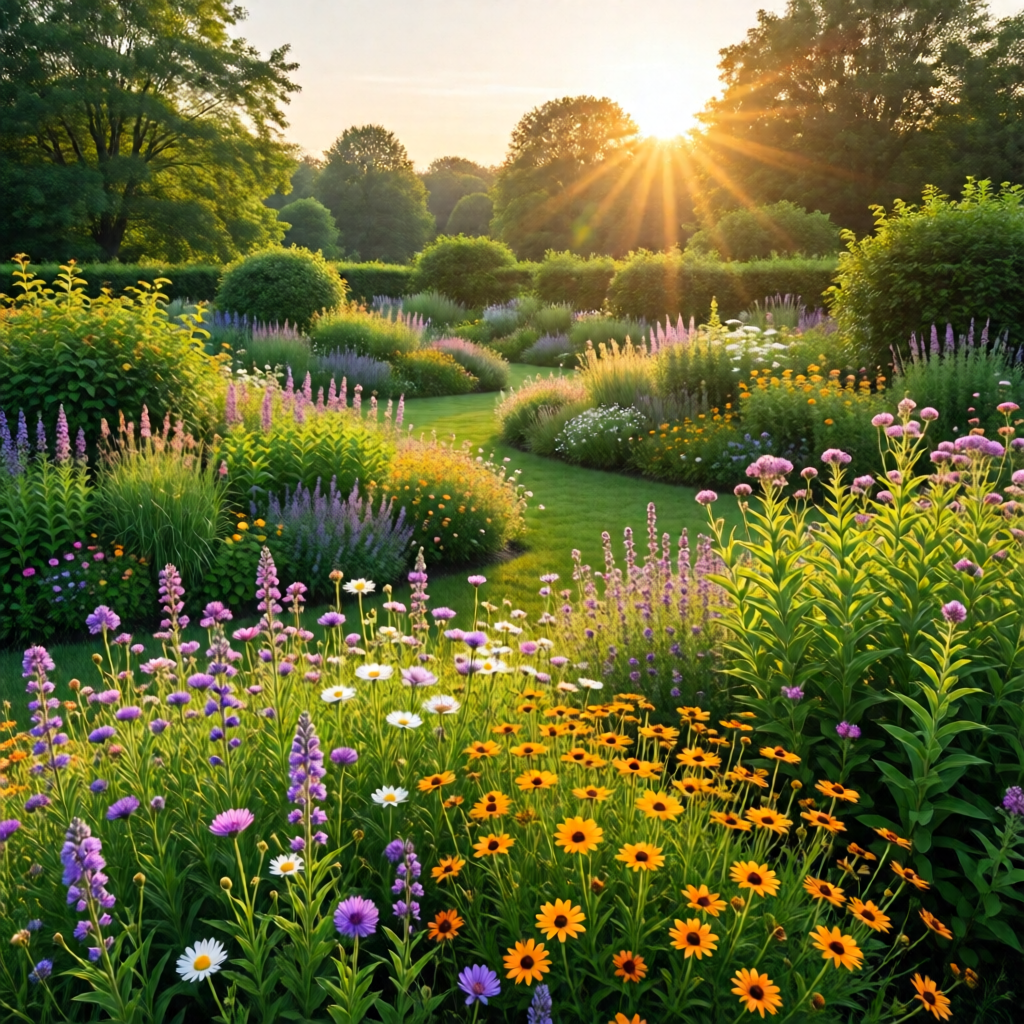
Seasonal Care and Maintenance
One of the joys of a wildflower garden is its self‑sustaining nature, but a little seasonal attention will keep it looking its best.
Spring
- Remove any remaining winter mulch and rake the surface to expose new growth.
- Deadhead spent flowers to encourage a second bloom.
- Divide overcrowded perennials after the first frost of the season.
Summer
- Monitor for invasive weeds; hand‑pull before they seed.
- Water during prolonged droughts, focusing on the root zone.
- Allow some seed heads to mature and disperse for natural reseeding.
Fall
- Cut back tall grasses after seed set to tidy the garden.
- Apply a light layer of compost to enrich soil for next year.
- Consider overseeding with native annuals for winter color.
Winter
- Leave seed heads standing to provide food for birds.
- Minimize foot traffic to protect dormant plants.
- Plan next year’s planting scheme based on observed successes and gaps.
Wildlife Benefits: Pollinators, Birds, and Beneficial Insects
Beyond aesthetics, wildflower gardens serve as vital habitats for a range of beneficial creatures. Nectar‑rich blooms attract bees, butterflies, and hummingbirds, while seed heads feed finches and sparrows. Additionally, many wildflowers host predatory insects such as lady beetles and lacewings, which help control garden pests naturally.
By planting a diversity of species that bloom at different times, you create a continuous food source that supports life cycles of pollinators throughout the year. This ecological stewardship not only boosts garden health but also contributes to broader conservation efforts.
Budget‑Friendly Tips for a Stunning Wildflower Garden
Creating a beautiful wildflower garden doesn’t have to break the bank. Here are some money‑saving strategies:
- Seed Mixes Over Plants: Buying bulk seed is far cheaper than purchasing mature plants.
- Use Recycled Materials: Repurpose old pallets, bricks, or reclaimed wood for edging.
- Community Seed Swaps: Join local gardening clubs or online groups to trade seeds.
- DIY Mulch: Shred yard waste or use leaf litter instead of purchasing commercial mulches.
- Combine With Existing Features: Pair your wildflower beds with patio furniture ideas on a budget to create a cohesive outdoor living area.
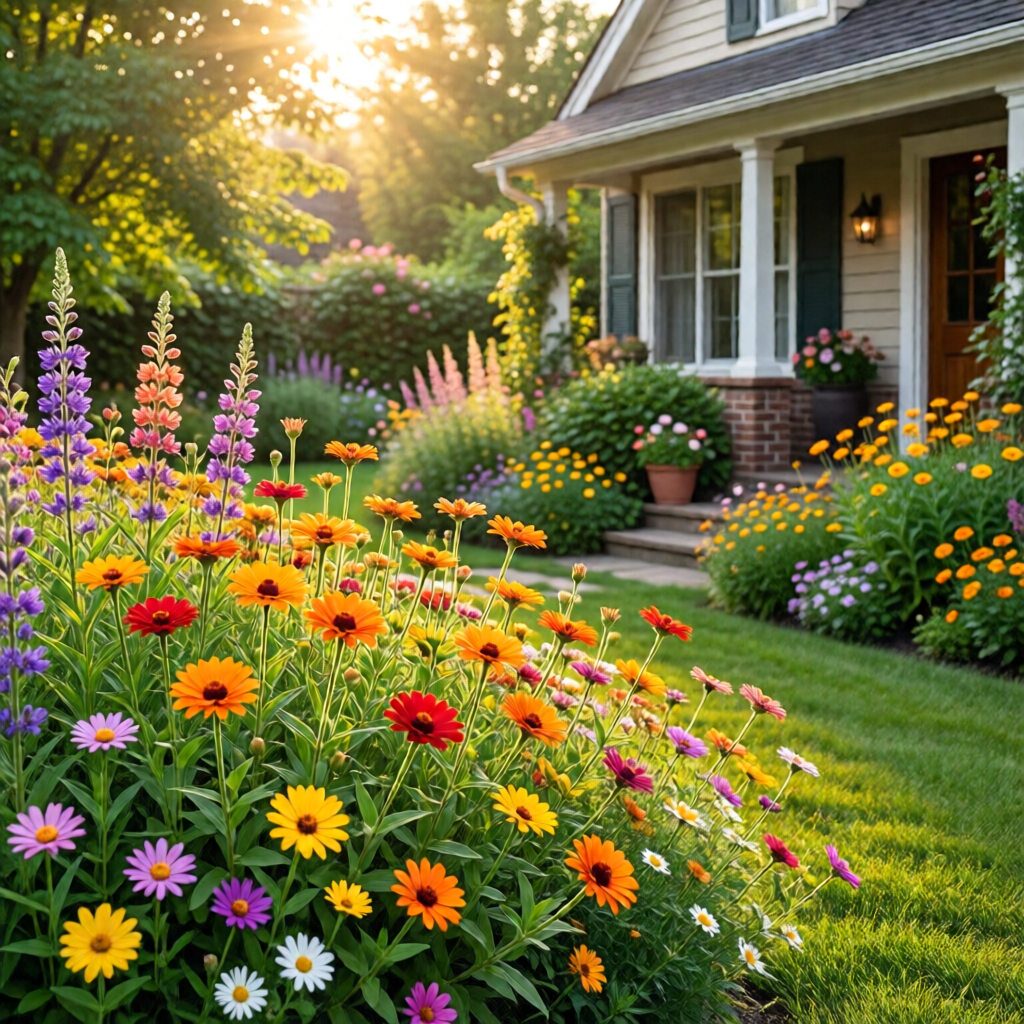
Companion Planting and Integrated Design
Integrating wildflowers with other garden elements can enhance both beauty and function. Consider these companion ideas:
1. Edible Gardens
Plant aromatic herbs like thyme, oregano, and sage among wildflowers. The herbs deter pests while the wildflowers attract pollinators that improve vegetable yields.
2. Fruit Trees
Understory planting of low‑growing wildflowers beneath apple or peach trees reduces soil erosion, suppresses weeds, and provides ground‑level color.
3. Water‑Saving Lawns
Replace sections of high‑maintenance turf with a wildflower meadow to cut water usage and reduce mowing time.
4. Structural Features
Incorporate trellises, arches, or garden gazebos to create vertical interest. For design inspiration, explore garden gazebo ideas and designs that complement a wildflower setting.
Common Challenges and How to Overcome Them
Even with careful planning, wildflower gardens can face hurdles. Here’s how to troubleshoot common issues.
1. Poor Germination
Check seed‑to‑soil contact; lightly press seeds into the soil. Ensure the soil stays moist until seedlings emerge. If the soil is too compacted, aerate before sowing.
2. Invasive Weeds
Hand‑pull weeds before they set seed. Mulching helps suppress weed growth. For persistent species, spot‑treat with a natural herbicide like vinegar.
3. Over‑watering
Wildflowers prefer well‑drained soils. If you notice waterlogged areas, amend with sand or coarse organic matter to improve drainage.
4. Lack of Bloom
Ensure you have a balanced mix of species with varied bloom times. Some perennials may need a second year to establish and flower fully.
Resources and Further Learning
Expanding your knowledge will keep your garden thriving year after year. Here are some valuable resources:
- Native Plant Societies: Local chapters offer plant lists, seed sales, and workshops.
- USDA Plant Hardiness Map: Verify which species are suited for your zone.
- Online Seed Catalogs: Companies like Prairie Moon and American Meadows specialize in native mixes.
- Community Gardens: Volunteer to gain hands‑on experience with wildflower planting and maintenance.
By staying engaged with these networks, you’ll discover new varieties, troubleshooting tips, and inspiration for future garden projects.
Bringing It All Together: Your Wildflower Garden Blueprint
To help you visualize the process, here’s a concise checklist you can follow from start to finish:
- Assess site conditions (sun, soil, drainage).
- Define goals (pollinator garden, meadow look, etc.).
- Select appropriate native species for your zone and bloom schedule.
- Prepare soil: clear, amend, and level the planting area.
- Choose planting method: seed broadcast, plug planting, or a mix.
- Water consistently during establishment; mulch lightly.
- Implement seasonal maintenance: deadheading, divide, and overseed.
- Integrate wildlife habitats and companion plants.
- Monitor for challenges and adjust as needed.
- Enjoy the evolving beauty and ecological benefits of your wildflower garden.
With patience and a love for nature, your wildflower garden will become a living masterpiece that evolves with each season, offering endless delight for you and the pollinators that call it home.
What are the best native wildflowers for a beginner’s garden?
Start with easy‑to‑grow species like Black-eyed Susan, Coreopsis, and Butterfly Milkweed. These plants are hardy, drought‑tolerant, and attract pollinators, making them ideal for novice gardeners.
How long does it take for a wildflower garden to look established?
Most wildflower gardens show noticeable growth in the first season, but full maturity and abundant blooms typically appear in the second to third year as perennials establish deeper root systems.
Can I grow wildflowers in containers on a balcony?
Absolutely! Choose dwarf varieties such as Dwarf Coreopsis, Blanket Flower, and annual mixes designed for containers. Ensure the pots have good drainage and receive at least 6 hours of sunlight daily.
Do I need to fertilize a wildflower garden?
Generally, wildflowers thrive in low‑nutrient soils. Over‑fertilizing can encourage weeds and reduce blooming. A light application of compost in early spring is usually sufficient.
How can I control invasive weeds without chemicals?
Hand‑pull weeds before they set seed, mulch to suppress growth, and use a thick layer of organic mulch or straw. For persistent weeds, spot‑treat with a vinegar‑based solution.
1 réflexion au sujet de « Wildflower Garden Ideas – Expert Guide and Ideas »