Imagine you’ve just moved into a bright new apartment and you want to add a splash of green without turning your living room into a jungle. You spot a trailing vine with heart‑shaped leaves on a friend’s shelf, and you think, “That’s exactly the vibe I need.” Welcome to the world of pothos plant varieties and care – a versatile, low‑maintenance group that can thrive on a windowsill, a bookshelf, or even a hanging basket.
In This Article
- What You Will Need (Before You Start)
- Step 1 – Choose Your Pothos Variety
- Step 2 – Potting Your Pothos
- Step 3 – Light, Water, and Temperature
- Step 4 – Feeding and Fertilizing
- Step 5 – Pruning and Propagation
- Common Mistakes to Avoid
- Troubleshooting & Tips for Best Results
- Summary Conclusion
- Frequently Asked Questions
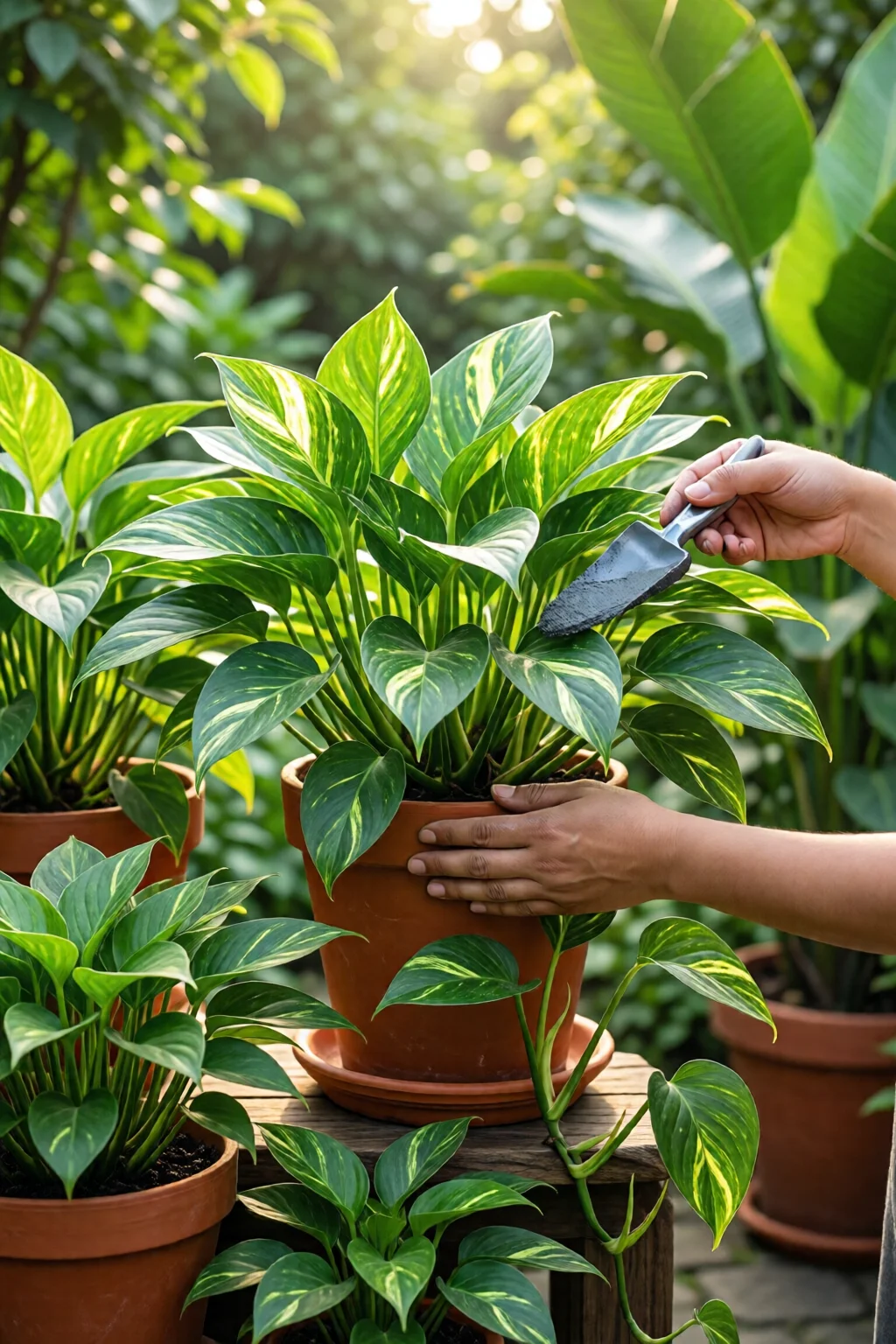
What You Will Need (Before You Start)
- Pot: A 4‑inch (10 cm) ceramic or plastic pot with drainage holes. A Lechuza Classic 4‑inch pot runs about $29.99 and includes a self‑watering reservoir.
- Soil: A well‑draining indoor mix such as Miracle‑Gro Indoor Potting Mix – roughly $7.99 for a 1‑gal bag.
- Fertilizer: Scotts Osmocote Smart‑Release Plant Food, $9.48 for a 4‑lb pack, applied every 4‑6 weeks.
- Tools: A pair of OXO Good Grips Pruning Shears ($12.95) for clean cuts, plus a small watering can with a long spout.
- Light source: A bright, indirect window or a 12‑watt LED grow light if natural light is limited.
Step 1 – Choose Your Pothos Variety
Not all pothos are created equal. Here are the most popular varieties and what makes each stand out:
- Golden Pothos (Epipremnum aureum ‘Golden’) – Classic chartreuse‑yellow variegation on deep green leaves. Great for beginners; tolerates low light.
- Marble Queen – Elegant white‑cream marbling on dark green foliage. Requires a bit more bright, indirect light to keep the variegation vivid.
- Neon Pothos – Neon‑lime leaves that glow under fluorescent lighting. Ideal for modern interiors; avoid direct sun to prevent leaf burn.
- Jade Pothos – Solid dark green leaves, perfect for a sleek, monochrome look.
- Pearl (Variegated) Pothos – Small, speckled white spots on bright green leaves; a subtle, sophisticated pattern.
- Cebu Blue – Deep bluish‑gray foliage that adds a cool tone to any space.
- Manjula – A newer cultivar with a mix of yellow, white, and green patches; highly sought after for its dramatic contrast.
Pick the variety that matches your décor and lighting conditions. In my experience, starting with a Golden Pothos gives you a forgiving baseline while you learn the quirks of each type.
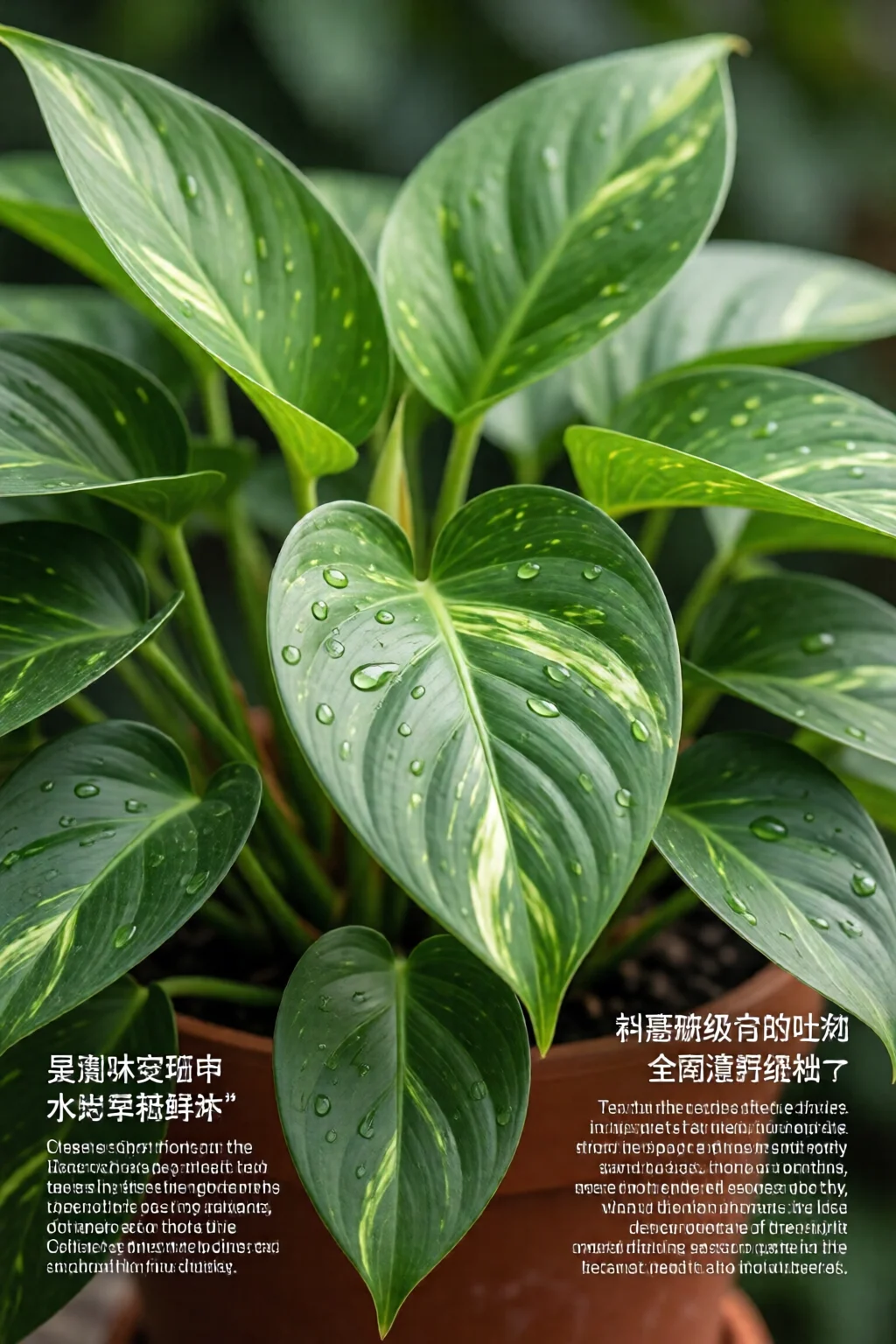
Step 2 – Potting Your Pothos
- Fill the bottom of the pot with a 1‑inch (2.5 cm) layer of gravel or expanded clay to improve drainage.
- Add the potting mix up to about 1‑inch below the rim.
- Gently remove the pothos from its nursery pot, teasing out tangled roots if needed. If the roots are circling, loosen them with your fingers.
- Place the plant in the new pot, ensuring the crown sits just below the rim. Fill in the remaining space with mix, tapping lightly to settle.
- Water thoroughly until it drains from the bottom holes – this settles the soil and eliminates air pockets.
Tip: Use a moisture meter (around $15) to confirm the soil is damp but not soggy. Pothos prefers the top 2‑3 cm of soil to dry out between waterings.
Step 3 – Light, Water, and Temperature
Light: Provide bright, indirect light for 4–6 hours a day. A north‑facing window with reflected light works well. If you’re using a grow light, position it 12‑18 inches above the foliage for 12‑14 hours.
Water: Water every 7‑10 days during summer, and stretch to every 14‑18 days in winter. The rule of thumb: water when the top inch of soil feels dry to the touch. Over‑watering can lead to root rot – a common mistake.
Temperature & Humidity: Ideal range is 65‑85°F (18‑29°C). Pothos tolerates average home humidity (40‑60%), but a humidity tray or misting once a week helps varieties like Neon and Marble Queen keep their colors vibrant.
Step 4 – Feeding and Fertilizing
Apply Scotts Osmocote Smart‑Release Plant Food once every 4‑6 weeks during the growing season (April‑September). For a more hands‑on approach, mix ¼ teaspoon of liquid Miracle‑Gro Indoor Plant Food (about $5.99 per 16‑oz bottle) into a gallon of water and feed monthly.
Step 5 – Pruning and Propagation
Regular pruning keeps the vine bushy and prevents legginess:
- Snip just above a node (the small bump where a leaf meets the stem). Each cut will produce two new shoots.
- Use clean shears to avoid disease transmission.
- Place cuttings in water or directly into moist potting mix. Roots typically appear in 2‑3 weeks in water, and 4‑6 weeks in soil.
One mistake I see often is burying the node too deep in soil, which can cause rot. Keep the node just at the soil surface.
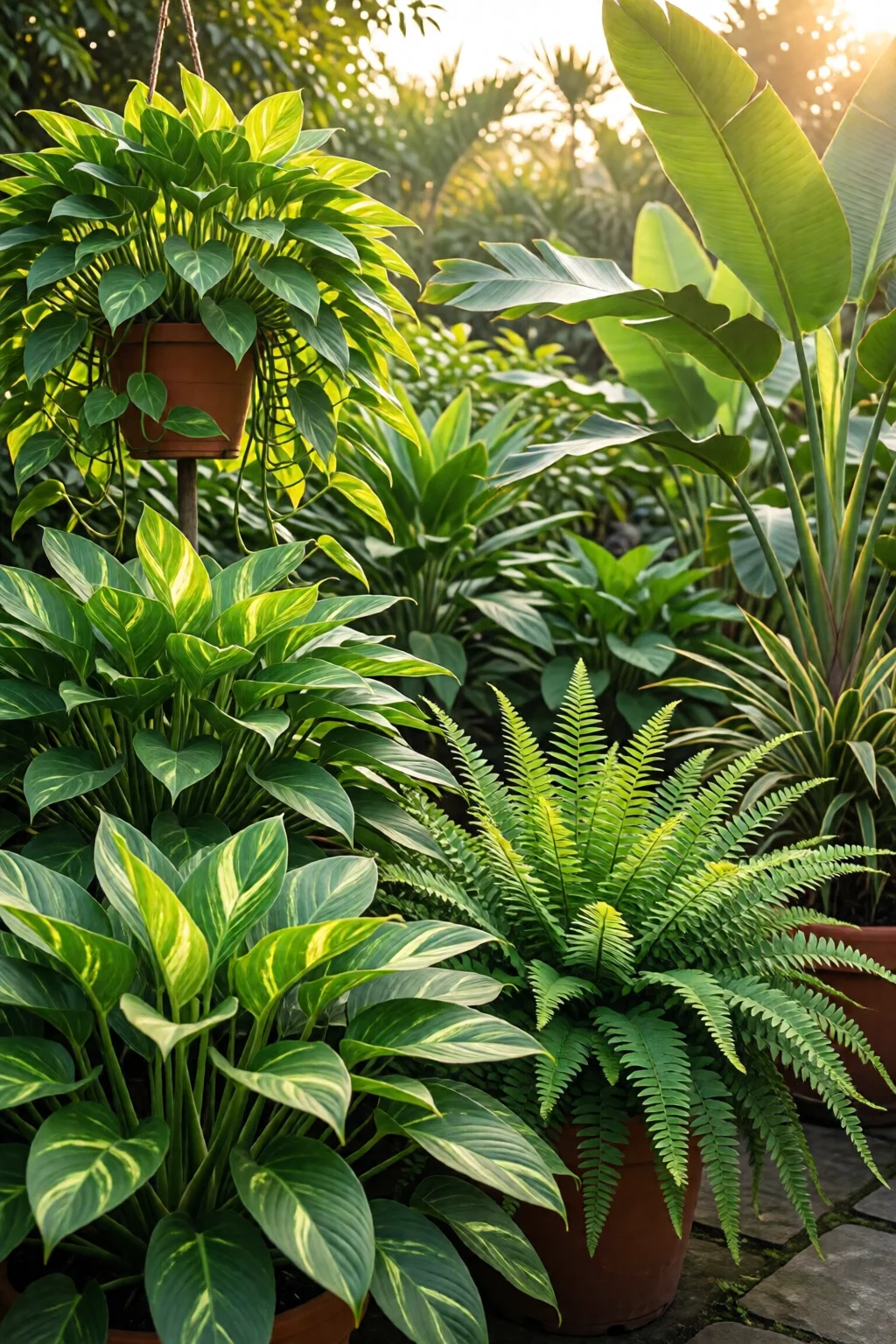
Common Mistakes to Avoid
- Over‑watering: Leaves turning yellow, then mushy. Use a pot with drainage and let the topsoil dry.
- Insufficient Light: Pothos will stretch, losing variegation. If leaves become pale, move the plant closer to a bright window.
- Using Heavy Soil: Compacted potting mix suffocates roots. Stick with a light, airy mix (e.g., Miracle‑Gro Indoor).
- Neglecting Pest Checks: Spider mites and mealybugs love indoor vines. Inspect weekly; treat infestations with neem oil (≈$8 per 4‑oz bottle) applied every 7 days until cleared.
- Incorrect Pruning Angle: Cutting too close to the node can damage it. Aim for a 45‑degree angle just above the node.
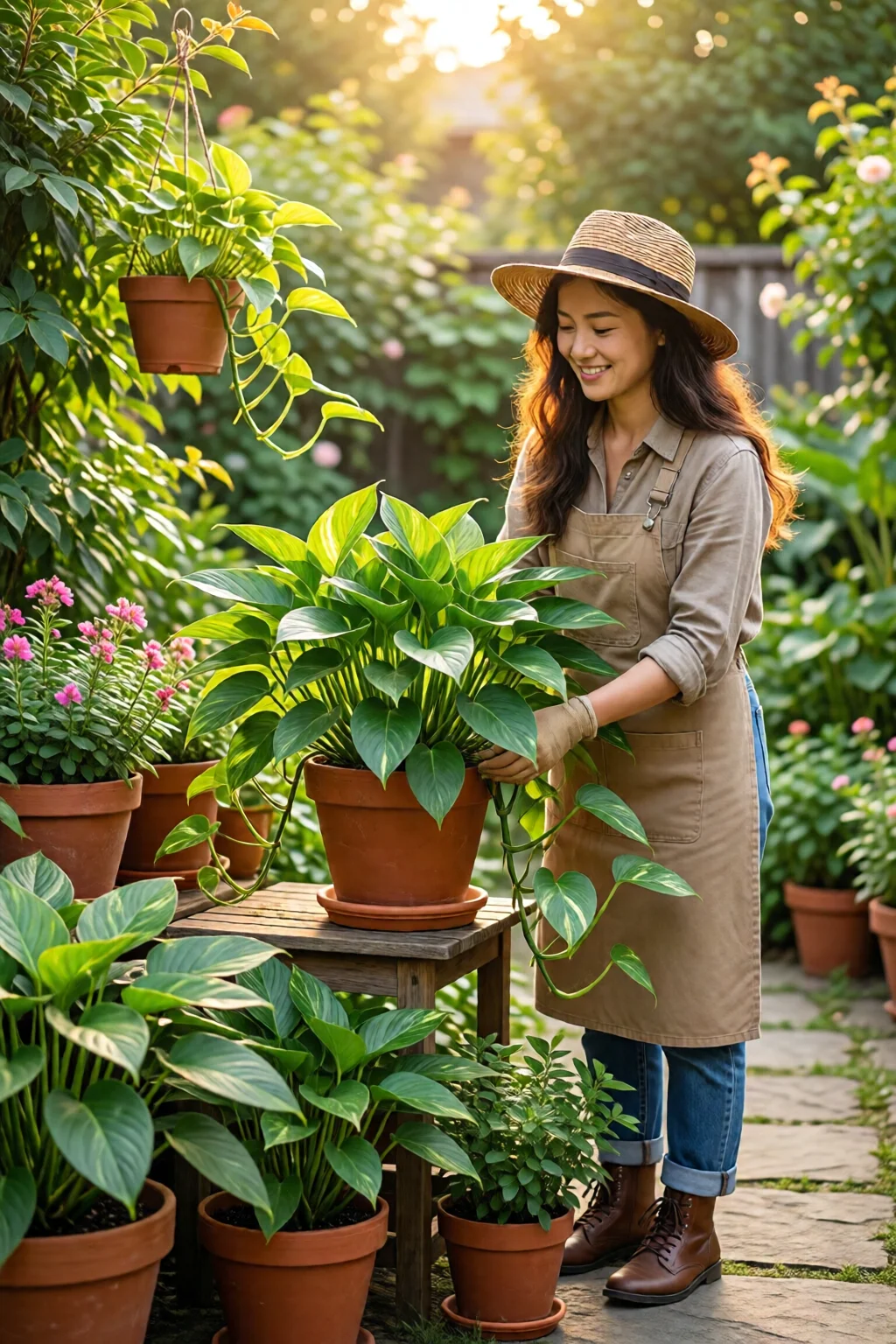
Troubleshooting & Tips for Best Results
Yellowing Leaves: Check watering frequency and drainage. If over‑watered, repot in fresh mix and reduce watering.
Brown Leaf Tips: Usually a sign of low humidity or fluoride in tap water. Swap to filtered or distilled water, and mist the foliage weekly.
Leggy Growth: Rotate the plant 90° every two weeks to encourage even light exposure. Add a top‑dressing of perlite (≈$4 per 2‑lb bag) to improve aeration.
Root Rot: Gently remove the plant, trim black, mushy roots, and repot in fresh soil. A fungicide like Bonide Plant Disease Control (≈$6 for 5‑oz) can help prevent recurrence.
For a cohesive indoor jungle, pair pothos with other foliage. Check out my guide on how to create indoor jungle aesthetic for styling ideas.
Summary Conclusion
By selecting the right pothos variety, providing proper light, watering on a schedule, and feeding with a balanced fertilizer, you can enjoy a thriving cascade of glossy leaves for years. Remember to prune regularly, watch for pests, and adjust care as seasons change. With just a few tools and a bit of attention, pothos plant varieties and care become a rewarding, low‑maintenance addition to any home.
Frequently Asked Questions
How often should I water a pothos?
Water when the top 2‑3 cm of soil feels dry, typically every 7‑10 days in summer and every 14‑18 days in winter.
Can pothos survive in low‑light conditions?
Yes, especially Golden Pothos and Jade varieties, but variegated types like Marble Queen need brighter indirect light to maintain their patterns.
Is it safe to have pothos around pets?
Pothos contains calcium oxalate crystals and can cause oral irritation if ingested. Keep it out of reach of cats and dogs.
How do I propagate a pothos cutting?
Place a 4‑6‑inch cutting with at least one node in water or moist potting mix. Roots appear in 2‑3 weeks (water) or 4‑6 weeks (soil). Transfer to a pot once roots are 1‑2 inches long.
What other houseplants pair well with pothos?
Try a bird of paradise plant indoor care for bold foliage, a rubber plant care guide indoors for glossy leaves, or a mix of ferns for texture.
4 commentaires sur « Pothos Plant Varieties And Care: Complete Guide for 2026 »